voks
Ascending
- Joined
- Oct 24, 2025
- Posts
- 465
- Reputation
- 419
Not medical advice. This is based on cranofacial anatomy + observational patterns + general research consensus.
Facial angularity isn't a "fat level"
Facial angularity gets talked about like it's something you can just unlock by lowering your body fat.
That's not how it really works.
Body fat doesnt't generate angularity. It only changes how visible, the underlying structure already is.
So what people call a " sharp face " is usually just bone structure becoming more readable once soft tissue stops masking it
 .
.
Bone Structure is what creates angularity
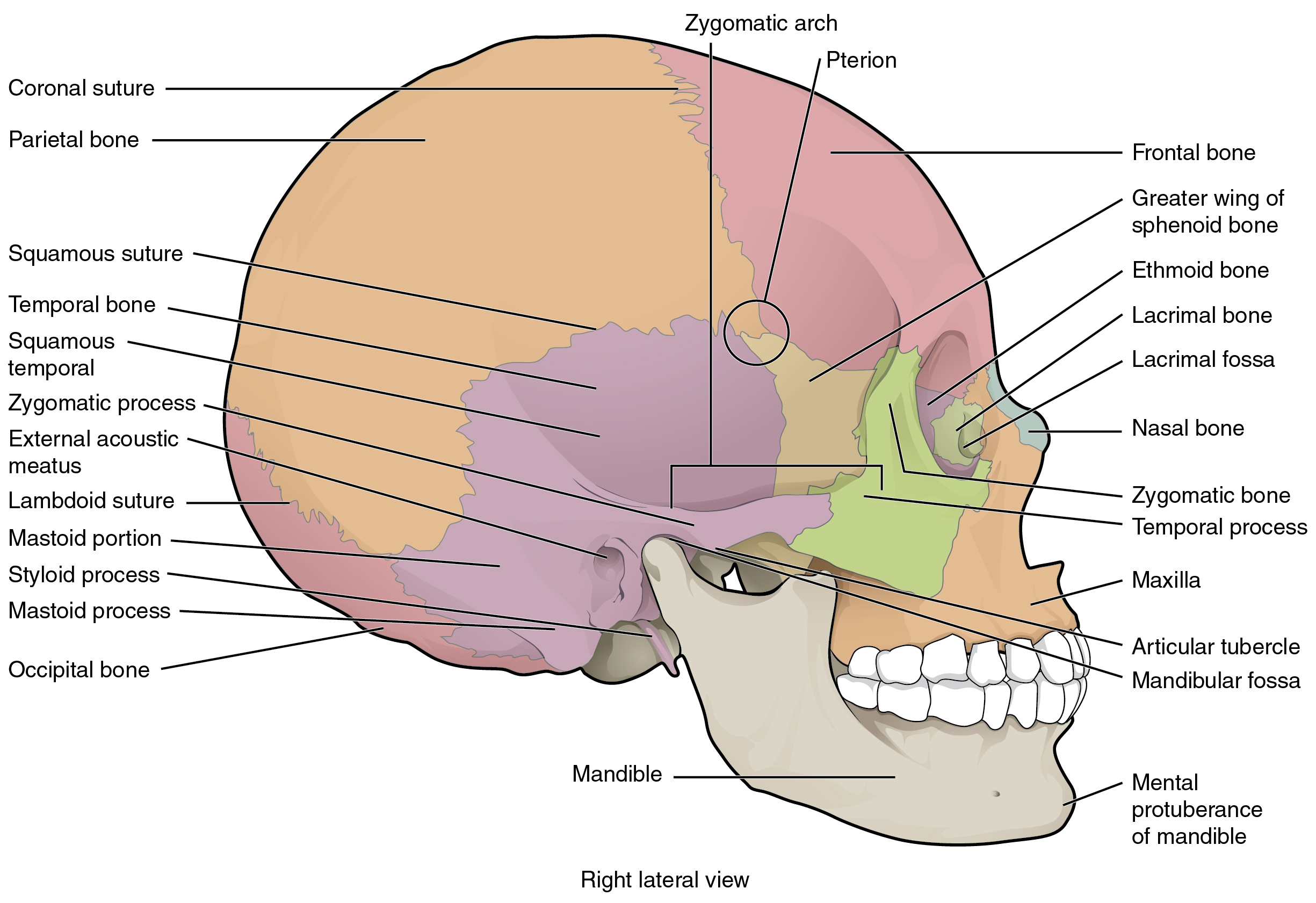
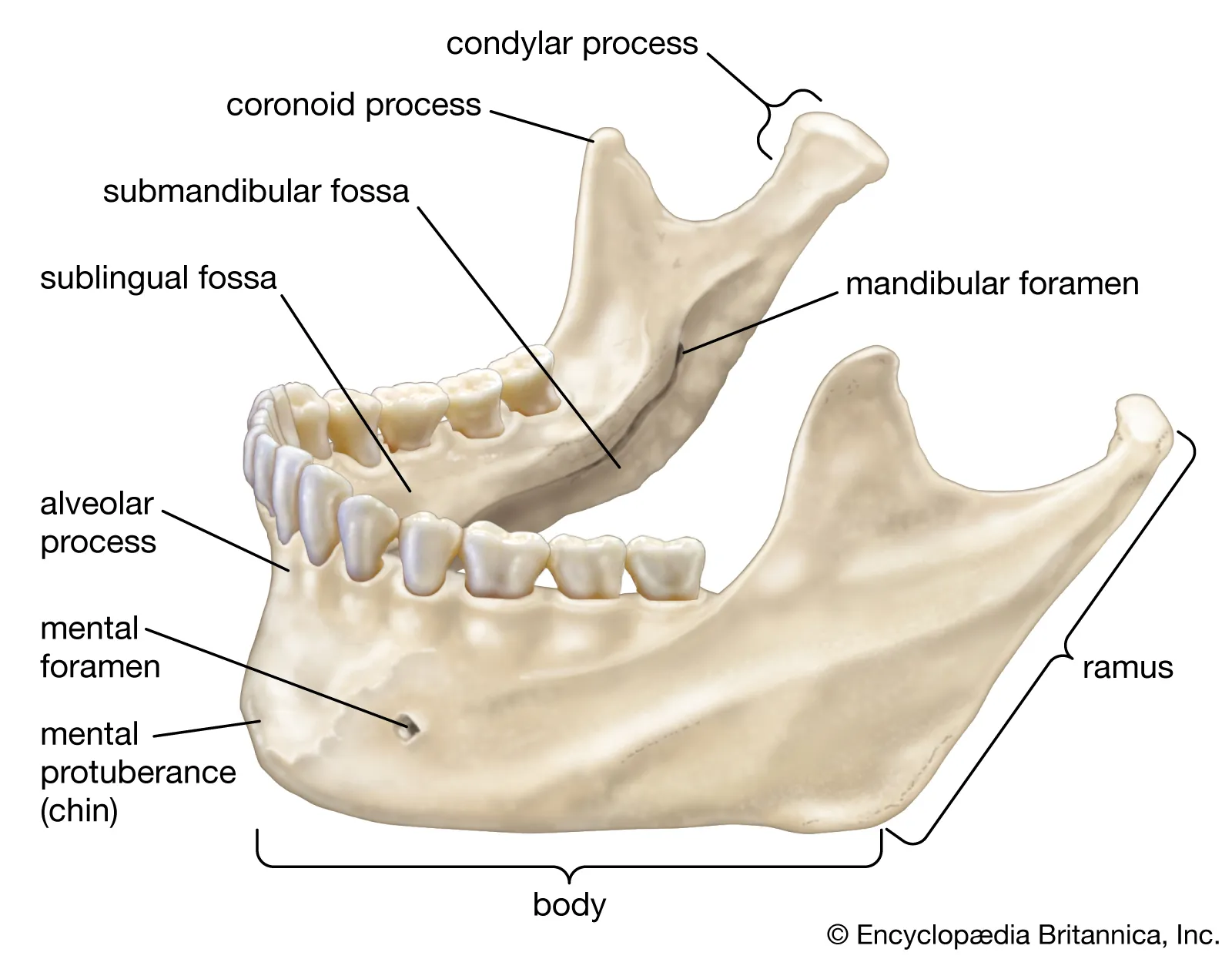
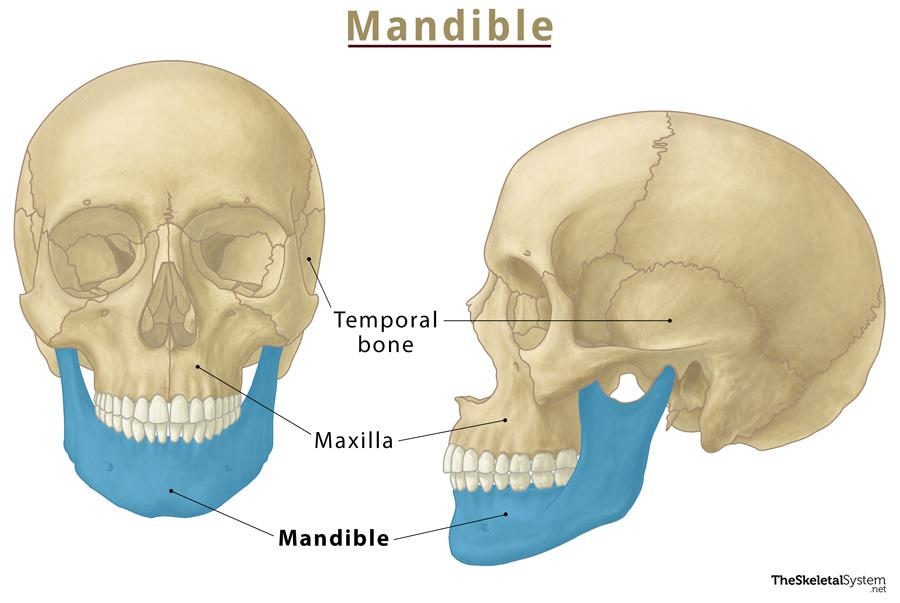
Angular faces come from geometry, not leanness.
You're looking at:
- ZYGOMATIC PROJECTION (cheekbone structure)
- MANDIBULAR ANGLE SHARPNESS
- MAXILLARY FORWARD POSITION
- ORBITALS DEPTH AND SPACING
.
Soft tissue only changes readability 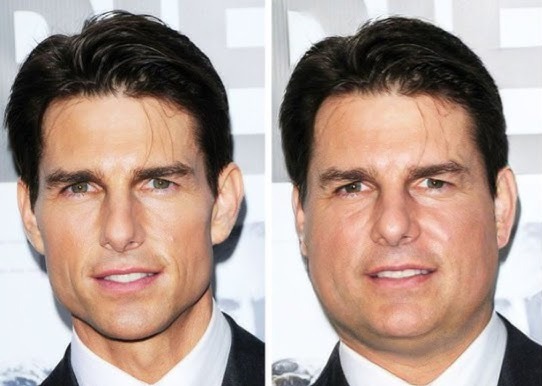
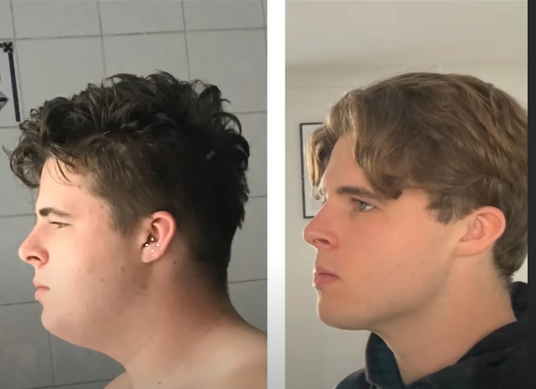
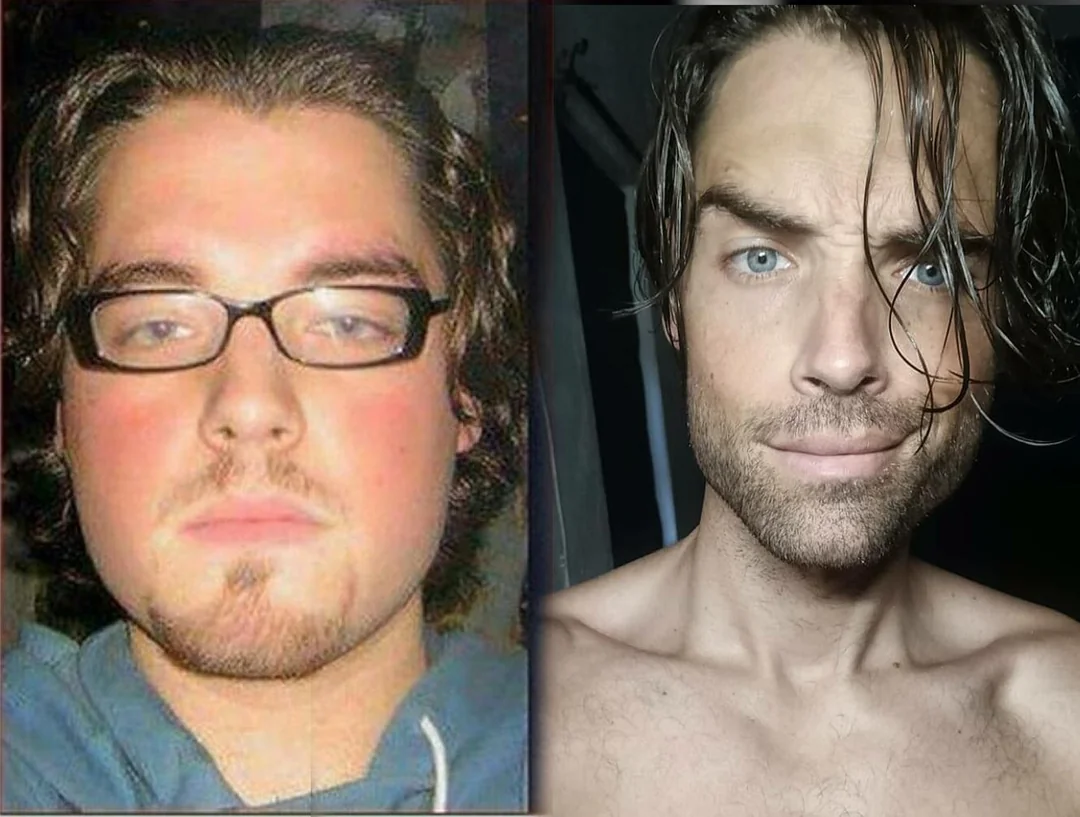
Soft tissue sits on top of the structure and acts like a filter
It can:
- Smooth Edges
- Blur transitions between planes
- Add fullness to cheeks and jawline
- Mask bone projection
- Create cheekbone structure
- Change jaw angle
- Alter orbital depth
- Change facial proportions
Why same body fat ≠ same facial sharpness
This is where most of the confusion comes from. Two people can be identical body fat levels and still look comepletly different beacuse fat distribution is genetic, skeletal projection differs massively, water retention changes facial fullness, and skin thickness affects edge definition
So " lean " is not a universal visual state. It's just a range where structure becomes more visible.
What people actually call " angularity "
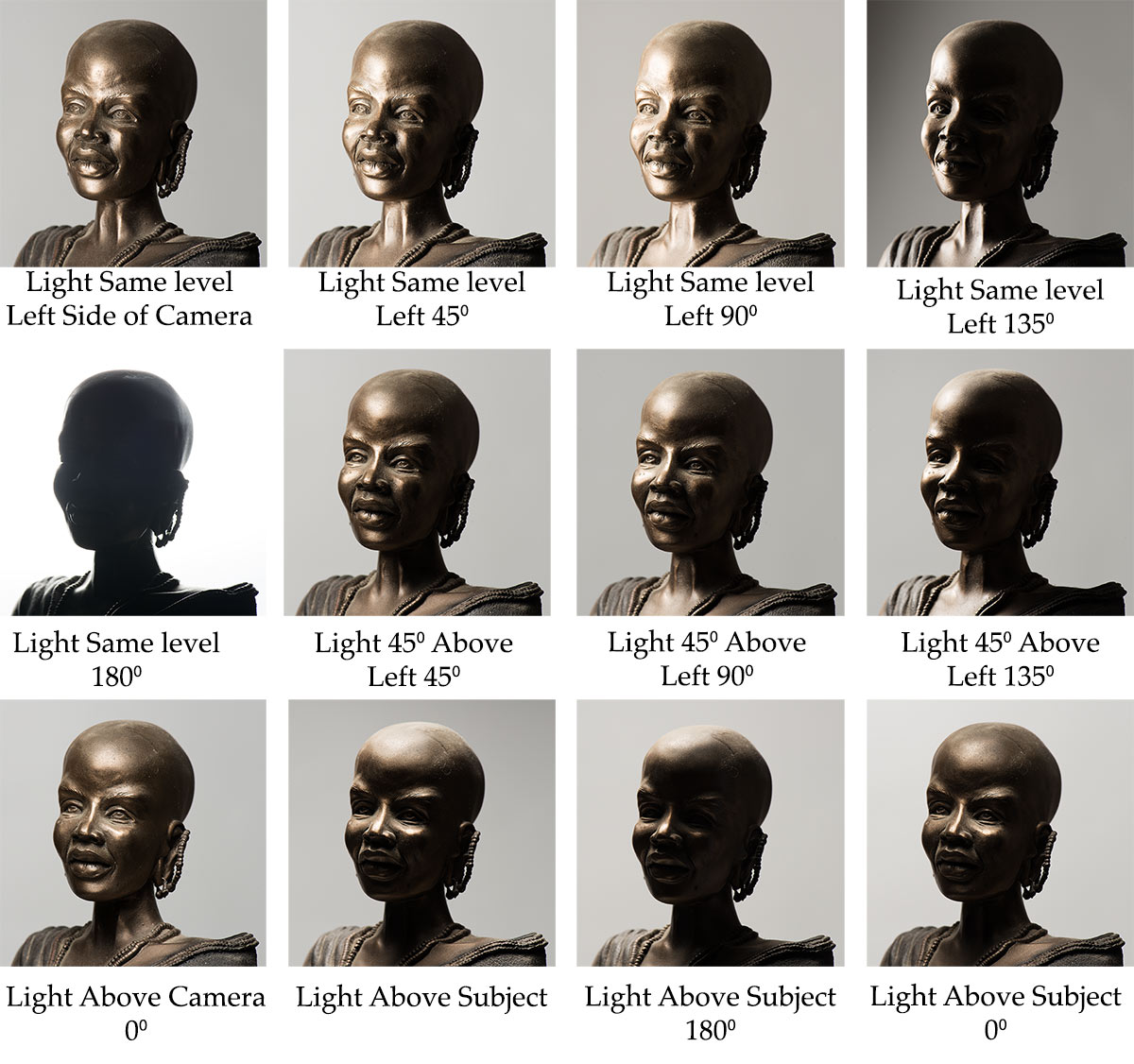
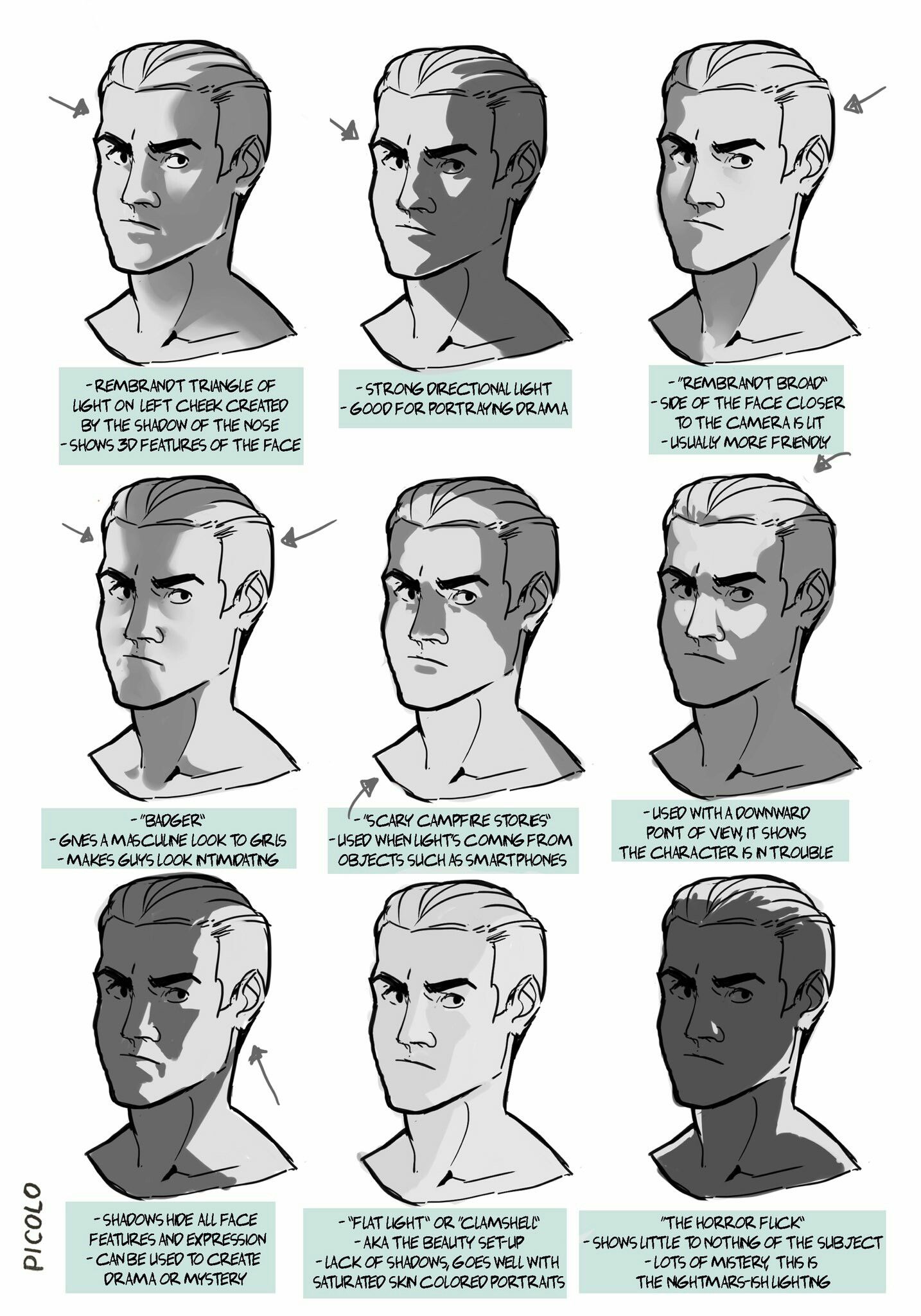
In real perception, angularity is not just visibility. It's the interaction between bone projection catching light, lack of excessive soft tissue smoothing, symmetry in midface transitions and shadow formation under consistent lighting, That's why lighting alone can drastically change perceived " sharpness " without any actual physical changes.
The Key Misunderstanding
People think:
low body fat → sharp face
But the actual chain is:
structure → defines potential
body fat → reveals or hides it
lighting → decides how it's overall perceived
Body fat is only one layer in that system, not the driver of the angularity itself.
CONCLUSION (aka scroll filler
)This is probably the part most people ignore when trying to understand facial angularity, beacuse it feels like the answer should be simple , but in practice what you see as "sharp" or "soft" is rarely coming from a single variable like body fat or even just bone structure in isolation
The human brain doesn't actually process the face as a set of separate features. It processes it as a combined sufrace with depth, contrast, and transitions between light and shadow. That means what people interpret as angularity is often just how clearly those transitions appear under normal viewing conditions, not necessarily how extreme the underlying bone is.
For example, two faces can have very similar skeletal structure on paper, but one will consistently read sharper simply beacuse the soft tissue distribution allows cleaner light to break around the zygos and mandible. In the other case, even if the bones are technically similar, slightly thicker or even differently distributed, soft tissue smooths those transitions
, which reduces perceived angularity without any real structural difference.On top of that, most real-life perception happens in motion, non static images. When a face moves, even small differences in fat distribution, skin elasticity, and facial muscle tone change how shadows form moment to moment
. So people often overestimate the importance of static "ideal angles" and underestimate how dynamic soft tissue interaction affects perceived sharpness.This is also why online comparisons are misleading in general. Controlled lighting, pose, and camera distance can exaggerate or hide angularity in ways that don't reflect real world perception (aka frauding jfl). A face that looks extremely sharp in one setup might look much softer in neutral conditions, and vice versa, without any actual change in structure.
So when people say "this face is sharp" or "this face is soft" they are usually describing a combination of structure + soft tissue + presentation conditions, not just one isolated factor.
worthless loosing fat when ur boneless
if ur goal is facial leanness just do a @buccalfatremoval