



𝔻𝕠𝕨𝕟𝕨𝕒𝕣𝕕𝕘𝕣𝕠𝕨𝕥𝕙𝕔𝕖𝕝

Total Forward Growth Death
- Joined
- Sep 22, 2025
- Posts
- 4,049
- Reputation
- 7,900
The Ultimate Facial Aging Prevention Megathread
Section 1: Introduction
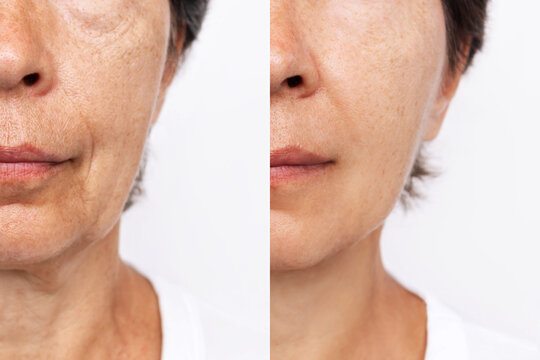
Most people massively underestimate how early facial aging actually starts.
They wait until they have obvious wrinkles, pigmentation, sagging or volume loss before they start caring about anti-aging.
By that point, years of cumulative damage have already happened.
The goal of this thread is not to find a magic anti-aging product
BEFORE ITS TO LATE!
And preserve your facial aesthetics for as long as possible.
everyting we're you will see in this thread:
Prevention.
Lifestyle.
Skincare.
Retinoids.
Antioxidants.
Peptides.
Supplements.
Professional treatments.
Lasers.
Injectables.
Devices.
And finally, surgical procedures.
Section 2: What Actually Causes Facial Aging?
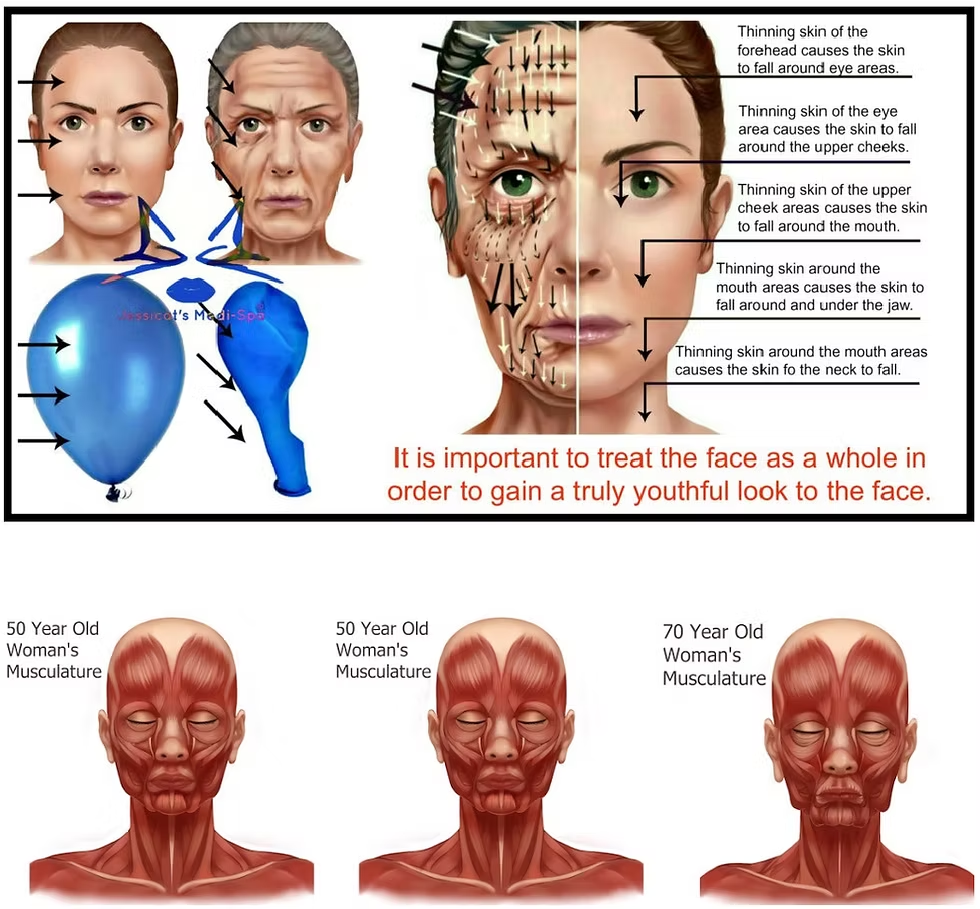
Before trying to prevent aging, you need to understand what you're actually trying to prevent.
There are two broad categories.
Intrinsic aging
This is the biological aging process.
Even if you lived in perfect conditions, your skin would still change with age.
Collagen production declines.
Skin becomes thinner.
Cell turnover slows.
Sebaceous gland activity changes.
The dermis becomes less dense.
Facial fat compartments change.
You cannot completely stop this.
Extrinsic aging
This is where you have much more control.
Major contributors include:
UV exposure
Smoking
Air pollution
Chronic inflammation
Poor sleep
Poor nutrition
Excessive alcohol
Repeated tanning
Certain environmental exposures
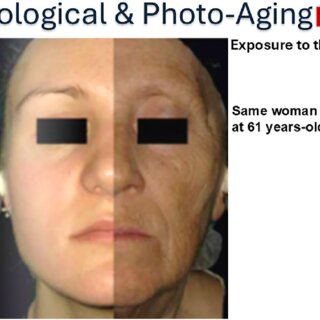
UV exposure is particularly important because photoaging adds a large amount of preventable damage on top of intrinsic aging. Repeated UV exposure contributes to wrinkles, pigmentation, loss of elasticity and other visible changes.
This is why two people of the same chronological age can have completely different looking skin.
One person's biological appearance can be much younger or older than their actual age.
Section 3: The Skin Architecture
Your skin isn't just a flat surface.
It has multiple layers.
Epidermis
The outermost layer.
It provides much of the barrier function and contains the cells responsible for continual renewal.
Dermis
This is where much of the collagen and elastin responsible for structural support are located.
Fibroblasts produce extracellular matrix components including collagen.
Subcutaneous tissue
This contains fat and provides cushioning, insulation and volume.
This matters because facial aging isn't purely a skin problem.
A person can have relatively good skin but still develop an older appearance because of changes underneath it.
This is why the following should be separated:
Skin aging
Wrinkles, pigmentation, texture, dryness and laxity.
Soft tissue aging
Fat loss, fat redistribution and changes in connective tissue.
Structural aging
Changes involving bone and deeper facial support.
Different problems require completely different solutions.
A retinoid can improve skin.
It cannot replace lost facial volume.
A filler can restore volume.
It cannot reverse UV-induced pigmentation.
A facelift can reposition tissue.
It cannot prevent future UV damage.
Understanding this distinction prevents a lot of wasted money.
Section 4: UV Protection
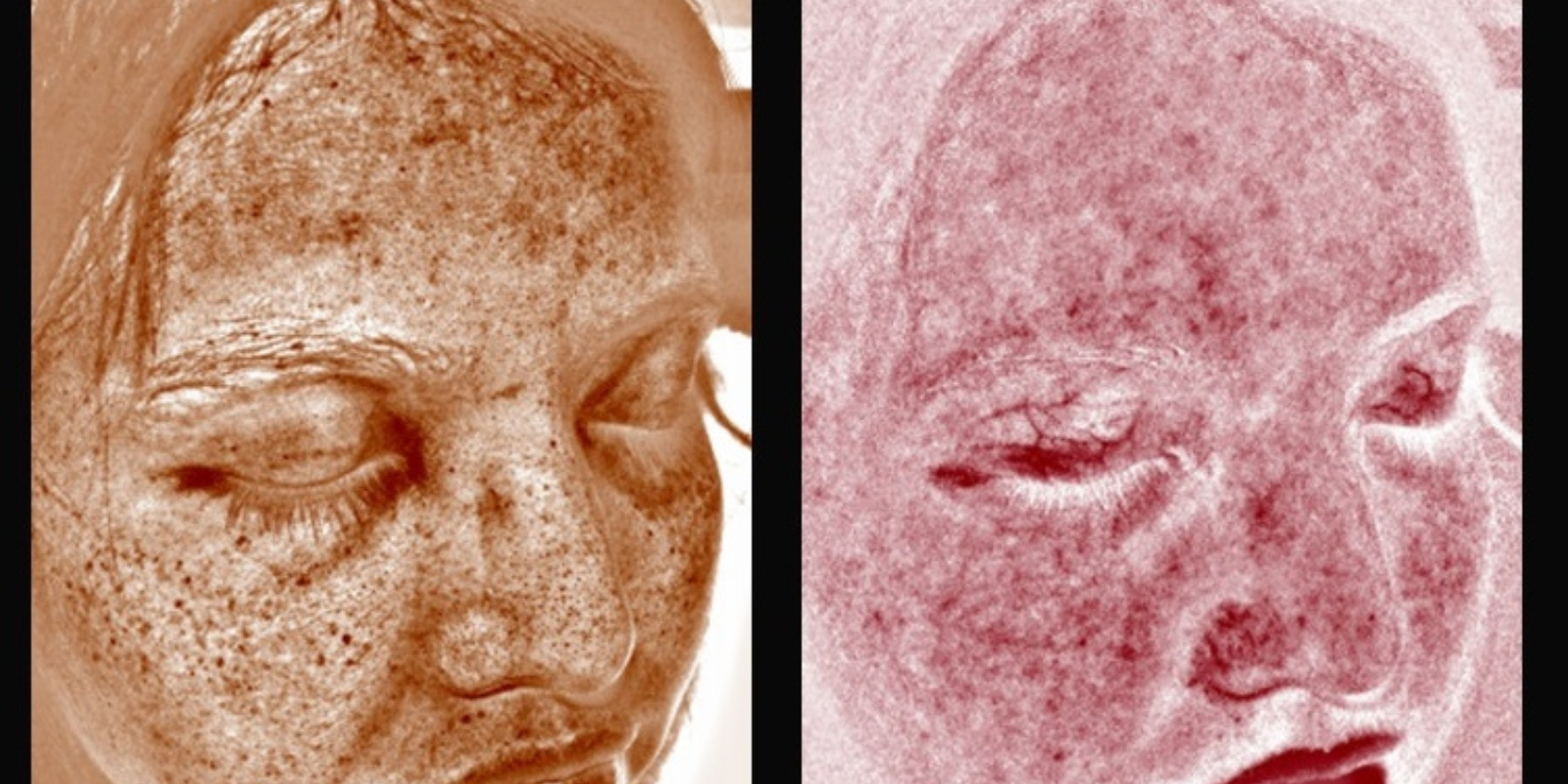
This is the foundation of the entire thread.
If you only do one thing for long-term skin preservation, make it this.
Protect yourself from UV.
UV exposure is cumulative.
Every year of repeated exposure adds to the total amount of photoaging.
This contributes to:
Wrinkles
Pigmentation
Uneven skin tone
Loss of elasticity
Collagen degradation
DNA damage
The American Academy of Dermatology recommends broad-spectrum SPF 30 or higher and water resistance, along with shade and protective clothing when appropriate.
Sunscreen
Look for:
Broad spectrum
Protects against UVA and UVB.
SPF 30 or higher
Higher SPF can provide additional protection when properly applied.
Water resistant
Useful when sweating or swimming.
Broad spectrum
Protects against UVA and UVB.
SPF 30 or higher
Higher SPF can provide additional protection when properly applied.
Water resistant
Useful when sweating or swimming.
Application
The product doesn't matter if you barely apply any.
Apply it to exposed skin.
Don't forget:
Ears
Neck
Hairline
Hands
Around the eyes
Reapply when appropriate based on sun exposure, sweating and the product instructions.
Apply it to exposed skin.
Don't forget:
Ears
Neck
Hairline
Hands
Around the eyes
Reapply when appropriate based on sun exposure, sweating and the product instructions.
Physical protection
Sunscreen isn't the only tool.
Use:
Hats
Sunglasses
Shade
Protective clothing
when appropriate.
If you're deliberately tanning because you think it improves your appearance, remember that the tan itself is a response to UV exposure.
If you want the appearance of being tan without the UV exposure, self-tanning products are a much better option.
Use:
Hats
Sunglasses
Shade
Protective clothing
when appropriate.
If you're deliberately tanning because you think it improves your appearance, remember that the tan itself is a response to UV exposure.
If you want the appearance of being tan without the UV exposure, self-tanning products are a much better option.
Tinted sunscreen
This is particularly interesting for pigmentation.
Tinted sunscreens containing iron oxides can provide additional protection against visible light, which can be relevant for some pigmentation disorders.
Tinted sunscreens containing iron oxides can provide additional protection against visible light, which can be relevant for some pigmentation disorders.
Section 5: Smoking, Alcohol and Lifestyle
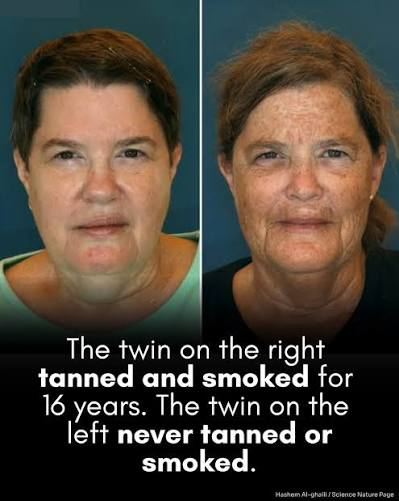
Skincare can't compensate for continuously damaging your body.
Smoking
Smoking is one of the clearest lifestyle factors associated with premature skin aging.
It increases oxidative stress and contributes to degradation of collagen and elastic fibers.
If you're trying to preserve your facial aesthetics for decades, smoking is one of the easiest things to remove from the equation.
Alcohol
The relationship is more complicated than "one drink ages you."
The main concern is chronic heavy consumption and its effects on hydration, sleep, nutrition and overall health.
Don't treat alcohol as an anti-aging tool.
Sleep
Consistently poor sleep is another bad foundation.
Sleep affects recovery, immune function, inflammation and general health.
You don't need a complicated sleepmaxxing protocol.
Get enough sleep consistently.
Exercise
Exercise won't magically erase wrinkles.
But regular physical activity supports cardiovascular and metabolic health and is associated with healthier aging overall.
Stress
You don't need to eliminate cortisol.
You need to avoid chronic stress combined with poor sleep and poor recovery becoming your normal state.
The boring habits are still the important ones.
Section 6: Diet, Protein and Glycation
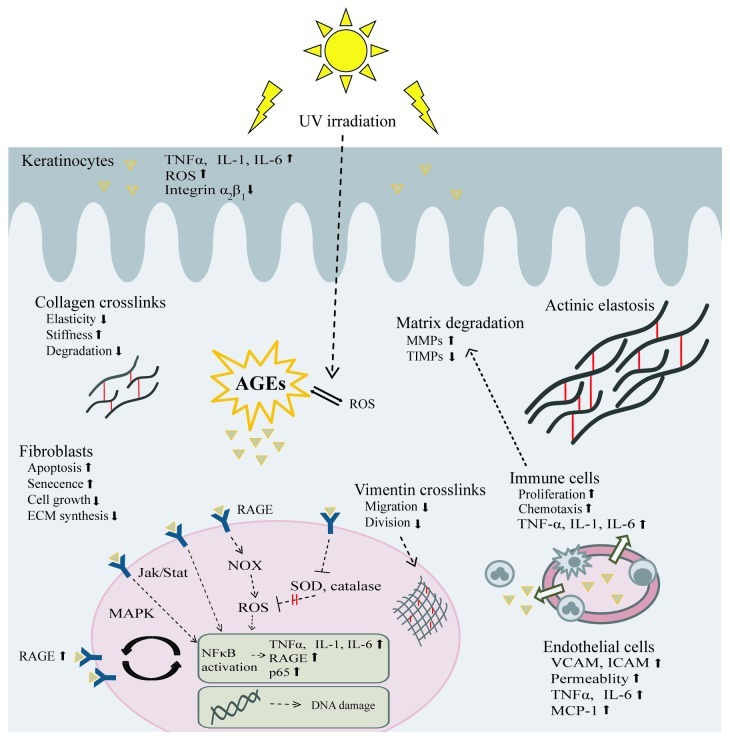
Anti-aging nutrition is one of the areas where the internet becomes ridiculous.
You don't need to eat twelve "superfoods" every morning.
You need an adequate diet.
Protein
Adequate protein is necessary for normal tissue maintenance and repair.
Vitamin C
Vitamin C is required for collagen synthesis and also functions as an antioxidant.
For healthy people without a deficiency, getting it from food is usually straightforward.
Fruits and vegetables
Provide vitamins, minerals and various antioxidant compounds.
Essential fats
Adequate essential fatty acids support normal skin function.
Micronutrients
Deficiencies can affect skin quality.
Correct deficiencies.
Don't automatically assume that more is better.
Glycation
Glycation occurs when sugars react with proteins and form advanced glycation end-products.
These compounds can modify proteins such as collagen and elastin.
This is one reason glycation has become a major topic in skin aging research.
However, you don't need to become obsessed with avoiding every food that contains AGEs.
The practical strategy is:
Maintain good metabolic health.
Avoid chronic excessive consumption of highly refined foods.
Maintain a balanced diet.
Don't buy expensive "anti-glycation" supplements because an influencer told you sugar is literally melting your face.
These compounds can modify proteins such as collagen and elastin.
This is one reason glycation has become a major topic in skin aging research.
However, you don't need to become obsessed with avoiding every food that contains AGEs.
The practical strategy is:
Maintain good metabolic health.
Avoid chronic excessive consumption of highly refined foods.
Maintain a balanced diet.
Don't buy expensive "anti-glycation" supplements because an influencer told you sugar is literally melting your face.
Section 7: Retinoids
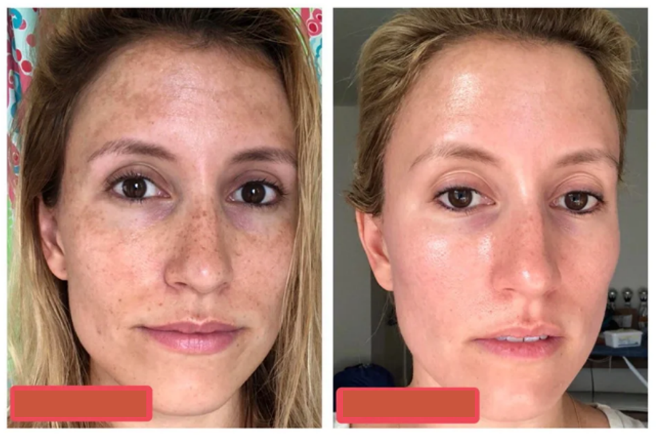
If sunscreen is the foundation, retinoids are probably the most important topical treatment category.
Retinoids increase epidermal turnover and influence collagen production and extracellular matrix remodeling.
They can improve:
Fine lines
Texture
Pigmentation! Acne
Overall skin quality
There are several important members of the family.
Retinol
The common over-the-counter option.
It has to be converted in the skin into active retinoic acid.
Generally weaker and slower than prescription retinoids.
It has to be converted in the skin into active retinoic acid.
Generally weaker and slower than prescription retinoids.
Retinal
Retinal is one conversion step closer to retinoic acid than retinol.
It can provide stronger activity than standard retinol while still being available in cosmetic formulations.
It can provide stronger activity than standard retinol while still being available in cosmetic formulations.
Adapalene
A synthetic retinoid primarily used for acne.
It is more targeted toward acne than cosmetic photoaging.
It is more targeted toward acne than cosmetic photoaging.
Tretinoin
Prescription retinoic acid.
It does not need to be converted into another active form.
Tretinoin has some of the strongest evidence for topical treatment of photoaging.
It does not need to be converted into another active form.
Tretinoin has some of the strongest evidence for topical treatment of photoaging.
Tazarotene
Another prescription retinoid.
It can be highly effective but can also be irritating.
It can be highly effective but can also be irritating.
What should you choose?
For someone mainly interested in long-term anti-aging:
Retinol or retinal
Good entry-level options.
Tretinoin
The more evidence-heavy option when medically appropriate.
Tazarotene
Potentially stronger, but also more irritating.
The mistake is thinking the strongest retinoid automatically produces the best result.
Irritation can destroy your consistency.
A treatment you can tolerate for years is more useful than one you abandon after two weeks.
AAD guidance also recommends starting retinoids gradually because irritation is a common problem.
Retinol or retinal
Good entry-level options.
Tretinoin
The more evidence-heavy option when medically appropriate.
Tazarotene
Potentially stronger, but also more irritating.
The mistake is thinking the strongest retinoid automatically produces the best result.
Irritation can destroy your consistency.
A treatment you can tolerate for years is more useful than one you abandon after two weeks.
AAD guidance also recommends starting retinoids gradually because irritation is a common problem.
Section 8: Vitamin C
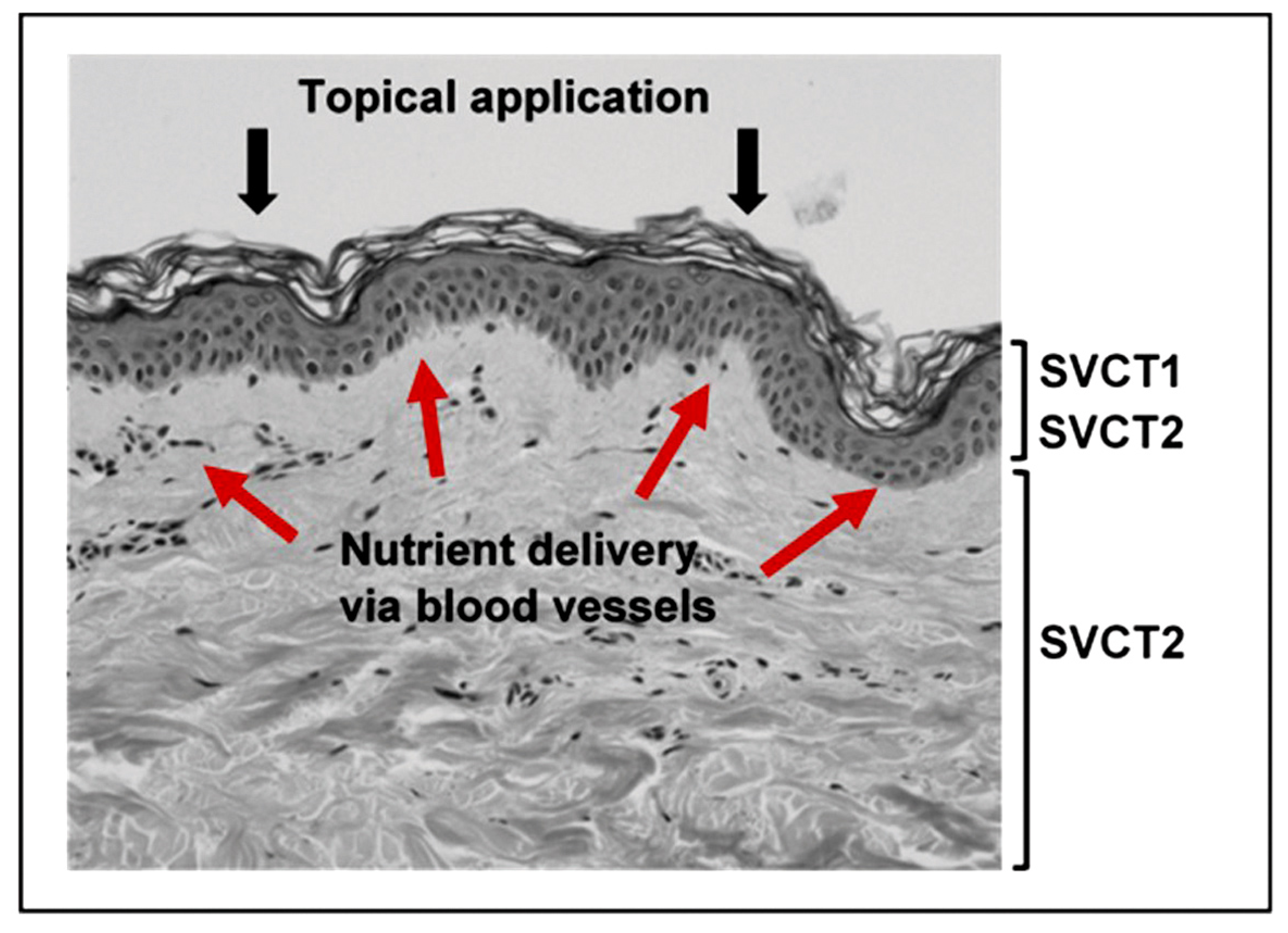
Vitamin C is useful, but it is heavily overmarketed.
The reason people use it is primarily its antioxidant properties and its role in collagen synthesis.
The important question is not:
"Does vitamin C work?"
The better question is:
Which form and formulation actually work?
L-ascorbic acid
The classic form.
It has the strongest track record.
Commonly studied formulations are in the range of roughly 10 to 20 percent.
The problem is stability.
L-ascorbic acid oxidizes relatively easily.
A badly formulated product can become much less useful.
It has the strongest track record.
Commonly studied formulations are in the range of roughly 10 to 20 percent.
The problem is stability.
L-ascorbic acid oxidizes relatively easily.
A badly formulated product can become much less useful.
Vitamin C derivatives
Examples include:
Magnesium ascorbyl phosphate
Sodium ascorbyl phosphate
Ascorbyl glucoside! 3-O-ethyl ascorbic acid
Tetrahexyldecyl ascorbate
These can be more stable, but their evidence for anti-aging is generally not as strong as the classic L-ascorbic acid literature.
Magnesium ascorbyl phosphate
Sodium ascorbyl phosphate
Ascorbyl glucoside! 3-O-ethyl ascorbic acid
Tetrahexyldecyl ascorbate
These can be more stable, but their evidence for anti-aging is generally not as strong as the classic L-ascorbic acid literature.
Reality check
Vitamin C is useful.
It is not a replacement for sunscreen.
It is not a replacement for retinoids.
And it is definitely not going to erase ten years of photoaging.
Think of it as an additional tool.
It is not a replacement for sunscreen.
It is not a replacement for retinoids.
And it is definitely not going to erase ten years of photoaging.
Think of it as an additional tool.
Section 9: Niacinamide
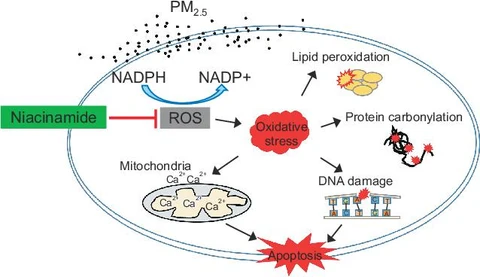
Niacinamide is one of the more underrated ingredients because it is useful without being particularly exciting.
It can help with:
Skin barrier function
Pigmentation
Inflammation
Sebum regulation
Overall skin appearance
Concentrations around 2 to 5 percent are generally plenty for most cosmetic purposes.
More isn't necessarily better.
A 15 percent niacinamide serum isn't automatically three times as effective as a 5 percent serum.
The main advantage of niacinamide is that it can fit into a long-term routine without being nearly as irritating as stronger actives.
It is a support ingredient.
Not the centerpiece.
Section 10: Peptides
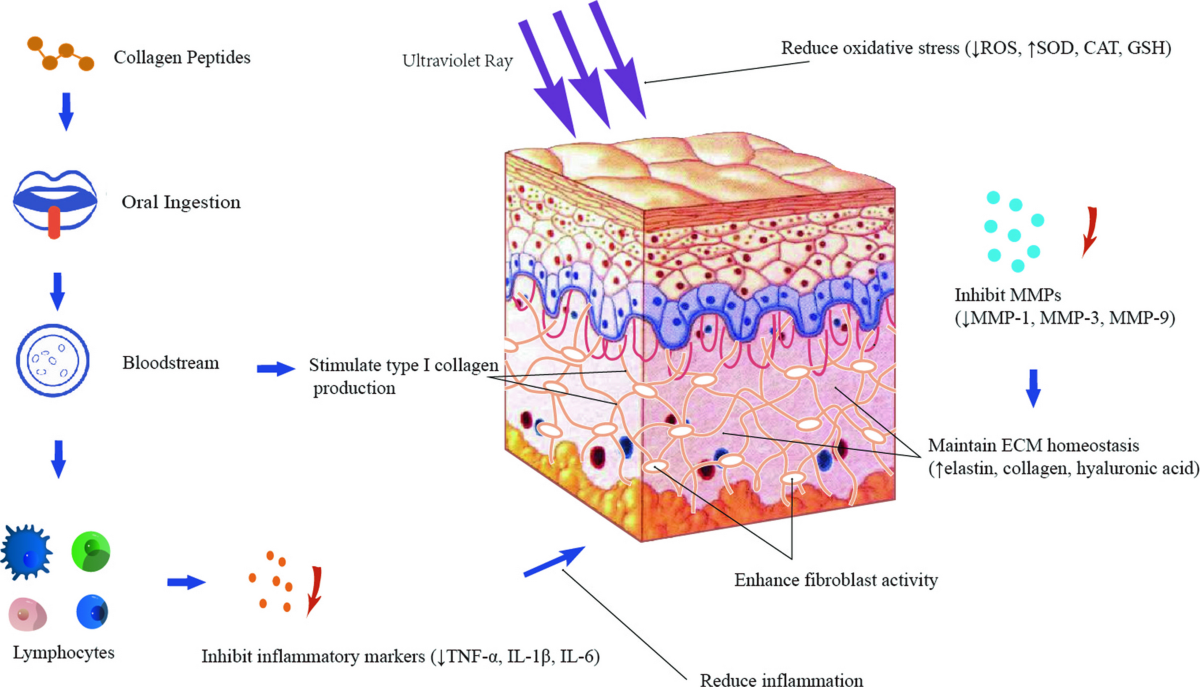
This is where most skincare marketing becomes extremely misleading.
"Peptides increase collagen."
That statement is far too vague.
There are many different peptides.
They do different things.
And the evidence is nowhere near as strong as the marketing suggests.
Signal peptides
These are designed to interact with skin signaling pathways involved in extracellular matrix production.
Examples include:
Palmitoyl pentapeptide-4
Often sold under the Matrixyl name.
There are human studies suggesting improvements in wrinkle appearance, but the evidence base is much smaller than the evidence for retinoids.
Palmitoyl tripeptide-1
Another Matrixyl-associated signal peptide.
Often combined with palmitoyl tetrapeptide-7.
Examples include:
Palmitoyl pentapeptide-4
Often sold under the Matrixyl name.
There are human studies suggesting improvements in wrinkle appearance, but the evidence base is much smaller than the evidence for retinoids.
Palmitoyl tripeptide-1
Another Matrixyl-associated signal peptide.
Often combined with palmitoyl tetrapeptide-7.
Copper tripeptide-1
Also known as GHK-Cu.
It has interesting biological mechanisms involving wound healing and extracellular matrix signaling.
However, the quality of evidence for cosmetic topical use is much weaker than the marketing often implies.
It has interesting biological mechanisms involving wound healing and extracellular matrix signaling.
However, the quality of evidence for cosmetic topical use is much weaker than the marketing often implies.
Acetyl hexapeptide-8
Often marketed as an "Argireline" or "Botox-like" peptide.
The idea is that it may influence neurotransmitter-related pathways and reduce the appearance of expression lines.
The important distinction is that putting acetyl hexapeptide-8 on your skin is not equivalent to injecting botulinum toxin.
The penetration and effect are completely different.
A 2025 review found that AH-8 has interesting potential but also highlighted major questions around skin permeability and clinical efficacy.
The idea is that it may influence neurotransmitter-related pathways and reduce the appearance of expression lines.
The important distinction is that putting acetyl hexapeptide-8 on your skin is not equivalent to injecting botulinum toxin.
The penetration and effect are completely different.
A 2025 review found that AH-8 has interesting potential but also highlighted major questions around skin permeability and clinical efficacy.
So which peptides are actually worth considering?
If you're ranking them based on the current evidence:
Palmitoyl-based signal peptides
Probably the most interesting topical category.
GHK-Cu
Interesting mechanistically, but clinical evidence is less convincing.
Acetyl hexapeptide-8
Potentially useful for expression lines, but don't expect Botox-level results.
A 2026 systematic review of 19 RCTs found that peptide treatments were generally well tolerated and showed modest benefits, particularly for hydration and brightness, but effects on elasticity and structural measures were inconsistent.
Palmitoyl-based signal peptides
Probably the most interesting topical category.
GHK-Cu
Interesting mechanistically, but clinical evidence is less convincing.
Acetyl hexapeptide-8
Potentially useful for expression lines, but don't expect Botox-level results.
A 2026 systematic review of 19 RCTs found that peptide treatments were generally well tolerated and showed modest benefits, particularly for hydration and brightness, but effects on elasticity and structural measures were inconsistent.
Peptide verdict
Useful optional addition.
Not a replacement for sunscreen or retinoids.
If your routine is:
Sunscreen
Retinoid
Moisturizer
and you have money left over, peptides become more interesting.
Not before.
Not a replacement for sunscreen or retinoids.
If your routine is:
Sunscreen
Retinoid
Moisturizer
and you have money left over, peptides become more interesting.
Not before.
Section 11: Moisturizers and Barrier Protection
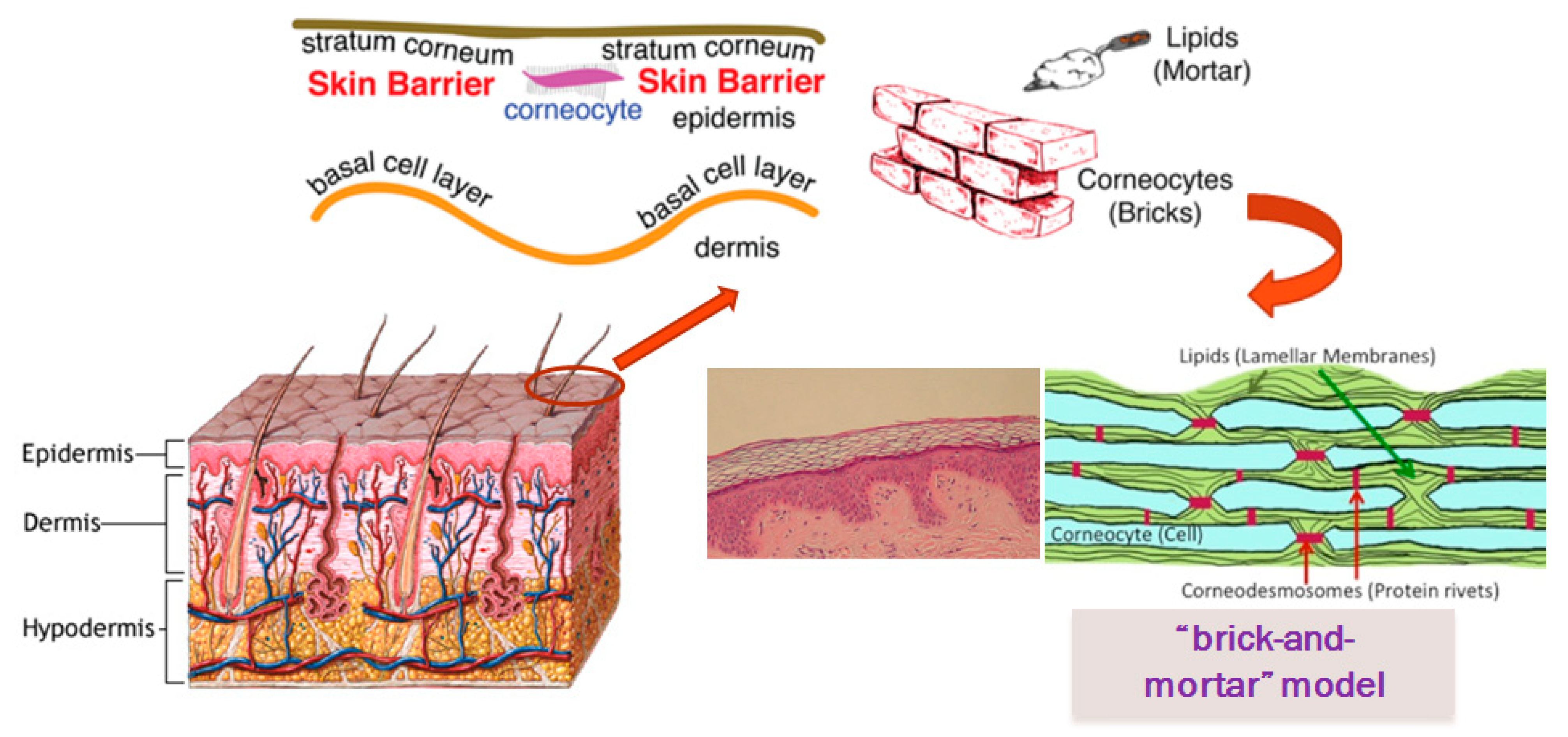
This is probably the least glamorous part of anti-aging.
It is also important.
A damaged skin barrier means:
More irritation.
More dryness.
More sensitivity.
Worse tolerance of retinoids.
More visible fine lines.
Look for ingredients such as:
Ceramides
Help support the lipid barrier.
Glycerin
A basic but extremely effective humectant.
Hyaluronic acid
Attracts water and improves hydration.
Urea
Useful for hydration and roughness at appropriate concentrations.
Petrolatum
One of the strongest occlusive ingredients available.
Moisturizer doesn't reverse aging.
It makes the skin function and look better while helping you tolerate stronger treatments.
AAD also recommends sunscreen and moisturizer as the basic foundation of an anti-aging routine.
Section 12: Exfoliation
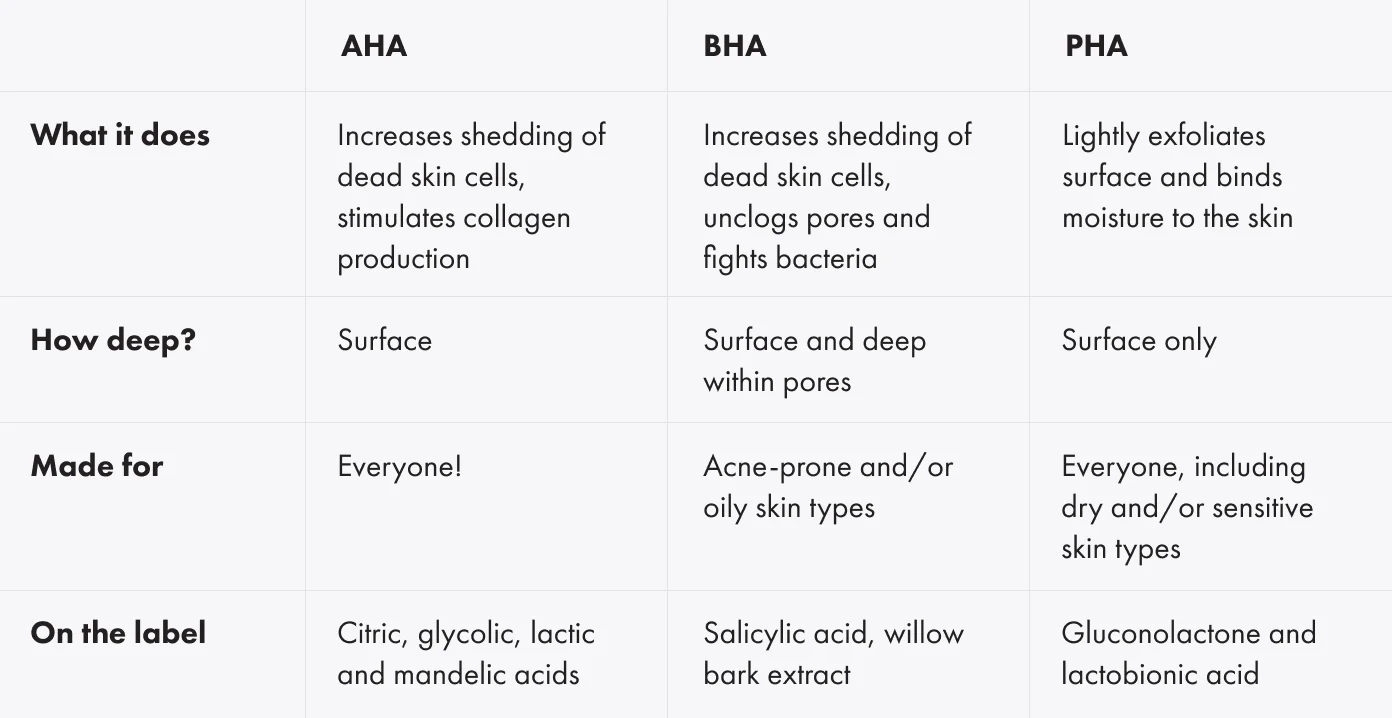
Exfoliation can improve texture and pigmentation.
But this is another area where people massively overdo it.
AHA
Examples:
Glycolic acid
Lactic acid
Mandelic acid
Useful for:
Surface texture
Pigmentation
Dullness
Fine lines
Glycolic acid
Lactic acid
Mandelic acid
Useful for:
Surface texture
Pigmentation
Dullness
Fine lines
BHA
Primarily salicylic acid.
More useful for:
Sebum
Pores
Acne
Congestion
More useful for:
Sebum
Pores
Acne
Congestion
PHA
Generally milder.
Useful for people who don't tolerate stronger acids.
Useful for people who don't tolerate stronger acids.
The problem
Exfoliation is not supposed to leave your face permanently irritated.
If you're using:
Retinoid
AHA
BHA
Vitamin C
scrubs
and multiple masks every day, you're probably not anti-aging.
You're just damaging your barrier.
If you're using:
Retinoid
AHA
BHA
Vitamin C
scrubs
and multiple masks every day, you're probably not anti-aging.
You're just damaging your barrier.
Section 13: Oral Supplements
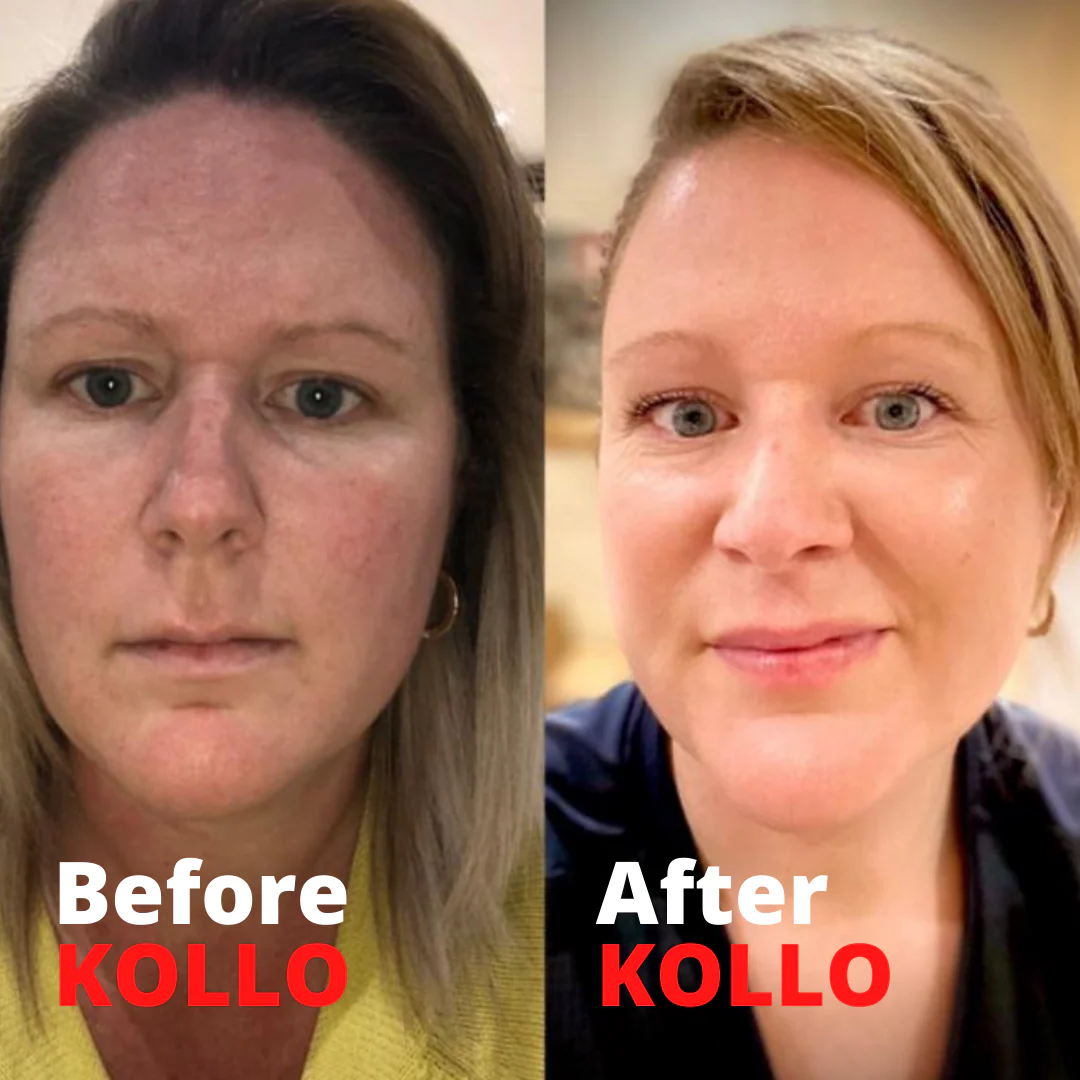
This is where the evidence gets messy.
Collagen peptides
There are studies showing improvements in hydration and elasticity.
A 2023 meta-analysis of 26 RCTs found significant improvements in hydration and elasticity after hydrolyzed collagen supplementation.
But there is an important problem.
A 2025 meta-analysis of 23 RCTs found that the apparent benefits disappeared when analyses were restricted to higher-quality studies and studies without pharmaceutical-industry funding. The authors concluded that current clinical evidence did not establish collagen supplements as effective for preventing or treating skin aging.
A newer 2026 meta-analysis found improvements in hydration, elasticity and barrier-related outcomes, but did not find robust evidence for structural wrinkle reduction.
So the honest verdict is:
Interesting.
Potentially useful.
Not proven enough to call essential.
A 2023 meta-analysis of 26 RCTs found significant improvements in hydration and elasticity after hydrolyzed collagen supplementation.
But there is an important problem.
A 2025 meta-analysis of 23 RCTs found that the apparent benefits disappeared when analyses were restricted to higher-quality studies and studies without pharmaceutical-industry funding. The authors concluded that current clinical evidence did not establish collagen supplements as effective for preventing or treating skin aging.
A newer 2026 meta-analysis found improvements in hydration, elasticity and barrier-related outcomes, but did not find robust evidence for structural wrinkle reduction.
So the honest verdict is:
Interesting.
Potentially useful.
Not proven enough to call essential.
Vitamin C supplements
Useful if you're deficient.
If you're already consuming enough vitamin C, taking huge doses isn't an established anti-aging strategy.
If you're already consuming enough vitamin C, taking huge doses isn't an established anti-aging strategy.
Vitamin E
Important nutrient.
Not a reason to megadose supplements.
Not a reason to megadose supplements.
Omega-3
Useful for general health.
Evidence for directly preventing facial aging is much weaker than the marketing suggests.
Evidence for directly preventing facial aging is much weaker than the marketing suggests.
The general rule
If you're deficient:
Fix it.
If you're healthy and nutritionally adequate:
Don't expect a supplement stack to outperform sunscreen, retinoids and lifestyle.
Fix it.
If you're healthy and nutritionally adequate:
Don't expect a supplement stack to outperform sunscreen, retinoids and lifestyle.
Section 14: Red Light Therapy
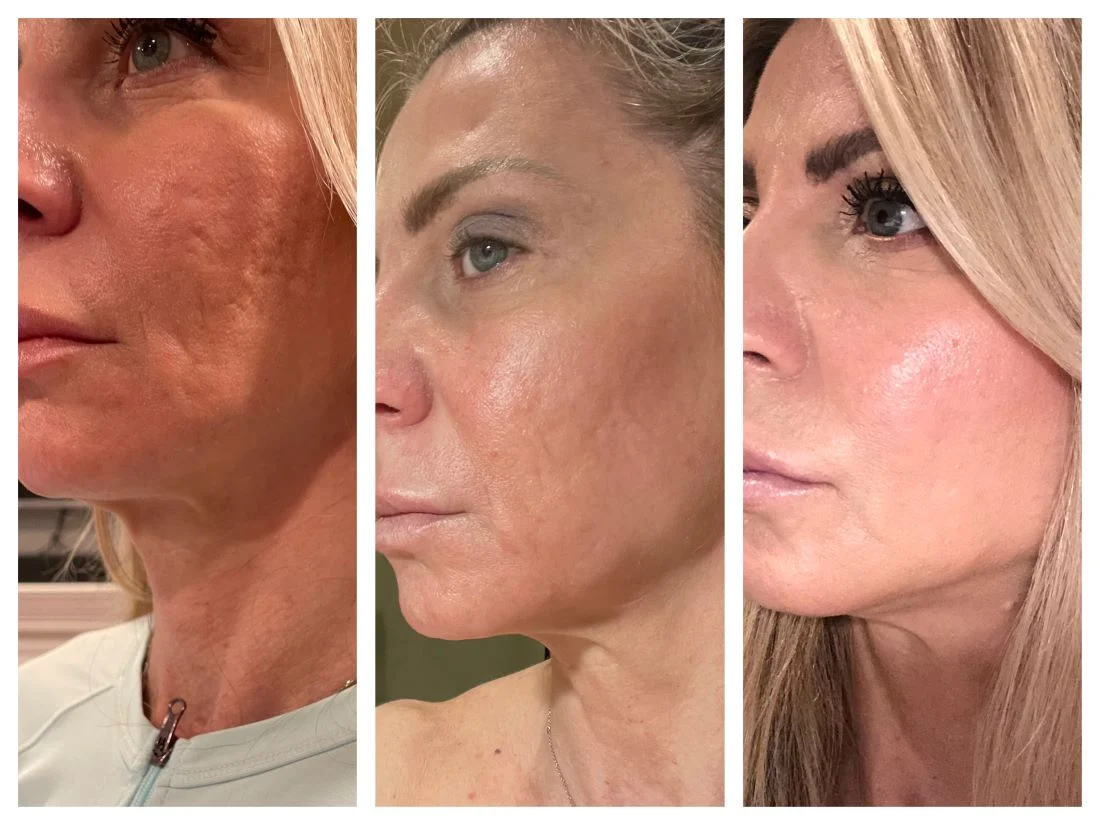
Red and near-infrared light have become extremely popular.
There is some evidence that photobiomodulation can influence cellular signaling and may improve certain signs of skin aging.
Potential targets include:
Fine lines
Skin texture
Redness
Healing
General skin quality
The important distinction is between clinical devices and cheap LED masks.
Home devices are generally weaker.
That doesn't mean they are useless.
It means expectations should be realistic.
AAD notes that red-light devices are increasingly used as a complementary treatment and that more research is still needed to establish exactly how effective different at-home devices are.
Verdict
Potentially useful adjunct.
Not foundational.
Not remotely comparable to sunscreen for prevention.
Not foundational.
Not remotely comparable to sunscreen for prevention.
Section 15: Chemical Peels
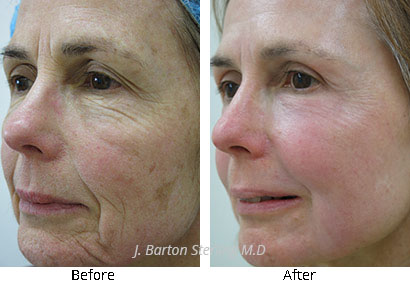
Chemical peels deliberately injure the skin to stimulate controlled regeneration.
Different acids and depths produce very different effects.
Superficial peels
Useful for:
Pigmentation
Dullness
Mild texture problems
Fine lines
Pigmentation
Dullness
Mild texture problems
Fine lines
Medium-depth peels
Stronger effects.
More downtime.
Higher risk.
More downtime.
Higher risk.
Deep peels
Much more aggressive.
These are medical procedures, not DIY skincare.
Chemical peels can improve wrinkles, pigmentation and texture, but the results and risks depend heavily on the depth and the skill of the practitioner.
These are medical procedures, not DIY skincare.
Chemical peels can improve wrinkles, pigmentation and texture, but the results and risks depend heavily on the depth and the skill of the practitioner.
Important
Do not buy a random high-strength peel online and perform it at home.
Serious chemical burns, pigmentation changes and scarring can occur.
Serious chemical burns, pigmentation changes and scarring can occur.
Section 16: Microneedling
Microneedling creates controlled micro-injuries in the skin.
The wound-healing response stimulates remodeling of collagen and other extracellular matrix components.
It can help with:
Fine lines
Texture
Acne scars
Mild laxity
It is particularly interesting because it targets the dermis rather than simply exfoliating the surface.
RF Microneedling
Adds radiofrequency energy beneath the skin.
This can increase the thermal stimulus and may improve:
Skin laxity
Texture
Acne scars
However, more energy doesn't automatically mean better results.
Over-treatment can cause complications.
Professional assessment matters.
AAD lists microneedling as an established treatment for signs of skin aging and notes that it can be combined with other treatments in appropriate cases.
This can increase the thermal stimulus and may improve:
Skin laxity
Texture
Acne scars
However, more energy doesn't automatically mean better results.
Over-treatment can cause complications.
Professional assessment matters.
AAD lists microneedling as an established treatment for signs of skin aging and notes that it can be combined with other treatments in appropriate cases.
Section 17: IPL
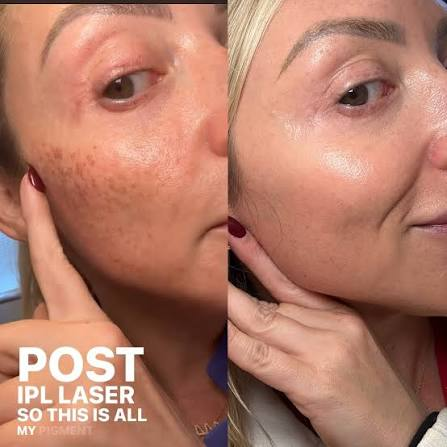
IPL stands for intense pulsed light.
It is particularly useful when the main problem is:
Sun damage
Pigmentation
Freckles
Redness
Visible vessels
It is different from a resurfacing laser.
IPL mainly targets chromophores such as melanin and hemoglobin.
This makes it particularly useful for people whose main aging problem is uneven coloration rather than deep wrinkles.
The important point is matching the treatment to the problem.
Don't use an aggressive resurfacing treatment when your primary issue is vascular redness.
Don't use IPL expecting it to completely erase deep wrinkles.
Section 18: Fractional Lasers
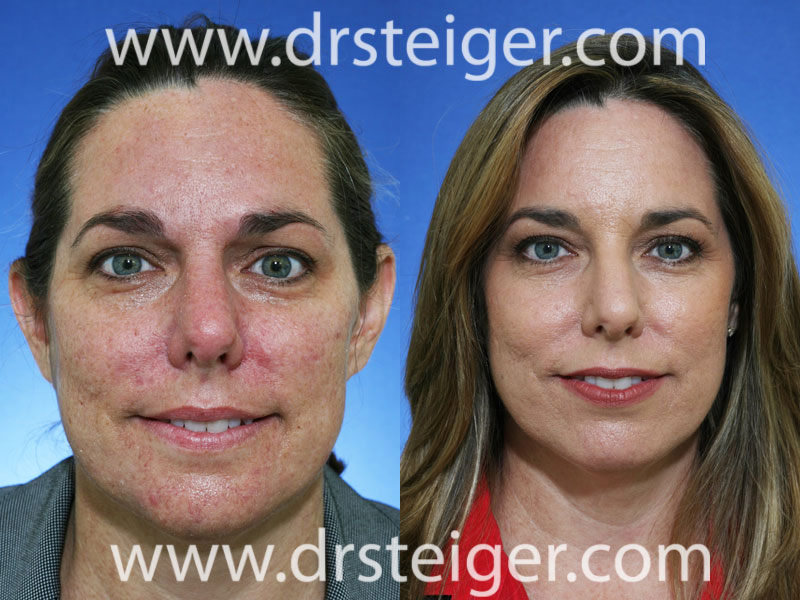
Fractional lasers create controlled columns of thermal injury.
The surrounding untreated tissue helps the skin heal faster than fully ablative resurfacing.
They can improve:
Fine lines
Texture
Acne scars
Pigmentation
Photodamage
There are different levels of aggressiveness.
Non-ablative fractional
Less downtime.
More gradual results.
Ablative fractional
More aggressive.
More downtime.
Potentially stronger results.
The surrounding untreated tissue helps the skin heal faster than fully ablative resurfacing.
They can improve:
Fine lines
Texture
Acne scars
Pigmentation
Photodamage
There are different levels of aggressiveness.
Non-ablative fractional
Less downtime.
More gradual results.
Ablative fractional
More aggressive.
More downtime.
Potentially stronger results.
CO2 Laser
CO2 is one of the most aggressive resurfacing options.
It can produce substantial improvements in:
Wrinkles
Texture
Scarring
Photodamage
But it also comes with significantly more downtime and risk.
The stronger the treatment, the more important practitioner selection becomes.
Laser resurfacing can remove some visible signs of sun damage, but it doesn't stop future aging. Continued sun protection remains necessary.
It can produce substantial improvements in:
Wrinkles
Texture
Scarring
Photodamage
But it also comes with significantly more downtime and risk.
The stronger the treatment, the more important practitioner selection becomes.
Laser resurfacing can remove some visible signs of sun damage, but it doesn't stop future aging. Continued sun protection remains necessary.
Section 19: Radiofrequency and Ultrasound
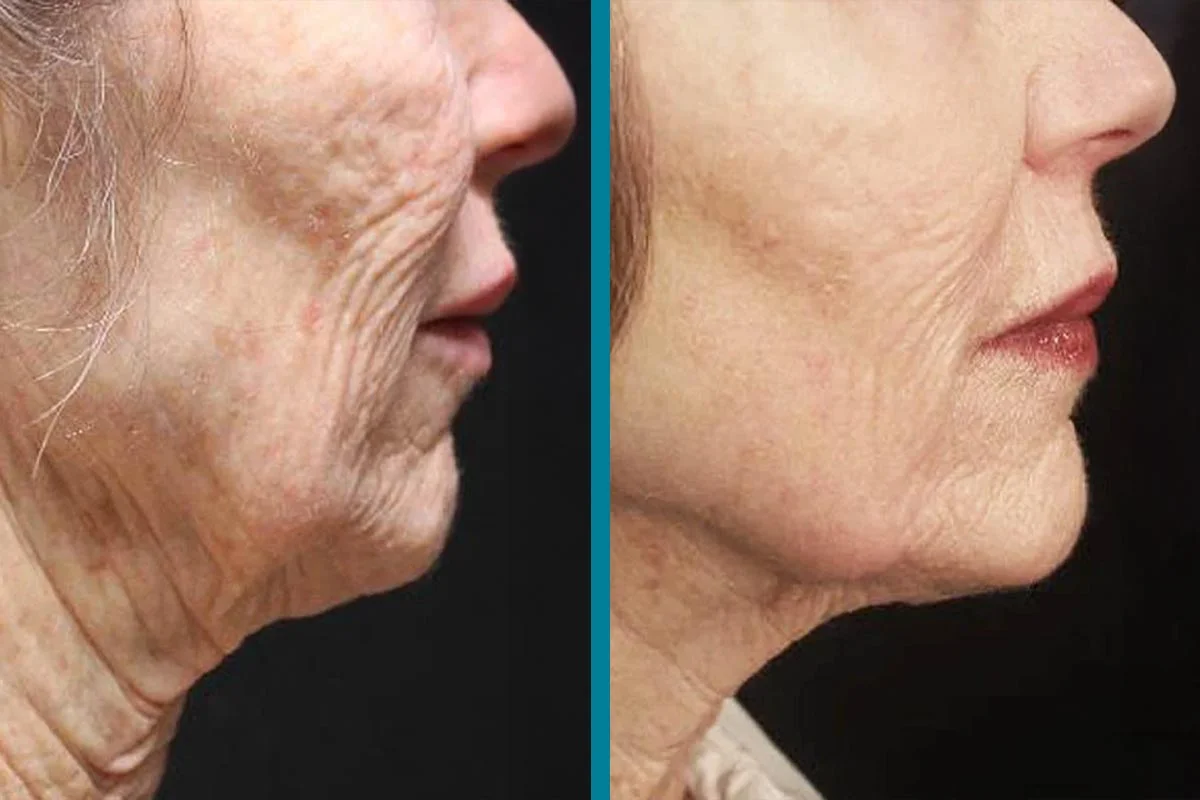
These treatments are primarily aimed at skin laxity.
Radiofrequency
RF heats tissue to stimulate remodeling.
Potential benefits include:
Mild tightening
Improved firmness
Some collagen remodeling
Potential benefits include:
Mild tightening
Improved firmness
Some collagen remodeling
RF Microneedling
Combines microneedling with RF energy.
Can target both texture and laxity.
Can target both texture and laxity.
Ultrasound-based treatments
Focused ultrasound can deliver energy deeper into tissue.
The goal is usually tightening rather than surface resurfacing.
The goal is usually tightening rather than surface resurfacing.
Reality check
These treatments can produce useful improvements.
They cannot reproduce a facelift.
If someone is selling a $3,000 machine treatment as equivalent to surgery, be skeptical.
They cannot reproduce a facelift.
If someone is selling a $3,000 machine treatment as equivalent to surgery, be skeptical.
Section 20: Botulinum Toxin
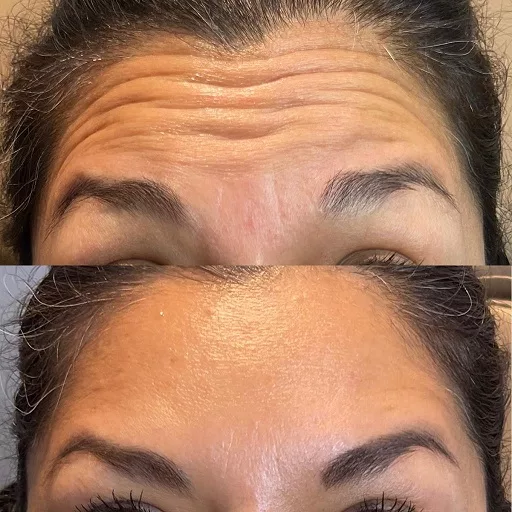
Botulinum toxin is different from almost every treatment discussed so far.
It doesn't primarily improve the skin itself.
It reduces muscle activity.
Repeated muscle contraction contributes to dynamic wrinkles.
The classic treatment areas are:
Glabella
Forehead
Crow's feet
The evidence here is strong.
A Cochrane review covering 65 randomized trials and almost 15,000 participants found that botulinum toxin type A reduces facial wrinkles, particularly glabellar lines, compared with placebo. The effect is temporary and adverse effects can include eyelid drooping.
Effects generally last several months.
Important distinction
Botulinum toxin is best thought of as a treatment for dynamic wrinkles.
It is not a replacement for sunscreen.
It is not a collagen cream.
It is not a filler.
It doesn't restore lost facial volume.
It is not a replacement for sunscreen.
It is not a collagen cream.
It is not a filler.
It doesn't restore lost facial volume.
Baby Botox
This generally refers to using smaller amounts for a more subtle effect.
The goal is to reduce excessive movement without creating a completely frozen appearance.
The goal is to reduce excessive movement without creating a completely frozen appearance.
Section 21: Dermal Fillers
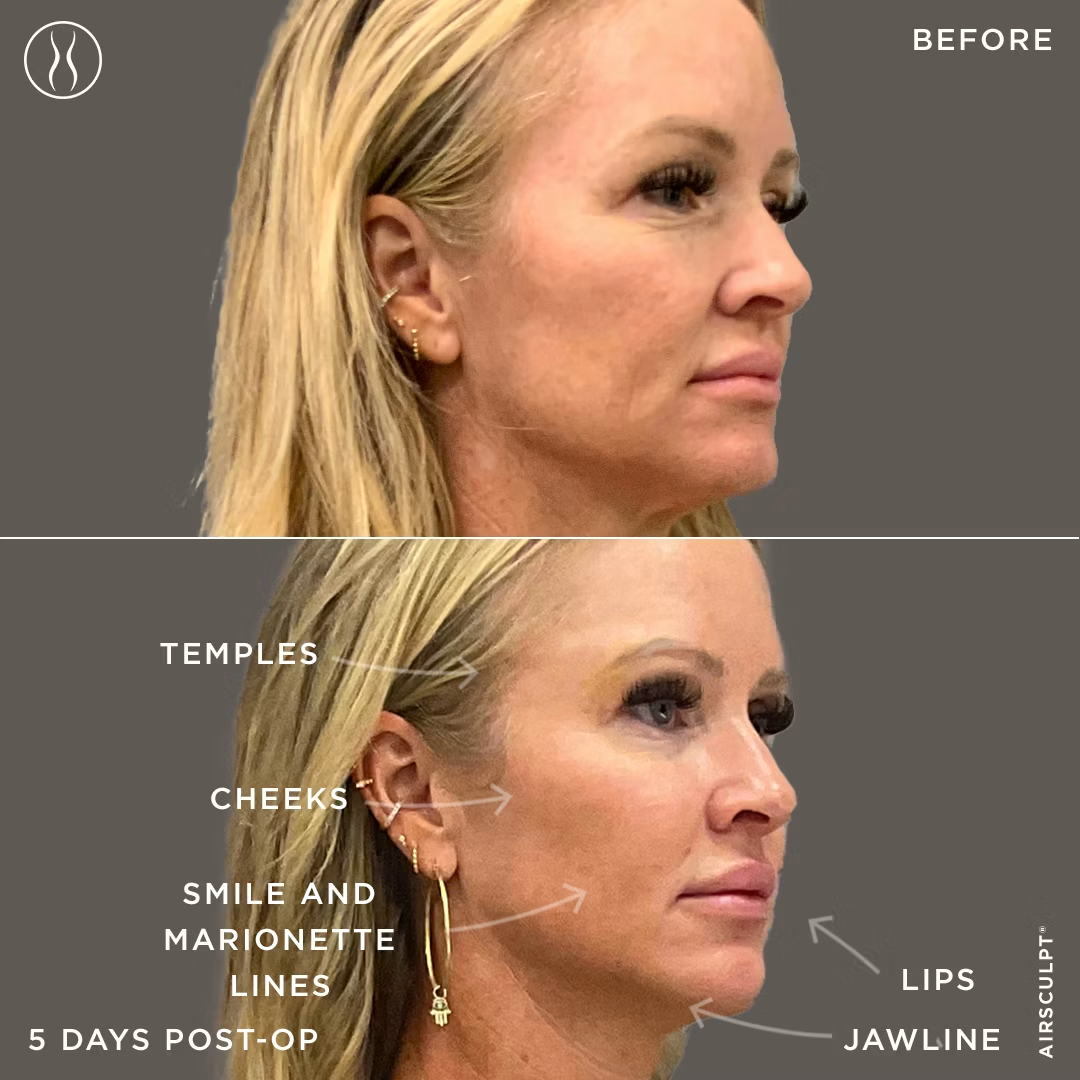
Fillers address a completely different component of facial aging.
They add volume.
This can be useful when aging involves volume loss in areas such as:
Cheeks
Temples
Lips! Chin
Jawline! Tear troughs
The most common type is hyaluronic acid filler.
The problem with fillers
More volume doesn't automatically equal a younger face.
Overfilling can create:
Puffy appearance
Distorted proportions
Unnatural facial contours
The goal should be restoring appropriate structure, not simply increasing volume everywhere.
Overfilling can create:
Puffy appearance
Distorted proportions
Unnatural facial contours
The goal should be restoring appropriate structure, not simply increasing volume everywhere.
Filler vs Botox
Botox:
Reduces muscle activity.
Filler:
Adds volume.
They solve different problems.
Reduces muscle activity.
Filler:
Adds volume.
They solve different problems.
Section 22: Biostimulatory Treatments
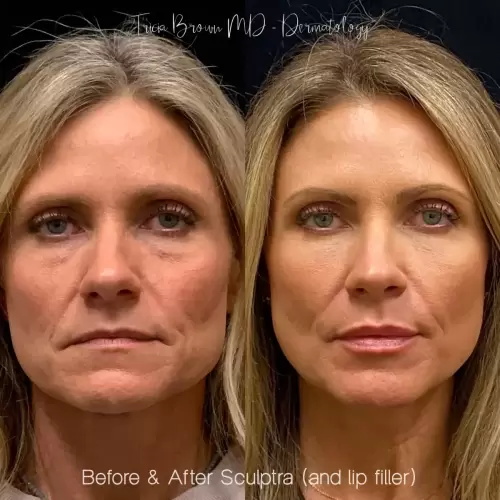
Some injectables aim to stimulate collagen production rather than simply adding volume.
Examples include:
Poly-L-lactic acid
Calcium hydroxylapatite
These treatments can gradually alter tissue quality and volume.
They can be useful in selected patients, but they are more difficult to reverse than some HA fillers.
This is another category where practitioner skill matters enormously.
Section 23: PRP and PRF
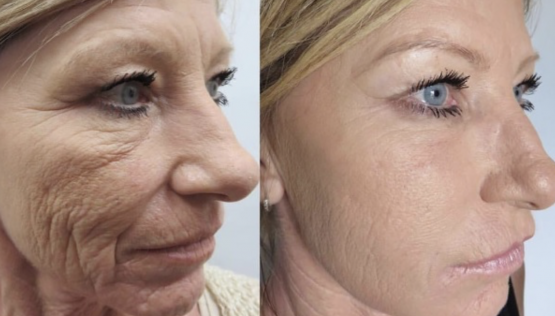
Platelet-rich plasma uses components of your own blood.
The theory is that growth factors released from platelets may stimulate tissue repair.
PRF is a related but somewhat different preparation.
Potential uses include:
Skin rejuvenation
Hair loss
Scar treatment
The evidence is mixed.
Some studies show improvements.
Others are much less convincing.
This is a good example of a treatment that is interesting but not foundational.
It shouldn't come before:
Sunscreen.
Retinoids.
Lifestyle.
Basic skincare.
Section 24: Facial Aging Below the Skin
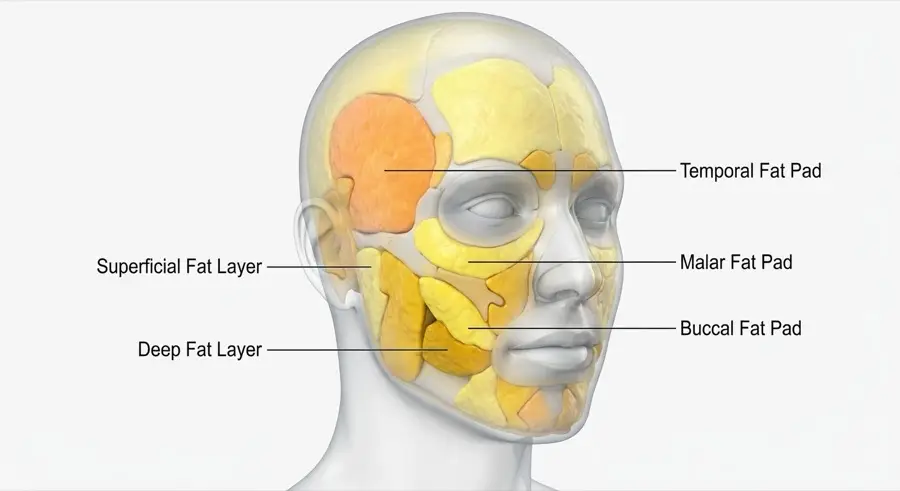
At some point, skincare stops being the main problem.
Your face changes in multiple compartments.
Your face changes in multiple compartments.
Skin
Thinner.
Less elastic.
More wrinkled.
Less elastic.
More wrinkled.
Fat
Some compartments lose volume.
Others can become more prominent.
Others can become more prominent.
Muscle
Repeated contraction contributes to dynamic lines.
Ligaments and connective tissue
Support structures change.
Bone
The facial skeleton also undergoes remodeling.
This is why advanced facial aging cannot simply be fixed by applying stronger skincare.
If the underlying problem is structural, you need a structural solution.
This is why advanced facial aging cannot simply be fixed by applying stronger skincare.
If the underlying problem is structural, you need a structural solution.
Section 25: Surgical Anti-Aging
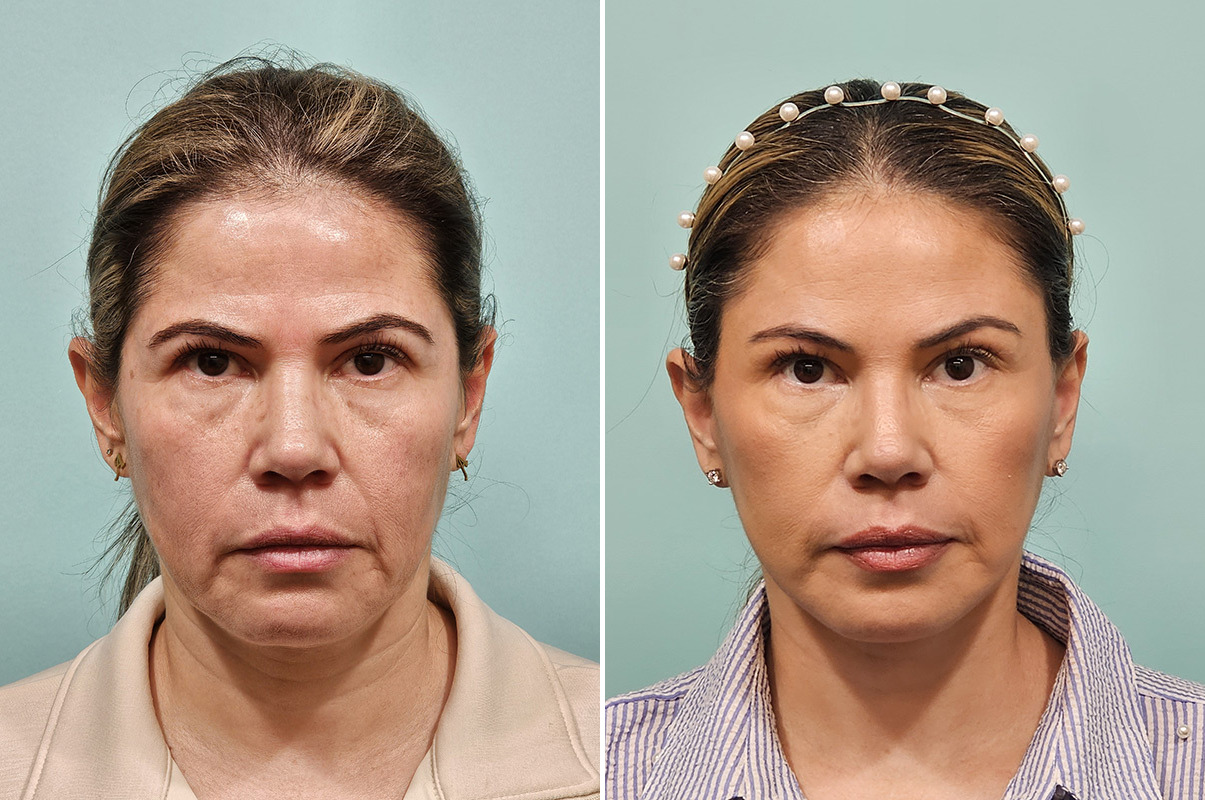
This is the highest level of intervention.
It also carries the highest risks.
It also carries the highest risks.
Blepharoplasty
Can remove or reposition excess tissue around the eyelids.
Particularly useful when the problem is excess eyelid skin or certain forms of fat protrusion.
Particularly useful when the problem is excess eyelid skin or certain forms of fat protrusion.
Facelift
Addresses facial laxity and deeper soft-tissue changes.
This is fundamentally different from a laser or cream.
This is fundamentally different from a laser or cream.
Neck lift
Targets laxity and contour changes in the neck.
Brow lift
Can reposition the brow and address certain forehead and upper-face aging patterns.
Fat grafting
Uses your own fat to restore volume.
The important principle
Surgery is not automatically the best option.
It is simply the most powerful option when the problem is structural.
It also has the highest cost, downtime and risk.
These procedures should only be considered with qualified medical professionals.
It is simply the most powerful option when the problem is structural.
It also has the highest cost, downtime and risk.
These procedures should only be considered with qualified medical professionals.
Section 26: What To Do For Each Aging Problem
If your primary problem is photodamage, focus on:
Sunscreen
UV avoidance
Retinoids
Vitamin C
IPL
Fractional laser
If your primary problem is fine lines, focus on:
Sunscreen
Retinoids
Moisturizer
Botulinum toxin for dynamic lines
Laser resurfacing for appropriate static lines
If your primary problem is pigmentation, focus on:
Sunscreen
Tinted sunscreen when appropriate
Vitamin C
Retinoids
Pigment-targeted treatments
IPL or laser when appropriate
If your primary problem is texture, focus on:
Retinoids
Chemical exfoliation
Microneedling
Fractional laser
If your primary problem is skin laxity, focus on:
Retinoids for maintenance
RF
Ultrasound-based treatments
Microneedling/RF microneedling
Surgery for advanced laxity
If your primary problem is volume loss, focus on:
Assessment of facial fat compartments
HA filler when appropriate
Biostimulatory treatments
Fat grafting
If your primary problem is dynamic wrinkles, focus on:
Botulinum toxin
If your primary problem is dryness and fine surface lines, focus on:
Moisturizer
Ceramides
Glycerin
Hyaluronic acid
Barrier repair
The key is identifying the actual problem before choosing the treatment.
Sunscreen
UV avoidance
Retinoids
Vitamin C
IPL
Fractional laser
If your primary problem is fine lines, focus on:
Sunscreen
Retinoids
Moisturizer
Botulinum toxin for dynamic lines
Laser resurfacing for appropriate static lines
If your primary problem is pigmentation, focus on:
Sunscreen
Tinted sunscreen when appropriate
Vitamin C
Retinoids
Pigment-targeted treatments
IPL or laser when appropriate
If your primary problem is texture, focus on:
Retinoids
Chemical exfoliation
Microneedling
Fractional laser
If your primary problem is skin laxity, focus on:
Retinoids for maintenance
RF
Ultrasound-based treatments
Microneedling/RF microneedling
Surgery for advanced laxity
If your primary problem is volume loss, focus on:
Assessment of facial fat compartments
HA filler when appropriate
Biostimulatory treatments
Fat grafting
If your primary problem is dynamic wrinkles, focus on:
Botulinum toxin
If your primary problem is dryness and fine surface lines, focus on:
Moisturizer
Ceramides
Glycerin
Hyaluronic acid
Barrier repair
The key is identifying the actual problem before choosing the treatment.
Section 27: The Anti-Aging ROI Tier List
Not everything deserves equal attention.
S-Tier
UV protection
Not smoking
Healthy lifestyle
Retinoids
Treating chronic skin disease
These should form the foundation.
Not smoking
Healthy lifestyle
Retinoids
Treating chronic skin disease
These should form the foundation.
A-Tier
Fractional laser
IPL
Microneedling
Botulinum toxin
Professional treatment of pigmentation
These can produce meaningful improvements when matched to the correct problem.
IPL
Microneedling
Botulinum toxin
Professional treatment of pigmentation
These can produce meaningful improvements when matched to the correct problem.
B-Tier
Vitamin C
Niacinamide
Moisturizers
Peptides
Red light
Useful additions.
Not foundations.
Niacinamide
Moisturizers
Peptides
Red light
Useful additions.
Not foundations.
C-Tier
Collagen supplements
PRP/PRF
Specialized supplements
Facial massage
Gua sha
These may have some use, but the evidence and/or magnitude of effect is considerably weaker.
PRP/PRF
Specialized supplements
Facial massage
Gua sha
These may have some use, but the evidence and/or magnitude of effect is considerably weaker.
F-Tier
Miracle anti-aging creams
Detoxes
Age reversal supplements
Random TikTok protocols
Anything claiming to permanently stop biological aging
Detoxes
Age reversal supplements
Random TikTok protocols
Anything claiming to permanently stop biological aging
Section 28: The Biggest Anti-Aging Mistakes
1. Waiting until you're visibly old
Prevention is easier than correction.
2. Ignoring UV
This is probably the biggest avoidable mistake.
3. Smoking
It actively works against your goal.
4. Using too many actives
More irritation does not equal more collagen.
5. Over-exfoliating
A damaged barrier isn't an aesthetic improvement.
6. Buying expensive products before fixing the basics
A $300 serum doesn't compensate for no sunscreen.
7. Treating the wrong problem
Laser won't fix lost volume.
Filler won't fix pigmentation.
Retinoid won't fix severe laxity.
Botox won't restore cheek volume.
8. Believing marketing
A product saying "clinically proven" doesn't tell you how strong the evidence actually is.
Look at the study.
Look at the sample size.
Look at the control.
Look at the outcome.
Look at who funded it.
9. Chasing maximum intervention
The goal isn't to receive every treatment available.
The goal is to get the largest improvement for the lowest unnecessary risk.
Prevention is easier than correction.
2. Ignoring UV
This is probably the biggest avoidable mistake.
3. Smoking
It actively works against your goal.
4. Using too many actives
More irritation does not equal more collagen.
5. Over-exfoliating
A damaged barrier isn't an aesthetic improvement.
6. Buying expensive products before fixing the basics
A $300 serum doesn't compensate for no sunscreen.
7. Treating the wrong problem
Laser won't fix lost volume.
Filler won't fix pigmentation.
Retinoid won't fix severe laxity.
Botox won't restore cheek volume.
8. Believing marketing
A product saying "clinically proven" doesn't tell you how strong the evidence actually is.
Look at the study.
Look at the sample size.
Look at the control.
Look at the outcome.
Look at who funded it.
9. Chasing maximum intervention
The goal isn't to receive every treatment available.
The goal is to get the largest improvement for the lowest unnecessary risk.
Section 29: The Ultimate Anti-Aging Protocol
If you want to reduce the entire thread to one protocol:
Every morning
Cleanse if necessary.
Moisturizer if needed.
Vitamin C if you want an antioxidant step.
Broad-spectrum sunscreen.
Every night
Cleanser.
Retinoid if appropriate.
Moisturizer.
Every day
Don't smoke.
Avoid unnecessary UV exposure.
Eat adequately.
Get enough protein.
Exercise.
Sleep properly.
Maintain a healthy body composition.
When an actual problem appears
Identify what the problem is.
Don't randomly buy treatments.
Treat pigmentation differently from wrinkles.
Treat dynamic wrinkles differently from volume loss.
Treat laxity differently from texture.
When skincare reaches its limit
Consider professional treatments.
Peels.
Microneedling.
RF.
IPL.
Fractional laser.
Botulinum toxin.
Fillers.
Other treatments depending on the problem.
When the problem becomes structural
Surgery may eventually provide the largest improvement.
Every morning
Cleanse if necessary.
Moisturizer if needed.
Vitamin C if you want an antioxidant step.
Broad-spectrum sunscreen.
Every night
Cleanser.
Retinoid if appropriate.
Moisturizer.
Every day
Don't smoke.
Avoid unnecessary UV exposure.
Eat adequately.
Get enough protein.
Exercise.
Sleep properly.
Maintain a healthy body composition.
When an actual problem appears
Identify what the problem is.
Don't randomly buy treatments.
Treat pigmentation differently from wrinkles.
Treat dynamic wrinkles differently from volume loss.
Treat laxity differently from texture.
When skincare reaches its limit
Consider professional treatments.
Peels.
Microneedling.
RF.
IPL.
Fractional laser.
Botulinum toxin.
Fillers.
Other treatments depending on the problem.
When the problem becomes structural
Surgery may eventually provide the largest improvement.
Section 30: Conclusion
Facial aging is inevitable.
Premature facial aging isn't.
You can't completely stop intrinsic aging.
What you can do is reduce the amount of unnecessary damage that accumulates on top of it.
Protect your skin from UV.
Don't smoke.
Maintain your health.
Use retinoids.
Keep your skin barrier healthy.
Treat pigmentation and inflammation early.
Use professional treatments when they actually solve the problem you're trying to solve.
Don't confuse skincare with structural rejuvenation.
And don't waste thousands of dollars trying to replace a few basic habits.
The biggest anti-aging advantage isn't one treatment.
It's the compound effect of doing the right things for years.
Someone who consistently protects their skin, avoids major accelerators, maintains their health and treats problems early will be in a much better position than someone who ignores everything for twenty years and tries to reverse it all at once.
You don't need to look twenty forever.
You need to preserve as much of your youthful baseline as possible.
Prevent the damage.
Maintain the skin.
Treat the problem.
Escalate only when necessary.
That is real anti-aging.
THX FOR READING DOWNWARDGROWTHCEL'S OUT
tags: @Gengar’s Ghost (pls pin this for a while)
@Orka
@RedDragonSlayer67
@buccalfatremoval
@Salludon (because you're getting old)
Premature facial aging isn't.
You can't completely stop intrinsic aging.
What you can do is reduce the amount of unnecessary damage that accumulates on top of it.
Protect your skin from UV.
Don't smoke.
Maintain your health.
Use retinoids.
Keep your skin barrier healthy.
Treat pigmentation and inflammation early.
Use professional treatments when they actually solve the problem you're trying to solve.
Don't confuse skincare with structural rejuvenation.
And don't waste thousands of dollars trying to replace a few basic habits.
The biggest anti-aging advantage isn't one treatment.
It's the compound effect of doing the right things for years.
Someone who consistently protects their skin, avoids major accelerators, maintains their health and treats problems early will be in a much better position than someone who ignores everything for twenty years and tries to reverse it all at once.
You don't need to look twenty forever.
You need to preserve as much of your youthful baseline as possible.
Prevent the damage.
Maintain the skin.
Treat the problem.
Escalate only when necessary.
That is real anti-aging.
THX FOR READING DOWNWARDGROWTHCEL'S OUT
tags: @Gengar’s Ghost (pls pin this for a while)
@Orka
@RedDragonSlayer67
@buccalfatremoval
@Salludon (because you're getting old)


