Osto
Iron
- Joined
- Dec 30, 2025
- Posts
- 33
- Reputation
- 66
THE SCIENCE OF EYEBROW REGROWTH: WHY MINOXIDIL WORKS, WHY DHT BLOCKERS DON'T, AND HOW TO MAXIMIZE RESULTS
by @Osto
by @Osto
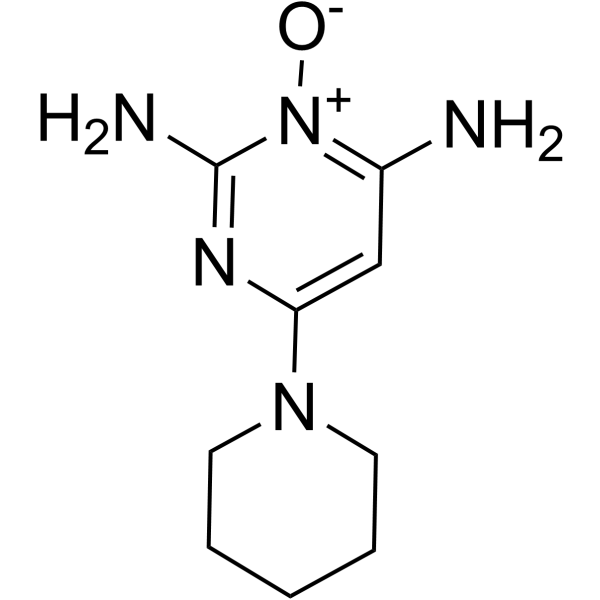
WHAT IS MINOXIDIL?
Minoxidil is a medication that was originally developed to treat high blood pressure. During clinical trials, researchers noticed that many patients experienced increased hair growth as a side effect. This discovery eventually led to the development of topical and oral minoxidil as treatments for hair loss and hair enhancement.
Today, minoxidil is one of the most widely used hair-growth compounds and is commonly used for scalp hair, beards, eyebrows, and eyelashes.
Unlike finasteride, spironolactone, or azelaic acid, minoxidil does not work by blocking DHT. Instead, it acts directly on the hair follicle and surrounding tissue, creating an environment that is more favorable for hair growth.
HOW MINOXIDIL WORKS
1. Extends the Anagen (Growth) Phase
Minoxidil helps keep hairs in the active growth phase for longer periods.
2. Reduces Time Spent in the Telogen (Resting) Phase
Minoxidil may encourage follicles to leave the resting phase sooner.
3. Stimulates Follicular Cell Activity
Minoxidil increases activity within the hair follicle, supporting new hair growth.
4. Increases VEGF Production
Minoxidil increases Vascular Endothelial Growth Factor (VEGF), helping promote blood vessel formation around follicles.
5. Improves Nutrient and Oxygen Delivery
Improved circulation allows follicles to receive more oxygen and nutrients.
6. Promotes Vasodilation
Minoxidil widens blood vessels, increasing blood flow around follicles.
WHY IT WORKS FOR EYEBROWS
Eyebrow and eyelash follicles are generally not androgen-dependent.
Because of this, treatments such as:
- Finasteride
- Spironolactone
- Azelaic Acid
are unlikely to significantly improve eyebrow density in healthy individuals.
Minoxidil works through completely different mechanisms and can stimulate eyebrow follicles directly without relying on hormonal pathways.

Minoxidil is a medication that was originally developed to treat high blood pressure. During clinical trials, researchers noticed that many patients experienced increased hair growth as a side effect. This discovery eventually led to the development of topical and oral minoxidil as treatments for hair loss and hair enhancement.
Today, minoxidil is one of the most widely used hair-growth compounds and is commonly used for scalp hair, beards, eyebrows, and eyelashes.
Unlike finasteride, spironolactone, or azelaic acid, minoxidil does not work by blocking DHT. Instead, it acts directly on the hair follicle and surrounding tissue, creating an environment that is more favorable for hair growth.
HOW MINOXIDIL WORKS
1. Extends the Anagen (Growth) Phase
Minoxidil helps keep hairs in the active growth phase for longer periods.
2. Reduces Time Spent in the Telogen (Resting) Phase
Minoxidil may encourage follicles to leave the resting phase sooner.
3. Stimulates Follicular Cell Activity
Minoxidil increases activity within the hair follicle, supporting new hair growth.
4. Increases VEGF Production
Minoxidil increases Vascular Endothelial Growth Factor (VEGF), helping promote blood vessel formation around follicles.
5. Improves Nutrient and Oxygen Delivery
Improved circulation allows follicles to receive more oxygen and nutrients.
6. Promotes Vasodilation
Minoxidil widens blood vessels, increasing blood flow around follicles.
WHY IT WORKS FOR EYEBROWS
Eyebrow and eyelash follicles are generally not androgen-dependent.
Because of this, treatments such as:
- Finasteride
- Spironolactone
- Azelaic Acid
are unlikely to significantly improve eyebrow density in healthy individuals.
Minoxidil works through completely different mechanisms and can stimulate eyebrow follicles directly without relying on hormonal pathways.

TOPICAL MINOXIDIL:
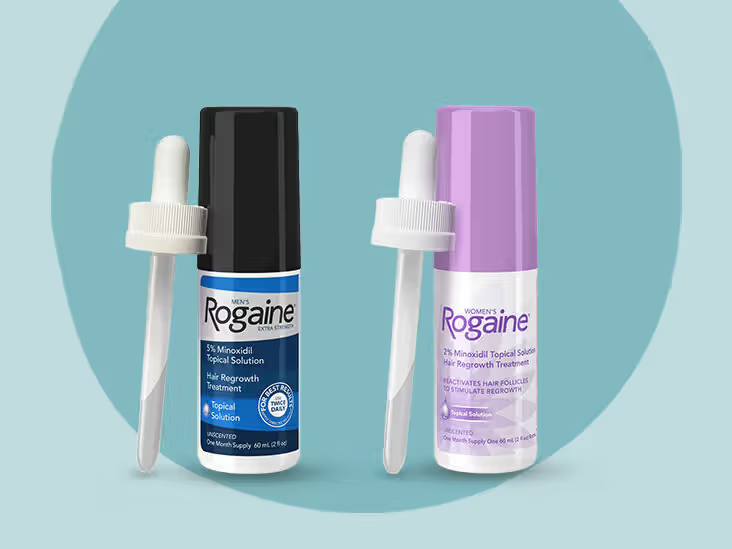
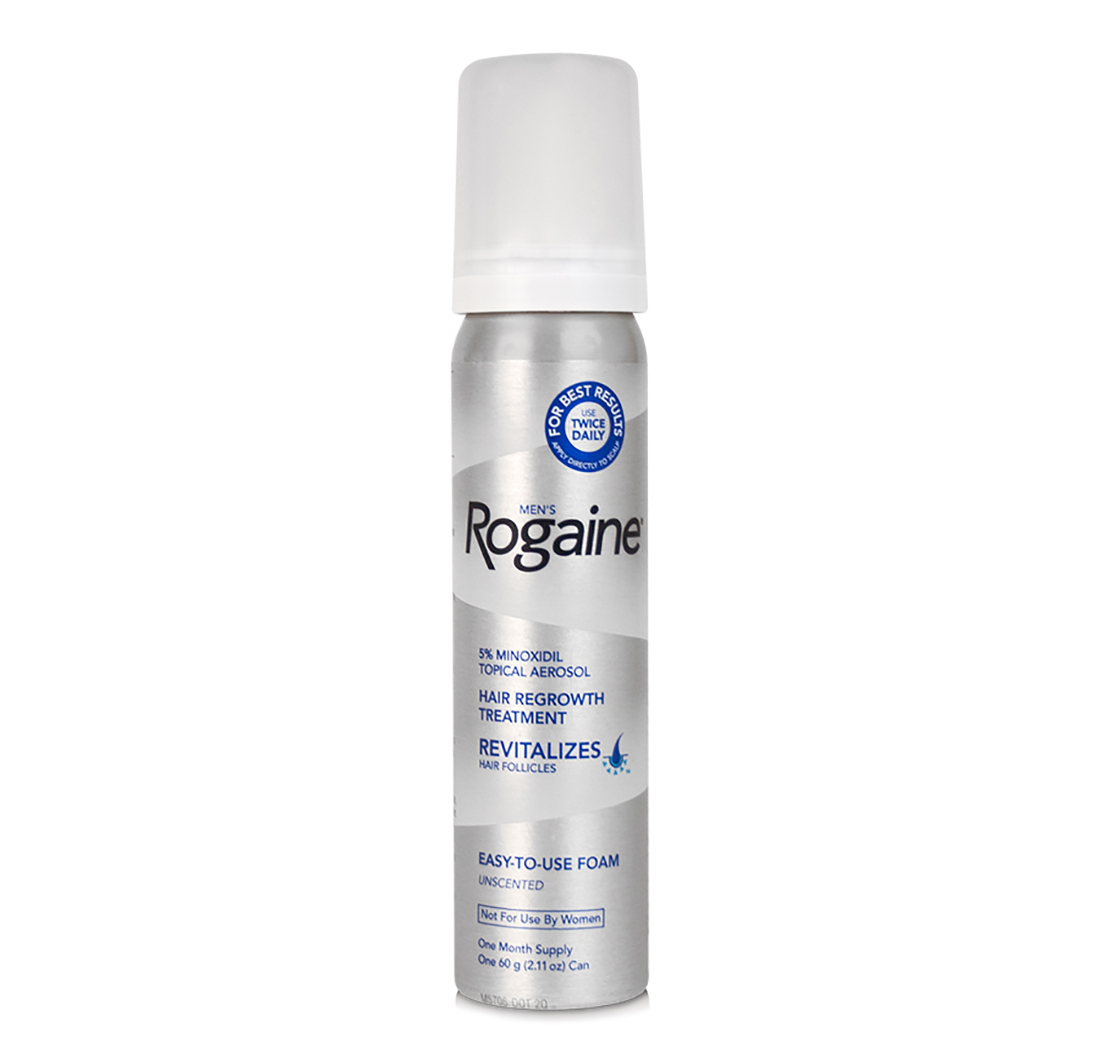
Topical minoxidil is the most commonly used form of minoxidil for eyebrow regrowth. Topical works locally at the application site. After being applied to the skin, it penetrates the follicle and is converted by the sulfotransferase enzyme into minoxidil sulfate, the active metabolite responsible for most of minoxidil's hair-growth effects.
Advantages:
- Targets the eyebrows directly
- Lower risk of systemic side effects
- Easily accessible
- Effective for many users
Disadvantages:
- Requires daily application
- Can cause dryness, redness, and irritation
- Liquid versions may irritate the eye area
- Some users are poor responders
The Golden rule - FOAM > GEL > LIQUID

Topical minoxidil is the most commonly used form of minoxidil for eyebrow regrowth. Topical works locally at the application site. After being applied to the skin, it penetrates the follicle and is converted by the sulfotransferase enzyme into minoxidil sulfate, the active metabolite responsible for most of minoxidil's hair-growth effects.
Advantages:
- Targets the eyebrows directly
- Lower risk of systemic side effects
- Easily accessible
- Effective for many users
Disadvantages:
- Requires daily application
- Can cause dryness, redness, and irritation
- Liquid versions may irritate the eye area
- Some users are poor responders
The Golden rule - FOAM > GEL > LIQUID
ORAL MINOXIDIL:
Oral minoxidil works differently the topical because it enters the bloodstream and works systemically through the body. and reaches follicles throughout the entire body.
Unlike topical minoxidil, oral minoxidil does not depend on sulfotransferase activity at the application site. This is one reason many users experience stronger results with oral minoxidil.
The tradeoff is a higher risk of side effects because the drug is circulating throughout the body rather than acting only at the application site.
For eyebrows specifically, topical minoxidil is usually the first-line option, while oral minoxidil is often considered by users who want stronger results or who suspect they are poor topical responders..
Because it bypasses sulfotransferase limitations, many users experience stronger results compared to topical minoxidil.
SUBLINGUAL MINOXIDIL:
Sublingual minoxidil is absorbed under the tongue rather than swallowed immediately.
Common protocol:
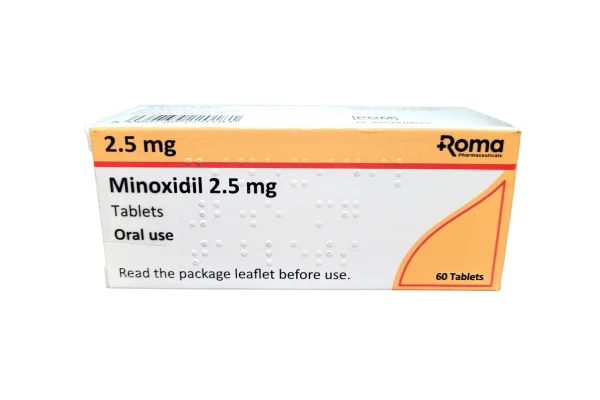
2.5mg sublingual minoxidil daily
Advantages:
- Does not rely on sulfotransferase activity
- Convenient once-daily dosing
- No facial application
- Often stronger than topical minoxidil
Potential Side Effects:
- Increased heart rate
- Fluid retention
- Dizziness
- Lower blood pressure
- Unwanted body hair growth
Don't be the guy who uses minoxidil for 8 weeks, sees no change, and starts coping. JFL.
Stay consistent for at least 6 months before judging results.

Oral minoxidil works differently the topical because it enters the bloodstream and works systemically through the body. and reaches follicles throughout the entire body.
Unlike topical minoxidil, oral minoxidil does not depend on sulfotransferase activity at the application site. This is one reason many users experience stronger results with oral minoxidil.
The tradeoff is a higher risk of side effects because the drug is circulating throughout the body rather than acting only at the application site.
For eyebrows specifically, topical minoxidil is usually the first-line option, while oral minoxidil is often considered by users who want stronger results or who suspect they are poor topical responders..
Because it bypasses sulfotransferase limitations, many users experience stronger results compared to topical minoxidil.
SUBLINGUAL MINOXIDIL:
Sublingual minoxidil is absorbed under the tongue rather than swallowed immediately.
Common protocol:
2.5mg sublingual minoxidil daily
Advantages:
- Does not rely on sulfotransferase activity
- Convenient once-daily dosing
- No facial application
- Often stronger than topical minoxidil
Potential Side Effects:
- Increased heart rate
- Fluid retention
- Dizziness
- Lower blood pressure
- Unwanted body hair growth
Don't be the guy who uses minoxidil for 8 weeks, sees no change, and starts coping. JFL.
Stay consistent for at least 6 months before judging results.
TRETINOIN + TOPICAL MINOXIDIL:
Why some respond better then others:
Individuals with high sulfotransferase activity tend to respond very well to topical minoxidil because they efficiently convert minoxidil into its active form whilst individuals with low sulfotransferase activity may experience significantly weaker results because less minoxidil is being converted into minoxidil sulfate.
This helps explain why one person can achieve dramatic eyebrow regrowth while another sees little improvement despite following the exact same protocol.
Topical minoxidil is not fully active on its own. It must first be converted into minoxidil sulfate by an enzyme called sulfotransferase.
This explains why some users experience insane regrowth while others think minoxidil is a cope.
Research suggests tretinoin may increase sulfotransferase activity within the skin, potentially helping convert more minoxidil into its active form.
In simple terms:
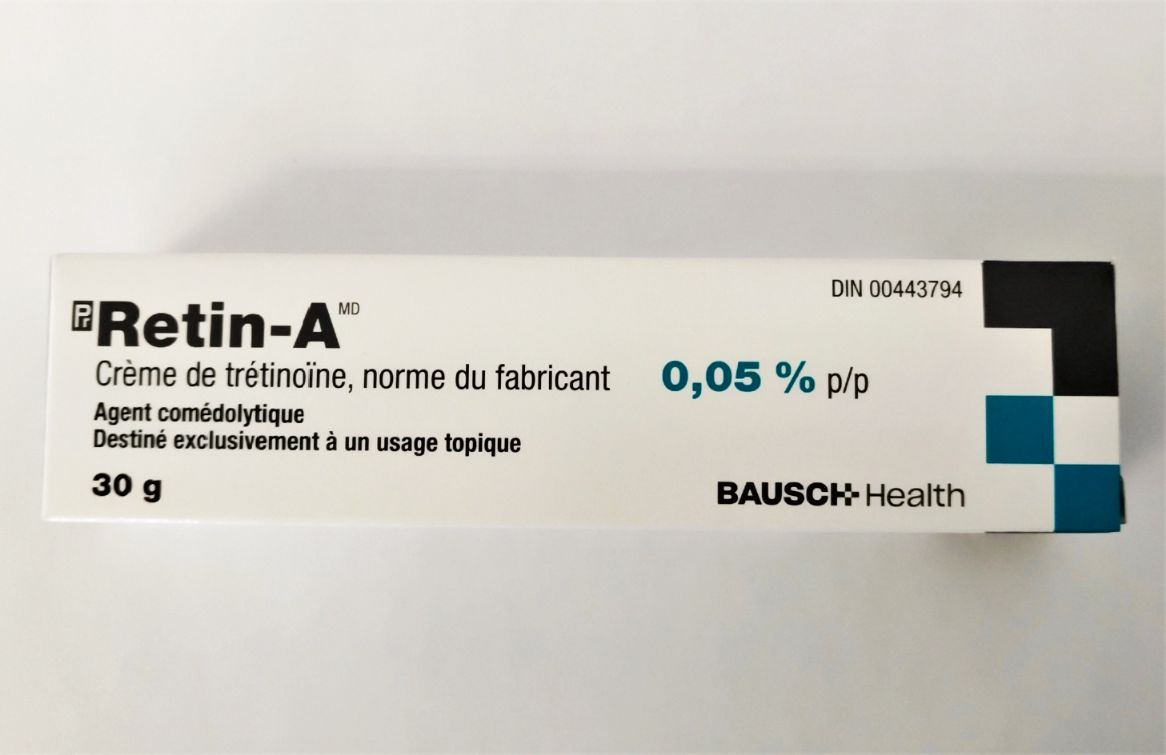
One of the most underrated combinations for eyebrow growth is tretinoin and topical minoxidil.
One of the biggest reasons why topical minoxidil works extremely well for some people while barely working for others comes down to an enzyme called sulfotransferase.
Topical minoxidil itself is not fully active when it is applied to the skin. Before it can effectively stimulate hair growth, it must first be converted into minoxidil sulfate, which is the active form responsible for most of its hair-growth effects.
This conversion is performed by sulfotransferase enzymes located within the skin and hair follicles.
Minoxidil → Sulfotransferase Enzyme → Minoxidil Sulfate → Hair Growth
By increasing sulfotransferase activity, tretinoin may help some non-responders become responders.
This is the reason why the combination of tretinoin and topical minoxidil has become popular within hair-growth communities.
Benefits:
- May improve topical minoxidil effectiveness
- May help poor responders
- Potentially increases conversion efficiency
- Popular combination in hair-growth communities


Why some respond better then others:
Individuals with high sulfotransferase activity tend to respond very well to topical minoxidil because they efficiently convert minoxidil into its active form whilst individuals with low sulfotransferase activity may experience significantly weaker results because less minoxidil is being converted into minoxidil sulfate.
This helps explain why one person can achieve dramatic eyebrow regrowth while another sees little improvement despite following the exact same protocol.
Topical minoxidil is not fully active on its own. It must first be converted into minoxidil sulfate by an enzyme called sulfotransferase.
This explains why some users experience insane regrowth while others think minoxidil is a cope.
Where Tretinoin Comes In
Tretinoin (Retin-A) has been proposed as a way to improve the effectiveness of topical minoxidil in certain individuals.Research suggests tretinoin may increase sulfotransferase activity within the skin, potentially helping convert more minoxidil into its active form.
In simple terms:
One of the most underrated combinations for eyebrow growth is tretinoin and topical minoxidil.
One of the biggest reasons why topical minoxidil works extremely well for some people while barely working for others comes down to an enzyme called sulfotransferase.
Topical minoxidil itself is not fully active when it is applied to the skin. Before it can effectively stimulate hair growth, it must first be converted into minoxidil sulfate, which is the active form responsible for most of its hair-growth effects.
This conversion is performed by sulfotransferase enzymes located within the skin and hair follicles.
Minoxidil → Sulfotransferase Enzyme → Minoxidil Sulfate → Hair Growth
By increasing sulfotransferase activity, tretinoin may help some non-responders become responders.
This is the reason why the combination of tretinoin and topical minoxidil has become popular within hair-growth communities.
Benefits:
- May improve topical minoxidil effectiveness
- May help poor responders
- Potentially increases conversion efficiency
- Popular combination in hair-growth communities
TOPICAL MINOXIDIL + TRETINOIN PROTOCOL
Monday
- Minoxidil 2x
Tuesday
- Minoxidil (Morning)
- Tretinoin + Minoxidil (Night)
Wednesday
- Minoxidil 2x
Thursday
- Minoxidil 2x
Friday
- Minoxidil (Morning)
- Tretinoin + Minoxidil (Night)
Saturday
- Minoxidil 2x
Sunday
- Minoxidil 2x
Once irritation is gone, progress:
2x weekly tret
3x weekly tret
4x weekly tret
5x weekly tret
Daily tret
Theory of perma hair follicles via topical minox
After desired results my theory and the dermas I've spoken to say use for 6 more months until hairs follicle has become terminalized or has produced a terminal hair. which is just a mature, thick, pigmented hair rather than a thin vellus hair. then switch from 5% to 2% and use that for 3 months then every other day until once weekly and none at all. this is just a theory but most dermas I have spoken to said the same thing. but DYOR everytime.
Topical Minoxidil is toxic to pets, especially cats, so make sure you wash you're hands after usage.
ORAL MINOXIDIL PROTOCOL
- 2.5mg sublingual minoxidil daily
TIMELINE
Month 1
- Little visible change
- Possible shedding
Month 2-3
- New hairs may begin appearing
Month 4-6
- Significant density improvements
Month 6-12
- Peak cosmetic results
Stay consistent for at least 6 months before evaluating your results.
Monday
- Minoxidil 2x
Tuesday
- Minoxidil (Morning)
- Tretinoin + Minoxidil (Night)
Wednesday
- Minoxidil 2x
Thursday
- Minoxidil 2x
Friday
- Minoxidil (Morning)
- Tretinoin + Minoxidil (Night)
Saturday
- Minoxidil 2x
Sunday
- Minoxidil 2x
Once irritation is gone, progress:
2x weekly tret
3x weekly tret
4x weekly tret
5x weekly tret
Daily tret
Theory of perma hair follicles via topical minox
After desired results my theory and the dermas I've spoken to say use for 6 more months until hairs follicle has become terminalized or has produced a terminal hair. which is just a mature, thick, pigmented hair rather than a thin vellus hair. then switch from 5% to 2% and use that for 3 months then every other day until once weekly and none at all. this is just a theory but most dermas I have spoken to said the same thing. but DYOR everytime.
Topical Minoxidil is toxic to pets, especially cats, so make sure you wash you're hands after usage.
ORAL MINOXIDIL PROTOCOL
- 2.5mg sublingual minoxidil daily
TIMELINE
Month 1
- Little visible change
- Possible shedding
Month 2-3
- New hairs may begin appearing
Month 4-6
- Significant density improvements
Month 6-12
- Peak cosmetic results
Stay consistent for at least 6 months before evaluating your results.
Eyebrow and eyelash follicles are fundamentally different from scalp follicles affected by male pattern baldness.
Because they are generally not androgen-dependent, treatments like finasteride, spironolactone, and azelaic acid are unlikely to significantly improve eyebrow density.
Minoxidil works through completely different mechanisms and remains one of the most effective tools available for eyebrow enhancement.
"Eyebrow and eyelash hairs are not androgen dependent, so they have no response to spironolactone, finasteride or azelaic acid. Topical minoxidil, being a non-specific biologic response modifier, would promote hair growth in the eyebrow and eyelashes, but using the alcohol-based minoxidil solutions would not be recommended. Assuming there is no underlying pathology, regrowing the eyebrow hair using minoxidil could be a one-time only treatment. Unlike hair on the scalp, which is vulnerable to MPB, eyebrow hair is not. But you also have to understand that the eyebrow hairs grow much more slowly than hair on the scalp and is subject to different variables in regards to its growth. In fact, when a laceration involves the skin under the eyebrows, the emergency room doctor does not shave the eyebrow, because sometimes the hair will not grow back." this is a derma talking about how eyebrows should be perma via topical minox if stayed on consistently.
The biggest cope is that minoxidil doesn't work
It's just that most people quit before giving it enough time to work.
Stay consistent. Trust the process. Give it 6-12 months before making conclusions, don't cope and say it doesn't work
so stop the cope and go get some minox and get those mog brows bhais.


Because they are generally not androgen-dependent, treatments like finasteride, spironolactone, and azelaic acid are unlikely to significantly improve eyebrow density.
Minoxidil works through completely different mechanisms and remains one of the most effective tools available for eyebrow enhancement.
"Eyebrow and eyelash hairs are not androgen dependent, so they have no response to spironolactone, finasteride or azelaic acid. Topical minoxidil, being a non-specific biologic response modifier, would promote hair growth in the eyebrow and eyelashes, but using the alcohol-based minoxidil solutions would not be recommended. Assuming there is no underlying pathology, regrowing the eyebrow hair using minoxidil could be a one-time only treatment. Unlike hair on the scalp, which is vulnerable to MPB, eyebrow hair is not. But you also have to understand that the eyebrow hairs grow much more slowly than hair on the scalp and is subject to different variables in regards to its growth. In fact, when a laceration involves the skin under the eyebrows, the emergency room doctor does not shave the eyebrow, because sometimes the hair will not grow back." this is a derma talking about how eyebrows should be perma via topical minox if stayed on consistently.
The biggest cope is that minoxidil doesn't work
It's just that most people quit before giving it enough time to work.
Stay consistent. Trust the process. Give it 6-12 months before making conclusions, don't cope and say it doesn't work
so stop the cope and go get some minox and get those mog brows bhais.