81xa
lawyerlite
- Joined
- Sep 21, 2023
- Posts
- 3,986
- Reputation
- 9,902
Voice is one of the most underrated physical traits you can optimize. Most of us obsess over face, height, and frame and completely ignore the thing that determines how dominant and attractive they come across the second you open your mouth.
Research puts the ideal male pitch around 96Hz. Anything in that range or below reads as dominant and attractive. Most of us sit well above it, because of fixable habits instead of genetics


Research puts the ideal male pitch around 96Hz. Anything in that range or below reads as dominant and attractive. Most of us sit well above it, because of fixable habits instead of genetics



1. Avoid Vocal Fry
Vocal fry is the creaky voice people use to trail off at the end of a sentence. Many people use vocal fry thinking it sounds deep (it doesnt). It feels low in your chest but it’s the complete opposite of masculine and sounds retarded.
Try to listen to nocturnal kent speak on tiktok, its such cagefuel
Why Fry is a Bad thing:
- Sounds extremely tryhard and cringey
- It adds rasp, not resonance.
- It subconsciously triggers rejection, which has actually been seen in job interview studies
- Speak with full airflow.
- Your pitch should stay level or drop cleanly rather than crumbling into a creak
- Breath support must be consistent, so refer back to Section 2.
- Use "ha ha ha" laughter drills daily to retrain your airflow rhythm, each "ha" should come from the diaphragm with a clean burst of air, not the throat
2. Diaphragmatic Breathing
Chest breathing activates the stress mechanism of your body. Your shoulders tense up, your larynx moves up and becomes tight, and your carrying capacity will deteriorate since you'll be forcing less air through a smaller space. Your voice will sound feeble from pressure. A poorly supported low-pitch voice will collapse at the end of phrases. This problem can be solved by diaphragmatic breathing. Your diaphragm is found just beneath your lungs. Its contraction causes air to flow into your lungs while its release causes an even flow of air from your vocal cords, relaxing your larynx and maintaining your volume levels.
To test this, place your hand under your rib cage and inhale. If your abdomen expands, your diaphragm works. If your chest and shoulders rise, it doesn’t.
Method:
- Lie flat and put an object on your stomach.
- Inhale through your nose and make the object rise.
- Exhale slowly while reading a paragraph aloud.
- Goal: Keep your shoulders dead still. Your belly should be moving but your chest should be still
Bonus: Deep breathing expands the thoracic cavity, which enhances your chest resonance. Even if your pitch doesn’t change, it sounds deeper just due to lower formants and stronger vocal tract resonance.
Study: Diaphragmatic breathers show more vocal stability and lower mean pitch across tasks (Medical Problems of Performing Artists, 2013).
3. Hydration is essential

I know hydration sounds like water, but it's essential. Vocal folds are made up of soft tissue. In case of dehydration, they get dry, tough and lack the ability to vibrate properly. Lack of vibration results in a high-pitched sound that cracks, especially during the most important moments like public speaking. The recommendation for a is usually 8 glasses a day, but the voice requires more water, especially when one speaks for many hours, when the environment is dry, or after consumption of coffee and alcohol, both known to cause quick dehydration. A more useful recommendation would be 3 liters when you speak publicly. Tea can also help a lot. Water drunk five minutes before talking does not really work because hydration is done via the bloodstream and not directly.
Protocol:
- Drink 3 to 4L of water daily.
- Use a humidifier at night, especially if you blast the AC.
- No cold drinks before speaking, as it causes microconstriction.
- Sip warm water or licorice tea before a deep conversation.
Study: A 2011 paper showed hydration lowered pitch by up to 8 Hz, reduced strain, and improved phonation time. This is measurable within just a few hours.
4. Monotone is Dominant
Forget about trying to be super “expressive.” That’s only really applicable to singers and salesmen, not for having a strong presence. If you want true authority, you need absolute control. Monotone doesn’t necessarily mean you have to sound robotic, though. It just means being predictable, calm and heavy.Marlon Brando. Clint Eastwood. Young James Earl Jones are good examples.
How to Train It:
- Read aloud at a steady tone. Don’t vary your pitch, vary your tempo and pause instead.
- Record yourself and track if your tone rises or falls unnecessarily.
- Lower your energy. Keep it tight and heavy.
Study: A 2005 paper in Evolution and Human Behavior found that low-variability voices were ranked as more dominant even when pitch was controlled. It’s entirely about emotional predictability.
5. Build Your Neck:
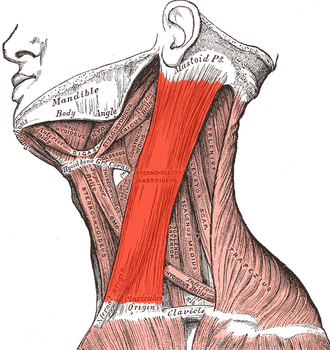
If your neck is locked up your larynx is just being yanked right up. That means thinner vocal cords, a higher pitch, and a sound that just feels tight and strained. It's an awful feeling.
The SCMs (sternocleidomastoids), scalenes, and platysma all anchor your larynx. When they’re overactive, they yank your voice box upward. The deeper voice you want only comes once these muscles finally relax. Your larynx has to drop naturally, especially when you're just having a normal conversation.
Protocol:
- 3 sets of 20 slow neck crunches every other day.
- Lie on a bench, let your head hang off the edge, and nod slowly from horizontal to vertical tucking your chin in, same movement as a situp but with your neck.
- Stretch after every session, tilt your head to each side and hold for 30 seconds to relieve tension buildup.
- Warning: your voice will actually get higher for the first week or two as the muscles fatigue before they adapt. This is normal just push through it.
Mechanism: Laryngeal elevation shortens the vocal tract. A shorter tube shifts formants up, kind of like shortening a didgeridoo. Relax the neck, drop the larynx, and that longer tube equals a deeper tone.
Study: EMG data from The Journal of Voice (2004) shows a direct correlation between SCM tension and increased F0 (pitch). Tighter neck simply means a higher pitch.
6. Expand Your Vocal Tract
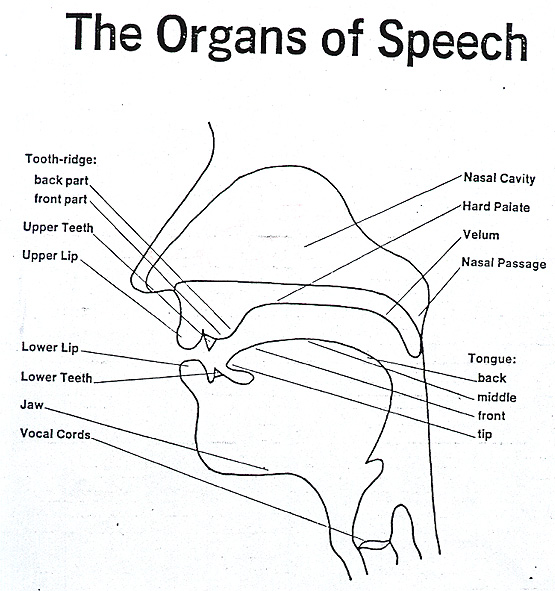
Everyone always mentions Morgan Freeman, try to understand how actually does it, He has a naturally low-set larynx, wide pharyngeal space, a long vocal tract, and incredibly open posture. You can easily train all of this.
Drills:
- Fake yawns (10x/day): this expands the pharynx
- Tongue retraction + soft palate raise: (“Kuh” sounds help with this).
- NG hums: For mask resonance.
- Humming through your nose bridge: Helps redirect sound forward for a clearer and heavier tone
Mechanism: Lowering the larynx and expanding the vocal tract drops your formant frequencies, which makes your voice sound deeper without even changing your actual pitch.
7. Nicotine & Smoking
Smoking does actually deepen your voice. That’s why chain-smoking women end up sounding like raspy jazz singers.
Why it works:
- It visibly thickens the vocal cords.
- It reduces flexibility, which is bad for singers but great for grit.
- It lowers your pitch long-term, sometimes even too much.
Depth comes at a massive cost to your clarity. You’ll sound older and far more damaged. There’s a threshold, and past it you will sound like a frog so smoke at your own risk.Study: Long-term smokers have lower F0 and increased roughness, especially in males. Used deliberately, this has been part of niche voice training protocols for decades.
Alternatives:
- 1mg nicotine gum before a date or important call, as it adds temporary rasp and thickness.
- Herbal “smoke alternatives” like mullein leaf, used very occasionally.
8. Advanced Mechanisms
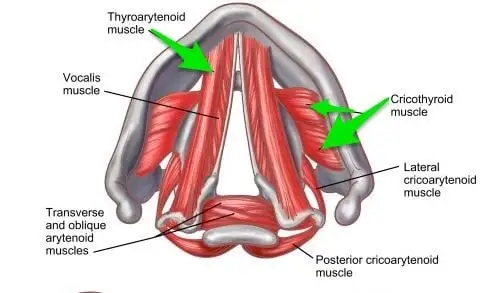
- Thyroarytenoid Muscle Hypertrophy = Lower Pitch: this is just the inner vocal fold muscle. It actually thickens with resistance, like speaking at a heavy volume over a long period of time.
- Formant Tuning = Shaping Resonance: You want your F1 and F2 formants to cluster lower. That’s done by stretching your tract, speaking with more back-tongue placement, and yawning regularly.
- Harmonic Spacing: A tighter harmonic series, achieved from perfectly clean airflow, makes your voice sound denser, even if your pitch remains completely static.
9. How Track Progress
- Vocular is an app that logs your pitch in exact Hz
Download Vocular, it's $3 so don't be cheap. Record yourself for 30 seconds in the same room at the same time every day, ideally early afternoon once the morning rasp has settled. The four metrics are mode, average, median, and depth. Mode is the one that matters most, since it's your default voice. Aim for sub 100Hz mode as a first milestone. 85-90Hz is genuinely low territory. Expect no linear progress, the graph will spike before it drops
As you can see across all four metrics, the voice trends consistently downward over time. It didn't just drop linearly though, it actually spiked up first before the descent kicked in, which is exactly what you'd expect. The laryngeal muscles fatigue and compensate before they adapt, same as any other muscle group in the first weeks of a new stimulus.
The more interesting thing is what's happening with the gap between the depth line and the mode/average. Early on depth would occasionally dip low but mode stayed high, meaning the deeper register wasn't habitual yet. It's converging around the 85-90Hz range, and that's the key distinction between actually having a deep voice versus just being able to access one occasionally. The lower pitch is becoming the default, which is the whole point.
You have now covered everything needed to voicemax, breathing mechanics, hydration, neck training, vocal tract work, and delivery control.
Track your mode pitch in Vocular daily. Aim for sub-100Hz as your default, not a ceiling. Expect a spike before the drop, push through it and stay consistent in order to reach the final result
Track your mode pitch in Vocular daily. Aim for sub-100Hz as your default, not a ceiling. Expect a spike before the drop, push through it and stay consistent in order to reach the final result
Last edited: