



fuckeyes
Iron
- Joined
- Aug 17, 2026
- Posts
- 4
- Reputation
- 2
I will write about what you need to know about the thyroid, and how to fix it which would benefit you insanely.
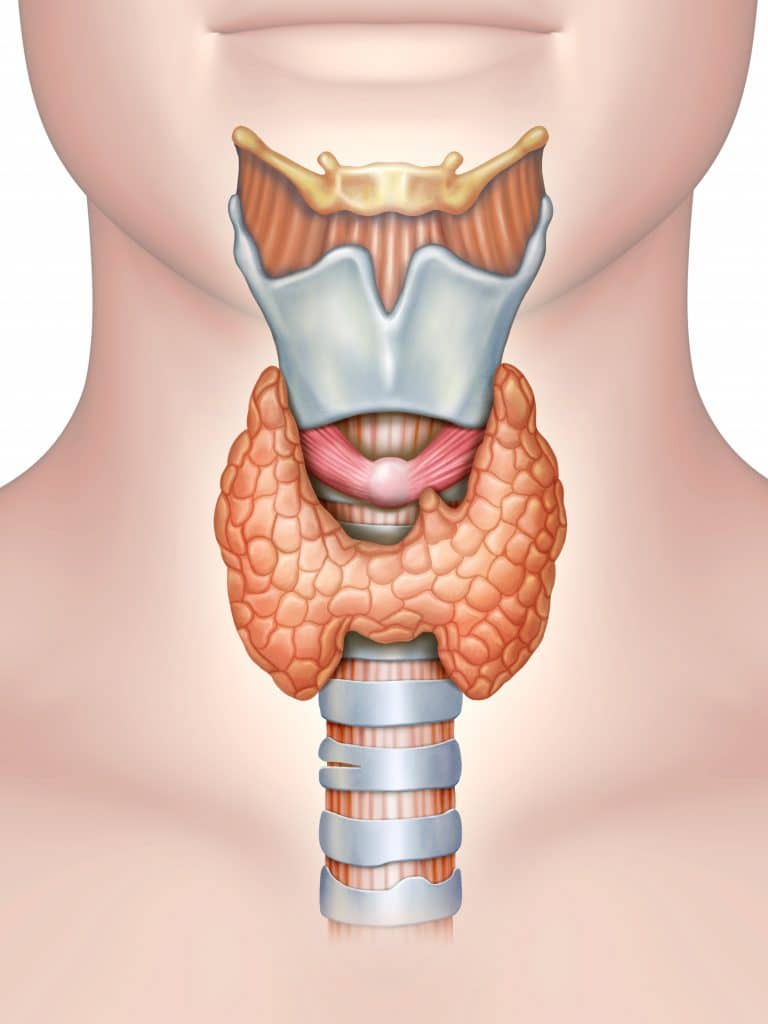
What is thyroid and why its so important?
The thyroid is a gland that synthesizes T3 and T4 – hormones that bind to receptors in nearly every cell and regulate basal metabolic rate. T3, the active form, controls mitochondrial oxygen consumption and ATP production, which is why thyroid status affects energy metabolism, your temperature, cognitive function, gut motility and health of your skin and hairs.
Overactive vs Underactive
Hyperthyroidism means excess circulating T3/T4, driving up metabolic rate, increased heart rate, elevated body temperature, and spiking your reaction to stress. Hypothyroidism is the opposite: insufficient thyroid hormone signaling lowers metabolic rate, reducing mitochondrial output and oxygen consumption across tissues.
Signs of underactive Thyroid
Cold hands and feet, constant fatigue no matter how much you sleep, brain fog, digestive issues like bloating or constipation, thinning hair and brittle nails, dry skin, and stubborn weight gain even when your diet hasn’t changed are all signs your thyroid is underactive.
Signs of overactive Thyroid
Rapid heartbeat, unexplained weight loss, feeling hot and sweaty all the time, thinning hair, bulding eyes, looking “geeked” + anxiety, trouble with falling asleep.
THE FIX.
EMF:
There a possible link between exposure to EMFs and thyroid nodules and DNA damage in lab settings. The easiest way to limit your EMFs exposure is to go from bluetooth headphones to the wired ones + sleep with your phone on flight mode.
VEGATABLES (risk of) :
Watch out for cruciferous vegetables (broccoli, kale, cabbage ect.) and soy, both are goitrogenic, meaning they can block iodine uptake and make an already underactive thyroid worse.
STRESS:
Chronically high cortisol suppresses TSH signaling from your brain to your thyroid. Managing sleep, avoiding overtraining and stressful environments, and eating enough all keep cortisol from working against your thyroid.
IODINE:
Iodine is the building block your thyroid uses to make hormone in the first place. Found in iodized salt, seafood, and eggs. Without enough, your thyroid physically can’t produce adequate T3/T4, regardless of everything else. Be cautious because too much iodine can actually worsen hyperthyroidism.
SELENIUM:
A required cofactor for converting T4 into active T3, and shown in research to help reduce thyroid antibody levels in autoimmune thyroid conditions. Seafood, meat especially liver, dairy and eggs are best sources.
FAT:
Thyroid hormone receptors need saturated fat to function properly at the cellular level - without it, even active T3 struggles to actually signal the cell. Fat is mandatory component for hormone production and receptor function throughout your body, thyroid included. We’re also talking about fat tissue, too low body fat causes hormonal issues.
VITAMIN A:
Ray Peat emphasized that thyroid hormone can’t actually function properly without adequate vitamin A, it’s needed for the hormone receptor itself to work. He also pointed out that hypothyroidism itself impairs the body’s ability to convert beta-carotene into usable vitamin A, creating a vicious cycle where low thyroid function makes the deficiency worse. Liver and egg yolks are the best sources.
CARBOHYDRATES:
Feed your metabolism, chronic low-carb or low-calorie eating signals starvation, causing your thyroid to actually produce less hormone in the first place. Eat sufficient carbs (fruit, milk, honey) to keep that signal turned off.
While studying this i realized that i have a fucked thyroid and i need to seriously improve it once learning from this it would definitely help you. Lots of love
What is thyroid and why its so important?
The thyroid is a gland that synthesizes T3 and T4 – hormones that bind to receptors in nearly every cell and regulate basal metabolic rate. T3, the active form, controls mitochondrial oxygen consumption and ATP production, which is why thyroid status affects energy metabolism, your temperature, cognitive function, gut motility and health of your skin and hairs.
Overactive vs Underactive
Hyperthyroidism means excess circulating T3/T4, driving up metabolic rate, increased heart rate, elevated body temperature, and spiking your reaction to stress. Hypothyroidism is the opposite: insufficient thyroid hormone signaling lowers metabolic rate, reducing mitochondrial output and oxygen consumption across tissues.
Signs of underactive Thyroid
Cold hands and feet, constant fatigue no matter how much you sleep, brain fog, digestive issues like bloating or constipation, thinning hair and brittle nails, dry skin, and stubborn weight gain even when your diet hasn’t changed are all signs your thyroid is underactive.
Signs of overactive Thyroid
Rapid heartbeat, unexplained weight loss, feeling hot and sweaty all the time, thinning hair, bulding eyes, looking “geeked” + anxiety, trouble with falling asleep.
THE FIX.
EMF:
There a possible link between exposure to EMFs and thyroid nodules and DNA damage in lab settings. The easiest way to limit your EMFs exposure is to go from bluetooth headphones to the wired ones + sleep with your phone on flight mode.
VEGATABLES (risk of) :
Watch out for cruciferous vegetables (broccoli, kale, cabbage ect.) and soy, both are goitrogenic, meaning they can block iodine uptake and make an already underactive thyroid worse.
STRESS:
Chronically high cortisol suppresses TSH signaling from your brain to your thyroid. Managing sleep, avoiding overtraining and stressful environments, and eating enough all keep cortisol from working against your thyroid.
IODINE:
Iodine is the building block your thyroid uses to make hormone in the first place. Found in iodized salt, seafood, and eggs. Without enough, your thyroid physically can’t produce adequate T3/T4, regardless of everything else. Be cautious because too much iodine can actually worsen hyperthyroidism.
SELENIUM:
A required cofactor for converting T4 into active T3, and shown in research to help reduce thyroid antibody levels in autoimmune thyroid conditions. Seafood, meat especially liver, dairy and eggs are best sources.
FAT:
Thyroid hormone receptors need saturated fat to function properly at the cellular level - without it, even active T3 struggles to actually signal the cell. Fat is mandatory component for hormone production and receptor function throughout your body, thyroid included. We’re also talking about fat tissue, too low body fat causes hormonal issues.
VITAMIN A:
Ray Peat emphasized that thyroid hormone can’t actually function properly without adequate vitamin A, it’s needed for the hormone receptor itself to work. He also pointed out that hypothyroidism itself impairs the body’s ability to convert beta-carotene into usable vitamin A, creating a vicious cycle where low thyroid function makes the deficiency worse. Liver and egg yolks are the best sources.
CARBOHYDRATES:
Feed your metabolism, chronic low-carb or low-calorie eating signals starvation, causing your thyroid to actually produce less hormone in the first place. Eat sufficient carbs (fruit, milk, honey) to keep that signal turned off.
While studying this i realized that i have a fucked thyroid and i need to seriously improve it once learning from this it would definitely help you. Lots of love


