In this Article, I will explain everything about the thyroid gland and how it affects your body, etc.

By @Histy
By @Histy
Table of Contents
- Introduction
- Anatomy and Structure of the Thyroid Gland
- Functions and Hormones of the Thyroid Gland
- Regulation of Thyroid Function
- Common Thyroid Disorders
- Optimizing Thyroid Function for Better Health
- Conclusion
1. Introduction
The thyroid is an essential endocrine gland that regulates metabolism and energy levels as well as growth and development.
The thyroid produces hormones that impact most of the cells and systems in our body.
A healthy thyroid can maintain balance within the body (homeostasis), while a dysfunctional thyroid will create imbalances in the hormones produced by your body.
Millions of people globally suffer from thyroid-related diseases. This article/Guide focuses on various aspects of the thyroid, including its structure, function, major disease processes, treatment options for managing disease processes and providing the best possible environment and assistance for promoting good health in the thyroid.
The information provided in this guide will be based on the best available medical research.
2. Anatomy and Structure of the Thyroid Gland
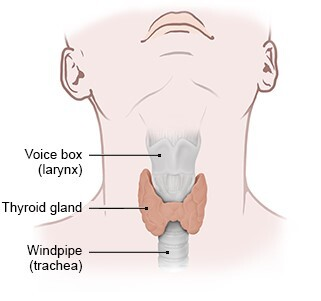
The thyroid gland is found at the front of the neck, under the voice box. It is butterfly-shaped: The two lobes on either side lie against and around the windpipe (trachea), and are connected at the front by a narrow strip of tissue known as the isthmus.
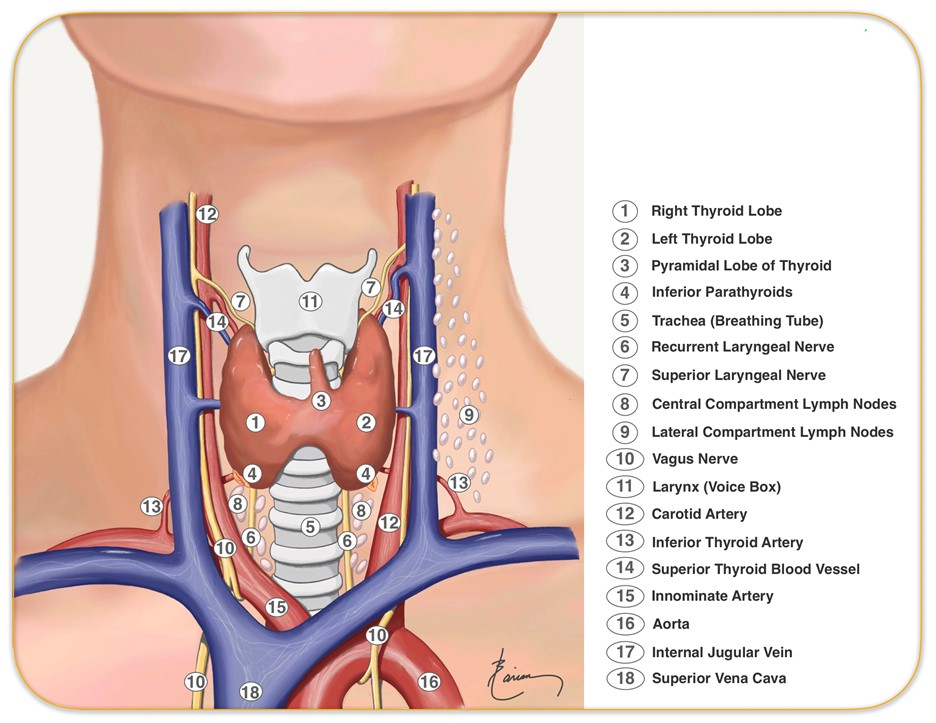
The thyroid typically weighs between 20 and 60 grams. It is surrounded by two fibrous capsules. The outer capsule is connected to the voice box muscles and many important blood vessels and nerves. There is loose connective tissue between the inner and the outer capsule, so the thyroid can move and change its position when we swallow.
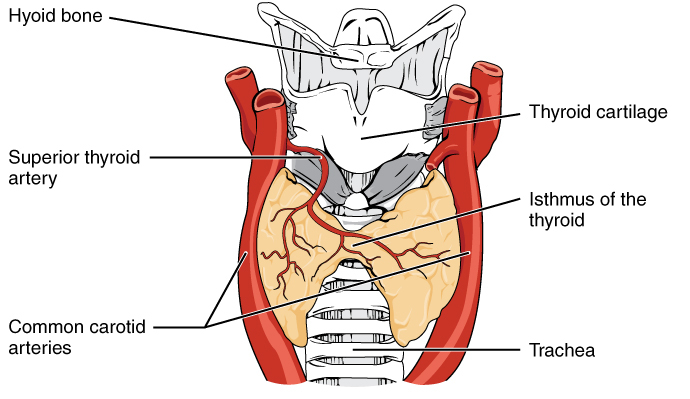
The thyroid tissue consists of many individual lobules that are each enclosed in a thin layer of connective tissue. These lobules contain a great number of small sacs – called follicles – which store thyroid hormones in the form of little droplets.
The thyroid gland is found at the front of the neck, under the voice box. It is butterfly-shaped: The two lobes on either side lie against and around the windpipe (trachea), and are connected at the front by a narrow strip of tissue known as the isthmus.
The thyroid typically weighs between 20 and 60 grams. It is surrounded by two fibrous capsules. The outer capsule is connected to the voice box muscles and many important blood vessels and nerves. There is loose connective tissue between the inner and the outer capsule, so the thyroid can move and change its position when we swallow.
The thyroid tissue consists of many individual lobules that are each enclosed in a thin layer of connective tissue. These lobules contain a great number of small sacs – called follicles – which store thyroid hormones in the form of little droplets.
3. Functions and Hormones of the Thyroid Gland:
What hormones does the thyroid make?
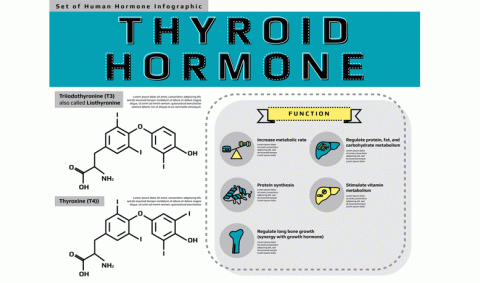
The thyroid gland produces three hormones:
- Triiodothyronine (T3)
- Tetraiodothyronine (T4), also called thyroxine
- Calcitonin
Iodine is an important substance that is needed to make the thyroid hormones T3 and T4. Our bodies can’t produce this trace element, so we need to get enough of it in our diet. Iodine is absorbed into our bloodstream from food in our bowels. It is then carried to the thyroid gland, where it is used to make thyroid hormones.
4. Regulation of Thyroid Function
"Thyroid hormone production is tightly controlled by the hypothalamic-pituitary-thyroid (HPT) axis."
How do the thyroid hormones work?
The more active T3 and T4 become in the body, the more the basal metabolic rate goes up (the amount of energy your body needs while at rest). They make all of the cells in the body work harder. This has the following effects, for example:- Body temperature rises
- The heartbeat becomes stronger and the pulse faster
- Food is used up more quickly because the energy stored in the liver and muscles is broken down
- The brain matures (in children)
- Growth is promoted (in children)
- Activation of the nervous system leads to higher levels of attention and quicker reflexes
How is the production of hormones regulated?
Sometimes our bodies need more thyroid hormones, and sometimes they need less. To make the exact right amount of hormones, the thyroid gland needs the help of another gland: the pituitary gland. It is part of the brain, and it regulates many of the processes inside our body. One of the things it does is to use the hormone TSH to control the amount of hormones the thyroid gland releases into the bloodstream.Most of the thyroid hormones in the bloodstream are bound to proteins, which makes them inactive. If the body needs more hormones, T3 and T4 can be released from these proteins in the blood and do their job.
5. Common Thyroid Disorders:
An overactive thyroid makes too many hormones (hyperthyroidism). An underactive thyroid doesn’t make enough hormones (hypothyroidism). Both of these imbalances can lead to many different symptoms.
The thyroid gland may get bigger too. Sometimes the whole thyroid gland becomes enlarged (diffuse goiter), and sometimes individual lumps called nodules grow in the gland (nodular goiter).
Various tests can be used to diagnose medical conditions affecting the thyroid.
5.1 Hypothyroidism
Hypothyroidism, by contrast, happens when your thyroid gland doesn't make enough thyroid hormones. As your body needs certain amounts of thyroid hormones to make energy, a drop in hormone levels leads to lower energy levels.
If hypothyroidism is left untreated, it can bring on myxedema coma, a rare but potentially fatal condition that requires hormone treatment right away.
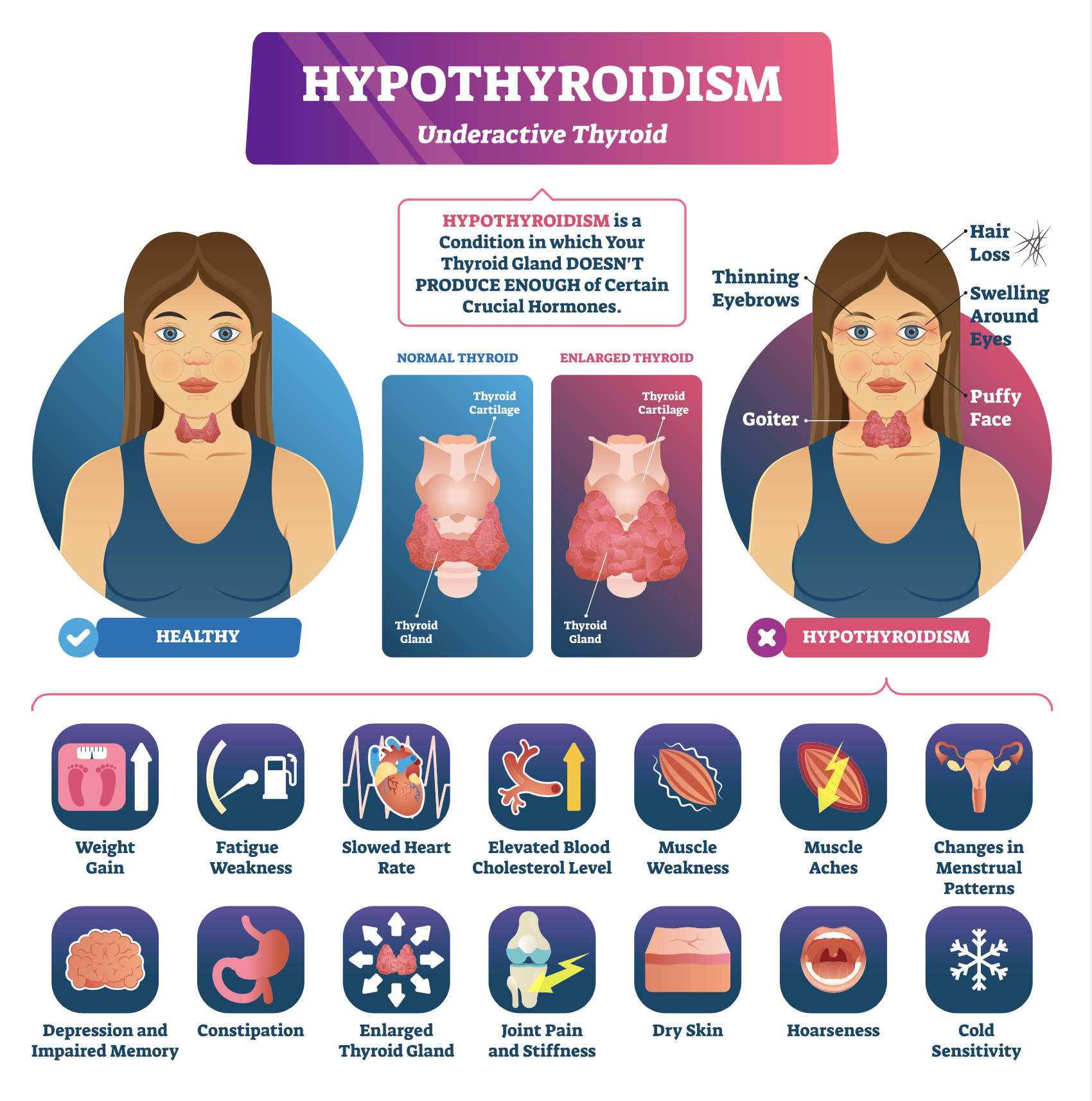
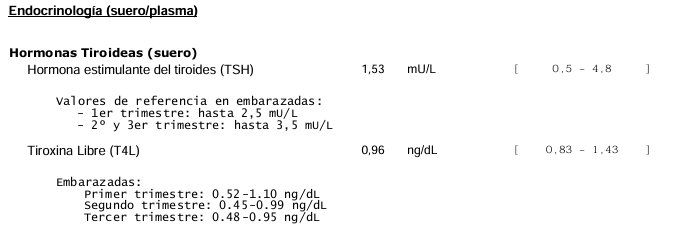
Diagnosis involves blood tests measuring TSH (elevated) and T4 (low).
Treatment typically includes daily levothyroxine (a synthetic T4) to restore hormone levels.
5.2 Hyperthyroidism
Hyperthyroidism, sometimes called an overactive thyroid, occurs when your thyroid gland releases too many thyroid hormones into your bloodstream. It can speed up your metabolism, causing weight loss, irregular heartbeat, and tremors in your hands.
Symptoms include weight loss, rapid heartbeat, heat intolerance, anxiety, tremors, and bulging eyes (in Graves' cases).
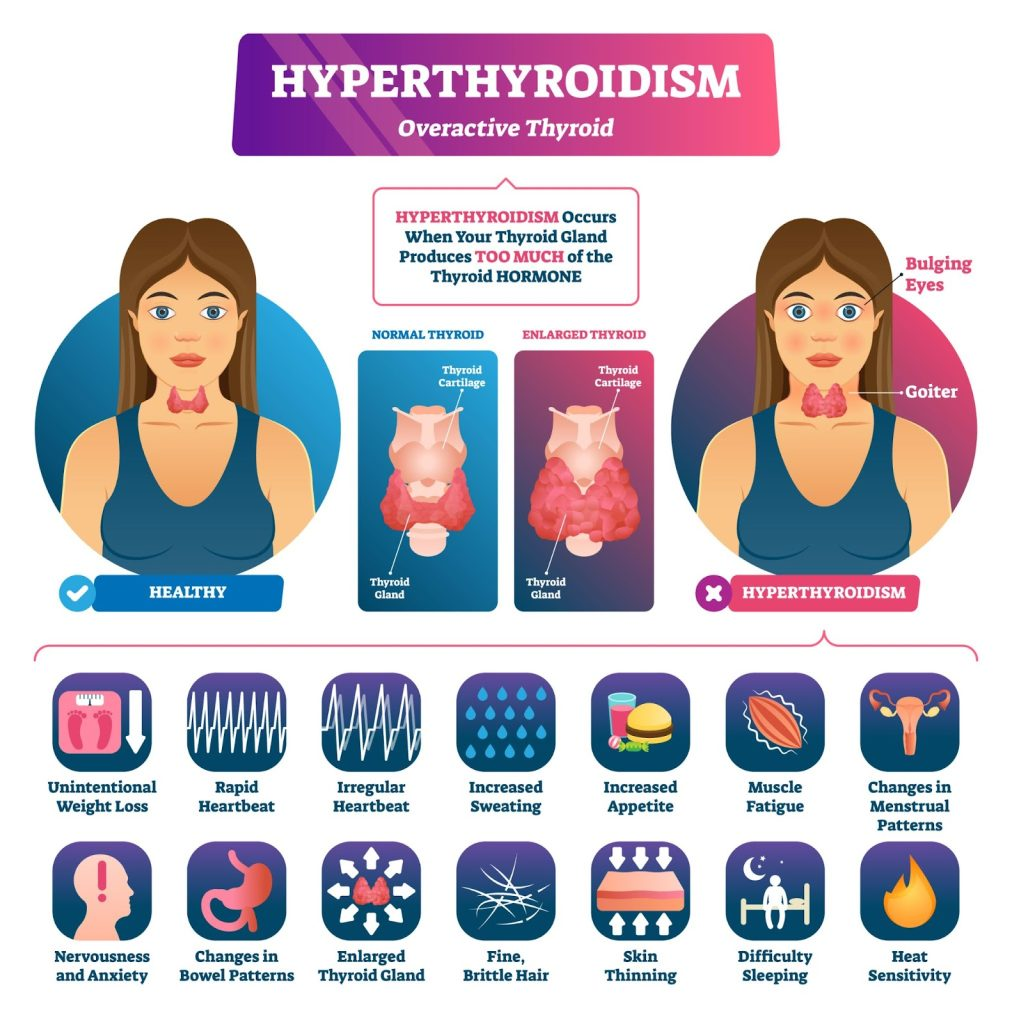
Diagnosis uses blood tests showing low TSH and high T3/T4, plus imaging like ultrasound or radioactive iodine uptake scans. Treatments include anti-thyroid drugs like methimazole to block hormone production, radioactive iodine to destroy overactive cells, or surgery for severe cases.
5.3 Thyroid Cancer
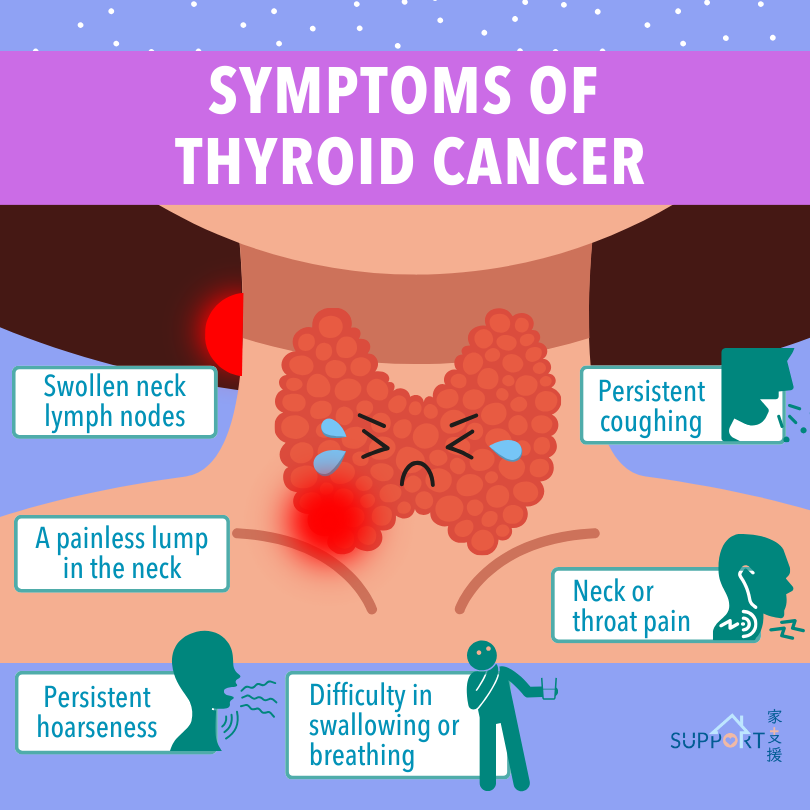
Cancer of the thyroid gland is rare and occurs in about 5% of thyroid nodules. You might have one or more thyroid nodules for several years before your doctor finds that they're cancerous. If you've had radiation treatment to your head and neck earlier in life, possibly as a remedy for acne, you may have a higher risk of getting thyroid cancer.Both types of thyroid disease can be caused by other diseases that affect the way the thyroid gland works.Symptoms may include a neck lump, hoarseness, or swollen lymph nodes
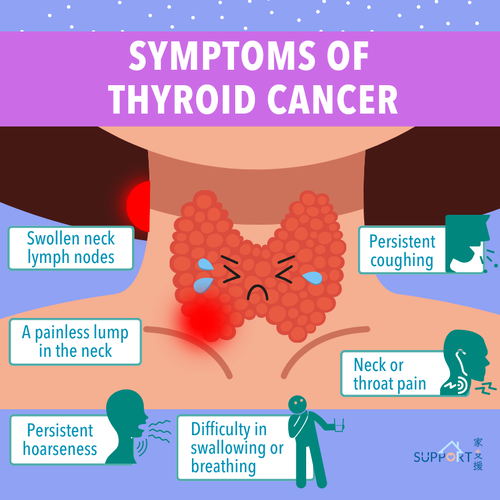 Diagnosis involves ultrasound, fine-needle biopsy, and scans. Treatment typically includes surgery (thyroidectomy), radioactive iodine, and hormone therapy.
6. Optimizing Thyroid Function for Better Health
"While medical treatment is crucial for disorders, lifestyle choices can support thyroid health."
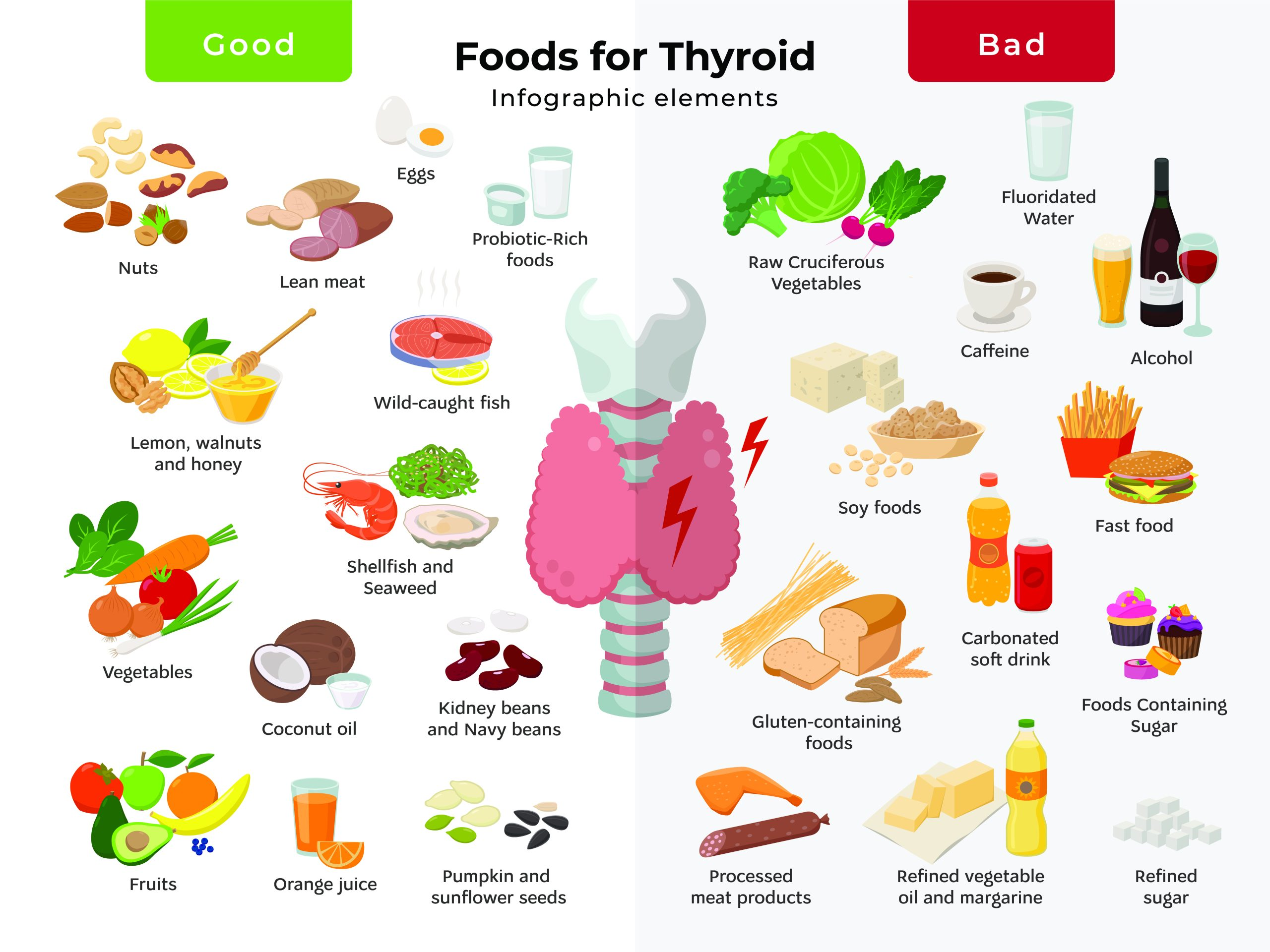
Medical care is essential for the treatment of thyroid disorders, but there are also lifestyle choices that can help to promote thyroid health. A nutrient-dense, iodine-rich diet (seafood, dairy, iodized salt), selenium-rich (Brazil nuts, fish), zinc-rich (nuts, seeds), and tyrosine-rich (lean proteins) is recommended along with additional consumption of fruits, vegetables, whole grains, and lean proteins, while limiting processed foods, excess sugar, and goitrogenic foods (raw cruciferous vegetables).
Manage stress through meditation, or exercise, as chronic stress can disrupt hormone balance.
Prioritize sleep and regular physical activity to boost metabolism which will maintain your body temperature as a result that you will not feel cold easily.
Avoid smoking and alcohol.
Gut health is linked to thyroid function, so include probiotics from yogurt or fermented foods.
"Note that while these steps support health, they don't replace medical advice"
7. Conclusion
The thyroid gland affects your overall health, energy, mood, and the way your body runs. The earlier you know how the thyroid works and what could go wrong, the better chance you have of treating it properly. If you want to have the best chance at keeping your thyroid functioning efficiently, make sure to develop good habits, but always see Doctor for a trusted medical attention.Please feel free to share your Opinion / Ask questions


@Orka @copingmaxnt @BigBallsLarry @Sayori @BWCisLAW
Last edited: