
Top 4 European Phenotypes (GUIDE)

ilian

ilian

Chad does what Chad wants
Joined
Jul 4, 2025
Posts
1,363
Reputation
3,932
Top 4
European Phenotypes Guide
Phenotype matters in looks because it’s the end result of history, environment, and adaptation—and that’s what makes it visually interesting. Over thousands of years, different European regions developed distinct combinations of bone structure and coloring shaped by climate, geography, and lifestyle. Those combinations didn’t just survive; they created recognizable, iconic looks that still read as striking today.

Coloring plays a major role here. Skin tone, hair color, and eye color affect contrast, clarity, and how facial structure is perceived. Certain phenotypes naturally highlight sharp features, deepen the eye area, and give the face a cleaner, more defined appearance. This is why some faces instantly stand out—they carry a coherent look where structure and coloring reinforce each other.


Understanding phenotype in a "blackpill" context is about appreciating how history produced specific visual archetypes, and how those archetypes influence attractiveness, presence, and overall aesthetic impact today. It’s not about traits in isolation, but about how everything comes together into a look that makes it "aesthetic"
------------------------------------------------------------------------------------------------------------------------------------------------------------
North Atlantid:

History:

North Atlantids come from Northwestern Europe, mainly around the Atlantic coast. They’re the result of old European hunter-gatherers mixing with later farming and Bronze Age populations. Cold weather, low sunlight, and hard physical living shaped the look over thousands of years.

North Atlantids are mainly found in Northwestern Europe, especially countries along the Atlantic coast. The highest concentration is traditionally associated with Ireland, western Scotland, Wales, and parts of England. They’re also seen in western France (Brittany), northern Spain, Portugal, and parts of the Low Countries.


Basically: Atlantic Europe. Coastal regions with cold, wet climates and long histories of seafaring and hard physical living. That environment is a big reason the phenotype looks the way it does

Description:

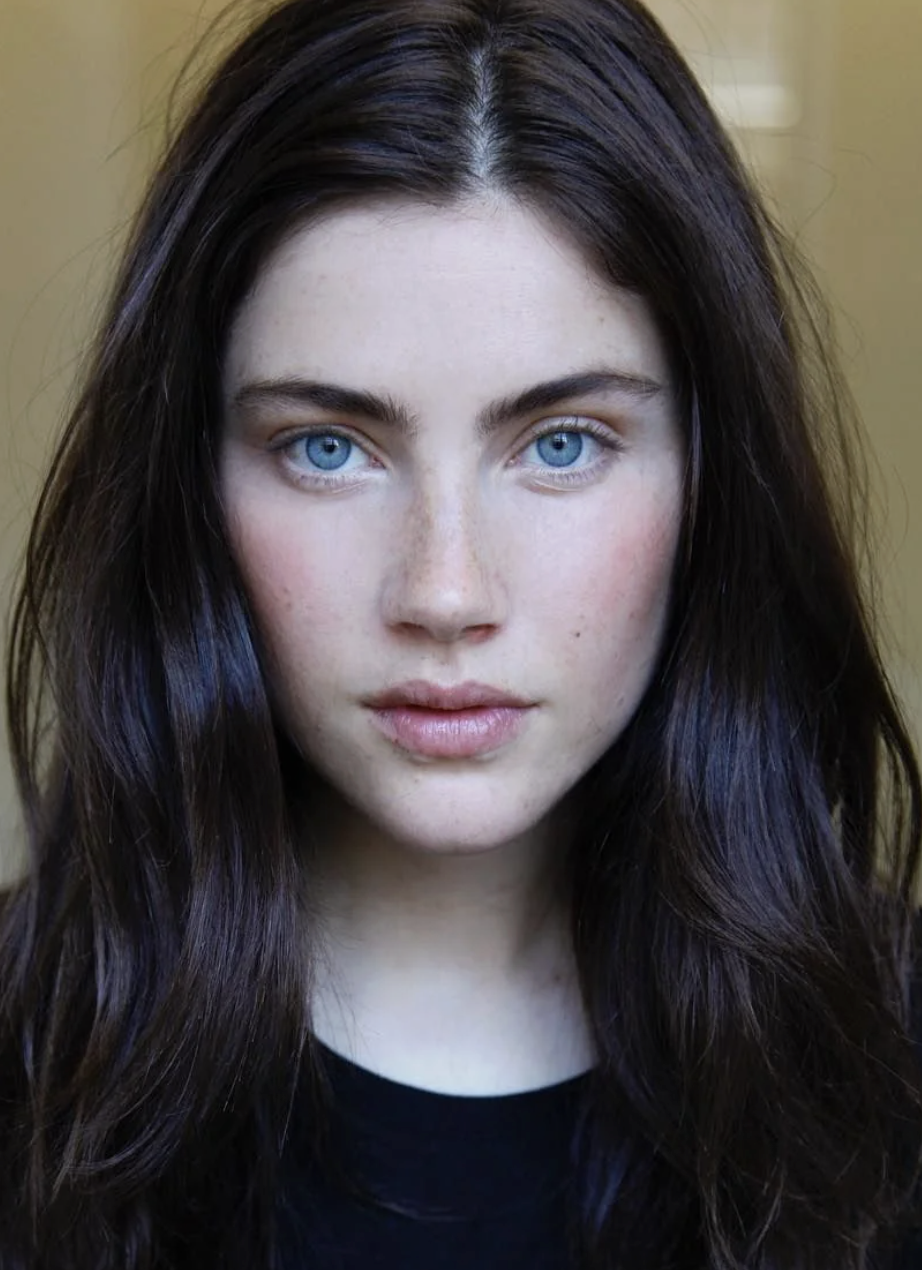
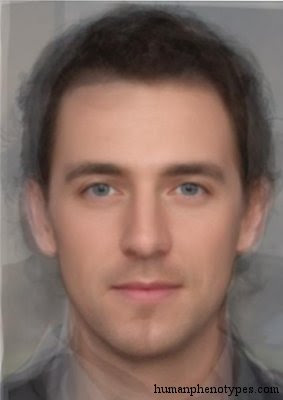
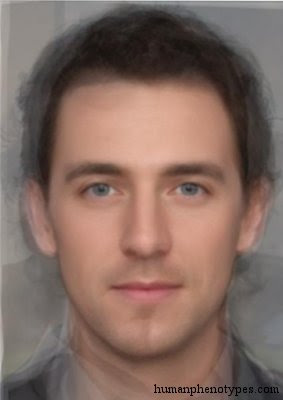
Pale, sometimes ruddy or freckled skin. Brown, sometimes black or reddish hair with light, often blue eyes. Rather tall, mesoskelic, sometimes brachyskelic, ectomorph, slightly mesomorph with relatively long arms. Mesocephalic, chamae- orthocranic. Prominent, hyperleptorrhine, long-tipped nose that may be convex or concave. Forehead is narrow and sloping, mandible small, malars compressed.

Examples:
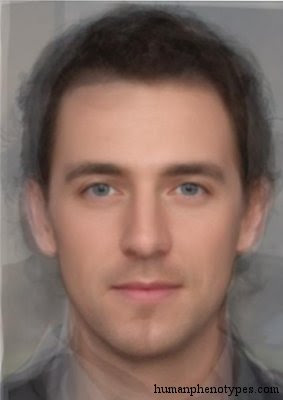
Unnamed 3
1766870320550


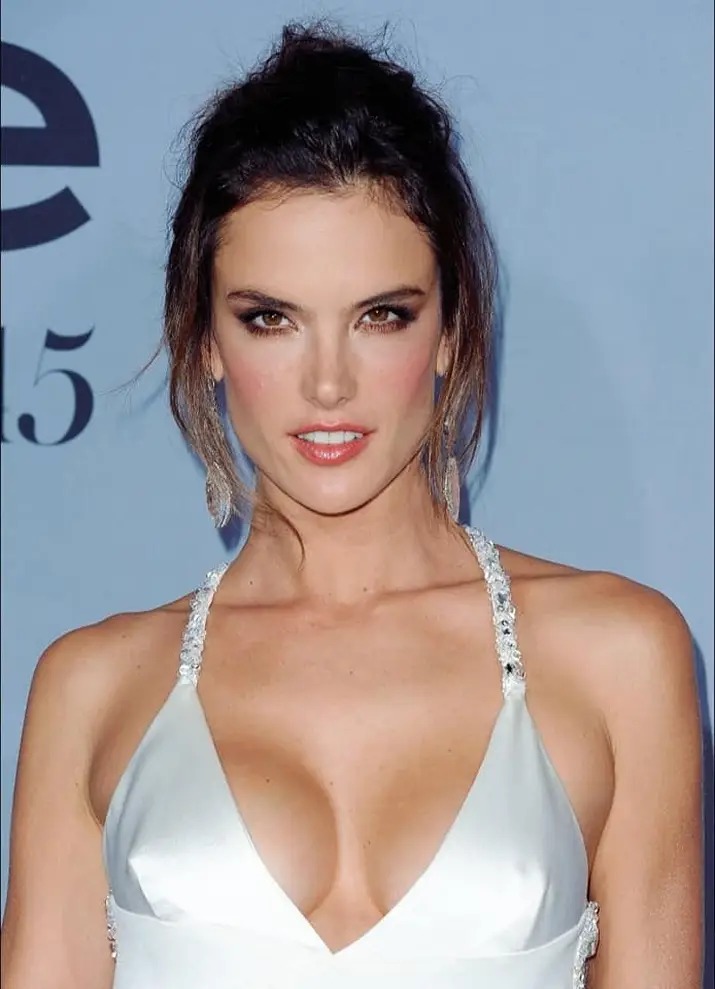
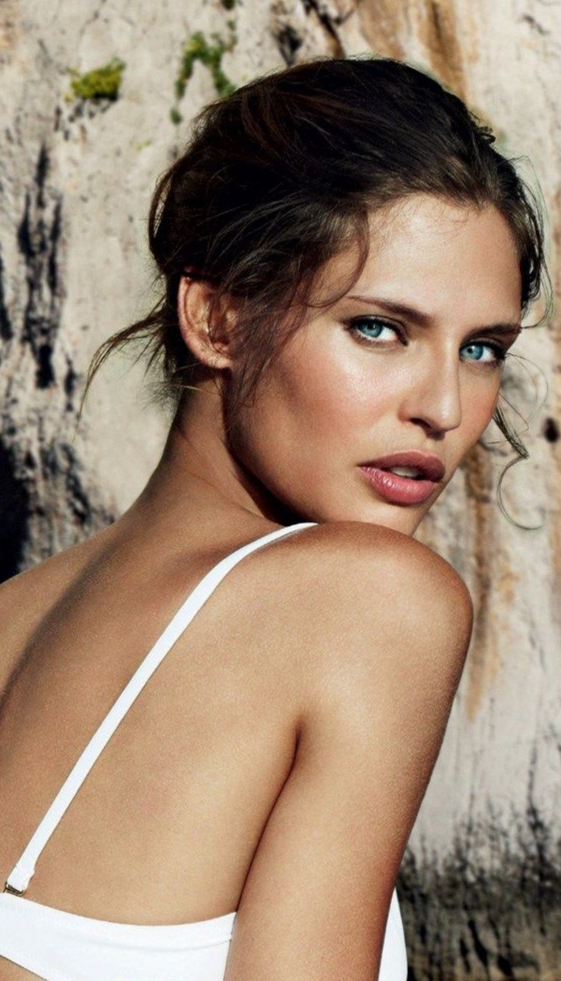
IRL Examples:
1766870572513
Skarmavbild 2025 12 28 kl 020358

Matt Bomer & Anna Speckhart:
They are easily the best examples of North Atlantid, due to similar coloring and bone structure. You can clearly see that they both look very similar and fit the description of NA very well.

------------------------------------------------------------------------------------------------------------------------------------------------------------
Paleo Atlantid:

History:
Paleo-Atlantids come from Northern and Northwestern Europe, including Scandinavia and the Atlantic fringe. They are closely tied to ancient European hunter-gatherer populations, with little influence from later farming groups. Cold climates, very low sunlight, rugged landscapes, and extremely hard physical living shaped the look over many thousands of years.


Paleo-Atlantids are mainly found in Norway and parts of western Scandinavia, as well as other isolated northern and Atlantic regions. They are traditionally associated with coastal and mountainous areas of Norway, western Scotland, parts of Ireland, northern Spain, and Atlantic Portugal, where ancient populations remained more isolated.

Basically: Northern & Atlantic Europe. Cold, harsh environments, long winters, isolation, and physically demanding lives are the main reasons the Paleo-Atlantid phenotype looks the way it does.


Description:
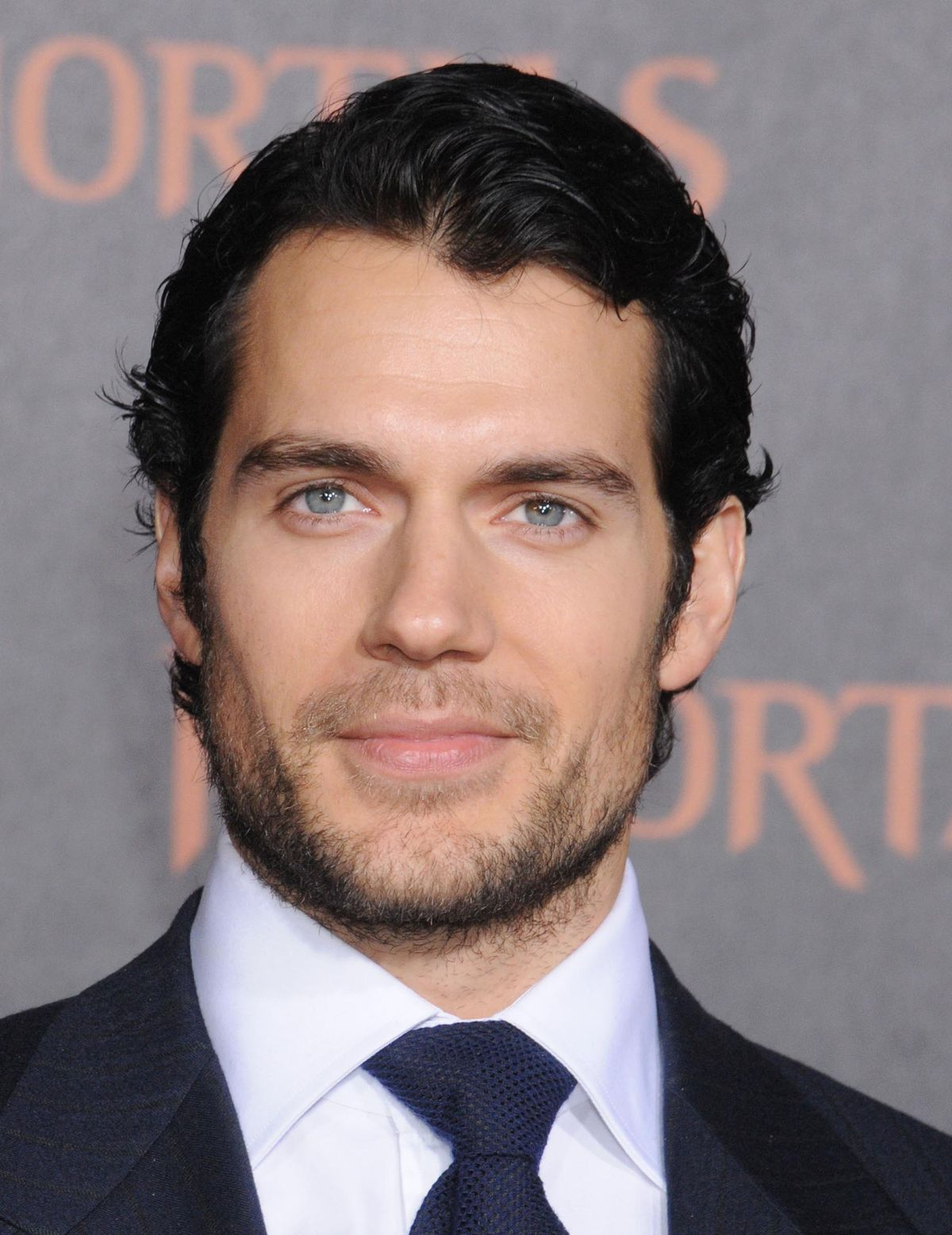
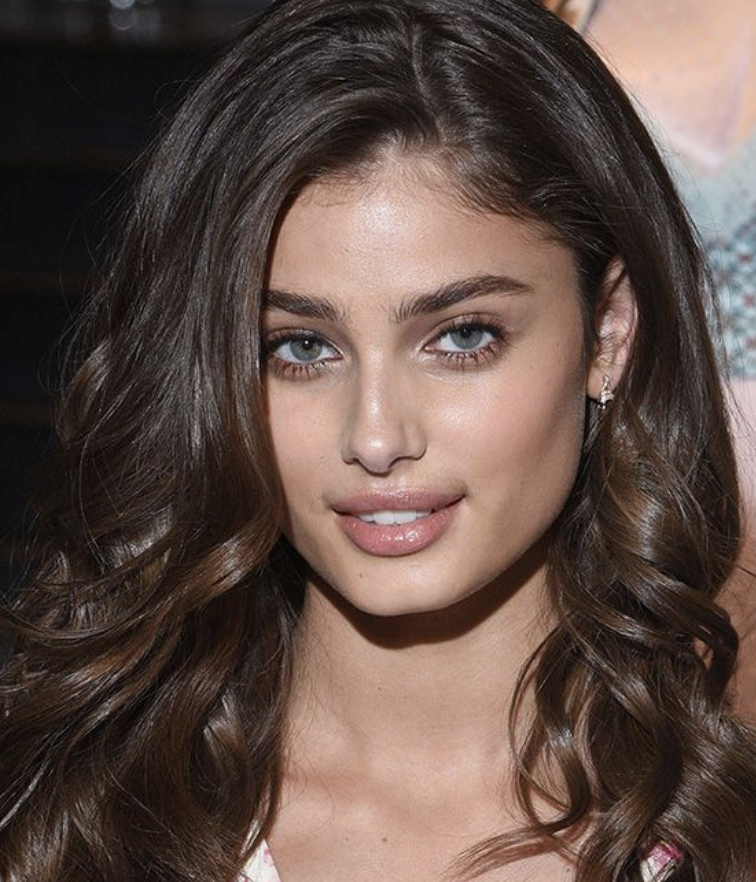
Fair-skinned, with mostly curly or wavy hair (sometimes straight), usually brown or black, occasionally red or blonde, and mixed eye colors. Typically tall with a mesomorphic build, sometimes macroskelic, meso- to endomorphic, often with long arms. Large-headed, mainly dolichocephalic, sometimes mesocephalic, with a low-to-medium skull height. Features include a mildly narrow, often concave nose. Compared to Dalofaelids, this type is more robust, with heavier brow ridges, wider and lower faces and noses, darker pigmentation, and stronger body hair growth.

Examples:
1766871788237
1766871839945


IRL Examples:
1766872055823
Skarmavbild 2025 12 28 kl 004833

Henry Cavill & Taylor Hill:
They are easily the best examples of Paleo Atlanid, due to similar bone and nose structure. You can clearly see that they both look very similar and fit the description very well.

------------------------------------------------------------------------------------------------------------------------------------------------------------
West Alpinid:

History:
West Alpinids come from Central and Western Europe, especially inland regions rather than coastal ones. They are mainly descended from early Neolithic farming populations, with some influence from older European hunter-gatherers. A settled agricultural lifestyle, combined with cooler temperate climates, shaped their appearance over thousands of years.

West Alpinids are mainly found in central France, southern Germany, Switzerland, Austria, and parts of northern Italy. They are also seen in surrounding inland areas of Western and Central Europe, particularly in regions with long histories of farming and village-based life rather than seafaring. Basically: Inland Western & Central Europe.

Temperate climates, early agriculture, relative isolation in valleys and uplands, and long-term sedentary living are the main reasons the West Alpinid phenotype looks the way it does.


Description:
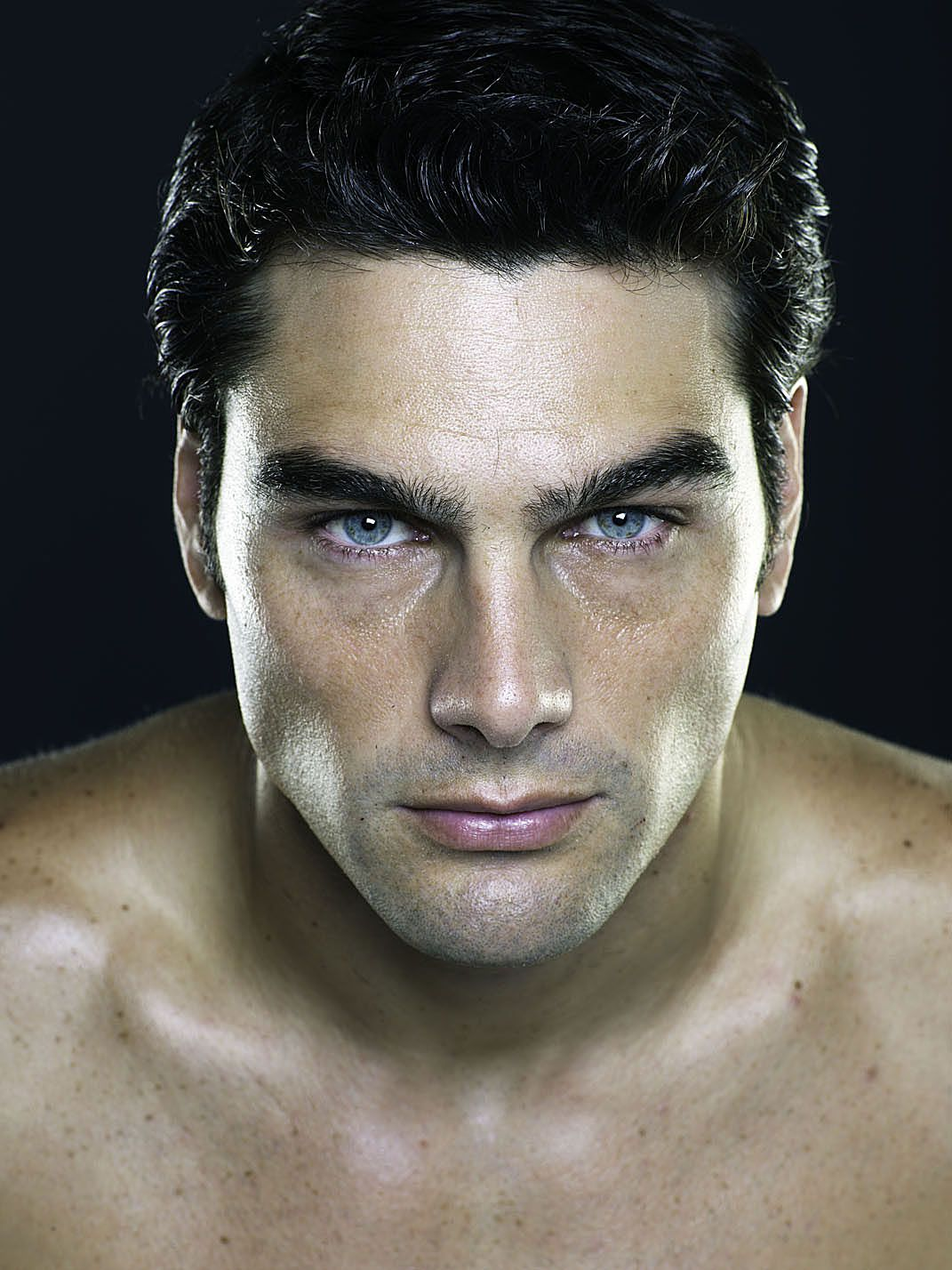
West Alpinids usually have fair to light-brown skin. Their hair is straight or slightly wavy, most often brown, with some blondes. They are generally short to medium in height, with a stockier, more rounded body type. They tend to have a very round head and skull. The face is wide and round, with soft features and wide-set eyes. The nose is small and short, often straight or slightly concave, and snub noses are common in women. The forehead is steep and rounded. Body hair is usually not very strong.

Examples:
1766873007588
1766873018519


IRL Examples:
1766873069763
1766873088184

Hernan Drago & Adriana Lima:
They are both good examples of the West Alpinid Phenotype, and both fits well into the description.

------------------------------------------------------------------------------------------------------------------------------------------------------------
Dalofaelid:

History:
Mostly found in Northern Europe and the Germanic regions, including the Netherlands, northern Germany, Denmark, and southern Scandinavia. They descend from older European hunter-gatherers with some later admixture. Cold climates, physically demanding lifestyles, and long-term adaptation shaped their robust, striking look.

Cold climates, physically demanding living, relative isolation, and long-term adaptation to subarctic conditions are the main reasons the Dalofaelid phenotype looks the way it does.

Description:

Pale to fair skin. Hair ranges from straight to curly, mostly blonde, sometimes red or brown. Eyes are grey, blue, or mixed. Generally tall, mesoskelic, mesomorphic with robust bones, sometimes slightly endomorphic in old age. Mesocephalic, chamae-orthocranic, with a very large head and a curved occiput.

The nose is leptorrhine, straight or mildly convex. Face is wide, with a broad angular jaw and prominent zygomatic arches. Brow ridges are strong, eyes deep-set and small. Forehead broad, mildly sloping. Mouth broad with thin lips.

Examples:
1766873674196
1766873698167


IRL Examples:
1766873746835
1766873766406

They are both good examples of the Dalofaelid Phenotype, and both fits well into the description.

------------------------------------------------------------------------------------------------------------------------------------------------------------
 
Last edited:
  • +1
  • JFL
Reactions: deformed subhuman, Ræta, Mess and 16 others
I am paelo altantid x west alpinid (swiss norwegian mix)
 
  • +1
Reactions: AustrianOak47, Deleted member 280441, mohi_100 and 2 others
1766874044361
 
  • +1
  • JFL
Reactions: deformed subhuman, Ghoulish, ASM5 and 3 others
Bomber is west alp, just has blue eyes
2 west alp parents cant create a north atlantid
but rest of the thread is good tho
 

Attachments

  • 1766874036885.png
    1766874036885.png
    363.6 KB · Views: 0
  • +1
  • Hmm...
Reactions: Deleted member 280441, Leo and ilian
good post
 
  • +1
Reactions: Deleted member 280441, Leo and ilian
Inb4 botb possibly
 
  • +1
Reactions: Deleted member 280441, mohi_100, Leo and 1 other person
@Hernan @Gengar @TechnoBoss @mohi_100 @Leo @LTNUser
 
  • +1
Reactions: Histy, TechnoBoss, Hernan and 3 others
Why all phenos ugly
 
  • +1
Reactions: Deleted member 280441 and ilian
What phenotype I am included in? :FLUSH:

1000000416
 
  • JFL
Reactions: Histy and ilian
Bomber is west alp, just has blue eyes
2 west alp parents cant create a north atlantid
but rest of the thread is good tho
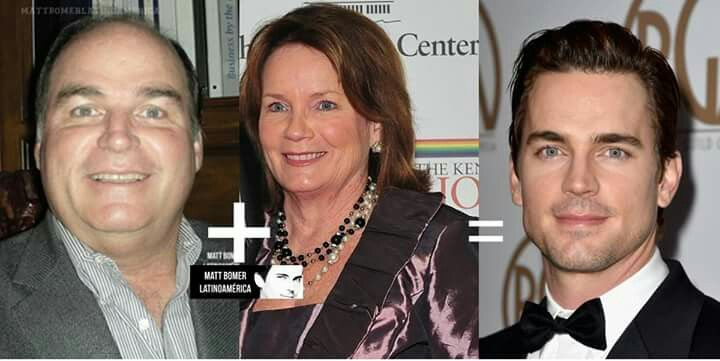
Bomer literally has all the features of being NA. His father is just chubby and round, which is why he looks more West Alpinid. And yes, technically, two WA parents can produce an NA child since NA and WA aren't far from each other, and genetics can trace back to distant ancestors.
1766874345892
1766874362437
 
  • +1
Reactions: ASM5, Histy, Deleted member 280441 and 1 other person
Why all phenos ugly
Cuz it's supposed to be the "average" in the certain "phenotype" not the best looking
 
  • +1
Reactions: Histy, mohi_100, HundredManSlayer and 2 others
these aren't good phenotypes. which is why you have to use their best examples. realistically the best phenotype is mediterranid as it gives you the best base. which is a caucasoid skull, olive tan skin, and dark thick hair.
 
  • Hmm...
Reactions: ilian
Great thread. It'd be fun to do deep dive into some physiognomy stuff in the future too
 
  • +1
  • Love it
Reactions: Histy and ilian
these aren't good phenotypes. which is why you have to use their best examples. realistically the best phenotype is mediterranid as it gives you the best base. which is a caucasoid skull, olive tan skin, and dark thick hair.
As a med myself i gotta admit objectively these 4 are the best looking. Most of the people in the top 10 facially rated are one of these 4 phenotypes.
 
  • +1
Reactions: jagg/, ASM5 and Histy
hernan is NOT west alpinid jfl
 
  • JFL
  • +1
Reactions: TheOsei and ilian
As a med myself i gotta admit objectively these 4 are the best looking. Most of the people in the top 10 facially rated are one of these 4 phenotypes.
mm rated by who. also the disparity between the celebrities and the actual phenotype images is stark.
 
  • Hmm...
Reactions: ilian
  • +1
  • Woah
Reactions: Histy, TheOsei and silently_said
rated by who. also the disparity between the celebrities and the actual phenotype images is stark.
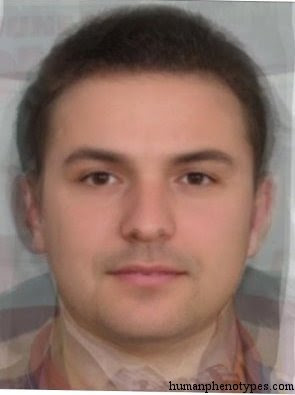
it is supposed to be the "average" in the pic and in the irl it supposed to be "top"
 
  • +1
Reactions: Histy
Bomer literally has all the features of being NA. His father is just chubby and round, which is why he looks more West Alpinid. And yes, technically, two WA parents can produce an NA child since NA and WA aren't far from each other, and genetics can trace back to distant ancestors.
View attachment 4472011View attachment 4472012
Nose doesnt match at all, his dad and mom look exactly like the west alp morph, and no 2 textbook WA parents cant produce a NA one literally impossible. blue eyes and black hair dont mean NA
 
Nose doesnt match at all, his dad and mom look exactly like the west alp morph, and no 2 textbook WA parents cant produce a NA one literally impossible. blue eyes and black hair dont mean NA
Dnr nigga
1766874345892
1766874362437
 
  • +1
Reactions: ASM5 and Histy
I admire the effort you put in this. But the examples provided are so-so.

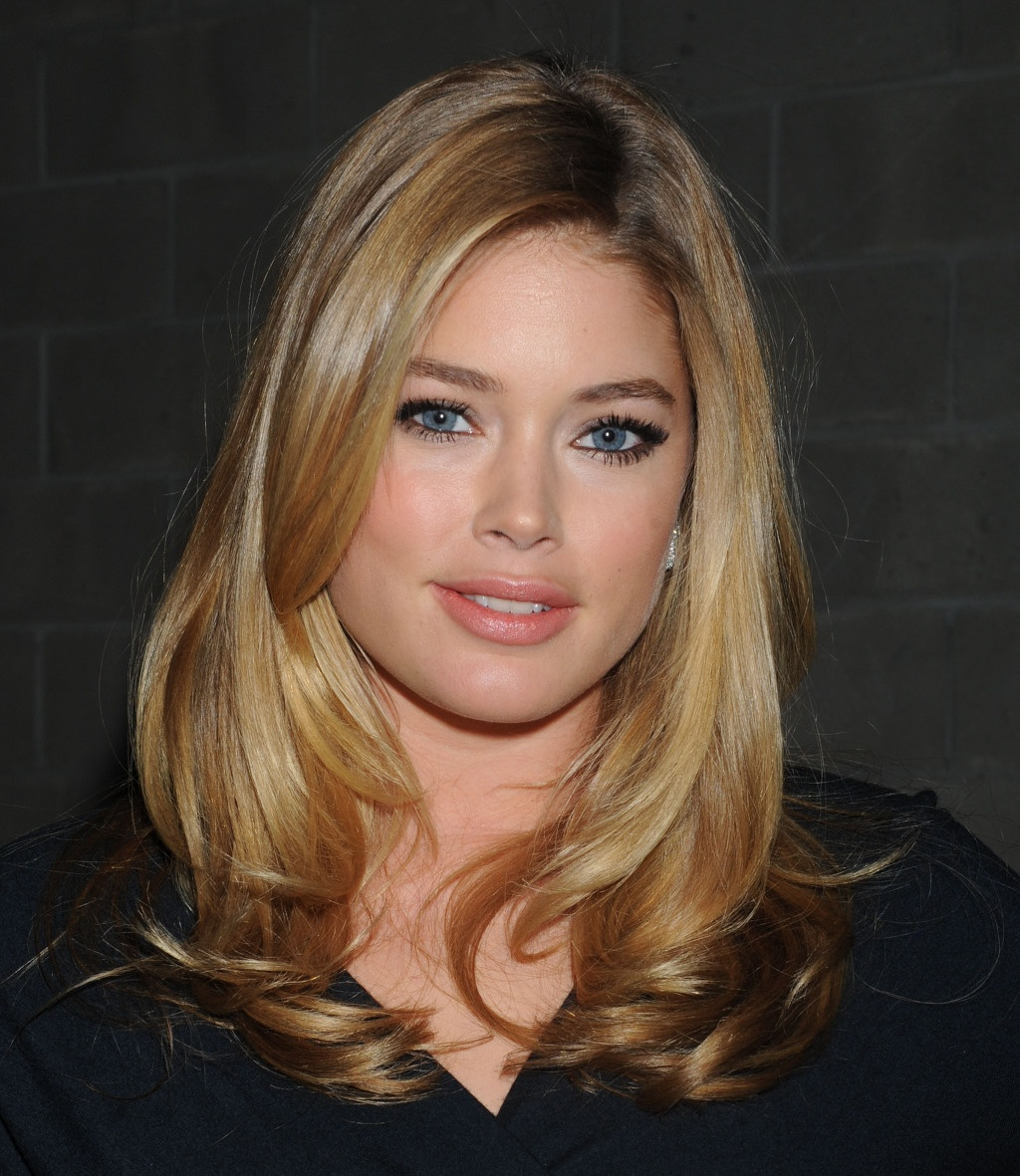
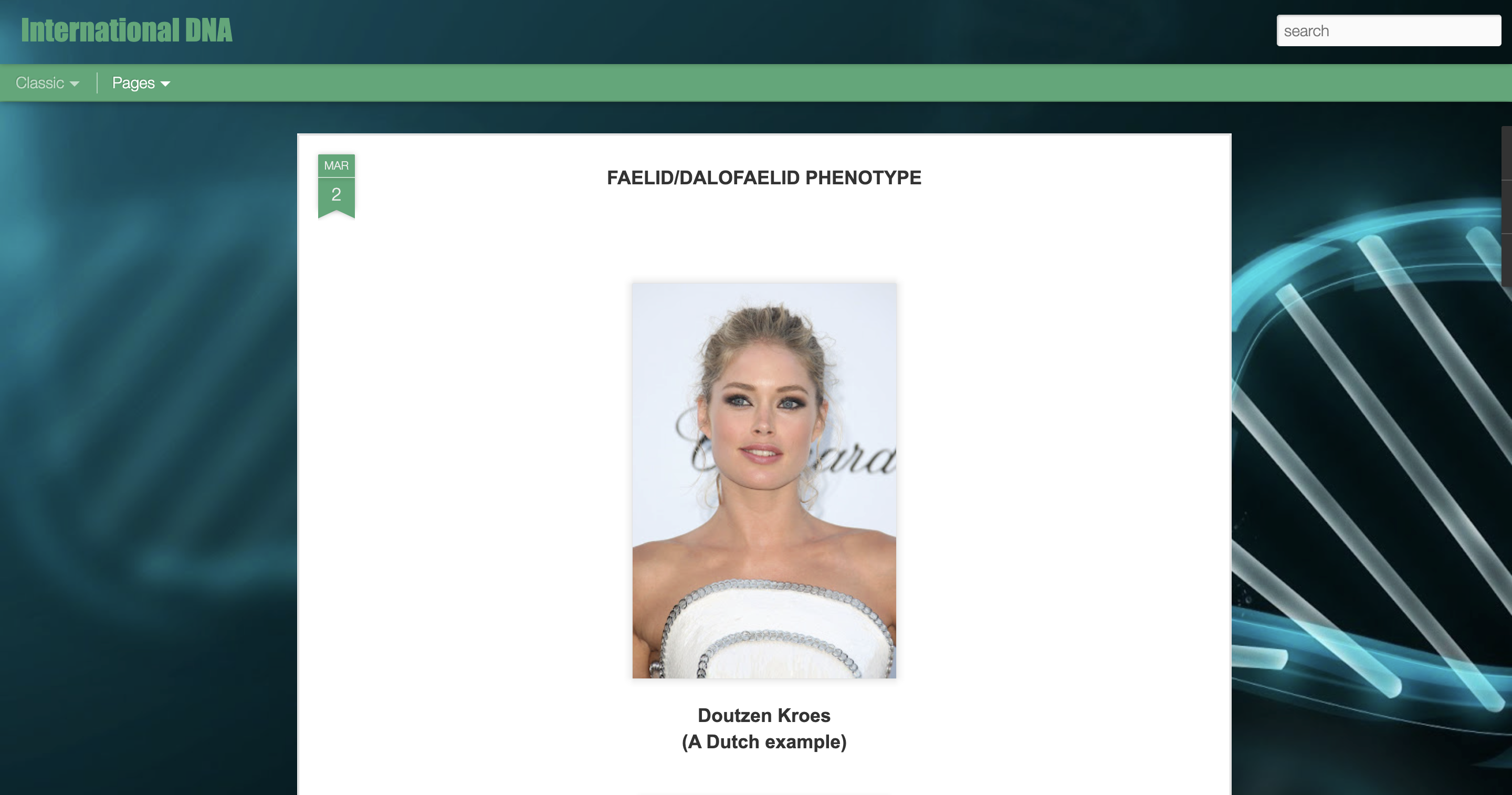
Doutzen is dolicho by all metrics.
 
  • Hmm...
Reactions: ilian
it is supposed to be the "average" in the pic and in the irl it supposed to be "top"
the issue is that the average person in each your phenotypes looks worse than the average med. north atlantids look like edward norton. paleo atlantids look like russel crowe. alpinids look like jews. and daleofalids look like oliver kahn. you need to do more research.
 
I admire the effort you put in this. But the examples provided are so-so.

Doutzen is dolicho by all metrics.
Skarmavbild 2025 12 28 kl 014541

funny enough she is the first dalofaelid example on international dna
 
  • +1
  • Woah
Reactions: Histy and mrdouchebag
the issue is that the average person in each your phenotypes looks worse than the average med. north atlantids look like edward norton. paleo atlantids look like russel crowe. alpinids look like jews. and daleofalids look like oliver kahn. you need to do more research.
nigga stop being subjective and enjoy the thread you joined literally yesterday come on now nigga
 
  • +1
Reactions: ASM5 and Histy
nigga stop being subjective and enjoy the thread you joined literally yesterday come on now nigga
i mean i read your thread and i'm discussing it
 
  • Hmm...
Reactions: ilian
Reading now. I'm not great at distinguishing between specific phenotypes.
 
  • +1
Reactions: Histy and ilian
  • +1
Reactions: Histy
Top 4
European Phenotypes Guide
Phenotype matters in looks because it’s the end result of history, environment, and adaptation—and that’s what makes it visually interesting. Over thousands of years, different European regions developed distinct combinations of bone structure and coloring shaped by climate, geography, and lifestyle. Those combinations didn’t just survive; they created recognizable, iconic looks that still read as striking today.

Coloring plays a major role here. Skin tone, hair color, and eye color affect contrast, clarity, and how facial structure is perceived. Certain phenotypes naturally highlight sharp features, deepen the eye area, and give the face a cleaner, more defined appearance. This is why some faces instantly stand out—they carry a coherent look where structure and coloring reinforce each other.


Understanding phenotype in a "blackpill" context is about appreciating how history produced specific visual archetypes, and how those archetypes influence attractiveness, presence, and overall aesthetic impact today. It’s not about traits in isolation, but about how everything comes together into a look that makes it "aesthetic"
------------------------------------------------------------------------------------------------------------------------------------------------------------
North Atlantid:

History:

North Atlantids come from Northwestern Europe, mainly around the Atlantic coast. They’re the result of old European hunter-gatherers mixing with later farming and Bronze Age populations. Cold weather, low sunlight, and hard physical living shaped the look over thousands of years.

North Atlantids are mainly found in Northwestern Europe, especially countries along the Atlantic coast. The highest concentration is traditionally associated with Ireland, western Scotland, Wales, and parts of England. They’re also seen in western France (Brittany), northern Spain, Portugal, and parts of the Low Countries.


Basically: Atlantic Europe. Coastal regions with cold, wet climates and long histories of seafaring and hard physical living. That environment is a big reason the phenotype looks the way it does

Description:

Pale, sometimes ruddy or freckled skin. Brown, sometimes black or reddish hair with light, often blue eyes. Rather tall, mesoskelic, sometimes brachyskelic, ectomorph, slightly mesomorph with relatively long arms. Mesocephalic, chamae- orthocranic. Prominent, hyperleptorrhine, long-tipped nose that may be convex or concave. Forehead is narrow and sloping, mandible small, malars compressed.

Examples:
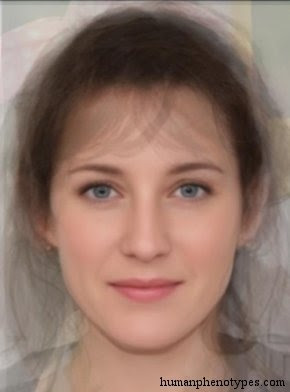
View attachment 4471800View attachment 4471803

IRL Examples:
View attachment 4471815View attachment 4472157
Matt Bomer & Anna Speckhart:
They are easily the best examples of North Atlantid, due to similar coloring and bone structure. You can clearly see that they both look very similar and fit the description of NA very well.

------------------------------------------------------------------------------------------------------------------------------------------------------------
Paleo Atlantid:

History:
Paleo-Atlantids come from Northern and Northwestern Europe, including Scandinavia and the Atlantic fringe. They are closely tied to ancient European hunter-gatherer populations, with little influence from later farming groups. Cold climates, very low sunlight, rugged landscapes, and extremely hard physical living shaped the look over many thousands of years.


Paleo-Atlantids are mainly found in Norway and parts of western Scandinavia, as well as other isolated northern and Atlantic regions. They are traditionally associated with coastal and mountainous areas of Norway, western Scotland, parts of Ireland, northern Spain, and Atlantic Portugal, where ancient populations remained more isolated.

Basically: Northern & Atlantic Europe. Cold, harsh environments, long winters, isolation, and physically demanding lives are the main reasons the Paleo-Atlantid phenotype looks the way it does.


Description:
Fair-skinned, with mostly curly or wavy hair (sometimes straight), usually brown or black, occasionally red or blonde, and mixed eye colors. Typically tall with a mesomorphic build, sometimes macroskelic, meso- to endomorphic, often with long arms. Large-headed, mainly dolichocephalic, sometimes mesocephalic, with a low-to-medium skull height. Features include a mildly narrow, often concave nose. Compared to Dalofaelids, this type is more robust, with heavier brow ridges, wider and lower faces and noses, darker pigmentation, and stronger body hair growth.

Examples:
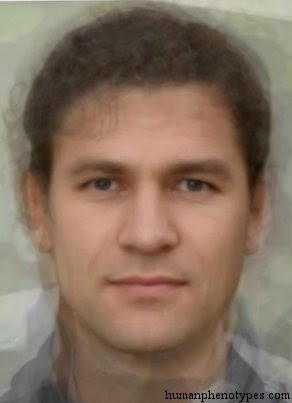
View attachment 4471871View attachment 4471875

IRL Examples:
View attachment 4471886View attachment 4471887
Henry Cavill & Taylor Hill:
They are easily the best examples of Paleo Atlanid, due to similar bone and nose structure. You can clearly see that they both look very similar and fit the description very well.

------------------------------------------------------------------------------------------------------------------------------------------------------------
West Alpinid:

History:
West Alpinids come from Central and Western Europe, especially inland regions rather than coastal ones. They are mainly descended from early Neolithic farming populations, with some influence from older European hunter-gatherers. A settled agricultural lifestyle, combined with cooler temperate climates, shaped their appearance over thousands of years.

West Alpinids are mainly found in central France, southern Germany, Switzerland, Austria, and parts of northern Italy. They are also seen in surrounding inland areas of Western and Central Europe, particularly in regions with long histories of farming and village-based life rather than seafaring. Basically: Inland Western & Central Europe.

Temperate climates, early agriculture, relative isolation in valleys and uplands, and long-term sedentary living are the main reasons the West Alpinid phenotype looks the way it does.


Description:
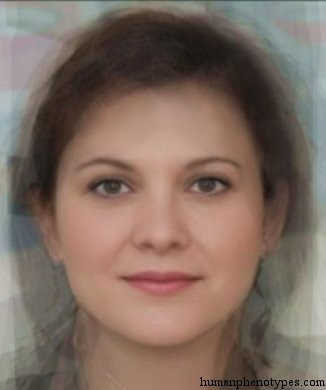
West Alpinids usually have fair to light-brown skin. Their hair is straight or slightly wavy, most often brown, with some blondes. They are generally short to medium in height, with a stockier, more rounded body type. They tend to have a very round head and skull. The face is wide and round, with soft features and wide-set eyes. The nose is small and short, often straight or slightly concave, and snub noses are common in women. The forehead is steep and rounded. Body hair is usually not very strong.

Examples:
View attachment 4471950View attachment 4471951

IRL Examples:
View attachment 4471953View attachment 4471955
Hernan Drago & Adriana Lima:
They are both good examples of the West Alpinid Phenotype, and both fits well into the description.

------------------------------------------------------------------------------------------------------------------------------------------------------------
Dalofaelid:

History:
Mostly found in Northern Europe and the Germanic regions, including the Netherlands, northern Germany, Denmark, and southern Scandinavia. They descend from older European hunter-gatherers with some later admixture. Cold climates, physically demanding lifestyles, and long-term adaptation shaped their robust, striking look.

Cold climates, physically demanding living, relative isolation, and long-term adaptation to subarctic conditions are the main reasons the Dalofaelid phenotype looks the way it does.

Description:

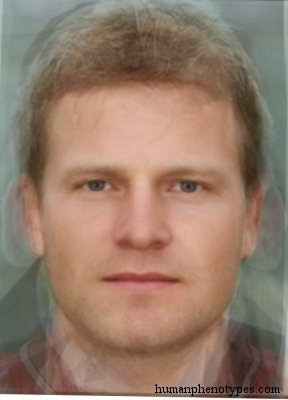
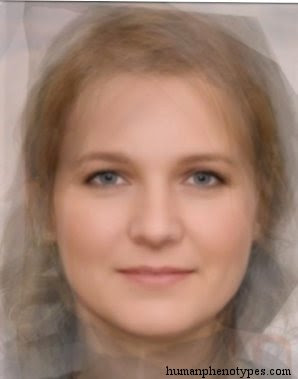
Pale to fair skin. Hair ranges from straight to curly, mostly blonde, sometimes red or brown. Eyes are grey, blue, or mixed. Generally tall, mesoskelic, mesomorphic with robust bones, sometimes slightly endomorphic in old age. Mesocephalic, chamae-orthocranic, with a very large head and a curved occiput.

The nose is leptorrhine, straight or mildly convex. Face is wide, with a broad angular jaw and prominent zygomatic arches. Brow ridges are strong, eyes deep-set and small. Forehead broad, mildly sloping. Mouth broad with thin lips.

Examples:
View attachment 4471973View attachment 4471976

IRL Examples:
View attachment 4471979View attachment 4471982
They are both good examples of the Dalofaelid Phenotype, and both fits well into the description.

------------------------------------------------------------------------------------------------------------------------------------------------------------
@goo25 hernan e adriana west alpinid tf
 
  • +1
Reactions: ilian
ffs stop claiming drago as „west alpinid“ fucking greyfags
 
  • +1
Reactions: jagg/ and coolman985
Mixed med-atlantid may mog
 
  • +1
Reactions: ilian
Top 4
European Phenotypes Guide
Phenotype matters in looks because it’s the end result of history, environment, and adaptation—and that’s what makes it visually interesting. Over thousands of years, different European regions developed distinct combinations of bone structure and coloring shaped by climate, geography, and lifestyle. Those combinations didn’t just survive; they created recognizable, iconic looks that still read as striking today.

Coloring plays a major role here. Skin tone, hair color, and eye color affect contrast, clarity, and how facial structure is perceived. Certain phenotypes naturally highlight sharp features, deepen the eye area, and give the face a cleaner, more defined appearance. This is why some faces instantly stand out—they carry a coherent look where structure and coloring reinforce each other.


Understanding phenotype in a "blackpill" context is about appreciating how history produced specific visual archetypes, and how those archetypes influence attractiveness, presence, and overall aesthetic impact today. It’s not about traits in isolation, but about how everything comes together into a look that makes it "aesthetic"
------------------------------------------------------------------------------------------------------------------------------------------------------------
North Atlantid:

History:

North Atlantids come from Northwestern Europe, mainly around the Atlantic coast. They’re the result of old European hunter-gatherers mixing with later farming and Bronze Age populations. Cold weather, low sunlight, and hard physical living shaped the look over thousands of years.

North Atlantids are mainly found in Northwestern Europe, especially countries along the Atlantic coast. The highest concentration is traditionally associated with Ireland, western Scotland, Wales, and parts of England. They’re also seen in western France (Brittany), northern Spain, Portugal, and parts of the Low Countries.


Basically: Atlantic Europe. Coastal regions with cold, wet climates and long histories of seafaring and hard physical living. That environment is a big reason the phenotype looks the way it does

Description:

Pale, sometimes ruddy or freckled skin. Brown, sometimes black or reddish hair with light, often blue eyes. Rather tall, mesoskelic, sometimes brachyskelic, ectomorph, slightly mesomorph with relatively long arms. Mesocephalic, chamae- orthocranic. Prominent, hyperleptorrhine, long-tipped nose that may be convex or concave. Forehead is narrow and sloping, mandible small, malars compressed.

Examples:
View attachment 4471800View attachment 4471803

IRL Examples:
View attachment 4471815View attachment 4472157
Matt Bomer & Anna Speckhart:
They are easily the best examples of North Atlantid, due to similar coloring and bone structure. You can clearly see that they both look very similar and fit the description of NA very well.

------------------------------------------------------------------------------------------------------------------------------------------------------------
Paleo Atlantid:

History:
Paleo-Atlantids come from Northern and Northwestern Europe, including Scandinavia and the Atlantic fringe. They are closely tied to ancient European hunter-gatherer populations, with little influence from later farming groups. Cold climates, very low sunlight, rugged landscapes, and extremely hard physical living shaped the look over many thousands of years.


Paleo-Atlantids are mainly found in Norway and parts of western Scandinavia, as well as other isolated northern and Atlantic regions. They are traditionally associated with coastal and mountainous areas of Norway, western Scotland, parts of Ireland, northern Spain, and Atlantic Portugal, where ancient populations remained more isolated.

Basically: Northern & Atlantic Europe. Cold, harsh environments, long winters, isolation, and physically demanding lives are the main reasons the Paleo-Atlantid phenotype looks the way it does.


Description:
Fair-skinned, with mostly curly or wavy hair (sometimes straight), usually brown or black, occasionally red or blonde, and mixed eye colors. Typically tall with a mesomorphic build, sometimes macroskelic, meso- to endomorphic, often with long arms. Large-headed, mainly dolichocephalic, sometimes mesocephalic, with a low-to-medium skull height. Features include a mildly narrow, often concave nose. Compared to Dalofaelids, this type is more robust, with heavier brow ridges, wider and lower faces and noses, darker pigmentation, and stronger body hair growth.

Examples:
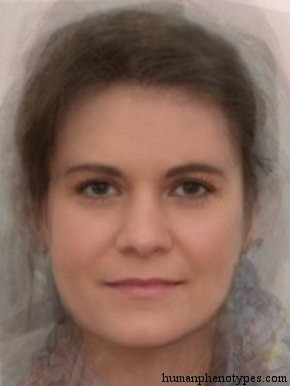
View attachment 4471871View attachment 4471875

IRL Examples:
View attachment 4471886View attachment 4471887
Henry Cavill & Taylor Hill:
They are easily the best examples of Paleo Atlanid, due to similar bone and nose structure. You can clearly see that they both look very similar and fit the description very well.

------------------------------------------------------------------------------------------------------------------------------------------------------------
West Alpinid:

History:
West Alpinids come from Central and Western Europe, especially inland regions rather than coastal ones. They are mainly descended from early Neolithic farming populations, with some influence from older European hunter-gatherers. A settled agricultural lifestyle, combined with cooler temperate climates, shaped their appearance over thousands of years.

West Alpinids are mainly found in central France, southern Germany, Switzerland, Austria, and parts of northern Italy. They are also seen in surrounding inland areas of Western and Central Europe, particularly in regions with long histories of farming and village-based life rather than seafaring. Basically: Inland Western & Central Europe.

Temperate climates, early agriculture, relative isolation in valleys and uplands, and long-term sedentary living are the main reasons the West Alpinid phenotype looks the way it does.


Description:
West Alpinids usually have fair to light-brown skin. Their hair is straight or slightly wavy, most often brown, with some blondes. They are generally short to medium in height, with a stockier, more rounded body type. They tend to have a very round head and skull. The face is wide and round, with soft features and wide-set eyes. The nose is small and short, often straight or slightly concave, and snub noses are common in women. The forehead is steep and rounded. Body hair is usually not very strong.

Examples:
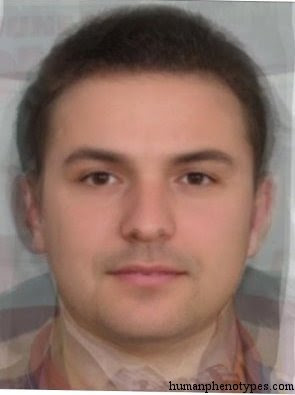
View attachment 4471950View attachment 4471951

IRL Examples:
View attachment 4471953View attachment 4471955
Hernan Drago & Adriana Lima:
They are both good examples of the West Alpinid Phenotype, and both fits well into the description.

------------------------------------------------------------------------------------------------------------------------------------------------------------
Dalofaelid:

History:
Mostly found in Northern Europe and the Germanic regions, including the Netherlands, northern Germany, Denmark, and southern Scandinavia. They descend from older European hunter-gatherers with some later admixture. Cold climates, physically demanding lifestyles, and long-term adaptation shaped their robust, striking look.

Cold climates, physically demanding living, relative isolation, and long-term adaptation to subarctic conditions are the main reasons the Dalofaelid phenotype looks the way it does.

Description:

Pale to fair skin. Hair ranges from straight to curly, mostly blonde, sometimes red or brown. Eyes are grey, blue, or mixed. Generally tall, mesoskelic, mesomorphic with robust bones, sometimes slightly endomorphic in old age. Mesocephalic, chamae-orthocranic, with a very large head and a curved occiput.

The nose is leptorrhine, straight or mildly convex. Face is wide, with a broad angular jaw and prominent zygomatic arches. Brow ridges are strong, eyes deep-set and small. Forehead broad, mildly sloping. Mouth broad with thin lips.

Examples:
View attachment 4471973View attachment 4471976

IRL Examples:
View attachment 4471979View attachment 4471982
They are both good examples of the Dalofaelid Phenotype, and both fits well into the description.

------------------------------------------------------------------------------------------------------------------------------------------------------------
no med?
 
  • +1
Reactions: jagg/ and ilian
Top 4
European Phenotypes Guide
Phenotype matters in looks because it’s the end result of history, environment, and adaptation—and that’s what makes it visually interesting. Over thousands of years, different European regions developed distinct combinations of bone structure and coloring shaped by climate, geography, and lifestyle. Those combinations didn’t just survive; they created recognizable, iconic looks that still read as striking today.

Coloring plays a major role here. Skin tone, hair color, and eye color affect contrast, clarity, and how facial structure is perceived. Certain phenotypes naturally highlight sharp features, deepen the eye area, and give the face a cleaner, more defined appearance. This is why some faces instantly stand out—they carry a coherent look where structure and coloring reinforce each other.


Understanding phenotype in a "blackpill" context is about appreciating how history produced specific visual archetypes, and how those archetypes influence attractiveness, presence, and overall aesthetic impact today. It’s not about traits in isolation, but about how everything comes together into a look that makes it "aesthetic"
------------------------------------------------------------------------------------------------------------------------------------------------------------
North Atlantid:

History:

North Atlantids come from Northwestern Europe, mainly around the Atlantic coast. They’re the result of old European hunter-gatherers mixing with later farming and Bronze Age populations. Cold weather, low sunlight, and hard physical living shaped the look over thousands of years.

North Atlantids are mainly found in Northwestern Europe, especially countries along the Atlantic coast. The highest concentration is traditionally associated with Ireland, western Scotland, Wales, and parts of England. They’re also seen in western France (Brittany), northern Spain, Portugal, and parts of the Low Countries.


Basically: Atlantic Europe. Coastal regions with cold, wet climates and long histories of seafaring and hard physical living. That environment is a big reason the phenotype looks the way it does

Description:

Pale, sometimes ruddy or freckled skin. Brown, sometimes black or reddish hair with light, often blue eyes. Rather tall, mesoskelic, sometimes brachyskelic, ectomorph, slightly mesomorph with relatively long arms. Mesocephalic, chamae- orthocranic. Prominent, hyperleptorrhine, long-tipped nose that may be convex or concave. Forehead is narrow and sloping, mandible small, malars compressed.

Examples:
View attachment 4471800View attachment 4471803

IRL Examples:
View attachment 4471815View attachment 4472157
Matt Bomer & Anna Speckhart:
They are easily the best examples of North Atlantid, due to similar coloring and bone structure. You can clearly see that they both look very similar and fit the description of NA very well.

------------------------------------------------------------------------------------------------------------------------------------------------------------
Paleo Atlantid:

History:
Paleo-Atlantids come from Northern and Northwestern Europe, including Scandinavia and the Atlantic fringe. They are closely tied to ancient European hunter-gatherer populations, with little influence from later farming groups. Cold climates, very low sunlight, rugged landscapes, and extremely hard physical living shaped the look over many thousands of years.


Paleo-Atlantids are mainly found in Norway and parts of western Scandinavia, as well as other isolated northern and Atlantic regions. They are traditionally associated with coastal and mountainous areas of Norway, western Scotland, parts of Ireland, northern Spain, and Atlantic Portugal, where ancient populations remained more isolated.

Basically: Northern & Atlantic Europe. Cold, harsh environments, long winters, isolation, and physically demanding lives are the main reasons the Paleo-Atlantid phenotype looks the way it does.


Description:
Fair-skinned, with mostly curly or wavy hair (sometimes straight), usually brown or black, occasionally red or blonde, and mixed eye colors. Typically tall with a mesomorphic build, sometimes macroskelic, meso- to endomorphic, often with long arms. Large-headed, mainly dolichocephalic, sometimes mesocephalic, with a low-to-medium skull height. Features include a mildly narrow, often concave nose. Compared to Dalofaelids, this type is more robust, with heavier brow ridges, wider and lower faces and noses, darker pigmentation, and stronger body hair growth.

Examples:
View attachment 4471871View attachment 4471875

IRL Examples:
View attachment 4471886View attachment 4471887
Henry Cavill & Taylor Hill:
They are easily the best examples of Paleo Atlanid, due to similar bone and nose structure. You can clearly see that they both look very similar and fit the description very well.

------------------------------------------------------------------------------------------------------------------------------------------------------------
West Alpinid:

History:
West Alpinids come from Central and Western Europe, especially inland regions rather than coastal ones. They are mainly descended from early Neolithic farming populations, with some influence from older European hunter-gatherers. A settled agricultural lifestyle, combined with cooler temperate climates, shaped their appearance over thousands of years.

West Alpinids are mainly found in central France, southern Germany, Switzerland, Austria, and parts of northern Italy. They are also seen in surrounding inland areas of Western and Central Europe, particularly in regions with long histories of farming and village-based life rather than seafaring. Basically: Inland Western & Central Europe.

Temperate climates, early agriculture, relative isolation in valleys and uplands, and long-term sedentary living are the main reasons the West Alpinid phenotype looks the way it does.


Description:
West Alpinids usually have fair to light-brown skin. Their hair is straight or slightly wavy, most often brown, with some blondes. They are generally short to medium in height, with a stockier, more rounded body type. They tend to have a very round head and skull. The face is wide and round, with soft features and wide-set eyes. The nose is small and short, often straight or slightly concave, and snub noses are common in women. The forehead is steep and rounded. Body hair is usually not very strong.

Examples:
View attachment 4471950View attachment 4471951

IRL Examples:
View attachment 4471953View attachment 4471955
Hernan Drago & Adriana Lima:
They are both good examples of the West Alpinid Phenotype, and both fits well into the description.

------------------------------------------------------------------------------------------------------------------------------------------------------------
Dalofaelid:

History:
Mostly found in Northern Europe and the Germanic regions, including the Netherlands, northern Germany, Denmark, and southern Scandinavia. They descend from older European hunter-gatherers with some later admixture. Cold climates, physically demanding lifestyles, and long-term adaptation shaped their robust, striking look.

Cold climates, physically demanding living, relative isolation, and long-term adaptation to subarctic conditions are the main reasons the Dalofaelid phenotype looks the way it does.

Description:

Pale to fair skin. Hair ranges from straight to curly, mostly blonde, sometimes red or brown. Eyes are grey, blue, or mixed. Generally tall, mesoskelic, mesomorphic with robust bones, sometimes slightly endomorphic in old age. Mesocephalic, chamae-orthocranic, with a very large head and a curved occiput.

The nose is leptorrhine, straight or mildly convex. Face is wide, with a broad angular jaw and prominent zygomatic arches. Brow ridges are strong, eyes deep-set and small. Forehead broad, mildly sloping. Mouth broad with thin lips.

Examples:
View attachment 4471973View attachment 4471976

IRL Examples:
View attachment 4471979View attachment 4471982
They are both good examples of the Dalofaelid Phenotype, and both fits well into the description.

------------------------------------------------------------------------------------------------------------------------------------------------------------
Alpinids in general are brachycephalic whitnics, replace west alpinids with gracile mediterranids
 
  • Hmm...
  • +1
Reactions: jagg/ and ilian
Good thread.
I needed such knowledge:Comfi:
 
  • +1
Reactions: mohi_100 and ilian
Bomer isn't North Atlantid
 
Top 4
European Phenotypes Guide
Phenotype matters in looks because it’s the end result of history, environment, and adaptation—and that’s what makes it visually interesting. Over thousands of years, different European regions developed distinct combinations of bone structure and coloring shaped by climate, geography, and lifestyle. Those combinations didn’t just survive; they created recognizable, iconic looks that still read as striking today.

Coloring plays a major role here. Skin tone, hair color, and eye color affect contrast, clarity, and how facial structure is perceived. Certain phenotypes naturally highlight sharp features, deepen the eye area, and give the face a cleaner, more defined appearance. This is why some faces instantly stand out—they carry a coherent look where structure and coloring reinforce each other.


Understanding phenotype in a "blackpill" context is about appreciating how history produced specific visual archetypes, and how those archetypes influence attractiveness, presence, and overall aesthetic impact today. It’s not about traits in isolation, but about how everything comes together into a look that makes it "aesthetic"
------------------------------------------------------------------------------------------------------------------------------------------------------------
North Atlantid:

History:

North Atlantids come from Northwestern Europe, mainly around the Atlantic coast. They’re the result of old European hunter-gatherers mixing with later farming and Bronze Age populations. Cold weather, low sunlight, and hard physical living shaped the look over thousands of years.

North Atlantids are mainly found in Northwestern Europe, especially countries along the Atlantic coast. The highest concentration is traditionally associated with Ireland, western Scotland, Wales, and parts of England. They’re also seen in western France (Brittany), northern Spain, Portugal, and parts of the Low Countries.


Basically: Atlantic Europe. Coastal regions with cold, wet climates and long histories of seafaring and hard physical living. That environment is a big reason the phenotype looks the way it does

Description:

Pale, sometimes ruddy or freckled skin. Brown, sometimes black or reddish hair with light, often blue eyes. Rather tall, mesoskelic, sometimes brachyskelic, ectomorph, slightly mesomorph with relatively long arms. Mesocephalic, chamae- orthocranic. Prominent, hyperleptorrhine, long-tipped nose that may be convex or concave. Forehead is narrow and sloping, mandible small, malars compressed.

Examples:
View attachment 4471800View attachment 4471803

IRL Examples:
View attachment 4471815View attachment 4472157
Matt Bomer & Anna Speckhart:
They are easily the best examples of North Atlantid, due to similar coloring and bone structure. You can clearly see that they both look very similar and fit the description of NA very well.

------------------------------------------------------------------------------------------------------------------------------------------------------------
Paleo Atlantid:

History:
Paleo-Atlantids come from Northern and Northwestern Europe, including Scandinavia and the Atlantic fringe. They are closely tied to ancient European hunter-gatherer populations, with little influence from later farming groups. Cold climates, very low sunlight, rugged landscapes, and extremely hard physical living shaped the look over many thousands of years.


Paleo-Atlantids are mainly found in Norway and parts of western Scandinavia, as well as other isolated northern and Atlantic regions. They are traditionally associated with coastal and mountainous areas of Norway, western Scotland, parts of Ireland, northern Spain, and Atlantic Portugal, where ancient populations remained more isolated.

Basically: Northern & Atlantic Europe. Cold, harsh environments, long winters, isolation, and physically demanding lives are the main reasons the Paleo-Atlantid phenotype looks the way it does.


Description:
Fair-skinned, with mostly curly or wavy hair (sometimes straight), usually brown or black, occasionally red or blonde, and mixed eye colors. Typically tall with a mesomorphic build, sometimes macroskelic, meso- to endomorphic, often with long arms. Large-headed, mainly dolichocephalic, sometimes mesocephalic, with a low-to-medium skull height. Features include a mildly narrow, often concave nose. Compared to Dalofaelids, this type is more robust, with heavier brow ridges, wider and lower faces and noses, darker pigmentation, and stronger body hair growth.

Examples:
View attachment 4471871View attachment 4471875

IRL Examples:
View attachment 4471886View attachment 4471887
Henry Cavill & Taylor Hill:
They are easily the best examples of Paleo Atlanid, due to similar bone and nose structure. You can clearly see that they both look very similar and fit the description very well.

------------------------------------------------------------------------------------------------------------------------------------------------------------
West Alpinid:

History:
West Alpinids come from Central and Western Europe, especially inland regions rather than coastal ones. They are mainly descended from early Neolithic farming populations, with some influence from older European hunter-gatherers. A settled agricultural lifestyle, combined with cooler temperate climates, shaped their appearance over thousands of years.

West Alpinids are mainly found in central France, southern Germany, Switzerland, Austria, and parts of northern Italy. They are also seen in surrounding inland areas of Western and Central Europe, particularly in regions with long histories of farming and village-based life rather than seafaring. Basically: Inland Western & Central Europe.

Temperate climates, early agriculture, relative isolation in valleys and uplands, and long-term sedentary living are the main reasons the West Alpinid phenotype looks the way it does.


Description:
West Alpinids usually have fair to light-brown skin. Their hair is straight or slightly wavy, most often brown, with some blondes. They are generally short to medium in height, with a stockier, more rounded body type. They tend to have a very round head and skull. The face is wide and round, with soft features and wide-set eyes. The nose is small and short, often straight or slightly concave, and snub noses are common in women. The forehead is steep and rounded. Body hair is usually not very strong.

Examples:
View attachment 4471950View attachment 4471951

IRL Examples:
View attachment 4471953View attachment 4471955
Hernan Drago & Adriana Lima:
They are both good examples of the West Alpinid Phenotype, and both fits well into the description.

------------------------------------------------------------------------------------------------------------------------------------------------------------
Dalofaelid:

History:
Mostly found in Northern Europe and the Germanic regions, including the Netherlands, northern Germany, Denmark, and southern Scandinavia. They descend from older European hunter-gatherers with some later admixture. Cold climates, physically demanding lifestyles, and long-term adaptation shaped their robust, striking look.

Cold climates, physically demanding living, relative isolation, and long-term adaptation to subarctic conditions are the main reasons the Dalofaelid phenotype looks the way it does.

Description:

Pale to fair skin. Hair ranges from straight to curly, mostly blonde, sometimes red or brown. Eyes are grey, blue, or mixed. Generally tall, mesoskelic, mesomorphic with robust bones, sometimes slightly endomorphic in old age. Mesocephalic, chamae-orthocranic, with a very large head and a curved occiput.

The nose is leptorrhine, straight or mildly convex. Face is wide, with a broad angular jaw and prominent zygomatic arches. Brow ridges are strong, eyes deep-set and small. Forehead broad, mildly sloping. Mouth broad with thin lips.

Examples:
View attachment 4471973View attachment 4471976

IRL Examples:
View attachment 4471979View attachment 4471982
They are both good examples of the Dalofaelid Phenotype, and both fits well into the description.

------------------------------------------------------------------------------------------------------------------------------------------------------------
Nice thread but some of them are very influenced by other phenos
Hernan Drago is mainly influenced by Dalofaelid; tiktok's propaganda argue its robustness, not at all alpine, by saying that he is "W.A. morphed" (they even say alfredo de la cruz is west Alpinid jfl) but an example of a good looking West Alpinid male would be Leonardo DiCaprio even though he is influenced by Sub-Nordid (WA+norid).
1000281624

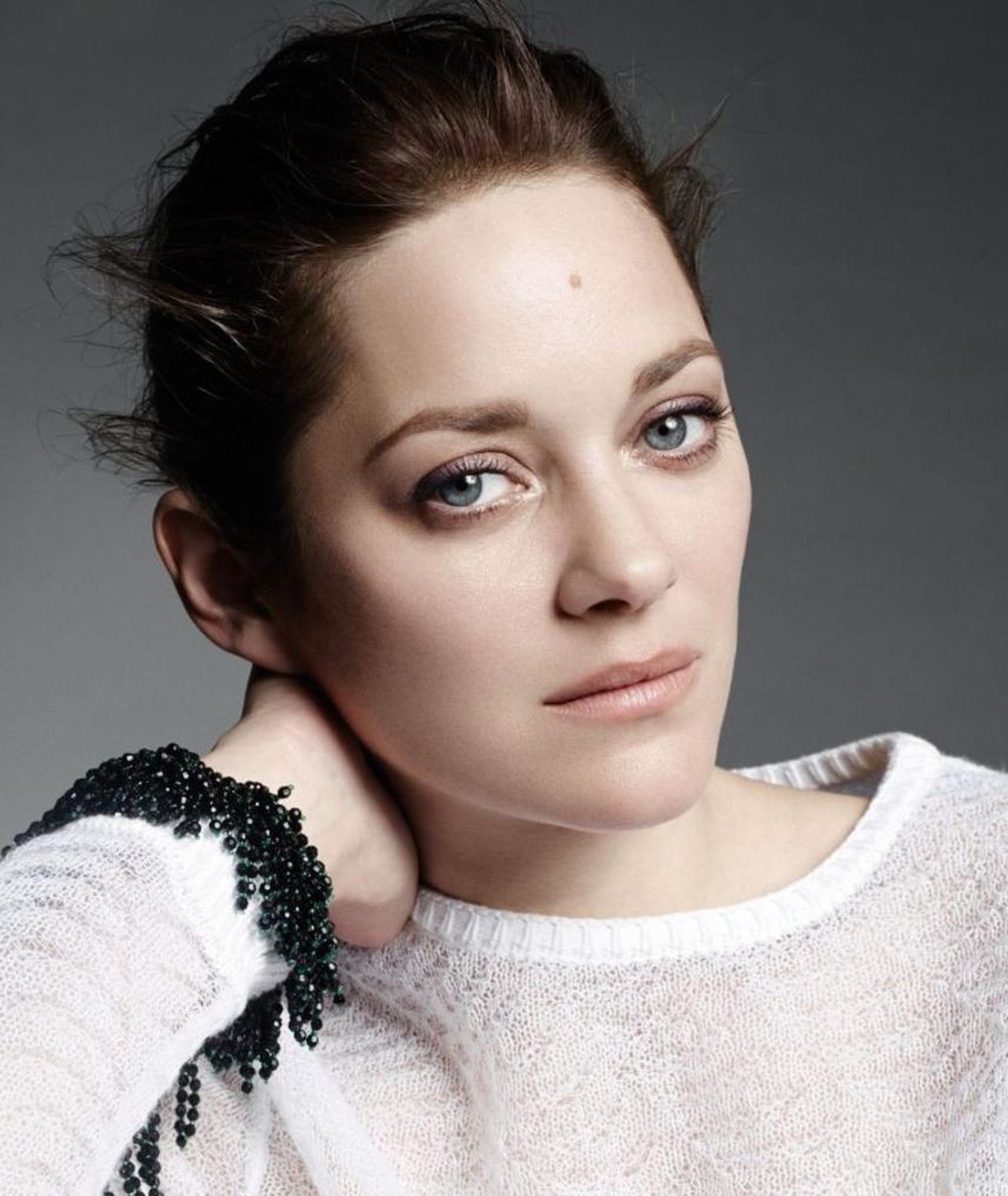
adriana is mixed she still mainly European ofc but she is not brachycephalic like west Alpinids

1000281625

(Marion Cotillard🇫🇷)
 
  • Hmm...
Reactions: ilian
As a med myself i gotta admit objectively these 4 are the best looking. Most of the people in the top 10 facially rated are one of these 4 phenotypes.
You're right about NA, PA, and Dalofaelid but replace the WA with the Atlanto-med bro
Most of the so-called "WA moggers" (like hexum jfl) on TikTok aren't actually west alpinids, and the Atlanto-Med have way more moggers in Europe than the true WA.


1000281801


1000281367
1000276755


.
1000281792

( Atlanto-med + Atlantid or PA influence)


1000281803

(Atlanto-med+Baskid influence)


1000281802

(Atlanto-med+canarid influence)


1000281807

(Atlanto-med+Norid influence)
 
  • Love it
Reactions: ilian

Similar threads

CelestialEmpire
Replies
3
Views
128
unter ramus
U
Abdou
Replies
50
Views
3K
Abdou
Abdou
Jason Voorhees
Replies
91
Views
2K
itssoover0457
itssoover0457
Jason Voorhees
Replies
54
Views
581
GodDeityEyeBro
GodDeityEyeBro
Vass
Replies
79
Views
4K
deathnic_taxed
D

Users who are viewing this thread

Back
Top