ilian


Chad does what Chad wants
- Joined
- Jul 4, 2025
- Posts
- 1,341
- Reputation
- 4,087
Top 4
European Phenotypes Guide
Phenotype matters in looks because it’s the end result of history, environment, and adaptation—and that’s what makes it visually interesting. Over thousands of years, different European regions developed distinct combinations of bone structure and coloring shaped by climate, geography, and lifestyle. Those combinations didn’t just survive; they created recognizable, iconic looks that still read as striking today.European Phenotypes Guide
Coloring plays a major role here. Skin tone, hair color, and eye color affect contrast, clarity, and how facial structure is perceived. Certain phenotypes naturally highlight sharp features, deepen the eye area, and give the face a cleaner, more defined appearance. This is why some faces instantly stand out—they carry a coherent look where structure and coloring reinforce each other.
Understanding phenotype in a "blackpill" context is about appreciating how history produced specific visual archetypes, and how those archetypes influence attractiveness, presence, and overall aesthetic impact today. It’s not about traits in isolation, but about how everything comes together into a look that makes it "aesthetic"
------------------------------------------------------------------------------------------------------------------------------------------------------------
North Atlantid:
History:
North Atlantids come from Northwestern Europe, mainly around the Atlantic coast. They’re the result of old European hunter-gatherers mixing with later farming and Bronze Age populations. Cold weather, low sunlight, and hard physical living shaped the look over thousands of years.
North Atlantids are mainly found in Northwestern Europe, especially countries along the Atlantic coast. The highest concentration is traditionally associated with Ireland, western Scotland, Wales, and parts of England. They’re also seen in western France (Brittany), northern Spain, Portugal, and parts of the Low Countries.
Basically: Atlantic Europe. Coastal regions with cold, wet climates and long histories of seafaring and hard physical living. That environment is a big reason the phenotype looks the way it does
Description:
Pale, sometimes ruddy or freckled skin. Brown, sometimes black or reddish hair with light, often blue eyes. Rather tall, mesoskelic, sometimes brachyskelic, ectomorph, slightly mesomorph with relatively long arms. Mesocephalic, chamae- orthocranic. Prominent, hyperleptorrhine, long-tipped nose that may be convex or concave. Forehead is narrow and sloping, mandible small, malars compressed.
Examples:
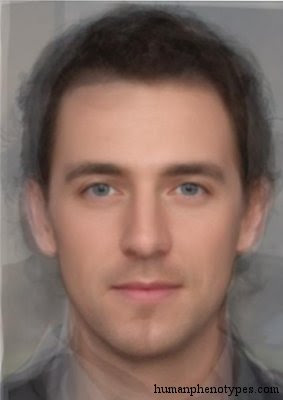
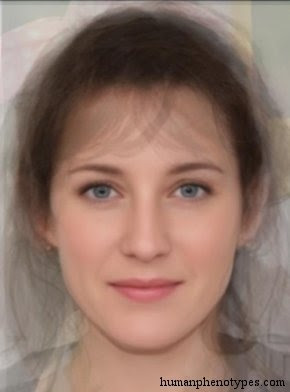
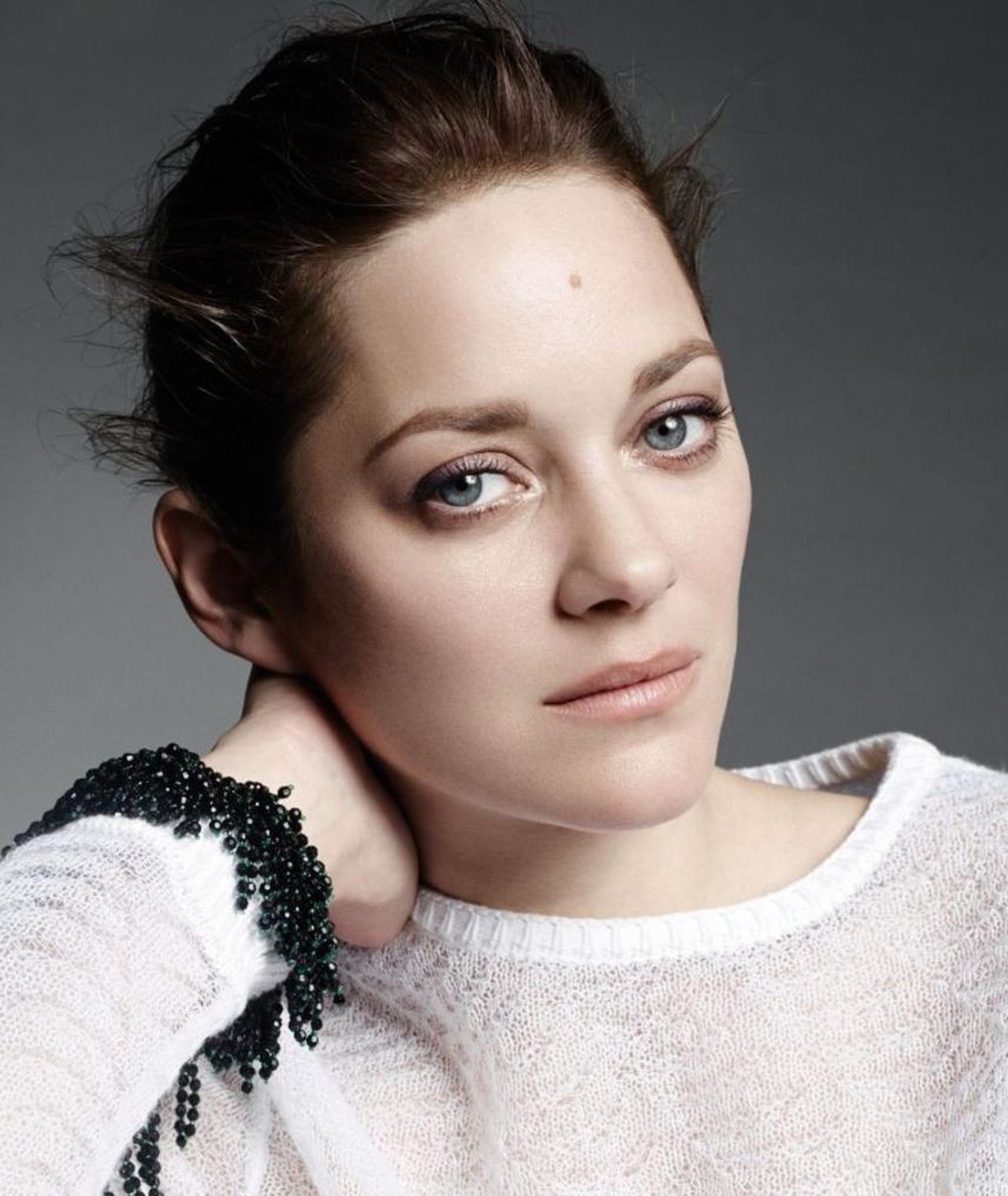
IRL Examples:

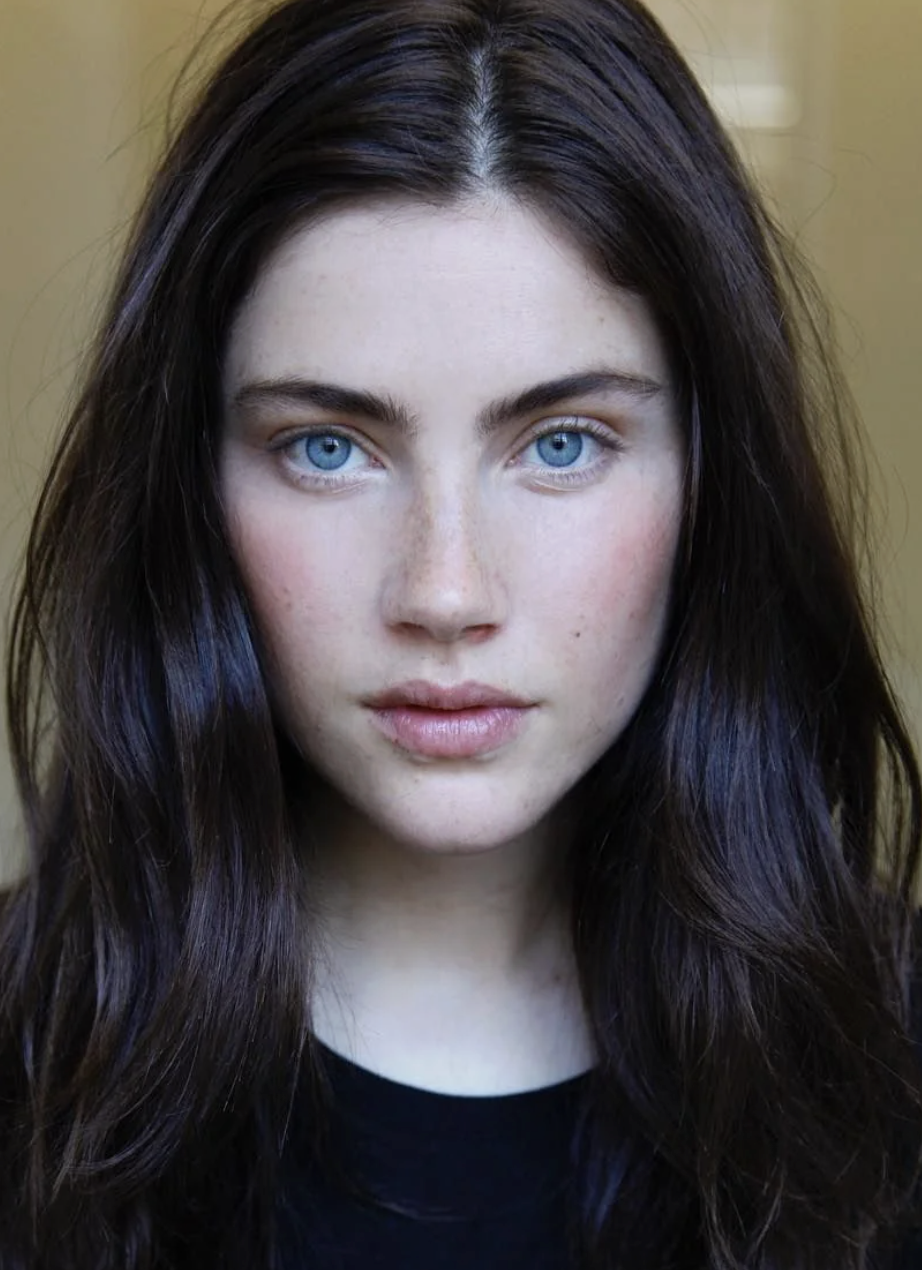
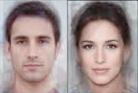
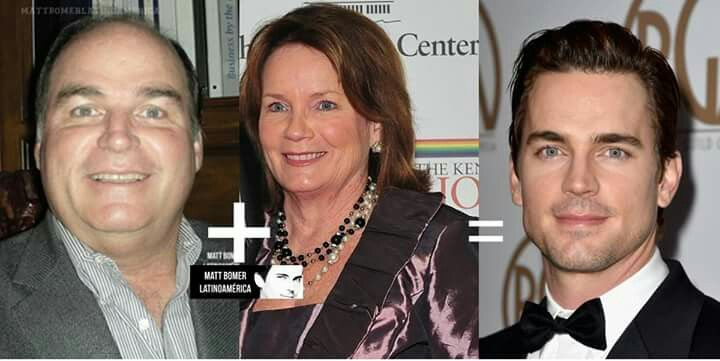
Matt Bomer & Anna Speckhart:
They are easily the best examples of North Atlantid, due to similar coloring and bone structure. You can clearly see that they both look very similar and fit the description of NA very well.
------------------------------------------------------------------------------------------------------------------------------------------------------------
Paleo Atlantid:
History:
Paleo-Atlantids come from Northern and Northwestern Europe, including Scandinavia and the Atlantic fringe. They are closely tied to ancient European hunter-gatherer populations, with little influence from later farming groups. Cold climates, very low sunlight, rugged landscapes, and extremely hard physical living shaped the look over many thousands of years.
Paleo-Atlantids are mainly found in Norway and parts of western Scandinavia, as well as other isolated northern and Atlantic regions. They are traditionally associated with coastal and mountainous areas of Norway, western Scotland, parts of Ireland, northern Spain, and Atlantic Portugal, where ancient populations remained more isolated.
Basically: Northern & Atlantic Europe. Cold, harsh environments, long winters, isolation, and physically demanding lives are the main reasons the Paleo-Atlantid phenotype looks the way it does.
Description:
Fair-skinned, with mostly curly or wavy hair (sometimes straight), usually brown or black, occasionally red or blonde, and mixed eye colors. Typically tall with a mesomorphic build, sometimes macroskelic, meso- to endomorphic, often with long arms. Large-headed, mainly dolichocephalic, sometimes mesocephalic, with a low-to-medium skull height. Features include a mildly narrow, often concave nose. Compared to Dalofaelids, this type is more robust, with heavier brow ridges, wider and lower faces and noses, darker pigmentation, and stronger body hair growth.
Examples:
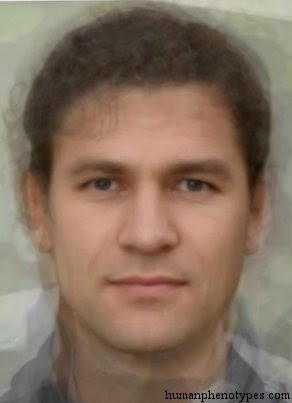
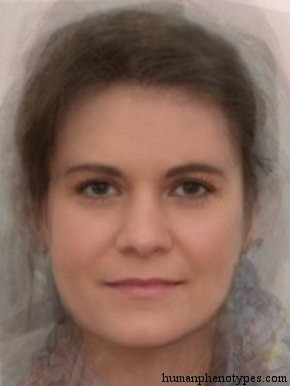
IRL Examples:
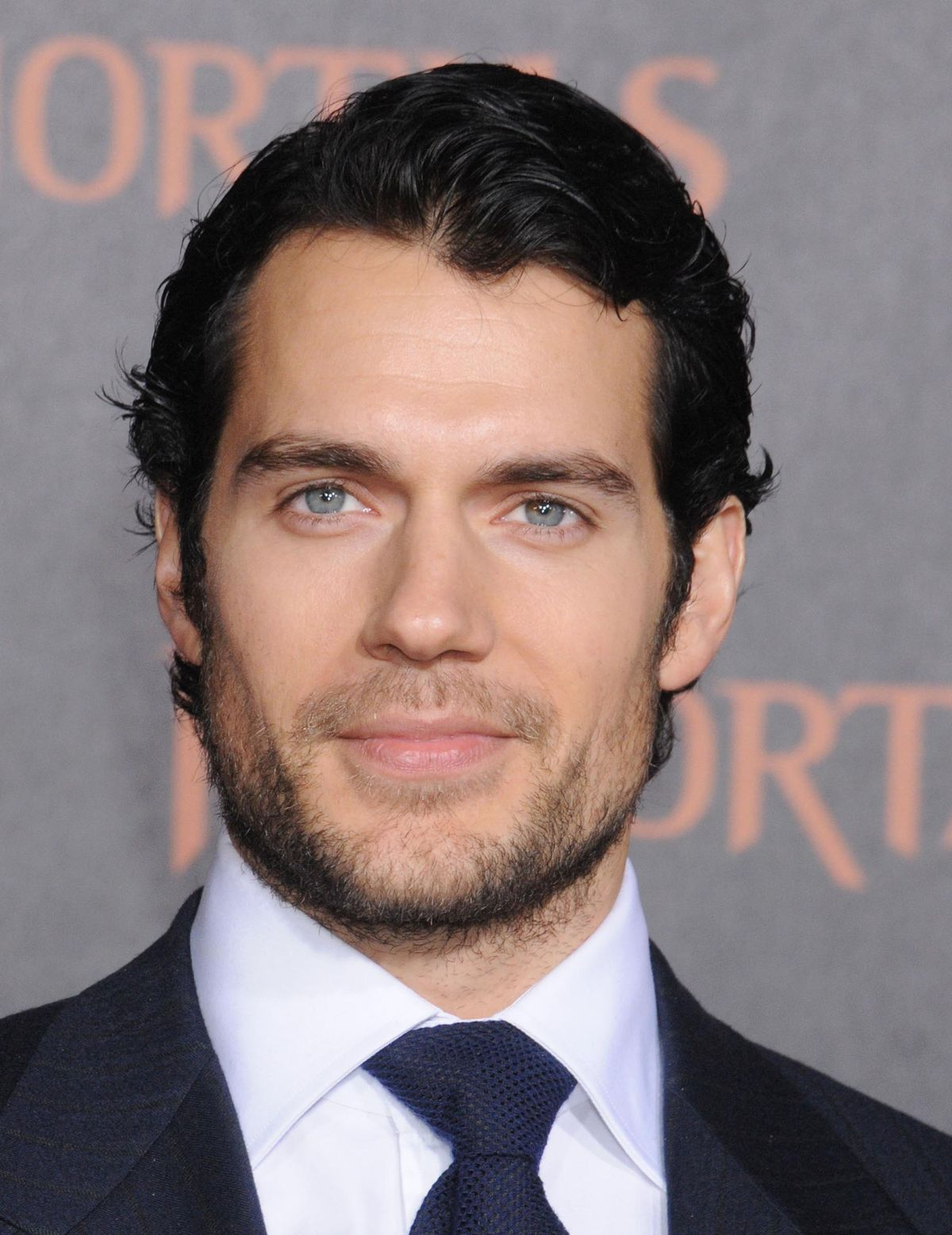

Henry Cavill & Taylor Hill:
They are easily the best examples of Paleo Atlanid, due to similar bone and nose structure. You can clearly see that they both look very similar and fit the description very well.
------------------------------------------------------------------------------------------------------------------------------------------------------------
West Alpinid:
History:
West Alpinids come from Central and Western Europe, especially inland regions rather than coastal ones. They are mainly descended from early Neolithic farming populations, with some influence from older European hunter-gatherers. A settled agricultural lifestyle, combined with cooler temperate climates, shaped their appearance over thousands of years.
West Alpinids are mainly found in central France, southern Germany, Switzerland, Austria, and parts of northern Italy. They are also seen in surrounding inland areas of Western and Central Europe, particularly in regions with long histories of farming and village-based life rather than seafaring. Basically: Inland Western & Central Europe.
Temperate climates, early agriculture, relative isolation in valleys and uplands, and long-term sedentary living are the main reasons the West Alpinid phenotype looks the way it does.
Description:
West Alpinids usually have fair to light-brown skin. Their hair is straight or slightly wavy, most often brown, with some blondes. They are generally short to medium in height, with a stockier, more rounded body type. They tend to have a very round head and skull. The face is wide and round, with soft features and wide-set eyes. The nose is small and short, often straight or slightly concave, and snub noses are common in women. The forehead is steep and rounded. Body hair is usually not very strong.
Examples:
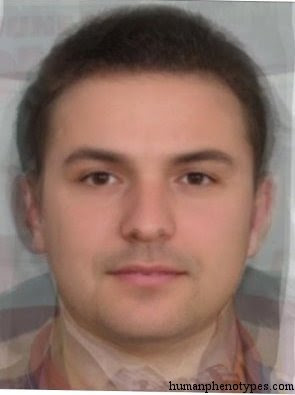
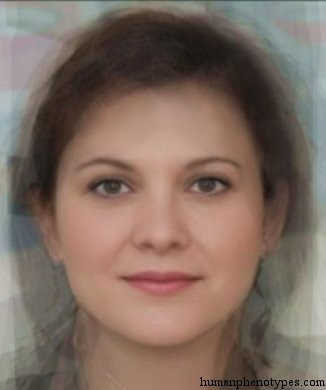
IRL Examples:
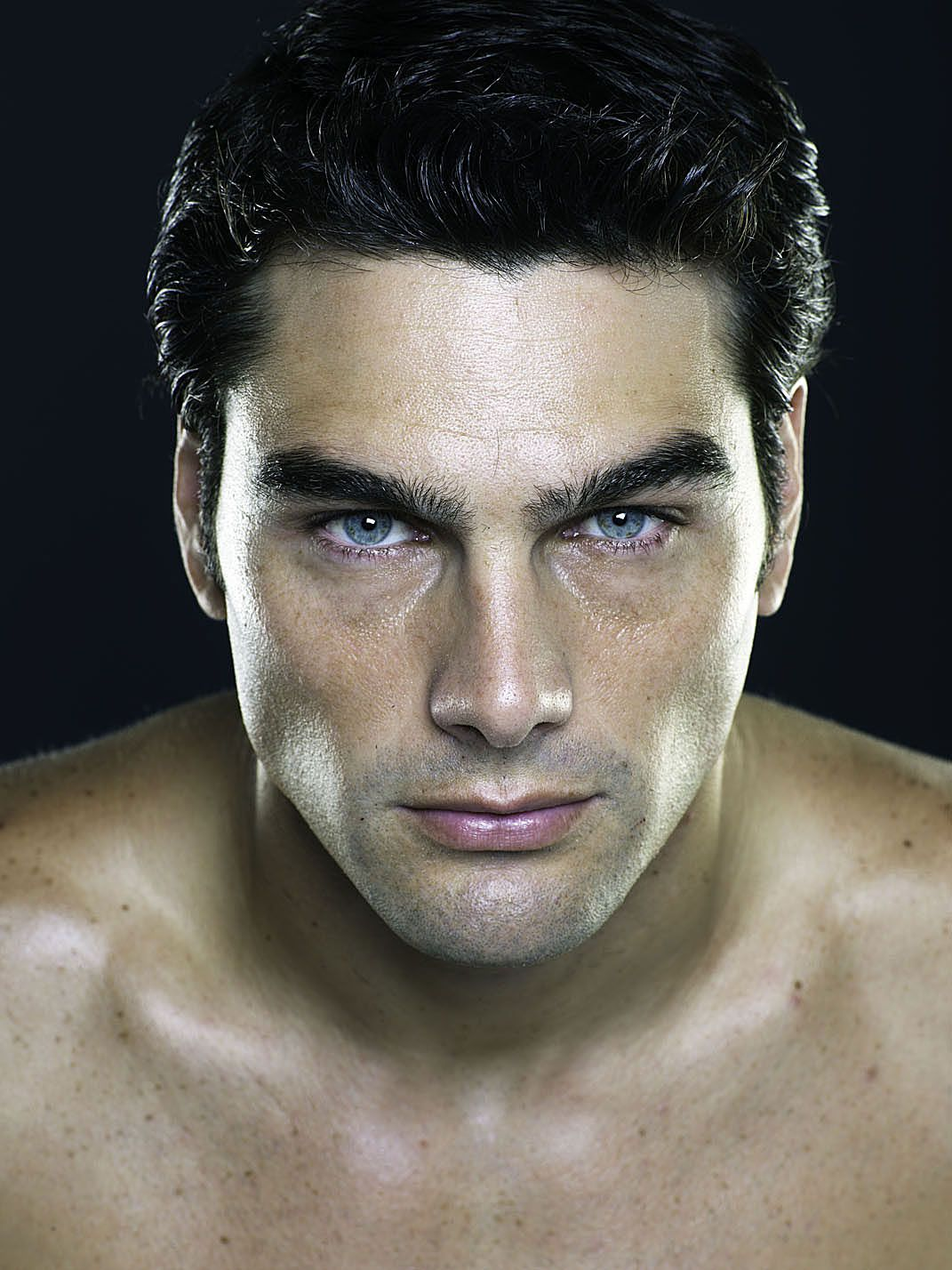

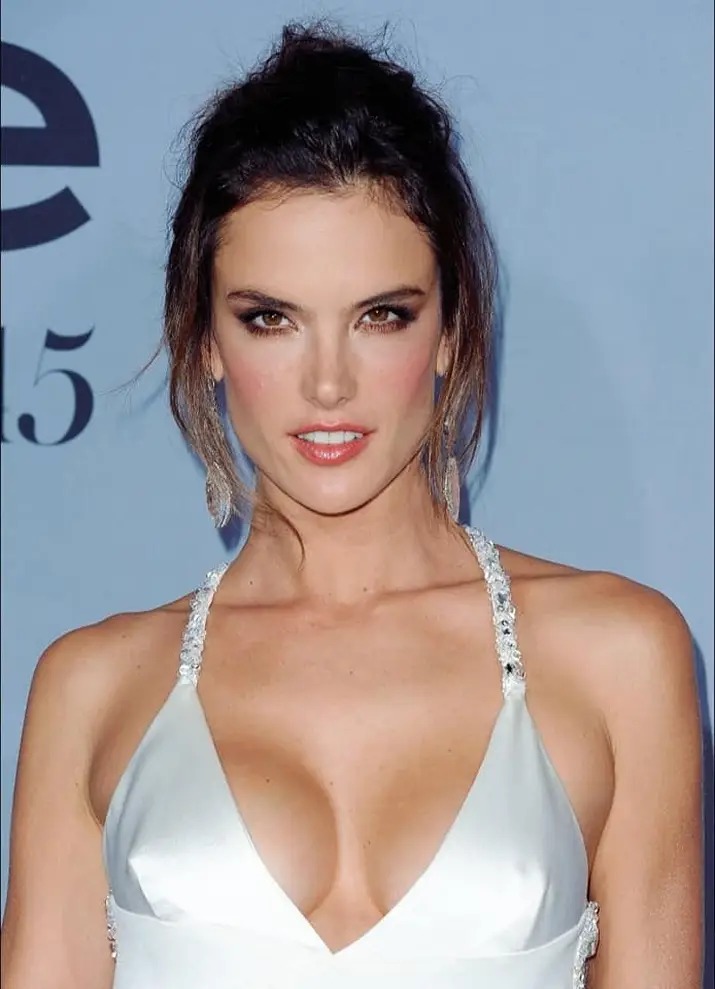
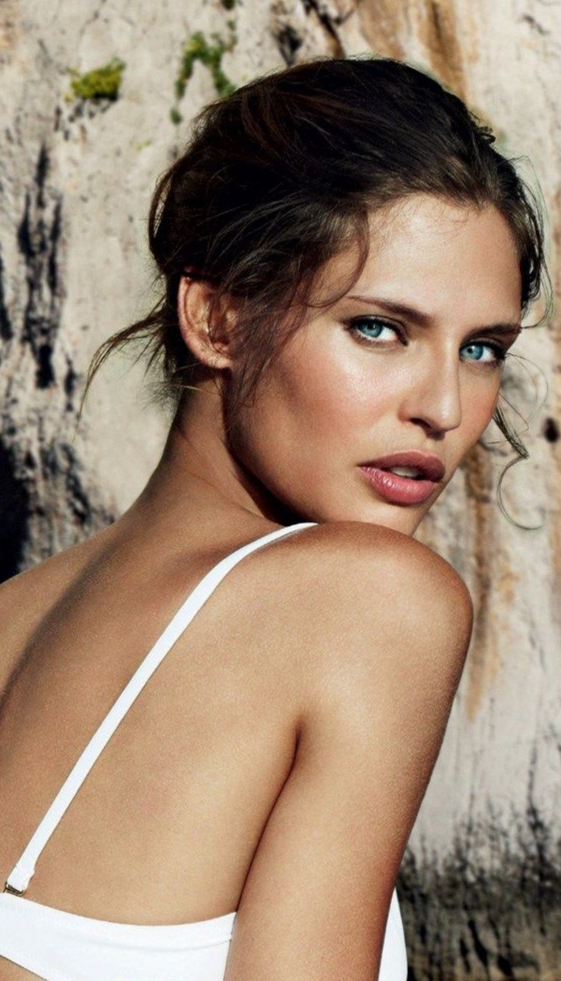
Hernan Drago & Adriana Lima:
They are both good examples of the West Alpinid Phenotype, and both fits well into the description.
------------------------------------------------------------------------------------------------------------------------------------------------------------
Dalofaelid:
History:
Mostly found in Northern Europe and the Germanic regions, including the Netherlands, northern Germany, Denmark, and southern Scandinavia. They descend from older European hunter-gatherers with some later admixture. Cold climates, physically demanding lifestyles, and long-term adaptation shaped their robust, striking look.
Cold climates, physically demanding living, relative isolation, and long-term adaptation to subarctic conditions are the main reasons the Dalofaelid phenotype looks the way it does.
Description:
Pale to fair skin. Hair ranges from straight to curly, mostly blonde, sometimes red or brown. Eyes are grey, blue, or mixed. Generally tall, mesoskelic, mesomorphic with robust bones, sometimes slightly endomorphic in old age. Mesocephalic, chamae-orthocranic, with a very large head and a curved occiput.
The nose is leptorrhine, straight or mildly convex. Face is wide, with a broad angular jaw and prominent zygomatic arches. Brow ridges are strong, eyes deep-set and small. Forehead broad, mildly sloping. Mouth broad with thin lips.
Examples:
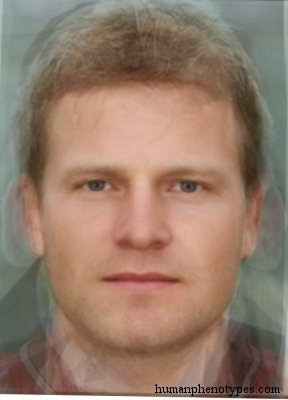
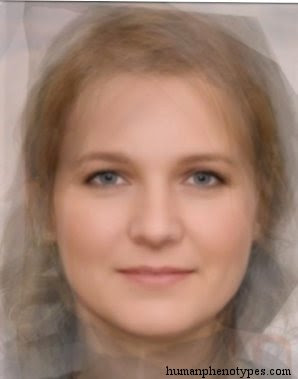
IRL Examples:


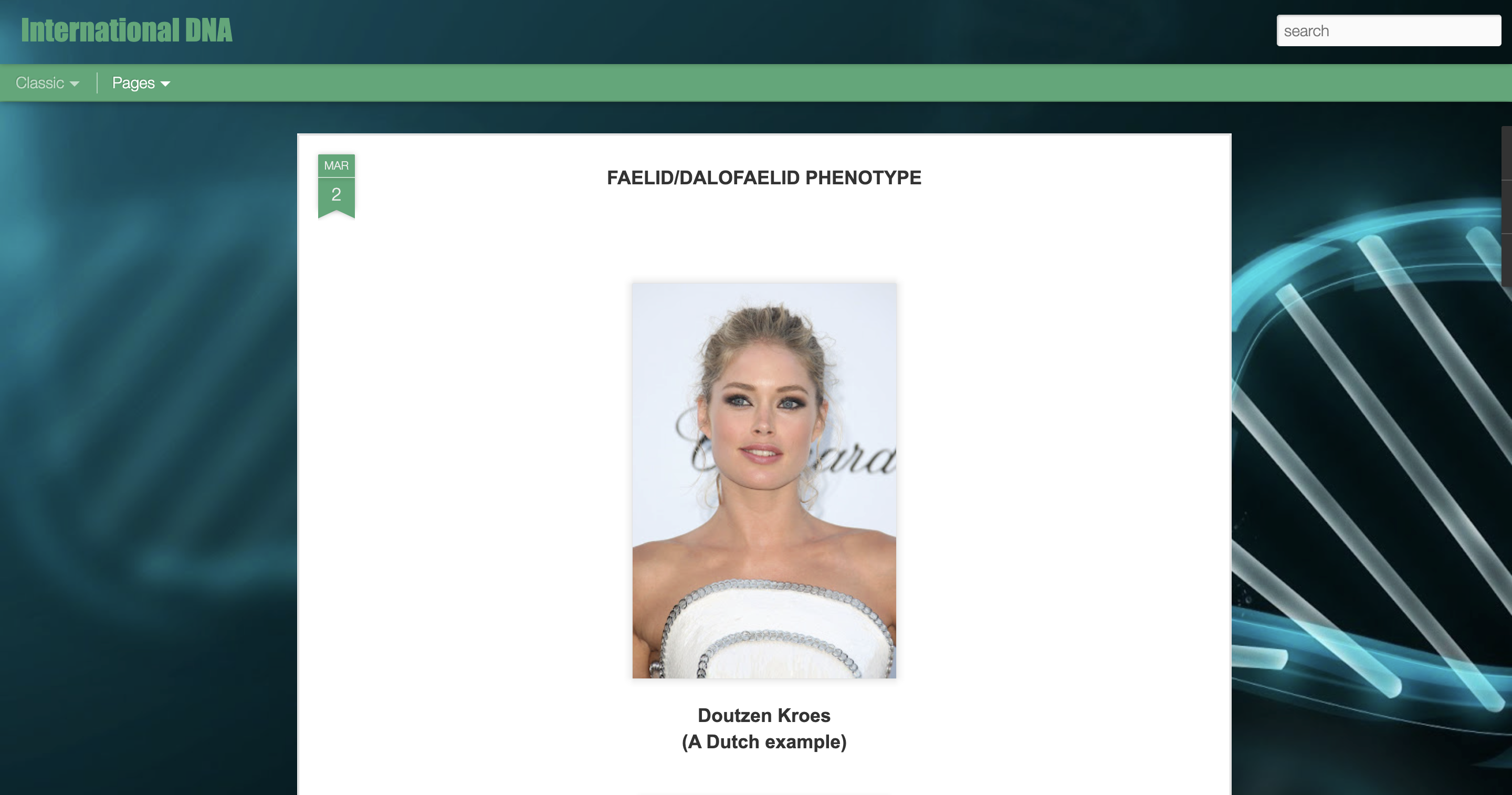
They are both good examples of the Dalofaelid Phenotype, and both fits well into the description.
------------------------------------------------------------------------------------------------------------------------------------------------------------
Last edited:




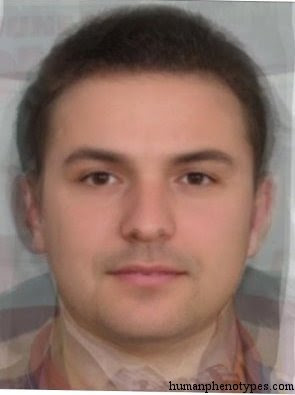











 )
)