




nordic88
𝐓𝐡𝐚𝐧𝐤 𝐘𝐨𝐮 𝐌𝐲 𝐁𝐫𝐨 😂👌❤️
- Joined
- Aug 31, 2025
- Posts
- 1,512
- Reputation
- 2,890
I'm sure you all know that Christ is Lord before we begin, right?
Anyways, let's begin!
Lack of Verifiable Evidence:Anyways, let's begin!
One of the strongest arguments against Norse paganism is the lack of independently verifiable evidence establishing that the Norse gods exist. The fact that ancient Scandinavians worshipped Odin, Thor, and other deities does not prove that these beings were real. It proves that people believed in them. There is a fundamental difference between demonstrating that a belief existed and demonstrating that the belief is true.
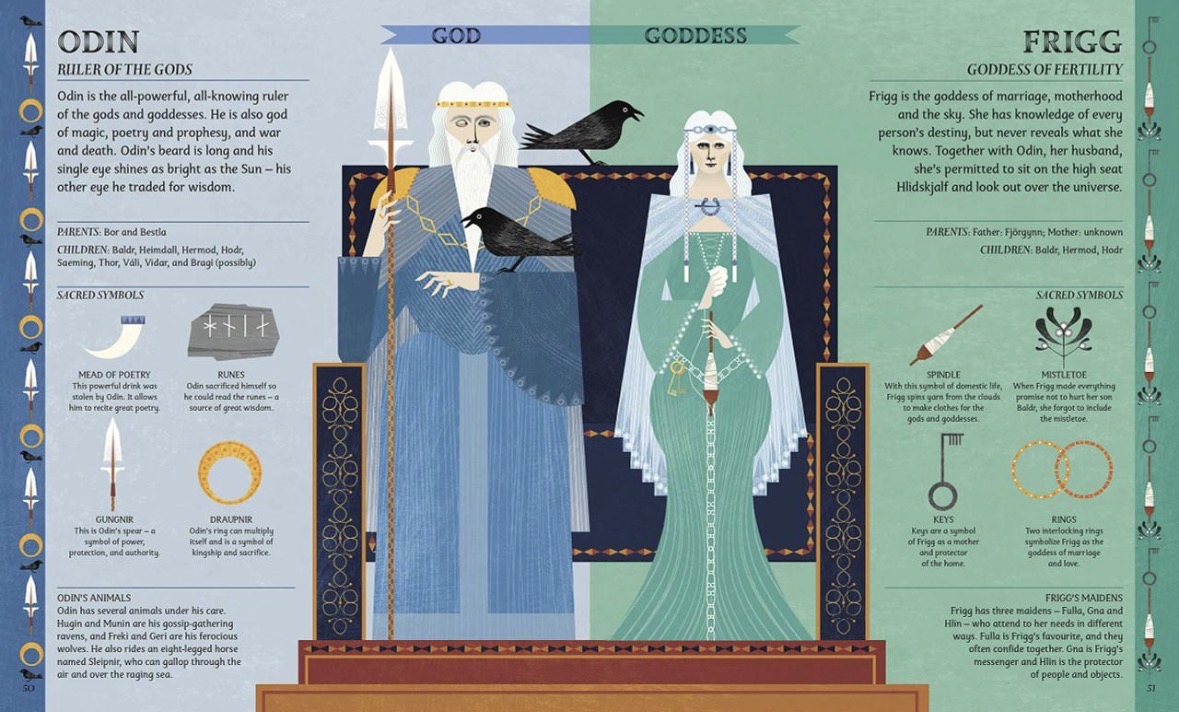
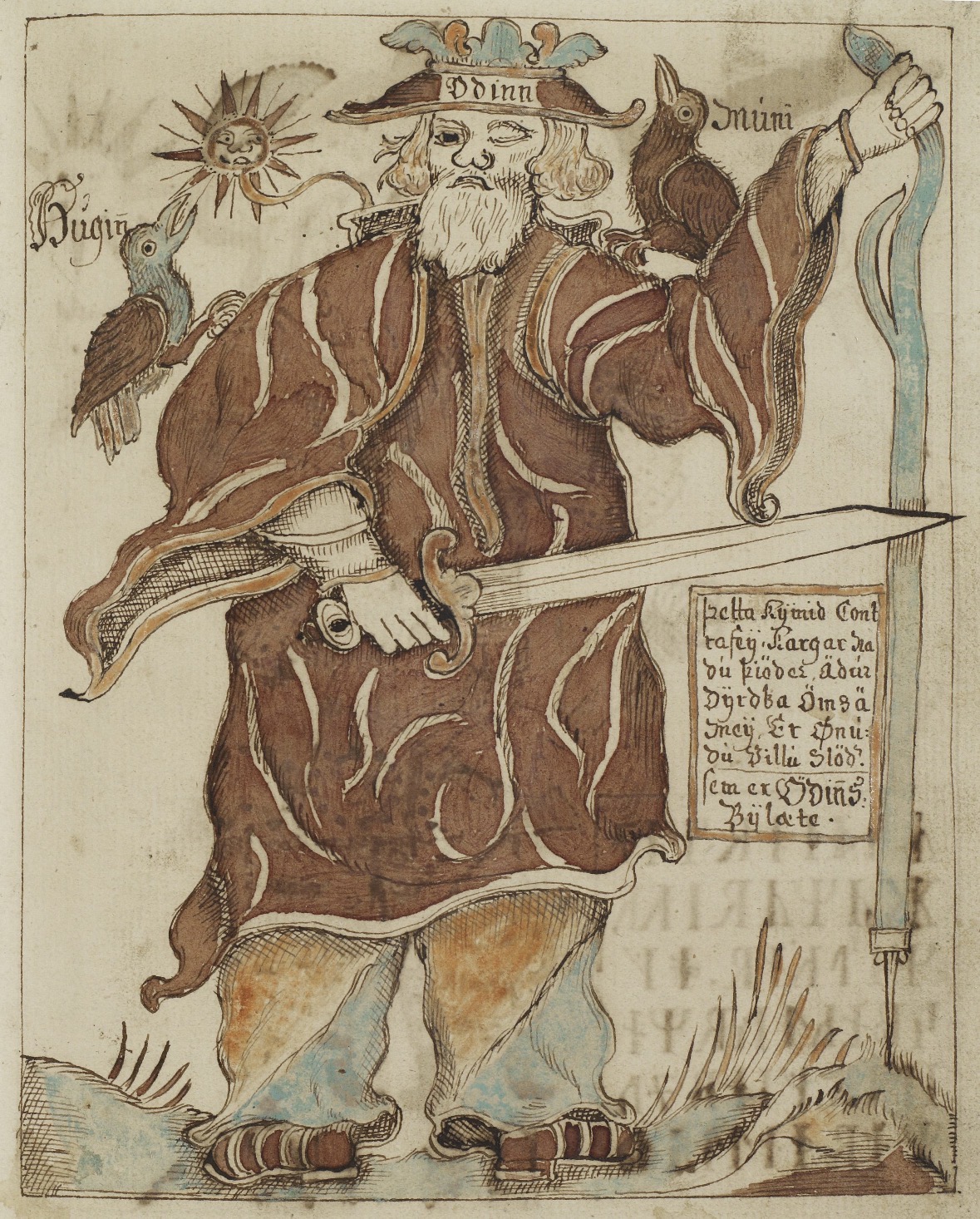
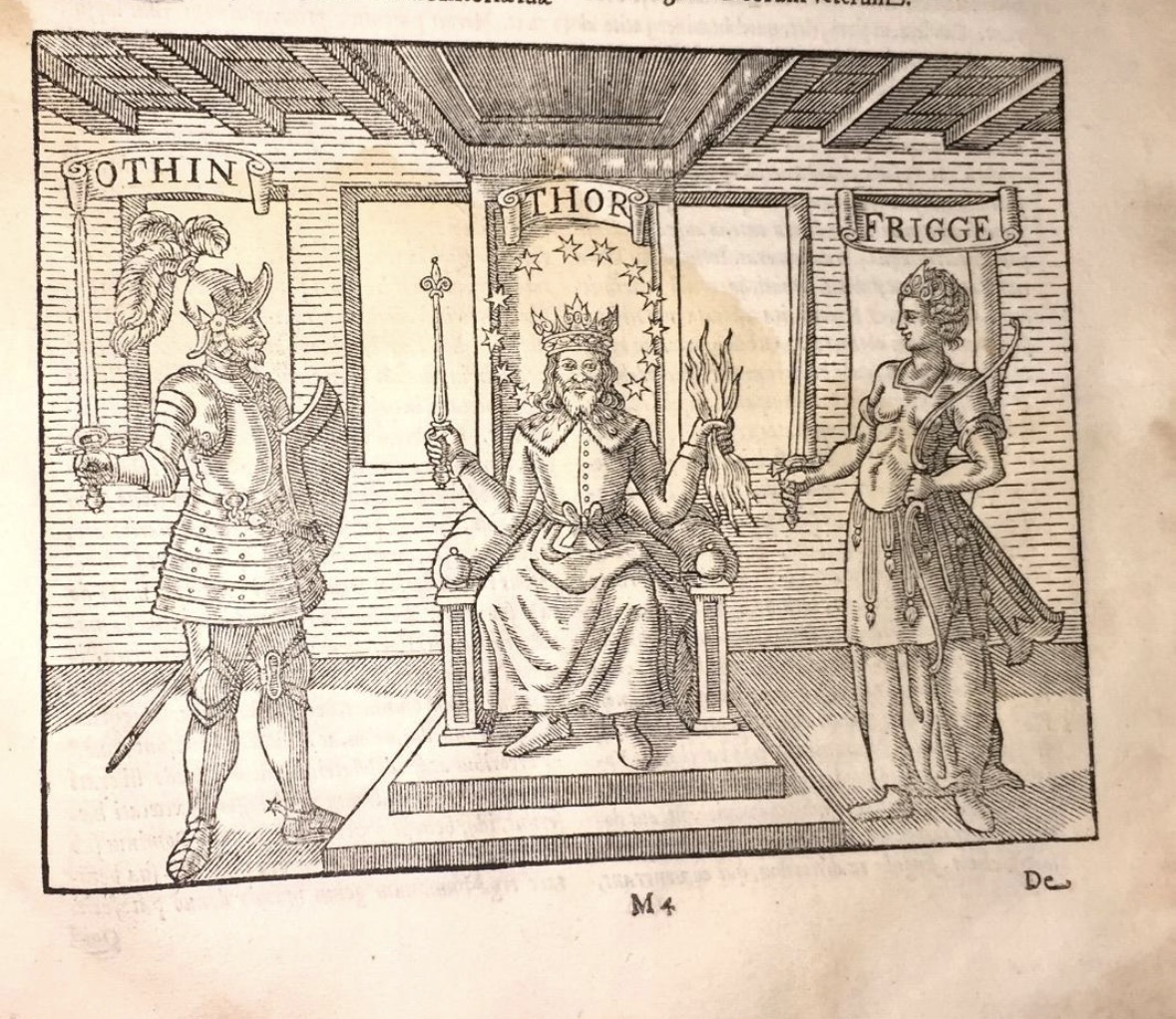
The same standard must apply to every religion. Ancient Greeks worshipped Zeus, ancient Egyptians worshipped Ra, and other civilizations developed their own accounts of the divine. Their followers also had traditions, rituals, and stories supporting their beliefs. If the existence of a religious tradition were sufficient evidence for the existence of its gods, there would be no consistent way to distinguish between competing religious claims.
The central question is straightforward: What evidence demonstrates that the Norse gods exist beyond the fact that people believe in them? If the answer relies on mythology, tradition, or personal spiritual experiences, then the claim still requires further justification. These things may explain why someone believes, but they do not independently establish that the gods are real.
Until sufficient evidence is provided, accepting the existence of the Norse gods as an established fact goes beyond what the available evidence demonstrates.
The Problem of Ultimate Reality
Norse mythology describes multiple gods with different powers, responsibilities, and limitations. This raises a fundamental philosophical question: what explains the existence of these gods, and what ultimately explains the reality in which they exist?
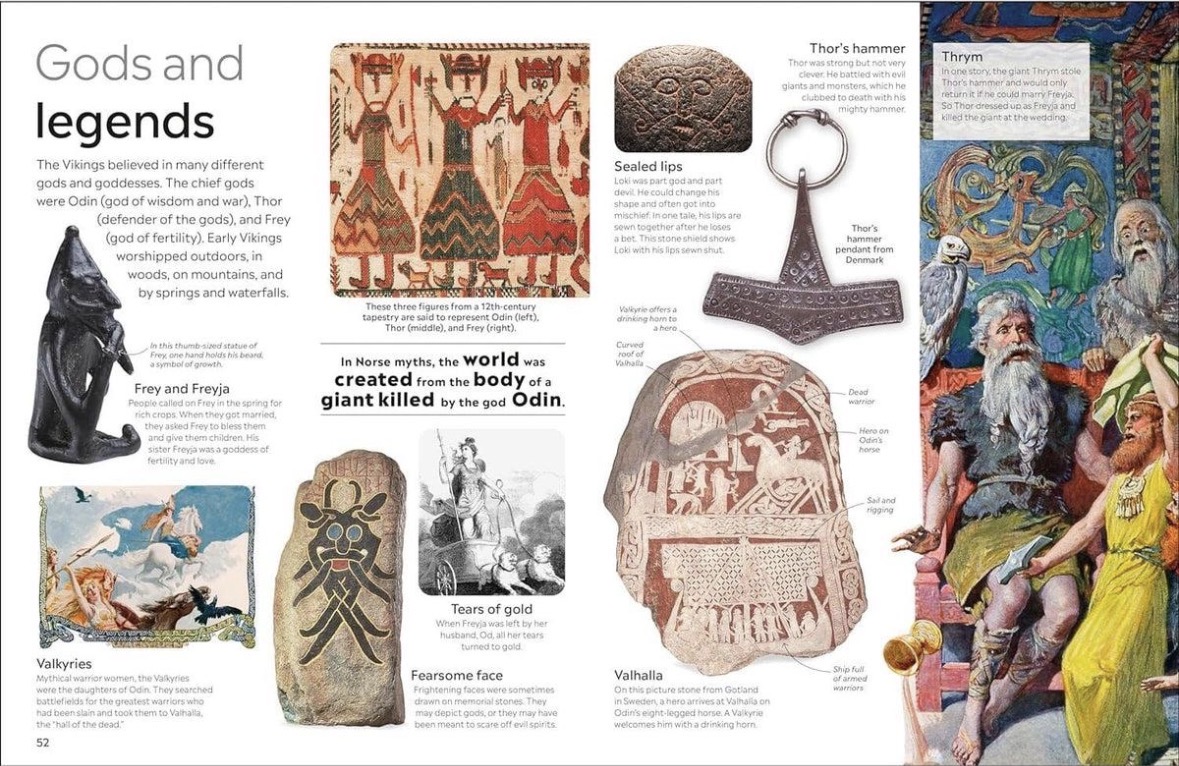
If the Norse gods are powerful but limited beings who exist within an order they did not create and cannot completely control, then they do not appear to be the ultimate explanation for existence itself. Their existence would raise further questions about the conditions that make their existence possible.
Philosophers have developed cosmological arguments proposing that dependent or contingent things ultimately require an explanation in something that does not depend on anything else. If the Norse gods are contingent beings, merely describing them as supernatural does not resolve this question.
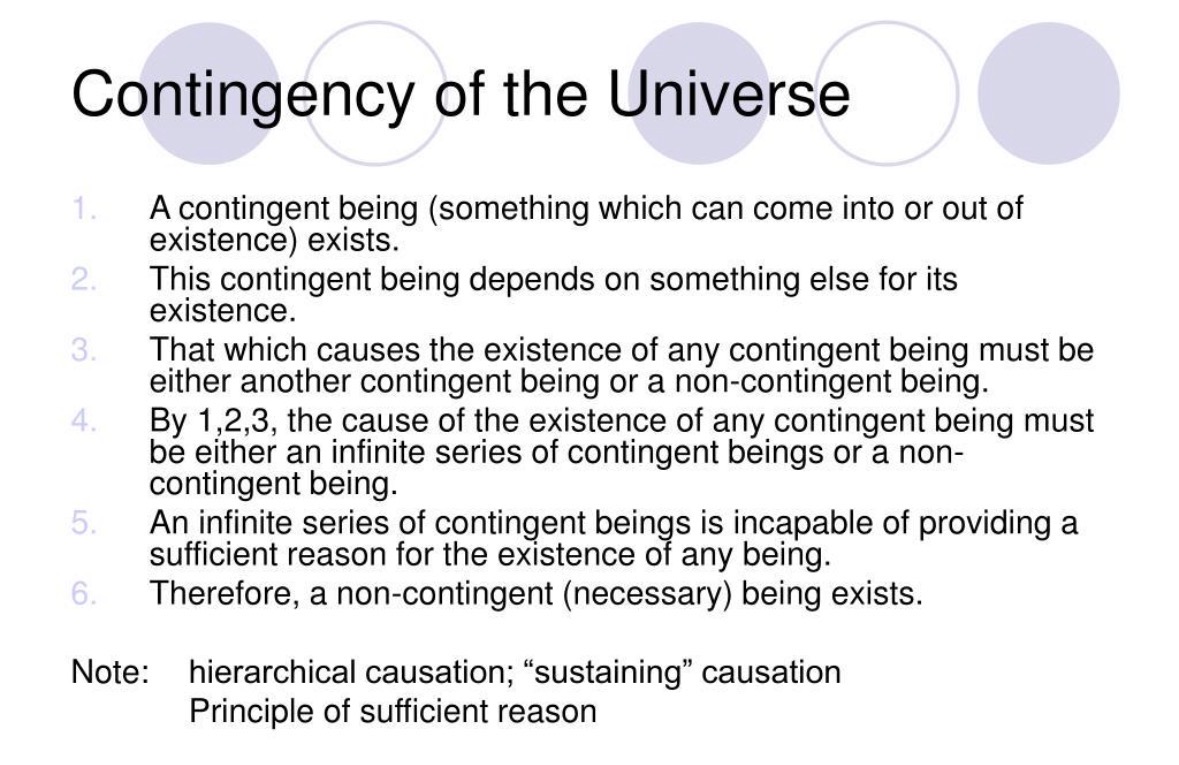
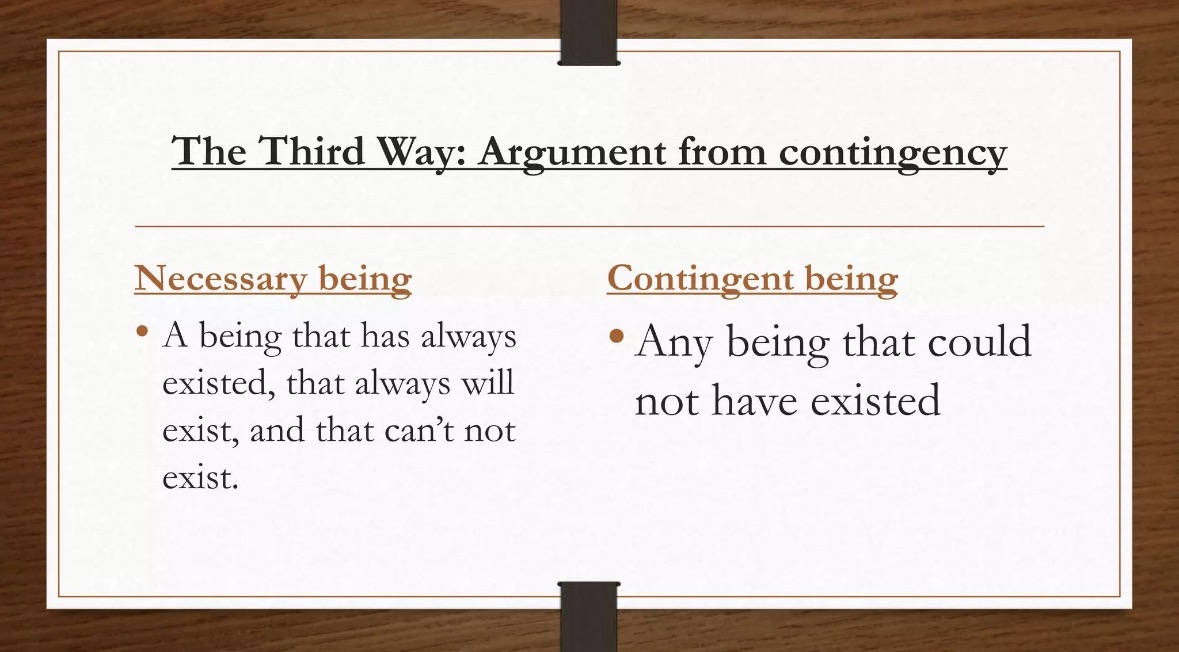
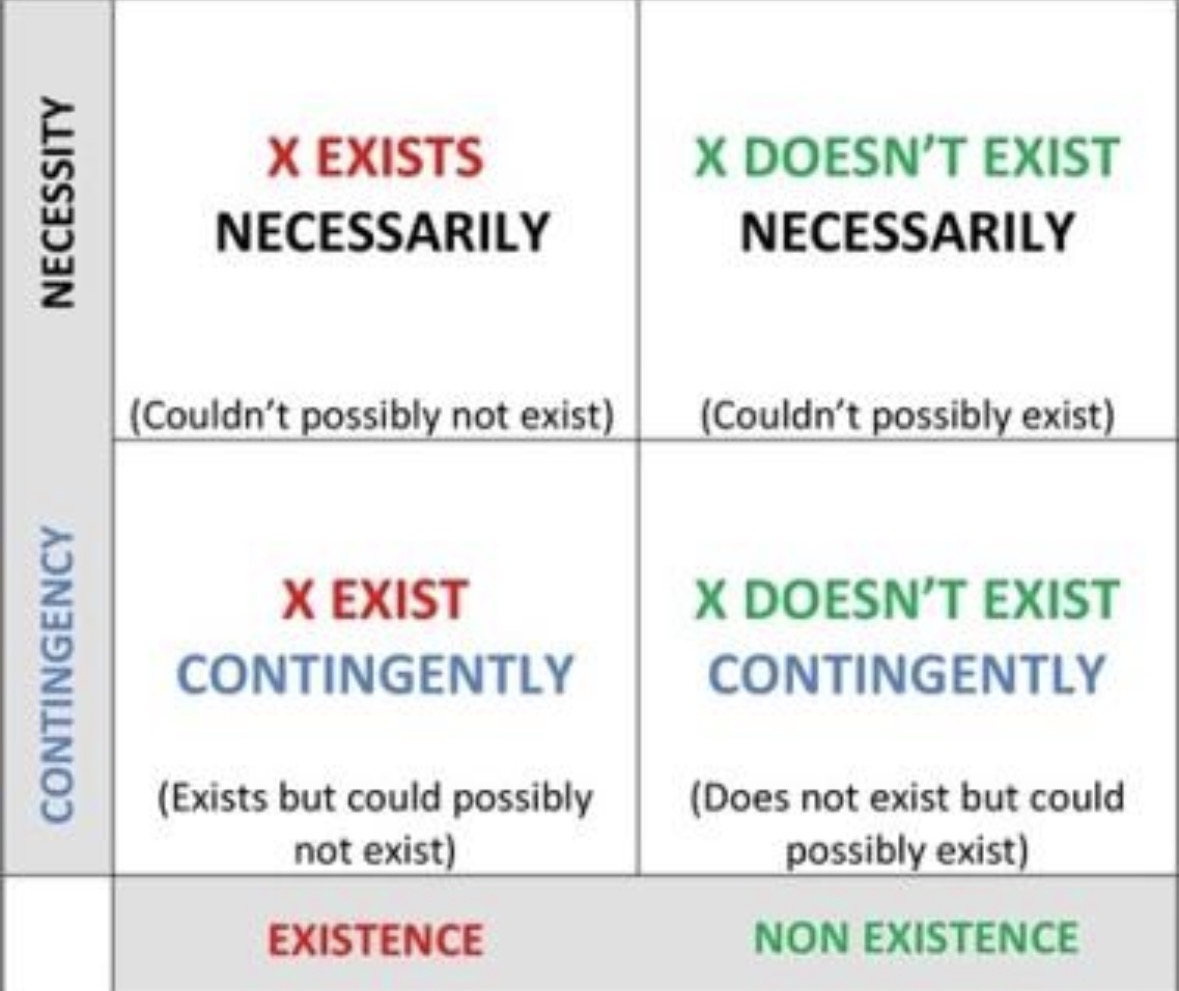
The distinction is important: being powerful is not the same as being the ultimate source of reality. Even if the existence of a supernatural being were established, that would not automatically demonstrate that it created the universe or deserves to be worshipped as the highest divine authority.
The Limitations of the Norse Gods
Norse mythology portrays the gods as beings who face uncertainty, conflict, and death. Odin seeks knowledge of the future, yet Ragnarök represents a fate associated with the destruction of the established cosmic order and the deaths of major gods.
This raises questions about the nature of divine power. If a god cannot prevent a future catastrophe, does that god possess ultimate sovereignty? If the gods are subject to a greater order that determines their fate, what explains the authority of that order over them?
Völuspá — Henry Adams Bellows translation (1923)
Stanza 28
“What hast thou to ask? why comest thou hither?
Othin, I know where thine eye is hidden.”
Stanza 53
“When Othin fares to fight with the wolf”
Stanza 57
“The sun turns black, earth sinks in the sea,
The hot stars down from heaven are whirled;
Fierce grows the steam and the life-feeding flame,
Till fire leaps high about heaven itself.”
Stanza 58
“Much do I know, and more can see
Of the fate of the gods, the mighty in fight.”
Stanza 28
“What hast thou to ask? why comest thou hither?
Othin, I know where thine eye is hidden.”
Stanza 53
“When Othin fares to fight with the wolf”
Stanza 57
“The sun turns black, earth sinks in the sea,
The hot stars down from heaven are whirled;
Fierce grows the steam and the life-feeding flame,
Till fire leaps high about heaven itself.”
Stanza 58
“Much do I know, and more can see
Of the fate of the gods, the mighty in fight.”
A being can possess extraordinary power without possessing unlimited power. Consequently, the existence of powerful supernatural beings would not, by itself, establish the existence of an eternal, sovereign creator.
There is an important qualification: mythology is not necessarily a systematic account of theology, and its narratives can be interpreted in different ways. Nevertheless, if the Norse gods are understood as limited beings subject to forces beyond their control, then they cannot simply be assumed to possess the attributes of an ultimate deity.
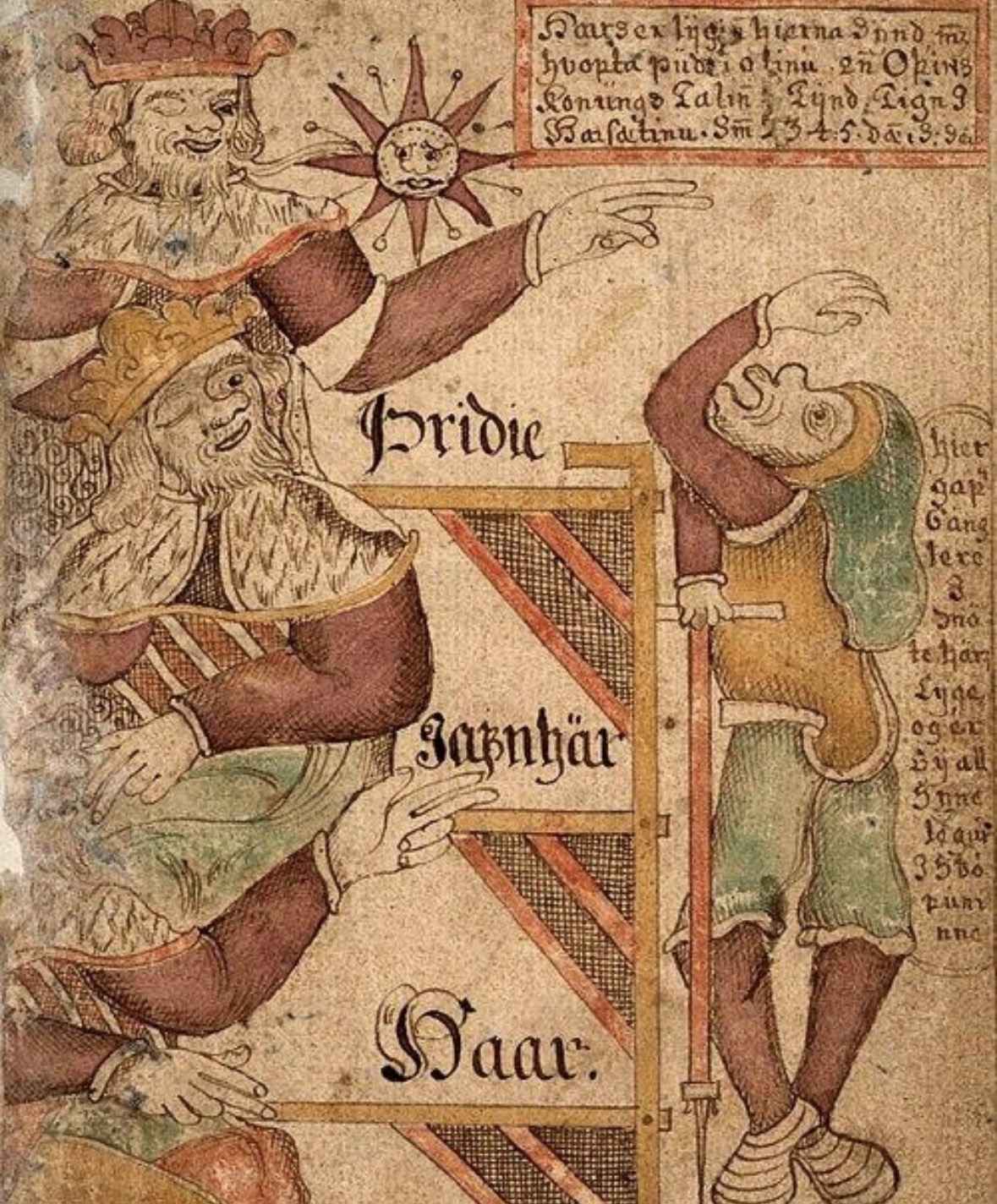
51. Then said Gangleri: “What tidings are to be told concerning the Fate of the Gods, or end of the world? Never before have I heard anything said of this.” Hárr answered: “Great tidings are to be told of it, and much. The first is this, that there shall come that winter which is called the Awful Winter: in that time snow shall drive from all quarters; frosts shall be great then, and winds sharp; there shall be no virtue in the sun. There will be three of those winters shall proceed, and no summer between; but first shall come three other winters, such that over all the world there shall be mighty battles. In that time brothers shall slay each other for greed’s sake, and none shall spare father or son in manslaughter and in incest.
Then shall happen what seems great tidings: a wolf named Skoll shall swallow the sun; and this shall seem to men a great harm. Another wolf shall seize the moon, and he also shall work great ruin; the stars shall vanish from the heavens. Then shall come to pass these tidings also: all the earth shall tremble from earthquakes, and the crags, that trees shall be torn up from the earth, and the crags fall to ruin; and all fetters and bonds shall be broken and rent. Then shall Fenris-Wolf get loose; then the sea shall gush forth upon the land, because the Midgard Serpent stirs in giant wrath and advances up onto the land. Then that too shall happen, that Naglfar shall be unleashed, the ship which is so named. (It is made of dead men’s uncut finger- and toenails; wherefore a warning is desirable, that if a man die with uncut nails, that man adds much material to the ship Naglfar, which gods and men would rather not be built.) Yet in this sea-flood Naglfar shall float. Hrymr is the name of the giant who steers Naglfar. Fenris-Wolf shall advance with gaping mouth, and his lower jaw shall be against the earth, but the upper against heaven, he would open his maw yet more if there were room for it; fires blaze from his eyes and nostrils. The Midgard Serpent shall blow venom so that he shall sprinkle all the air and water; and he is very terrible, and shall be on one side of the Wolf. In this din shall the heaven be cut open, and the Sons of Múspell, inhabitants of the fire world, ride there: Surtr shall ride first, and both before him and after him burning fire; his sword is exceeding good: from it radiance shines brighter than from the sun; when they ride over Bifröst, then the bridge shall break, as has been told before. The Sons of Múspell shall go forth to that field which is called Vígrídr, thither shall come Fenris-Wolf also and the Midgard Serpent; then Loki and Hrymr shall come there also, and with him all the Frost-Giants. All the champions of Hel follow Loki; and the Sons of Múspell shall have a company by themselves, and it shall be very bright. The field Vígrídr is a hundred leagues wide each way.
“When these tidings come to pass, then shall Heimdall rise up and blow mightily in the Gjallar-Horn, and awaken all the gods; and they shall hold council together. Then Odin shall ride to Mímir’s Well and take counsel of Mímir for himself and his host. Then the Ash of Yggdrasill shall tremble, and nothing then shall be without fear in heaven or in earth. Then shall the Æsir put on their war-gear, and all the Champions, and advance to the field: Odin rides first with the gold helmet his spear, which is called Gungnir. He shall go forth against Fenris-Wolf, and Thor stands forward on his other side, and can be of no avail to him, because he shall have his hands full to fight against the Midgard Serpent. Freyr shall contend with Surtr, and a hard encounter shall there be between them before Freyr falls. Then shall the dog Garm: he is the greatest monster; he shall do battle with Týr, and each slay the other. Thor shall put to death the Midgard Serpent, and shall take nine paces from that spot; then shall he fall dead to the earth, because of the venom which the Snake has blown at him. The Wolf Fenris shall swallow Odin; that shall be his ending. But straight thereafter Vidarr shall stride forth and set one foot upon the lower jaw of the Wolf: on that foot he has the legendary shoe, materials for which have been gathering throughout all time. (Its especially thick sole is made from the scraps of leather which men cut out of their shoes at toe or heel; therefore anyone who desires in his heart to come to the Æsir’s help should cast those scraps away that they may be added to Vidarr’s shoe.) With one hand Vidarr shall seize the Wolf’s upper jaw and tear his face asunder; and that is the death of the Wolf. Loki shall have battle with Heimdall, and each be the slayer of the other. Then straightway shall Surtr cast fire over the earth and burn all the world.”
TLDR;
In Gylfaginning, chapter 51, Ragnarök describes the foretold destruction of the world, during which Odin and Thor die despite their divine powers. This suggests that the Norse gods are subject to fate and cannot prevent their own deaths or the world's destruction.
Then shall happen what seems great tidings: a wolf named Skoll shall swallow the sun; and this shall seem to men a great harm. Another wolf shall seize the moon, and he also shall work great ruin; the stars shall vanish from the heavens. Then shall come to pass these tidings also: all the earth shall tremble from earthquakes, and the crags, that trees shall be torn up from the earth, and the crags fall to ruin; and all fetters and bonds shall be broken and rent. Then shall Fenris-Wolf get loose; then the sea shall gush forth upon the land, because the Midgard Serpent stirs in giant wrath and advances up onto the land. Then that too shall happen, that Naglfar shall be unleashed, the ship which is so named. (It is made of dead men’s uncut finger- and toenails; wherefore a warning is desirable, that if a man die with uncut nails, that man adds much material to the ship Naglfar, which gods and men would rather not be built.) Yet in this sea-flood Naglfar shall float. Hrymr is the name of the giant who steers Naglfar. Fenris-Wolf shall advance with gaping mouth, and his lower jaw shall be against the earth, but the upper against heaven, he would open his maw yet more if there were room for it; fires blaze from his eyes and nostrils. The Midgard Serpent shall blow venom so that he shall sprinkle all the air and water; and he is very terrible, and shall be on one side of the Wolf. In this din shall the heaven be cut open, and the Sons of Múspell, inhabitants of the fire world, ride there: Surtr shall ride first, and both before him and after him burning fire; his sword is exceeding good: from it radiance shines brighter than from the sun; when they ride over Bifröst, then the bridge shall break, as has been told before. The Sons of Múspell shall go forth to that field which is called Vígrídr, thither shall come Fenris-Wolf also and the Midgard Serpent; then Loki and Hrymr shall come there also, and with him all the Frost-Giants. All the champions of Hel follow Loki; and the Sons of Múspell shall have a company by themselves, and it shall be very bright. The field Vígrídr is a hundred leagues wide each way.
“When these tidings come to pass, then shall Heimdall rise up and blow mightily in the Gjallar-Horn, and awaken all the gods; and they shall hold council together. Then Odin shall ride to Mímir’s Well and take counsel of Mímir for himself and his host. Then the Ash of Yggdrasill shall tremble, and nothing then shall be without fear in heaven or in earth. Then shall the Æsir put on their war-gear, and all the Champions, and advance to the field: Odin rides first with the gold helmet his spear, which is called Gungnir. He shall go forth against Fenris-Wolf, and Thor stands forward on his other side, and can be of no avail to him, because he shall have his hands full to fight against the Midgard Serpent. Freyr shall contend with Surtr, and a hard encounter shall there be between them before Freyr falls. Then shall the dog Garm: he is the greatest monster; he shall do battle with Týr, and each slay the other. Thor shall put to death the Midgard Serpent, and shall take nine paces from that spot; then shall he fall dead to the earth, because of the venom which the Snake has blown at him. The Wolf Fenris shall swallow Odin; that shall be his ending. But straight thereafter Vidarr shall stride forth and set one foot upon the lower jaw of the Wolf: on that foot he has the legendary shoe, materials for which have been gathering throughout all time. (Its especially thick sole is made from the scraps of leather which men cut out of their shoes at toe or heel; therefore anyone who desires in his heart to come to the Æsir’s help should cast those scraps away that they may be added to Vidarr’s shoe.) With one hand Vidarr shall seize the Wolf’s upper jaw and tear his face asunder; and that is the death of the Wolf. Loki shall have battle with Heimdall, and each be the slayer of the other. Then straightway shall Surtr cast fire over the earth and burn all the world.”
TLDR;
In Gylfaginning, chapter 51, Ragnarök describes the foretold destruction of the world, during which Odin and Thor die despite their divine powers. This suggests that the Norse gods are subject to fate and cannot prevent their own deaths or the world's destruction.
Divine Power Does Not Establish Moral Authority
Another serious issue concerns the relationship between power and morality. Norse mythology portrays the gods as complex figures who sometimes deceive others, manipulate events, seek revenge, and make morally questionable decisions.
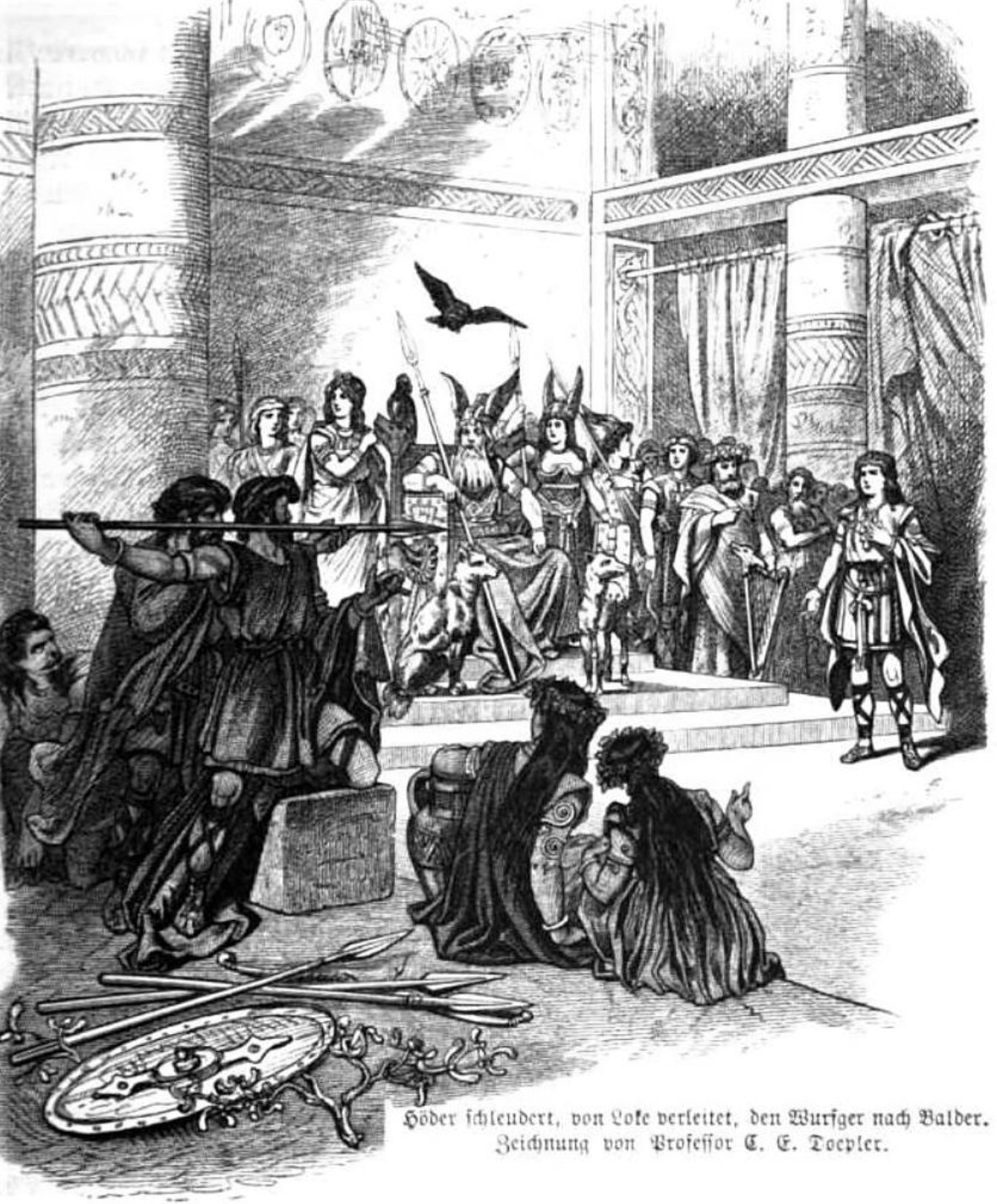
Loki deceiving Höðr into killing Baldr, Wilhelm Wägner, Nordisch-germanische Götter und Helden 1882
This illustration by Carl Emil Doepler depicts Loki manipulating the blind god Höðr into killing Baldr, showing deception within the Norse myths.
The philosophical question is not simply whether these actions are good or bad. It is what makes a deity worthy of worship in the first place.
If a being deserves obedience merely because it possesses greater power, then power becomes the basis of authority. However, the ability to enforce a command does not establish that the command is morally right.
If the actions of the gods can be judged against an independent moral standard, then their divine status alone does not establish their moral authority. If their actions are considered right simply because the gods perform them, then an explanation is still needed for why divine power should determine morality.
This creates a distinction between acknowledging a being’s power and demonstrating that the being deserves worship. Power may establish superiority in strength, but it does not automatically establish moral perfection.
The Problem of Religious Experiences
Some followers of Norse paganism interpret dreams, coincidences, rituals, or personal experiences as signs from Odin or other deities. However, interpreting an experience as divine communication does not independently establish that a deity caused it.
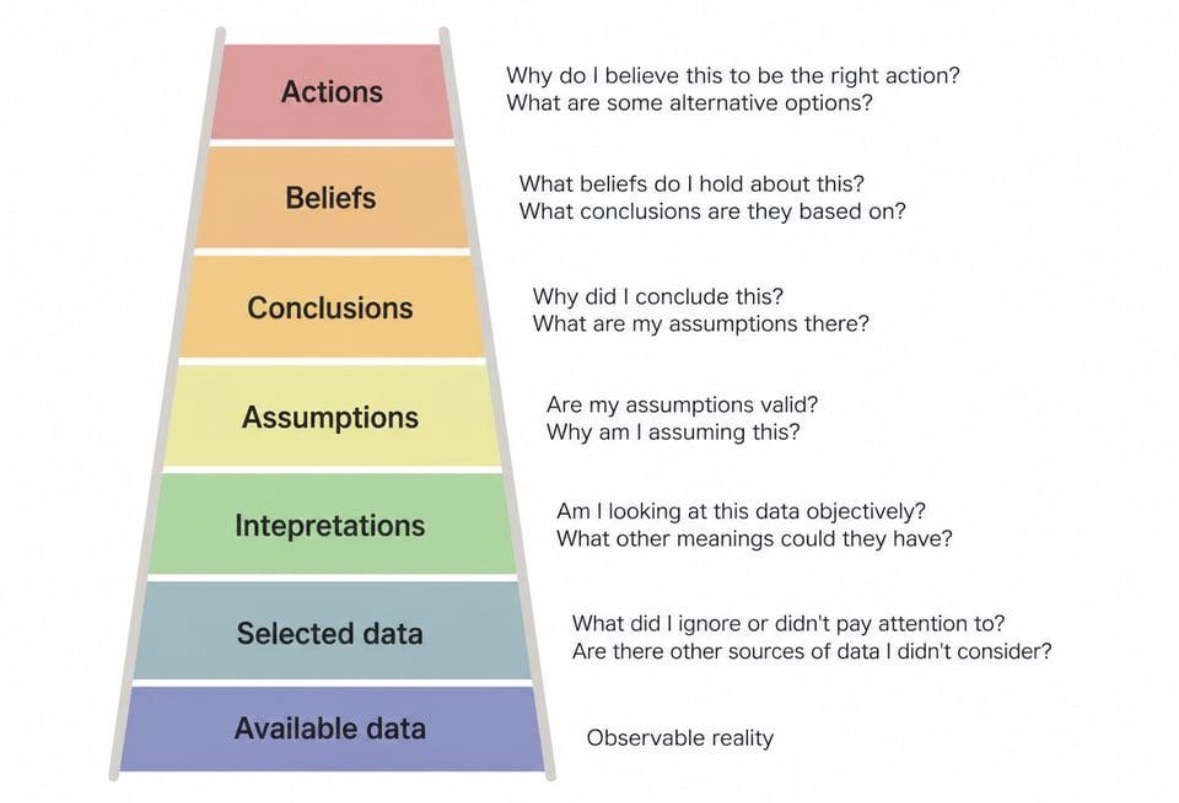
People from different religions report spiritual experiences and interpret them according to their respective beliefs. One person may interpret an experience as communication from Odin, while another interprets a similar experience through an entirely different religious framework.
Their sincerity does NOT determine which interpretation is correct.
The important question is what method can reliably distinguish genuine communication from a psychological experience, coincidence, or mistaken interpretation. If there is no reliable way to make that distinction, personal experience alone cannot establish that a particular god exists.
This objection applies to religious experiences generally, not exclusively to Norse paganism. Any religion appealing to such experiences must explain why its interpretation is more reliable than competing interpretations.
Historical Sources Do Not Prove Supernatural Claims
Much of what is known about Norse mythology comes from medieval Icelandic texts, including the Poetic Edda and the Prose Edda. These sources preserve valuable information about Norse religious traditions, but many were recorded after Christianity had become influential in Scandinavia.
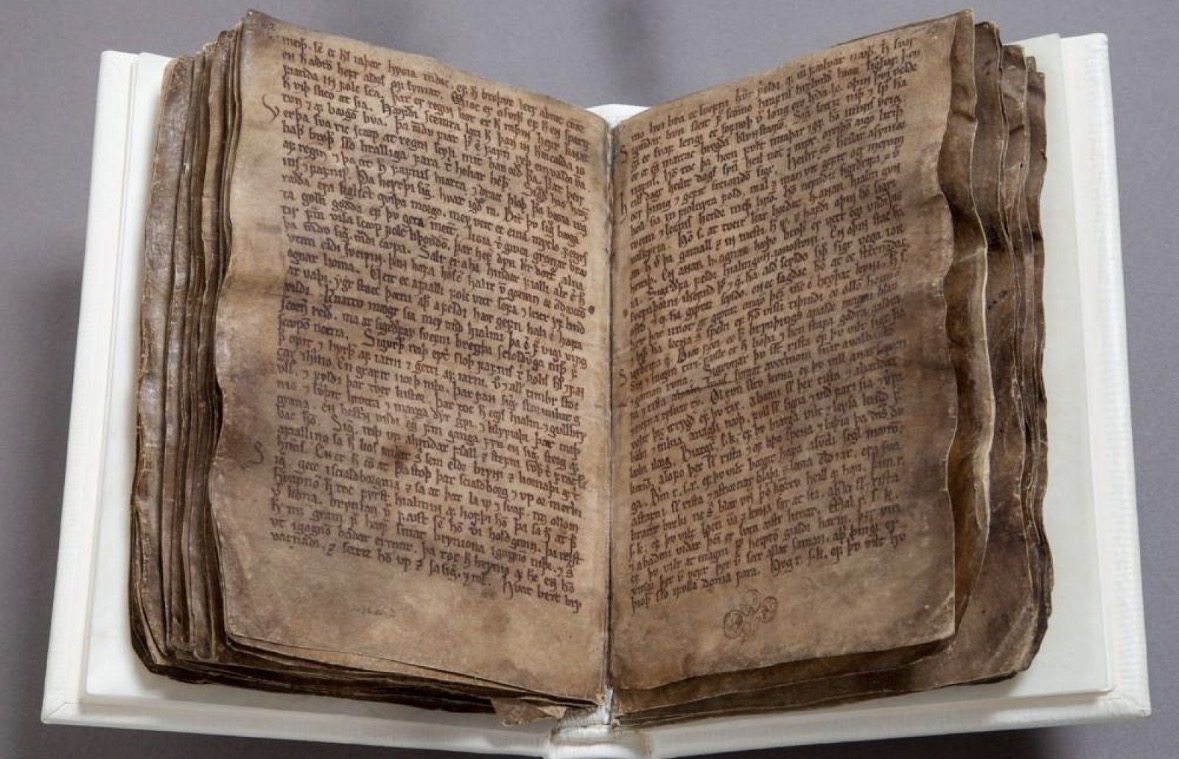
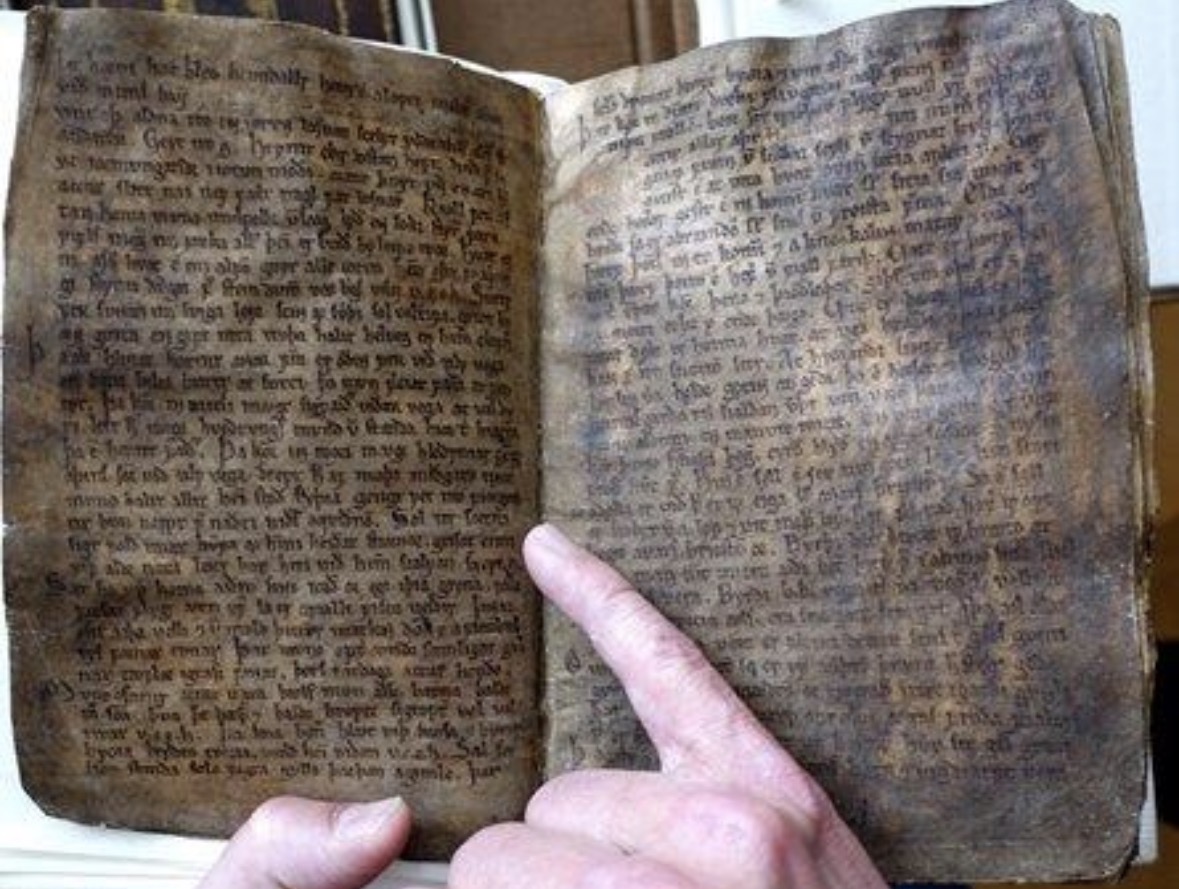
The Codex Regius of the Poetic Edda (c. 1270)
As a result, scholars must consider the historical context in which these accounts were preserved and the possibility that older traditions were shaped by later authors and interpretations.
Even if every major Norse myth could be traced accurately to pre-Christian Scandinavia, that would establish the history of the beliefs rather than the existence of the gods described in them.
An accurate record of a belief is not automatically evidence that the object of that belief exists. Historical evidence can establish that people worshipped Odin, performed religious rituals, and told stories about the gods. It cannot, simply by documenting those practices, establish the supernatural truth of their claims.
This distinction prevents historical significance from being confused with proof of religious truth.
Conclusion
The central problem with accepting Norse paganism as objectively true is that several separate claims require justification: that the Norse gods exist, that they possess the attributes assigned to them, and that they deserve worship.
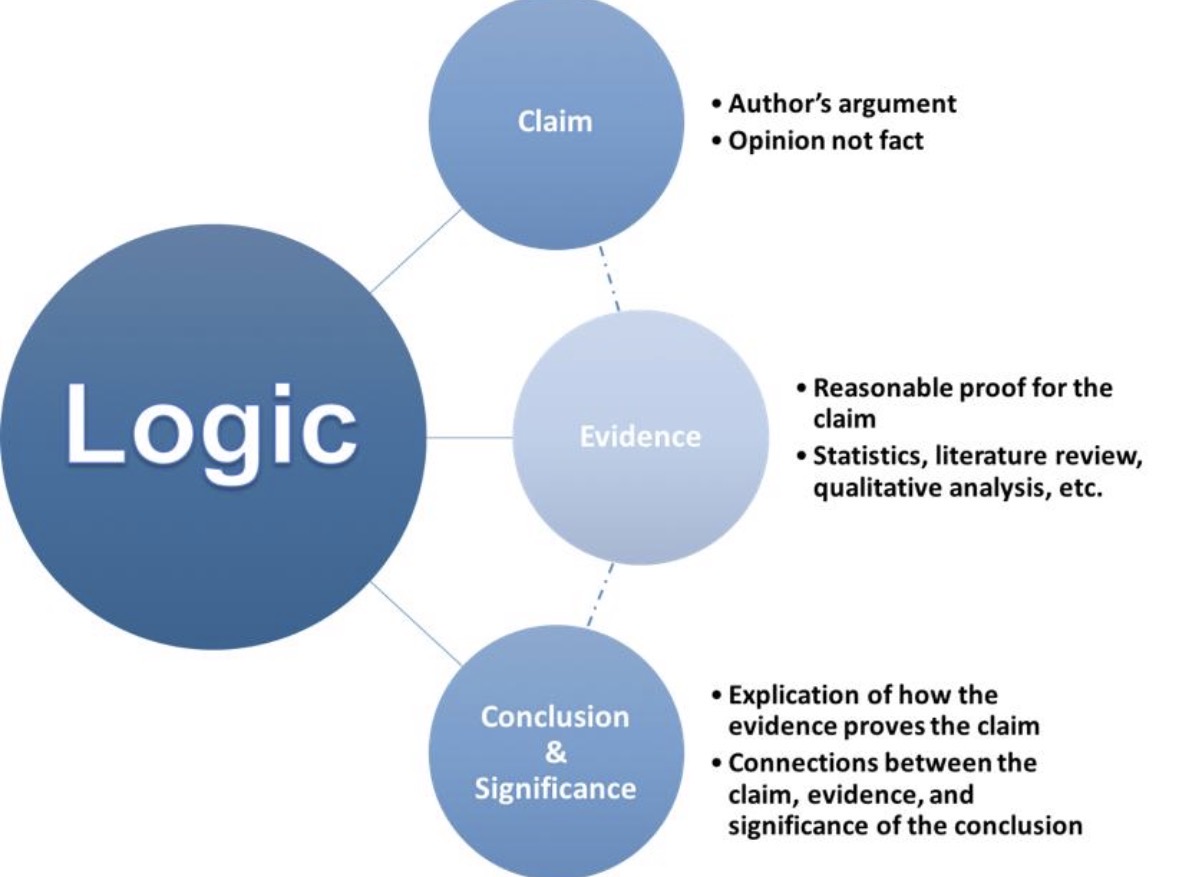
Ancient traditions establish that people held certain beliefs. Mythological narratives preserve cultural and religious ideas. Personal experiences establish that individuals have experiences they consider spiritual. None of these facts, by itself, establishes the existence of supernatural beings.
Likewise, demonstrating that a being possesses extraordinary power would not establish that it is the ultimate source of reality or that it possesses perfect moral authority.
The appropriate standard is consistent evidence and sound reasoning. If a religious claim cannot be adequately distinguished from competing claims, then withholding belief is a reasonable position. Norse paganism may possess considerable historical and cultural significance, but that significance should not be confused with proof that its supernatural claims are true.
Sources
God Bless

-1

-1
@bhsoda_destroyer @gandylite. @swedchud @Wicket @Tesarossa