davidlazaryako
#1 effort posts
- Joined
- Aug 3, 2026
- Posts
- 45
- Reputation
- 155
Ultimate Dihexa Guide [High Effort] – Full Breakdown of the Synaptogenesis Peptide
welcome to the dihexa deep dive by the highest iq and #1 passion grey.
most of what you’ll find online about this compound is pure cope and vendor marketing. “10 million times stronger than BDNF” gets thrown around like it’s gospel while barely anyone actually reads the papers or understands the mechanism.
i got tired of the surface-level threads and the usual nootropic stack coping, so i put together a proper breakdown. chemistry, real mechanism, animal data, independent studies, and the current status . no bullshit, no pussy shit, no fake cope.
if you’re actually trying to understand structural neuroplasticity instead of just chasing temporary focus from caffeine, modafinil or theanine, this is for you. read it or dnr it who really cares .
.
10. Summary
dihexa is a rationally designed, orally active, brain-penetrant angiotensin IV analog that potentiates HGF/c-Met signaling and drives spinogenesis and synaptogenesis at very low concentrations. the animal cognitive data (scopolamine, aged rats, APP/PS1) and the structural data (spine density, synaptophysin, mEPSCs) form a coherent and relatively strong preclinical package. the famous potency comparison to BDNF is real within its original assay context. human efficacy and long-term safety data do not yet exist. the preclinical signal on structural neuroplasticity is among the stronger ones available for a small, drug-like peptide.
@foidslayer5000 i think im getting the hang of this guide thing now botb will be mine eventually.
@Stalker @tansel @cowmuncher26 @bloodysummoningg lmk opinions im always down for feedback or improvements i can make, im only trynna better myself and the guides i make for you people
welcome to the dihexa deep dive by the highest iq and #1 passion grey.
most of what you’ll find online about this compound is pure cope and vendor marketing. “10 million times stronger than BDNF” gets thrown around like it’s gospel while barely anyone actually reads the papers or understands the mechanism.
i got tired of the surface-level threads and the usual nootropic stack coping, so i put together a proper breakdown. chemistry, real mechanism, animal data, independent studies, and the current status . no bullshit, no pussy shit, no fake cope.
if you’re actually trying to understand structural neuroplasticity instead of just chasing temporary focus from caffeine, modafinil or theanine, this is for you. read it or dnr it who really cares
.1. Chemical Identity and Design History
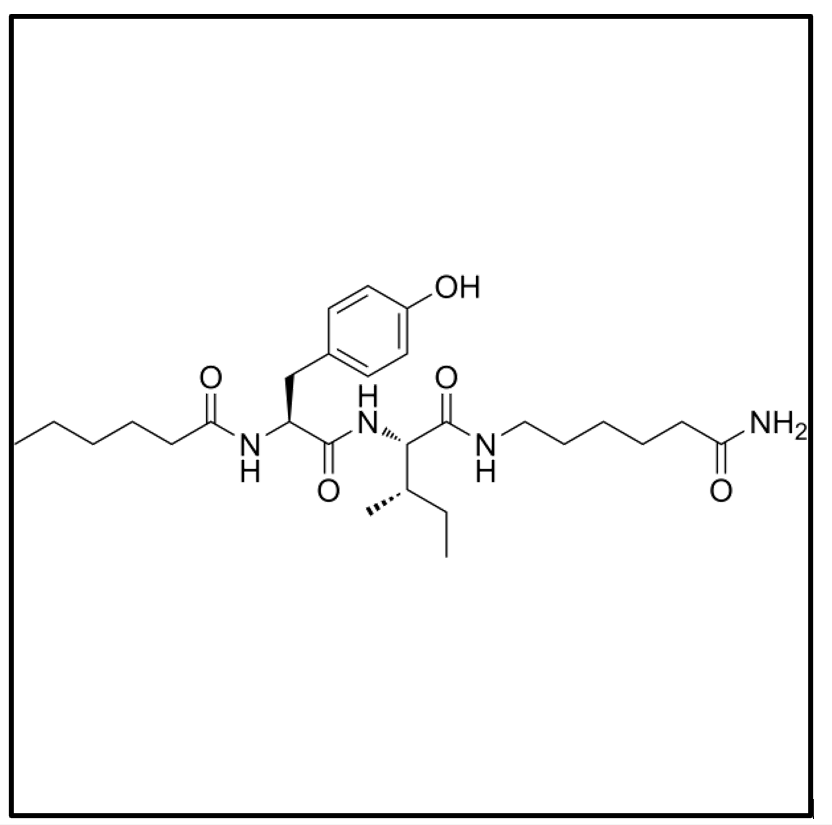
full chemical name: N-hexanoic-Tyr-Ile-(6)-aminohexanoic amide
abbreviated as: dihexa
chemical class: metabolically stabilized angiotensin IV analog

the endogenous parent peptide is angiotensin IV (AngIV / Ang(3-8)). AngIV itself showed clear procognitive effects in early studies but was rapidly broken down by peptidases, had poor oral bioavailability, and limited brain penetration after peripheral administration. this made it impractical as a systemic agent.
the Harding / Wright laboratory at Washington State University spent years optimizing the structure. design goals were specific and measurable:

Primary characterization paper:
McCoy AT et al. (2013). Evaluation of Metabolically Stabilized Angiotensin IV Analogs as Procognitive/Antidementia Agents. Journal of Pharmacology and Experimental Therapeutics.https://pubmed.ncbi.nlm.nih.gov/23055539/
full chemical name: N-hexanoic-Tyr-Ile-(6)-aminohexanoic amide
abbreviated as: dihexa
chemical class: metabolically stabilized angiotensin IV analog
the endogenous parent peptide is angiotensin IV (AngIV / Ang(3-8)). AngIV itself showed clear procognitive effects in early studies but was rapidly broken down by peptidases, had poor oral bioavailability, and limited brain penetration after peripheral administration. this made it impractical as a systemic agent.
the Harding / Wright laboratory at Washington State University spent years optimizing the structure. design goals were specific and measurable:
- increase hydrophobicity to improve membrane permeability
- reduce hydrogen-bonding potential to slow enzymatic degradation
- retain the cognitive activity of the parent AngIV sequence
- achieve oral activity
- achieve meaningful blood-brain barrier penetration
Primary characterization paper:
McCoy AT et al. (2013). Evaluation of Metabolically Stabilized Angiotensin IV Analogs as Procognitive/Antidementia Agents. Journal of Pharmacology and Experimental Therapeutics.https://pubmed.ncbi.nlm.nih.gov/23055539/
2. Molecular Mechanism – Full Detail
dihexa does not act primarily through classical neurotransmitter receptors (acetylcholine, dopamine, glutamate, GABA, etc.). its core action is as a high-affinity binder and positive potentiator of hepatocyte growth factor (HGF).
step-by-step mechanism:

major downstream pathways:
PI3K → Akt → mTOR (growth, survival, protein synthesis, cytoskeletal regulation)
MAPK/ERK (gene transcription, plasticity-related signaling, cytoskeletal dynamics)
functional consequences of this signaling:

Key experimental support from the original work:
dihexa does not act primarily through classical neurotransmitter receptors (acetylcholine, dopamine, glutamate, GABA, etc.). its core action is as a high-affinity binder and positive potentiator of hepatocyte growth factor (HGF).
step-by-step mechanism:
- dihexa binds HGF with high affinity
- this binding facilitates formation of the active HGF dimer
- the active dimer more efficiently activates the receptor tyrosine kinase c-Met
- c-Met undergoes autophosphorylation
- downstream signaling cascades are engaged
major downstream pathways:
PI3K → Akt → mTOR (growth, survival, protein synthesis, cytoskeletal regulation)
MAPK/ERK (gene transcription, plasticity-related signaling, cytoskeletal dynamics)
functional consequences of this signaling:
- remodeling of the actin cytoskeleton required for spine formation
- increased dendritic spine density (spinogenesis)
- conversion of new spines into functional synapses (synaptogenesis)
- elevated frequency of miniature excitatory postsynaptic currents (mEPSCs), confirming the new synapses are electrophysiologically active
- support for neuronal survival and long-term network connectivity
Key experimental support from the original work:
- dihexa alone at picomolar concentrations increased spine numbers in cultured hippocampal neurons
- combining subthreshold dihexa with subthreshold HGF produced full spinogenic responses (true pharmacological potentiation)
- newly formed spines co-localized with both pre- and postsynaptic markers
- the HGF antagonist “Hinge” blocked both the structural and behavioral effects
- c-Met knockdown via shRNA also blocked the effects
3. The Potency Claim – Exact Origin and Meaning
the famous claim that dihexa is “millions of times more potent than BDNF” (usually stated as 10 million times or seven orders of magnitude) comes directly from the in-vitro dendritic spine density assay.
in the same hippocampal neuron culture system:

the ratio of those concentrations is the source of the number.
important clarification:
this is a legitimate pharmacological potency comparison within that specific assay. it is not a claim that dihexa produces 10 million times greater cognitive improvement in a living human brain. the number is real in its original experimental context and is the main reason the compound attracted so much attention in research and nootropic communities.
the famous claim that dihexa is “millions of times more potent than BDNF” (usually stated as 10 million times or seven orders of magnitude) comes directly from the in-vitro dendritic spine density assay.
in the same hippocampal neuron culture system:
- dihexa produced clear increases in spine density at picomolar concentrations
- BDNF required substantially higher concentrations (nanomolar to micromolar range) to reach a comparable structural endpoint
the ratio of those concentrations is the source of the number.
important clarification:
this is a legitimate pharmacological potency comparison within that specific assay. it is not a claim that dihexa produces 10 million times greater cognitive improvement in a living human brain. the number is real in its original experimental context and is the main reason the compound attracted so much attention in research and nootropic communities.
4. Behavioral Pharmacology – Primary Animal Data
Scopolamine model (acute cholinergic disruption)scopolamine produces reliable deficits in spatial learning and memory. dihexa fully reversed these deficits in the Morris water maze. both intracerebroventricular and oral routes were effective. at higher oral doses, performance returned to the level of unimpaired control animals.
Aged rat mode
laged rats (approximately 22–26 months) show natural decline in spatial learning. dihexa treatment produced clear improvement, moving performance toward that of young animals.
the effective dose range across these studies was notably low for a peptide, which is consistent with the high in-vitro potency observed in the spine assays.

Scopolamine model (acute cholinergic disruption)scopolamine produces reliable deficits in spatial learning and memory. dihexa fully reversed these deficits in the Morris water maze. both intracerebroventricular and oral routes were effective. at higher oral doses, performance returned to the level of unimpaired control animals.
Aged rat mode
laged rats (approximately 22–26 months) show natural decline in spatial learning. dihexa treatment produced clear improvement, moving performance toward that of young animals.
the effective dose range across these studies was notably low for a peptide, which is consistent with the high in-vitro potency observed in the spine assays.
5. Independent Replication – APP/PS1 Alzheimer’s Model
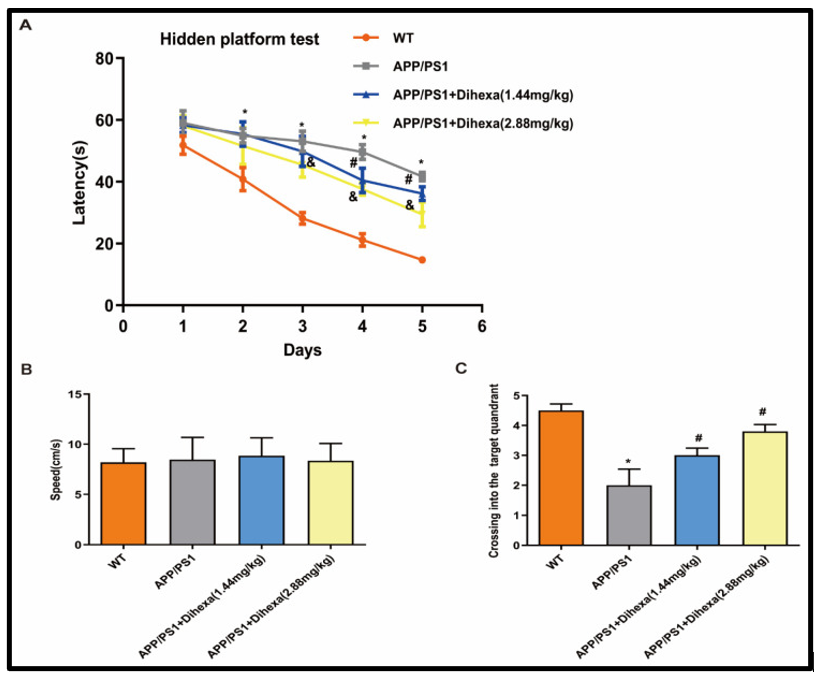
Sun et al. (2021) tested dihexa in the APP/PS1 transgenic mouse model of Alzheimer’s disease. this is an independent research group and a more disease-relevant model than simple scopolamine disruption.
key results:

Paper:
Sun X et al. (2021). AngIV-Analog Dihexa Rescues Cognitive Impairment and Recovers Memory in the APP/PS1 Mouse via the PI3K/AKT Signaling Pathway. Brain Sciences.https://pubmed.ncbi.nlm.nih.gov/34827486/Full text: https://www.ncbi.nlm.nih.gov/pmc/articles/PMC8615599/
this study adds independent confirmation of cognitive rescue, synaptic marker recovery, an anti-inflammatory component, and a clear signaling dependence in a genetic Alzheimer’s model.
Sun et al. (2021) tested dihexa in the APP/PS1 transgenic mouse model of Alzheimer’s disease. this is an independent research group and a more disease-relevant model than simple scopolamine disruption.
key results:
- restoration of spatial learning and cognitive performance in the Morris water maze
- increased neuronal cell counts (Nissl staining)
- elevated synaptophysin (SYP) protein expression (marker of synaptic density)
- reduced activation of astrocytes and microglia
- decreased pro-inflammatory cytokines IL-1β and TNF-α
- increased anti-inflammatory cytokine IL-10
- clear activation of the PI3K/AKT pathway
- the beneficial effects were blocked by the PI3K inhibitor wortmannin
Paper:
Sun X et al. (2021). AngIV-Analog Dihexa Rescues Cognitive Impairment and Recovers Memory in the APP/PS1 Mouse via the PI3K/AKT Signaling Pathway. Brain Sciences.https://pubmed.ncbi.nlm.nih.gov/34827486/Full text: https://www.ncbi.nlm.nih.gov/pmc/articles/PMC8615599/
this study adds independent confirmation of cognitive rescue, synaptic marker recovery, an anti-inflammatory component, and a clear signaling dependence in a genetic Alzheimer’s model.
6. Pharmacokinetics and Delivery Characteristics
the structural changes that produced dihexa were specifically engineered to improve metabolic stability and oral bioavailability relative to native AngIV.
animal data show:
community use has generally been oral, most often in the low-to-mid milligram range. formal human pharmacokinetic data (absolute bioavailability, half-life in humans, dose proportionality, brain levels) do not yet exist.

the structural changes that produced dihexa were specifically engineered to improve metabolic stability and oral bioavailability relative to native AngIV.
animal data show:
- oral activity
- measurable penetration into the brain
- longer duration of action than many unmodified peptides
community use has generally been oral, most often in the low-to-mid milligram range. formal human pharmacokinetic data (absolute bioavailability, half-life in humans, dose proportionality, brain levels) do not yet exist.
7. Related Clinical Compound – Fosgonimeton
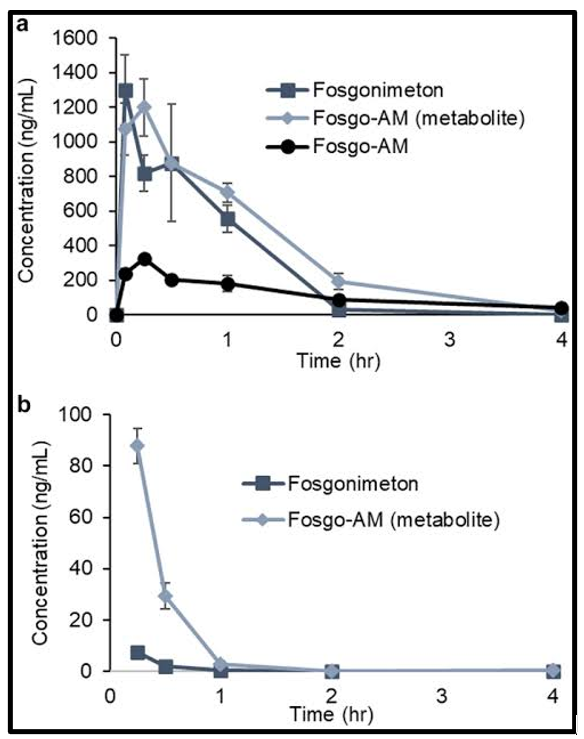
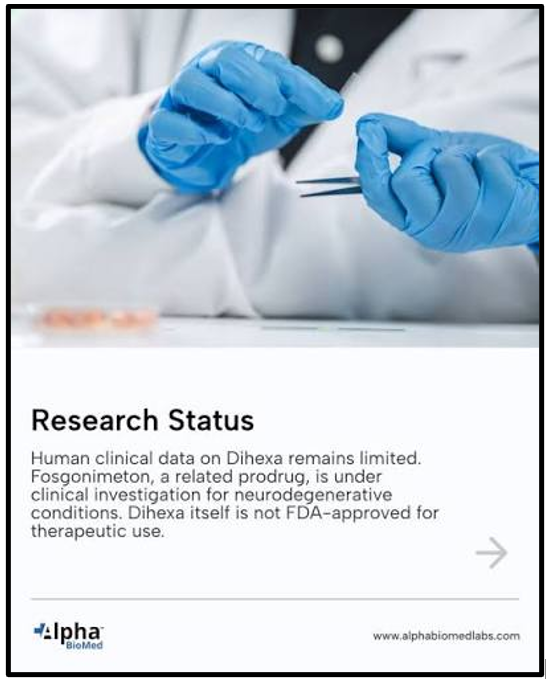
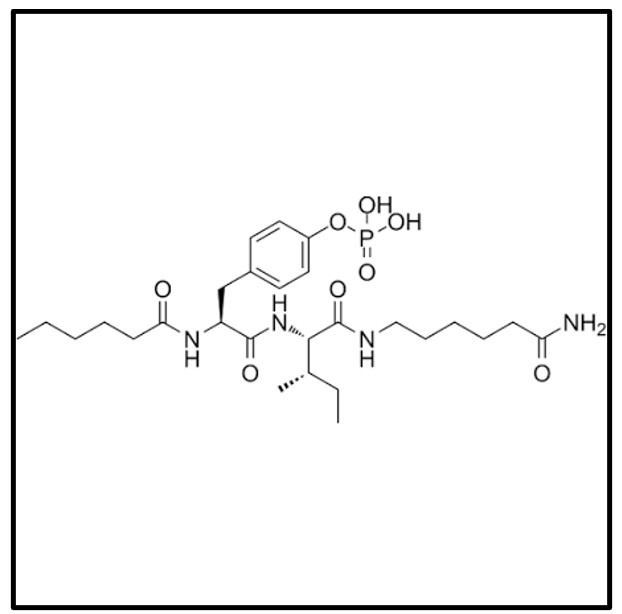
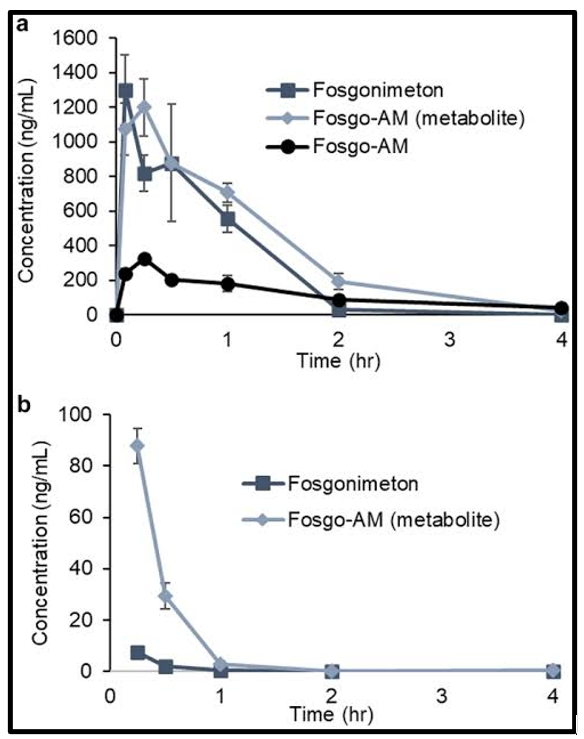
fosgonimeton (ATH-1017) was developed from the same research lineage and targets the HGF/c-Met axis. it advanced into Phase 2/3 testing in the LIFT-AD trial for mild-to-moderate Alzheimer’s disease.

the trial did not meet its primary endpoint, although some biomarker movement was reported. this result applies specifically to fosgonimeton as a distinct clinical candidate. dihexa itself has never been tested in a controlled human clinical trial.

fosgonimeton (ATH-1017) was developed from the same research lineage and targets the HGF/c-Met axis. it advanced into Phase 2/3 testing in the LIFT-AD trial for mild-to-moderate Alzheimer’s disease.
the trial did not meet its primary endpoint, although some biomarker movement was reported. this result applies specifically to fosgonimeton as a distinct clinical candidate. dihexa itself has never been tested in a controlled human clinical trial.
8. Broader Biological Context
the HGF/c-Met system is involved in multiple fundamental processes:
by potentiating this system, dihexa targets a core growth and connectivity pathway rather than a single neurotransmitter. this is the main reason the structural plasticity angle is considered mechanistically distinct from cholinergic enhancers, monoaminergic stimulants, racetams, or AMPA positive modulators.
the HGF/c-Met system is involved in multiple fundamental processes:
- neuronal development
- neuronal survival
- synaptic plasticity
- dendritic arborization and spine dynamics
by potentiating this system, dihexa targets a core growth and connectivity pathway rather than a single neurotransmitter. this is the main reason the structural plasticity angle is considered mechanistically distinct from cholinergic enhancers, monoaminergic stimulants, racetams, or AMPA positive modulators.
9. Current Status and Practical Position
dihexa remains a research compound. there are no completed human efficacy trials and no formal long-term human safety database.
the current preclinical package includes:
that combination is why the molecule continues to attract serious interest. the underlying idea, increasing the physical number of synapses rather than only stimulating existing ones, is supported by multiple independent lines of animal evidence and remains one of the more compelling structural-plasticity approaches available in the research peptide space.
dihexa remains a research compound. there are no completed human efficacy trials and no formal long-term human safety database.
the current preclinical package includes:
- high in-vitro spinogenic potency at picomolar concentrations
- oral activity and brain penetration in animals
- robust reversal of scopolamine-induced cognitive deficits
- improvement of spatial learning in aged rats
- cognitive rescue, synaptic marker recovery, and anti-inflammatory effects in the APP/PS1 model
- a defined molecular mechanism: HGF potentiation → c-Met activation → PI3K/Akt and MAPK signaling → spinogenesis/synaptogenesis
that combination is why the molecule continues to attract serious interest. the underlying idea, increasing the physical number of synapses rather than only stimulating existing ones, is supported by multiple independent lines of animal evidence and remains one of the more compelling structural-plasticity approaches available in the research peptide space.
10. Summary
dihexa is a rationally designed, orally active, brain-penetrant angiotensin IV analog that potentiates HGF/c-Met signaling and drives spinogenesis and synaptogenesis at very low concentrations. the animal cognitive data (scopolamine, aged rats, APP/PS1) and the structural data (spine density, synaptophysin, mEPSCs) form a coherent and relatively strong preclinical package. the famous potency comparison to BDNF is real within its original assay context. human efficacy and long-term safety data do not yet exist. the preclinical signal on structural neuroplasticity is among the stronger ones available for a small, drug-like peptide.
@foidslayer5000 i think im getting the hang of this guide thing now
botb will be mine eventually.@Stalker @tansel @cowmuncher26 @bloodysummoningg lmk opinions im always down for feedback or improvements i can make, im only trynna better myself and the guides i make for you people
Reference List
Primary Characterization & Mechanism
1. McCoy AT, et al. Evaluation of Metabolically Stabilized Angiotensin IV Analogs as Procognitive/Antidementia Agents. Journal of Pharmacology and Experimental Therapeutics. 2013;344(1):141-154.https://pubmed.ncbi.nlm.nih.gov/23055539/
2. Benoist CC, et al. The Procognitive and Synaptogenic Effects of Angiotensin IV–Derived Peptides Are Dependent on Activation of the Hepatocyte Growth Factor/c-Met System. Journal of Pharmacology and Experimental Therapeutics. 2014.(Key mechanism paper linking dihexa to HGF/c-Met)
Independent / Disease Model Work
3. Sun X, et al. AngIV-Analog Dihexa Rescues Cognitive Impairment and Recovers Memory in the APP/PS1 Mouse via the PI3K/AKT Signaling Pathway. Brain Sciences. 2021;11(11):1487.https://pubmed.ncbi.nlm.nih.gov/34827486/Full text: https://www.ncbi.nlm.nih.gov/pmc/articles/PMC8615599/
Related Clinical Compound
4. LIFT-AD trial (fosgonimeton / ATH-1017) – Phase 2/3 study in mild-to-moderate Alzheimer’s disease (results announced 2024).ClinicalTrials.gov: NCT04488419
Additional Supporting / Background
5. Benoist CC, et al. Facilitation of hippocampal synaptogenesis and spatial memory by C-terminal truncated Nle1-angiotensin IV analogs. Journal of Pharmacology and Experimental Therapeutics. 2011.(Earlier work on related AngIV analogs and synaptogenesis)
6. Wright JW, Harding JW. The brain hepatocyte growth factor/c-Met receptor system:
Primary Characterization & Mechanism
1. McCoy AT, et al. Evaluation of Metabolically Stabilized Angiotensin IV Analogs as Procognitive/Antidementia Agents. Journal of Pharmacology and Experimental Therapeutics. 2013;344(1):141-154.https://pubmed.ncbi.nlm.nih.gov/23055539/
2. Benoist CC, et al. The Procognitive and Synaptogenic Effects of Angiotensin IV–Derived Peptides Are Dependent on Activation of the Hepatocyte Growth Factor/c-Met System. Journal of Pharmacology and Experimental Therapeutics. 2014.(Key mechanism paper linking dihexa to HGF/c-Met)
Independent / Disease Model Work
3. Sun X, et al. AngIV-Analog Dihexa Rescues Cognitive Impairment and Recovers Memory in the APP/PS1 Mouse via the PI3K/AKT Signaling Pathway. Brain Sciences. 2021;11(11):1487.https://pubmed.ncbi.nlm.nih.gov/34827486/Full text: https://www.ncbi.nlm.nih.gov/pmc/articles/PMC8615599/
Related Clinical Compound
4. LIFT-AD trial (fosgonimeton / ATH-1017) – Phase 2/3 study in mild-to-moderate Alzheimer’s disease (results announced 2024).ClinicalTrials.gov: NCT04488419
Additional Supporting / Background
5. Benoist CC, et al. Facilitation of hippocampal synaptogenesis and spatial memory by C-terminal truncated Nle1-angiotensin IV analogs. Journal of Pharmacology and Experimental Therapeutics. 2011.(Earlier work on related AngIV analogs and synaptogenesis)
6. Wright JW, Harding JW. The brain hepatocyte growth factor/c-Met receptor system: