copemaxingll
You must lose everything to be free to do anything
- Joined
- Oct 15, 2024
- Posts
- 2,835
- Reputation
- 2,543
Full Gym Guide
This split will consist of 3x upper frequency and 2x lower frequency. If you want to be in the gym 5 times a week and don't want to do FBEOD bullshit, this is perfect for you.
Monday: Upper
Tuesday: Rest
Wednesday: Lower
Thursday: Upper
Friday: Rest
Saturday: Upper
Sunday: Lower
Upper Day - A perfect upper day consists of 2 chest movements, 3 shoulder movements, 3 back movements, and 2 arm movements.
Lower Day - A perfect lower day consists of 2 quad movements, 2 hamstring movements, adductors, and calves.
Chest: The chest is made up of two main regions: the upper chest and the middle/lower chest. The main purpose of the chest muscle is to perform horizontal adduction, with shoulder flexion being specific to the upper chest and shoulder extension and vertical adduction to the lower chest.
Shoulder: The shoulder is made up of 3 main parts: the front, side, and rear deltoids. The front deltoid performs shoulder flexion and abduction, the side delt performs abduction, and the rear delt performs vertical and horizontal extension.
Back: The back consists of 2 regions: upper back and lats. Upper Back: The upper back contains the traps and rhomboids; their function is retracting the scapula. Lats: The lats are the muscles that add width and that wing look to your back. They function in shoulder extension and adduction.
Arms: Your arm consists of many muscles, but they can be grouped as triceps and biceps. Triceps: This group consists of three heads: the long head, medial head, and lateral head. They all have the function of extending the elbow except the long head; it has an additional function of shoulder extension. Biceps: This group consists of two heads, which both have the function of flexing the elbow.
Quads: A quad consists of four main muscles, which all extend the knee. The rectus femoris also has the secondary function of flexing the hip.
Hamstring: The hamstring consists of four main muscles, which all flex the knee. Three of them also have the function of extending the hip.
Adductors: Adductors are made up of multiple different muscles. They all have the function of adduction, while the adductor magnus also has another function of hip extension as it specifically crosses the hip.
Calves: Calves are made up of two muscles; the main function of the calf is plantarflexion as well as the gastrocnemius having some activation in knee flexion. The gastrocnemius is the main part of your calf, which is the focus of your calf training, but it connects to the knee. This means you should do calf exercises with a straight knee.
Now that we know how each muscle group works, let's structure the perfect upper and lower.
- Upper Day -
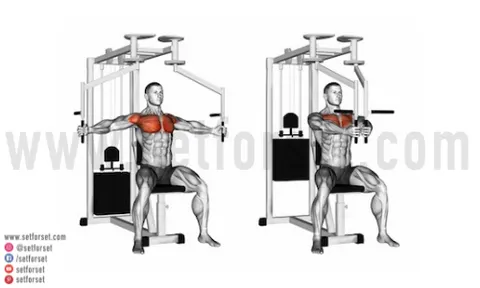
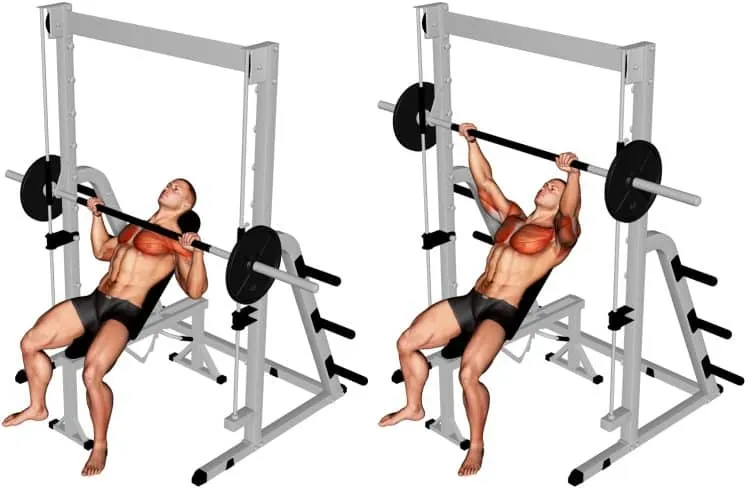
Chest: Flat Chest Flies: 2x6-8, Incline Press: 1-2x6-8 reps
The majority of your chest gets enough stimulant from chest flies, so doing 1 set is enough for incline; if you prefer 2, feel free to do 2.
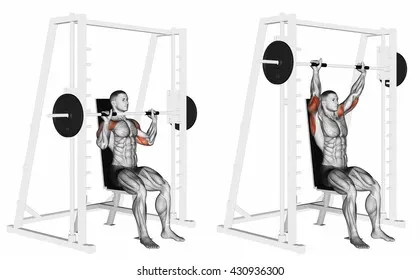
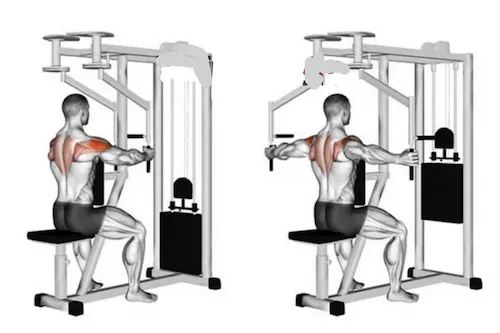
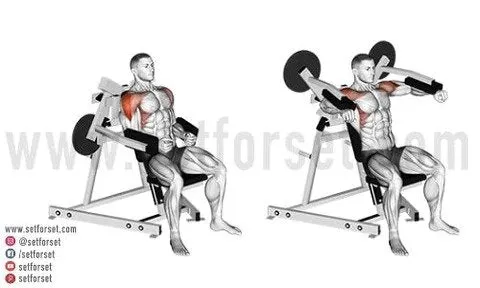
Shoulders: Machine Shoulder Press: 1-2x6-8, Rear Delt Fly: 2x6-8, Machine Lateral Raise: 2x6-8
The shoulder press goes in sync with the incline: 1 set of incline, 2 sets of shoulders, and vice versa. Rear delt fly can be superset with chest flies since you will be on the same machine. Lateral raises can be done on a machine or cable; I prefer the machine since it's more stable.
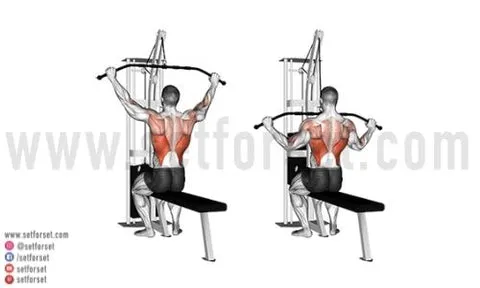
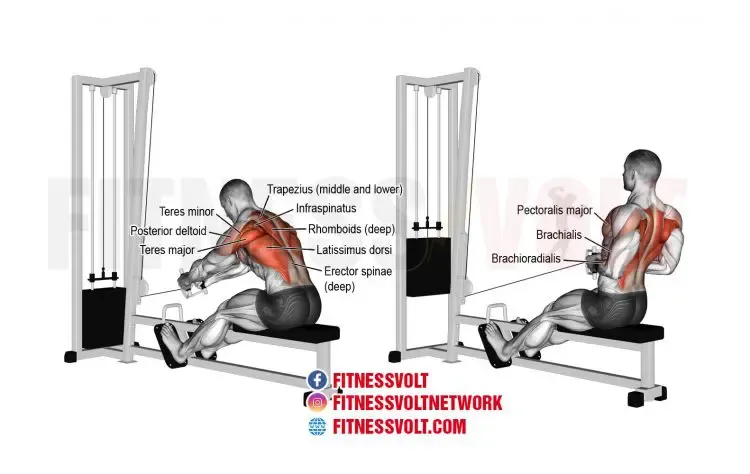
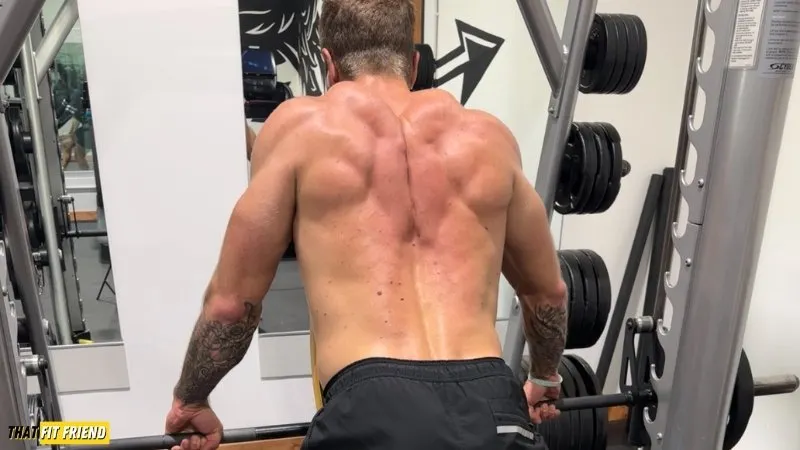
Back: Lat Pulldown: 2x6-8, Close Grip Row: 2x6-8, Kelso Shrugs: 2x6-8
This is all fairly simple; you need 2 movements to fully hit your lats, a pulldown training adduction and a close-grip row training shoulder extension. Kelso shrugs fully isolates your traps and trains scapular retraction.
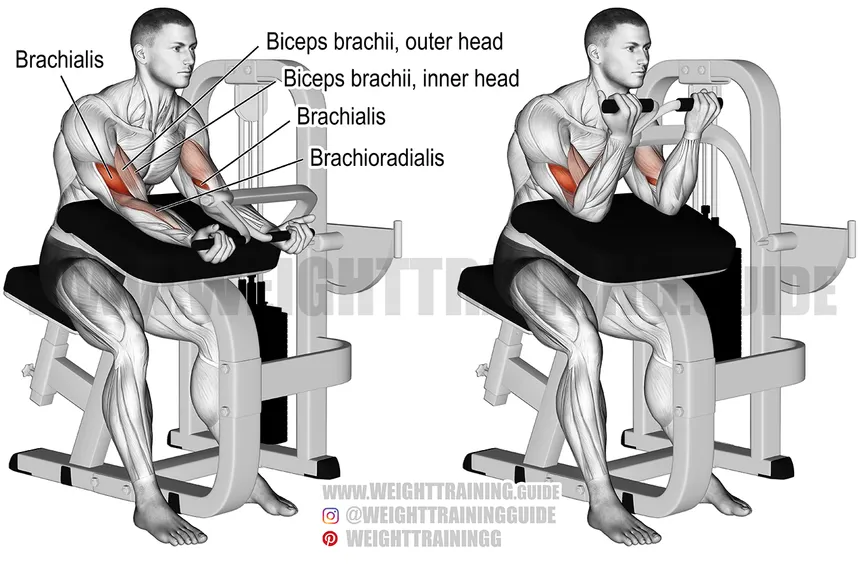
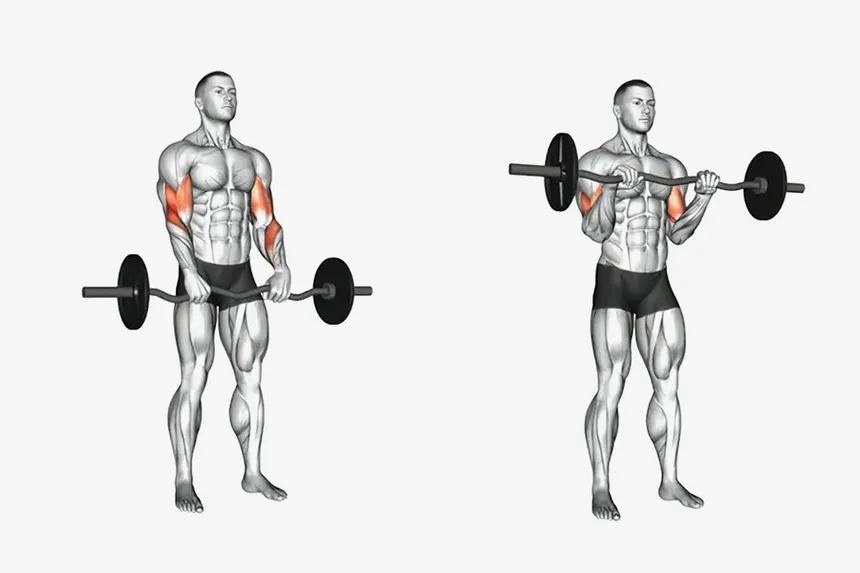
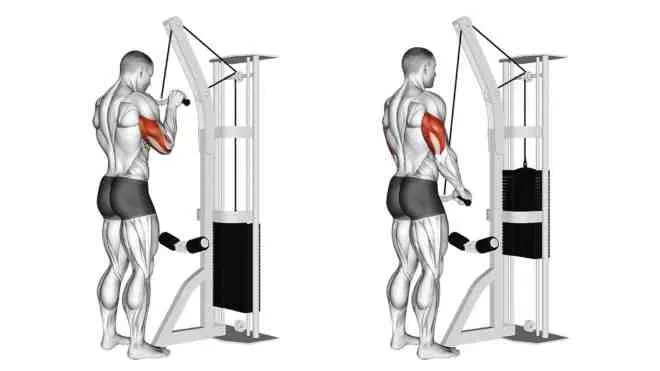
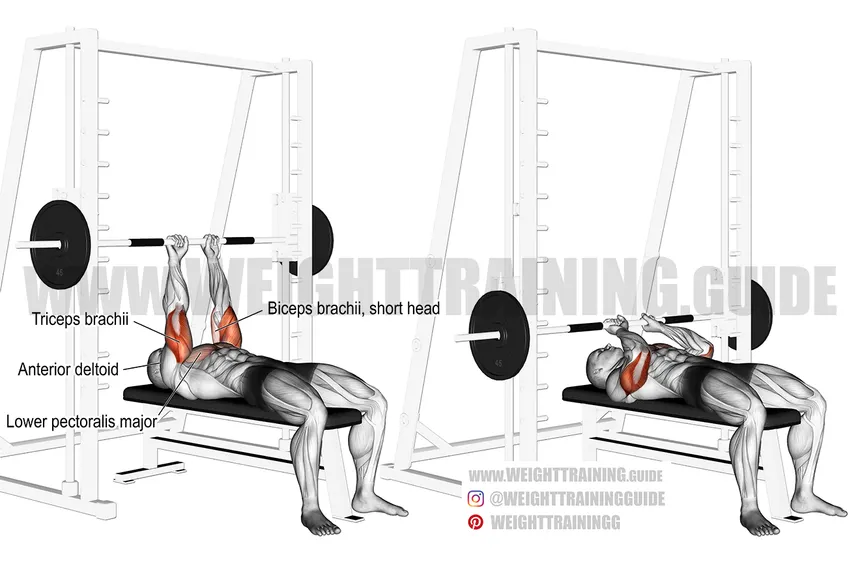
Arms: Preacher Curl: 2x6-8. Reverse Curl: 2x6-8, Tricep Pushdown: 2x6-8, JM Press: 1-2x6-8
For the bicep, you want to do a supinated curl like a preacher, and for the brachioradialis, you want to do a pronated curl like a reverse curl. For the triceps, you want to perform a pushdown with your upper arm stationary by your side, then additionally, to bias the medial/lateral head separately, you can do something where the shoulder is moving, like the JM press.
This is it for the upper day; every exercise can be swapped for something you prefer, but this is the most optimal for each group.
- Lower Day -
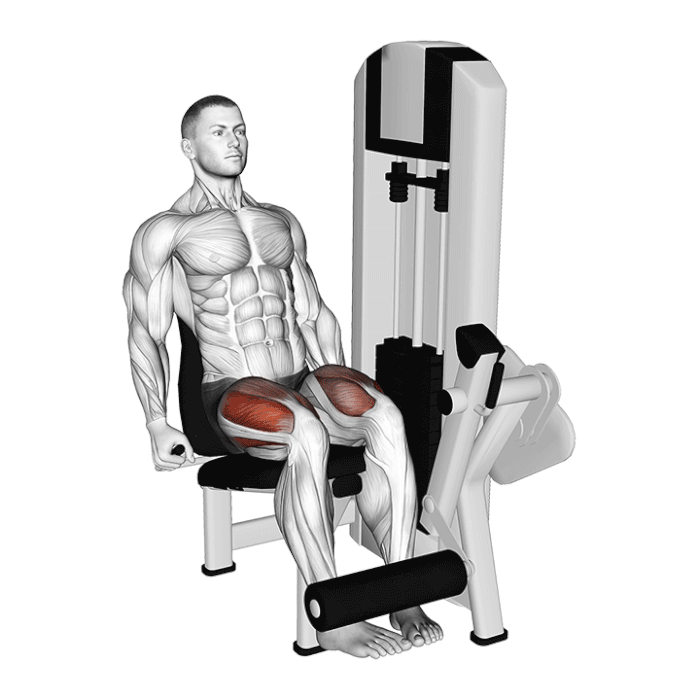
Leg Extension: 2x6-8, Leg Press: 1-2x6-8
To train the entire quad, all you need is a leg extension and a leg press. Have a low foot placement to bias the quads more.
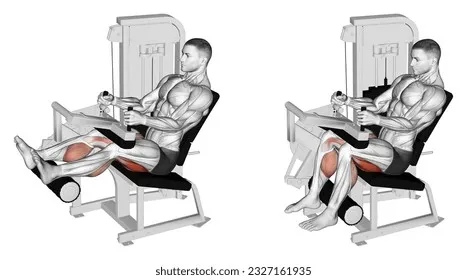
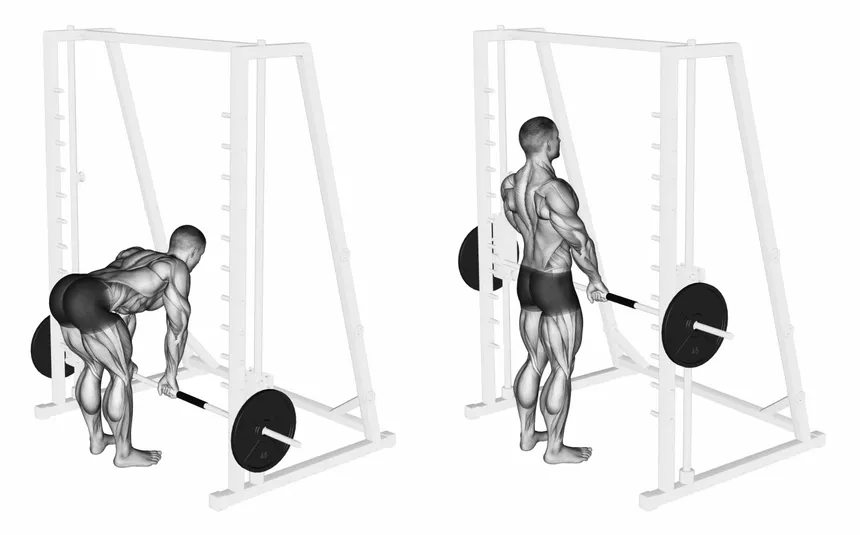
Seated Leg Curl: 2x6-8, SLDL: 2x6-8
Training the entirety of the hamstring consists of knee flexion exercises, for which the seated leg curls are perfect and most stable, and a hinge exercise like the SLDL.
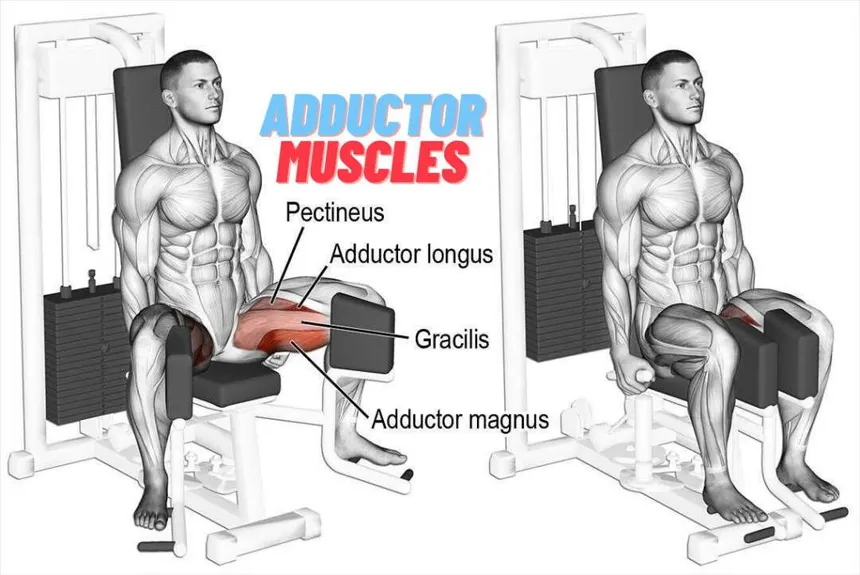
Adductor Machine: 2x6-8
To train the entirety of the adductor, you want to perform adduction, the second function of the adductor magnus. You can do a hinge exercise, which we already have, the SLDL.
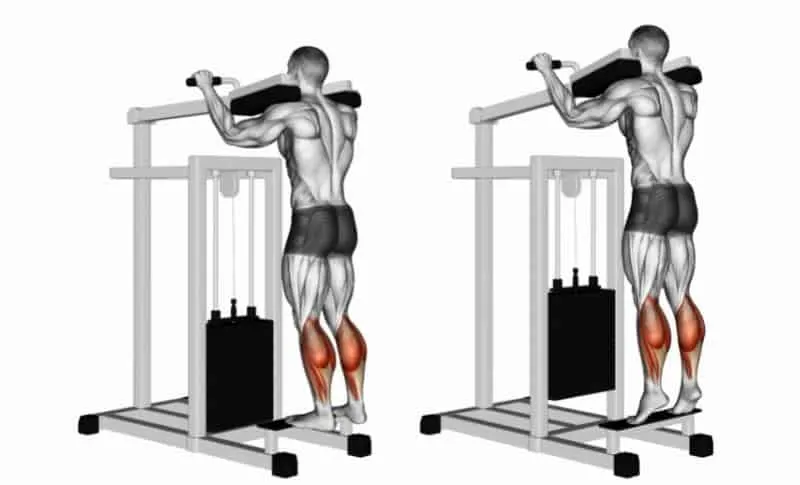
Straight Leg Calf Raises: 3xFailure
Calves are the easiest and the hardest muscle group to grow since the majority of it is genetically based, but the best exercises will be any standing calf raise since the gastrocnemius is the most active. Also, don't do full ROM for calves; studies show that the calves grow the most in lengthened partials. This means the most negative part of your calf to the baseline where your foot is flat.
This is it for my gym guide Hope this helps since this is my exact split.
This split will consist of 3x upper frequency and 2x lower frequency. If you want to be in the gym 5 times a week and don't want to do FBEOD bullshit, this is perfect for you.
Monday: Upper
Tuesday: Rest
Wednesday: Lower
Thursday: Upper
Friday: Rest
Saturday: Upper
Sunday: Lower
Upper Day - A perfect upper day consists of 2 chest movements, 3 shoulder movements, 3 back movements, and 2 arm movements.
Lower Day - A perfect lower day consists of 2 quad movements, 2 hamstring movements, adductors, and calves.
Chest: The chest is made up of two main regions: the upper chest and the middle/lower chest. The main purpose of the chest muscle is to perform horizontal adduction, with shoulder flexion being specific to the upper chest and shoulder extension and vertical adduction to the lower chest.
Shoulder: The shoulder is made up of 3 main parts: the front, side, and rear deltoids. The front deltoid performs shoulder flexion and abduction, the side delt performs abduction, and the rear delt performs vertical and horizontal extension.
Back: The back consists of 2 regions: upper back and lats. Upper Back: The upper back contains the traps and rhomboids; their function is retracting the scapula. Lats: The lats are the muscles that add width and that wing look to your back. They function in shoulder extension and adduction.
Arms: Your arm consists of many muscles, but they can be grouped as triceps and biceps. Triceps: This group consists of three heads: the long head, medial head, and lateral head. They all have the function of extending the elbow except the long head; it has an additional function of shoulder extension. Biceps: This group consists of two heads, which both have the function of flexing the elbow.
Quads: A quad consists of four main muscles, which all extend the knee. The rectus femoris also has the secondary function of flexing the hip.
Hamstring: The hamstring consists of four main muscles, which all flex the knee. Three of them also have the function of extending the hip.
Adductors: Adductors are made up of multiple different muscles. They all have the function of adduction, while the adductor magnus also has another function of hip extension as it specifically crosses the hip.
Calves: Calves are made up of two muscles; the main function of the calf is plantarflexion as well as the gastrocnemius having some activation in knee flexion. The gastrocnemius is the main part of your calf, which is the focus of your calf training, but it connects to the knee. This means you should do calf exercises with a straight knee.
Now that we know how each muscle group works, let's structure the perfect upper and lower.
- Upper Day -
Chest: Flat Chest Flies: 2x6-8, Incline Press: 1-2x6-8 reps
The majority of your chest gets enough stimulant from chest flies, so doing 1 set is enough for incline; if you prefer 2, feel free to do 2.
Shoulders: Machine Shoulder Press: 1-2x6-8, Rear Delt Fly: 2x6-8, Machine Lateral Raise: 2x6-8
The shoulder press goes in sync with the incline: 1 set of incline, 2 sets of shoulders, and vice versa. Rear delt fly can be superset with chest flies since you will be on the same machine. Lateral raises can be done on a machine or cable; I prefer the machine since it's more stable.
Back: Lat Pulldown: 2x6-8, Close Grip Row: 2x6-8, Kelso Shrugs: 2x6-8
This is all fairly simple; you need 2 movements to fully hit your lats, a pulldown training adduction and a close-grip row training shoulder extension. Kelso shrugs fully isolates your traps and trains scapular retraction.
Arms: Preacher Curl: 2x6-8. Reverse Curl: 2x6-8, Tricep Pushdown: 2x6-8, JM Press: 1-2x6-8
For the bicep, you want to do a supinated curl like a preacher, and for the brachioradialis, you want to do a pronated curl like a reverse curl. For the triceps, you want to perform a pushdown with your upper arm stationary by your side, then additionally, to bias the medial/lateral head separately, you can do something where the shoulder is moving, like the JM press.
This is it for the upper day; every exercise can be swapped for something you prefer, but this is the most optimal for each group.
- Lower Day -
Leg Extension: 2x6-8, Leg Press: 1-2x6-8
To train the entire quad, all you need is a leg extension and a leg press. Have a low foot placement to bias the quads more.
Seated Leg Curl: 2x6-8, SLDL: 2x6-8
Training the entirety of the hamstring consists of knee flexion exercises, for which the seated leg curls are perfect and most stable, and a hinge exercise like the SLDL.
Adductor Machine: 2x6-8
To train the entirety of the adductor, you want to perform adduction, the second function of the adductor magnus. You can do a hinge exercise, which we already have, the SLDL.
Straight Leg Calf Raises: 3xFailure
Calves are the easiest and the hardest muscle group to grow since the majority of it is genetically based, but the best exercises will be any standing calf raise since the gastrocnemius is the most active. Also, don't do full ROM for calves; studies show that the calves grow the most in lengthened partials. This means the most negative part of your calf to the baseline where your foot is flat.
This is it for my gym guide
Hope this helps since this is my exact split.