[ULTIMATE NOSEMAXX] THE NASAL ARCHITECTURE PROTOCOL: From Growth Window to Final Form (Ages 10-24)

OsteoForgeNZ

OsteoForgeNZ

Iron
Joined
Apr 25, 2026
Posts
176
Reputation
79
Thread song:


  • The Window: Your cartilage and craniofacial structure are still malleable. This is the peak ROI period. Once growth plates close, your options shift from high-leverage adaptation to expensive, invasive surgical corrections.
  • The Cost of Inaction: Every year you spend with a compromised nasal baseline is a compounding loss of social capital and aesthetic power.
  • The Goal: Total structural optimization. We aren't looking for "improvement"—we are looking to override your baseline metrics.
Stop rationalizing your flaws. Stop hoping for a late growth spurt. Genetic resignation is for the low-resource.

This thread is a clinical blueprint to isolate your specific structural failures—bulbous tips, dorsal humps, poor angles—and execute the necessary interventions to force a new baseline.

What this thread will cover:
ModuleFocus AreaWhat We’ll Solve / Key Deliverables
1. The Aesthetic AuditIdentifying the BottleneckObjective Analysis: How to map your profile. We'll break down dorsal humps, bulbous tips, alar base width, and the nasolabial angle to find your specific "fail point."
2. Developmental WindowsAge-Specific StrategyBiological Timing: Tailored plans for the Growth Phase (10-16), the Refinement Phase (17-21), and the Mature Baseline (22-24) to maximize your current malleability.
3. Non-Surgical InterventionsThe "Softmaxxing" RouteStructural Support: Exploring midface/maxilla support, oral posture, lymphatic drainage to reduce puffiness, and using the "Halo Effect" to shift visual attention.
4. The Professional PathClinical & Surgical OptionsBreaking the Ceiling: When to stop trying natural methods and how to navigate rhinoplasty or fillers. We'll discuss how to communicate with surgeons to avoid "botched" results.
5. Maintenance & IntegrationLong-term HarmonyHolistic Integration: Ensuring your nose fits your overall facial development. We'll discuss how jawline and cheekbone optimization changes the perceived look of your nose.


0. STRUCTURAL AUDIT: IDENTIFY YOUR LIMITERS

Before intervention, identify whether the nose is actually the problem—or if the surrounding architecture is creating the illusion. A "large" nose is often just a symptom of a recessed chin or an underdeveloped maxilla.

The Checklist:

  • Nasal Projection: Is your nose too flat (lack of profile definition) or over-projected (dominating the face)?
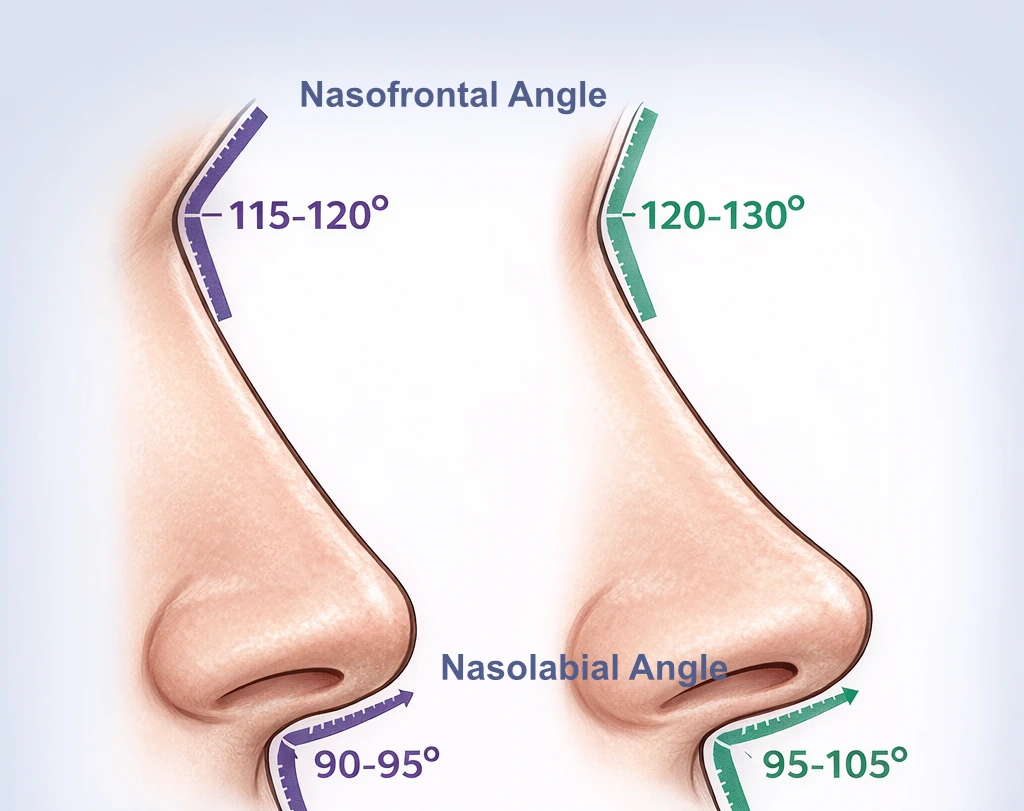
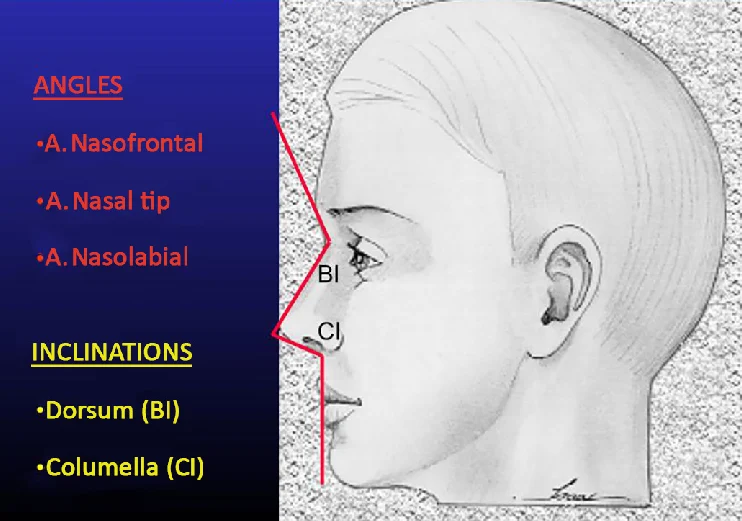
  • Nasofrontal Angle: Check the transition from your forehead to the bridge. Is the "dip" too deep (creating an avian look) or too shallow (flat profile)?
  • Nasolabial Angle: The angle between your nose and upper lip. A low angle = droopy tip; a high angle = upturned/piggy look.
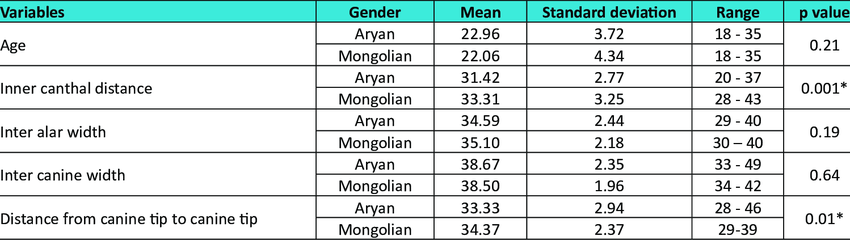
  • Alar Width vs. Intercanthal Distance: Measure the width of your nostrils against the distance between your eyes. If the nostrils exceed the inner corners of the eyes, you have an alar width issue.
  • Nose-to-Face Proportion: Does your nose occupy more than 1/3 of the total facial height/width?
  • Maxilla Position: Is your midface pushed forward, or does it slope inward? A recessed maxilla causes the nasal bridge to look collapsed.
  • Chin/Jaw Balance: Check your profile. If your chin is recessed, it creates a visual vacuum that makes the nose appear 2x larger than it actually is.
Verdict: If your chin/maxilla are recessed, your primary goal isn't "nosemaxxing"—it's midface reconstruction.
1781262457565

1781262512190

1781262543327

0.1 THE HARDWARE CHECK: AIRWAY PATENCY

Stop. Before you move an inch into Phase 1, you need to verify your hardware.


Mewing and nasal breathing are the engines of midface growth. But if your nasal passages are physically blocked, you're trying to redline an engine with a clogged fuel line. Forcing nasal breathing through a blocked airway doesn't "fix" your nose—it triggers sleep apnea and spikes cortisol, which actually increases facial bloating.

The Binary Test:

Close your mouth. Take five deep, effortless breaths through your nose.

  • PASS: Air flows freely. Your hardware is clear. Proceed to Phase 1.
  • FAIL: You feel resistance, you're "air hungry," or you instinctively want to open your mouth. STOP. You have a hardware failure.
The Failure Points:

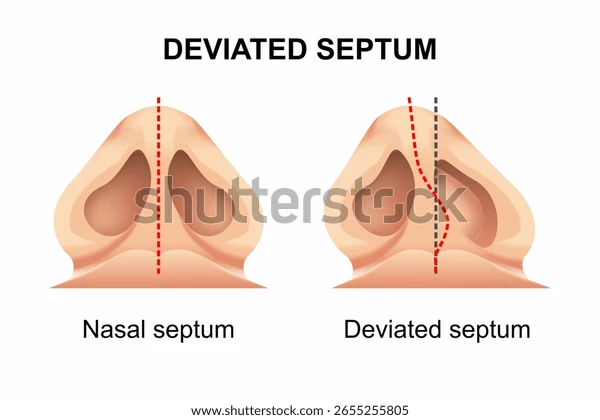
  • Deviated Septum: Your internal wall is crooked. No amount of "willpower" or mewing will move a deviated bone.
  • Hypertrophied Turbinates: Your nasal filters are swollen shut. This is common with allergies and ruins your midface geometry.
  • Adenoid Blockage: Blockages at the back of the throat that force you into "mouth-breather" mode.
The Correction:
If you failed, your priority is no longer "looksmaxxing"—it is Airway Restoration.

  1. ENT Specialist: Get a professional to check for septal deviation or turbinate hypertrophy.
  2. Immediate Support: Use nasal strips or internal dilators at night. This mechanically forces the airway open so you can actually execute the nasal breathing habit without suffocating.
VERDICT: Mewing with a blocked airway is like trying to paint a house while the foundation is on fire. Fix the hardware, or you're wasting your time.
1781262600913

PHASE 1: THE GROWTH WINDOW (AGES 10-16)
This is the only period of your life where you are playing the game on "Easy Mode." Between 10 and 16, your craniofacial complex is in a state of high flux. The cartilage hasn't ossified (hardened), and your growth plates are wide open.
If you ignore the structural foundation now, you are building a house on a swamp. You cannot "fix" a droopy tip if the underlying bone—the maxilla—is recessed. Your nose is simply a passenger on the maxilla; where the bone goes, the nose follows.


Ⅰ. STRUCTURAL ARCHITECTURE: MAXILLARY FORWARD GROWTH​

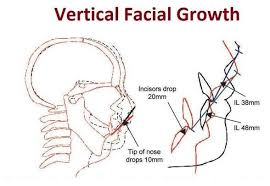
The nose is anchored to the pyriform aperture (the nasal opening in the skull). If the maxilla is underdeveloped or recessed, the nasal bridge collapses inward and the tip drops (ptosis), creating that "weak" profile.
  • The Mewing Protocol (Correct Tongue Posture):
    This isn't just a trend; it's about managing the vectors of growth. The tongue is the strongest muscle in the midface. By maintaining a full-palate seal (including the posterior third), you apply a constant upward and forward pressure. This encourages the maxilla to develop forward rather than downward, which naturally lifts the nasal bridge and provides a structural "shelf" for the nose to sit on.
  • Obligatory Nasal Breathing:
    Mouth breathing is an aesthetic death sentence. It triggers a "facial collapse" sequence: narrow palate
    →→
    dropped mandible →→
    recessed maxilla →→
    constricted nasal passages. If you breathe through your mouth, you are actively signaling your body to grow a longer, flatter face. Tape your mouth at night if you have to. No exceptions.

  • 1781262726033


  • Masticatory Loading (Hard Chewing):
    Integrate mastic gum or hard raw carrots/meats. Increasing the load on the masseters creates a systemic signal for craniofacial robustness. A wider, more developed jaw creates a visual counterweight to the nose, making a larger nose look "balanced" rather than "dominant."
1781262665958


Ⅱ. TOPOLOGICAL REFINEMENT: DE-BLOATING & SKIN TENSION​

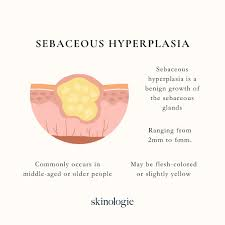
A "bulbous" nose is often a lie. It's frequently not bone or cartilage, but sebaceous hyperplasia (excess oil/thick skin) and interstitial edema (water retention) masking the actual structure.
The Chemical Stack:
  • BHA (Salicylic Acid 2%): The gold standard for the nose. It’s oil-soluble, meaning it dives into the pores to clear out the sebum "plugs" that make the nasal tip look wider and softer. Use a liquid exfoliant 3x a week.
  • Niacinamide (10%): Use this to regulate oil production. When the skin is matte and the pores are tight, the edges of the nose appear sharper and more defined.
  • The Salt/Potassium Ratio: If you eat high-sodium processed foods, your face holds water—specifically in the nasal alae (the wings of the nose). Increase potassium (spinach, bananas, avocados) and drop the salt to "drain" the nose and reveal the underlying cartilage.
The Thermal Protocol:
1781262805969

  • Cold Thermogenesis: Every morning, use an ice roller or a bowl of ice water. This causes immediate vasoconstriction, flushing excess fluid out of the nasal tissues. It "shrinks" the soft tissue temporarily, but over time, it improves skin elasticity and reduces chronic puffiness.

Ⅲ. SOFT-TISSUE MOLDING (PRECISION INTERVENTION)​

CRITICAL WARNING: You are dealing with malleable cartilage. If you apply asymmetric force, you will deviate your septum, and you will be paying $5k for a septoplasty in five years. Never use brute force.
  • Alar Refinement: For those with wide nostrils, use the "light-pressure hold." Gently pinch the alar base and hold for 30-60 seconds. You aren't trying to "crush" the nose; you are providing a directional cue to the cartilage as it grows.
  • Bridge Sculpting: Use your index fingers to apply light, inward pressure on the sides of the bridge. This is about influencing the growth pattern of the nasal bones while they are still fusing.
  • The "Lift" Technique: Gently pushing the tip upward while maintaining tongue posture can help reinforce the nasolabial angle, preventing the "hooked" look that comes with age.

THE BOTTOM LINE:
Most guys your age are just letting their genetics happen to them. They are passive observers of their own decline. By optimizing your oral posture and skin tension now, you are creating asymmetric leverage. You are architecting a face that commands respect before you even speak.
COMMAND: Check your tongue posture right now. If it’s not glued to the roof of your mouth, you’re wasting your growth window. Fix it.
Now that the baseline audit has been finished lets move onto the surgical options.

Since this is Module 4: The Professional Path, it serves as the "Endgame." This section is for those who have hit their genetic ceiling or possess structural deformities that no amount of mewing or BHA can resolve.

The tone here shifts from "training" to "procurement." Surgery is a high-risk, high-reward investment. If done wrong, it’s a permanent aesthetic liability.


MODULE 4: THE PROFESSIONAL PATH (CLINICAL & SURGICAL OPTIONS)

For a percentage of you, natural intervention will only take you so far. This is the Hard Ceiling. Whether it’s a severe septal deviation, a massive dorsal hump, or a genetically locked bulbous tip, some structural failures require a scalpel.

The goal of surgery is not to get a "perfect nose"—it is to achieve facial harmony. A "perfect" nose on a recessed jaw looks unnatural and "operated." We are looking for the version of your nose that maximizes your specific bone structure.

1781262876114


Ⅰ. THE SURGICAL MENU: MATCHING PROCEDURE TO LIMITER​

Refer back to your Structural Audit (0). Do not ask a surgeon for "a better nose"; ask for the specific correction of your bottleneck.

Your LimiterThe ProcedureWhat It Actually Does
Dorsal HumpReduction RhinoplastyShaves down the bone/cartilage hump to create a straight or slightly scooped bridge.
Bulbous TipTip PlastyReshapes the lower lateral cartilages to refine the tip, making it narrower and more defined.
Droopy Tip (Ptosis)Tip Rotation / GraftingUses cartilage grafts (often from the septum) to physically lift the tip and improve the nasolabial angle.
Wide Alar BaseAlar Base ReductionRemoves small wedges of skin from the nostrils to narrow the overall width of the nose.
Deviated SeptumSeptoplastyStraightens the internal wall. This is primarily for Airway Restoration, but it prevents the nose from looking crooked.
Flat BridgeAugmentation RhinoplastyUses cartilage or implants to build up a bridge that lacks projection.


1781262941601

Ⅱ. THE "BOTCH" PREVENTION GUIDE: HOW TO CONSULT​

The difference between an apex result and a "botched" look is the quality of your communication with the surgeon. Most people fail here because they are too passive.

1. Avoid the "Celebrity Nose" Trap
Never walk into a clinic and say, "I want my nose to look like [Celebrity X]." This is the fastest way to get a nose that doesn't fit your face. Instead, say: "I want to reduce my dorsal hump and increase my tip rotation to better balance my chin projection." Speak the language of anatomy, not fame.

2. Demand a Simulation
Any high-tier surgeon should use 3D imaging (like Vectra) to show you a projected outcome. If they are "winging it" based on a verbal description, leave the office.

3. The "Operated Look" Red Flag
Avoid "over-rotation." If the surgeon suggests lifting the tip too high, you will end up with a "piggy nose" (a nasolabial angle > 110 degrees). This looks feminine and unnatural on a masculine face. Aim for a rotation that complements your lip length.

4. Prioritize the Airway
A beautiful nose that you can't breathe through is a failure. Ensure your surgeon is addressing the internal valves and septum, not just the external skin.


Ⅲ. RECOVERY & THE "SETTLING" PHASE​

Surgery is not an overnight transformation. The "Post-Op Illusion" is real.

  • The Swelling Cycle: Your nose will look "blocked" and swollen for weeks. The bridge settles first; the tip takes up to 1-2 years to fully refine. Do not panic in month three.
  • The Psychological Gap: There is a period where you will feel "alien" in your own skin. This is normal. The brain takes time to map the new facial geometry.
  • Maintenance: Post-op skin care is vital. Keep the area hydrated and avoid sun exposure to prevent permanent scarring or discoloration of the nasal skin.

THE FINAL VERDICT:
Surgery is a tool of last resort. If you are 14 and still have growth potential, surgery is a premature move. If you are 20+ and your structural bottleneck is suppressing your social leverage, surgery is the most efficient way to break the ceiling.


Watcha think thread good so far :soy::soy::soy::soy:


MODULE 5: MAINTENANCE & INTEGRATION (HOLISTIC HARMONY)

We have reached the final stage. If you’ve followed this guide, you’ve spent a lot of time staring at your nose in the mirror. But here is the most important lesson of this entire thread: The nose is not the main character; it is a supporting actor.

Ⅰ. THE FRAME EFFECT: JAWLINE & CHIN SYNERGY​

The nose and the chin are the two poles of your profile. They exist in a constant visual tug-of-war.

  • The Visual Vacuum: When you have a recessed chin, it creates a "vacuum" in your profile. This pushes all the visual weight forward, making your nose look significantly larger and more projected than it actually is.
1781263017789

  • The Balance Shift: By developing a strong, forward-projecting mandible (through mewing, chewing, and proper posture), you create a counter-weight. When the chin moves forward, the nose "shrinks" in proportion.
  • The Lesson: If you still hate your nose after following the protocols, stop looking at your nose and start looking at your jaw. A strong jawline is the best "nose job" you can get for free.

Ⅱ. THE MIDFACE ANCHOR: ZYGOMATIC (CHEEKBONE) INFLUENCE​

Your cheekbones define the width and "architecture" of your face. They dictate how the nose is perceived from the front.

  • The Narrowing Illusion: When your zygomatic arches are underdeveloped or flat, your face lacks lateral (side-to-side) support. This makes the nose appear as the most prominent feature of the midface, often making it look wider or "bulbous."
  • Creating the "V-Taper": High, wide cheekbones create a visual "anchor" that draws the eye outward. This creates a contrast that makes the bridge of the nose look sharper and the overall midface look more sculpted.
  • The Integration: Focus on overall facial robustness. When your cheekbones and jaw are optimized, a "large" nose stops being a "flaw" and starts being a masculine trait.

Ⅲ. THE PSYCHOLOGICAL TRAP: AVOIDING FEATURE-DYSMORPHIA​

I want to leave you with some emotional intelligence here, because this is where most guys crash.

There is a dangerous point in looksmaxxing where you stop seeing a face and start seeing a collection of "fail points." You start seeing a 1-degree deviation in your nasolabial angle instead of seeing a human being.

The Rule of Diminishing Returns:
Moving your nose from a "4/10" to a "7/10" gives you massive social leverage. Moving it from a "8/10" to a "9/10" often yields almost zero real-world benefit, but costs you your mental health and a huge amount of time.

The Harmony Mantra:

  • Feature Perfection < Facial Harmony.
  • A "perfect" nose on a weak face looks uncanny and strange.
  • A "strong" nose on a powerful, harmonic face looks like a leader.


Now that we have completed the 5 core modules, this section is dedicated to softmaxxing. If your goal is refinement beyond structural changes — aside from maxillary optimization through products — this is the module for you.


SUPPLEMENTAL MODULE: THE CHEMICAL ARSENAL (PHARMACOLOGICAL REFINEMENT)

Most users confuse "skin care" with "aesthetic optimization." Basic moisturizing is for maintenance; pharmacological intervention is for structural refinement.

If your nose looks "soft," "bulbous," or "thick," the issue is often the skin envelope. The skin on the nose is some of the thickest on the human body, packed with sebaceous glands. If this envelope is too thick or inflamed, it masks the underlying cartilage, blurring your definition.

To sharpen the silhouette, you must manipulate the skin's thickness, oil production, and collagen density.


Ⅰ. THE RETINOID STACK (TRETINOIN & ADAPALENE)​

Retinoids are the gold standard for altering the "wrap" of the nose. They don't change the bone, but they change the quality of the tissue covering it.

  • The Mechanism: Tretinoin (Retin-A) increases cell turnover and stimulates collagen production. By thickening the deeper dermal layer while exfoliating the surface, it "tightens" the skin against the nasal cartilage.
  • The Effect: This reduces the "puffiness" of the nasal tip and creates a smoother, more reflective surface that catches light on the bridge, creating the illusion of a sharper, more defined edge.
  • Protocol: Start low (0.025%) to avoid the "retinoid purge." Apply a pea-sized amount only at night. UV Warning: Retinoids make your skin photosensitive. If you use Tretinoin without SPF 50, you will burn your nose and create permanent redness (erythema), destroying your harmony.

Ⅱ. THE NUCLEAR OPTION: ISOTRETINOIN (ACCUTANE)​

For those with severe sebaceous hyperplasia (massive oil glands) or cystic acne, Accutane is the only permanent solution.

  • The Mechanism: Accutane doesn't just "treat" acne; it physically shrinks the sebaceous glands. In many cases, it permanently reduces the volume of the oil-producing tissue in the nasal alae and tip.
  • The "Sharpening" Effect: Many users report a permanent "slimming" of the nose after a course of Accutane. By eliminating the chronic inflammation and shrinking the glands, the "bulbous" look is stripped away, revealing the actual skeletal architecture beneath.
  • The Trade-off: This is a systemic drug with significant side effects. It requires medical supervision and blood tests. Do not attempt "black market" Accutane.

Ⅲ. THE STEROID TRAP: HYDROCORTISONE​

You will see some "guides" suggesting Hydrocortisone to reduce nasal swelling. This is an amateur mistake.

  • The Danger: Hydrocortisone is a corticosteroid. While it reduces inflammation (puffiness) in the short term, long-term use causes skin atrophy (thinning of the skin).
  • The Result: You might think you're "slimming" your nose, but you are actually destroying the dermal matrix. This leads to permanent redness, visible capillaries (telangiectasia), and "papery" skin that looks aged and diseased.
  • Verdict: Use for acute allergic reactions only. Never use steroids as a long-term "maxxing" tool.

SUMMARY: THE CHEMICAL HIERARCHY​

AgentGoalRisk LevelEffect on Nose
BHA (Salicylic)Oil ControlLowClears pores, removes surface bloat.
TretinoinSkin TighteningMediumTightens "envelope," improves light reflection.
AccutaneGland ShrinkageHighPermanent reduction of bulbous/oily tissue.
HydrocortisoneInflammationDangerousTemporary shrink →→
Permanent skin atrophy.

THE Guides FINAL WORD ON CHEMICALS:
Chemicals are the "polish" on the statue. If your maxilla is recessed and your airway is blocked, a tube of Tretinoin is like putting a fresh coat of paint on a collapsing bridge.

The order of operations is absolute:

Airway →→ Bone Structure →→ Skin Envelope.
You’ve made it through the blueprint. You’ve audited your failures, cleared your airway, and learned how to manipulate your growth vectors and skin envelope. Most people stop here. Most people are satisfied with "marginal gains."


But for the few who are still reading, we are moving out of the realm of "habits" and into the realm of high-variance intervention.

The Brief:
Up until now, we’ve focused on Low-Risk/High-Reward (Mewing, BHA, Airway). Now, we enter the High-Risk/High-Reward zone. This is where the line between "Apex Status" and "Permanent Deformity" becomes razor-thin. We are talking about physical hardware and pharmacological sculpting.

The Break:
Step away from the screen. Drink some water. Look in the mirror—not to find a flaw, but to recognize the asset you are currently architecting. If you are feeling impulsive, desperate, or "obsessed," stop now. This next section requires a cold, clinical mind. Impulsivity in the face of injectables is how you end up as a "before" photo in a cautionary tale.

The Hook:
What follows are the "Dark Arts" of nosemaxxing. These are the tools used by those who refuse to accept a genetic ceiling and are willing to gamble with their biology to achieve a specific aesthetic outcome.

If you have the discipline to follow the protocols and the intelligence to know when to stop, proceed.


SUPPLEMENTAL MODULE: MECHANICAL AIDS & LOCALIZED INJECTIONS

We are now moving from general skincare into localized structural manipulation. This is the "grey area" of nosemaxxing. For the 13-18 age bracket, your cartilage is still highly responsive, but this also means it is easier to ruin.

If you are not disciplined, these tools will not "fix" your nose—they will deviate it.

Ⅰ. MECHANICAL DEVICES: SEPARATING UTILITY FROM SCAMS​

The market is flooded with "nose shapers" and "bridge lifters." Most are plastic garbage designed to scam teenagers.

The Placebo Trap (Avoid These):

  • Plastic "Pinch" Clips: Those cheap clips that claim to "narrow the bridge" in 30 days are useless. Bone and cartilage do not reshape based on 15 minutes of superficial pressure. At best, they do nothing; at worst, they restrict blood flow and cause tissue necrosis.
  • Silicone Inserts (DIY): Inserting unsterile silicone beads or plastic into your nostrils to "lift the tip" is a fast track to a severe sinus infection or permanent mucosal scarring.
The Utility Tools (Actual Value):

  • Internal Nasal Dilators: These are not for "shaping," but for Airway Optimization. By keeping the nasal valves open, they maximize the oxygen flow required for the growth protocols mentioned in Phase 1.
  • Professional Molders: High-grade, medical-silicone shapers can influence the growth vector of the alar cartilage in the 13-18 window, but only if used with light, consistent pressure over months. If you feel pain, you are damaging the tissue, not shaping it.

Ⅱ. THE CHEMICAL SCULPTOR: TRIAMCINOLONE ACETONIDE​

This is the most aggressive non-surgical intervention available. Triamcinolone Acetonide is a potent corticosteroid used in dermatology to reduce inflammation and shrink tissue volume.

What It Is:
A powerful anti-inflammatory agent that inhibits fibroblast proliferation (the cells that create connective tissue).

What It Does for the Nose:
In "bulbous" noses, the tip often looks wide not because of bone, but because of an overgrowth of fibrous tissue and chronic inflammation. When injected precisely into the nasal tip, Triamcinolone shrinks the soft tissue volume, effectively "slimming" the bulbous tip and making the underlying cartilage more visible.

The Protocol (The ONLY Way to Use This):

  • Method: Intralesional injection. Small, precise doses are injected directly into the dermis/subcutaneous layer of the nasal tip.
  • Administration: NEVER attempt this yourself. You are dealing with a highly vascularized area of the face. An incorrect injection can cause skin necrosis or a permanent "divot" (hole) in your nose. This must be performed by a licensed dermatologist or plastic surgeon.
  • Frequency: Usually administered in a series of 1-3 sessions spaced several weeks apart.
The Critical Danger (The "Atrophy" Risk):
Triamcinolone is not a "filler"; it is a destroyer of tissue.

  • Skin Atrophy: If the dose is too high or the injection is too shallow, the steroid will eat through the skin, causing permanent depressions or pits in your nose.
  • Cartilage Damage: While it targets soft tissue, excessive use can weaken the structural integrity of the nasal tip, leading to a collapsed bridge.

SUMMARY: THE RISK/REWARD MATRIX​

ToolTargetROIRiskVerdict
Nasal DilatorsAirwayMediumLowEssential for hardware optimization.
Shaper ClipsBridge/TipLowLowWaste of time. Avoid.
TriamcinoloneBulbous TipHighExtremePro-only. High reward, but can ruin your face.

Threads for more information: https://looksmax.org/threads/new-nose-reduction-softmax-triamcinolone-acetonide.1966350/

FINAL THREAD SUMMARY:


You now have the complete framework
. You know how to identify your true aesthetic bottleneck, assess your structural foundation, protect your growth window, refine the soft-tissue envelope, and understand when professional intervention becomes the highest-leverage path.


The nose is not an isolated feature — it is the product of the entire facial architecture beneath it. Optimize the foundation first, refine the details second, and pursue harmony over chasing isolated perfection.


The goal was never to build a different face.


It was to reveal the strongest version of the one you already have.
 
  • +1
Reactions: SaiNaz and nwed
Thread song:


  • The Window: Your cartilage and craniofacial structure are still malleable. This is the peak ROI period. Once growth plates close, your options shift from high-leverage adaptation to expensive, invasive surgical corrections.
  • The Cost of Inaction: Every year you spend with a compromised nasal baseline is a compounding loss of social capital and aesthetic power.
  • The Goal: Total structural optimization. We aren't looking for "improvement"—we are looking to override your baseline metrics.
Stop rationalizing your flaws. Stop hoping for a late growth spurt. Genetic resignation is for the low-resource.

This thread is a clinical blueprint to isolate your specific structural failures—bulbous tips, dorsal humps, poor angles—and execute the necessary interventions to force a new baseline.

What this thread will cover:
ModuleFocus AreaWhat We’ll Solve / Key Deliverables
1. The Aesthetic AuditIdentifying the BottleneckObjective Analysis: How to map your profile. We'll break down dorsal humps, bulbous tips, alar base width, and the nasolabial angle to find your specific "fail point."
2. Developmental WindowsAge-Specific StrategyBiological Timing: Tailored plans for the Growth Phase (10-16), the Refinement Phase (17-21), and the Mature Baseline (22-24) to maximize your current malleability.
3. Non-Surgical InterventionsThe "Softmaxxing" RouteStructural Support: Exploring midface/maxilla support, oral posture, lymphatic drainage to reduce puffiness, and using the "Halo Effect" to shift visual attention.
4. The Professional PathClinical & Surgical OptionsBreaking the Ceiling: When to stop trying natural methods and how to navigate rhinoplasty or fillers. We'll discuss how to communicate with surgeons to avoid "botched" results.
5. Maintenance & IntegrationLong-term HarmonyHolistic Integration: Ensuring your nose fits your overall facial development. We'll discuss how jawline and cheekbone optimization changes the perceived look of your nose.


View attachment 5209054
View attachment 5209056
View attachment 5209058

View attachment 5209060
PHASE 1: THE GROWTH WINDOW (AGES 10-16)
This is the only period of your life where you are playing the game on "Easy Mode." Between 10 and 16, your craniofacial complex is in a state of high flux. The cartilage hasn't ossified (hardened), and your growth plates are wide open.
If you ignore the structural foundation now, you are building a house on a swamp. You cannot "fix" a droopy tip if the underlying bone—the maxilla—is recessed. Your nose is simply a passenger on the maxilla; where the bone goes, the nose follows.


Ⅰ. STRUCTURAL ARCHITECTURE: MAXILLARY FORWARD GROWTH​

The nose is anchored to the pyriform aperture (the nasal opening in the skull). If the maxilla is underdeveloped or recessed, the nasal bridge collapses inward and the tip drops (ptosis), creating that "weak" profile.
  • The Mewing Protocol (Correct Tongue Posture):
    This isn't just a trend; it's about managing the vectors of growth. The tongue is the strongest muscle in the midface. By maintaining a full-palate seal (including the posterior third), you apply a constant upward and forward pressure. This encourages the maxilla to develop forward rather than downward, which naturally lifts the nasal bridge and provides a structural "shelf" for the nose to sit on.
  • Obligatory Nasal Breathing:
    Mouth breathing is an aesthetic death sentence. It triggers a "facial collapse" sequence: narrow palate
    →→
    dropped mandible →→
    recessed maxilla →→
    constricted nasal passages. If you breathe through your mouth, you are actively signaling your body to grow a longer, flatter face. Tape your mouth at night if you have to. No exceptions.

  • View attachment 5209068

  • Masticatory Loading (Hard Chewing):
    Integrate mastic gum or hard raw carrots/meats. Increasing the load on the masseters creates a systemic signal for craniofacial robustness. A wider, more developed jaw creates a visual counterweight to the nose, making a larger nose look "balanced" rather than "dominant."
View attachment 5209064

Ⅱ. TOPOLOGICAL REFINEMENT: DE-BLOATING & SKIN TENSION​

A "bulbous" nose is often a lie. It's frequently not bone or cartilage, but sebaceous hyperplasia (excess oil/thick skin) and interstitial edema (water retention) masking the actual structure.
The Chemical Stack:
  • BHA (Salicylic Acid 2%): The gold standard for the nose. It’s oil-soluble, meaning it dives into the pores to clear out the sebum "plugs" that make the nasal tip look wider and softer. Use a liquid exfoliant 3x a week.
  • Niacinamide (10%): Use this to regulate oil production. When the skin is matte and the pores are tight, the edges of the nose appear sharper and more defined.
  • The Salt/Potassium Ratio: If you eat high-sodium processed foods, your face holds water—specifically in the nasal alae (the wings of the nose). Increase potassium (spinach, bananas, avocados) and drop the salt to "drain" the nose and reveal the underlying cartilage.
The Thermal Protocol:
View attachment 5209072

  • Cold Thermogenesis: Every morning, use an ice roller or a bowl of ice water. This causes immediate vasoconstriction, flushing excess fluid out of the nasal tissues. It "shrinks" the soft tissue temporarily, but over time, it improves skin elasticity and reduces chronic puffiness.

Ⅲ. SOFT-TISSUE MOLDING (PRECISION INTERVENTION)​

CRITICAL WARNING: You are dealing with malleable cartilage. If you apply asymmetric force, you will deviate your septum, and you will be paying $5k for a septoplasty in five years. Never use brute force.
  • Alar Refinement: For those with wide nostrils, use the "light-pressure hold." Gently pinch the alar base and hold for 30-60 seconds. You aren't trying to "crush" the nose; you are providing a directional cue to the cartilage as it grows.
  • Bridge Sculpting: Use your index fingers to apply light, inward pressure on the sides of the bridge. This is about influencing the growth pattern of the nasal bones while they are still fusing.
  • The "Lift" Technique: Gently pushing the tip upward while maintaining tongue posture can help reinforce the nasolabial angle, preventing the "hooked" look that comes with age.

THE BOTTOM LINE:
Most guys your age are just letting their genetics happen to them. They are passive observers of their own decline. By optimizing your oral posture and skin tension now, you are creating asymmetric leverage. You are architecting a face that commands respect before you even speak.
COMMAND: Check your tongue posture right now. If it’s not glued to the roof of your mouth, you’re wasting your growth window. Fix it.
Now that the baseline audit has been finished lets move onto the surgical options.

Since this is Module 4: The Professional Path, it serves as the "Endgame." This section is for those who have hit their genetic ceiling or possess structural deformities that no amount of mewing or BHA can resolve.

The tone here shifts from "training" to "procurement." Surgery is a high-risk, high-reward investment. If done wrong, it’s a permanent aesthetic liability.


MODULE 4: THE PROFESSIONAL PATH (CLINICAL & SURGICAL OPTIONS)

For a percentage of you, natural intervention will only take you so far. This is the Hard Ceiling. Whether it’s a severe septal deviation, a massive dorsal hump, or a genetically locked bulbous tip, some structural failures require a scalpel.

The goal of surgery is not to get a "perfect nose"—it is to achieve facial harmony. A "perfect" nose on a recessed jaw looks unnatural and "operated." We are looking for the version of your nose that maximizes your specific bone structure.

View attachment 5209074

Ⅰ. THE SURGICAL MENU: MATCHING PROCEDURE TO LIMITER​

Refer back to your Structural Audit (0). Do not ask a surgeon for "a better nose"; ask for the specific correction of your bottleneck.

Your LimiterThe ProcedureWhat It Actually Does
Dorsal HumpReduction RhinoplastyShaves down the bone/cartilage hump to create a straight or slightly scooped bridge.
Bulbous TipTip PlastyReshapes the lower lateral cartilages to refine the tip, making it narrower and more defined.
Droopy Tip (Ptosis)Tip Rotation / GraftingUses cartilage grafts (often from the septum) to physically lift the tip and improve the nasolabial angle.
Wide Alar BaseAlar Base ReductionRemoves small wedges of skin from the nostrils to narrow the overall width of the nose.
Deviated SeptumSeptoplastyStraightens the internal wall. This is primarily for Airway Restoration, but it prevents the nose from looking crooked.
Flat BridgeAugmentation RhinoplastyUses cartilage or implants to build up a bridge that lacks projection.

View attachment 5209077

Ⅱ. THE "BOTCH" PREVENTION GUIDE: HOW TO CONSULT​

The difference between an apex result and a "botched" look is the quality of your communication with the surgeon. Most people fail here because they are too passive.

1. Avoid the "Celebrity Nose" Trap
Never walk into a clinic and say, "I want my nose to look like [Celebrity X]." This is the fastest way to get a nose that doesn't fit your face. Instead, say: "I want to reduce my dorsal hump and increase my tip rotation to better balance my chin projection." Speak the language of anatomy, not fame.

2. Demand a Simulation
Any high-tier surgeon should use 3D imaging (like Vectra) to show you a projected outcome. If they are "winging it" based on a verbal description, leave the office.

3. The "Operated Look" Red Flag
Avoid "over-rotation." If the surgeon suggests lifting the tip too high, you will end up with a "piggy nose" (a nasolabial angle > 110 degrees). This looks feminine and unnatural on a masculine face. Aim for a rotation that complements your lip length.

4. Prioritize the Airway
A beautiful nose that you can't breathe through is a failure. Ensure your surgeon is addressing the internal valves and septum, not just the external skin.


Ⅲ. RECOVERY & THE "SETTLING" PHASE​

Surgery is not an overnight transformation. The "Post-Op Illusion" is real.

  • The Swelling Cycle: Your nose will look "blocked" and swollen for weeks. The bridge settles first; the tip takes up to 1-2 years to fully refine. Do not panic in month three.
  • The Psychological Gap: There is a period where you will feel "alien" in your own skin. This is normal. The brain takes time to map the new facial geometry.
  • Maintenance: Post-op skin care is vital. Keep the area hydrated and avoid sun exposure to prevent permanent scarring or discoloration of the nasal skin.

THE FINAL VERDICT:
Surgery is a tool of last resort. If you are 14 and still have growth potential, surgery is a premature move. If you are 20+ and your structural bottleneck is suppressing your social leverage, surgery is the most efficient way to break the ceiling.


Watcha think thread good so far :soy::soy::soy::soy:


MODULE 5: MAINTENANCE & INTEGRATION (HOLISTIC HARMONY)

We have reached the final stage. If you’ve followed this guide, you’ve spent a lot of time staring at your nose in the mirror. But here is the most important lesson of this entire thread: The nose is not the main character; it is a supporting actor.

Ⅰ. THE FRAME EFFECT: JAWLINE & CHIN SYNERGY​

The nose and the chin are the two poles of your profile. They exist in a constant visual tug-of-war.

  • The Visual Vacuum: When you have a recessed chin, it creates a "vacuum" in your profile. This pushes all the visual weight forward, making your nose look significantly larger and more projected than it actually is.
View attachment 5209082
  • The Balance Shift: By developing a strong, forward-projecting mandible (through mewing, chewing, and proper posture), you create a counter-weight. When the chin moves forward, the nose "shrinks" in proportion.
  • The Lesson: If you still hate your nose after following the protocols, stop looking at your nose and start looking at your jaw. A strong jawline is the best "nose job" you can get for free.

Ⅱ. THE MIDFACE ANCHOR: ZYGOMATIC (CHEEKBONE) INFLUENCE​

Your cheekbones define the width and "architecture" of your face. They dictate how the nose is perceived from the front.

  • The Narrowing Illusion: When your zygomatic arches are underdeveloped or flat, your face lacks lateral (side-to-side) support. This makes the nose appear as the most prominent feature of the midface, often making it look wider or "bulbous."
  • Creating the "V-Taper": High, wide cheekbones create a visual "anchor" that draws the eye outward. This creates a contrast that makes the bridge of the nose look sharper and the overall midface look more sculpted.
  • The Integration: Focus on overall facial robustness. When your cheekbones and jaw are optimized, a "large" nose stops being a "flaw" and starts being a masculine trait.

Ⅲ. THE PSYCHOLOGICAL TRAP: AVOIDING FEATURE-DYSMORPHIA​

I want to leave you with some emotional intelligence here, because this is where most guys crash.

There is a dangerous point in looksmaxxing where you stop seeing a face and start seeing a collection of "fail points." You start seeing a 1-degree deviation in your nasolabial angle instead of seeing a human being.

The Rule of Diminishing Returns:
Moving your nose from a "4/10" to a "7/10" gives you massive social leverage. Moving it from a "8/10" to a "9/10" often yields almost zero real-world benefit, but costs you your mental health and a huge amount of time.

The Harmony Mantra:

  • Feature Perfection < Facial Harmony.
  • A "perfect" nose on a weak face looks uncanny and strange.
  • A "strong" nose on a powerful, harmonic face looks like a leader.


SUPPLEMENTAL MODULE: THE CHEMICAL ARSENAL (PHARMACOLOGICAL REFINEMENT)

Most users confuse "skin care" with "aesthetic optimization." Basic moisturizing is for maintenance; pharmacological intervention is for structural refinement.

If your nose looks "soft," "bulbous," or "thick," the issue is often the skin envelope. The skin on the nose is some of the thickest on the human body, packed with sebaceous glands. If this envelope is too thick or inflamed, it masks the underlying cartilage, blurring your definition.

To sharpen the silhouette, you must manipulate the skin's thickness, oil production, and collagen density.


Ⅰ. THE RETINOID STACK (TRETINOIN & ADAPALENE)​

Retinoids are the gold standard for altering the "wrap" of the nose. They don't change the bone, but they change the quality of the tissue covering it.

  • The Mechanism: Tretinoin (Retin-A) increases cell turnover and stimulates collagen production. By thickening the deeper dermal layer while exfoliating the surface, it "tightens" the skin against the nasal cartilage.
  • The Effect: This reduces the "puffiness" of the nasal tip and creates a smoother, more reflective surface that catches light on the bridge, creating the illusion of a sharper, more defined edge.
  • Protocol: Start low (0.025%) to avoid the "retinoid purge." Apply a pea-sized amount only at night. UV Warning: Retinoids make your skin photosensitive. If you use Tretinoin without SPF 50, you will burn your nose and create permanent redness (erythema), destroying your harmony.

Ⅱ. THE NUCLEAR OPTION: ISOTRETINOIN (ACCUTANE)​

For those with severe sebaceous hyperplasia (massive oil glands) or cystic acne, Accutane is the only permanent solution.

  • The Mechanism: Accutane doesn't just "treat" acne; it physically shrinks the sebaceous glands. In many cases, it permanently reduces the volume of the oil-producing tissue in the nasal alae and tip.
  • The "Sharpening" Effect: Many users report a permanent "slimming" of the nose after a course of Accutane. By eliminating the chronic inflammation and shrinking the glands, the "bulbous" look is stripped away, revealing the actual skeletal architecture beneath.
  • The Trade-off: This is a systemic drug with significant side effects. It requires medical supervision and blood tests. Do not attempt "black market" Accutane.

Ⅲ. THE STEROID TRAP: HYDROCORTISONE​

You will see some "guides" suggesting Hydrocortisone to reduce nasal swelling. This is an amateur mistake.

  • The Danger: Hydrocortisone is a corticosteroid. While it reduces inflammation (puffiness) in the short term, long-term use causes skin atrophy (thinning of the skin).
  • The Result: You might think you're "slimming" your nose, but you are actually destroying the dermal matrix. This leads to permanent redness, visible capillaries (telangiectasia), and "papery" skin that looks aged and diseased.
  • Verdict: Use for acute allergic reactions only. Never use steroids as a long-term "maxxing" tool.

SUMMARY: THE CHEMICAL HIERARCHY​

AgentGoalRisk LevelEffect on Nose
BHA (Salicylic)Oil ControlLowClears pores, removes surface bloat.
TretinoinSkin TighteningMediumTightens "envelope," improves light reflection.
AccutaneGland ShrinkageHighPermanent reduction of bulbous/oily tissue.
HydrocortisoneInflammationDangerousTemporary shrink →→
Permanent skin atrophy.

THE Guides FINAL WORD ON CHEMICALS:
Chemicals are the "polish" on the statue. If your maxilla is recessed and your airway is blocked, a tube of Tretinoin is like putting a fresh coat of paint on a collapsing bridge.

The order of operations is absolute:

Airway →→ Bone Structure →→ Skin Envelope.
You’ve made it through the blueprint. You’ve audited your failures, cleared your airway, and learned how to manipulate your growth vectors and skin envelope. Most people stop here. Most people are satisfied with "marginal gains."


But for the few who are still reading, we are moving out of the realm of "habits" and into the realm of high-variance intervention.

The Brief:
Up until now, we’ve focused on Low-Risk/High-Reward (Mewing, BHA, Airway). Now, we enter the High-Risk/High-Reward zone. This is where the line between "Apex Status" and "Permanent Deformity" becomes razor-thin. We are talking about physical hardware and pharmacological sculpting.

The Break:
Step away from the screen. Drink some water. Look in the mirror—not to find a flaw, but to recognize the asset you are currently architecting. If you are feeling impulsive, desperate, or "obsessed," stop now. This next section requires a cold, clinical mind. Impulsivity in the face of injectables is how you end up as a "before" photo in a cautionary tale.

The Hook:
What follows are the "Dark Arts" of nosemaxxing. These are the tools used by those who refuse to accept a genetic ceiling and are willing to gamble with their biology to achieve a specific aesthetic outcome.


If you have the discipline to follow the protocols and the intelligence to know when to stop, proceed.


SUPPLEMENTAL MODULE: MECHANICAL AIDS & LOCALIZED INJECTIONS

We are now moving from general skincare into localized structural manipulation. This is the "grey area" of nosemaxxing. For the 13-18 age bracket, your cartilage is still highly responsive, but this also means it is easier to ruin.

If you are not disciplined, these tools will not "fix" your nose—they will deviate it.

Ⅰ. MECHANICAL DEVICES: SEPARATING UTILITY FROM SCAMS​

The market is flooded with "nose shapers" and "bridge lifters." Most are plastic garbage designed to scam teenagers.

The Placebo Trap (Avoid These):

  • Plastic "Pinch" Clips: Those cheap clips that claim to "narrow the bridge" in 30 days are useless. Bone and cartilage do not reshape based on 15 minutes of superficial pressure. At best, they do nothing; at worst, they restrict blood flow and cause tissue necrosis.
  • Silicone Inserts (DIY): Inserting unsterile silicone beads or plastic into your nostrils to "lift the tip" is a fast track to a severe sinus infection or permanent mucosal scarring.
The Utility Tools (Actual Value):

  • Internal Nasal Dilators: These are not for "shaping," but for Airway Optimization. By keeping the nasal valves open, they maximize the oxygen flow required for the growth protocols mentioned in Phase 1.
  • Professional Molders: High-grade, medical-silicone shapers can influence the growth vector of the alar cartilage in the 13-18 window, but only if used with light, consistent pressure over months. If you feel pain, you are damaging the tissue, not shaping it.

Ⅱ. THE CHEMICAL SCULPTOR: TRIAMCINOLONE ACETONIDE​

This is the most aggressive non-surgical intervention available. Triamcinolone Acetonide is a potent corticosteroid used in dermatology to reduce inflammation and shrink tissue volume.

What It Is:
A powerful anti-inflammatory agent that inhibits fibroblast proliferation (the cells that create connective tissue).

What It Does for the Nose:
In "bulbous" noses, the tip often looks wide not because of bone, but because of an overgrowth of fibrous tissue and chronic inflammation. When injected precisely into the nasal tip, Triamcinolone shrinks the soft tissue volume, effectively "slimming" the bulbous tip and making the underlying cartilage more visible.

The Protocol (The ONLY Way to Use This):

  • Method: Intralesional injection. Small, precise doses are injected directly into the dermis/subcutaneous layer of the nasal tip.
  • Administration: NEVER attempt this yourself. You are dealing with a highly vascularized area of the face. An incorrect injection can cause skin necrosis or a permanent "divot" (hole) in your nose. This must be performed by a licensed dermatologist or plastic surgeon.
  • Frequency: Usually administered in a series of 1-3 sessions spaced several weeks apart.
The Critical Danger (The "Atrophy" Risk):
Triamcinolone is not a "filler"; it is a destroyer of tissue.

  • Skin Atrophy: If the dose is too high or the injection is too shallow, the steroid will eat through the skin, causing permanent depressions or pits in your nose.
  • Cartilage Damage: While it targets soft tissue, excessive use can weaken the structural integrity of the nasal tip, leading to a collapsed bridge.

SUMMARY: THE RISK/REWARD MATRIX​

ToolTargetROIRiskVerdict
Nasal DilatorsAirwayMediumLowEssential for hardware optimization.
Shaper ClipsBridge/TipLowLowWaste of time. Avoid.
TriamcinoloneBulbous TipHighExtremePro-only. High reward, but can ruin your face.

Threads for more information: https://looksmax.org/threads/new-nose-reduction-softmax-triamcinolone-acetonide.1966350/

FINAL THREAD SUMMARY:


You now have the complete framework
. You know how to identify your true aesthetic bottleneck, assess your structural foundation, protect your growth window, refine the soft-tissue envelope, and understand when professional intervention becomes the highest-leverage path.


The nose is not an isolated feature — it is the product of the entire facial architecture beneath it. Optimize the foundation first, refine the details second, and pursue harmony over chasing isolated perfection.


The goal was never to build a different face.


It was to reveal the strongest version of the one you already have.

Tldr mirin the effort
 
  • +1
Reactions: OsteoForgeNZ
Thread song:


  • The Window: Your cartilage and craniofacial structure are still malleable. This is the peak ROI period. Once growth plates close, your options shift from high-leverage adaptation to expensive, invasive surgical corrections.
  • The Cost of Inaction: Every year you spend with a compromised nasal baseline is a compounding loss of social capital and aesthetic power.
  • The Goal: Total structural optimization. We aren't looking for "improvement"—we are looking to override your baseline metrics.
Stop rationalizing your flaws. Stop hoping for a late growth spurt. Genetic resignation is for the low-resource.

This thread is a clinical blueprint to isolate your specific structural failures—bulbous tips, dorsal humps, poor angles—and execute the necessary interventions to force a new baseline.

What this thread will cover:
ModuleFocus AreaWhat We’ll Solve / Key Deliverables
1. The Aesthetic AuditIdentifying the BottleneckObjective Analysis: How to map your profile. We'll break down dorsal humps, bulbous tips, alar base width, and the nasolabial angle to find your specific "fail point."
2. Developmental WindowsAge-Specific StrategyBiological Timing: Tailored plans for the Growth Phase (10-16), the Refinement Phase (17-21), and the Mature Baseline (22-24) to maximize your current malleability.
3. Non-Surgical InterventionsThe "Softmaxxing" RouteStructural Support: Exploring midface/maxilla support, oral posture, lymphatic drainage to reduce puffiness, and using the "Halo Effect" to shift visual attention.
4. The Professional PathClinical & Surgical OptionsBreaking the Ceiling: When to stop trying natural methods and how to navigate rhinoplasty or fillers. We'll discuss how to communicate with surgeons to avoid "botched" results.
5. Maintenance & IntegrationLong-term HarmonyHolistic Integration: Ensuring your nose fits your overall facial development. We'll discuss how jawline and cheekbone optimization changes the perceived look of your nose.


View attachment 5209054
View attachment 5209056
View attachment 5209058

View attachment 5209060
PHASE 1: THE GROWTH WINDOW (AGES 10-16)
This is the only period of your life where you are playing the game on "Easy Mode." Between 10 and 16, your craniofacial complex is in a state of high flux. The cartilage hasn't ossified (hardened), and your growth plates are wide open.
If you ignore the structural foundation now, you are building a house on a swamp. You cannot "fix" a droopy tip if the underlying bone—the maxilla—is recessed. Your nose is simply a passenger on the maxilla; where the bone goes, the nose follows.


Ⅰ. STRUCTURAL ARCHITECTURE: MAXILLARY FORWARD GROWTH​

The nose is anchored to the pyriform aperture (the nasal opening in the skull). If the maxilla is underdeveloped or recessed, the nasal bridge collapses inward and the tip drops (ptosis), creating that "weak" profile.
  • The Mewing Protocol (Correct Tongue Posture):
    This isn't just a trend; it's about managing the vectors of growth. The tongue is the strongest muscle in the midface. By maintaining a full-palate seal (including the posterior third), you apply a constant upward and forward pressure. This encourages the maxilla to develop forward rather than downward, which naturally lifts the nasal bridge and provides a structural "shelf" for the nose to sit on.
  • Obligatory Nasal Breathing:
    Mouth breathing is an aesthetic death sentence. It triggers a "facial collapse" sequence: narrow palate
    →→
    dropped mandible →→
    recessed maxilla →→
    constricted nasal passages. If you breathe through your mouth, you are actively signaling your body to grow a longer, flatter face. Tape your mouth at night if you have to. No exceptions.

  • View attachment 5209068

  • Masticatory Loading (Hard Chewing):
    Integrate mastic gum or hard raw carrots/meats. Increasing the load on the masseters creates a systemic signal for craniofacial robustness. A wider, more developed jaw creates a visual counterweight to the nose, making a larger nose look "balanced" rather than "dominant."
View attachment 5209064

Ⅱ. TOPOLOGICAL REFINEMENT: DE-BLOATING & SKIN TENSION​

A "bulbous" nose is often a lie. It's frequently not bone or cartilage, but sebaceous hyperplasia (excess oil/thick skin) and interstitial edema (water retention) masking the actual structure.
The Chemical Stack:
  • BHA (Salicylic Acid 2%): The gold standard for the nose. It’s oil-soluble, meaning it dives into the pores to clear out the sebum "plugs" that make the nasal tip look wider and softer. Use a liquid exfoliant 3x a week.
  • Niacinamide (10%): Use this to regulate oil production. When the skin is matte and the pores are tight, the edges of the nose appear sharper and more defined.
  • The Salt/Potassium Ratio: If you eat high-sodium processed foods, your face holds water—specifically in the nasal alae (the wings of the nose). Increase potassium (spinach, bananas, avocados) and drop the salt to "drain" the nose and reveal the underlying cartilage.
The Thermal Protocol:
View attachment 5209072

  • Cold Thermogenesis: Every morning, use an ice roller or a bowl of ice water. This causes immediate vasoconstriction, flushing excess fluid out of the nasal tissues. It "shrinks" the soft tissue temporarily, but over time, it improves skin elasticity and reduces chronic puffiness.

Ⅲ. SOFT-TISSUE MOLDING (PRECISION INTERVENTION)​

CRITICAL WARNING: You are dealing with malleable cartilage. If you apply asymmetric force, you will deviate your septum, and you will be paying $5k for a septoplasty in five years. Never use brute force.
  • Alar Refinement: For those with wide nostrils, use the "light-pressure hold." Gently pinch the alar base and hold for 30-60 seconds. You aren't trying to "crush" the nose; you are providing a directional cue to the cartilage as it grows.
  • Bridge Sculpting: Use your index fingers to apply light, inward pressure on the sides of the bridge. This is about influencing the growth pattern of the nasal bones while they are still fusing.
  • The "Lift" Technique: Gently pushing the tip upward while maintaining tongue posture can help reinforce the nasolabial angle, preventing the "hooked" look that comes with age.

THE BOTTOM LINE:
Most guys your age are just letting their genetics happen to them. They are passive observers of their own decline. By optimizing your oral posture and skin tension now, you are creating asymmetric leverage. You are architecting a face that commands respect before you even speak.
COMMAND: Check your tongue posture right now. If it’s not glued to the roof of your mouth, you’re wasting your growth window. Fix it.
Now that the baseline audit has been finished lets move onto the surgical options.

Since this is Module 4: The Professional Path, it serves as the "Endgame." This section is for those who have hit their genetic ceiling or possess structural deformities that no amount of mewing or BHA can resolve.

The tone here shifts from "training" to "procurement." Surgery is a high-risk, high-reward investment. If done wrong, it’s a permanent aesthetic liability.


MODULE 4: THE PROFESSIONAL PATH (CLINICAL & SURGICAL OPTIONS)

For a percentage of you, natural intervention will only take you so far. This is the Hard Ceiling. Whether it’s a severe septal deviation, a massive dorsal hump, or a genetically locked bulbous tip, some structural failures require a scalpel.

The goal of surgery is not to get a "perfect nose"—it is to achieve facial harmony. A "perfect" nose on a recessed jaw looks unnatural and "operated." We are looking for the version of your nose that maximizes your specific bone structure.

View attachment 5209074

Ⅰ. THE SURGICAL MENU: MATCHING PROCEDURE TO LIMITER​

Refer back to your Structural Audit (0). Do not ask a surgeon for "a better nose"; ask for the specific correction of your bottleneck.

Your LimiterThe ProcedureWhat It Actually Does
Dorsal HumpReduction RhinoplastyShaves down the bone/cartilage hump to create a straight or slightly scooped bridge.
Bulbous TipTip PlastyReshapes the lower lateral cartilages to refine the tip, making it narrower and more defined.
Droopy Tip (Ptosis)Tip Rotation / GraftingUses cartilage grafts (often from the septum) to physically lift the tip and improve the nasolabial angle.
Wide Alar BaseAlar Base ReductionRemoves small wedges of skin from the nostrils to narrow the overall width of the nose.
Deviated SeptumSeptoplastyStraightens the internal wall. This is primarily for Airway Restoration, but it prevents the nose from looking crooked.
Flat BridgeAugmentation RhinoplastyUses cartilage or implants to build up a bridge that lacks projection.

View attachment 5209077

Ⅱ. THE "BOTCH" PREVENTION GUIDE: HOW TO CONSULT​

The difference between an apex result and a "botched" look is the quality of your communication with the surgeon. Most people fail here because they are too passive.

1. Avoid the "Celebrity Nose" Trap
Never walk into a clinic and say, "I want my nose to look like [Celebrity X]." This is the fastest way to get a nose that doesn't fit your face. Instead, say: "I want to reduce my dorsal hump and increase my tip rotation to better balance my chin projection." Speak the language of anatomy, not fame.

2. Demand a Simulation
Any high-tier surgeon should use 3D imaging (like Vectra) to show you a projected outcome. If they are "winging it" based on a verbal description, leave the office.

3. The "Operated Look" Red Flag
Avoid "over-rotation." If the surgeon suggests lifting the tip too high, you will end up with a "piggy nose" (a nasolabial angle > 110 degrees). This looks feminine and unnatural on a masculine face. Aim for a rotation that complements your lip length.

4. Prioritize the Airway
A beautiful nose that you can't breathe through is a failure. Ensure your surgeon is addressing the internal valves and septum, not just the external skin.


Ⅲ. RECOVERY & THE "SETTLING" PHASE​

Surgery is not an overnight transformation. The "Post-Op Illusion" is real.

  • The Swelling Cycle: Your nose will look "blocked" and swollen for weeks. The bridge settles first; the tip takes up to 1-2 years to fully refine. Do not panic in month three.
  • The Psychological Gap: There is a period where you will feel "alien" in your own skin. This is normal. The brain takes time to map the new facial geometry.
  • Maintenance: Post-op skin care is vital. Keep the area hydrated and avoid sun exposure to prevent permanent scarring or discoloration of the nasal skin.

THE FINAL VERDICT:
Surgery is a tool of last resort. If you are 14 and still have growth potential, surgery is a premature move. If you are 20+ and your structural bottleneck is suppressing your social leverage, surgery is the most efficient way to break the ceiling.


Watcha think thread good so far :soy::soy::soy::soy:


MODULE 5: MAINTENANCE & INTEGRATION (HOLISTIC HARMONY)

We have reached the final stage. If you’ve followed this guide, you’ve spent a lot of time staring at your nose in the mirror. But here is the most important lesson of this entire thread: The nose is not the main character; it is a supporting actor.

Ⅰ. THE FRAME EFFECT: JAWLINE & CHIN SYNERGY​

The nose and the chin are the two poles of your profile. They exist in a constant visual tug-of-war.

  • The Visual Vacuum: When you have a recessed chin, it creates a "vacuum" in your profile. This pushes all the visual weight forward, making your nose look significantly larger and more projected than it actually is.
View attachment 5209082
  • The Balance Shift: By developing a strong, forward-projecting mandible (through mewing, chewing, and proper posture), you create a counter-weight. When the chin moves forward, the nose "shrinks" in proportion.
  • The Lesson: If you still hate your nose after following the protocols, stop looking at your nose and start looking at your jaw. A strong jawline is the best "nose job" you can get for free.

Ⅱ. THE MIDFACE ANCHOR: ZYGOMATIC (CHEEKBONE) INFLUENCE​

Your cheekbones define the width and "architecture" of your face. They dictate how the nose is perceived from the front.

  • The Narrowing Illusion: When your zygomatic arches are underdeveloped or flat, your face lacks lateral (side-to-side) support. This makes the nose appear as the most prominent feature of the midface, often making it look wider or "bulbous."
  • Creating the "V-Taper": High, wide cheekbones create a visual "anchor" that draws the eye outward. This creates a contrast that makes the bridge of the nose look sharper and the overall midface look more sculpted.
  • The Integration: Focus on overall facial robustness. When your cheekbones and jaw are optimized, a "large" nose stops being a "flaw" and starts being a masculine trait.

Ⅲ. THE PSYCHOLOGICAL TRAP: AVOIDING FEATURE-DYSMORPHIA​

I want to leave you with some emotional intelligence here, because this is where most guys crash.

There is a dangerous point in looksmaxxing where you stop seeing a face and start seeing a collection of "fail points." You start seeing a 1-degree deviation in your nasolabial angle instead of seeing a human being.

The Rule of Diminishing Returns:
Moving your nose from a "4/10" to a "7/10" gives you massive social leverage. Moving it from a "8/10" to a "9/10" often yields almost zero real-world benefit, but costs you your mental health and a huge amount of time.

The Harmony Mantra:

  • Feature Perfection < Facial Harmony.
  • A "perfect" nose on a weak face looks uncanny and strange.
  • A "strong" nose on a powerful, harmonic face looks like a leader.


SUPPLEMENTAL MODULE: THE CHEMICAL ARSENAL (PHARMACOLOGICAL REFINEMENT)

Most users confuse "skin care" with "aesthetic optimization." Basic moisturizing is for maintenance; pharmacological intervention is for structural refinement.

If your nose looks "soft," "bulbous," or "thick," the issue is often the skin envelope. The skin on the nose is some of the thickest on the human body, packed with sebaceous glands. If this envelope is too thick or inflamed, it masks the underlying cartilage, blurring your definition.

To sharpen the silhouette, you must manipulate the skin's thickness, oil production, and collagen density.


Ⅰ. THE RETINOID STACK (TRETINOIN & ADAPALENE)​

Retinoids are the gold standard for altering the "wrap" of the nose. They don't change the bone, but they change the quality of the tissue covering it.

  • The Mechanism: Tretinoin (Retin-A) increases cell turnover and stimulates collagen production. By thickening the deeper dermal layer while exfoliating the surface, it "tightens" the skin against the nasal cartilage.
  • The Effect: This reduces the "puffiness" of the nasal tip and creates a smoother, more reflective surface that catches light on the bridge, creating the illusion of a sharper, more defined edge.
  • Protocol: Start low (0.025%) to avoid the "retinoid purge." Apply a pea-sized amount only at night. UV Warning: Retinoids make your skin photosensitive. If you use Tretinoin without SPF 50, you will burn your nose and create permanent redness (erythema), destroying your harmony.

Ⅱ. THE NUCLEAR OPTION: ISOTRETINOIN (ACCUTANE)​

For those with severe sebaceous hyperplasia (massive oil glands) or cystic acne, Accutane is the only permanent solution.

  • The Mechanism: Accutane doesn't just "treat" acne; it physically shrinks the sebaceous glands. In many cases, it permanently reduces the volume of the oil-producing tissue in the nasal alae and tip.
  • The "Sharpening" Effect: Many users report a permanent "slimming" of the nose after a course of Accutane. By eliminating the chronic inflammation and shrinking the glands, the "bulbous" look is stripped away, revealing the actual skeletal architecture beneath.
  • The Trade-off: This is a systemic drug with significant side effects. It requires medical supervision and blood tests. Do not attempt "black market" Accutane.

Ⅲ. THE STEROID TRAP: HYDROCORTISONE​

You will see some "guides" suggesting Hydrocortisone to reduce nasal swelling. This is an amateur mistake.

  • The Danger: Hydrocortisone is a corticosteroid. While it reduces inflammation (puffiness) in the short term, long-term use causes skin atrophy (thinning of the skin).
  • The Result: You might think you're "slimming" your nose, but you are actually destroying the dermal matrix. This leads to permanent redness, visible capillaries (telangiectasia), and "papery" skin that looks aged and diseased.
  • Verdict: Use for acute allergic reactions only. Never use steroids as a long-term "maxxing" tool.

SUMMARY: THE CHEMICAL HIERARCHY​

AgentGoalRisk LevelEffect on Nose
BHA (Salicylic)Oil ControlLowClears pores, removes surface bloat.
TretinoinSkin TighteningMediumTightens "envelope," improves light reflection.
AccutaneGland ShrinkageHighPermanent reduction of bulbous/oily tissue.
HydrocortisoneInflammationDangerousTemporary shrink →→
Permanent skin atrophy.

THE Guides FINAL WORD ON CHEMICALS:
Chemicals are the "polish" on the statue. If your maxilla is recessed and your airway is blocked, a tube of Tretinoin is like putting a fresh coat of paint on a collapsing bridge.

The order of operations is absolute:

Airway →→ Bone Structure →→ Skin Envelope.
You’ve made it through the blueprint. You’ve audited your failures, cleared your airway, and learned how to manipulate your growth vectors and skin envelope. Most people stop here. Most people are satisfied with "marginal gains."


But for the few who are still reading, we are moving out of the realm of "habits" and into the realm of high-variance intervention.

The Brief:
Up until now, we’ve focused on Low-Risk/High-Reward (Mewing, BHA, Airway). Now, we enter the High-Risk/High-Reward zone. This is where the line between "Apex Status" and "Permanent Deformity" becomes razor-thin. We are talking about physical hardware and pharmacological sculpting.

The Break:
Step away from the screen. Drink some water. Look in the mirror—not to find a flaw, but to recognize the asset you are currently architecting. If you are feeling impulsive, desperate, or "obsessed," stop now. This next section requires a cold, clinical mind. Impulsivity in the face of injectables is how you end up as a "before" photo in a cautionary tale.

The Hook:
What follows are the "Dark Arts" of nosemaxxing. These are the tools used by those who refuse to accept a genetic ceiling and are willing to gamble with their biology to achieve a specific aesthetic outcome.


If you have the discipline to follow the protocols and the intelligence to know when to stop, proceed.


SUPPLEMENTAL MODULE: MECHANICAL AIDS & LOCALIZED INJECTIONS

We are now moving from general skincare into localized structural manipulation. This is the "grey area" of nosemaxxing. For the 13-18 age bracket, your cartilage is still highly responsive, but this also means it is easier to ruin.

If you are not disciplined, these tools will not "fix" your nose—they will deviate it.

Ⅰ. MECHANICAL DEVICES: SEPARATING UTILITY FROM SCAMS​

The market is flooded with "nose shapers" and "bridge lifters." Most are plastic garbage designed to scam teenagers.

The Placebo Trap (Avoid These):

  • Plastic "Pinch" Clips: Those cheap clips that claim to "narrow the bridge" in 30 days are useless. Bone and cartilage do not reshape based on 15 minutes of superficial pressure. At best, they do nothing; at worst, they restrict blood flow and cause tissue necrosis.
  • Silicone Inserts (DIY): Inserting unsterile silicone beads or plastic into your nostrils to "lift the tip" is a fast track to a severe sinus infection or permanent mucosal scarring.
The Utility Tools (Actual Value):

  • Internal Nasal Dilators: These are not for "shaping," but for Airway Optimization. By keeping the nasal valves open, they maximize the oxygen flow required for the growth protocols mentioned in Phase 1.
  • Professional Molders: High-grade, medical-silicone shapers can influence the growth vector of the alar cartilage in the 13-18 window, but only if used with light, consistent pressure over months. If you feel pain, you are damaging the tissue, not shaping it.

Ⅱ. THE CHEMICAL SCULPTOR: TRIAMCINOLONE ACETONIDE​

This is the most aggressive non-surgical intervention available. Triamcinolone Acetonide is a potent corticosteroid used in dermatology to reduce inflammation and shrink tissue volume.

What It Is:
A powerful anti-inflammatory agent that inhibits fibroblast proliferation (the cells that create connective tissue).

What It Does for the Nose:
In "bulbous" noses, the tip often looks wide not because of bone, but because of an overgrowth of fibrous tissue and chronic inflammation. When injected precisely into the nasal tip, Triamcinolone shrinks the soft tissue volume, effectively "slimming" the bulbous tip and making the underlying cartilage more visible.

The Protocol (The ONLY Way to Use This):

  • Method: Intralesional injection. Small, precise doses are injected directly into the dermis/subcutaneous layer of the nasal tip.
  • Administration: NEVER attempt this yourself. You are dealing with a highly vascularized area of the face. An incorrect injection can cause skin necrosis or a permanent "divot" (hole) in your nose. This must be performed by a licensed dermatologist or plastic surgeon.
  • Frequency: Usually administered in a series of 1-3 sessions spaced several weeks apart.
The Critical Danger (The "Atrophy" Risk):
Triamcinolone is not a "filler"; it is a destroyer of tissue.

  • Skin Atrophy: If the dose is too high or the injection is too shallow, the steroid will eat through the skin, causing permanent depressions or pits in your nose.
  • Cartilage Damage: While it targets soft tissue, excessive use can weaken the structural integrity of the nasal tip, leading to a collapsed bridge.

SUMMARY: THE RISK/REWARD MATRIX​

ToolTargetROIRiskVerdict
Nasal DilatorsAirwayMediumLowEssential for hardware optimization.
Shaper ClipsBridge/TipLowLowWaste of time. Avoid.
TriamcinoloneBulbous TipHighExtremePro-only. High reward, but can ruin your face.

Threads for more information: https://looksmax.org/threads/new-nose-reduction-softmax-triamcinolone-acetonide.1966350/

FINAL THREAD SUMMARY:


You now have the complete framework
. You know how to identify your true aesthetic bottleneck, assess your structural foundation, protect your growth window, refine the soft-tissue envelope, and understand when professional intervention becomes the highest-leverage path.


The nose is not an isolated feature — it is the product of the entire facial architecture beneath it. Optimize the foundation first, refine the details second, and pursue harmony over chasing isolated perfection.


The goal was never to build a different face.


It was to reveal the strongest version of the one you already have.

holy fucking shit mirin the effort

as a big nose cel i gotta read this
 
maxilla improves the nose, dnr, this is through the 10-16 section
You are so retarded that it genuinely pains me to even think that you even coexist with the rest of us.
 
Thread song:


  • The Window: Your cartilage and craniofacial structure are still malleable. This is the peak ROI period. Once growth plates close, your options shift from high-leverage adaptation to expensive, invasive surgical corrections.
  • The Cost of Inaction: Every year you spend with a compromised nasal baseline is a compounding loss of social capital and aesthetic power.
  • The Goal: Total structural optimization. We aren't looking for "improvement"—we are looking to override your baseline metrics.
Stop rationalizing your flaws. Stop hoping for a late growth spurt. Genetic resignation is for the low-resource.

This thread is a clinical blueprint to isolate your specific structural failures—bulbous tips, dorsal humps, poor angles—and execute the necessary interventions to force a new baseline.

What this thread will cover:
ModuleFocus AreaWhat We’ll Solve / Key Deliverables
1. The Aesthetic AuditIdentifying the BottleneckObjective Analysis: How to map your profile. We'll break down dorsal humps, bulbous tips, alar base width, and the nasolabial angle to find your specific "fail point."
2. Developmental WindowsAge-Specific StrategyBiological Timing: Tailored plans for the Growth Phase (10-16), the Refinement Phase (17-21), and the Mature Baseline (22-24) to maximize your current malleability.
3. Non-Surgical InterventionsThe "Softmaxxing" RouteStructural Support: Exploring midface/maxilla support, oral posture, lymphatic drainage to reduce puffiness, and using the "Halo Effect" to shift visual attention.
4. The Professional PathClinical & Surgical OptionsBreaking the Ceiling: When to stop trying natural methods and how to navigate rhinoplasty or fillers. We'll discuss how to communicate with surgeons to avoid "botched" results.
5. Maintenance & IntegrationLong-term HarmonyHolistic Integration: Ensuring your nose fits your overall facial development. We'll discuss how jawline and cheekbone optimization changes the perceived look of your nose.


View attachment 5209054
View attachment 5209056
View attachment 5209058

View attachment 5209060
PHASE 1: THE GROWTH WINDOW (AGES 10-16)
This is the only period of your life where you are playing the game on "Easy Mode." Between 10 and 16, your craniofacial complex is in a state of high flux. The cartilage hasn't ossified (hardened), and your growth plates are wide open.
If you ignore the structural foundation now, you are building a house on a swamp. You cannot "fix" a droopy tip if the underlying bone—the maxilla—is recessed. Your nose is simply a passenger on the maxilla; where the bone goes, the nose follows.
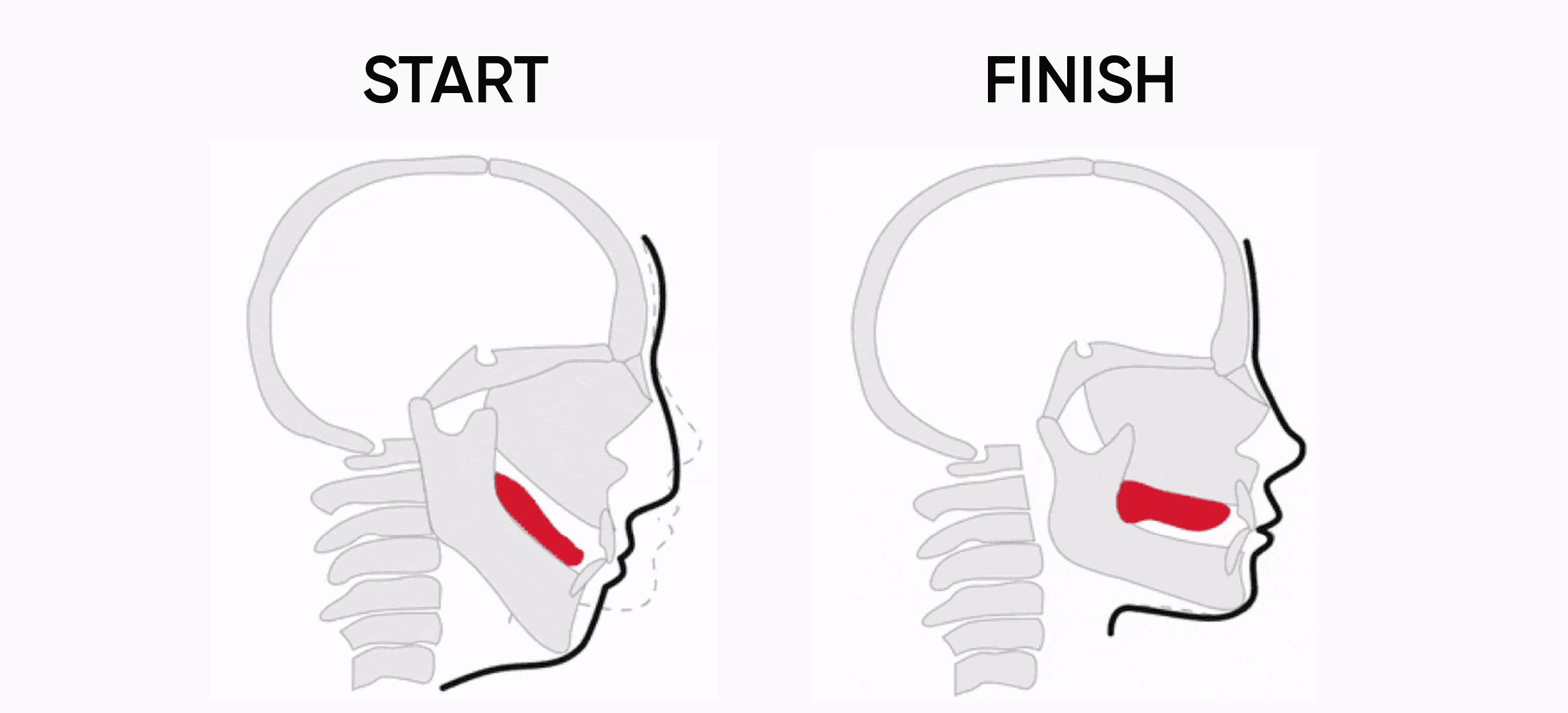


Ⅰ. STRUCTURAL ARCHITECTURE: MAXILLARY FORWARD GROWTH​

The nose is anchored to the pyriform aperture (the nasal opening in the skull). If the maxilla is underdeveloped or recessed, the nasal bridge collapses inward and the tip drops (ptosis), creating that "weak" profile.
  • The Mewing Protocol (Correct Tongue Posture):
    This isn't just a trend; it's about managing the vectors of growth. The tongue is the strongest muscle in the midface. By maintaining a full-palate seal (including the posterior third), you apply a constant upward and forward pressure. This encourages the maxilla to develop forward rather than downward, which naturally lifts the nasal bridge and provides a structural "shelf" for the nose to sit on.
  • Obligatory Nasal Breathing:
    Mouth breathing is an aesthetic death sentence. It triggers a "facial collapse" sequence: narrow palate
    →→
    dropped mandible →→
    recessed maxilla →→
    constricted nasal passages. If you breathe through your mouth, you are actively signaling your body to grow a longer, flatter face. Tape your mouth at night if you have to. No exceptions.

  • View attachment 5209068

  • Masticatory Loading (Hard Chewing):
    Integrate mastic gum or hard raw carrots/meats. Increasing the load on the masseters creates a systemic signal for craniofacial robustness. A wider, more developed jaw creates a visual counterweight to the nose, making a larger nose look "balanced" rather than "dominant."
View attachment 5209064

Ⅱ. TOPOLOGICAL REFINEMENT: DE-BLOATING & SKIN TENSION​

A "bulbous" nose is often a lie. It's frequently not bone or cartilage, but sebaceous hyperplasia (excess oil/thick skin) and interstitial edema (water retention) masking the actual structure.
The Chemical Stack:
  • BHA (Salicylic Acid 2%): The gold standard for the nose. It’s oil-soluble, meaning it dives into the pores to clear out the sebum "plugs" that make the nasal tip look wider and softer. Use a liquid exfoliant 3x a week.
  • Niacinamide (10%): Use this to regulate oil production. When the skin is matte and the pores are tight, the edges of the nose appear sharper and more defined.
  • The Salt/Potassium Ratio: If you eat high-sodium processed foods, your face holds water—specifically in the nasal alae (the wings of the nose). Increase potassium (spinach, bananas, avocados) and drop the salt to "drain" the nose and reveal the underlying cartilage.
The Thermal Protocol:
View attachment 5209072

  • Cold Thermogenesis: Every morning, use an ice roller or a bowl of ice water. This causes immediate vasoconstriction, flushing excess fluid out of the nasal tissues. It "shrinks" the soft tissue temporarily, but over time, it improves skin elasticity and reduces chronic puffiness.

Ⅲ. SOFT-TISSUE MOLDING (PRECISION INTERVENTION)​

CRITICAL WARNING: You are dealing with malleable cartilage. If you apply asymmetric force, you will deviate your septum, and you will be paying $5k for a septoplasty in five years. Never use brute force.
  • Alar Refinement: For those with wide nostrils, use the "light-pressure hold." Gently pinch the alar base and hold for 30-60 seconds. You aren't trying to "crush" the nose; you are providing a directional cue to the cartilage as it grows.
  • Bridge Sculpting: Use your index fingers to apply light, inward pressure on the sides of the bridge. This is about influencing the growth pattern of the nasal bones while they are still fusing.
  • The "Lift" Technique: Gently pushing the tip upward while maintaining tongue posture can help reinforce the nasolabial angle, preventing the "hooked" look that comes with age.

THE BOTTOM LINE:
Most guys your age are just letting their genetics happen to them. They are passive observers of their own decline. By optimizing your oral posture and skin tension now, you are creating asymmetric leverage. You are architecting a face that commands respect before you even speak.
COMMAND: Check your tongue posture right now. If it’s not glued to the roof of your mouth, you’re wasting your growth window. Fix it.
Now that the baseline audit has been finished lets move onto the surgical options.

Since this is Module 4: The Professional Path, it serves as the "Endgame." This section is for those who have hit their genetic ceiling or possess structural deformities that no amount of mewing or BHA can resolve.

The tone here shifts from "training" to "procurement." Surgery is a high-risk, high-reward investment. If done wrong, it’s a permanent aesthetic liability.


MODULE 4: THE PROFESSIONAL PATH (CLINICAL & SURGICAL OPTIONS)

For a percentage of you, natural intervention will only take you so far. This is the Hard Ceiling. Whether it’s a severe septal deviation, a massive dorsal hump, or a genetically locked bulbous tip, some structural failures require a scalpel.

The goal of surgery is not to get a "perfect nose"—it is to achieve facial harmony. A "perfect" nose on a recessed jaw looks unnatural and "operated." We are looking for the version of your nose that maximizes your specific bone structure.
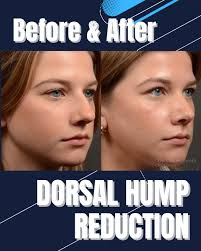
View attachment 5209074

Ⅰ. THE SURGICAL MENU: MATCHING PROCEDURE TO LIMITER​

Refer back to your Structural Audit (0). Do not ask a surgeon for "a better nose"; ask for the specific correction of your bottleneck.

Your LimiterThe ProcedureWhat It Actually Does
Dorsal HumpReduction RhinoplastyShaves down the bone/cartilage hump to create a straight or slightly scooped bridge.
Bulbous TipTip PlastyReshapes the lower lateral cartilages to refine the tip, making it narrower and more defined.
Droopy Tip (Ptosis)Tip Rotation / GraftingUses cartilage grafts (often from the septum) to physically lift the tip and improve the nasolabial angle.
Wide Alar BaseAlar Base ReductionRemoves small wedges of skin from the nostrils to narrow the overall width of the nose.
Deviated SeptumSeptoplastyStraightens the internal wall. This is primarily for Airway Restoration, but it prevents the nose from looking crooked.
Flat BridgeAugmentation RhinoplastyUses cartilage or implants to build up a bridge that lacks projection.

View attachment 5209077

Ⅱ. THE "BOTCH" PREVENTION GUIDE: HOW TO CONSULT​

The difference between an apex result and a "botched" look is the quality of your communication with the surgeon. Most people fail here because they are too passive.

1. Avoid the "Celebrity Nose" Trap
Never walk into a clinic and say, "I want my nose to look like [Celebrity X]." This is the fastest way to get a nose that doesn't fit your face. Instead, say: "I want to reduce my dorsal hump and increase my tip rotation to better balance my chin projection." Speak the language of anatomy, not fame.

2. Demand a Simulation
Any high-tier surgeon should use 3D imaging (like Vectra) to show you a projected outcome. If they are "winging it" based on a verbal description, leave the office.

3. The "Operated Look" Red Flag
Avoid "over-rotation." If the surgeon suggests lifting the tip too high, you will end up with a "piggy nose" (a nasolabial angle > 110 degrees). This looks feminine and unnatural on a masculine face. Aim for a rotation that complements your lip length.

4. Prioritize the Airway
A beautiful nose that you can't breathe through is a failure. Ensure your surgeon is addressing the internal valves and septum, not just the external skin.


Ⅲ. RECOVERY & THE "SETTLING" PHASE​

Surgery is not an overnight transformation. The "Post-Op Illusion" is real.

  • The Swelling Cycle: Your nose will look "blocked" and swollen for weeks. The bridge settles first; the tip takes up to 1-2 years to fully refine. Do not panic in month three.
  • The Psychological Gap: There is a period where you will feel "alien" in your own skin. This is normal. The brain takes time to map the new facial geometry.
  • Maintenance: Post-op skin care is vital. Keep the area hydrated and avoid sun exposure to prevent permanent scarring or discoloration of the nasal skin.

THE FINAL VERDICT:
Surgery is a tool of last resort. If you are 14 and still have growth potential, surgery is a premature move. If you are 20+ and your structural bottleneck is suppressing your social leverage, surgery is the most efficient way to break the ceiling.


Watcha think thread good so far :soy::soy::soy::soy:


MODULE 5: MAINTENANCE & INTEGRATION (HOLISTIC HARMONY)

We have reached the final stage. If you’ve followed this guide, you’ve spent a lot of time staring at your nose in the mirror. But here is the most important lesson of this entire thread: The nose is not the main character; it is a supporting actor.
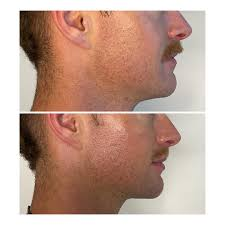
Ⅰ. THE FRAME EFFECT: JAWLINE & CHIN SYNERGY​

The nose and the chin are the two poles of your profile. They exist in a constant visual tug-of-war.

  • The Visual Vacuum: When you have a recessed chin, it creates a "vacuum" in your profile. This pushes all the visual weight forward, making your nose look significantly larger and more projected than it actually is.
View attachment 5209082
  • The Balance Shift: By developing a strong, forward-projecting mandible (through mewing, chewing, and proper posture), you create a counter-weight. When the chin moves forward, the nose "shrinks" in proportion.
  • The Lesson: If you still hate your nose after following the protocols, stop looking at your nose and start looking at your jaw. A strong jawline is the best "nose job" you can get for free.

Ⅱ. THE MIDFACE ANCHOR: ZYGOMATIC (CHEEKBONE) INFLUENCE​

Your cheekbones define the width and "architecture" of your face. They dictate how the nose is perceived from the front.

  • The Narrowing Illusion: When your zygomatic arches are underdeveloped or flat, your face lacks lateral (side-to-side) support. This makes the nose appear as the most prominent feature of the midface, often making it look wider or "bulbous."
  • Creating the "V-Taper": High, wide cheekbones create a visual "anchor" that draws the eye outward. This creates a contrast that makes the bridge of the nose look sharper and the overall midface look more sculpted.
  • The Integration: Focus on overall facial robustness. When your cheekbones and jaw are optimized, a "large" nose stops being a "flaw" and starts being a masculine trait.

Ⅲ. THE PSYCHOLOGICAL TRAP: AVOIDING FEATURE-DYSMORPHIA​

I want to leave you with some emotional intelligence here, because this is where most guys crash.

There is a dangerous point in looksmaxxing where you stop seeing a face and start seeing a collection of "fail points." You start seeing a 1-degree deviation in your nasolabial angle instead of seeing a human being.

The Rule of Diminishing Returns:
Moving your nose from a "4/10" to a "7/10" gives you massive social leverage. Moving it from a "8/10" to a "9/10" often yields almost zero real-world benefit, but costs you your mental health and a huge amount of time.

The Harmony Mantra:

  • Feature Perfection < Facial Harmony.
  • A "perfect" nose on a weak face looks uncanny and strange.
  • A "strong" nose on a powerful, harmonic face looks like a leader.


SUPPLEMENTAL MODULE: THE CHEMICAL ARSENAL (PHARMACOLOGICAL REFINEMENT)

Most users confuse "skin care" with "aesthetic optimization." Basic moisturizing is for maintenance; pharmacological intervention is for structural refinement.

If your nose looks "soft," "bulbous," or "thick," the issue is often the skin envelope. The skin on the nose is some of the thickest on the human body, packed with sebaceous glands. If this envelope is too thick or inflamed, it masks the underlying cartilage, blurring your definition.

To sharpen the silhouette, you must manipulate the skin's thickness, oil production, and collagen density.


Ⅰ. THE RETINOID STACK (TRETINOIN & ADAPALENE)​

Retinoids are the gold standard for altering the "wrap" of the nose. They don't change the bone, but they change the quality of the tissue covering it.

  • The Mechanism: Tretinoin (Retin-A) increases cell turnover and stimulates collagen production. By thickening the deeper dermal layer while exfoliating the surface, it "tightens" the skin against the nasal cartilage.
  • The Effect: This reduces the "puffiness" of the nasal tip and creates a smoother, more reflective surface that catches light on the bridge, creating the illusion of a sharper, more defined edge.
  • Protocol: Start low (0.025%) to avoid the "retinoid purge." Apply a pea-sized amount only at night. UV Warning: Retinoids make your skin photosensitive. If you use Tretinoin without SPF 50, you will burn your nose and create permanent redness (erythema), destroying your harmony.

Ⅱ. THE NUCLEAR OPTION: ISOTRETINOIN (ACCUTANE)​

For those with severe sebaceous hyperplasia (massive oil glands) or cystic acne, Accutane is the only permanent solution.

  • The Mechanism: Accutane doesn't just "treat" acne; it physically shrinks the sebaceous glands. In many cases, it permanently reduces the volume of the oil-producing tissue in the nasal alae and tip.
  • The "Sharpening" Effect: Many users report a permanent "slimming" of the nose after a course of Accutane. By eliminating the chronic inflammation and shrinking the glands, the "bulbous" look is stripped away, revealing the actual skeletal architecture beneath.
  • The Trade-off: This is a systemic drug with significant side effects. It requires medical supervision and blood tests. Do not attempt "black market" Accutane.

Ⅲ. THE STEROID TRAP: HYDROCORTISONE​

You will see some "guides" suggesting Hydrocortisone to reduce nasal swelling. This is an amateur mistake.

  • The Danger: Hydrocortisone is a corticosteroid. While it reduces inflammation (puffiness) in the short term, long-term use causes skin atrophy (thinning of the skin).
  • The Result: You might think you're "slimming" your nose, but you are actually destroying the dermal matrix. This leads to permanent redness, visible capillaries (telangiectasia), and "papery" skin that looks aged and diseased.
  • Verdict: Use for acute allergic reactions only. Never use steroids as a long-term "maxxing" tool.

SUMMARY: THE CHEMICAL HIERARCHY​

AgentGoalRisk LevelEffect on Nose
BHA (Salicylic)Oil ControlLowClears pores, removes surface bloat.
TretinoinSkin TighteningMediumTightens "envelope," improves light reflection.
AccutaneGland ShrinkageHighPermanent reduction of bulbous/oily tissue.
HydrocortisoneInflammationDangerousTemporary shrink →→
Permanent skin atrophy.

THE Guides FINAL WORD ON CHEMICALS:
Chemicals are the "polish" on the statue. If your maxilla is recessed and your airway is blocked, a tube of Tretinoin is like putting a fresh coat of paint on a collapsing bridge.

The order of operations is absolute:

Airway →→ Bone Structure →→ Skin Envelope.
You’ve made it through the blueprint. You’ve audited your failures, cleared your airway, and learned how to manipulate your growth vectors and skin envelope. Most people stop here. Most people are satisfied with "marginal gains."


But for the few who are still reading, we are moving out of the realm of "habits" and into the realm of high-variance intervention.

The Brief:
Up until now, we’ve focused on Low-Risk/High-Reward (Mewing, BHA, Airway). Now, we enter the High-Risk/High-Reward zone. This is where the line between "Apex Status" and "Permanent Deformity" becomes razor-thin. We are talking about physical hardware and pharmacological sculpting.

The Break:
Step away from the screen. Drink some water. Look in the mirror—not to find a flaw, but to recognize the asset you are currently architecting. If you are feeling impulsive, desperate, or "obsessed," stop now. This next section requires a cold, clinical mind. Impulsivity in the face of injectables is how you end up as a "before" photo in a cautionary tale.

The Hook:
What follows are the "Dark Arts" of nosemaxxing. These are the tools used by those who refuse to accept a genetic ceiling and are willing to gamble with their biology to achieve a specific aesthetic outcome.


If you have the discipline to follow the protocols and the intelligence to know when to stop, proceed.


SUPPLEMENTAL MODULE: MECHANICAL AIDS & LOCALIZED INJECTIONS

We are now moving from general skincare into localized structural manipulation. This is the "grey area" of nosemaxxing. For the 13-18 age bracket, your cartilage is still highly responsive, but this also means it is easier to ruin.

If you are not disciplined, these tools will not "fix" your nose—they will deviate it.

Ⅰ. MECHANICAL DEVICES: SEPARATING UTILITY FROM SCAMS​

The market is flooded with "nose shapers" and "bridge lifters." Most are plastic garbage designed to scam teenagers.

The Placebo Trap (Avoid These):

  • Plastic "Pinch" Clips: Those cheap clips that claim to "narrow the bridge" in 30 days are useless. Bone and cartilage do not reshape based on 15 minutes of superficial pressure. At best, they do nothing; at worst, they restrict blood flow and cause tissue necrosis.
  • Silicone Inserts (DIY): Inserting unsterile silicone beads or plastic into your nostrils to "lift the tip" is a fast track to a severe sinus infection or permanent mucosal scarring.
The Utility Tools (Actual Value):

  • Internal Nasal Dilators: These are not for "shaping," but for Airway Optimization. By keeping the nasal valves open, they maximize the oxygen flow required for the growth protocols mentioned in Phase 1.
  • Professional Molders: High-grade, medical-silicone shapers can influence the growth vector of the alar cartilage in the 13-18 window, but only if used with light, consistent pressure over months. If you feel pain, you are damaging the tissue, not shaping it.

Ⅱ. THE CHEMICAL SCULPTOR: TRIAMCINOLONE ACETONIDE​

This is the most aggressive non-surgical intervention available. Triamcinolone Acetonide is a potent corticosteroid used in dermatology to reduce inflammation and shrink tissue volume.

What It Is:
A powerful anti-inflammatory agent that inhibits fibroblast proliferation (the cells that create connective tissue).

What It Does for the Nose:
In "bulbous" noses, the tip often looks wide not because of bone, but because of an overgrowth of fibrous tissue and chronic inflammation. When injected precisely into the nasal tip, Triamcinolone shrinks the soft tissue volume, effectively "slimming" the bulbous tip and making the underlying cartilage more visible.

The Protocol (The ONLY Way to Use This):

  • Method: Intralesional injection. Small, precise doses are injected directly into the dermis/subcutaneous layer of the nasal tip.
  • Administration: NEVER attempt this yourself. You are dealing with a highly vascularized area of the face. An incorrect injection can cause skin necrosis or a permanent "divot" (hole) in your nose. This must be performed by a licensed dermatologist or plastic surgeon.
  • Frequency: Usually administered in a series of 1-3 sessions spaced several weeks apart.
The Critical Danger (The "Atrophy" Risk):
Triamcinolone is not a "filler"; it is a destroyer of tissue.

  • Skin Atrophy: If the dose is too high or the injection is too shallow, the steroid will eat through the skin, causing permanent depressions or pits in your nose.
  • Cartilage Damage: While it targets soft tissue, excessive use can weaken the structural integrity of the nasal tip, leading to a collapsed bridge.

SUMMARY: THE RISK/REWARD MATRIX​

ToolTargetROIRiskVerdict
Nasal DilatorsAirwayMediumLowEssential for hardware optimization.
Shaper ClipsBridge/TipLowLowWaste of time. Avoid.
TriamcinoloneBulbous TipHighExtremePro-only. High reward, but can ruin your face.

Threads for more information: https://looksmax.org/threads/new-nose-reduction-softmax-triamcinolone-acetonide.1966350/

FINAL THREAD SUMMARY:


You now have the complete framework
. You know how to identify your true aesthetic bottleneck, assess your structural foundation, protect your growth window, refine the soft-tissue envelope, and understand when professional intervention becomes the highest-leverage path.


The nose is not an isolated feature — it is the product of the entire facial architecture beneath it. Optimize the foundation first, refine the details second, and pursue harmony over chasing isolated perfection.


The goal was never to build a different face.


It was to reveal the strongest version of the one you already have.

DNR but seems high effort
 
replying bump brootal, i didnt do all ts for 2 rep
 

Similar threads

hypergamyfoid67
Replies
0
Views
21
hypergamyfoid67
hypergamyfoid67
J
Replies
7
Views
50
Vrilltrum27
Vrilltrum27
N
Replies
3
Views
45
a7lass
a7lass

Users who are viewing this thread

  • teramoggerMast
Back
Top