




D
Deleted member 233773
171cm HTB
- Joined
- Sep 24, 2025
- Posts
- 1,650
- Reputation
- 1,235
The buccinator muscle is a thin quadrilateral facial muscle which lies on the side of the face near the cheeks between the maxilla and the mandible (the upper and lower jaws). It connects the cheek and jaw bones to the mouth.
Contrary to TikTok trends, training the buccinator rarely improves aesthetics it usually makes cheeks look bulkier.
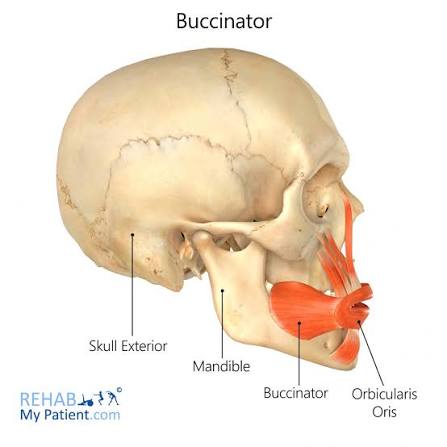
Diagram above for reference.
Function and why we have it:
The buccinator maintains the tightness of the cheeks and presses them against the teeth during chewing. It also assists the tongue in keeping the bolus of food central in the oral cavity. This function is important to prevent food from escaping into the oral vestibule and to push any food that enters the vestibule back into the oral cavity. The buccinator also prevents the cheeks from inverting between the occlusal surfaces of the teeth and being bitten.
The buccinator muscle has another important function which is expelling air from the inflated vestibule while playing a wind instrument such as a trumpet. This is why the buccinator muscle is sometimes called the trumpet muscle.
However overuse of the buccinator can lead to a bulkier less angular looking face to minimize this we can do the following:
Correcting the swallowing pattern through myofunctional habits can reduce overuse of the buccinator. The tongue should rest fully on the roof of the mouth rather than pushing forward(mewing). Food should be chewed thoroughly until it is soft which reduces the effort required from the cheeks. Swallowing should be initiated from the back of the mouth using the tongue instead of engaging the facial muscles. Breathing through the nose encourages proper oral posture and reduces reliance on the cheeks.
(Most important imo)
Chewing habits can also be modified to limit excessive buccinator activation. During chewing the cheeks should remain relatively relaxed while the tongue and jaw perform most of the work. The lips and teeth should stay gently closed without excessive tension.
However smaller buccinator does not remove volume. It reduces muscular bulk and tension. Hollow cheeks still depend mainly on low buccal fat strong zygomatic bones and overall leanness. The buccinator simply influences how visible those traits are.
Sources:https://www.rehabmypatient.com/face/buccinator

 www.kenhub.com
20:19 12/01/2026
www.kenhub.com
20:19 12/01/2026
Contrary to TikTok trends, training the buccinator rarely improves aesthetics it usually makes cheeks look bulkier.
Diagram above for reference.
Function and why we have it:
The buccinator maintains the tightness of the cheeks and presses them against the teeth during chewing. It also assists the tongue in keeping the bolus of food central in the oral cavity. This function is important to prevent food from escaping into the oral vestibule and to push any food that enters the vestibule back into the oral cavity. The buccinator also prevents the cheeks from inverting between the occlusal surfaces of the teeth and being bitten.
The buccinator muscle has another important function which is expelling air from the inflated vestibule while playing a wind instrument such as a trumpet. This is why the buccinator muscle is sometimes called the trumpet muscle.
However overuse of the buccinator can lead to a bulkier less angular looking face to minimize this we can do the following:
Correcting the swallowing pattern through myofunctional habits can reduce overuse of the buccinator. The tongue should rest fully on the roof of the mouth rather than pushing forward(mewing). Food should be chewed thoroughly until it is soft which reduces the effort required from the cheeks. Swallowing should be initiated from the back of the mouth using the tongue instead of engaging the facial muscles. Breathing through the nose encourages proper oral posture and reduces reliance on the cheeks.
(Most important imo)
Chewing habits can also be modified to limit excessive buccinator activation. During chewing the cheeks should remain relatively relaxed while the tongue and jaw perform most of the work. The lips and teeth should stay gently closed without excessive tension.
However smaller buccinator does not remove volume. It reduces muscular bulk and tension. Hollow cheeks still depend mainly on low buccal fat strong zygomatic bones and overall leanness. The buccinator simply influences how visible those traits are.
Sources:https://www.rehabmypatient.com/face/buccinator
Buccinator muscle
Buccinator is a facial muscle that contributes to producing facial expressions and mastication. Learn everything about its anatomy and function at Kenhub!


