Understanding your hair P1

h76

h76

The Baron
Joined
Nov 2, 2020
Posts
293
Reputation
348
For years, men have been tricked into thinking that combining shampoo, conditioner, & body wash into one product gives us the best results. Don’t fall for it. If you shop for the cheapest products you’ll get the cheapest results. You could end up with a long list of problems, this guide will go over how to properly classify your hair type so you can adjust your hair routine accordingly.

Firstly; Understanding hair types
There are various factors that go into classifying your hair type other than just curliness/curliness, including porosity, elasticity, & plasticity


Porosity
Porosity, referring to how much moisture your hair can absorb depending on your cuticle it can be low, medium, or high. Each cuticle is made up of overlapping scales which can be tightly woven or dotted with small gaps. To find out how porous your hair is, put a strand of your hair into a bowl of water. If it sinks to the bottom, your hair has high porosity. If it floats, your hair has low porosity.

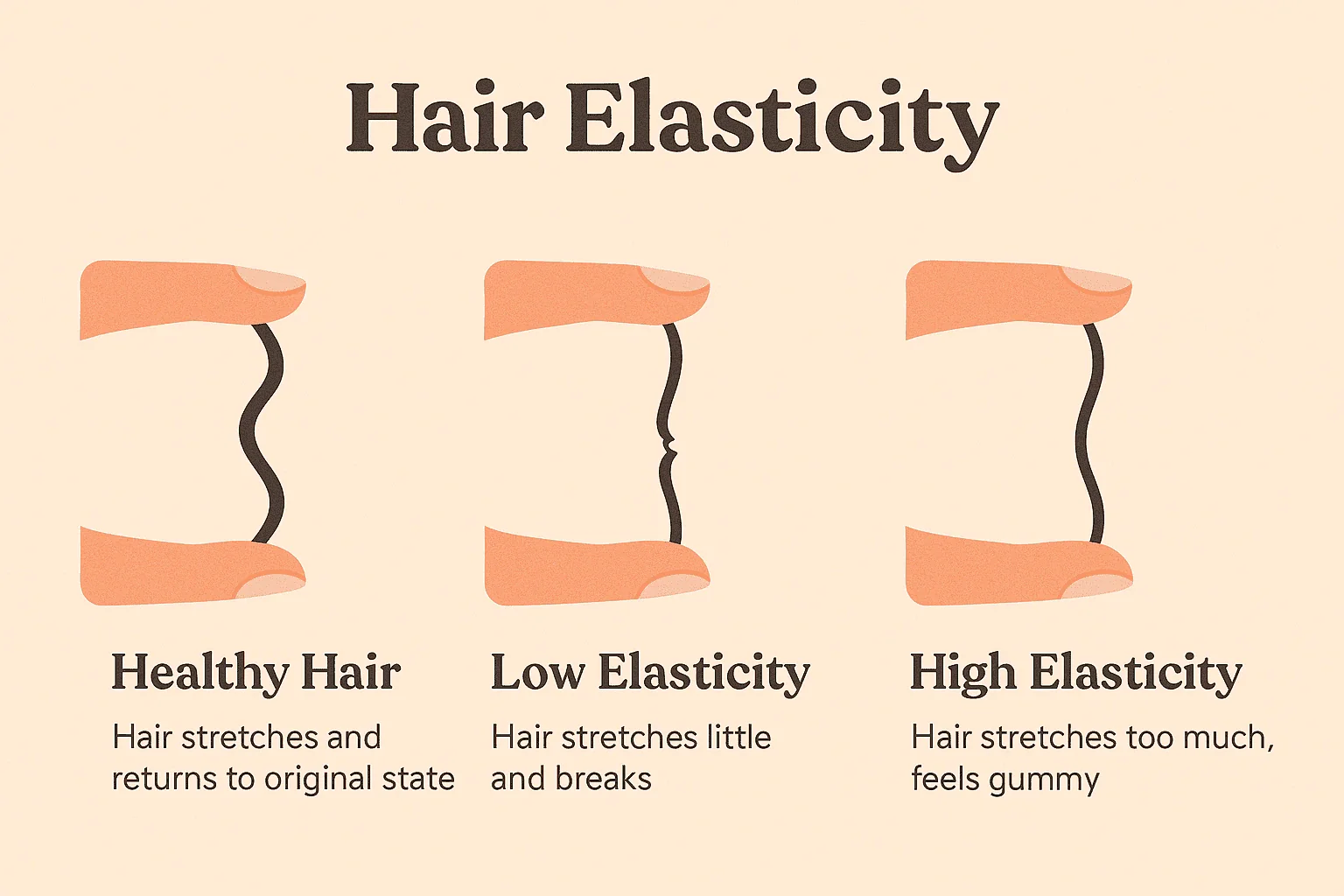
Elasticity
Elasticity, referring to its measurement of strength. To find out how elastic your hair is pull it as straight as you can between your hands. If it stretches all the way straight without breaking it has high elasticity, if it breaks it has low elasticity. If you have low elasticity you can easily fix this by avoiding protein treatments, vice versa for a highly elastic hair type.

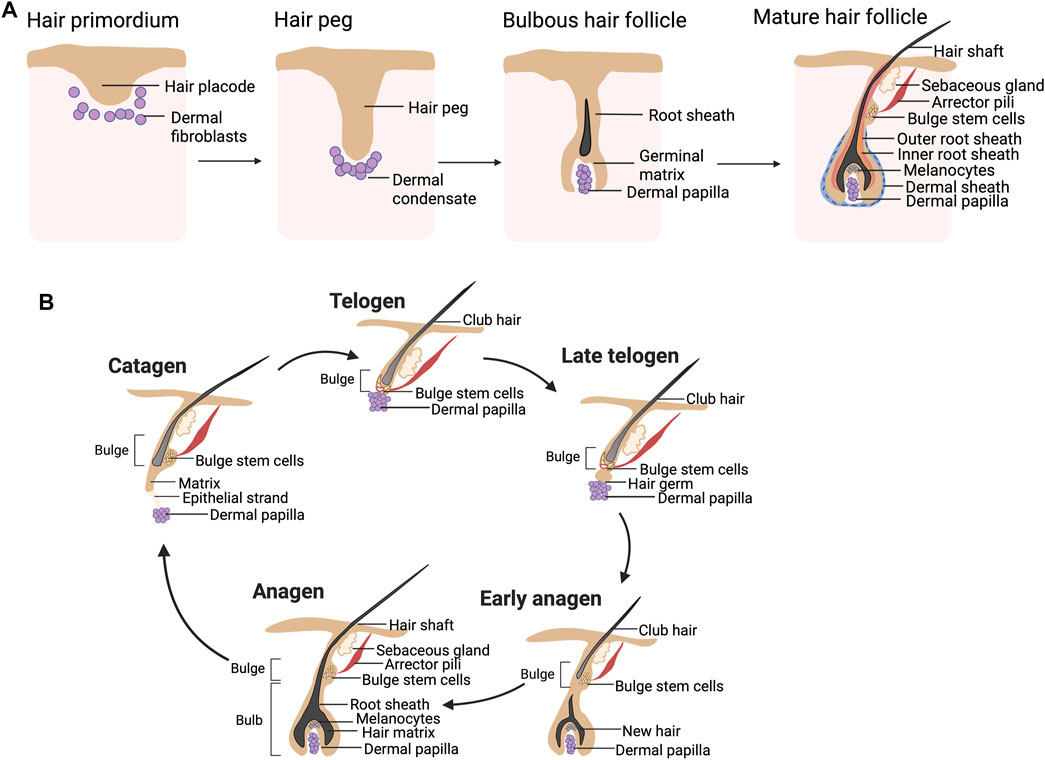
Plasticity
Plasticity, referring to the growth factor of your hair after the follicle itself has been damaged. It is incredibly important to the component of the hair cycle, the process where each hair grows, rests, & eventually falls out.

Hair Porosity 101: Unlocking Your Hair's Moisture Absorption & Retention  Power – HAIRLOVE


1765388750648


1765388826313


Low PorosityMedium PorosityHigh Porosity
Cuticles are tightly packed, it repels water; slow to absorb moisture & product can build easilyCuticles are slightly raised, absorbs & retains moisture pretty well.Cuticles are highly raised, absorbs moisture quickly but loses moisture even faster & prone to frizz
Low Elasticity Medium Elasticity High Elasticity
Snaps easily when stretched, & usually barely returns back to original lengthWhen stretched it returns to original length over a normal period of timeStretches a lot without snapping, may look limp & can be overly soft but snaps back to original length almost instantaneously
Low PlasticityMedium PlasticityHigh Plasticity
Hard to reshape, doesn't mold easily when wet & can be characterized with its rigid shapeFlexible when wet & holds shape/curl pattern, can be easily styledOverly soft, hard to hold styles & loses its definition when wet

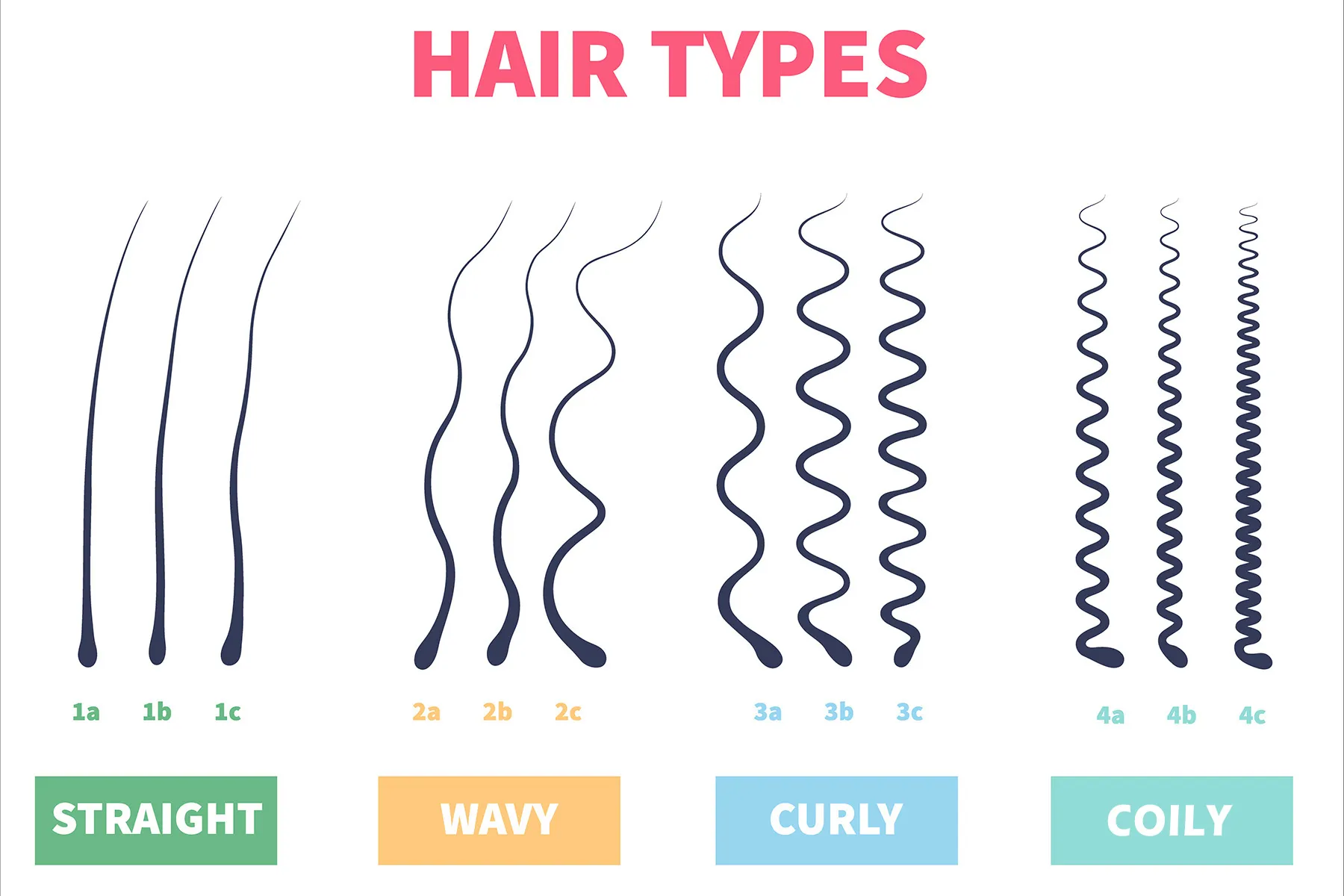
Straight1A1B1C
Type 1 hair is totally straight. Wont curl or wave. But it does have great shine because of the oil that travels down the hair shaft. The three subtypes can range from fine and soft to coarse.This type is very straight, fine, & thin. It's soft and has a noticeable shine. But you'll have a hard time getting it to curl, even with heat styling.Hair of this type is still straight, but with a thicker texture & more body than type 1A. Type 1B hair can hold a curl if you style it that way.Straight strands with light frizz. Type 1C is more coarse than the other two subtypes. It has more volume but rarely gets frizzy.
Wavy2A2B2C
Type 2 hair can be defined by an "S" shape. Still fairly straight, with some styling you can get curls. In humid weather it tends to frizz.Loose, soft & slightly wavy pattern. Falls under hair that's fine & thin, but you can style it either straight or curly if you choose.More defined waves, texture & frizz. You'll likely see gentle waves with more volume and some frizz. It will curl with help from the right styling product.Usually thicker waves, they stay curly when you air-dry your hair. Type 2C is harder to style & more likely to frizz than types 2A and 2B.
Curly3A3B3C
Type 3 hair ranges from loose curls to tight corkscrew-shaped ones. It tends to be drier because oil has a harder time reaching the bottom the hair shaft.These curls are S-shaped and loose. Type 3A hair frizzes in humid weather, but it's easy to tame with styling products.They look like spirals or tight corkscrews that stay in place once you've finished styling. This type is likely to frizz and dry out, depending on the weather.Curls are very tight corkscrews or coils. Type 3C hair has a lot of volume, also gets frizzy more often in comparison to all the other hair types.

Were going to ignore 4B because your black & I frankly dgaf

1765379204493


This is part one of my comprehensive guide, my second post will feature products as well as a full weekly routine for every hair type.


@Orka @Sadist @BigBallsLarry @the foid stalker @adeeyeah


Attachments

  • 1765387646057.png
    1.3 MB · Views: 0
  • 1765392027624.png
    1.3 MB · Views: 0
Last edited:
  • +1
  • JFL
Reactions: Sailor, rlqga, Sadist and 9 others
For years, men have been tricked into thinking that combining shampoo, conditioner, and body wash into one product gives us the best results.
Don’t fall for it. If you shop for the cheapest products you’ll get the cheapest results. And you could end up with a long list of problems, this guide will go over how to properly classify your hair type so you can adjust your hair routine accordingly.

Firstly; Understanding hair types
There are various factors that go into classifying your hair type other than just curliness/curliness, including porosity, elasticity, & plasticity


Porosity
Porosity, referring to how much moisture your hair can absorb depending on your cuticle it can be low, medium, or high. Each cuticle is made up of overlapping scales which can be tightly woven or dotted with small gaps. To find out how porous your hair is, put a strand of your hair into a bowl of water. If it sinks to the bottom, your hair has high porosity. If it floats, your hair has low porosity.

Elasticity
Elasticity, referring to its measurement of strength. To find out how elastic your hair is pull it as straight as you can between your hands. If it stretches all the way straight without breaking it has high elasticity, if it breaks it has low elasticity. If you have low elasticity you can easily fix this by avoiding protein treatments, vice versa for a highly elastic hair type.

Plasticity
Plasticity, referring to the growth factor of your hair after the follicle itself has been damaged. It is incredibly important to the component of the hair cycle, the process where each hair grows, rests, & eventually falls out.

View attachment 4411038

View attachment 4411112

View attachment 4411118

Low PorosityMedium PorosityHigh Porosity
Cuticles are tightly packed, it repels water; slow to absorb moisture & product can build easilyCuticles are slightly raised, absorbs & retains moisture pretty well.Cuticles are highly raised, absorbs moisture quickly but loses moisture even faster & prone to frizz
Low Elasticity Medium Elasticity High Elasticity
Snaps easily when stretched, & usually barely returns back to original lengthWhen stretched it returns to original length over a normal period of timeStretches a lot without snapping, may look limp & can be overly soft but snaps back to original length almost instantaneously
Low PlasticityMedium PlasticityHigh Plasticity
Hard to reshape, doesn't mold easily when wet & can be characterized with its rigid shapeFlexible when wet & holds shape/curl pattern, can be easily styledOverly soft, hard to hold styles & loses its definition when wet

Straight1A1B1C
Type 1 hair is totally straight. Wont curl or wave. But it does have great shine because of the oil that travels down the hair shaft. The three subtypes can range from fine and soft to coarse.This type is very straight, fine, & thin. It's soft and has a noticeable shine. But you'll have a hard time getting it to curl, even with heat styling.Hair of this type is still straight, but with a thicker texture & more body than type 1A. Type 1B hair can hold a curl if you style it that way.Straight strands with light frizz. Type 1C is more coarse than the other two subtypes. It has more volume but rarely gets frizzy.
Wavy2A2B2C
Type 2 hair can be defined by an "S" shape. Still fairly straight, with some styling you can get curls. In humid weather it tends to frizz.Loose, soft & slightly wavy pattern. Falls under hair that's fine & thin, but you can style it either straight or curly if you choose.More defined waves, texture & frizz. You'll likely see gentle waves with more volume and some frizz. It will curl with help from the right styling product.Usually thicker waves, they stay curly when you air-dry your hair. Type 2C is harder to style & more likely to frizz than types 2A and 2B.
Curly3A3B3C
Type 3 hair ranges from loose curls to tight corkscrew-shaped ones. It tends to be drier because oil has a harder time reaching the bottom the hair shaft.These curls are S-shaped and loose. Type 3A hair frizzes in humid weather, but it's easy to tame with styling products.They look like spirals or tight corkscrews that stay in place once you've finished styling. This type is likely to frizz and dry out, depending on the weather.Curls are very tight corkscrews or coils. Type 3C hair has a lot of volume, also gets frizzy more often in comparison to all the other hair types.

Were going to ignore 4B because your black & I frankly dgaf


View attachment 4410658


This is part one of my comprehensive guide, my second post will feature products as well as a full weekly routine for every hair type.


@Orka @Sadist @BigBallsLarry @the foid stalker @adeeyeah

ok
 
  • +1
  • Ugh..
Reactions: rj_0616 and inversions
When will you do the second part
 
This is part one of my comprehensive guide, my second post will feature products as well as a full weekly routine for every hair type.
Talk about As I am leave in conditioner
 
  • +1
Reactions: V4MPIR3
For years, men have been tricked into thinking that combining shampoo, conditioner, and body wash into one product gives us the best results.
Don’t fall for it. If you shop for the cheapest products you’ll get the cheapest results. And you could end up with a long list of problems, this guide will go over how to properly classify your hair type so you can adjust your hair routine accordingly.

Firstly; Understanding hair types
There are various factors that go into classifying your hair type other than just curliness/curliness, including porosity, elasticity, & plasticity


Porosity
Porosity, referring to how much moisture your hair can absorb depending on your cuticle it can be low, medium, or high. Each cuticle is made up of overlapping scales which can be tightly woven or dotted with small gaps. To find out how porous your hair is, put a strand of your hair into a bowl of water. If it sinks to the bottom, your hair has high porosity. If it floats, your hair has low porosity.

Elasticity
Elasticity, referring to its measurement of strength. To find out how elastic your hair is pull it as straight as you can between your hands. If it stretches all the way straight without breaking it has high elasticity, if it breaks it has low elasticity. If you have low elasticity you can easily fix this by avoiding protein treatments, vice versa for a highly elastic hair type.

Plasticity
Plasticity, referring to the growth factor of your hair after the follicle itself has been damaged. It is incredibly important to the component of the hair cycle, the process where each hair grows, rests, & eventually falls out.

View attachment 4411038

View attachment 4411112

View attachment 4411118

Low PorosityMedium PorosityHigh Porosity
Cuticles are tightly packed, it repels water; slow to absorb moisture & product can build easilyCuticles are slightly raised, absorbs & retains moisture pretty well.Cuticles are highly raised, absorbs moisture quickly but loses moisture even faster & prone to frizz
Low Elasticity Medium Elasticity High Elasticity
Snaps easily when stretched, & usually barely returns back to original lengthWhen stretched it returns to original length over a normal period of timeStretches a lot without snapping, may look limp & can be overly soft but snaps back to original length almost instantaneously
Low PlasticityMedium PlasticityHigh Plasticity
Hard to reshape, doesn't mold easily when wet & can be characterized with its rigid shapeFlexible when wet & holds shape/curl pattern, can be easily styledOverly soft, hard to hold styles & loses its definition when wet

Straight1A1B1C
Type 1 hair is totally straight. Wont curl or wave. But it does have great shine because of the oil that travels down the hair shaft. The three subtypes can range from fine and soft to coarse.This type is very straight, fine, & thin. It's soft and has a noticeable shine. But you'll have a hard time getting it to curl, even with heat styling.Hair of this type is still straight, but with a thicker texture & more body than type 1A. Type 1B hair can hold a curl if you style it that way.Straight strands with light frizz. Type 1C is more coarse than the other two subtypes. It has more volume but rarely gets frizzy.
Wavy2A2B2C
Type 2 hair can be defined by an "S" shape. Still fairly straight, with some styling you can get curls. In humid weather it tends to frizz.Loose, soft & slightly wavy pattern. Falls under hair that's fine & thin, but you can style it either straight or curly if you choose.More defined waves, texture & frizz. You'll likely see gentle waves with more volume and some frizz. It will curl with help from the right styling product.Usually thicker waves, they stay curly when you air-dry your hair. Type 2C is harder to style & more likely to frizz than types 2A and 2B.
Curly3A3B3C
Type 3 hair ranges from loose curls to tight corkscrew-shaped ones. It tends to be drier because oil has a harder time reaching the bottom the hair shaft.These curls are S-shaped and loose. Type 3A hair frizzes in humid weather, but it's easy to tame with styling products.They look like spirals or tight corkscrews that stay in place once you've finished styling. This type is likely to frizz and dry out, depending on the weather.Curls are very tight corkscrews or coils. Type 3C hair has a lot of volume, also gets frizzy more often in comparison to all the other hair types.

Were going to ignore 4B because your black & I frankly dgaf


View attachment 4410658


This is part one of my comprehensive guide, my second post will feature products as well as a full weekly routine for every hair type.


@Orka @Sadist @BigBallsLarry @the foid stalker @adeeyeah

Looks decent would’ve been even better if you said how to prevent hair loss
 
  • +1
Reactions: Trojanhorse1
Were going to ignore 4B because your black & I frankly dgaf

YOU WIPIPO OWE ME KNOWLEDGE! WE DESERVE REPERATIONS N SHIETTT
 
  • +1
Reactions: h76
For years, men have been tricked into thinking that combining shampoo, conditioner, & body wash into one product gives us the best results. Don’t fall for it. If you shop for the cheapest products you’ll get the cheapest results. You could end up with a long list of problems, this guide will go over how to properly classify your hair type so you can adjust your hair routine accordingly.

Firstly; Understanding hair types
There are various factors that go into classifying your hair type other than just curliness/curliness, including porosity, elasticity, & plasticity


Porosity
Porosity, referring to how much moisture your hair can absorb depending on your cuticle it can be low, medium, or high. Each cuticle is made up of overlapping scales which can be tightly woven or dotted with small gaps. To find out how porous your hair is, put a strand of your hair into a bowl of water. If it sinks to the bottom, your hair has high porosity. If it floats, your hair has low porosity.

Elasticity
Elasticity, referring to its measurement of strength. To find out how elastic your hair is pull it as straight as you can between your hands. If it stretches all the way straight without breaking it has high elasticity, if it breaks it has low elasticity. If you have low elasticity you can easily fix this by avoiding protein treatments, vice versa for a highly elastic hair type.

Plasticity
Plasticity, referring to the growth factor of your hair after the follicle itself has been damaged. It is incredibly important to the component of the hair cycle, the process where each hair grows, rests, & eventually falls out.

View attachment 4411302

View attachment 4411112

View attachment 4411118


Low PorosityMedium PorosityHigh Porosity
Cuticles are tightly packed, it repels water; slow to absorb moisture & product can build easilyCuticles are slightly raised, absorbs & retains moisture pretty well.Cuticles are highly raised, absorbs moisture quickly but loses moisture even faster & prone to frizz
Low Elasticity Medium Elasticity High Elasticity
Snaps easily when stretched, & usually barely returns back to original lengthWhen stretched it returns to original length over a normal period of timeStretches a lot without snapping, may look limp & can be overly soft but snaps back to original length almost instantaneously
Low PlasticityMedium PlasticityHigh Plasticity
Hard to reshape, doesn't mold easily when wet & can be characterized with its rigid shapeFlexible when wet & holds shape/curl pattern, can be easily styledOverly soft, hard to hold styles & loses its definition when wet

Straight1A1B1C
Type 1 hair is totally straight. Wont curl or wave. But it does have great shine because of the oil that travels down the hair shaft. The three subtypes can range from fine and soft to coarse.This type is very straight, fine, & thin. It's soft and has a noticeable shine. But you'll have a hard time getting it to curl, even with heat styling.Hair of this type is still straight, but with a thicker texture & more body than type 1A. Type 1B hair can hold a curl if you style it that way.Straight strands with light frizz. Type 1C is more coarse than the other two subtypes. It has more volume but rarely gets frizzy.
Wavy2A2B2C
Type 2 hair can be defined by an "S" shape. Still fairly straight, with some styling you can get curls. In humid weather it tends to frizz.Loose, soft & slightly wavy pattern. Falls under hair that's fine & thin, but you can style it either straight or curly if you choose.More defined waves, texture & frizz. You'll likely see gentle waves with more volume and some frizz. It will curl with help from the right styling product.Usually thicker waves, they stay curly when you air-dry your hair. Type 2C is harder to style & more likely to frizz than types 2A and 2B.
Curly3A3B3C
Type 3 hair ranges from loose curls to tight corkscrew-shaped ones. It tends to be drier because oil has a harder time reaching the bottom the hair shaft.These curls are S-shaped and loose. Type 3A hair frizzes in humid weather, but it's easy to tame with styling products.They look like spirals or tight corkscrews that stay in place once you've finished styling. This type is likely to frizz and dry out, depending on the weather.Curls are very tight corkscrews or coils. Type 3C hair has a lot of volume, also gets frizzy more often in comparison to all the other hair types.

Were going to ignore 4B because your black & I frankly dgaf


View attachment 4410658


This is part one of my comprehensive guide, my second post will feature products as well as a full weekly routine for every hair type.


@Orka @Sadist @BigBallsLarry @the foid stalker @adeeyeah

Nice thread, but you should've just made it one part instead of two. This feels like an unfinished post, because you taught me how to figure out my hair type and you gave me nothing to do with that knowledge.
 
  • +1
Reactions: moldypotato, ybuyhgui, Orka and 1 other person
Nice thread, but you should've just made it one part instead of two. This feels like an unfinished post, because you taught me how to figure out my hair type and you gave me nothing to do with that knowledge.
Ill eventually edit it and add in the full routine its just incredibly complex because I have to go over each type of hair and its characteristics
 
  • +1
Reactions: ascensionisgold, Orka and BigBallsLarry
Ill eventually edit it and add in the full routine its just incredibly complex because I have to go over each type of hair and its characteristics
It's still good work, don't stress it homie.

With high effort threads you should always do the most before posting. even it it takes you a week :feelshah:
 
  • +1
Reactions: h76 and Orka
@BigBallsLarry bomp
 
  • +1
  • JFL
Reactions: h76, the foid stalker and BigBallsLarry
Ill eventually edit it and add in the full routine its just incredibly complex because I have to go over each type of hair and its characteristics
Good post, if making it in parts gives a better overall guide then do it not a big deal
 
  • +1
Reactions: h76

Similar threads

BonesGrowth
Replies
41
Views
2K
fifi.mogy
fifi.mogy
hopelessromanticc
Replies
12
Views
1K
TheOsei
TheOsei
el hit
Replies
6
Views
180
5foot6RiceCel
5
BonesGrowth
Replies
15
Views
455
BonesGrowth
BonesGrowth

Users who are viewing this thread

Back
Top