Natural.love
Bronze
- Joined
- Dec 22, 2025
- Posts
- 469
- Reputation
- 289
TRUST, FRIENDSHIP, HUMAN BONDING.
MENTAL HEALTH & FRIENDSHIPS:
One study using data from more than 111,000 adolescents found that teenagers who were integrated into friendship networks had better mental health, as measured by a number of depressive symptoms. The findings made it clear that teens with more friends had fewer symptoms of depression and felt a stronger sense of belonging>
Peer friendships during the teen years can also help young people navigate difficult situations. A 2021 study found that adolescents who had strong teen friendships prior to the pandemic were less likely to internalize the stress of isolation and social distancing. These connections helped reduce teen loneliness, depression, and anxiety. Friendships also help teens deal with everyday stressors. A study of 108 high school students in Australia found that strong friendships were particularly helpful for teens immediately after a stressful event, such as failing a test. Researchers from Australia’s Murdoch and Griffith universities surveyed teens and they found that they coped better after a stressful event when they were with peers rather than adults. Teens who were with friends reported lower levels of sadness, jealousy, and worry.
Teenagers who have close friendships in adolescence have better mental health as young adults. Research published in the journal Child Development compared teens with close friendships to popular teens with a larger friend group but less intense friendships. Each year, the participants were given questionnaires to assess their levels of anxiety, depression, and self-worth. Consequently, researchers found that people who had close friends as teens reported higher levels of self-worth and lower levels of social anxiety and depression at age 25, compared with their popular peers. Therefore, the study validated what parents often tell teens: Popularity isn’t important. The most beneficial teen relationships are deep, close friendships in which teens feel seen for who they truly are.
“What we think is happening is that when you’re a teenager, close friendships are an important ‘training ground’ for developing social skills and learning how to care for others in more mature ways,” Dr. Jessica A. Stern, co-author of the study, told Psychology Today.
Moreover, the study also showed that for children raised by unsympathetic parents, strong adolescent friendships helped them develop the social and emotional skills they did not learn at home.
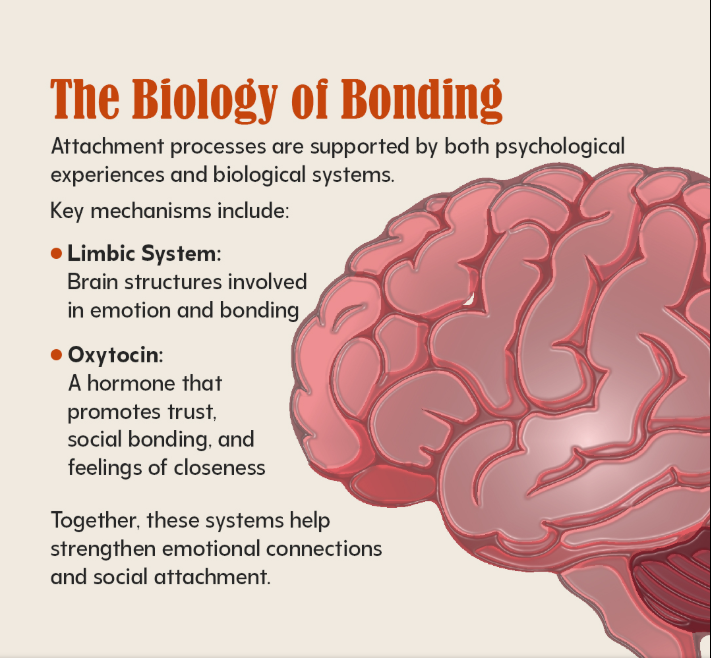
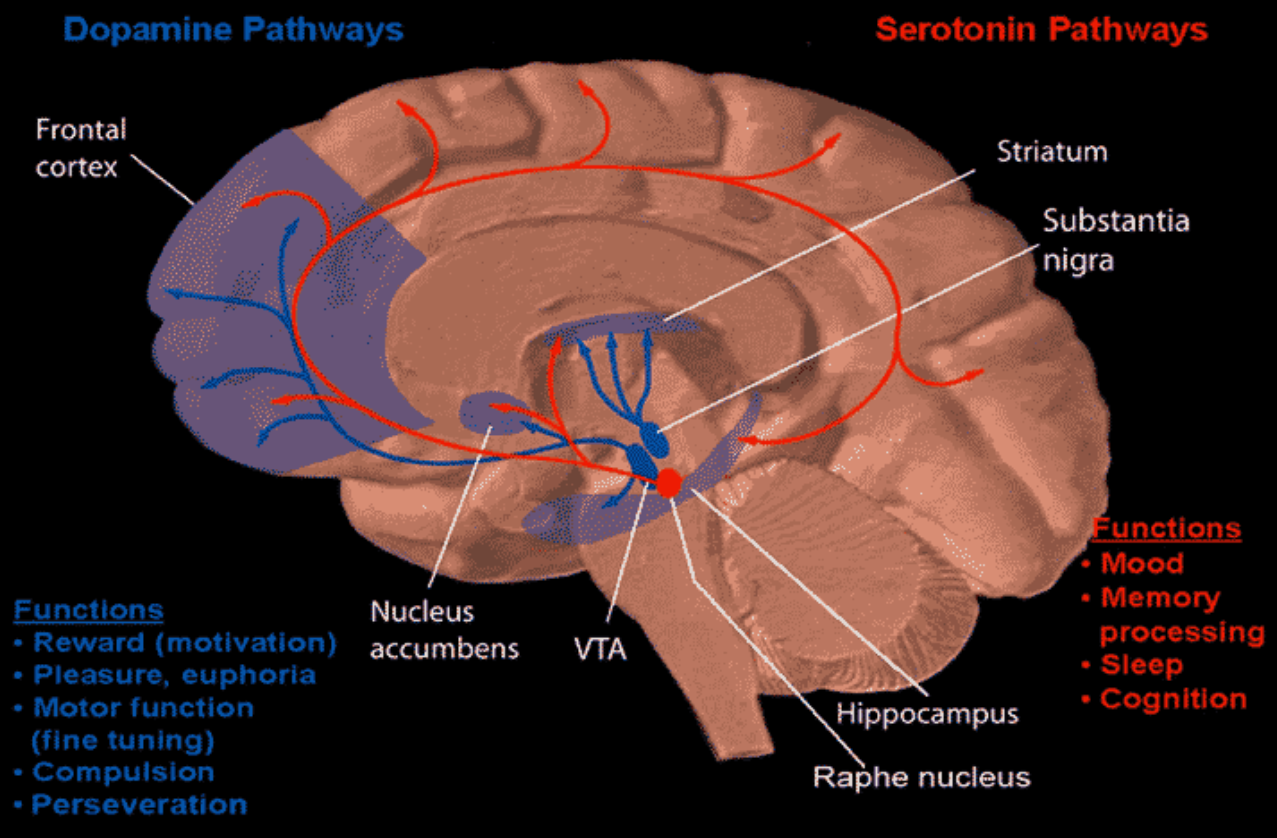
EARLY HUMANS AND TRUST>
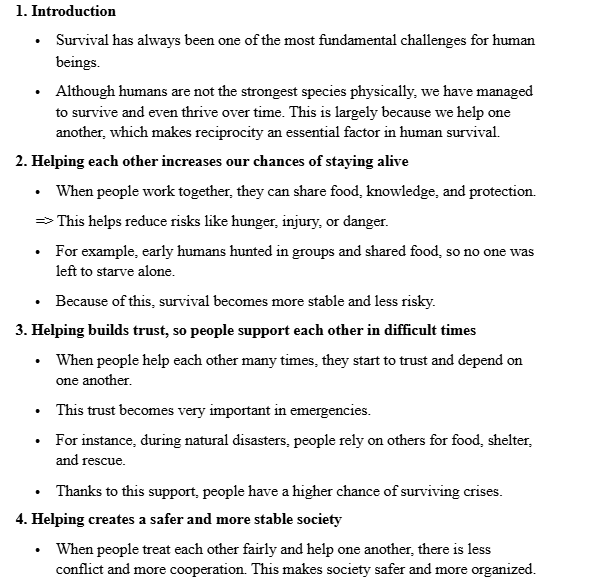
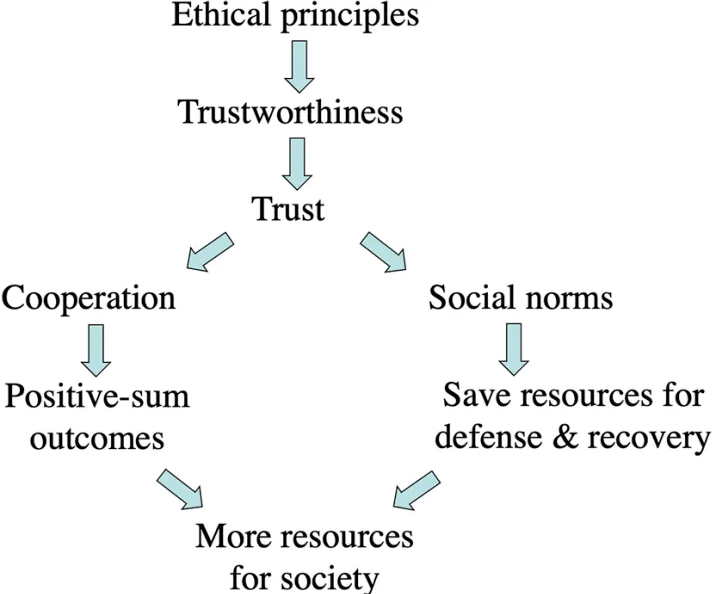
"Human beings are a social species that relies on cooperation to survive and thrive. Understanding how and why cooperation succeeds or fails is integral to solving the many global challenges we face."
ENJOY

MENTAL HEALTH & FRIENDSHIPS:
One study using data from more than 111,000 adolescents found that teenagers who were integrated into friendship networks had better mental health, as measured by a number of depressive symptoms. The findings made it clear that teens with more friends had fewer symptoms of depression and felt a stronger sense of belonging>
- Higher-functioning immune system
- Better self-esteem
- Lower rates of anxiety
- Happier, more optimistic outlook
- Longer life expectancy
- Stronger emotional regulation skills
- Improved cognitive function
- More empathy and feelings of trust toward others.
Peer friendships during the teen years can also help young people navigate difficult situations. A 2021 study found that adolescents who had strong teen friendships prior to the pandemic were less likely to internalize the stress of isolation and social distancing. These connections helped reduce teen loneliness, depression, and anxiety. Friendships also help teens deal with everyday stressors. A study of 108 high school students in Australia found that strong friendships were particularly helpful for teens immediately after a stressful event, such as failing a test. Researchers from Australia’s Murdoch and Griffith universities surveyed teens and they found that they coped better after a stressful event when they were with peers rather than adults. Teens who were with friends reported lower levels of sadness, jealousy, and worry.
Teenagers who have close friendships in adolescence have better mental health as young adults. Research published in the journal Child Development compared teens with close friendships to popular teens with a larger friend group but less intense friendships. Each year, the participants were given questionnaires to assess their levels of anxiety, depression, and self-worth. Consequently, researchers found that people who had close friends as teens reported higher levels of self-worth and lower levels of social anxiety and depression at age 25, compared with their popular peers. Therefore, the study validated what parents often tell teens: Popularity isn’t important. The most beneficial teen relationships are deep, close friendships in which teens feel seen for who they truly are.
Good Teen Friends Make Great Parents:
A new study published in the journal Child Development shows a link between teen friendships and good parenting skills. Researchers from the University of Virginia followed 184 teens for more than twenty years (age 13 into their mid-30s). Findings showed that that teens who showed more empathy for their close friends were more supportive parents.“What we think is happening is that when you’re a teenager, close friendships are an important ‘training ground’ for developing social skills and learning how to care for others in more mature ways,” Dr. Jessica A. Stern, co-author of the study, told Psychology Today.
Moreover, the study also showed that for children raised by unsympathetic parents, strong adolescent friendships helped them develop the social and emotional skills they did not learn at home.
EARLY HUMANS AND TRUST>
Building trust: Reflecting on the earliest human experience
Trust and trustworthiness form the basis for continued social and economic interactions, and they are also fundamental for cooperation, fairness, honesty, and indeed for many other forms of prosocial and moral behaviour. However, trust entails risks, and building a trustworthy reputation requires effort. So how did trust and trustworthiness evolve, and under which conditions do they thrive? To find answers, we operationalize trust and trustworthiness using the trust game with the trustor’s investment and the trustee’s return of the investment as the two key parameters. We study this game on different networks, including the complete network, random and scale-free networks, and in the well-mixed limit. We show that in all but one case, the network structure has little effect on the evolution of trust and trustworthiness. Specifically, for well-mixed populations, lattices, random and scale-free networks, we find that trust never evolves, while trustworthiness evolves with some probability depending on the game parameters and the updating dynamics. Only for the scale-free network with degree non-normalized dynamics, we find parameter values for which trust evolves but trustworthiness does not, as well as values for which both trust and trustworthiness evolve. We conclude with a discussion about mechanisms that could lead to the evolution of trust and outline directions for future work.
"Human beings are a social species that relies on cooperation to survive and thrive. Understanding how and why cooperation succeeds or fails is integral to solving the many global challenges we face."
ENJOY