Lefor3Laser
Kisses from Romania
- Joined
- Jan 17, 2025
- Posts
- 2,838
- Reputation
- 3,506
1. What is a chin shield osteotomy:
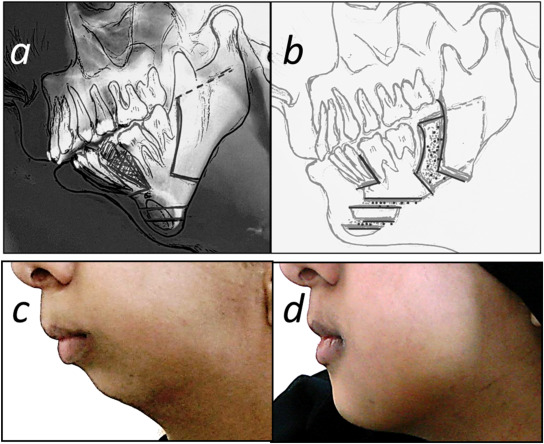
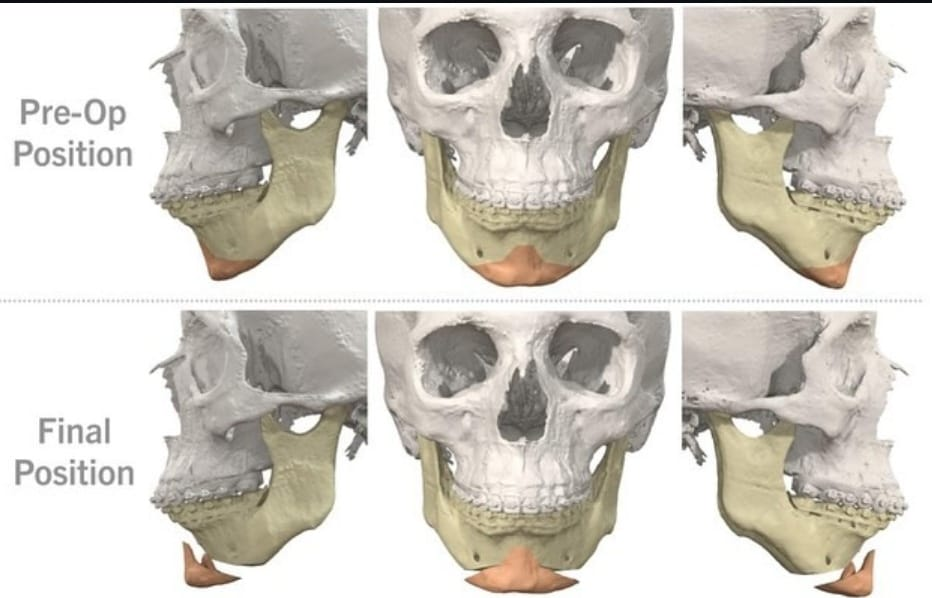
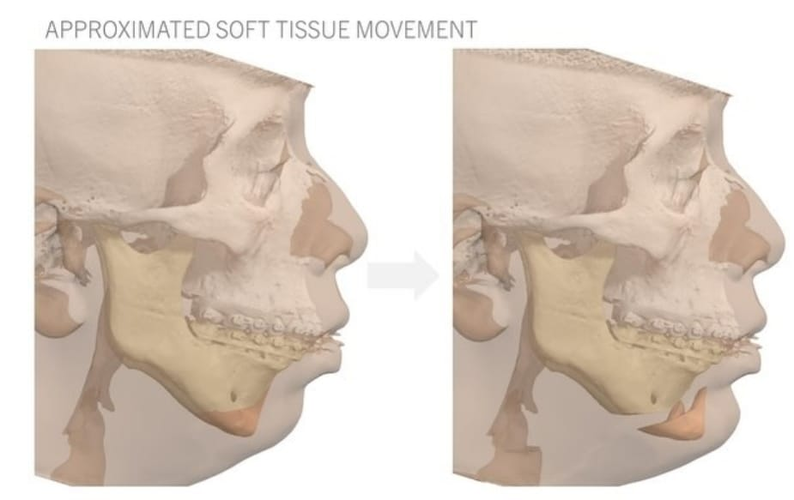
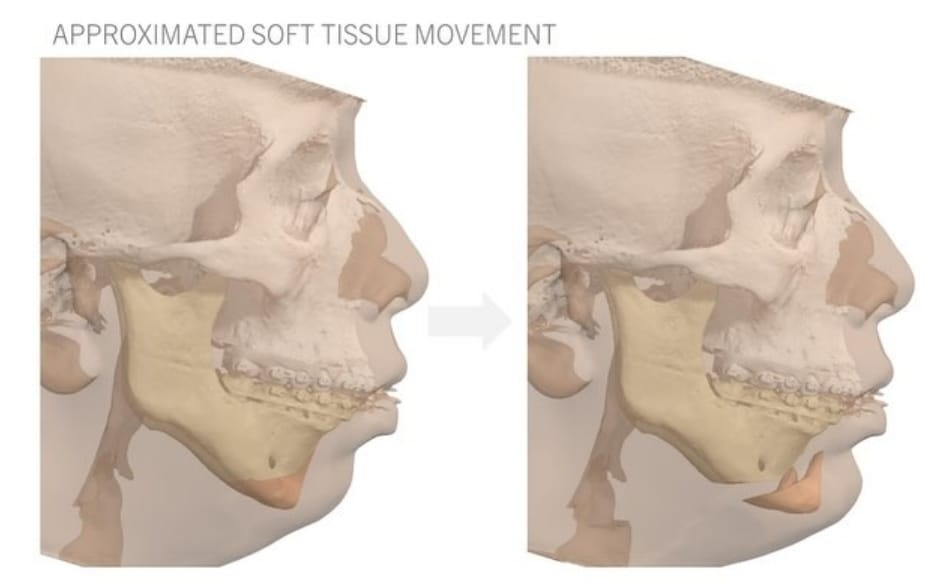
A chin shield osteotomy is a modified form of genioplasty where the bone segment is shaped and moved in a way that affects more than just the tip of the chin. Instead of only pushing the chin forward or adjusting height, this technique allows changes to the entire anterior lower jaw contour. It can improve projection, vertical dimension, and the transition between the lower lip and chin in a more controlled and comprehensive way.
2. What it does:
This technique can create a subtle clockwise (CCW) rotational effect in the lower face, improving overall balance without touching the bite. It enhances lower facial support, refines the chin shape, and can smooth out the mentolabial area. Because it works on a broader segment, the result often looks more natural and integrated with the rest of the face.
3. Why in some cases it is a better option than bimax:
In many cases, the lips already sit relatively close together and the bite is acceptable. In those situations, full bimax surgery can be more aggressive than necessary. A chin shield osteotomy can achieve a similar aesthetic improvement in the lower third without moving both jaws. It targets the area that actually needs correction instead of changing the entire structure.
4. Effect on the mentolabial fold:
One of the main advantages is how it handles the mentolabial fold. With bimax, depending on the movements, this fold can become deeper and more pronounced. A well-planned chin shield osteotomy can maintain or even improve this area, leading to a smoother and cleaner look between the lower lip and chin.
5. Gives BSSO effect:
Although it does not move the mandible like a BSSO, it can create a similar visual effect in the lower third. By increasing projection and support, it gives the impression of a stronger, more forward lower jaw, without actually altering occlusion.
6. When it is used:
It is mainly used in cases where the issue is aesthetic rather than functional. This includes chin retrusion, lack of projection, vertical imbalance, or a poorly defined lower third, while the bite itself is already fine.
7.Results:
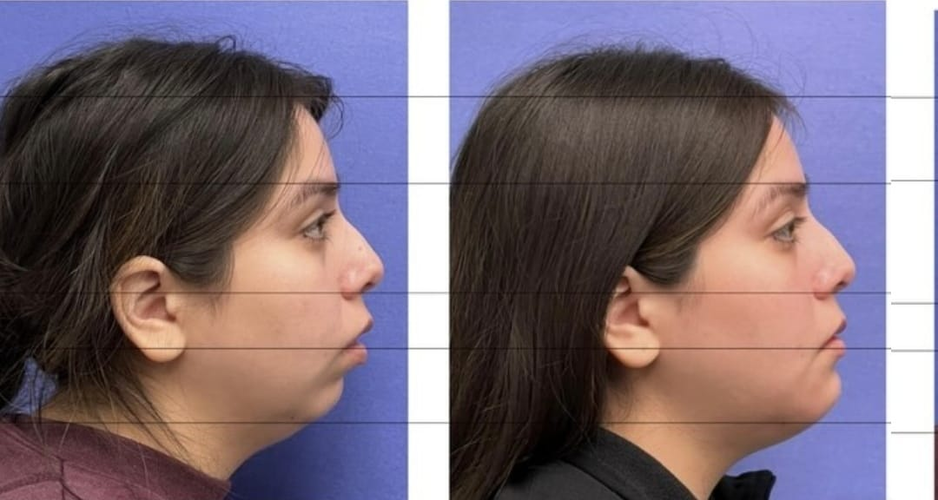
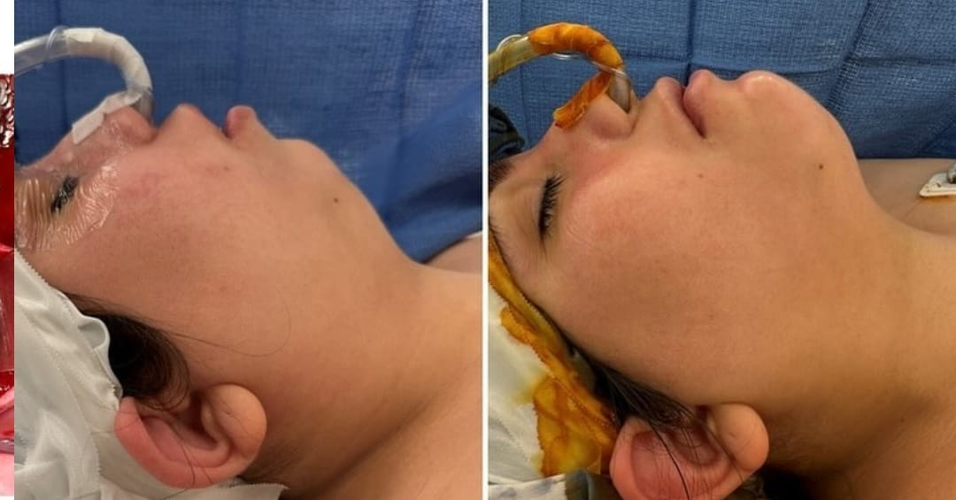
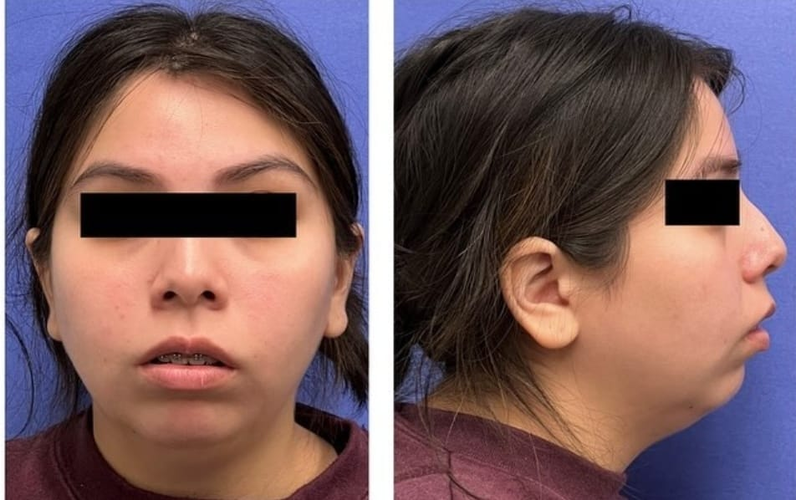
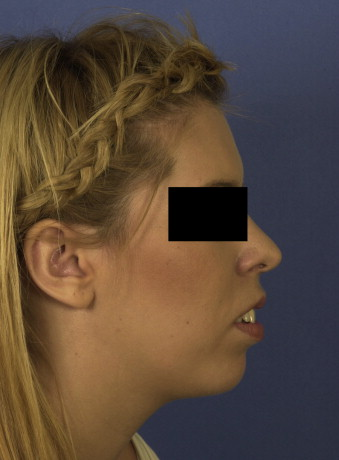
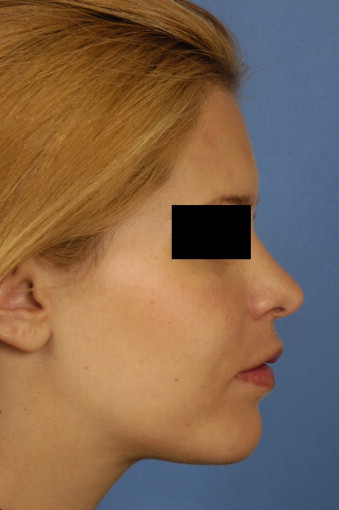
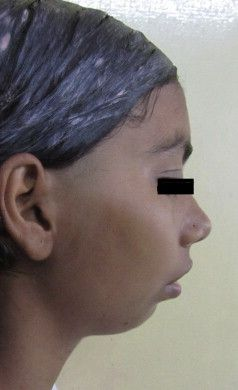
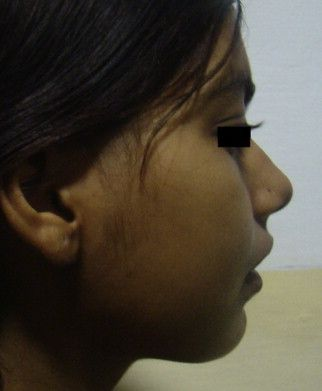
Some of those results needed bimax instead of chin shield osteotomy.
8. Final point:
This technique is underrated and not talked about enough. In the right cases, it can give a refined and balanced result without the need for full jaw surgery.
A chin shield osteotomy is a modified form of genioplasty where the bone segment is shaped and moved in a way that affects more than just the tip of the chin. Instead of only pushing the chin forward or adjusting height, this technique allows changes to the entire anterior lower jaw contour. It can improve projection, vertical dimension, and the transition between the lower lip and chin in a more controlled and comprehensive way.
2. What it does:
This technique can create a subtle clockwise (CCW) rotational effect in the lower face, improving overall balance without touching the bite. It enhances lower facial support, refines the chin shape, and can smooth out the mentolabial area. Because it works on a broader segment, the result often looks more natural and integrated with the rest of the face.
3. Why in some cases it is a better option than bimax:
In many cases, the lips already sit relatively close together and the bite is acceptable. In those situations, full bimax surgery can be more aggressive than necessary. A chin shield osteotomy can achieve a similar aesthetic improvement in the lower third without moving both jaws. It targets the area that actually needs correction instead of changing the entire structure.
4. Effect on the mentolabial fold:
One of the main advantages is how it handles the mentolabial fold. With bimax, depending on the movements, this fold can become deeper and more pronounced. A well-planned chin shield osteotomy can maintain or even improve this area, leading to a smoother and cleaner look between the lower lip and chin.
5. Gives BSSO effect:
Although it does not move the mandible like a BSSO, it can create a similar visual effect in the lower third. By increasing projection and support, it gives the impression of a stronger, more forward lower jaw, without actually altering occlusion.
6. When it is used:
It is mainly used in cases where the issue is aesthetic rather than functional. This includes chin retrusion, lack of projection, vertical imbalance, or a poorly defined lower third, while the bite itself is already fine.
7.Results:
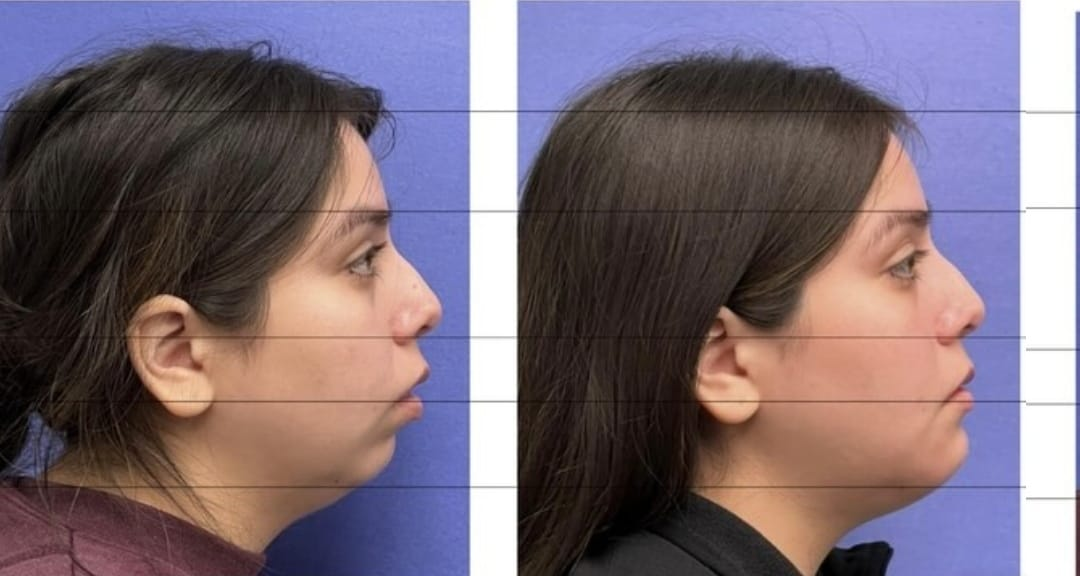
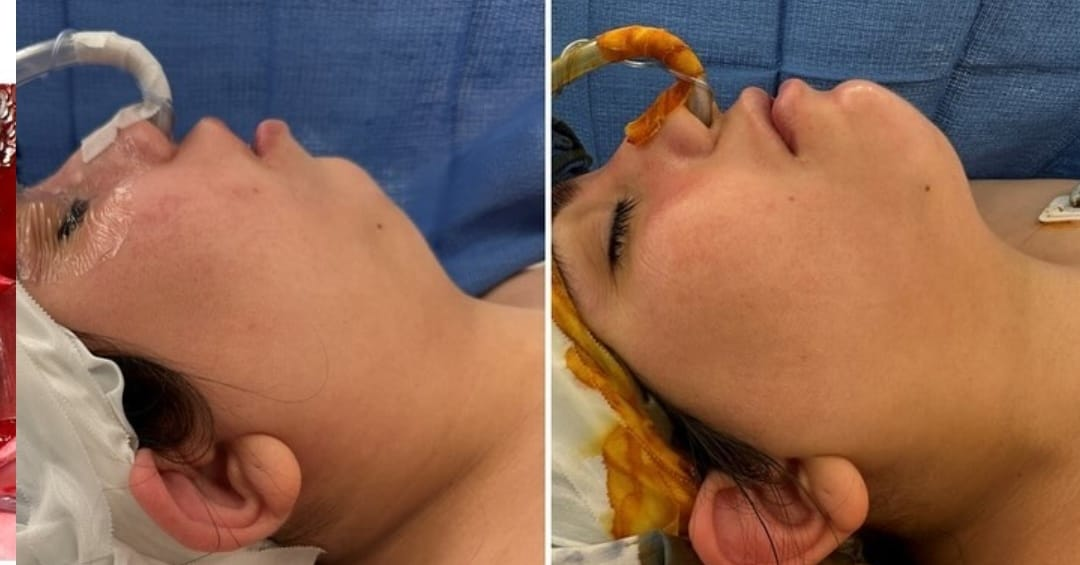
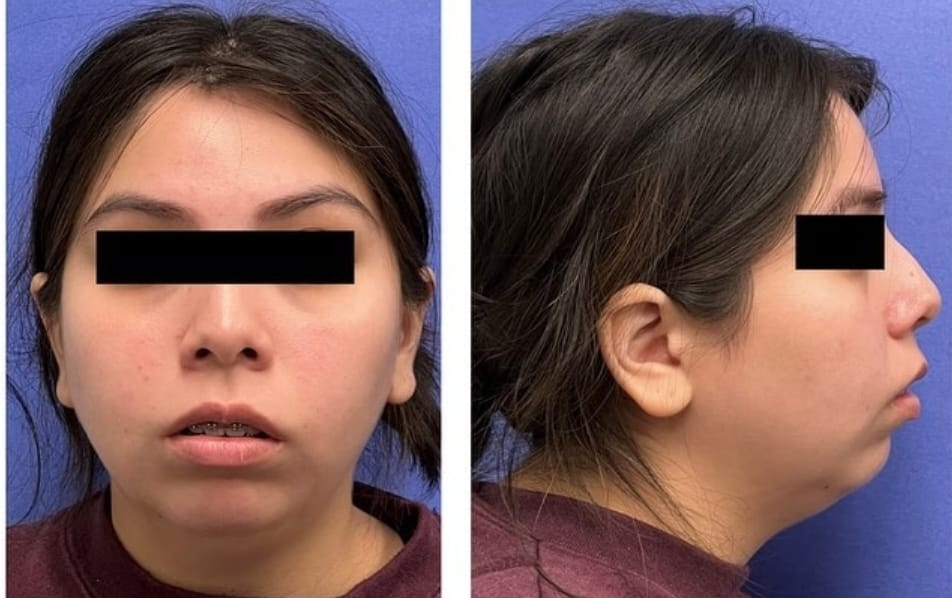
Some of those results needed bimax instead of chin shield osteotomy.
8. Final point:
This technique is underrated and not talked about enough. In the right cases, it can give a refined and balanced result without the need for full jaw surgery.
Last edited: