

evilfoidslayer
Silver
- Joined
- Mar 9, 2026
- Posts
- 605
- Reputation
- 497
1) Ancient civilizations: male grooming

In ancient Egypt Men used kohl eyeliner, perfumes, oils, and wigs. Grooming was tied to status and hygiene.
In ancient Greece: The ideal male body (symmetry, musculature) was explicitly cultivated through training basically early physique optimization.
In ancient Rome: Men shaved, styled hair, used skincare and even depilation. Appearance signaled class and discipline.
2) Middle Ages to Renaissance: status-coded aesthetics

Noble men wore elaborate clothing, perfumes, styled hair
In the Renaissance, appearance meant intelligence and status
Under Louis XIV, men wore heels , wigs and makeup to statusmaxx
3) 18th–19th century: controlled masculinity
The makeup did slowly dissapear but grooming didn’t ; it became more coded:
- tailored suits
- beard styles (Victorian era)
- posture, etiquette, “gentleman aesthetic
4) 20th century: modern male aesthetics

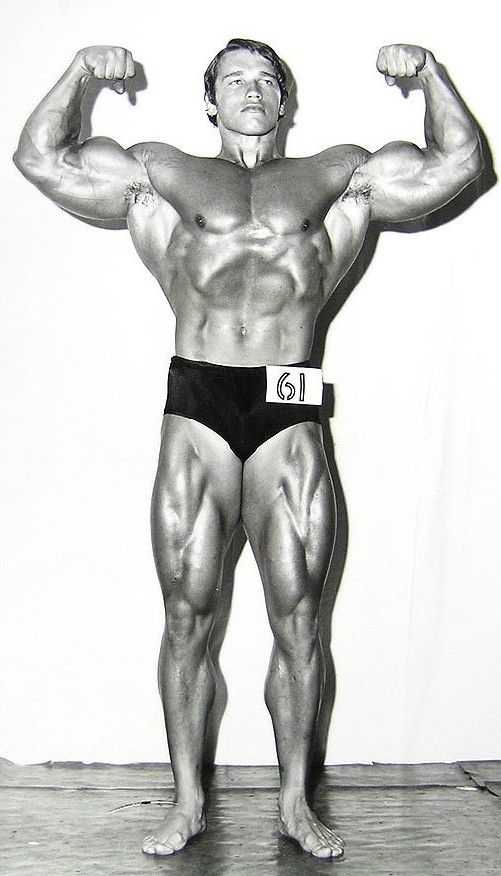
Another thing women could not create without us .


 n then proceed to compare it to modern male looksmaxxing