mirinmirinmirin
🏆FUOTY 2026🏆
- Joined
- Jul 1, 2026
- Posts
- 220
- Reputation
- 511
My theory is that if you brush your teeth every night while standing on only your left leg, you will gradually grow craniofacially and morph into a gigachad.
Authors: mirinmirinmirin, Mike Mew, Oliver O'Connor et al.
Here is my reasoning:
1. Standing on one leg strongly activates core and stabilizing muscles (especially gluteus medius)
Multiple studies confirm high activation of gluteus medius during single-leg stance and single-limb exercises, this is undeniable
Example: Single-limb squats and balance tasks produce 70-100%+ MVIC in glute medius

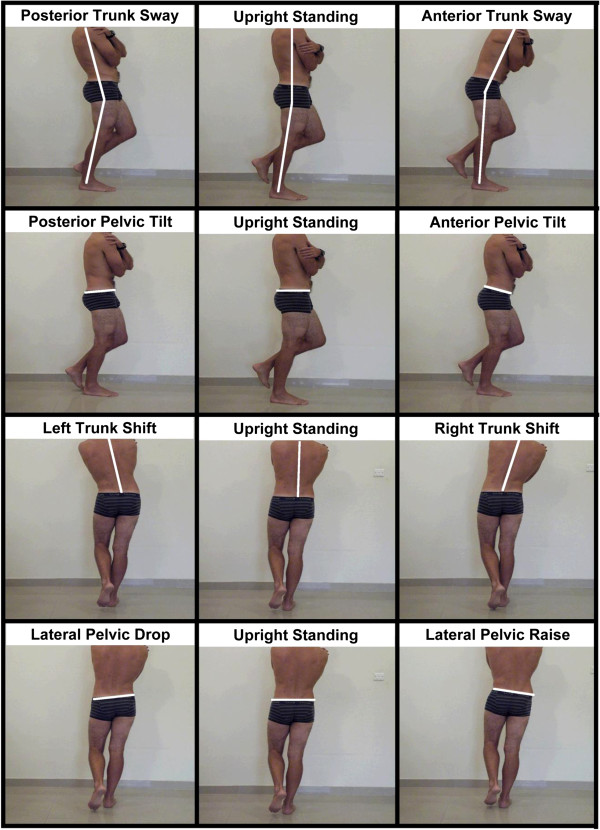
2. This creates pelvic tilt adjustments and compensatory spinal/postural changes
The unilateral activation creates a slight pelvic tilt and compensatory curve in the spine. Your body adjusts its posture immediately to keep your head level and eyes forward
3. Improved postural alignment (reduced forward head posture overtime)
Better pelvic and lower body stability contributes to upward postural corrections. Poor posture (e.g., forward head) is linked to altered (and BAD) craniofacial positioning, and correcting it can influence head/neck alignment (POSITIVELY).
 backintelligence.com
4. Better neck/head position encourages proper resting tongue posture (tongue against palate) (mewing)
I don't need to explain this really, but tongue posture is correlated with head and neck position. Forward head posture leads to low tongue posture, but neutral alignment (what we would be achieving) supports higher tongue resting position.
 <-- dr. mike mew (he helped me write this thread btw)
5. Consistent tongue pressure on the palate can influence craniofacial bone remodeling (Wolff’s Law)
Wolff’s Law: Bone adapts to mechanical loads (deposition where stressed, resorption where not).
6. Maxillary forward/widening growth can improve jaw projection, facial angles, and eye support (i.e. you get mogger jaw, +hella PSL, and hunter eyes)
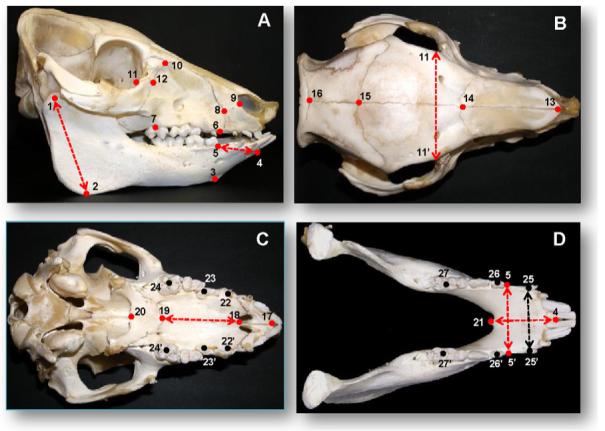
Forward maxillary growth influences mandibular position and orbital support via skeletal relationships. Theories of craniofacial growth (look up Enlow's principles) support interconnected bone adaptation.
 en.wikipedia.org
 sidenote: I lowk feel bad for the chick on the left here, I see her as the example of recession that like every tiktok edit and thread uses, I would honestly rope if I were her
7. Unilateral/balance stress raises testosterone and growth hormone
Read the study if you don't believe me, progressive resistance training elevates GH/testosterone, and single-leg work qualifies as unilateral loading.

 pubmed.ncbi.nlm.nih.gov

8. Cumulative hormonal + mechanical stress over months → modest facial/postural improvements (i.e. holy height, holy test holy igf-1 holy gh holy petamog)
Androgens support bone density and muscle, and combined with mechanical loading, this enhances remodeling of the face and posture.
 pmc.ncbi.nlm.nih.gov
 <-- you after following my advice
Thank you for DNRing, high iq members please debate with me
Authors: mirinmirinmirin, Mike Mew, Oliver O'Connor et al.
Here is my reasoning:
1. Standing on one leg strongly activates core and stabilizing muscles (especially gluteus medius)
Multiple studies confirm high activation of gluteus medius during single-leg stance and single-limb exercises, this is undeniable
Example: Single-limb squats and balance tasks produce 70-100%+ MVIC in glute medius
2. This creates pelvic tilt adjustments and compensatory spinal/postural changes
The unilateral activation creates a slight pelvic tilt and compensatory curve in the spine. Your body adjusts its posture immediately to keep your head level and eyes forward
3. Improved postural alignment (reduced forward head posture overtime)
Better pelvic and lower body stability contributes to upward postural corrections. Poor posture (e.g., forward head) is linked to altered (and BAD) craniofacial positioning, and correcting it can influence head/neck alignment (POSITIVELY).
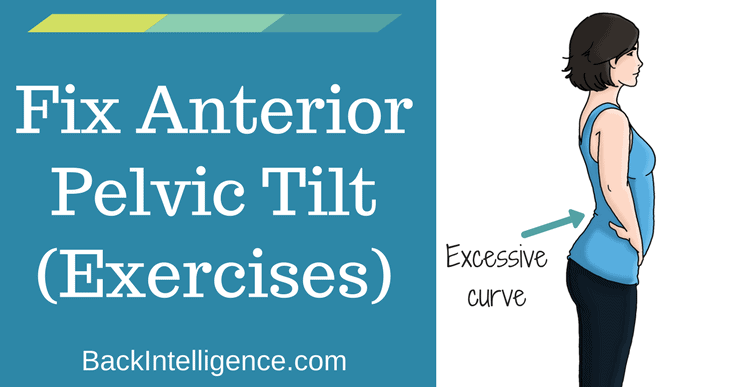
How To Fix Anterior Pelvic Tilt Posture - 10 Exercises | Back Intelligence
Excessive Anterior Pelvic Tilt can cause pain and imbalances. Here are 10 Exercises to fix it naturally from home.
4. Better neck/head position encourages proper resting tongue posture (tongue against palate) (mewing)
I don't need to explain this really, but tongue posture is correlated with head and neck position. Forward head posture leads to low tongue posture, but neutral alignment (what we would be achieving) supports higher tongue resting position.
5. Consistent tongue pressure on the palate can influence craniofacial bone remodeling (Wolff’s Law)
Wolff’s Law: Bone adapts to mechanical loads (deposition where stressed, resorption where not).
- Applies to craniofacial bones, including maxilla Source: https://www.myominded.com/post/wolff-s-law-and-myofunctional-therapy
- Animal studies show tongue volume/pressure affects jaw and arch growth Source: https://pmc.ncbi.nlm.nih.gov/articles/PMC2562725/
- In humans, this is more established in growing children; adult changes are slower and more limited (a.k.a. the method doesn't work for oldcels) Source: https://aaoinfo.org/whats-trending/is-mewing-bad-for-you/
6. Maxillary forward/widening growth can improve jaw projection, facial angles, and eye support (i.e. you get mogger jaw, +hella PSL, and hunter eyes)
Forward maxillary growth influences mandibular position and orbital support via skeletal relationships. Theories of craniofacial growth (look up Enlow's principles) support interconnected bone adaptation.
Theories of craniofacial growth - Wikipedia
7. Unilateral/balance stress raises testosterone and growth hormone
Read the study if you don't believe me, progressive resistance training elevates GH/testosterone, and single-leg work qualifies as unilateral loading.
Effects of progressive resistance training on growth hormone and testosterone levels in young and elderly subjects - PubMed
We observed the response of serum growth hormone (GH) and testosterone (T) to a progressive resistance strength training program. Basal levels (after a 12-h fast) of GH and T were measured in young (23 years) and elderly (63 years) subjects before and after a 12-week training program. The...
pubmed.ncbi.nlm.nih.gov
8. Cumulative hormonal + mechanical stress over months → modest facial/postural improvements (i.e. holy height, holy test holy igf-1 holy gh holy petamog)
Androgens support bone density and muscle, and combined with mechanical loading, this enhances remodeling of the face and posture.
Role of hormones in bone remodeling in the craniofacial complex: A review - PMC
Diseases such as periodontitis and osteoporosis are expected to rise tremendously by 2050. Bone formation and remodeling are complex processes that are disturbed in a variety of diseases influenced by various hormones. This study aimed to review and ...
pmc.ncbi.nlm.nih.gov
Thank you for DNRing, high iq members please debate with me