vanetto
6'6
- Joined
- Mar 1, 2026
- Posts
- 361
- Reputation
- 254
Well, as we all know, the eye area is one of the most important features when it comes to appearance.
However, there’s one thing that’s often overlooked, yet it’s one of the most important visual features.
The neck. Why?
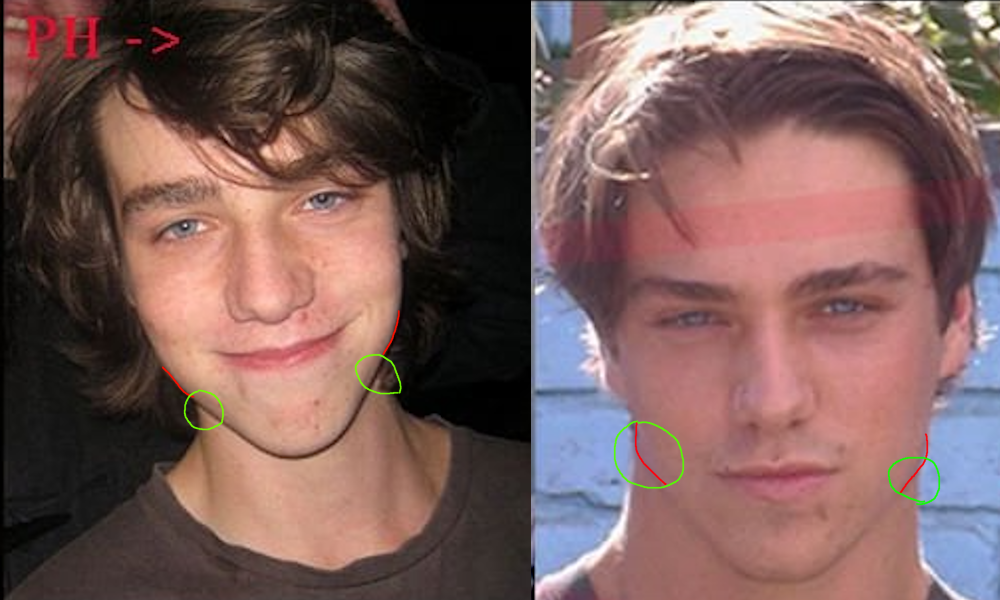
I’ve picked out and edited a few examples here:
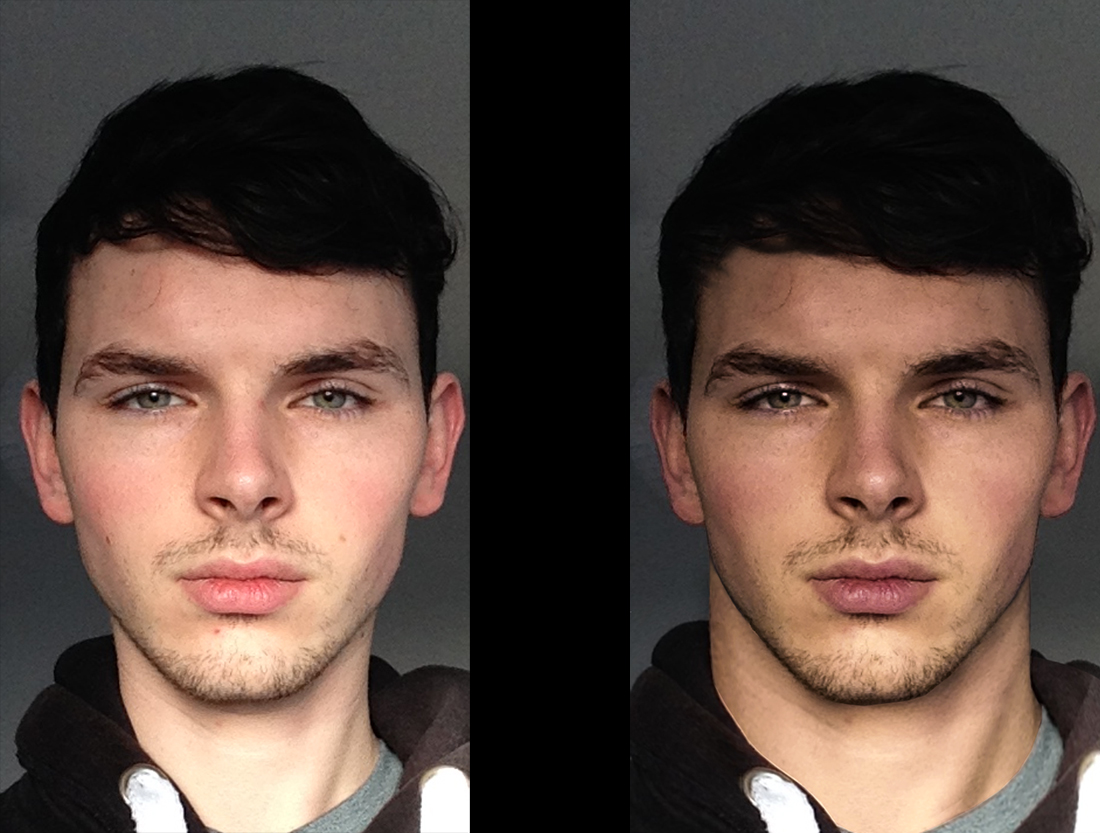
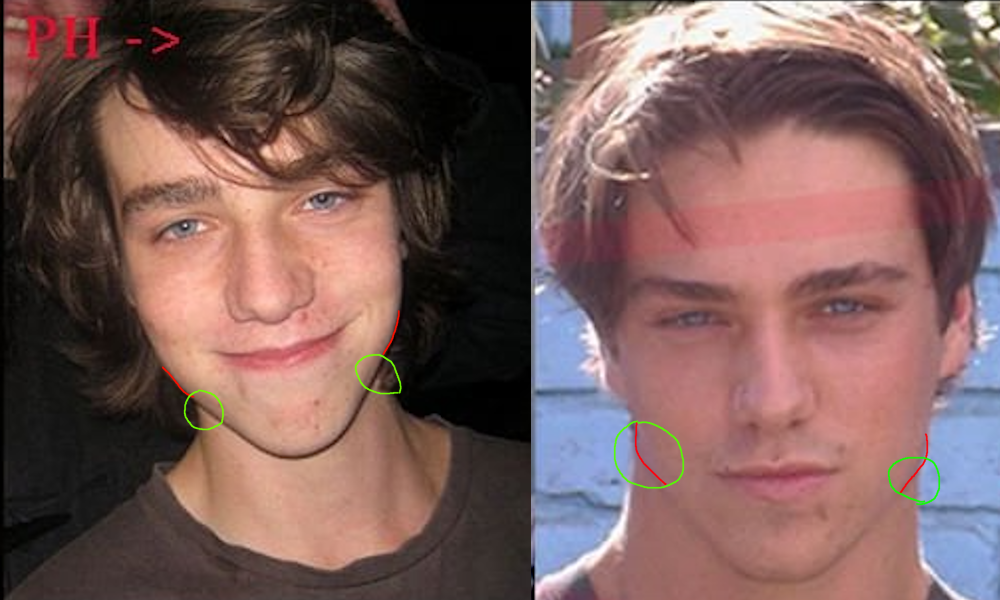
In this example, it’s important to note that Orb generally did more than just work on the neck. Nevertheless, you can see here that it makes a significant difference. To illustrate this, I’ve redrawn the overlaps between the gonial angle and the neck.
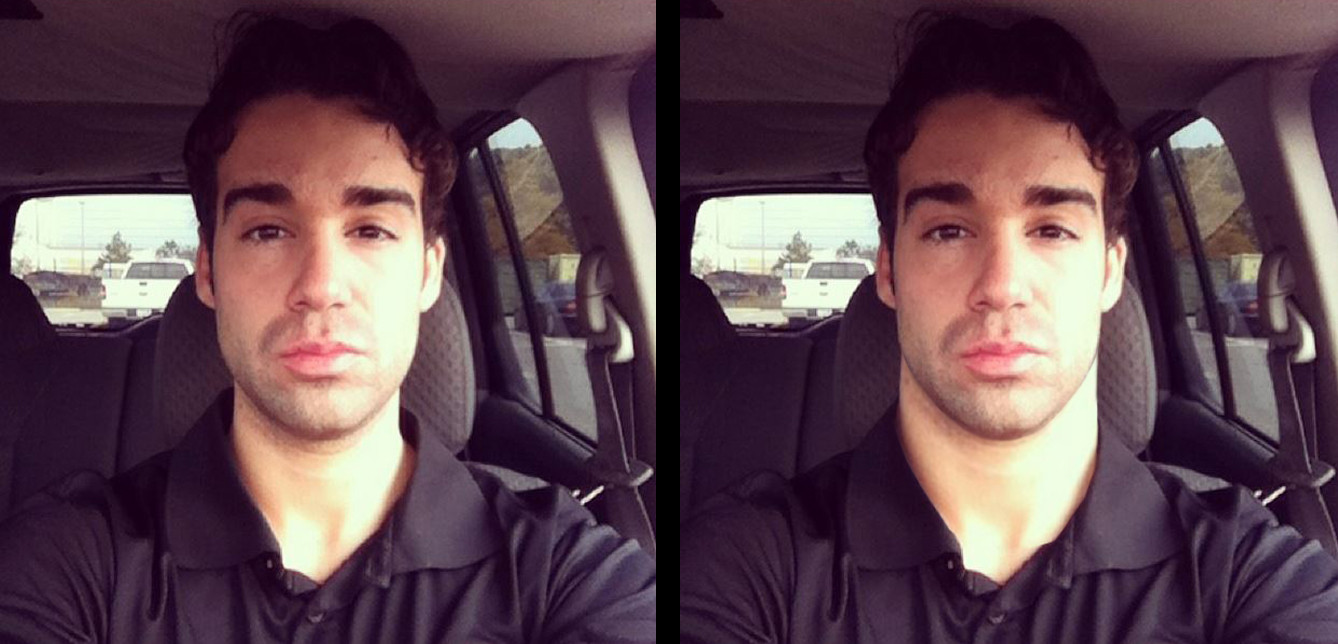
I think these examples should make it clear just how important the neck is.
It looks more masculine and complements the face much better once it’s well defined.
So, how do we train our necks so that they don't look like those of extreme bodybuilders, but rather refined and subtle, yet still striking?
It's pretty simple. Here are the some training methods for the neck.
Extension: 1–3 sets, 8–12 reps
Flexion: 1–3 sets, 15–25 reps
Lateral: 1–3 sets, 15–25 reps
Rotation: 1–3 sets, 15–25 reps
But what exactly are these exercises?
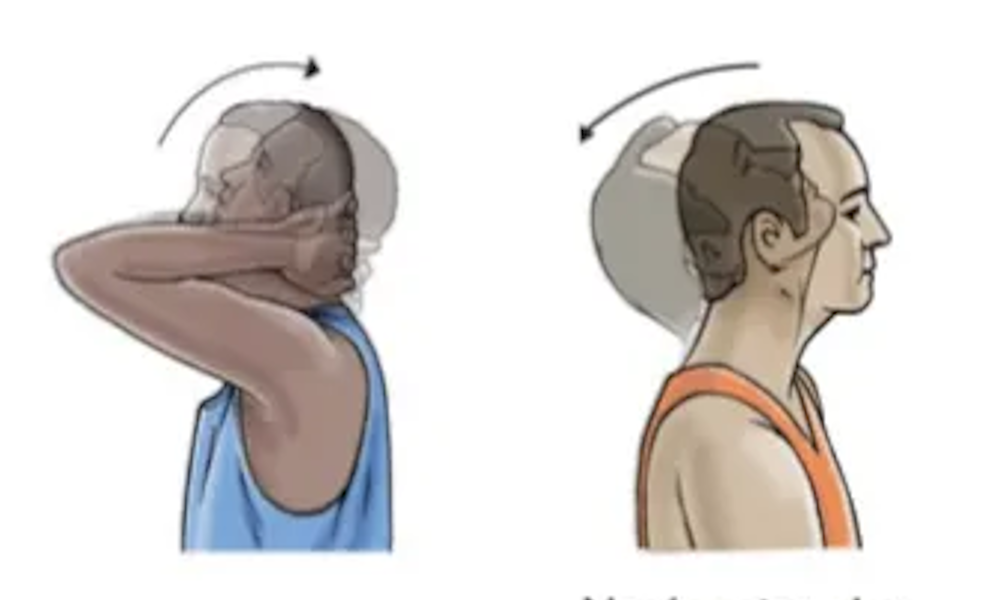
Extension:
You move your head backward. Pretty simple right?
This uses the muscles in the back of your neck like the splenius capitis.
It’s like pulling a lever to lift your face up.
There are two types: isometric and standard.
Isometric is on the left; standard is on the right.
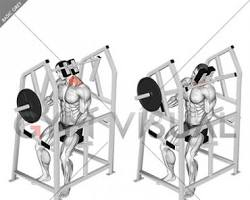
Flexion:
You move your head forward, bringing your chin to your chest.
This activates the muscles at the front, especially the big one you can feel on the side called the Sternocleidomastoid.
You place your forehead against the pad and push forward. This is the opposite of the extension.
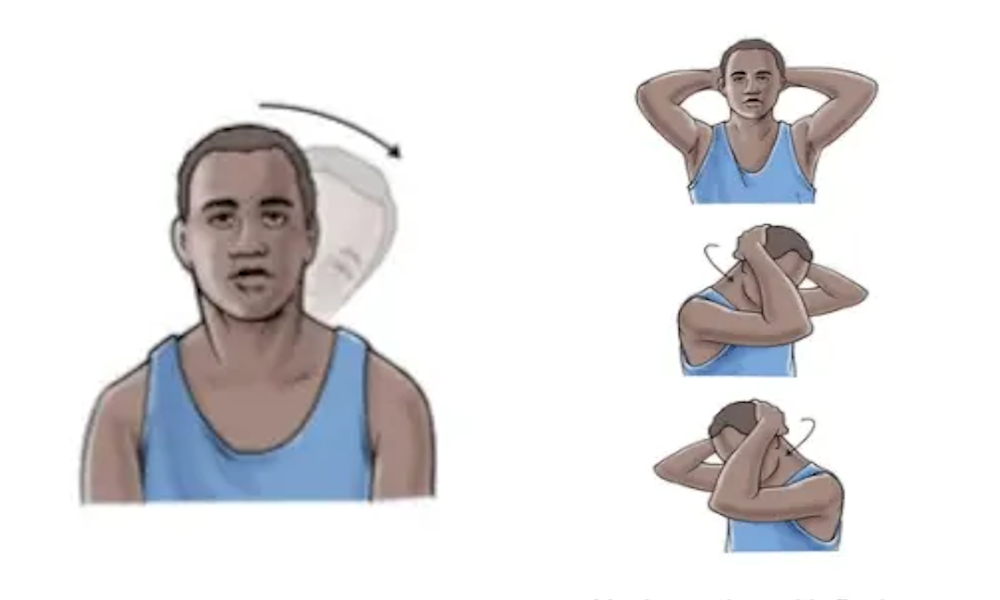
Lateral Flexion:
You tilt your head to the side, moving your ear toward your shoulder.
The muscles on just one side of your neck contract (shorten) to pull your head over, while the other side stretches.
You lean your head to the side against resistance. It helps keep your neck stable from left to right.
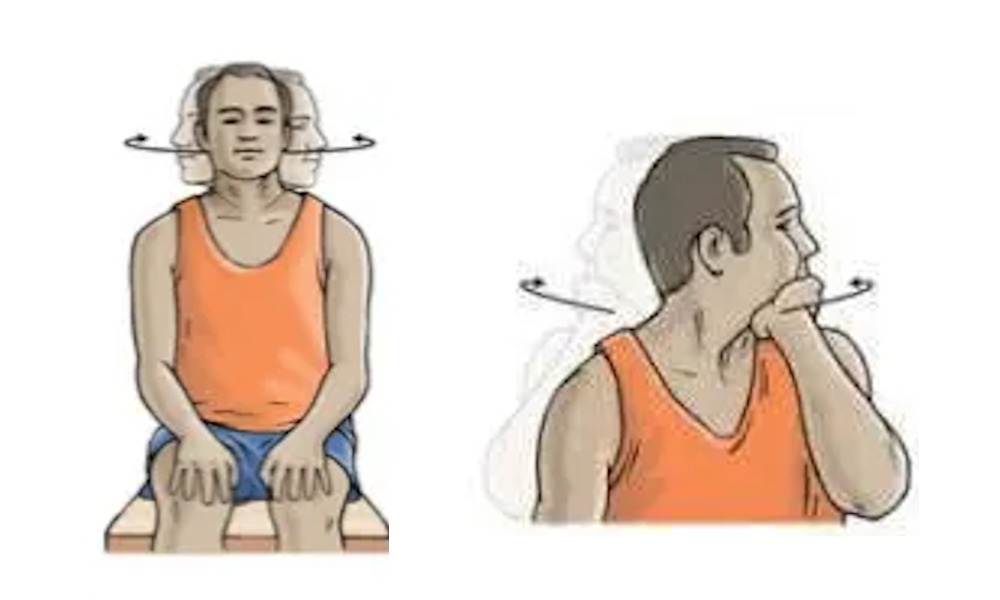
Rotation:
You turn your head to look over your shoulder.
It happens mostly at the very top of your spine, between the first two bones called the Atlas and the Axis.
This is often done with controlled cable movements or special rotation machines to make sure you can look around quickly and safely.
Training your neck is THE secret for a dominant look, as a thick, well developed neck creates a more dominant silhouette and frames your jawline.
A strong neck is the foundation of a truly aesthetic physique.
However, there’s one thing that’s often overlooked, yet it’s one of the most important visual features.
The neck. Why?
I’ve picked out and edited a few examples here:
In this example, it’s important to note that Orb generally did more than just work on the neck. Nevertheless, you can see here that it makes a significant difference. To illustrate this, I’ve redrawn the overlaps between the gonial angle and the neck.
I think these examples should make it clear just how important the neck is.
It looks more masculine and complements the face much better once it’s well defined.
So, how do we train our necks so that they don't look like those of extreme bodybuilders, but rather refined and subtle, yet still striking?
It's pretty simple. Here are the some training methods for the neck.
Extension: 1–3 sets, 8–12 reps
Flexion: 1–3 sets, 15–25 reps
Lateral: 1–3 sets, 15–25 reps
Rotation: 1–3 sets, 15–25 reps
But what exactly are these exercises?
Extension:
You move your head backward. Pretty simple right?
This uses the muscles in the back of your neck like the splenius capitis.
It’s like pulling a lever to lift your face up.
There are two types: isometric and standard.
Isometric is on the left; standard is on the right.
Flexion:
You move your head forward, bringing your chin to your chest.
This activates the muscles at the front, especially the big one you can feel on the side called the Sternocleidomastoid.
You place your forehead against the pad and push forward. This is the opposite of the extension.
Lateral Flexion:
You tilt your head to the side, moving your ear toward your shoulder.
The muscles on just one side of your neck contract (shorten) to pull your head over, while the other side stretches.
You lean your head to the side against resistance. It helps keep your neck stable from left to right.
Rotation:
You turn your head to look over your shoulder.
It happens mostly at the very top of your spine, between the first two bones called the Atlas and the Axis.
This is often done with controlled cable movements or special rotation machines to make sure you can look around quickly and safely.
Training your neck is THE secret for a dominant look, as a thick, well developed neck creates a more dominant silhouette and frames your jawline.
A strong neck is the foundation of a truly aesthetic physique.





 You‘re not allat pal