





Seth Walsh

Iconoclast
Contributor
- Joined
- Jan 12, 2020
- Posts
- 11,209
- Reputation
- 22,947
Been thinking about this because I think people online completely misunderstand what high status actually looks like IRL.
Andrew Tate is probably the cleanest example.
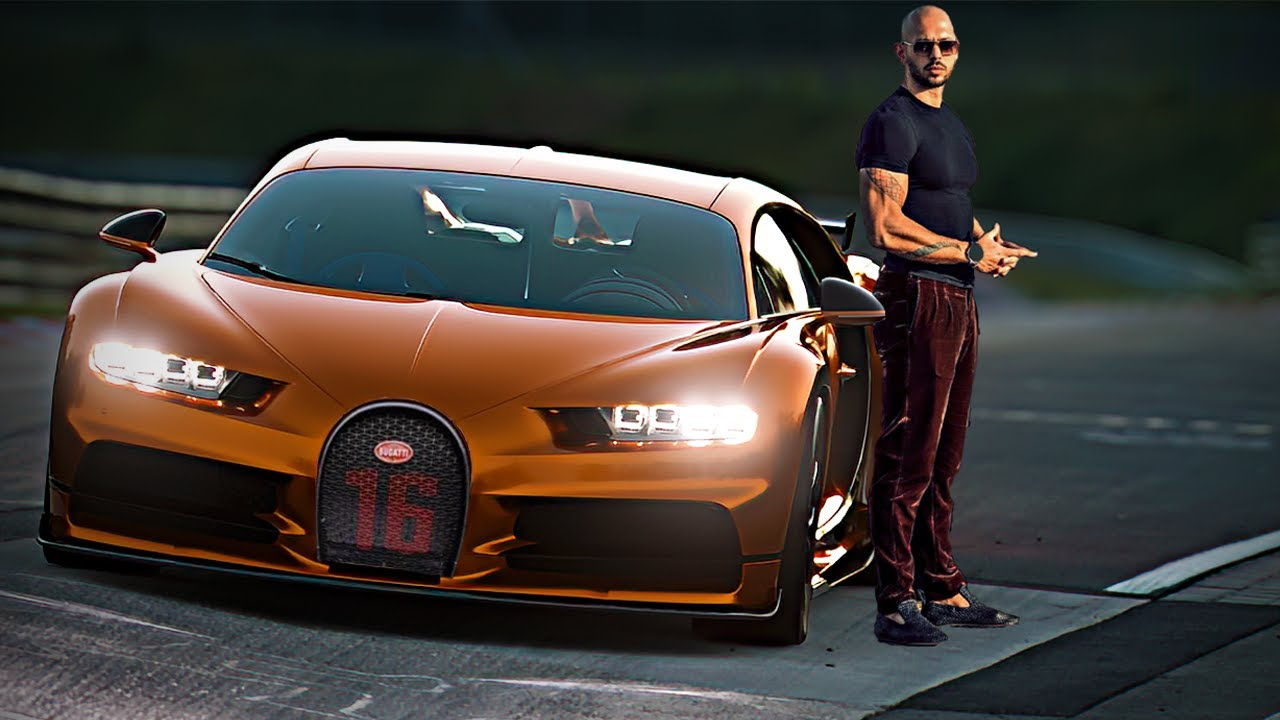
His entire status presentation is basically:
supercars
watches
women
private jets
physical intimidation
“I know powerful people”
constant hierarchy talk
constant reminders that he is richer/more important/more dangerous than you
And obviously this works insanely well on a certain audience.
But imagine an actually established high-SES 45-year-old guy watching him.
His internal reaction is probably something like:
And I genuinely think the second guy is displaying a completely different and arguably much harder-to-fake form of status.
Not because “family man good, Lamborghini bad.”
That’s too simplistic.
It’s because the expensive things in his life have been demoted into infrastructure.
The SUV could itself cost €100k+.
Except nobody is standing beside it taking photographs.
It has:

And somehow the dirt almost makes the car look more congruent with the life.
Because the object isn't being protected as a sacred status object.
It is being used.
That distinction is fucking massive.
A guy who has spent half his net worth on a Range Rover may become neurotic if somebody scratches it.
The other guy is standing there going:
Same vehicle.
Completely different signal.
This is why I think online status analysis is often autistic in the wrong direction.
People assign fixed values to objects:
Rolex = +10 status
Ferrari = +30
muscles = +15
designer clothes = +8
But status doesn't work like an RPG inventory.
Context changes the meaning of the object.
A €10k watch being deliberately positioned in every Instagram photograph can look lower-status than some guy forgetting he's wearing one while trying to locate his daughter's missing gumshield.
The latter guy's actual flex is that his life has enough institutional density around it that he doesn't need the watch to carry the entire signal.
House.
Marriage.
Children.
Schools.
Sports.
Career.
Friends.
Neighbourhood.
Extended family.
Health.
Competence.
Reputation.
Routine.
People who have known him for twenty years.
The dog being recognised by the woman in the local café.
That entire structure is doing the signalling simultaneously.
Which means individual objects can become almost comically casual.
I think this is also why trying to act confident can backfire.
If you're constantly consciously performing:
then paradoxically you're revealing that the social interaction matters enormously to you.
You desperately need the hierarchy to resolve publicly.
The other guy genuinely may not give a shit because he has somewhere to be at 11:30.
Imagine Tate trying to dominate him verbally.
Tate:
Dad:

That's status immunity.
Not winning the confrontation.
The confrontation failing to become important enough to enter your operating system.
And this is where it gets really funny.
The genuinely established guy may actually look LESS “high status” in an isolated photograph.
Old Barbour.
Quarter zip.
Normal trainers.
Muddy SUV.
Dog that's approximately 2kg heavier than the vet recommends.
Meanwhile Tate looks like a GTA character who has completed the main storyline.
But put both of them into their respective social environments and everything changes.
One man's status requires continuous broadcasting.
The other's is embedded in the surrounding system.
That's why I think one of the highest-status states is:
expensive things becoming boring.
Not fake minimalism.
Not pretending money doesn't matter.
You can have the beautiful house.
Good car.
Excellent clothes.
Great holidays.
Whatever.
But eventually the Range Rover is just the car.
The expensive house is just home.
The private school is just where the kids go.
The nice restaurant is just where you're having lunch.
You stop narrating the significance of everything.
And I think that's the fundamental difference between performed status and embedded status.
Performed status says:
Embedded status says:
And Molly is the Labrador.
Who is slightly overweight.
Obviously.
Andrew Tate is probably the cleanest example.
His entire status presentation is basically:
supercars
watches
women
private jets
physical intimidation
“I know powerful people”
constant hierarchy talk
constant reminders that he is richer/more important/more dangerous than you
And obviously this works insanely well on a certain audience.
But imagine an actually established high-SES 45-year-old guy watching him.
His internal reaction is probably something like:
“Why’s the bald guy with the supercars so belligerent? Anyway Linda, we need to get the girls to hockey practice and Sean has rugby training straight after. Does the SUV have enough fuel?”
And I genuinely think the second guy is displaying a completely different and arguably much harder-to-fake form of status.
Not because “family man good, Lamborghini bad.”
That’s too simplistic.
It’s because the expensive things in his life have been demoted into infrastructure.
The SUV could itself cost €100k+.
Except nobody is standing beside it taking photographs.
It has:
- mud on the floor
- a Labrador in the back
- rugby boots
- hockey sticks
- two school bags
- a Tesco bag
- one unidentified water bottle rolling around under a seat
- probably half a digestive biscuit fused permanently to the upholstery
And somehow the dirt almost makes the car look more congruent with the life.
Because the object isn't being protected as a sacred status object.
It is being used.
That distinction is fucking massive.
A guy who has spent half his net worth on a Range Rover may become neurotic if somebody scratches it.
The other guy is standing there going:
“Can somebody get the dog out please, we're already late.”
Same vehicle.
Completely different signal.
This is why I think online status analysis is often autistic in the wrong direction.
People assign fixed values to objects:
Rolex = +10 status
Ferrari = +30
muscles = +15
designer clothes = +8
But status doesn't work like an RPG inventory.
Context changes the meaning of the object.
A €10k watch being deliberately positioned in every Instagram photograph can look lower-status than some guy forgetting he's wearing one while trying to locate his daughter's missing gumshield.
The latter guy's actual flex is that his life has enough institutional density around it that he doesn't need the watch to carry the entire signal.
House.
Marriage.
Children.
Schools.
Sports.
Career.
Friends.
Neighbourhood.
Extended family.
Health.
Competence.
Reputation.
Routine.
People who have known him for twenty years.
The dog being recognised by the woman in the local café.
That entire structure is doing the signalling simultaneously.
Which means individual objects can become almost comically casual.
I think this is also why trying to act confident can backfire.
If you're constantly consciously performing:
“I AM THE ALPHA MALE. I DON'T CARE WHAT ANYONE THINKS.”
then paradoxically you're revealing that the social interaction matters enormously to you.
You desperately need the hierarchy to resolve publicly.
The other guy genuinely may not give a shit because he has somewhere to be at 11:30.
Imagine Tate trying to dominate him verbally.
Tate:
“You need to understand something about high-value men—”
Dad:
“Yeah, absolutely. Sorry one second. Linda, did Sean leave his boots in your car?”
That's status immunity.
Not winning the confrontation.
The confrontation failing to become important enough to enter your operating system.
And this is where it gets really funny.
The genuinely established guy may actually look LESS “high status” in an isolated photograph.
Old Barbour.
Quarter zip.
Normal trainers.
Muddy SUV.
Dog that's approximately 2kg heavier than the vet recommends.
Meanwhile Tate looks like a GTA character who has completed the main storyline.
But put both of them into their respective social environments and everything changes.
One man's status requires continuous broadcasting.
The other's is embedded in the surrounding system.
That's why I think one of the highest-status states is:
expensive things becoming boring.
Not fake minimalism.
Not pretending money doesn't matter.
You can have the beautiful house.
Good car.
Excellent clothes.
Great holidays.
Whatever.
But eventually the Range Rover is just the car.
The expensive house is just home.
The private school is just where the kids go.
The nice restaurant is just where you're having lunch.
You stop narrating the significance of everything.
And I think that's the fundamental difference between performed status and embedded status.
Performed status says:
“LOOK AT THE THINGS THAT PROVE WHO I AM.”
Embedded status says:
“Has anyone seen Molly's lead?”
And Molly is the Labrador.
Who is slightly overweight.
Obviously.


