





Napoleon1800
relic of the past
- Joined
- Aug 6, 2023
- Posts
- 13,335
- Reputation
- 13,938
you niggas get shit formatting because otherwise it gets flagged as ai
3-MMC (3-
Methylmethcathinone)
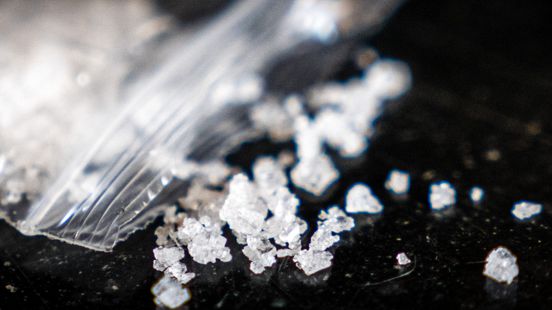
3-MMC is a recreational drug, part of synthetic cathinones, often known as bath salts. It’s chemically related to mephedrone (4MMC/MCAT) and loosely comparable in effect profile to a mix of cocaine and mdma. It’s often noted as being milder and less emotionally charged than 4-MMC which is reported to cause intense euphoria and physical jitteriness, occasionally aggression and hallucinations. It is also noted to have a milder comedown than 4-MMC and MDMA, as it has a less strong serotonin release than the two, thus it can theoretically be used more frequently without having to encounter harsh crashes. Compulsive redosing also tends to be moderately less than 4-MMC, however it is still addictive.
Because it is a combination of a stimulant and an empathogen, it increases synaptic levels of dopamine, serotonin and norepinephrine which increases motivation, confidence, energy, alertness and elevates mood and warmthness. This combo temporarily lowers inhibition and social anxiety and increases ease of talkativeness.
Similarly to most stimulants, 3-MMC causes appetite suppression, dehydration and sleep disruption, however, it’s total duration tends to be about 4 hours so if timing is properly managed and redosing does not occur, sleep disruption could be minimised. This drug is new however cardiovascular strain and neurotoxicity have already been identified as possible risks. It comes as a powder or crystal and is often administered via snorting similarly to cocaine, therefore it has similar damaging effects to the nose.
The comedown is greatly influenced by sleep, nutrition, frequency and individual neuro chemistry. If managed smartly, one can avoid many of the horrible crashes that are often experienced with similar drugs like cocaine, MCAT and MDMA. Tolerance building is also a problem, which can lead to higher dosages and more frequent redosing, spiralling into addiction.
Benefits include increased and ease of talkativeness, elevated confidence and drive to socialise, emotional openness and friendliness, reduced self-monitoring and social fear, euphoria that makes interactions feel much easier and increased arousal and sexual desire which can make sexually charged interactions much easier to handle.
Compared to depressants (alcohol), there is more energy and mental clarity, less physical sedation and stronger motivation to interact
Compared to MDMA, it is shorter-acting and less intense emotionally, typically less afterglow crash than MDMA (though still present to some degree)
Compared to cocaine, is it longer lasting with less jitteriness and typically has less of the usual stim crash
3-MMC (3-
Methylmethcathinone)
3-MMC is a recreational drug, part of synthetic cathinones, often known as bath salts. It’s chemically related to mephedrone (4MMC/MCAT) and loosely comparable in effect profile to a mix of cocaine and mdma. It’s often noted as being milder and less emotionally charged than 4-MMC which is reported to cause intense euphoria and physical jitteriness, occasionally aggression and hallucinations. It is also noted to have a milder comedown than 4-MMC and MDMA, as it has a less strong serotonin release than the two, thus it can theoretically be used more frequently without having to encounter harsh crashes. Compulsive redosing also tends to be moderately less than 4-MMC, however it is still addictive.
Because it is a combination of a stimulant and an empathogen, it increases synaptic levels of dopamine, serotonin and norepinephrine which increases motivation, confidence, energy, alertness and elevates mood and warmthness. This combo temporarily lowers inhibition and social anxiety and increases ease of talkativeness.
Similarly to most stimulants, 3-MMC causes appetite suppression, dehydration and sleep disruption, however, it’s total duration tends to be about 4 hours so if timing is properly managed and redosing does not occur, sleep disruption could be minimised. This drug is new however cardiovascular strain and neurotoxicity have already been identified as possible risks. It comes as a powder or crystal and is often administered via snorting similarly to cocaine, therefore it has similar damaging effects to the nose.
The comedown is greatly influenced by sleep, nutrition, frequency and individual neuro chemistry. If managed smartly, one can avoid many of the horrible crashes that are often experienced with similar drugs like cocaine, MCAT and MDMA. Tolerance building is also a problem, which can lead to higher dosages and more frequent redosing, spiralling into addiction.
Benefits include increased and ease of talkativeness, elevated confidence and drive to socialise, emotional openness and friendliness, reduced self-monitoring and social fear, euphoria that makes interactions feel much easier and increased arousal and sexual desire which can make sexually charged interactions much easier to handle.
Compared to depressants (alcohol), there is more energy and mental clarity, less physical sedation and stronger motivation to interact
Compared to MDMA, it is shorter-acting and less intense emotionally, typically less afterglow crash than MDMA (though still present to some degree)
Compared to cocaine, is it longer lasting with less jitteriness and typically has less of the usual stim crash





