

D
Deleted member 416139
Azerik
- Joined
- May 1, 2026
- Posts
- 508
- Reputation
- 504
A COMPREHENSIVE GUIDE TO THE TENETS OF MEN'S AESTHETICS
If you want to watch a video instead of reading the thread:
Table of Contents
- Height
- Physique
- Harmony
- Facial Angularity
- Health & Youth Indicators
- Sexual Dimorphism
- Koinophilia
- Cultural Deviation
Design and Intro:
One of the most scientifically supported and anthropologically consistent explanations of human attraction is that it evolved as an adaptation to facilitate and assess the most suitable partner for procreation. In essence, sexual selection. However, those early in the PSL space have noted how limited this explanation is and have expanded it to encompass more than just dating. But to explain lookism as a whole. The concept that will provide the foundation and framework behind the theory of each proposed tenet.
With this in mind, the purpose of this video is to provide its viewers with a stronger basis of understanding behind why and which anatomical features are desired among men, and the underlying reasons behind the consistency of these preferences.
Height
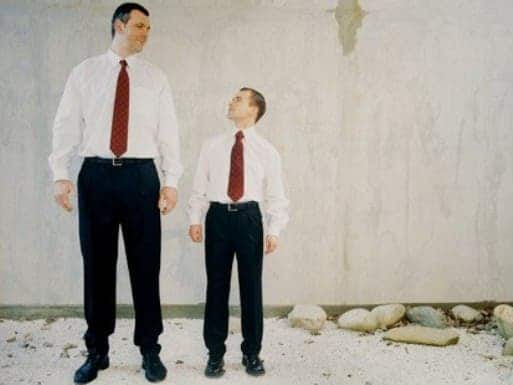
A greater stature in men has often functioned as a proxy for traits linked with reproductive fitness, such as physical strength, health, and competitive ability, all of which would have conferred advantages in ancestral environments with inter-male competition and resource defense.
The plausibility of this association becomes even more valid when considering the disproportionate social power occupied by taller men in roles such as billionaires, millionaires, CEO’s, and political figures.
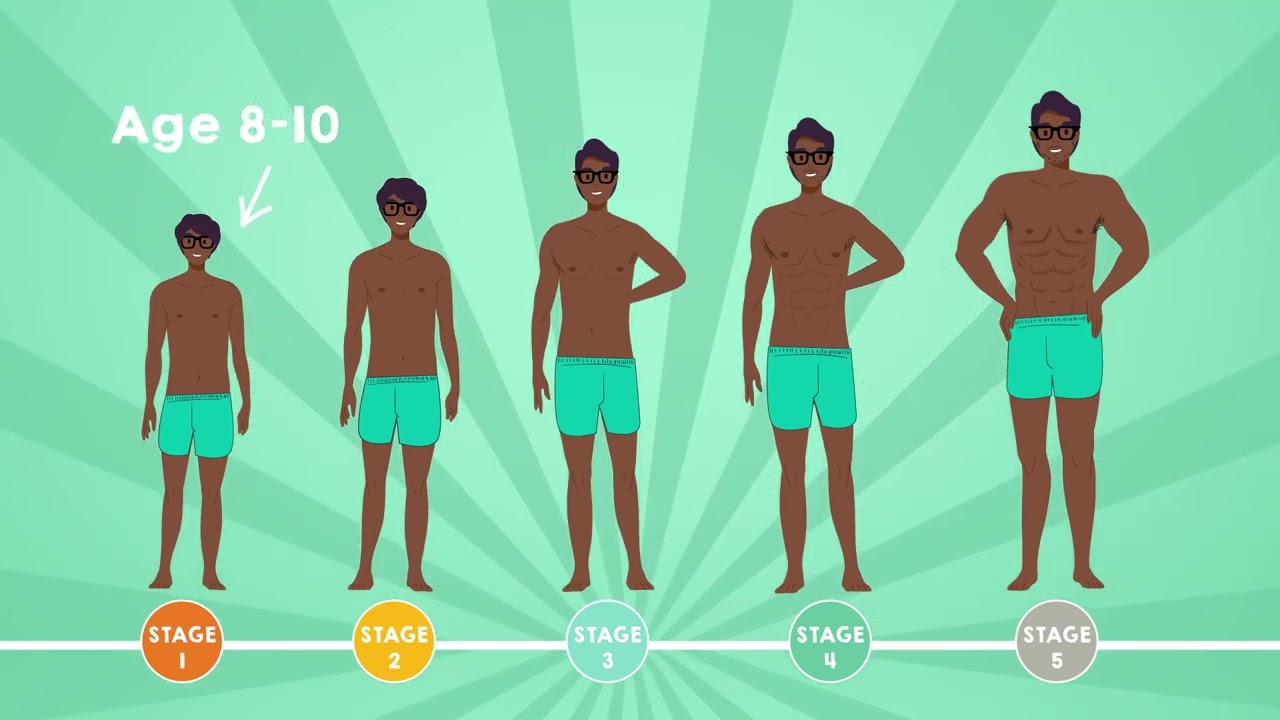
Height is also one of the most pronounced markers of sexual dimorphism, as men undergo a longer, more androgen-driven growth period during puberty. A taller male body more clearly signals completion of adult male development, whereas shorter stature is subconsciously linked with monotonous traits such as reduced size, lower strength, and diminished physical presence. Height may also serve as a signal of developmental stability, reflecting ideal nutrition and resistance to disease during growth.


The plausibility of this association becomes even more valid when considering the disproportionate social power occupied by taller men in roles such as billionaires, millionaires, CEO’s, and political figures.
Height is also one of the most pronounced markers of sexual dimorphism, as men undergo a longer, more androgen-driven growth period during puberty. A taller male body more clearly signals completion of adult male development, whereas shorter stature is subconsciously linked with monotonous traits such as reduced size, lower strength, and diminished physical presence. Height may also serve as a signal of developmental stability, reflecting ideal nutrition and resistance to disease during growth.
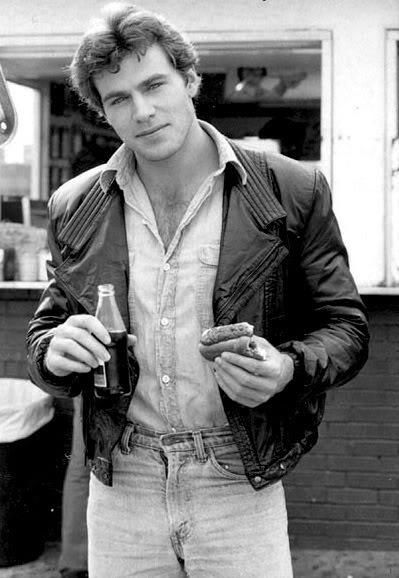
One of the most common misconceptions I see associated with the standards placed upon those idealized within the black pill community is the idea that the people held to the highest standard should be the individuals perceived as the most attractive to women.
I believe the people held to the highest standard should be the individuals who benefit from the black pill as a reality the most. These would be people who would greatly benefit from their looks in terms of dating, but also command respect from their physical appearance, and therefore receive social benefits from other men.


However, I should emphasize that to have an optimal dating life, meeting a single girl's minimum requirement for height means nothing; in fact, meeting a girl's ideal height means nothing either. Instead, for an ideal dating circumstance, you should meet a broad idealized height within the peers of your region, for example, for a man from the U.S., this might fall within the 6'3'' - 6'7'' range as stated on dating apps. Although this is pretty unrealistic, the reason it's important to meet these prerequisites (or at least close to them) is because of how women will perceive all the associations made based on height based on your own individual height.
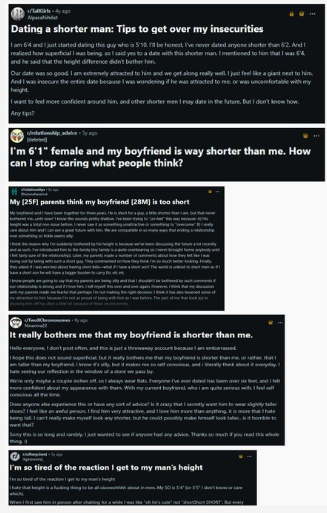
Because height is associated with dominance, dimorphism, hegemony, and sexual maturity, it is a crucial component of one's dating success. And this assertion is based on countless studies, testimonies from women, and dating app experiments, so many that we could make an archive of them. However, for the sake of touching more on what "dating success" truly means, I'll showcase a few:


I believe the people held to the highest standard should be the individuals who benefit from the black pill as a reality the most. These would be people who would greatly benefit from their looks in terms of dating, but also command respect from their physical appearance, and therefore receive social benefits from other men.

However, I should emphasize that to have an optimal dating life, meeting a single girl's minimum requirement for height means nothing; in fact, meeting a girl's ideal height means nothing either. Instead, for an ideal dating circumstance, you should meet a broad idealized height within the peers of your region, for example, for a man from the U.S., this might fall within the 6'3'' - 6'7'' range as stated on dating apps. Although this is pretty unrealistic, the reason it's important to meet these prerequisites (or at least close to them) is because of how women will perceive all the associations made based on height based on your own individual height.
Because height is associated with dominance, dimorphism, hegemony, and sexual maturity, it is a crucial component of one's dating success. And this assertion is based on countless studies, testimonies from women, and dating app experiments, so many that we could make an archive of them. However, for the sake of touching more on what "dating success" truly means, I'll showcase a few:

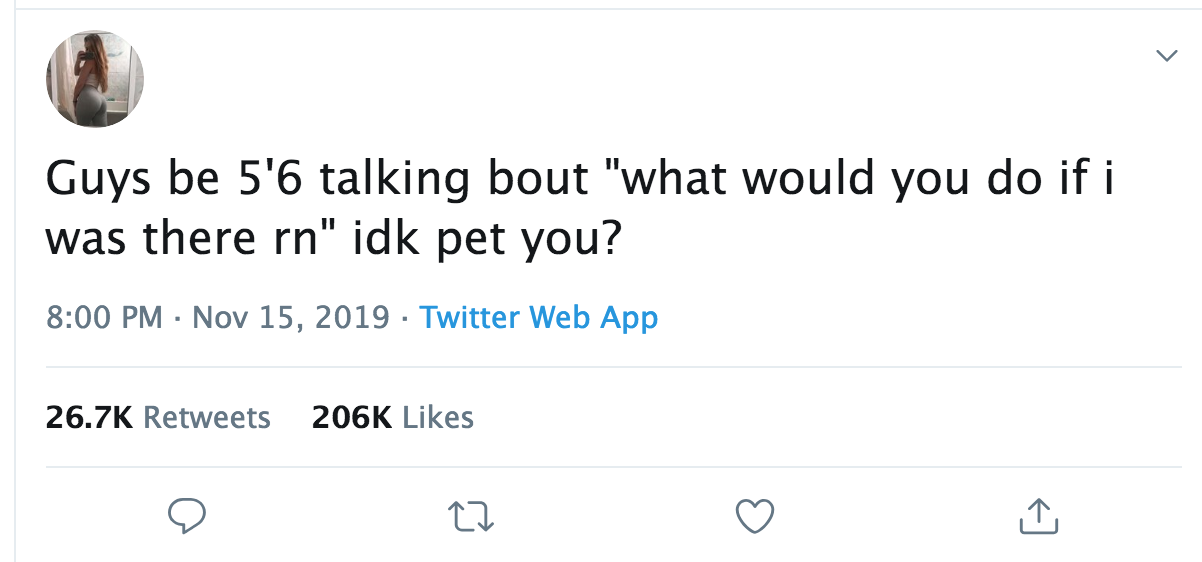
In nearly every broad-scale study examining height, a positive outcome tends to favor taller men, as they are shown to earn more, have greater success in dating, and are more likely to be perceived as dominant. This suggests that biologically rooted preference for size and strength has been embedded into social hegemony, producing institutional and interpersonal advantages that go beyond evolutionary signaling
With overall societal treatment and women's preferences in mind. The most favorable height for men in 1st world countries is 6’4’’ - 6’6’’ or 1% of men
1 in 100 men
With overall societal treatment and women's preferences in mind. The most favorable height for men in 1st world countries is 6’4’’ - 6’6’’ or 1% of men
1 in 100 men
Physique
Following up regarding stature and formidability, the male physique, despite consistently showing a lesser importance than height, is a key component of male aesthetics. From an evolutionary perspective, the male body functions as a visible indicator of strength, health, and genetic fitness.
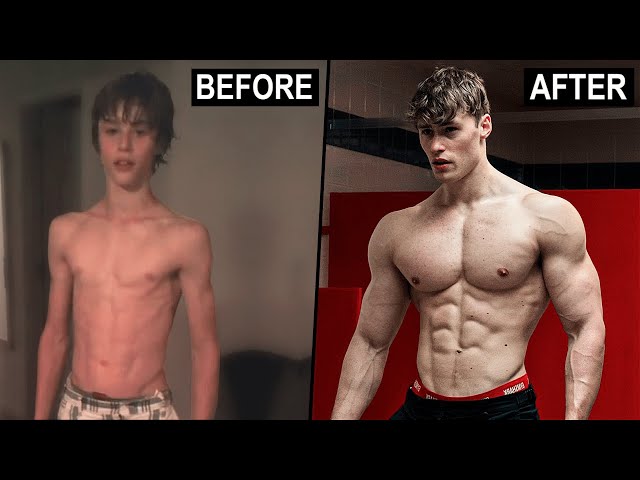
With consistent studies suggesting society's preference for indications of upper-body strength. Traits such as broader shoulders, developed arms, a narrow waist, defined abs, and a wide back are generally perceived as attractive.

With consistent studies suggesting society's preference for indications of upper-body strength. Traits such as broader shoulders, developed arms, a narrow waist, defined abs, and a wide back are generally perceived as attractive.
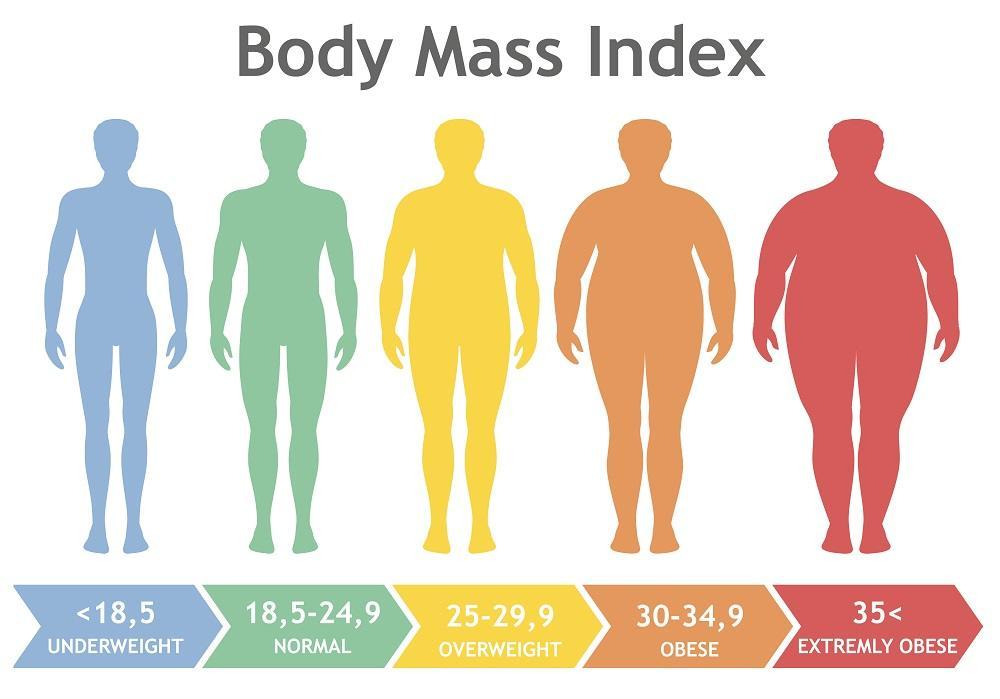
When discussing ideal weight, the practical framework is to consider weight ranges relative to height, assuming a moderately lean body fat percentage, the ideal man's weight typically ranges roughly to 23-27 BMI. This range comfortably satisfies the visual balance that weight brings.

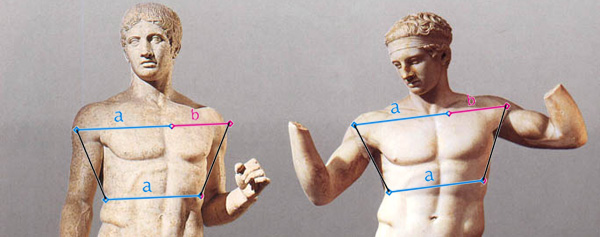
While it is right to emphasize weight, it’s important to remember that the ratios tend to be more important for your perceived strength. The shoulder to waist ratio, chest to waist ratio, your general proportions, clavicle size, ribcage size, wrist and ankle thickness, and general muscle insertions play a massive role.

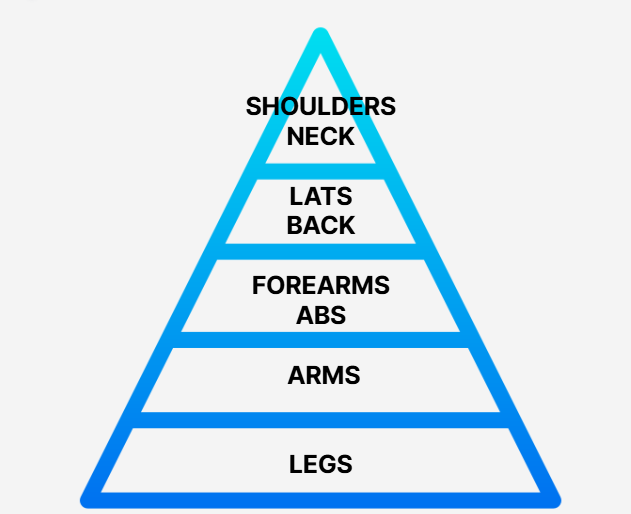
With the ratios in mind, it's important to remember which muscle groups play the largest roles in physical aesthetics. Which is why I created this to indicate that.

While it is right to emphasize weight, it’s important to remember that the ratios tend to be more important for your perceived strength. The shoulder to waist ratio, chest to waist ratio, your general proportions, clavicle size, ribcage size, wrist and ankle thickness, and general muscle insertions play a massive role.
With the ratios in mind, it's important to remember which muscle groups play the largest roles in physical aesthetics. Which is why I created this to indicate that.
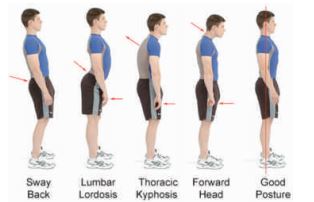
Posture plays a critical role as well. Serving as a tool to amplify or diminish existing traits. Upright posture, retracted shoulders, and neutral head position can broaden the appearance of the shoulders while narrowing the waist. Contributing to the desired v-taper effect.
From a signaling perspective, posture conveys both physical ability and dominance; in contrast, poor posture can make an individual look weaker, timid, or subordinate.

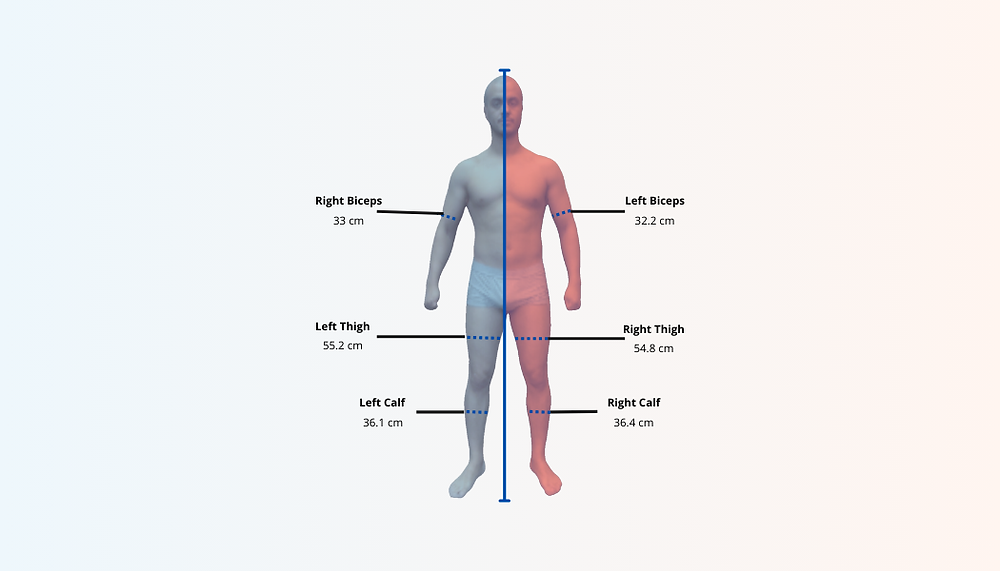
Symmetry is generally desired in almost all components of physical attractiveness. And the physique is no exception. Greater symmetry is associated with better genetic expression and overall health.

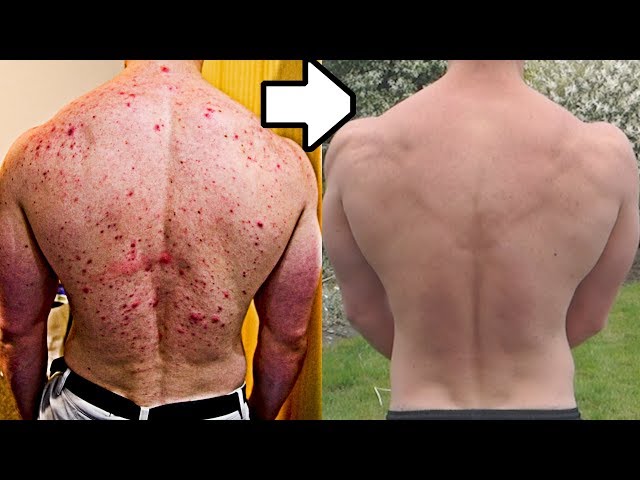
Clear, even skin in both the face and physique indicates youth, health, and proper hormonal function. While the opposite can detract from positive pre-existing physical features.
Body hair plays a more context-dependent role. Moderate grooming is generally preferred, as it allows muscular definition to remain visible while maintaining a natural appearance. Excessive body hair can obscure definition, while complete removal may not align with all aesthetic preferences.
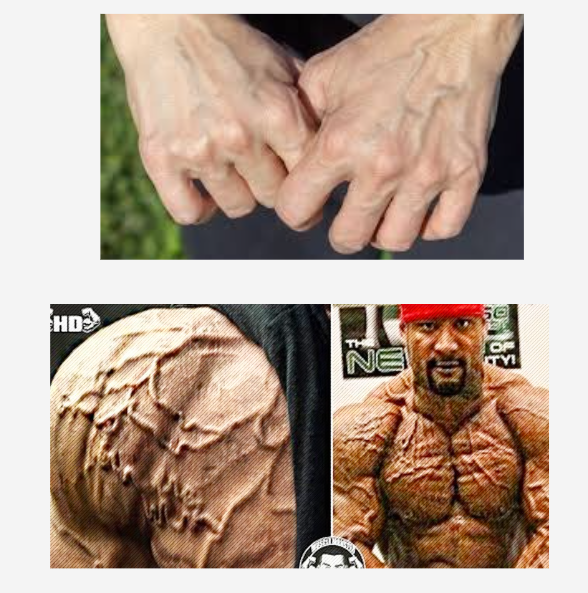
Vascularity refers to the visibility of veins beneath the skin and is primarily influenced by body fat levels, muscle mass, and genetics. Moderate vascularity is often associated with leanness, fitness, and physical conditioning, contributing positively to the perception of an athletic physique. However, similar to muscularity, the relationship between vascularity and attractiveness is not linear. While some visibility, particularly in the arms and shoulders, can enhance aesthetic appeal, excessive vascularity may be perceived as extreme or indicative of unnaturally low body fat levels.

These traits function as secondary signals, subtly reinforcing or detracting from the perception of health, hygiene, and self-maintenance.
From a signaling perspective, posture conveys both physical ability and dominance; in contrast, poor posture can make an individual look weaker, timid, or subordinate.
Symmetry is generally desired in almost all components of physical attractiveness. And the physique is no exception. Greater symmetry is associated with better genetic expression and overall health.
Clear, even skin in both the face and physique indicates youth, health, and proper hormonal function. While the opposite can detract from positive pre-existing physical features.
Body hair plays a more context-dependent role. Moderate grooming is generally preferred, as it allows muscular definition to remain visible while maintaining a natural appearance. Excessive body hair can obscure definition, while complete removal may not align with all aesthetic preferences.

Vascularity refers to the visibility of veins beneath the skin and is primarily influenced by body fat levels, muscle mass, and genetics. Moderate vascularity is often associated with leanness, fitness, and physical conditioning, contributing positively to the perception of an athletic physique. However, similar to muscularity, the relationship between vascularity and attractiveness is not linear. While some visibility, particularly in the arms and shoulders, can enhance aesthetic appeal, excessive vascularity may be perceived as extreme or indicative of unnaturally low body fat levels.
These traits function as secondary signals, subtly reinforcing or detracting from the perception of health, hygiene, and self-maintenance.
Harmony
Across cultures, humans have subconsciously evolved to evaluate faces for symmetry and proportionality, as these traits serve as indicators of deal development and genetics. Across the history of facial ratings, individuals such as creating attractiveness have sought to create the best harmony measurements and data sets by compiling a set of attractive faces and measuring their faces. In this sense, attractiveness is not about possessing extreme or rare features but rather a balance.

Facial harmony addresses a wide variety of facial components, including but not limited to health indicators, youth indicators, sexual dimorphism, and koinophilia. Now it is important not to conflate height and physique, where a set standard can be imposed on men from a certain region. An ideal facial harmony measurement can not broadly be applied to individuals with years of adaptation and genetic variation to different environments. Early face raters noticed this and created measurements for different phenotypes.
Facial harmony is taken by measuring features of faces from a dataset and averaging them out to see what proportions are ideal. This highlights the impracticality of a face rating ever being truly objective, as face raters select which faces and formulas are the best for measuring each feature, as well as the importance of each measurement in relation to each other
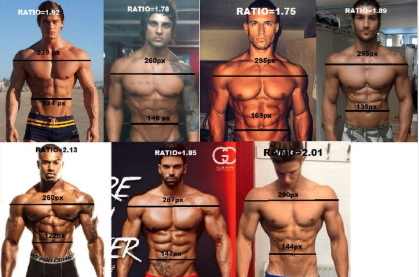
It is important to note that harmony is not exclusive to the face. Proportions are incredibly important for the aesthetics of a male physique. Many systems have been created to address this; however, these systems have largely failed to measure the genetic structural components for an ideal male physique, as the ideal physiques used for these measurements have been assessed based on their muscle mass, leanness, and general structure. As opposed to the pure genetic makeup of their physique, things such as arm length, torso length, muscle insertions, leg length, and physique, and their relation to their head size.

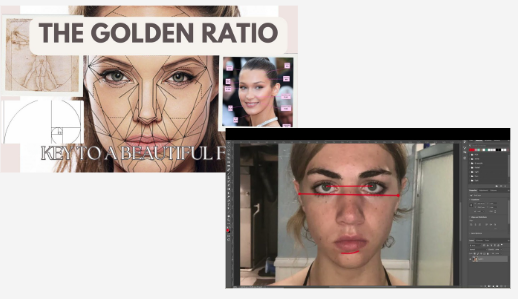
Facial harmony addresses a wide variety of facial components, including but not limited to health indicators, youth indicators, sexual dimorphism, and koinophilia. Now it is important not to conflate height and physique, where a set standard can be imposed on men from a certain region. An ideal facial harmony measurement can not broadly be applied to individuals with years of adaptation and genetic variation to different environments. Early face raters noticed this and created measurements for different phenotypes.
Facial harmony is taken by measuring features of faces from a dataset and averaging them out to see what proportions are ideal. This highlights the impracticality of a face rating ever being truly objective, as face raters select which faces and formulas are the best for measuring each feature, as well as the importance of each measurement in relation to each other
It is important to note that harmony is not exclusive to the face. Proportions are incredibly important for the aesthetics of a male physique. Many systems have been created to address this; however, these systems have largely failed to measure the genetic structural components for an ideal male physique, as the ideal physiques used for these measurements have been assessed based on their muscle mass, leanness, and general structure. As opposed to the pure genetic makeup of their physique, things such as arm length, torso length, muscle insertions, leg length, and physique, and their relation to their head size.
Facial Angularity
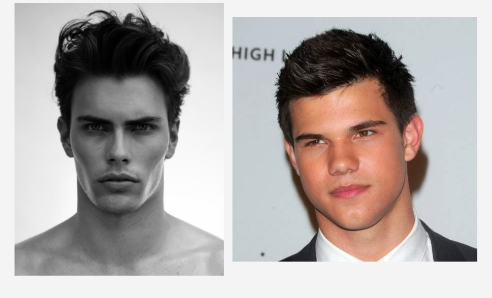
The degree to which one's face exhibits sharp, well-defined lines and shadowing is a direct indication of a robust facial structure and adequate body fat percentage. Facial angularity is often associated with higher testosterone during development, which influences prominent facial features such as jaw, brow ridge, cheekbones, and chin. These features, when defined, are often associated with masculinity, maturity, and genetic fitness, traits that historically signaled an individual's physical dominance.

While facial angularity is generally perceived positively in excess or when provided by a poor structure, this can be viewed as intimidating or harsh. This likely occurs due to our association with facial angularity and body fat percentage. Excess facial angularity may make our brain believe someone is malnourished. Another theory would suggest that, due to its rarity, our brain believes it may indicate genetic variation or mutation.
While facial angularity is generally perceived positively in excess or when provided by a poor structure, this can be viewed as intimidating or harsh. This likely occurs due to our association with facial angularity and body fat percentage. Excess facial angularity may make our brain believe someone is malnourished. Another theory would suggest that, due to its rarity, our brain believes it may indicate genetic variation or mutation.
Health & Youth Indicators
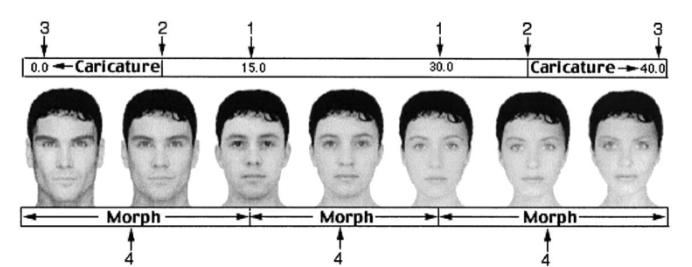
From an evolutionary perspective, the ability to assess health quickly and accurately would be essential for mate selection. Deficiencies, injuries, absorption of toxins, disease, failure in organs, and much more can all be absorbed in a physical manifestation in the body. Health indicators are a broad term that extends to many components of the face and body.

Closely related to health indicators, but distinct in their functions, youth indicators peak reproductive viability, health, and physical capability. A phase that typically occurs between ages 18-29. Although it is important to note someone's true age doesn't perfectly align with their perceived youth, and their biological attractiveness peak may occur before or after this range.
It is important to note that youth indicators do not function in isolation, nor do they universally outweigh other traits. An individual who appears overly youthful without sufficient markers of male development, such as size, structure, or dimorphism, may be perceived as underdeveloped rather than attractive. This is why the most optimal presentation is not maximal youth, but rather the retention of youthful traits within a fully matured male framework.
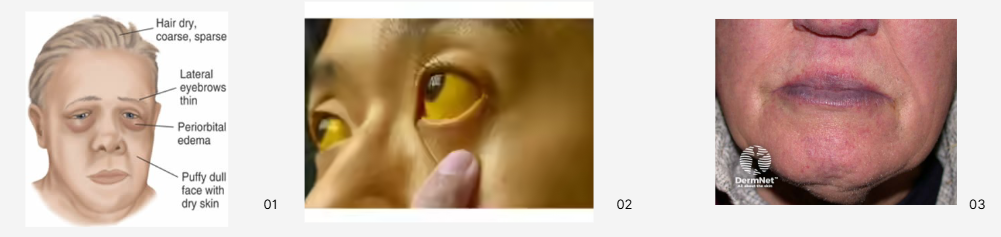
Closely related to health indicators, but distinct in their functions, youth indicators peak reproductive viability, health, and physical capability. A phase that typically occurs between ages 18-29. Although it is important to note someone's true age doesn't perfectly align with their perceived youth, and their biological attractiveness peak may occur before or after this range.
It is important to note that youth indicators do not function in isolation, nor do they universally outweigh other traits. An individual who appears overly youthful without sufficient markers of male development, such as size, structure, or dimorphism, may be perceived as underdeveloped rather than attractive. This is why the most optimal presentation is not maximal youth, but rather the retention of youthful traits within a fully matured male framework.
Sexual Dimorphism
Defined as distinct, behavioral, or size differences between males and females of the same species. In men, these traits are largely shaped by androgen exposure and reception during key developmental stages. Voice depth, height, muscularity, pronounced brow ridge, forward-grown chin, defined cheekbones, and pronounced jawline all serve as proxies for strength, maturity, and reproductive viability.

Koinophilia
Koinophilia, defined as the preference for average or typical features within a population, provides an essential counterbalance to theories that emphasize extremity or exaggeration in attractiveness. Koinophilia largely affects facial harmony, indicating traits that deviate from the population signal mutation, development instability, and maladaptation.

It is important to note that averageness does not create the standard for attractiveness, as the masses include subpar facial genetics and poor environmental factors. Koinophilia rather creates a barrier for which individuals create desirable traits (dimorphism, health and youth indicators, harmony, etc..) while remaining within the bounds of population norms.
It is important to note that averageness does not create the standard for attractiveness, as the masses include subpar facial genetics and poor environmental factors. Koinophilia rather creates a barrier for which individuals create desirable traits (dimorphism, health and youth indicators, harmony, etc..) while remaining within the bounds of population norms.
Cultural Deviation
While evolutionary mechanisms such as sexual dimorphism and koinophilia provide a foundational framework for understanding human attraction, they do not operate in isolation. Cultural deviation refers to how social norms, environmental conditions, and media exposure modify, exaggerate, or attenuate biologically rooted preferences.
By now, as I'm sure you're probably aware, stereotypes, status signaling, and in-group and out-group dynamics have reinforced a racial bias in Western societies that is rooted in history.
However, cultural deviation has limits. Preferences that strongly contradict evolutionary signals, such as traits that imply poor health, instability, or reduced reproductive viability, tend to be less stable and less universally adopted. This suggests that culture operates within the boundaries set by biology, rather than independently of it.
By now, as I'm sure you're probably aware, stereotypes, status signaling, and in-group and out-group dynamics have reinforced a racial bias in Western societies that is rooted in history.
However, cultural deviation has limits. Preferences that strongly contradict evolutionary signals, such as traits that imply poor health, instability, or reduced reproductive viability, tend to be less stable and less universally adopted. This suggests that culture operates within the boundaries set by biology, rather than independently of it.
Sources
https://www.britannica.com/science/sexual-selection
https://www.sciencedirect.com/science/article/abs/pii/S0191886913000020
https://www.apa.org/monitor/julaug04/standing
https://pubmed.ncbi.nlm.nih.gov/16162065/
https://royalsocietypublishing.org/doi/10.1098/rspb.2017.1819
https://pubmed.ncbi.nlm.nih.gov/15376798/
https://pubmed.ncbi.nlm.nih.gov/29237852/
https://www.ncbi.nlm.nih.gov/pmc/articles/PMC4892674/
https://pubmed.ncbi.nlm.nih.gov/18413018/
https://pubmed.ncbi.nlm.nih.gov/19653747/
https://pubmed.ncbi.nlm.nih.gov/10825783/
https://www.sciencedirect.com/science/article/abs/pii/S1090513801000654
https://pubmed.ncbi.nlm.nih.gov/7843762/
https://www.ncbi.nlm.nih.gov/pmc/articles/PMC3130383/
https://pubmed.ncbi.nlm.nih.gov/19883140/
https://pubmed.ncbi.nlm.nih.gov/20053038/
https://pubmed.ncbi.nlm.nih.gov/11063259/
https://pubmed.ncbi.nlm.nih.gov/17173598/
https://pubmed.ncbi.nlm.nih.gov/19558447/
https://pubmed.ncbi.nlm.nih.gov/11519935/
https://www.ncbi.nlm.nih.gov/pmc/articles/PMC3130383/
https://www.sciencedirect.com/science/article/abs/pii/S0191886913000020
https://www.apa.org/monitor/julaug04/standing
https://pubmed.ncbi.nlm.nih.gov/16162065/
https://royalsocietypublishing.org/doi/10.1098/rspb.2017.1819
https://pubmed.ncbi.nlm.nih.gov/15376798/
https://pubmed.ncbi.nlm.nih.gov/29237852/
https://www.ncbi.nlm.nih.gov/pmc/articles/PMC4892674/
https://pubmed.ncbi.nlm.nih.gov/18413018/
https://pubmed.ncbi.nlm.nih.gov/19653747/
https://pubmed.ncbi.nlm.nih.gov/10825783/
https://www.sciencedirect.com/science/article/abs/pii/S1090513801000654
https://pubmed.ncbi.nlm.nih.gov/7843762/
https://www.ncbi.nlm.nih.gov/pmc/articles/PMC3130383/
https://pubmed.ncbi.nlm.nih.gov/19883140/
https://pubmed.ncbi.nlm.nih.gov/20053038/
https://pubmed.ncbi.nlm.nih.gov/11063259/
https://pubmed.ncbi.nlm.nih.gov/17173598/
https://pubmed.ncbi.nlm.nih.gov/19558447/
https://pubmed.ncbi.nlm.nih.gov/11519935/
https://www.ncbi.nlm.nih.gov/pmc/articles/PMC3130383/
Wheat Waffles, Aesthetics Waiting, JawHacks, and Prettyboy were inspirations for this post
Grammarly, and ChatGPT helped with formatting (However I did independently write everything out)
Conclusion:
Ultimately, what we perceive is not random or purely subjective, but rather the product of deeply rooted mechanisms designed to assess quality, viability, and presence. Understanding these mechanisms provides a clearer framework not only for interpreting attraction, but also for recognizing how physical traits translate into broader social outcomes beyond dating alone.


