

Wildlife
Musician
- Joined
- Oct 22, 2024
- Posts
- 2,451
- Reputation
- 4,302
I see so many people on this forum still doing splits like ppl and the Arnold split and then complaining about how much better they would look on steroids. If you're one of these people stop sulking, read this guide and start using this knowledge to be efficient at the gym.
Section one: What causes muscle growth?
Section two: maximizing hypertrophy whilst minimizing fatigue
Section three: Splits
Section one: What causes muscle growth?
You may have heard that muscle growth is caused by microtears in the muscle fibers but that's simply not true.
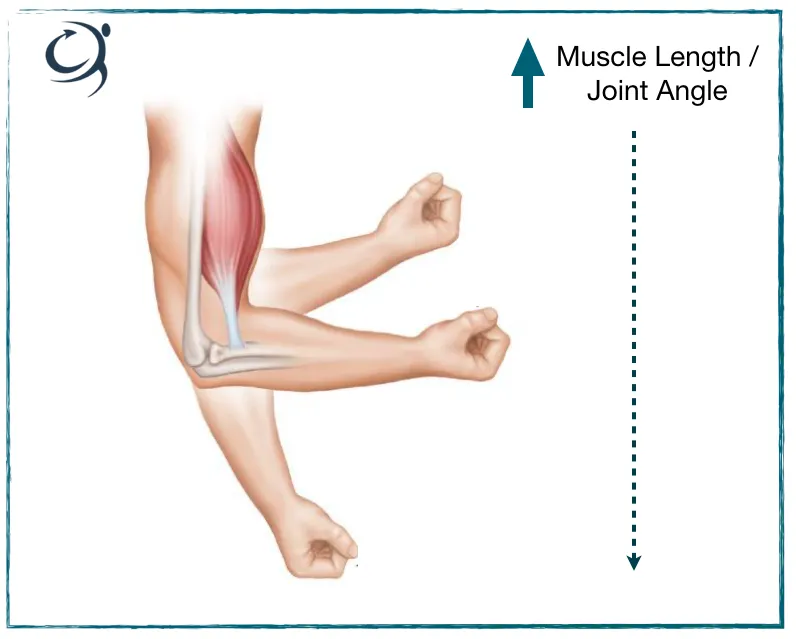
The true primary driver of hypertrophy (muscle growth) is mechanical tension.
Mechanical tension could be described as the contraction and elongation of a muscle typically with some sort of added resistance. To dumb it down, the more tension on your muscle, the more growth.

The true primary driver of hypertrophy (muscle growth) is mechanical tension.
Mechanical tension could be described as the contraction and elongation of a muscle typically with some sort of added resistance. To dumb it down, the more tension on your muscle, the more growth.
Section two: maximizing hypertrophy whilst minimizing fatigue
You may have been told by your parents or other people in your life not to lift heavy weights and to instead lift light weight for lots of reps.
While this statement holds some value due to most younger people liking to show off with heavy weights I advise against taking it as the gospel.
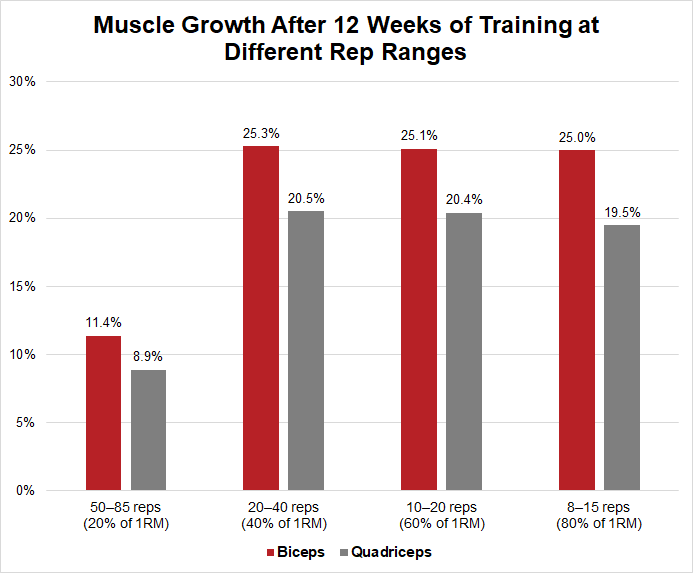
What people don't realize is low-medium load and high load training have very similar hypertrophy outcomes when done properly. The true problem lies in the fact that most people underestimate how many reps they can actually do. It's harder to due this on a higher weight and less fatiguing which is why I recommend using higher weight and doing lower reps. The fatigue from low weight can also hinder your ability to getting the most out of every set and exercise.

Higher weight has also been shown to increase strength so you can flex your bench to all your normie friends .
.
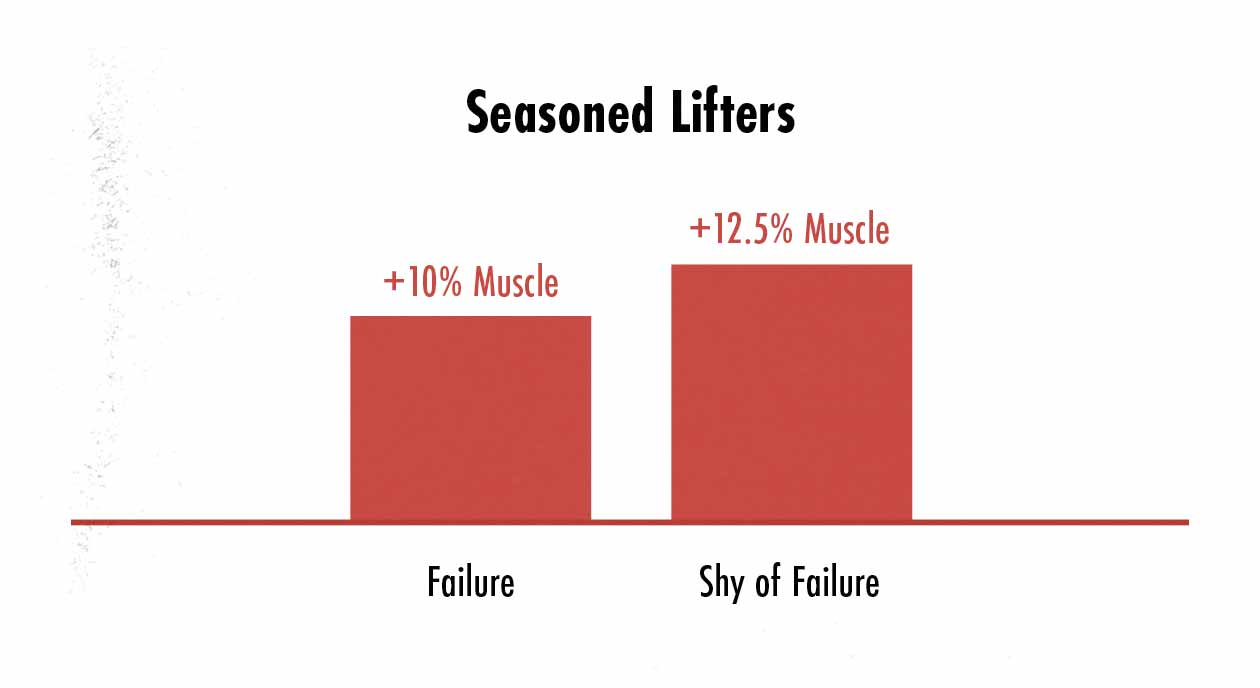
You may be asking "how many reps and sets do I do?" and I have slightly varying answers, if you are newer to working out I recommend going to failure for sets. If you are a more experienced lifter and think you can pinpoint where failure is I recommend you go until 1-2 RIR (reps in reserve). This means that when you feel near failure but not quite there yet you can stop. 1-2 RIR and failure have almost identical outcomes in terms of hypertrophy.

While this statement holds some value due to most younger people liking to show off with heavy weights I advise against taking it as the gospel.
What people don't realize is low-medium load and high load training have very similar hypertrophy outcomes when done properly. The true problem lies in the fact that most people underestimate how many reps they can actually do. It's harder to due this on a higher weight and less fatiguing which is why I recommend using higher weight and doing lower reps. The fatigue from low weight can also hinder your ability to getting the most out of every set and exercise.
Higher weight has also been shown to increase strength so you can flex your bench to all your normie friends
.You may be asking "how many reps and sets do I do?" and I have slightly varying answers, if you are newer to working out I recommend going to failure for sets. If you are a more experienced lifter and think you can pinpoint where failure is I recommend you go until 1-2 RIR (reps in reserve). This means that when you feel near failure but not quite there yet you can stop. 1-2 RIR and failure have almost identical outcomes in terms of hypertrophy.
Section three: Splits
There are tons of splits out there so it can be overwhelming trying to find the right one. You might end up choosing a random split you saw a jacked guy doing, but nine times out of ten that won't be the best split.
Upper Lower:
Upper lower is a pretty self explanatory split, you train your upper body then your lower body. Even in upper lower there are still different variations.
The standard upper lower is upper one, lower one then repeat. The downsides to this are your workouts can end up being very long, a fix for this is upper one, lower one, upper two, lower two. With this split you can split your workouts into two, this means more rest time for your muscles and less time spent working out.
Full body:
Full body is for the guys who love the gym, if you genuinely enjoy spending your time working out this could be the split for you, be careful with how frequent your workouts are though.
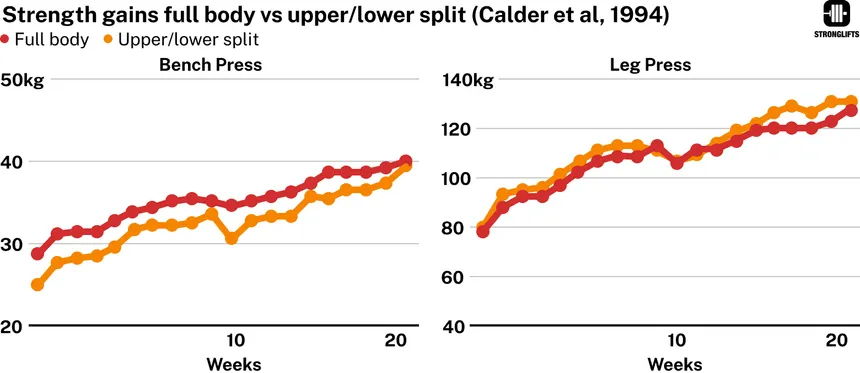
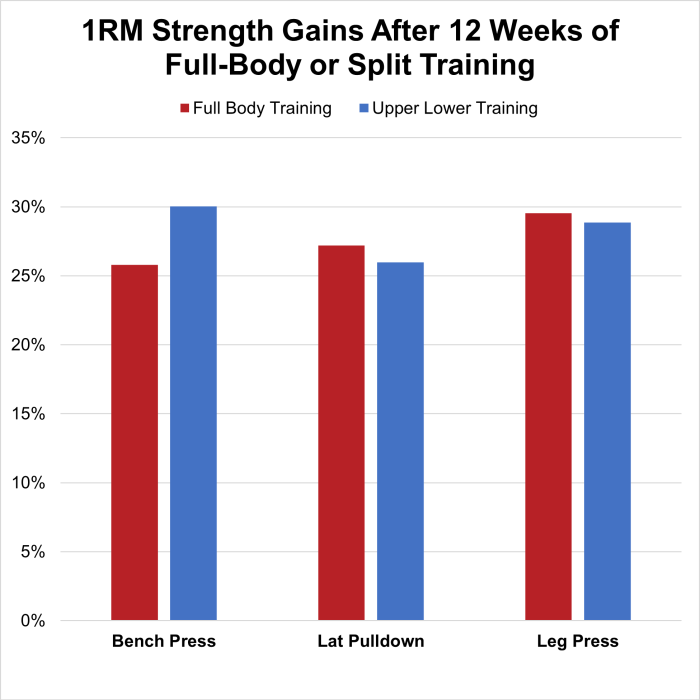
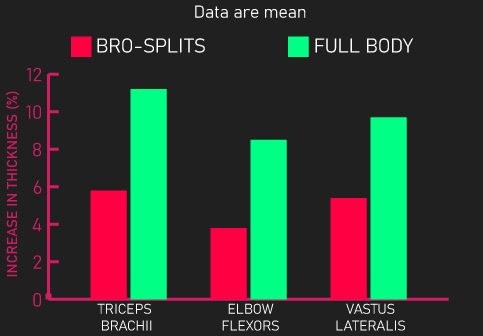
Studies have also shown this is slightly more effective than upper lower though both are significantly more efficient and effective than any split where you target different muscle on different days because you're working every muscle more times a week.


Upper Lower:
Upper lower is a pretty self explanatory split, you train your upper body then your lower body. Even in upper lower there are still different variations.
The standard upper lower is upper one, lower one then repeat. The downsides to this are your workouts can end up being very long, a fix for this is upper one, lower one, upper two, lower two. With this split you can split your workouts into two, this means more rest time for your muscles and less time spent working out.
Full body:
Full body is for the guys who love the gym, if you genuinely enjoy spending your time working out this could be the split for you, be careful with how frequent your workouts are though.
Studies have also shown this is slightly more effective than upper lower though both are significantly more efficient and effective than any split where you target different muscle on different days because you're working every muscle more times a week.
Last edited: