non-chalant
Bronze
- Joined
- Apr 12, 2026
- Posts
- 440
- Reputation
- 211
Table of contents
What is 4-n-butylresorcinol? |
Why is it better than other skin lightening agents? |
Side effects |
Why does it matter for Triluma/Hydroquinone maintenance? |
Long-term Use and Results |
Limitation |
TL;DR |
Tags |
What is 4-n-butylresorcinol?
4-n-butylresorcinol is a powerful chemical compound used in topical skincare products to treat hyperpigmentation, dark spots, and melasma. It is a Tyrosinase Inhibitior. It targets and blocks tyrosinase and TRP-1, the key enzymes responsible for melanin (pigment) production in the skin and it also has antioxidant properties.
Why is it better than other skin lightening agents?
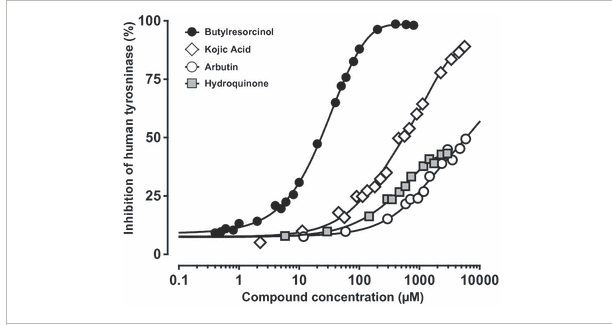
4-n-Butylresorcinol (4-nBR) stands out because it is a very potent inhibitor of tyrosinase, a key enzyme in melanin production, and it also inhibits tyrosinase-related protein-1 (TRP-1). In a comparative study, 4-nBR had a human tyrosinase IC₅₀ of 21 μmol/L, versus ~500 μmol/L for kojic acid and >1,000 μmol/L for arbutin/hydroquinone; in a reconstructed-skin model, its melanin-inhibition IC₅₀ was 13.5 μmol/L, compared with >400 μmol/L for kojic acid and >5,000 μmol/L for arbutin.

4-n-butylresorcinol, a highly effective tyrosinase inhibitor for the topical treatment of hyperpigmentation - PubMed
The present in vitro and in vivo data prove the high inhibitory capacity of 4-n-butylresorcinol on human tyrosinase activity, exceeding by far the potency of hydroquinone, arbutin and kojic acid. The resulting clinical improvement of skin hyperpigmentations reveals 4-n-butylresorcinol as a very...
 pubmed.ncbi.nlm.nih.gov
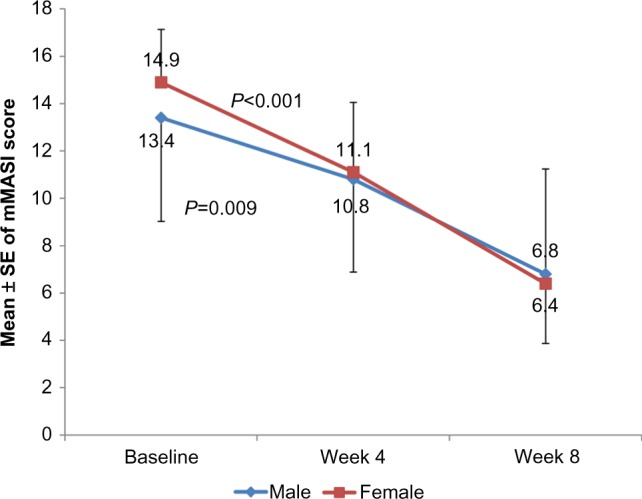
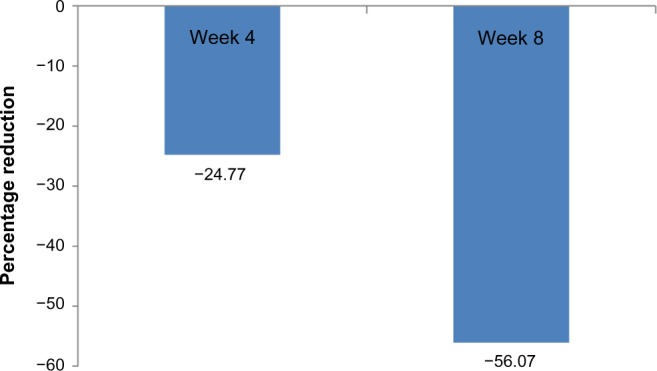
In this study done on Indians, there was meaningful reductions in melasma severity where mean mMASI fell from 14.73 → 6.48 in 8 weeks with 0.3% 4-nBR.
Assessment of efficacy, safety, and tolerability of 4-n-butylresorcinol 0.3% cream: an Indian multicentric study on melasma - PubMed
Our data suggest that the 4-n-butylresorcinol 0.3% cream is safe, effective, and well tolerated in Indian patients with melasma.
pubmed.ncbi.nlm.nih.gov
Side effects
It is little to no side effects. Some are mild erythema and itching which can be dealt with in my opinion.
Why does it matter for Triluma/Hydroquinone maintenance?
For such a long time, we use 20% azelaic acid for maintenance of results from tri-luma and hydroquinone, but 4-n-butylresorcinol is litreally more potent and better than kojic acid and hydroquinone too with little to no side effects as we have seen in these studies so can we use it to maintain the results from triluma and hydroquinone? Well I have a bit of theory on this which I will discuss in the next section.
Long-term Use and Results
Well, when it comes to long-term use of 4-n-butylresorcinol, the studies were mostly done for 4 to 8 weeks and not for long-term maintenance of hydroquinone. But it could be possible because I have seen a few products with this ingredient, but they don't really market this ingredient, maybe because it's not famous. But it's really potent and it works wonder, as we have seen in the studies, and there are like no extreme side effects. So can it be a replacement for azelaic acid? It could, probably. But the thing is, we have studies on azelaic acid for maintenance of hydroquinone results, but we do not have long-term studies on 4-n-butylresorcinol. So maybe we can use it long-term along with azelaic acid, like maybe azelaic acid in the morning and this during the night (even though we can use it morning and night both), along with tretinoin, like three times tretinoin, three times 4-n-butylresorcinol to maintain results.
But the thing is, it is really good for melasma, dark spot, and hyperpigmentation. So, for the people who don't want to use hydroquinone, they can just use this instead. Because we have seen the results are pretty good for short term. And maybe some brand makes a product, like 20% azelaic acid along with 0.1% or 0.3% of 4-n-butylresorcinol. That product would be really good for maintaining long-term results from hydroquinone products and maybe be an alternative for hydroquinone products and we won't even need prescription for it.
Limitation
The thing is studies we have aren't long term so we don't know it's long term effects but short term results seems promising and because it can be bought over the counter then I don't think so it has any extreme long term sides but we won't know until the studies are done or some of you volunteer and do it yourself (I am not promoting you guys to do it)
TL;DR
|
Tags
@Sayori @Tigermoggerlol
Used a bit of ChatGPT to help like 10%, rest is all me, did all research and stuff, Rep me