Body hair maxxing - everything about it

magneso

magneso

6’3 sex magnet
Joined
May 24, 2025
Posts
6,291
Reputation
12,442
Introduction
Body hair represents one of the most frequently overlooked yet highly influential components of overall male aesthetics within the looksmax.org community. As a classic secondary sexual characteristic, body hair is driven almost exclusively by androgenic hormones, primarily testosterone converted locally into the far more potent dihydrotestosterone (DHT) via the enzyme 5α reductase type 2 in hair follicle dermal papilla cells.
This process triggers the conversion of fine vellus hairs into thicker, darker, pigmented terminal hairs in specific androgen sensitive body regions during and after puberty.
The density, distribution, and the growth patterns vary enormously between individuals due to genetic factors, including variations in androgen receptor sensitivity, 5α reductase activity, and genes such as those in the AR locus or EDAR pathway.
Some men develop dense ”wolf like” coverage across the torso and back with relatively average testosterone levels, while others remain comparatively smooth even with high circulating androgens.

Table of contents
  1. The Science and Evolution of Male Body Hair
  2. Chest Hair – The Classic Masculinity Signal, Preference Data, and Practical Optimization
  3. Abdominal / Treasure Trail Hair – Framing the Midsection for Visual Definition
  4. Back and Shoulder Hair – The Most Universally Disliked Area and Reduction Strategies
  5. Arm Hair – Subtle Masculine Accent and Its Interaction with Vascularity
  6. Leg Hair – Power, Proportion, and Athletic Appearance
  7. Pubic and Groin Hair – Hygiene, Perception, Size Illusion, and Grooming Standards
  8. Buttocks and Perineal Hair – The Hidden but Critical Zone for Comfort and Cleanliness
  9. Hands, Feet, Knuckles, Neck, Ears, and Other Minor Areas – Fine-Tuning the Details
  10. Grooming, Removal, Trimming, and Enhancement Techniques – Complete Evidence-Based Toolkit
  11. Female Preference Studies – Comprehensive Review with Links, Rating Insights, and Cross-Cultural Patterns
  12. Overall Maxxing Strategy, Long-Term Maintenance, Synergies with Other Maxxes, and Final Recommendations
1. The Science and Evolution of Male Body Hair
The development of male body hair is a tightly regulated androgen dependent process that begins in earnest during puberty. Testosterone produced by the Leydig cells in the testes circulates systemically but exerts its strongest local effects on hair follicles after conversion to DHT by the enzyme 5α reductase type 2, which is highly expressed in genital skin and certain body regions. DHT binds with high affinity to androgen receptors within the dermal papilla of the follicle, activating a cascade of gene expression that prolongs the anagen (the growth) phase, increases follicle diameter, and promotes melanin production, resulting in thicker, darker terminal hairs.

How To Trim Chest and Stomach Hair: Grooming Guide for Men | The Beard Club

Shaving and Trimming Chest Hair Guide | Gillette UK


These real examples of white men illustrate typical androgen driven patterns across the torso.
Genetic-variation accounts for the majority of differences in hair patterns. Heritability estimates for chest hair density reach approximately 0.7 to 0.8 based on twin studies, with polymorphisms in the androgen receptor gene (AR) and other loci influencing receptor sensitivity and regional responsiveness. Men with longer CAG (cytosine-adenine-guanine) repeats in the AR gene often present reduced androgen sensitivity and consequently less body hair, while shorter repeats correlate with greater hirsutism (a lot of boosted hairgrowth). Additional factors include igf-1 signaling, local cytokine environments (small group of proteins), and even microbiome influences on follicle health.

Evolutionarily, the reduction of human body hair compared to other primates is thought to have occurred around 2 to 3 million years ago, possibly driven by selection for improved thermoregulation during endurance activities in open savanna environments, reduced ectoparasite loads, or as a byproduct of neoteny and paedomorphic traits. Despite overall body hair reduction, humans retained clear androgen dependent patches in the beard, chest, abdomen, pubic region, and axillae, areas that serve as honest signals of pubertal androgen exposure and reproductive maturity. These patches may have functioned in intra sexual competition (signaling dominance or fighting ability) or inter sexual selection (signal of genetic quality or health to potential mates).
In modern looksmaxxing contexts, this biological reality means body hair is not random. It reflects cumulative androgen exposure and can either amplify or detract from other masculine traits. For instance, moderate chest and abdominal hair on a lean, muscular frame can enhance the perception of rugged maturity, while dense back hair without corresponding grooming often undermines the dorito formed body achieved through training. Hormonal imbalances, such as elevated DHT from anabolic androgenic steroids (AAS) use or conditions affecting 5α reductase can accelerate unwanted growth, whereas inhibitors like finasteride or dutasteride reduce it systemically (with trade-offs for libido or muscle retention that must be weighed carefully).
Age related changes add another layer: body hair typically peaks in density during the 20s and 30s before gradual graying, coarsening, or thinning in later decades due to declining androgen levels and increasing follicular miniaturization. Lifestyle factors matter too, chronic high cortisol from stress can alter hair growth cycles, poor nutrition (especially zinc, biotin, or protein deficiencies) impairs follicle health, and inflammation from suboptimal diet can make existing hair appear coarser or lead to ingrown issues post grooming.
Optimizing body hair therefore begins with foundational health: maintaining balanced testosterone (not supraphysiological unless monitored), ensuring excellent sleep and recovery, and following an anti inflammatory diet rich in micronutrients. From there, targeted interventions allow fine control. Understanding these mechanisms prevents wasteful or counterproductive approaches, for example, attempting to grow more hair everywhere when genetics limit certain regions, or ignoring grooming in high visibility zones.
Extensive dermatological and anthropological research reinforces that body hair patterns follow predictable androgen maps, with the sternal/pectoral, lower abdominal, and pubic areas showing highest sensitivity, followed by dorsal regions in susceptible individuals. This map guides precise help that will make you improve: enhance where it adds value, reduce where it detracts, and maintain overall harmony with your physique, skin tone, and facial features.
2. Chest Hair The Classic Masculinity Signal, Preference Data, and Practical Optimization
Chest hair, encompassing the pectoral region and sternum, functions as perhaps the most recognizable visual marker of male androgenic development. It adds texture, depth, and a sense of maturity to the upper torso, creating subtle shadows and contrast that can make developed tits appear fuller and more 3d, especially under lighting or when combined with low body fat and vascularity. In many historical and cross cultural contexts, moderate chest hair has been associated with strength and reproductive fitness, though modern preferences are heavily influenced by grooming norms and media portrayals.

4,860 Chest Body Hair Man Stock Photos - Free & Royalty-Free Stock Photos  from Dreamstime

Trimming Chest Hair: The Grooming Guide for Men

Manscaping: A foolproof doctor-approved guide | British GQ


Real examples of light - heavy - medium chest hair on white men show the visual impact.
Scientific studies on female preferences provide detailed, sometimes conflicting insights that highlight the importance of moderation and context. In one key paper, Dixson et al (from 2016), quantified mens facial and body hair distribution using natural photographs categorized as very light, light, medium, or heavy. Women rated images with some hair around the areolae, pectoral region, and sternum as significantly more attractive than fully clean shaven bodies, while overall body hair tended to lower ratings compared to shaved versions in certain manipulations. The authors conclude that specific distributions of body hair influence male attractiveness, potentially as signals of masculine development and the conversion of testosterone to DHT via 5α-reductase ( https://pubmed.ncbi.nlm.nih.gov/26292838/).
A major cross cultural investigation by Dixson, Rantala, and Brooks (2019), examined womens preferences for mens chest hair across 30 countries with a sample of 3436 heterosexual women. Preferences for reduced hirsutism (less chest hair) were stronger among older women, those with strong preferences for facial hair, and in countries with male biased sex ratios, higher human development indices, and lower education indices. Importantly, preferences showed no clear link to pathogen or disease prevalence, challenging simple ectoparasite avoidance explanations. Instead, they aligned more with factors related to male vs male competition and broader masculinity preferences (https://www.researchgate.net/publication/330882622_Cross-Cultural_Variation_in_women's_Preferences_for_men's_Body_Hair).
Rantala et al. (2010) conducted an experimental study in Finland using photographs of male torsos before and after hair removal. Womens preferences for body hair correlated strongly with the hairiness of their current partners and fathers, suggesting imprinting or homogamy effects. During the fertile (high fertility) phase of the menstrual cycle, women showed a stronger preference for less body hair, aligning with contemporary Western ideals of smoothness, while postmenopausal women or those in low fertility phases tended to favor more hair (https://academic.oup.com/beheco/article-abstract/21/2/419/322906).
In U.S. samples, Basow and colleagues (including exploratory work on body depilation) found that college students of both sexes often rated relatively hairless male torsos as most sexually attractive overall. However, when masculinity was isolated as a dimension, moderate chest hair frequently performed well. Chinese women in Dixsons 2007 research rated figures with little or no trunk hair highest, contrasting with some Western or African samples where moderate hairyness scored better ( https://onlinelibrary.wiley.com/doi/abs/10.1002/ajhb.20584).
These studies collectively demonstrate that no single “ideal” exists, preferences vary by culture, age, fertility status, personal experience, and relationship goals. In looksmaxxing practice, the safest high effort approach is moderate, neatly groomed chest hair that complements your muscle development and skin tone. If naturally sparse, 5% minoxidil applied once or twice daily (off label) can stimulate vellus to terminal conversion over 3 to 8 months: results require ongoing maintenance. Microneedling may enhance penetration but demands caution to avoid irritation.
For dense coverage, trimming with a quality body groomer set to 3–5 mm creates a uniform, clean layer that retains masculine signaling while eliminating the “carpet” effect that many studies link to lower attractiveness. Complete shaving often yields a softer, boyish look that can clash with strong facial features or mature framing. Laser hair removal or IPL offers semi permanent thinning for overly hairy patches, with best results on dark hair/light skin combinations after 6–10 sessions.
Weekly or bi weekly maintenance prevents overgrowth, and pairing with leanmaxxing maximizes contrast, visible chest hair on a shredded, low bf torso creates a powerful sculpted appearance. Long term considerations include preventing ingrown hairs through gentle exfoliation and moisturizing, and monitoring for age related roughend or graying. Conditioners formulated for body hair can keep texture softer and more appealing.
In high detail application, chest hair optimization requires consistent self assessment under neutral lighting, comparison against preference study patterns, and integration with overall upper body development. Done correctly, it becomes a low effort, high reward detail that reinforces rather than competes with your other maxxes.
3. Abdominal / Happy Trail Hair Framing the Midsection for Visual Definition
The abdominal hair pattern, commonly known as the happy trail or linea alba hair, runs from the navel downward toward the pubic region. This vertical line frames the abdominal muscles and draws the eye along the centerline of the torso, enhancing the perception of a tight, V shaped midsection when body fat is low. A moderate, well defined trail adds depth and masculinity without overwhelming the visual field.

Men's Pubic Hair Styles: How to Trim Pubic Hair | Gillette UK


Female preference data often shows positive ratings for light to moderate abdominal hair when paired with visible abs. In photographic rating studies, torsos with a clean treasure trail scored higher on attractiveness scales than completely smooth abdomens or those with scattered, patchy hair. The trail contributes to a sense of continuity between upper and lower torso, reinforcing overall proportional masculinity.
If your trail is weak or absent, minoxidil applied directly to the lower abdomen can encourage downward growth, creating a more complete aesthetic line. Results are slower here than on the chest but noticeable after 4 to 8 months. For overly wide or dense abdominal hair that spreads laterally, trimming to maintain a narrow central path prevents it from detracting from ab definition.
Combine this with core training and low body fat for synergistic effects and the trail becomes a natural highlight that makes the six pack appear more sexy. Weekly trimming during cuts ensures it stays sharp. In bulking phases, monitor for increased density due to higher body fat and adjust accordingly.
Abdominal hair also interacts with navel shape and overall torso hair harmony. A balanced trail complements moderate chest hair while transitioning smoothly into groomed pubic hair, creating a cohesive masculine appearance from neck to groin.
4. Back and Shoulder Hair The Most Universally Disliked Area and Reduction Strategies
Back and shoulder hair consistently ranks as one of the least attractive features in female preference studies. Across multiple experiments, heavy dorsal hair receives low ratings for cleanliness, attractiveness, and sexual appeal, often described as “primitive” or “unkept.” It provides no compensatory masculine benefit and can visually shorten the appearance of the upper back, making the frame look less V-tapered.


Best Laser Hair Removal Areas: How to Choose the Right Style


Clear before and after examples on a white man highlight why heavy back hair is a looksmin and how reduction transforms the silhouette.
Studies using back view photographs show clear negative bindings between back hair density and attractiveness scores. Even moderate amounts are sometimes punished if not groomed. This area has high androgen sensitivity in many men, leading to rapid growth that requires proactive management.
Permanent solutions like laser hair removal (best for dark hair on fair skin) or electrolysis offer the cleanest long term results. Multiple sessions (6 to 10) spaced 4 to 8 weeks apart can reduce density by 70 to 90%. For temporary control, waxing provides 3 to 6 weeks of smoothness, while trimming with a guard keeps it short and less noticeable under clothing.
In looksmaxxing, removing or heavily reducing back hair is almost always a net positive. It improves posture perception in fitted shirts and prevents the “hairy back” stereotype from undermining other gains. Combine with shoulder and trap development for a cleaner, more powerful upper body silhouette.
Maintenance is straightforward once reduced: occasional touch ups every few months. Avoid complete obsession, the goal is smooth or very light coverage, not dermatological perfection that risks irritation.
5. Arm Hair Subtle Masculine Accent and Its Interaction with Vascularity
Arm hair is generally viewed neutrally to positively in male aesthetics. Moderate density adds a rugged, masculine texture to the forearms and biceps without drawing negative attention. In preference ratings, women rarely penalize arm hair unless it is extremely dense, patchy, or combined with poor grooming elsewhere.

4,948 Male Legs Hair Stock Photos - Free & Royalty-Free Stock Photos from  Dreamstime


Natural moderate arm hair on average white men enhances vascularity and muscle definition.
Because arms are frequently exposed, consistent light trimming can create a cleaner appearance that complements vascularity and muscle definition. Leave most of it natural unless it grows in uneven clumps. Minoxidil is rarely needed here, as natural growth is usually sufficient for the desired effect.
Arm hair enhances the illusion of larger, more powerful arms when paired with training. It provides subtle contrast against skin tone, making veins and muscle separations pop more effectively during pumps or photos.
6. Leg Hair Power, Proportion, and Athletic Appearance
Leg hair follows patterns similar to arm hair but covers a larger surface area. Moderate to dense leg hair on well developed quads and calves can convey strength and athleticism. Excessive density that creates a furry 🐶 look may require trimming for a more sculpted appearance in shorts or at the beach.

How Alex Hormozi Gained 35lbs in 6 Weeks Naturally


Real example of moderate leg hair on an athletic white man.
Preferences tend to favor natural leg hair over complete removal, as shaving legs can sometimes appear overly groomed or feminine in certain contexts. Focus on evenness rather than elimination.
7. Pubic and Groin Hair Hygiene, Perception, Size Illusion, and Grooming Standards
Surveys and studies indicate that 70–90% of women prefer trimmed or neatly groomed pubic hair on men. Wild, untrimmed pubic hair is often rated negatively for hygiene and aesthetics, while completely shaved can appear juvenile or unnatural. A trimmed length of 3–5 mm strikes the optimal balance, it maintains masculinity while making the genital area appear larger and cleaner.

Trimming also reduces odor trapping and improves comfort during physical activity. Use a dedicated body groomer with adjustable guards and skin protecting technology to avoid bad trims. Regular maintenance (every 1 to 2 weeks) prevents overgrowth.
In looksmaxxing, well groomed pubic hair contributes to overall confidence in intimate situations and complements lean midsection work.
8. Buttocks and Perineal Hair The Hidden but Critical Zone for Comfort and Cleanliness
Excessive buttocks and perineal hair is almost universally disliked when visible or excessive. It can trap moisture, cause discomfort, and negatively impact hygiene perceptions. Trimming or selective laser removal in this area improves comfort and eliminates a common hidden looksmin.
9. Hands, Feet, Knuckles, Neck, Ears, and Other Minor Areas Fine Tuning the Details
Knuckle, toe, ear, and neck hair are small but noticeable in close interactions. Regular trimming or occasional waxing keeps them from becoming distractions. These areas rarely benefit from enhancement and are best kept minimal.
10. Grooming, Removal, Trimming, and Enhancement Techniques Completely Evidence Based Toolkit
The modern toolkit includes electric body groomers with multiple guards for precise length control, minoxidil for targeted growth (as seen in real progress examples), laser/IPL for reduction, waxing for medium term smoothness, and basic shaving as a last resort. Combine methods based on area and goal: trim for maintenance, laser for permanence, minoxidil for filling gaps. Always prioritize skin health with moisturizers and exfoliation to prevent ingrown hairs and irritation.
11. Female Preference Studies Comprehensive Review with Links, Rating Insights, and Cross Cultural Patterns
The scientific literature on female preferences for male body hair is extensive and reveals consistent themes amid cultural variation. Dixson and Rantalas 2016 work used manipulated images and found that while heavy overall body hair often reduced attractiveness ratings compared to clean shaven, targeted moderate hair on the pectoral and sternal regions significantly boosted scores, interpreted as signs of masculine androgenic development.
The 2019 cross cultural study by Dixson, Rantala, and Brooks with over 3400 women across 30 countries showed preferences for chest hair influenced more by socio economic factors, male biased sex ratios, and links to facial masculinity preferences than by disease/parasite load. Older women and those in certain developmental contexts favored relatively more hair.
Rantalas Finnish torso study done in 2010 (https://academic.oup.com/beheco/article-abstract/21/2/419/322906) highlighted cycle dependent shifts: higher fertility phases favored less hair (aligning with modern grooming ideals), while partner/father resemblance effects suggested learning or genetic imprinting.
Basows U.S. college research done in 2014 indicated both sexes often select relatively hairless bodies as most attractive in rating tasks, yet noted that women expected men to prefer hairier options than they actually did.
Additional works, such as Prokop et al. on parasite threat (no strong link found) and Valentova et al. on partner choices, reinforce that grooming quality and moderation trump raw quantity. Preferences are not fixed good genes indicators but interact with cultural norms, personal history, and context.
In practical terms for looksmaxxing, these data support a strategy of deliberate moderation and flawless grooming over extremes. Regularly reference the linked studies when calibrating your own approach they provide the factual foundation rather than unreliable forum opinions.
12. Overall Maxxing Strategy, Long-Term Maintenance, Synergies with Other Maxxes, and Final Recommendations
Evaluate your current hair distribution under consistent lighting. Prioritize reduction in back, shoulders, and buttocks; enhancement or grooming in chest, trail, and pubic areas; and light maintenance elsewhere. Integrate with leanmaxxing, muscle building, and skincare for synergy. Reassess every 3 to 6 months as hormones and age influence patterns. Consistency in grooming signals high effort and self respect key.
TLDR:
Male body hair signals androgen exposure and maturity but requires precise management for optimal looksmax impact. https://pubmed.ncbi.nlm.nih.gov/26292838/ and https://www.researchgate.net/publication/330882622 and https://academic.oup.com/beheco/articleabstract/21/2/419/322906 show moderate, groomed chest/abdominal hair often rated positively for masculinity, while heavy back/butt/pubic hair is disgusting. Trim to 3 to 5 mm in most areas, use minoxidil for sparse desirable zones, laser for unwanted dense patches, and maintain fiercely. Grooming consistency emerges as the strongest positive factor across research. Integrate with leanmaxxing and muscle work for synergy. Assess your distribution, align with study patterns, groom weekly, and turn body hair into a supporting halo rather than a distraction.

@Chad @Zagro @Galvatron @avgsub5human @Uraniumescent
I have literally wrote this non stop for a long amount of fucking hours, its tiring, in half an hour i will have friends over, so nice that i made this in time.
 
Last edited:
  • +1
  • Love it
Reactions: Nobody88, egstarbucks, night dream and 27 others
"The body hair bible"
Sounds retarded but i'll rep you anyways
 
  • +1
Reactions: egstarbucks, ZenithZXV, rares54 and 2 others
shave it its not the 80s nigga
 
  • +1
Reactions: egstarbucks, decret, magneso and 1 other person
IMG 3085
 
  • JFL
  • +1
Reactions: DnrGriffith, Seven, ZenithZXV and 8 others
does it really matter
nigga if this gets taken down or whatever cause it was ai in quitting
this took 5 hours + too make
 
  • +1
Reactions: ZenithZXV, rares54 and zudlife
read but wont rep unless u call me daddy :p
 
  • +1
Reactions: ZenithZXV, rares54, magneso and 1 other person
No point doing this if ur not at least htn
 
  • +1
Reactions: ZenithZXV and magneso
Introduction
Body hair represents one of the most frequently overlooked yet highly influential components of overall male aesthetics within the looksmax.org community. As a classic secondary sexual characteristic, body hair is driven almost exclusively by androgenic hormones, primarily testosterone converted locally into the far more potent dihydrotestosterone (DHT) via the enzyme 5α reductase type 2 in hair follicle dermal papilla cells.
This process triggers the conversion of fine vellus hairs into thicker, darker, pigmented terminal hairs in specific androgen sensitive body regions during and after puberty.
The density, distribution, and the growth patterns vary enormously between individuals due to genetic factors, including variations in androgen receptor sensitivity, 5α reductase activity, and genes such as those in the AR locus or EDAR pathway.
Some men develop dense ”wolf like” coverage across the torso and back with relatively average testosterone levels, while others remain comparatively smooth even with high circulating androgens.

Table of contents
  1. The Science and Evolution of Male Body Hair
  2. Chest Hair – The Classic Masculinity Signal, Preference Data, and Practical Optimization
  3. Abdominal / Treasure Trail Hair – Framing the Midsection for Visual Definition
  4. Back and Shoulder Hair – The Most Universally Disliked Area and Reduction Strategies
  5. Arm Hair – Subtle Masculine Accent and Its Interaction with Vascularity
  6. Leg Hair – Power, Proportion, and Athletic Appearance
  7. Pubic and Groin Hair – Hygiene, Perception, Size Illusion, and Grooming Standards
  8. Buttocks and Perineal Hair – The Hidden but Critical Zone for Comfort and Cleanliness
  9. Hands, Feet, Knuckles, Neck, Ears, and Other Minor Areas – Fine-Tuning the Details
  10. Grooming, Removal, Trimming, and Enhancement Techniques – Complete Evidence-Based Toolkit
  11. Female Preference Studies – Comprehensive Review with Links, Rating Insights, and Cross-Cultural Patterns
  12. Overall Maxxing Strategy, Long-Term Maintenance, Synergies with Other Maxxes, and Final Recommendations
1. The Science and Evolution of Male Body Hair
The development of male body hair is a tightly regulated androgen dependent process that begins in earnest during puberty. Testosterone produced by the Leydig cells in the testes circulates systemically but exerts its strongest local effects on hair follicles after conversion to DHT by the enzyme 5α reductase type 2, which is highly expressed in genital skin and certain body regions. DHT binds with high affinity to androgen receptors within the dermal papilla of the follicle, activating a cascade of gene expression that prolongs the anagen (the growth) phase, increases follicle diameter, and promotes melanin production, resulting in thicker, darker terminal hairs.

How To Trim Chest and Stomach Hair: Grooming Guide for Men | The Beard Club

Shaving and Trimming Chest Hair Guide | Gillette UK


These real examples of white men illustrate typical androgen driven patterns across the torso.
Genetic-variation accounts for the majority of differences in hair patterns. Heritability estimates for chest hair density reach approximately 0.7 to 0.8 based on twin studies, with polymorphisms in the androgen receptor gene (AR) and other loci influencing receptor sensitivity and regional responsiveness. Men with longer CAG (cytosine-adenine-guanine) repeats in the AR gene often present reduced androgen sensitivity and consequently less body hair, while shorter repeats correlate with greater hirsutism (a lot of boosted hairgrowth). Additional factors include igf-1 signaling, local cytokine environments (small group of proteins), and even microbiome influences on follicle health.

Evolutionarily, the reduction of human body hair compared to other primates is thought to have occurred around 2 to 3 million years ago, possibly driven by selection for improved thermoregulation during endurance activities in open savanna environments, reduced ectoparasite loads, or as a byproduct of neoteny and paedomorphic traits. Despite overall body hair reduction, humans retained clear androgen dependent patches in the beard, chest, abdomen, pubic region, and axillae, areas that serve as honest signals of pubertal androgen exposure and reproductive maturity. These patches may have functioned in intra sexual competition (signaling dominance or fighting ability) or inter sexual selection (signal of genetic quality or health to potential mates).
In modern looksmaxxing contexts, this biological reality means body hair is not random. It reflects cumulative androgen exposure and can either amplify or detract from other masculine traits. For instance, moderate chest and abdominal hair on a lean, muscular frame can enhance the perception of rugged maturity, while dense back hair without corresponding grooming often undermines the dorito formed body achieved through training. Hormonal imbalances, such as elevated DHT from anabolic androgenic steroids (AAS) use or conditions affecting 5α reductase can accelerate unwanted growth, whereas inhibitors like finasteride or dutasteride reduce it systemically (with trade-offs for libido or muscle retention that must be weighed carefully).
Age related changes add another layer: body hair typically peaks in density during the 20s and 30s before gradual graying, coarsening, or thinning in later decades due to declining androgen levels and increasing follicular miniaturization. Lifestyle factors matter too, chronic high cortisol from stress can alter hair growth cycles, poor nutrition (especially zinc, biotin, or protein deficiencies) impairs follicle health, and inflammation from suboptimal diet can make existing hair appear coarser or lead to ingrown issues post grooming.
Optimizing body hair therefore begins with foundational health: maintaining balanced testosterone (not supraphysiological unless monitored), ensuring excellent sleep and recovery, and following an anti inflammatory diet rich in micronutrients. From there, targeted interventions allow fine control. Understanding these mechanisms prevents wasteful or counterproductive approaches, for example, attempting to grow more hair everywhere when genetics limit certain regions, or ignoring grooming in high visibility zones.
Extensive dermatological and anthropological research reinforces that body hair patterns follow predictable androgen maps, with the sternal/pectoral, lower abdominal, and pubic areas showing highest sensitivity, followed by dorsal regions in susceptible individuals. This map guides precise help that will make you improve: enhance where it adds value, reduce where it detracts, and maintain overall harmony with your physique, skin tone, and facial features.
2. Chest Hair The Classic Masculinity Signal, Preference Data, and Practical Optimization
Chest hair, encompassing the pectoral region and sternum, functions as perhaps the most recognizable visual marker of male androgenic development. It adds texture, depth, and a sense of maturity to the upper torso, creating subtle shadows and contrast that can make developed tits appear fuller and more 3d, especially under lighting or when combined with low body fat and vascularity. In many historical and cross cultural contexts, moderate chest hair has been associated with strength and reproductive fitness, though modern preferences are heavily influenced by grooming norms and media portrayals.

4,860 Chest Body Hair Man Stock Photos - Free & Royalty-Free Stock Photos  from Dreamstime

Trimming Chest Hair: The Grooming Guide for Men

Manscaping: A foolproof doctor-approved guide | British GQ


Real examples of light - heavy - medium chest hair on white men show the visual impact.
Scientific studies on female preferences provide detailed, sometimes conflicting insights that highlight the importance of moderation and context. In one key paper, Dixson et al (from 2016), quantified mens facial and body hair distribution using natural photographs categorized as very light, light, medium, or heavy. Women rated images with some hair around the areolae, pectoral region, and sternum as significantly more attractive than fully clean shaven bodies, while overall body hair tended to lower ratings compared to shaved versions in certain manipulations. The authors conclude that specific distributions of body hair influence male attractiveness, potentially as signals of masculine development and the conversion of testosterone to DHT via 5α-reductase ( https://pubmed.ncbi.nlm.nih.gov/26292838/).
A major cross cultural investigation by Dixson, Rantala, and Brooks (2019), examined womens preferences for mens chest hair across 30 countries with a sample of 3436 heterosexual women. Preferences for reduced hirsutism (less chest hair) were stronger among older women, those with strong preferences for facial hair, and in countries with male biased sex ratios, higher human development indices, and lower education indices. Importantly, preferences showed no clear link to pathogen or disease prevalence, challenging simple ectoparasite avoidance explanations. Instead, they aligned more with factors related to male vs male competition and broader masculinity preferences (https://www.researchgate.net/publication/330882622_Cross-Cultural_Variation_in_women's_Preferences_for_men's_Body_Hair).
Rantala et al. (2010) conducted an experimental study in Finland using photographs of male torsos before and after hair removal. Womens preferences for body hair correlated strongly with the hairiness of their current partners and fathers, suggesting imprinting or homogamy effects. During the fertile (high fertility) phase of the menstrual cycle, women showed a stronger preference for less body hair, aligning with contemporary Western ideals of smoothness, while postmenopausal women or those in low fertility phases tended to favor more hair (https://academic.oup.com/beheco/article-abstract/21/2/419/322906).
In U.S. samples, Basow and colleagues (including exploratory work on body depilation) found that college students of both sexes often rated relatively hairless male torsos as most sexually attractive overall. However, when masculinity was isolated as a dimension, moderate chest hair frequently performed well. Chinese women in Dixsons 2007 research rated figures with little or no trunk hair highest, contrasting with some Western or African samples where moderate hairyness scored better ( https://onlinelibrary.wiley.com/doi/abs/10.1002/ajhb.20584).
These studies collectively demonstrate that no single “ideal” exists, preferences vary by culture, age, fertility status, personal experience, and relationship goals. In looksmaxxing practice, the safest high effort approach is moderate, neatly groomed chest hair that complements your muscle development and skin tone. If naturally sparse, 5% minoxidil applied once or twice daily (off label) can stimulate vellus to terminal conversion over 3 to 8 months: results require ongoing maintenance. Microneedling may enhance penetration but demands caution to avoid irritation.
For dense coverage, trimming with a quality body groomer set to 3–5 mm creates a uniform, clean layer that retains masculine signaling while eliminating the “carpet” effect that many studies link to lower attractiveness. Complete shaving often yields a softer, boyish look that can clash with strong facial features or mature framing. Laser hair removal or IPL offers semi permanent thinning for overly hairy patches, with best results on dark hair/light skin combinations after 6–10 sessions.
Weekly or bi weekly maintenance prevents overgrowth, and pairing with leanmaxxing maximizes contrast, visible chest hair on a shredded, low bf torso creates a powerful sculpted appearance. Long term considerations include preventing ingrown hairs through gentle exfoliation and moisturizing, and monitoring for age related roughend or graying. Conditioners formulated for body hair can keep texture softer and more appealing.
In high detail application, chest hair optimization requires consistent self assessment under neutral lighting, comparison against preference study patterns, and integration with overall upper body development. Done correctly, it becomes a low effort, high reward detail that reinforces rather than competes with your other maxxes.
3. Abdominal / Happy Trail Hair Framing the Midsection for Visual Definition
The abdominal hair pattern, commonly known as the happy trail or linea alba hair, runs from the navel downward toward the pubic region. This vertical line frames the abdominal muscles and draws the eye along the centerline of the torso, enhancing the perception of a tight, V shaped midsection when body fat is low. A moderate, well defined trail adds depth and masculinity without overwhelming the visual field.

Men's Pubic Hair Styles: How to Trim Pubic Hair | Gillette UK's Pubic Hair Styles: How to Trim Pubic Hair | Gillette UK


Female preference data often shows positive ratings for light to moderate abdominal hair when paired with visible abs. In photographic rating studies, torsos with a clean treasure trail scored higher on attractiveness scales than completely smooth abdomens or those with scattered, patchy hair. The trail contributes to a sense of continuity between upper and lower torso, reinforcing overall proportional masculinity.
If your trail is weak or absent, minoxidil applied directly to the lower abdomen can encourage downward growth, creating a more complete aesthetic line. Results are slower here than on the chest but noticeable after 4 to 8 months. For overly wide or dense abdominal hair that spreads laterally, trimming to maintain a narrow central path prevents it from detracting from ab definition.
Combine this with core training and low body fat for synergistic effects and the trail becomes a natural highlight that makes the six pack appear more sexy. Weekly trimming during cuts ensures it stays sharp. In bulking phases, monitor for increased density due to higher body fat and adjust accordingly.
Abdominal hair also interacts with navel shape and overall torso hair harmony. A balanced trail complements moderate chest hair while transitioning smoothly into groomed pubic hair, creating a cohesive masculine appearance from neck to groin.
4. Back and Shoulder Hair The Most Universally Disliked Area and Reduction Strategies
Back and shoulder hair consistently ranks as one of the least attractive features in female preference studies. Across multiple experiments, heavy dorsal hair receives low ratings for cleanliness, attractiveness, and sexual appeal, often described as “primitive” or “unkept.” It provides no compensatory masculine benefit and can visually shorten the appearance of the upper back, making the frame look less V-tapered.


Best Laser Hair Removal Areas: How to Choose the Right Style


Clear before and after examples on a white man highlight why heavy back hair is a looksmin and how reduction transforms the silhouette.
Studies using back view photographs show clear negative bindings between back hair density and attractiveness scores. Even moderate amounts are sometimes punished if not groomed. This area has high androgen sensitivity in many men, leading to rapid growth that requires proactive management.
Permanent solutions like laser hair removal (best for dark hair on fair skin) or electrolysis offer the cleanest long term results. Multiple sessions (6 to 10) spaced 4 to 8 weeks apart can reduce density by 70 to 90%. For temporary control, waxing provides 3 to 6 weeks of smoothness, while trimming with a guard keeps it short and less noticeable under clothing.
In looksmaxxing, removing or heavily reducing back hair is almost always a net positive. It improves posture perception in fitted shirts and prevents the “hairy back” stereotype from undermining other gains. Combine with shoulder and trap development for a cleaner, more powerful upper body silhouette.
Maintenance is straightforward once reduced: occasional touch ups every few months. Avoid complete obsession, the goal is smooth or very light coverage, not dermatological perfection that risks irritation.
5. Arm Hair Subtle Masculine Accent and Its Interaction with Vascularity
Arm hair is generally viewed neutrally to positively in male aesthetics. Moderate density adds a rugged, masculine texture to the forearms and biceps without drawing negative attention. In preference ratings, women rarely penalize arm hair unless it is extremely dense, patchy, or combined with poor grooming elsewhere.

4,948 Male Legs Hair Stock Photos - Free & Royalty-Free Stock Photos from  Dreamstime


Natural moderate arm hair on average white men enhances vascularity and muscle definition.
Because arms are frequently exposed, consistent light trimming can create a cleaner appearance that complements vascularity and muscle definition. Leave most of it natural unless it grows in uneven clumps. Minoxidil is rarely needed here, as natural growth is usually sufficient for the desired effect.
Arm hair enhances the illusion of larger, more powerful arms when paired with training. It provides subtle contrast against skin tone, making veins and muscle separations pop more effectively during pumps or photos.
6. Leg Hair Power, Proportion, and Athletic Appearance
Leg hair follows patterns similar to arm hair but covers a larger surface area. Moderate to dense leg hair on well developed quads and calves can convey strength and athleticism. Excessive density that creates a furry 🐶 look may require trimming for a more sculpted appearance in shorts or at the beach.

How Alex Hormozi Gained 35lbs in 6 Weeks Naturally


Real example of moderate leg hair on an athletic white man.
Preferences tend to favor natural leg hair over complete removal, as shaving legs can sometimes appear overly groomed or feminine in certain contexts. Focus on evenness rather than elimination.
7. Pubic and Groin Hair Hygiene, Perception, Size Illusion, and Grooming Standards
Surveys and studies indicate that 70–90% of women prefer trimmed or neatly groomed pubic hair on men. Wild, untrimmed pubic hair is often rated negatively for hygiene and aesthetics, while completely shaved can appear juvenile or unnatural. A trimmed length of 3–5 mm strikes the optimal balance, it maintains masculinity while making the genital area appear larger and cleaner.

Trimming also reduces odor trapping and improves comfort during physical activity. Use a dedicated body groomer with adjustable guards and skin protecting technology to avoid bad trims. Regular maintenance (every 1 to 2 weeks) prevents overgrowth.
In looksmaxxing, well groomed pubic hair contributes to overall confidence in intimate situations and complements lean midsection work.
8. Buttocks and Perineal Hair The Hidden but Critical Zone for Comfort and Cleanliness
Excessive buttocks and perineal hair is almost universally disliked when visible or excessive. It can trap moisture, cause discomfort, and negatively impact hygiene perceptions. Trimming or selective laser removal in this area improves comfort and eliminates a common hidden looksmin.
9. Hands, Feet, Knuckles, Neck, Ears, and Other Minor Areas Fine Tuning the Details
Knuckle, toe, ear, and neck hair are small but noticeable in close interactions. Regular trimming or occasional waxing keeps them from becoming distractions. These areas rarely benefit from enhancement and are best kept minimal.
10. Grooming, Removal, Trimming, and Enhancement Techniques Completely Evidence Based Toolkit
The modern toolkit includes electric body groomers with multiple guards for precise length control, minoxidil for targeted growth (as seen in real progress examples), laser/IPL for reduction, waxing for medium term smoothness, and basic shaving as a last resort. Combine methods based on area and goal: trim for maintenance, laser for permanence, minoxidil for filling gaps. Always prioritize skin health with moisturizers and exfoliation to prevent ingrown hairs and irritation.
11. Female Preference Studies Comprehensive Review with Links, Rating Insights, and Cross Cultural Patterns
The scientific literature on female preferences for male body hair is extensive and reveals consistent themes amid cultural variation. Dixson and Rantalas 2016 work used manipulated images and found that while heavy overall body hair often reduced attractiveness ratings compared to clean shaven, targeted moderate hair on the pectoral and sternal regions significantly boosted scores, interpreted as signs of masculine androgenic development.
The 2019 cross cultural study by Dixson, Rantala, and Brooks with over 3400 women across 30 countries showed preferences for chest hair influenced more by socio economic factors, male biased sex ratios, and links to facial masculinity preferences than by disease/parasite load. Older women and those in certain developmental contexts favored relatively more hair.
Rantalas Finnish torso study done in 2010 (https://academic.oup.com/beheco/article-abstract/21/2/419/322906) highlighted cycle dependent shifts: higher fertility phases favored less hair (aligning with modern grooming ideals), while partner/father resemblance effects suggested learning or genetic imprinting.
Basows U.S. college research done in 2014 indicated both sexes often select relatively hairless bodies as most attractive in rating tasks, yet noted that women expected men to prefer hairier options than they actually did.
Additional works, such as Prokop et al. on parasite threat (no strong link found) and Valentova et al. on partner choices, reinforce that grooming quality and moderation trump raw quantity. Preferences are not fixed good genes indicators but interact with cultural norms, personal history, and context.
In practical terms for looksmaxxing, these data support a strategy of deliberate moderation and flawless grooming over extremes. Regularly reference the linked studies when calibrating your own approach they provide the factual foundation rather than unreliable forum opinions.
12. Overall Maxxing Strategy, Long-Term Maintenance, Synergies with Other Maxxes, and Final Recommendations
Evaluate your current hair distribution under consistent lighting. Prioritize reduction in back, shoulders, and buttocks; enhancement or grooming in chest, trail, and pubic areas; and light maintenance elsewhere. Integrate with leanmaxxing, muscle building, and skincare for synergy. Reassess every 3 to 6 months as hormones and age influence patterns. Consistency in grooming signals high effort and self respect key.
TLDR:
Male body hair signals androgen exposure and maturity but requires precise management for optimal looksmax impact. https://pubmed.ncbi.nlm.nih.gov/26292838/ and https://www.researchgate.net/publication/330882622 and https://academic.oup.com/beheco/articleabstract/21/2/419/322906 show moderate, groomed chest/abdominal hair often rated positively for masculinity, while heavy back/butt/pubic hair is disgusting. Trim to 3 to 5 mm in most areas, use minoxidil for sparse desirable zones, laser for unwanted dense patches, and maintain fiercely. Grooming consistency emerges as the strongest positive factor across research. Integrate with leanmaxxing and muscle work for synergy. Assess your distribution, align with study patterns, groom weekly, and turn body hair into a supporting halo rather than a distraction.

@Chad @Zagro @Galvatron @avgsub5human @Uraniumescent
I have literally wrote this non stop for a long amount of fucking hours, its tiring, in half an hour i will have friends over, so nice that i made this in time.
blev du inte bannad typ
 
  • +1
Reactions: ZenithZXV, rares54 and magneso
Introduction
Body hair represents one of the most frequently overlooked yet highly influential components of overall male aesthetics within the looksmax.org community. As a classic secondary sexual characteristic, body hair is driven almost exclusively by androgenic hormones, primarily testosterone converted locally into the far more potent dihydrotestosterone (DHT) via the enzyme 5α reductase type 2 in hair follicle dermal papilla cells.
This process triggers the conversion of fine vellus hairs into thicker, darker, pigmented terminal hairs in specific androgen sensitive body regions during and after puberty.
The density, distribution, and the growth patterns vary enormously between individuals due to genetic factors, including variations in androgen receptor sensitivity, 5α reductase activity, and genes such as those in the AR locus or EDAR pathway.
Some men develop dense ”wolf like” coverage across the torso and back with relatively average testosterone levels, while others remain comparatively smooth even with high circulating androgens.

Table of contents
  1. The Science and Evolution of Male Body Hair
  2. Chest Hair – The Classic Masculinity Signal, Preference Data, and Practical Optimization
  3. Abdominal / Treasure Trail Hair – Framing the Midsection for Visual Definition
  4. Back and Shoulder Hair – The Most Universally Disliked Area and Reduction Strategies
  5. Arm Hair – Subtle Masculine Accent and Its Interaction with Vascularity
  6. Leg Hair – Power, Proportion, and Athletic Appearance
  7. Pubic and Groin Hair – Hygiene, Perception, Size Illusion, and Grooming Standards
  8. Buttocks and Perineal Hair – The Hidden but Critical Zone for Comfort and Cleanliness
  9. Hands, Feet, Knuckles, Neck, Ears, and Other Minor Areas – Fine-Tuning the Details
  10. Grooming, Removal, Trimming, and Enhancement Techniques – Complete Evidence-Based Toolkit
  11. Female Preference Studies – Comprehensive Review with Links, Rating Insights, and Cross-Cultural Patterns
  12. Overall Maxxing Strategy, Long-Term Maintenance, Synergies with Other Maxxes, and Final Recommendations
1. The Science and Evolution of Male Body Hair
The development of male body hair is a tightly regulated androgen dependent process that begins in earnest during puberty. Testosterone produced by the Leydig cells in the testes circulates systemically but exerts its strongest local effects on hair follicles after conversion to DHT by the enzyme 5α reductase type 2, which is highly expressed in genital skin and certain body regions. DHT binds with high affinity to androgen receptors within the dermal papilla of the follicle, activating a cascade of gene expression that prolongs the anagen (the growth) phase, increases follicle diameter, and promotes melanin production, resulting in thicker, darker terminal hairs.

How To Trim Chest and Stomach Hair: Grooming Guide for Men | The Beard Club

Shaving and Trimming Chest Hair Guide | Gillette UK


These real examples of white men illustrate typical androgen driven patterns across the torso.
Genetic-variation accounts for the majority of differences in hair patterns. Heritability estimates for chest hair density reach approximately 0.7 to 0.8 based on twin studies, with polymorphisms in the androgen receptor gene (AR) and other loci influencing receptor sensitivity and regional responsiveness. Men with longer CAG (cytosine-adenine-guanine) repeats in the AR gene often present reduced androgen sensitivity and consequently less body hair, while shorter repeats correlate with greater hirsutism (a lot of boosted hairgrowth). Additional factors include igf-1 signaling, local cytokine environments (small group of proteins), and even microbiome influences on follicle health.

Evolutionarily, the reduction of human body hair compared to other primates is thought to have occurred around 2 to 3 million years ago, possibly driven by selection for improved thermoregulation during endurance activities in open savanna environments, reduced ectoparasite loads, or as a byproduct of neoteny and paedomorphic traits. Despite overall body hair reduction, humans retained clear androgen dependent patches in the beard, chest, abdomen, pubic region, and axillae, areas that serve as honest signals of pubertal androgen exposure and reproductive maturity. These patches may have functioned in intra sexual competition (signaling dominance or fighting ability) or inter sexual selection (signal of genetic quality or health to potential mates).
In modern looksmaxxing contexts, this biological reality means body hair is not random. It reflects cumulative androgen exposure and can either amplify or detract from other masculine traits. For instance, moderate chest and abdominal hair on a lean, muscular frame can enhance the perception of rugged maturity, while dense back hair without corresponding grooming often undermines the dorito formed body achieved through training. Hormonal imbalances, such as elevated DHT from anabolic androgenic steroids (AAS) use or conditions affecting 5α reductase can accelerate unwanted growth, whereas inhibitors like finasteride or dutasteride reduce it systemically (with trade-offs for libido or muscle retention that must be weighed carefully).
Age related changes add another layer: body hair typically peaks in density during the 20s and 30s before gradual graying, coarsening, or thinning in later decades due to declining androgen levels and increasing follicular miniaturization. Lifestyle factors matter too, chronic high cortisol from stress can alter hair growth cycles, poor nutrition (especially zinc, biotin, or protein deficiencies) impairs follicle health, and inflammation from suboptimal diet can make existing hair appear coarser or lead to ingrown issues post grooming.
Optimizing body hair therefore begins with foundational health: maintaining balanced testosterone (not supraphysiological unless monitored), ensuring excellent sleep and recovery, and following an anti inflammatory diet rich in micronutrients. From there, targeted interventions allow fine control. Understanding these mechanisms prevents wasteful or counterproductive approaches, for example, attempting to grow more hair everywhere when genetics limit certain regions, or ignoring grooming in high visibility zones.
Extensive dermatological and anthropological research reinforces that body hair patterns follow predictable androgen maps, with the sternal/pectoral, lower abdominal, and pubic areas showing highest sensitivity, followed by dorsal regions in susceptible individuals. This map guides precise help that will make you improve: enhance where it adds value, reduce where it detracts, and maintain overall harmony with your physique, skin tone, and facial features.
2. Chest Hair The Classic Masculinity Signal, Preference Data, and Practical Optimization
Chest hair, encompassing the pectoral region and sternum, functions as perhaps the most recognizable visual marker of male androgenic development. It adds texture, depth, and a sense of maturity to the upper torso, creating subtle shadows and contrast that can make developed tits appear fuller and more 3d, especially under lighting or when combined with low body fat and vascularity. In many historical and cross cultural contexts, moderate chest hair has been associated with strength and reproductive fitness, though modern preferences are heavily influenced by grooming norms and media portrayals.

4,860 Chest Body Hair Man Stock Photos - Free & Royalty-Free Stock Photos  from Dreamstime

Trimming Chest Hair: The Grooming Guide for Men

Manscaping: A foolproof doctor-approved guide | British GQ


Real examples of light - heavy - medium chest hair on white men show the visual impact.
Scientific studies on female preferences provide detailed, sometimes conflicting insights that highlight the importance of moderation and context. In one key paper, Dixson et al (from 2016), quantified mens facial and body hair distribution using natural photographs categorized as very light, light, medium, or heavy. Women rated images with some hair around the areolae, pectoral region, and sternum as significantly more attractive than fully clean shaven bodies, while overall body hair tended to lower ratings compared to shaved versions in certain manipulations. The authors conclude that specific distributions of body hair influence male attractiveness, potentially as signals of masculine development and the conversion of testosterone to DHT via 5α-reductase ( https://pubmed.ncbi.nlm.nih.gov/26292838/).
A major cross cultural investigation by Dixson, Rantala, and Brooks (2019), examined womens preferences for mens chest hair across 30 countries with a sample of 3436 heterosexual women. Preferences for reduced hirsutism (less chest hair) were stronger among older women, those with strong preferences for facial hair, and in countries with male biased sex ratios, higher human development indices, and lower education indices. Importantly, preferences showed no clear link to pathogen or disease prevalence, challenging simple ectoparasite avoidance explanations. Instead, they aligned more with factors related to male vs male competition and broader masculinity preferences (https://www.researchgate.net/publication/330882622_Cross-Cultural_Variation_in_women's_Preferences_for_men's_Body_Hair).
Rantala et al. (2010) conducted an experimental study in Finland using photographs of male torsos before and after hair removal. Womens preferences for body hair correlated strongly with the hairiness of their current partners and fathers, suggesting imprinting or homogamy effects. During the fertile (high fertility) phase of the menstrual cycle, women showed a stronger preference for less body hair, aligning with contemporary Western ideals of smoothness, while postmenopausal women or those in low fertility phases tended to favor more hair (https://academic.oup.com/beheco/article-abstract/21/2/419/322906).
In U.S. samples, Basow and colleagues (including exploratory work on body depilation) found that college students of both sexes often rated relatively hairless male torsos as most sexually attractive overall. However, when masculinity was isolated as a dimension, moderate chest hair frequently performed well. Chinese women in Dixsons 2007 research rated figures with little or no trunk hair highest, contrasting with some Western or African samples where moderate hairyness scored better ( https://onlinelibrary.wiley.com/doi/abs/10.1002/ajhb.20584).
These studies collectively demonstrate that no single “ideal” exists, preferences vary by culture, age, fertility status, personal experience, and relationship goals. In looksmaxxing practice, the safest high effort approach is moderate, neatly groomed chest hair that complements your muscle development and skin tone. If naturally sparse, 5% minoxidil applied once or twice daily (off label) can stimulate vellus to terminal conversion over 3 to 8 months: results require ongoing maintenance. Microneedling may enhance penetration but demands caution to avoid irritation.
For dense coverage, trimming with a quality body groomer set to 3–5 mm creates a uniform, clean layer that retains masculine signaling while eliminating the “carpet” effect that many studies link to lower attractiveness. Complete shaving often yields a softer, boyish look that can clash with strong facial features or mature framing. Laser hair removal or IPL offers semi permanent thinning for overly hairy patches, with best results on dark hair/light skin combinations after 6–10 sessions.
Weekly or bi weekly maintenance prevents overgrowth, and pairing with leanmaxxing maximizes contrast, visible chest hair on a shredded, low bf torso creates a powerful sculpted appearance. Long term considerations include preventing ingrown hairs through gentle exfoliation and moisturizing, and monitoring for age related roughend or graying. Conditioners formulated for body hair can keep texture softer and more appealing.
In high detail application, chest hair optimization requires consistent self assessment under neutral lighting, comparison against preference study patterns, and integration with overall upper body development. Done correctly, it becomes a low effort, high reward detail that reinforces rather than competes with your other maxxes.
3. Abdominal / Happy Trail Hair Framing the Midsection for Visual Definition
The abdominal hair pattern, commonly known as the happy trail or linea alba hair, runs from the navel downward toward the pubic region. This vertical line frames the abdominal muscles and draws the eye along the centerline of the torso, enhancing the perception of a tight, V shaped midsection when body fat is low. A moderate, well defined trail adds depth and masculinity without overwhelming the visual field.

Men's Pubic Hair Styles: How to Trim Pubic Hair | Gillette UK's Pubic Hair Styles: How to Trim Pubic Hair | Gillette UK


Female preference data often shows positive ratings for light to moderate abdominal hair when paired with visible abs. In photographic rating studies, torsos with a clean treasure trail scored higher on attractiveness scales than completely smooth abdomens or those with scattered, patchy hair. The trail contributes to a sense of continuity between upper and lower torso, reinforcing overall proportional masculinity.
If your trail is weak or absent, minoxidil applied directly to the lower abdomen can encourage downward growth, creating a more complete aesthetic line. Results are slower here than on the chest but noticeable after 4 to 8 months. For overly wide or dense abdominal hair that spreads laterally, trimming to maintain a narrow central path prevents it from detracting from ab definition.
Combine this with core training and low body fat for synergistic effects and the trail becomes a natural highlight that makes the six pack appear more sexy. Weekly trimming during cuts ensures it stays sharp. In bulking phases, monitor for increased density due to higher body fat and adjust accordingly.
Abdominal hair also interacts with navel shape and overall torso hair harmony. A balanced trail complements moderate chest hair while transitioning smoothly into groomed pubic hair, creating a cohesive masculine appearance from neck to groin.
4. Back and Shoulder Hair The Most Universally Disliked Area and Reduction Strategies
Back and shoulder hair consistently ranks as one of the least attractive features in female preference studies. Across multiple experiments, heavy dorsal hair receives low ratings for cleanliness, attractiveness, and sexual appeal, often described as “primitive” or “unkept.” It provides no compensatory masculine benefit and can visually shorten the appearance of the upper back, making the frame look less V-tapered.


Best Laser Hair Removal Areas: How to Choose the Right Style


Clear before and after examples on a white man highlight why heavy back hair is a looksmin and how reduction transforms the silhouette.
Studies using back view photographs show clear negative bindings between back hair density and attractiveness scores. Even moderate amounts are sometimes punished if not groomed. This area has high androgen sensitivity in many men, leading to rapid growth that requires proactive management.
Permanent solutions like laser hair removal (best for dark hair on fair skin) or electrolysis offer the cleanest long term results. Multiple sessions (6 to 10) spaced 4 to 8 weeks apart can reduce density by 70 to 90%. For temporary control, waxing provides 3 to 6 weeks of smoothness, while trimming with a guard keeps it short and less noticeable under clothing.
In looksmaxxing, removing or heavily reducing back hair is almost always a net positive. It improves posture perception in fitted shirts and prevents the “hairy back” stereotype from undermining other gains. Combine with shoulder and trap development for a cleaner, more powerful upper body silhouette.
Maintenance is straightforward once reduced: occasional touch ups every few months. Avoid complete obsession, the goal is smooth or very light coverage, not dermatological perfection that risks irritation.
5. Arm Hair Subtle Masculine Accent and Its Interaction with Vascularity
Arm hair is generally viewed neutrally to positively in male aesthetics. Moderate density adds a rugged, masculine texture to the forearms and biceps without drawing negative attention. In preference ratings, women rarely penalize arm hair unless it is extremely dense, patchy, or combined with poor grooming elsewhere.

4,948 Male Legs Hair Stock Photos - Free & Royalty-Free Stock Photos from  Dreamstime


Natural moderate arm hair on average white men enhances vascularity and muscle definition.
Because arms are frequently exposed, consistent light trimming can create a cleaner appearance that complements vascularity and muscle definition. Leave most of it natural unless it grows in uneven clumps. Minoxidil is rarely needed here, as natural growth is usually sufficient for the desired effect.
Arm hair enhances the illusion of larger, more powerful arms when paired with training. It provides subtle contrast against skin tone, making veins and muscle separations pop more effectively during pumps or photos.
6. Leg Hair Power, Proportion, and Athletic Appearance
Leg hair follows patterns similar to arm hair but covers a larger surface area. Moderate to dense leg hair on well developed quads and calves can convey strength and athleticism. Excessive density that creates a furry 🐶 look may require trimming for a more sculpted appearance in shorts or at the beach.

How Alex Hormozi Gained 35lbs in 6 Weeks Naturally


Real example of moderate leg hair on an athletic white man.
Preferences tend to favor natural leg hair over complete removal, as shaving legs can sometimes appear overly groomed or feminine in certain contexts. Focus on evenness rather than elimination.
7. Pubic and Groin Hair Hygiene, Perception, Size Illusion, and Grooming Standards
Surveys and studies indicate that 70–90% of women prefer trimmed or neatly groomed pubic hair on men. Wild, untrimmed pubic hair is often rated negatively for hygiene and aesthetics, while completely shaved can appear juvenile or unnatural. A trimmed length of 3–5 mm strikes the optimal balance, it maintains masculinity while making the genital area appear larger and cleaner.

Trimming also reduces odor trapping and improves comfort during physical activity. Use a dedicated body groomer with adjustable guards and skin protecting technology to avoid bad trims. Regular maintenance (every 1 to 2 weeks) prevents overgrowth.
In looksmaxxing, well groomed pubic hair contributes to overall confidence in intimate situations and complements lean midsection work.
8. Buttocks and Perineal Hair The Hidden but Critical Zone for Comfort and Cleanliness
Excessive buttocks and perineal hair is almost universally disliked when visible or excessive. It can trap moisture, cause discomfort, and negatively impact hygiene perceptions. Trimming or selective laser removal in this area improves comfort and eliminates a common hidden looksmin.
9. Hands, Feet, Knuckles, Neck, Ears, and Other Minor Areas Fine Tuning the Details
Knuckle, toe, ear, and neck hair are small but noticeable in close interactions. Regular trimming or occasional waxing keeps them from becoming distractions. These areas rarely benefit from enhancement and are best kept minimal.
10. Grooming, Removal, Trimming, and Enhancement Techniques Completely Evidence Based Toolkit
The modern toolkit includes electric body groomers with multiple guards for precise length control, minoxidil for targeted growth (as seen in real progress examples), laser/IPL for reduction, waxing for medium term smoothness, and basic shaving as a last resort. Combine methods based on area and goal: trim for maintenance, laser for permanence, minoxidil for filling gaps. Always prioritize skin health with moisturizers and exfoliation to prevent ingrown hairs and irritation.
11. Female Preference Studies Comprehensive Review with Links, Rating Insights, and Cross Cultural Patterns
The scientific literature on female preferences for male body hair is extensive and reveals consistent themes amid cultural variation. Dixson and Rantalas 2016 work used manipulated images and found that while heavy overall body hair often reduced attractiveness ratings compared to clean shaven, targeted moderate hair on the pectoral and sternal regions significantly boosted scores, interpreted as signs of masculine androgenic development.
The 2019 cross cultural study by Dixson, Rantala, and Brooks with over 3400 women across 30 countries showed preferences for chest hair influenced more by socio economic factors, male biased sex ratios, and links to facial masculinity preferences than by disease/parasite load. Older women and those in certain developmental contexts favored relatively more hair.
Rantalas Finnish torso study done in 2010 (https://academic.oup.com/beheco/article-abstract/21/2/419/322906) highlighted cycle dependent shifts: higher fertility phases favored less hair (aligning with modern grooming ideals), while partner/father resemblance effects suggested learning or genetic imprinting.
Basows U.S. college research done in 2014 indicated both sexes often select relatively hairless bodies as most attractive in rating tasks, yet noted that women expected men to prefer hairier options than they actually did.
Additional works, such as Prokop et al. on parasite threat (no strong link found) and Valentova et al. on partner choices, reinforce that grooming quality and moderation trump raw quantity. Preferences are not fixed good genes indicators but interact with cultural norms, personal history, and context.
In practical terms for looksmaxxing, these data support a strategy of deliberate moderation and flawless grooming over extremes. Regularly reference the linked studies when calibrating your own approach they provide the factual foundation rather than unreliable forum opinions.
12. Overall Maxxing Strategy, Long-Term Maintenance, Synergies with Other Maxxes, and Final Recommendations
Evaluate your current hair distribution under consistent lighting. Prioritize reduction in back, shoulders, and buttocks; enhancement or grooming in chest, trail, and pubic areas; and light maintenance elsewhere. Integrate with leanmaxxing, muscle building, and skincare for synergy. Reassess every 3 to 6 months as hormones and age influence patterns. Consistency in grooming signals high effort and self respect key.
TLDR:
Male body hair signals androgen exposure and maturity but requires precise management for optimal looksmax impact. https://pubmed.ncbi.nlm.nih.gov/26292838/ and https://www.researchgate.net/publication/330882622 and https://academic.oup.com/beheco/articleabstract/21/2/419/322906 show moderate, groomed chest/abdominal hair often rated positively for masculinity, while heavy back/butt/pubic hair is disgusting. Trim to 3 to 5 mm in most areas, use minoxidil for sparse desirable zones, laser for unwanted dense patches, and maintain fiercely. Grooming consistency emerges as the strongest positive factor across research. Integrate with leanmaxxing and muscle work for synergy. Assess your distribution, align with study patterns, groom weekly, and turn body hair into a supporting halo rather than a distraction.

@Chad @Zagro @Galvatron @avgsub5human @Uraniumescent
I have literally wrote this non stop for a long amount of fucking hours, its tiring, in half an hour i will have friends over, so nice that i made this in time.
@Chad botb this
 
  • +1
Reactions: ZenithZXV, rares54 and Jimcel
Definitely book marked :feelsautistic::feelsautistic:
 
  • +1
Reactions: ZenithZXV and magneso
Mirin effort :owo:
 
  • +1
Reactions: ZenithZXV and magneso
I hate body hair
 
  • +1
Reactions: ZenithZXV, rares54 and magneso
Introduction
Body hair represents one of the most frequently overlooked yet highly influential components of overall male aesthetics within the looksmax.org community. As a classic secondary sexual characteristic, body hair is driven almost exclusively by androgenic hormones, primarily testosterone converted locally into the far more potent dihydrotestosterone (DHT) via the enzyme 5α reductase type 2 in hair follicle dermal papilla cells.
This process triggers the conversion of fine vellus hairs into thicker, darker, pigmented terminal hairs in specific androgen sensitive body regions during and after puberty.
The density, distribution, and the growth patterns vary enormously between individuals due to genetic factors, including variations in androgen receptor sensitivity, 5α reductase activity, and genes such as those in the AR locus or EDAR pathway.
Some men develop dense ”wolf like” coverage across the torso and back with relatively average testosterone levels, while others remain comparatively smooth even with high circulating androgens.

Table of contents
  1. The Science and Evolution of Male Body Hair
  2. Chest Hair – The Classic Masculinity Signal, Preference Data, and Practical Optimization
  3. Abdominal / Treasure Trail Hair – Framing the Midsection for Visual Definition
  4. Back and Shoulder Hair – The Most Universally Disliked Area and Reduction Strategies
  5. Arm Hair – Subtle Masculine Accent and Its Interaction with Vascularity
  6. Leg Hair – Power, Proportion, and Athletic Appearance
  7. Pubic and Groin Hair – Hygiene, Perception, Size Illusion, and Grooming Standards
  8. Buttocks and Perineal Hair – The Hidden but Critical Zone for Comfort and Cleanliness
  9. Hands, Feet, Knuckles, Neck, Ears, and Other Minor Areas – Fine-Tuning the Details
  10. Grooming, Removal, Trimming, and Enhancement Techniques – Complete Evidence-Based Toolkit
  11. Female Preference Studies – Comprehensive Review with Links, Rating Insights, and Cross-Cultural Patterns
  12. Overall Maxxing Strategy, Long-Term Maintenance, Synergies with Other Maxxes, and Final Recommendations
1. The Science and Evolution of Male Body Hair
The development of male body hair is a tightly regulated androgen dependent process that begins in earnest during puberty. Testosterone produced by the Leydig cells in the testes circulates systemically but exerts its strongest local effects on hair follicles after conversion to DHT by the enzyme 5α reductase type 2, which is highly expressed in genital skin and certain body regions. DHT binds with high affinity to androgen receptors within the dermal papilla of the follicle, activating a cascade of gene expression that prolongs the anagen (the growth) phase, increases follicle diameter, and promotes melanin production, resulting in thicker, darker terminal hairs.

How To Trim Chest and Stomach Hair: Grooming Guide for Men | The Beard Club

Shaving and Trimming Chest Hair Guide | Gillette UK


These real examples of white men illustrate typical androgen driven patterns across the torso.
Genetic-variation accounts for the majority of differences in hair patterns. Heritability estimates for chest hair density reach approximately 0.7 to 0.8 based on twin studies, with polymorphisms in the androgen receptor gene (AR) and other loci influencing receptor sensitivity and regional responsiveness. Men with longer CAG (cytosine-adenine-guanine) repeats in the AR gene often present reduced androgen sensitivity and consequently less body hair, while shorter repeats correlate with greater hirsutism (a lot of boosted hairgrowth). Additional factors include igf-1 signaling, local cytokine environments (small group of proteins), and even microbiome influences on follicle health.

Evolutionarily, the reduction of human body hair compared to other primates is thought to have occurred around 2 to 3 million years ago, possibly driven by selection for improved thermoregulation during endurance activities in open savanna environments, reduced ectoparasite loads, or as a byproduct of neoteny and paedomorphic traits. Despite overall body hair reduction, humans retained clear androgen dependent patches in the beard, chest, abdomen, pubic region, and axillae, areas that serve as honest signals of pubertal androgen exposure and reproductive maturity. These patches may have functioned in intra sexual competition (signaling dominance or fighting ability) or inter sexual selection (signal of genetic quality or health to potential mates).
In modern looksmaxxing contexts, this biological reality means body hair is not random. It reflects cumulative androgen exposure and can either amplify or detract from other masculine traits. For instance, moderate chest and abdominal hair on a lean, muscular frame can enhance the perception of rugged maturity, while dense back hair without corresponding grooming often undermines the dorito formed body achieved through training. Hormonal imbalances, such as elevated DHT from anabolic androgenic steroids (AAS) use or conditions affecting 5α reductase can accelerate unwanted growth, whereas inhibitors like finasteride or dutasteride reduce it systemically (with trade-offs for libido or muscle retention that must be weighed carefully).
Age related changes add another layer: body hair typically peaks in density during the 20s and 30s before gradual graying, coarsening, or thinning in later decades due to declining androgen levels and increasing follicular miniaturization. Lifestyle factors matter too, chronic high cortisol from stress can alter hair growth cycles, poor nutrition (especially zinc, biotin, or protein deficiencies) impairs follicle health, and inflammation from suboptimal diet can make existing hair appear coarser or lead to ingrown issues post grooming.
Optimizing body hair therefore begins with foundational health: maintaining balanced testosterone (not supraphysiological unless monitored), ensuring excellent sleep and recovery, and following an anti inflammatory diet rich in micronutrients. From there, targeted interventions allow fine control. Understanding these mechanisms prevents wasteful or counterproductive approaches, for example, attempting to grow more hair everywhere when genetics limit certain regions, or ignoring grooming in high visibility zones.
Extensive dermatological and anthropological research reinforces that body hair patterns follow predictable androgen maps, with the sternal/pectoral, lower abdominal, and pubic areas showing highest sensitivity, followed by dorsal regions in susceptible individuals. This map guides precise help that will make you improve: enhance where it adds value, reduce where it detracts, and maintain overall harmony with your physique, skin tone, and facial features.
2. Chest Hair The Classic Masculinity Signal, Preference Data, and Practical Optimization
Chest hair, encompassing the pectoral region and sternum, functions as perhaps the most recognizable visual marker of male androgenic development. It adds texture, depth, and a sense of maturity to the upper torso, creating subtle shadows and contrast that can make developed tits appear fuller and more 3d, especially under lighting or when combined with low body fat and vascularity. In many historical and cross cultural contexts, moderate chest hair has been associated with strength and reproductive fitness, though modern preferences are heavily influenced by grooming norms and media portrayals.

4,860 Chest Body Hair Man Stock Photos - Free & Royalty-Free Stock Photos  from Dreamstime

Trimming Chest Hair: The Grooming Guide for Men

Manscaping: A foolproof doctor-approved guide | British GQ


Real examples of light - heavy - medium chest hair on white men show the visual impact.
Scientific studies on female preferences provide detailed, sometimes conflicting insights that highlight the importance of moderation and context. In one key paper, Dixson et al (from 2016), quantified mens facial and body hair distribution using natural photographs categorized as very light, light, medium, or heavy. Women rated images with some hair around the areolae, pectoral region, and sternum as significantly more attractive than fully clean shaven bodies, while overall body hair tended to lower ratings compared to shaved versions in certain manipulations. The authors conclude that specific distributions of body hair influence male attractiveness, potentially as signals of masculine development and the conversion of testosterone to DHT via 5α-reductase ( https://pubmed.ncbi.nlm.nih.gov/26292838/).
A major cross cultural investigation by Dixson, Rantala, and Brooks (2019), examined womens preferences for mens chest hair across 30 countries with a sample of 3436 heterosexual women. Preferences for reduced hirsutism (less chest hair) were stronger among older women, those with strong preferences for facial hair, and in countries with male biased sex ratios, higher human development indices, and lower education indices. Importantly, preferences showed no clear link to pathogen or disease prevalence, challenging simple ectoparasite avoidance explanations. Instead, they aligned more with factors related to male vs male competition and broader masculinity preferences (https://www.researchgate.net/publication/330882622_Cross-Cultural_Variation_in_women's_Preferences_for_men's_Body_Hair).
Rantala et al. (2010) conducted an experimental study in Finland using photographs of male torsos before and after hair removal. Womens preferences for body hair correlated strongly with the hairiness of their current partners and fathers, suggesting imprinting or homogamy effects. During the fertile (high fertility) phase of the menstrual cycle, women showed a stronger preference for less body hair, aligning with contemporary Western ideals of smoothness, while postmenopausal women or those in low fertility phases tended to favor more hair (https://academic.oup.com/beheco/article-abstract/21/2/419/322906).
In U.S. samples, Basow and colleagues (including exploratory work on body depilation) found that college students of both sexes often rated relatively hairless male torsos as most sexually attractive overall. However, when masculinity was isolated as a dimension, moderate chest hair frequently performed well. Chinese women in Dixsons 2007 research rated figures with little or no trunk hair highest, contrasting with some Western or African samples where moderate hairyness scored better ( https://onlinelibrary.wiley.com/doi/abs/10.1002/ajhb.20584).
These studies collectively demonstrate that no single “ideal” exists, preferences vary by culture, age, fertility status, personal experience, and relationship goals. In looksmaxxing practice, the safest high effort approach is moderate, neatly groomed chest hair that complements your muscle development and skin tone. If naturally sparse, 5% minoxidil applied once or twice daily (off label) can stimulate vellus to terminal conversion over 3 to 8 months: results require ongoing maintenance. Microneedling may enhance penetration but demands caution to avoid irritation.
For dense coverage, trimming with a quality body groomer set to 3–5 mm creates a uniform, clean layer that retains masculine signaling while eliminating the “carpet” effect that many studies link to lower attractiveness. Complete shaving often yields a softer, boyish look that can clash with strong facial features or mature framing. Laser hair removal or IPL offers semi permanent thinning for overly hairy patches, with best results on dark hair/light skin combinations after 6–10 sessions.
Weekly or bi weekly maintenance prevents overgrowth, and pairing with leanmaxxing maximizes contrast, visible chest hair on a shredded, low bf torso creates a powerful sculpted appearance. Long term considerations include preventing ingrown hairs through gentle exfoliation and moisturizing, and monitoring for age related roughend or graying. Conditioners formulated for body hair can keep texture softer and more appealing.
In high detail application, chest hair optimization requires consistent self assessment under neutral lighting, comparison against preference study patterns, and integration with overall upper body development. Done correctly, it becomes a low effort, high reward detail that reinforces rather than competes with your other maxxes.
3. Abdominal / Happy Trail Hair Framing the Midsection for Visual Definition
The abdominal hair pattern, commonly known as the happy trail or linea alba hair, runs from the navel downward toward the pubic region. This vertical line frames the abdominal muscles and draws the eye along the centerline of the torso, enhancing the perception of a tight, V shaped midsection when body fat is low. A moderate, well defined trail adds depth and masculinity without overwhelming the visual field.

Men's Pubic Hair Styles: How to Trim Pubic Hair | Gillette UK's Pubic Hair Styles: How to Trim Pubic Hair | Gillette UK


Female preference data often shows positive ratings for light to moderate abdominal hair when paired with visible abs. In photographic rating studies, torsos with a clean treasure trail scored higher on attractiveness scales than completely smooth abdomens or those with scattered, patchy hair. The trail contributes to a sense of continuity between upper and lower torso, reinforcing overall proportional masculinity.
If your trail is weak or absent, minoxidil applied directly to the lower abdomen can encourage downward growth, creating a more complete aesthetic line. Results are slower here than on the chest but noticeable after 4 to 8 months. For overly wide or dense abdominal hair that spreads laterally, trimming to maintain a narrow central path prevents it from detracting from ab definition.
Combine this with core training and low body fat for synergistic effects and the trail becomes a natural highlight that makes the six pack appear more sexy. Weekly trimming during cuts ensures it stays sharp. In bulking phases, monitor for increased density due to higher body fat and adjust accordingly.
Abdominal hair also interacts with navel shape and overall torso hair harmony. A balanced trail complements moderate chest hair while transitioning smoothly into groomed pubic hair, creating a cohesive masculine appearance from neck to groin.
4. Back and Shoulder Hair The Most Universally Disliked Area and Reduction Strategies
Back and shoulder hair consistently ranks as one of the least attractive features in female preference studies. Across multiple experiments, heavy dorsal hair receives low ratings for cleanliness, attractiveness, and sexual appeal, often described as “primitive” or “unkept.” It provides no compensatory masculine benefit and can visually shorten the appearance of the upper back, making the frame look less V-tapered.


Best Laser Hair Removal Areas: How to Choose the Right Style


Clear before and after examples on a white man highlight why heavy back hair is a looksmin and how reduction transforms the silhouette.
Studies using back view photographs show clear negative bindings between back hair density and attractiveness scores. Even moderate amounts are sometimes punished if not groomed. This area has high androgen sensitivity in many men, leading to rapid growth that requires proactive management.
Permanent solutions like laser hair removal (best for dark hair on fair skin) or electrolysis offer the cleanest long term results. Multiple sessions (6 to 10) spaced 4 to 8 weeks apart can reduce density by 70 to 90%. For temporary control, waxing provides 3 to 6 weeks of smoothness, while trimming with a guard keeps it short and less noticeable under clothing.
In looksmaxxing, removing or heavily reducing back hair is almost always a net positive. It improves posture perception in fitted shirts and prevents the “hairy back” stereotype from undermining other gains. Combine with shoulder and trap development for a cleaner, more powerful upper body silhouette.
Maintenance is straightforward once reduced: occasional touch ups every few months. Avoid complete obsession, the goal is smooth or very light coverage, not dermatological perfection that risks irritation.
5. Arm Hair Subtle Masculine Accent and Its Interaction with Vascularity
Arm hair is generally viewed neutrally to positively in male aesthetics. Moderate density adds a rugged, masculine texture to the forearms and biceps without drawing negative attention. In preference ratings, women rarely penalize arm hair unless it is extremely dense, patchy, or combined with poor grooming elsewhere.

4,948 Male Legs Hair Stock Photos - Free & Royalty-Free Stock Photos from  Dreamstime


Natural moderate arm hair on average white men enhances vascularity and muscle definition.
Because arms are frequently exposed, consistent light trimming can create a cleaner appearance that complements vascularity and muscle definition. Leave most of it natural unless it grows in uneven clumps. Minoxidil is rarely needed here, as natural growth is usually sufficient for the desired effect.
Arm hair enhances the illusion of larger, more powerful arms when paired with training. It provides subtle contrast against skin tone, making veins and muscle separations pop more effectively during pumps or photos.
6. Leg Hair Power, Proportion, and Athletic Appearance
Leg hair follows patterns similar to arm hair but covers a larger surface area. Moderate to dense leg hair on well developed quads and calves can convey strength and athleticism. Excessive density that creates a furry 🐶 look may require trimming for a more sculpted appearance in shorts or at the beach.
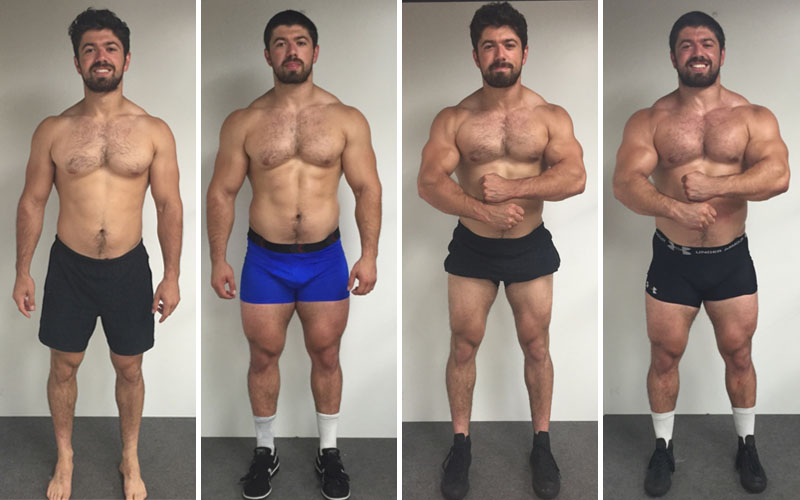
How Alex Hormozi Gained 35lbs in 6 Weeks Naturally


Real example of moderate leg hair on an athletic white man.
Preferences tend to favor natural leg hair over complete removal, as shaving legs can sometimes appear overly groomed or feminine in certain contexts. Focus on evenness rather than elimination.
7. Pubic and Groin Hair Hygiene, Perception, Size Illusion, and Grooming Standards
Surveys and studies indicate that 70–90% of women prefer trimmed or neatly groomed pubic hair on men. Wild, untrimmed pubic hair is often rated negatively for hygiene and aesthetics, while completely shaved can appear juvenile or unnatural. A trimmed length of 3–5 mm strikes the optimal balance, it maintains masculinity while making the genital area appear larger and cleaner.

Trimming also reduces odor trapping and improves comfort during physical activity. Use a dedicated body groomer with adjustable guards and skin protecting technology to avoid bad trims. Regular maintenance (every 1 to 2 weeks) prevents overgrowth.
In looksmaxxing, well groomed pubic hair contributes to overall confidence in intimate situations and complements lean midsection work.
8. Buttocks and Perineal Hair The Hidden but Critical Zone for Comfort and Cleanliness
Excessive buttocks and perineal hair is almost universally disliked when visible or excessive. It can trap moisture, cause discomfort, and negatively impact hygiene perceptions. Trimming or selective laser removal in this area improves comfort and eliminates a common hidden looksmin.
9. Hands, Feet, Knuckles, Neck, Ears, and Other Minor Areas Fine Tuning the Details
Knuckle, toe, ear, and neck hair are small but noticeable in close interactions. Regular trimming or occasional waxing keeps them from becoming distractions. These areas rarely benefit from enhancement and are best kept minimal.
10. Grooming, Removal, Trimming, and Enhancement Techniques Completely Evidence Based Toolkit
The modern toolkit includes electric body groomers with multiple guards for precise length control, minoxidil for targeted growth (as seen in real progress examples), laser/IPL for reduction, waxing for medium term smoothness, and basic shaving as a last resort. Combine methods based on area and goal: trim for maintenance, laser for permanence, minoxidil for filling gaps. Always prioritize skin health with moisturizers and exfoliation to prevent ingrown hairs and irritation.
11. Female Preference Studies Comprehensive Review with Links, Rating Insights, and Cross Cultural Patterns
The scientific literature on female preferences for male body hair is extensive and reveals consistent themes amid cultural variation. Dixson and Rantalas 2016 work used manipulated images and found that while heavy overall body hair often reduced attractiveness ratings compared to clean shaven, targeted moderate hair on the pectoral and sternal regions significantly boosted scores, interpreted as signs of masculine androgenic development.
The 2019 cross cultural study by Dixson, Rantala, and Brooks with over 3400 women across 30 countries showed preferences for chest hair influenced more by socio economic factors, male biased sex ratios, and links to facial masculinity preferences than by disease/parasite load. Older women and those in certain developmental contexts favored relatively more hair.
Rantalas Finnish torso study done in 2010 (https://academic.oup.com/beheco/article-abstract/21/2/419/322906) highlighted cycle dependent shifts: higher fertility phases favored less hair (aligning with modern grooming ideals), while partner/father resemblance effects suggested learning or genetic imprinting.
Basows U.S. college research done in 2014 indicated both sexes often select relatively hairless bodies as most attractive in rating tasks, yet noted that women expected men to prefer hairier options than they actually did.
Additional works, such as Prokop et al. on parasite threat (no strong link found) and Valentova et al. on partner choices, reinforce that grooming quality and moderation trump raw quantity. Preferences are not fixed good genes indicators but interact with cultural norms, personal history, and context.
In practical terms for looksmaxxing, these data support a strategy of deliberate moderation and flawless grooming over extremes. Regularly reference the linked studies when calibrating your own approach they provide the factual foundation rather than unreliable forum opinions.
12. Overall Maxxing Strategy, Long-Term Maintenance, Synergies with Other Maxxes, and Final Recommendations
Evaluate your current hair distribution under consistent lighting. Prioritize reduction in back, shoulders, and buttocks; enhancement or grooming in chest, trail, and pubic areas; and light maintenance elsewhere. Integrate with leanmaxxing, muscle building, and skincare for synergy. Reassess every 3 to 6 months as hormones and age influence patterns. Consistency in grooming signals high effort and self respect key.
TLDR:
Male body hair signals androgen exposure and maturity but requires precise management for optimal looksmax impact. https://pubmed.ncbi.nlm.nih.gov/26292838/ and https://www.researchgate.net/publication/330882622 and https://academic.oup.com/beheco/articleabstract/21/2/419/322906 show moderate, groomed chest/abdominal hair often rated positively for masculinity, while heavy back/butt/pubic hair is disgusting. Trim to 3 to 5 mm in most areas, use minoxidil for sparse desirable zones, laser for unwanted dense patches, and maintain fiercely. Grooming consistency emerges as the strongest positive factor across research. Integrate with leanmaxxing and muscle work for synergy. Assess your distribution, align with study patterns, groom weekly, and turn body hair into a supporting halo rather than a distraction.

@Chad @Zagro @Galvatron @avgsub5human @Uraniumescent
I have literally wrote this non stop for a long amount of fucking hours, its tiring, in half an hour i will have friends over, so nice that i made this in time.
@DnrGriffith @Jimcel @Chazza.cl @Ghost Philosophy @Warism
 
  • +1
Reactions: ZenithZXV, Ghost Philosophy, rares54 and 1 other person
@Idontknow- @5’4 cuck @rares54 @Lmao @incident
 
  • +1
Reactions: Idontknow-, ZenithZXV, rares54 and 1 other person
forever mirin the high effort threads from @magneso

bookmarked repped and will read later
 
  • +1
Reactions: ZenithZXV and magneso
forever mirin the high effort threads from @magneso

bookmarked repped and will read later
Thanks
Tho @Chad didnt like it
I spent 6 hours in a row doing research and writing
I did not even use chatgpt at all.
And he calls it ai
 
  • +1
Reactions: ZenithZXV, rares54 and Jimcel
Introduction
Body hair represents one of the most frequently overlooked yet highly influential components of overall male aesthetics within the looksmax.org community. As a classic secondary sexual characteristic, body hair is driven almost exclusively by androgenic hormones, primarily testosterone converted locally into the far more potent dihydrotestosterone (DHT) via the enzyme 5α reductase type 2 in hair follicle dermal papilla cells.
This process triggers the conversion of fine vellus hairs into thicker, darker, pigmented terminal hairs in specific androgen sensitive body regions during and after puberty.
The density, distribution, and the growth patterns vary enormously between individuals due to genetic factors, including variations in androgen receptor sensitivity, 5α reductase activity, and genes such as those in the AR locus or EDAR pathway.
Some men develop dense ”wolf like” coverage across the torso and back with relatively average testosterone levels, while others remain comparatively smooth even with high circulating androgens.

Table of contents
  1. The Science and Evolution of Male Body Hair
  2. Chest Hair – The Classic Masculinity Signal, Preference Data, and Practical Optimization
  3. Abdominal / Treasure Trail Hair – Framing the Midsection for Visual Definition
  4. Back and Shoulder Hair – The Most Universally Disliked Area and Reduction Strategies
  5. Arm Hair – Subtle Masculine Accent and Its Interaction with Vascularity
  6. Leg Hair – Power, Proportion, and Athletic Appearance
  7. Pubic and Groin Hair – Hygiene, Perception, Size Illusion, and Grooming Standards
  8. Buttocks and Perineal Hair – The Hidden but Critical Zone for Comfort and Cleanliness
  9. Hands, Feet, Knuckles, Neck, Ears, and Other Minor Areas – Fine-Tuning the Details
  10. Grooming, Removal, Trimming, and Enhancement Techniques – Complete Evidence-Based Toolkit
  11. Female Preference Studies – Comprehensive Review with Links, Rating Insights, and Cross-Cultural Patterns
  12. Overall Maxxing Strategy, Long-Term Maintenance, Synergies with Other Maxxes, and Final Recommendations
1. The Science and Evolution of Male Body Hair
The development of male body hair is a tightly regulated androgen dependent process that begins in earnest during puberty. Testosterone produced by the Leydig cells in the testes circulates systemically but exerts its strongest local effects on hair follicles after conversion to DHT by the enzyme 5α reductase type 2, which is highly expressed in genital skin and certain body regions. DHT binds with high affinity to androgen receptors within the dermal papilla of the follicle, activating a cascade of gene expression that prolongs the anagen (the growth) phase, increases follicle diameter, and promotes melanin production, resulting in thicker, darker terminal hairs.

How To Trim Chest and Stomach Hair: Grooming Guide for Men | The Beard Club

Shaving and Trimming Chest Hair Guide | Gillette UK


These real examples of white men illustrate typical androgen driven patterns across the torso.
Genetic-variation accounts for the majority of differences in hair patterns. Heritability estimates for chest hair density reach approximately 0.7 to 0.8 based on twin studies, with polymorphisms in the androgen receptor gene (AR) and other loci influencing receptor sensitivity and regional responsiveness. Men with longer CAG (cytosine-adenine-guanine) repeats in the AR gene often present reduced androgen sensitivity and consequently less body hair, while shorter repeats correlate with greater hirsutism (a lot of boosted hairgrowth). Additional factors include igf-1 signaling, local cytokine environments (small group of proteins), and even microbiome influences on follicle health.

Evolutionarily, the reduction of human body hair compared to other primates is thought to have occurred around 2 to 3 million years ago, possibly driven by selection for improved thermoregulation during endurance activities in open savanna environments, reduced ectoparasite loads, or as a byproduct of neoteny and paedomorphic traits. Despite overall body hair reduction, humans retained clear androgen dependent patches in the beard, chest, abdomen, pubic region, and axillae, areas that serve as honest signals of pubertal androgen exposure and reproductive maturity. These patches may have functioned in intra sexual competition (signaling dominance or fighting ability) or inter sexual selection (signal of genetic quality or health to potential mates).
In modern looksmaxxing contexts, this biological reality means body hair is not random. It reflects cumulative androgen exposure and can either amplify or detract from other masculine traits. For instance, moderate chest and abdominal hair on a lean, muscular frame can enhance the perception of rugged maturity, while dense back hair without corresponding grooming often undermines the dorito formed body achieved through training. Hormonal imbalances, such as elevated DHT from anabolic androgenic steroids (AAS) use or conditions affecting 5α reductase can accelerate unwanted growth, whereas inhibitors like finasteride or dutasteride reduce it systemically (with trade-offs for libido or muscle retention that must be weighed carefully).
Age related changes add another layer: body hair typically peaks in density during the 20s and 30s before gradual graying, coarsening, or thinning in later decades due to declining androgen levels and increasing follicular miniaturization. Lifestyle factors matter too, chronic high cortisol from stress can alter hair growth cycles, poor nutrition (especially zinc, biotin, or protein deficiencies) impairs follicle health, and inflammation from suboptimal diet can make existing hair appear coarser or lead to ingrown issues post grooming.
Optimizing body hair therefore begins with foundational health: maintaining balanced testosterone (not supraphysiological unless monitored), ensuring excellent sleep and recovery, and following an anti inflammatory diet rich in micronutrients. From there, targeted interventions allow fine control. Understanding these mechanisms prevents wasteful or counterproductive approaches, for example, attempting to grow more hair everywhere when genetics limit certain regions, or ignoring grooming in high visibility zones.
Extensive dermatological and anthropological research reinforces that body hair patterns follow predictable androgen maps, with the sternal/pectoral, lower abdominal, and pubic areas showing highest sensitivity, followed by dorsal regions in susceptible individuals. This map guides precise help that will make you improve: enhance where it adds value, reduce where it detracts, and maintain overall harmony with your physique, skin tone, and facial features.
2. Chest Hair The Classic Masculinity Signal, Preference Data, and Practical Optimization
Chest hair, encompassing the pectoral region and sternum, functions as perhaps the most recognizable visual marker of male androgenic development. It adds texture, depth, and a sense of maturity to the upper torso, creating subtle shadows and contrast that can make developed tits appear fuller and more 3d, especially under lighting or when combined with low body fat and vascularity. In many historical and cross cultural contexts, moderate chest hair has been associated with strength and reproductive fitness, though modern preferences are heavily influenced by grooming norms and media portrayals.

4,860 Chest Body Hair Man Stock Photos - Free & Royalty-Free Stock Photos  from Dreamstime

Trimming Chest Hair: The Grooming Guide for Men

Manscaping: A foolproof doctor-approved guide | British GQ


Real examples of light - heavy - medium chest hair on white men show the visual impact.
Scientific studies on female preferences provide detailed, sometimes conflicting insights that highlight the importance of moderation and context. In one key paper, Dixson et al (from 2016), quantified mens facial and body hair distribution using natural photographs categorized as very light, light, medium, or heavy. Women rated images with some hair around the areolae, pectoral region, and sternum as significantly more attractive than fully clean shaven bodies, while overall body hair tended to lower ratings compared to shaved versions in certain manipulations. The authors conclude that specific distributions of body hair influence male attractiveness, potentially as signals of masculine development and the conversion of testosterone to DHT via 5α-reductase ( https://pubmed.ncbi.nlm.nih.gov/26292838/).
A major cross cultural investigation by Dixson, Rantala, and Brooks (2019), examined womens preferences for mens chest hair across 30 countries with a sample of 3436 heterosexual women. Preferences for reduced hirsutism (less chest hair) were stronger among older women, those with strong preferences for facial hair, and in countries with male biased sex ratios, higher human development indices, and lower education indices. Importantly, preferences showed no clear link to pathogen or disease prevalence, challenging simple ectoparasite avoidance explanations. Instead, they aligned more with factors related to male vs male competition and broader masculinity preferences (https://www.researchgate.net/publication/330882622_Cross-Cultural_Variation_in_women's_Preferences_for_men's_Body_Hair).
Rantala et al. (2010) conducted an experimental study in Finland using photographs of male torsos before and after hair removal. Womens preferences for body hair correlated strongly with the hairiness of their current partners and fathers, suggesting imprinting or homogamy effects. During the fertile (high fertility) phase of the menstrual cycle, women showed a stronger preference for less body hair, aligning with contemporary Western ideals of smoothness, while postmenopausal women or those in low fertility phases tended to favor more hair (https://academic.oup.com/beheco/article-abstract/21/2/419/322906).
In U.S. samples, Basow and colleagues (including exploratory work on body depilation) found that college students of both sexes often rated relatively hairless male torsos as most sexually attractive overall. However, when masculinity was isolated as a dimension, moderate chest hair frequently performed well. Chinese women in Dixsons 2007 research rated figures with little or no trunk hair highest, contrasting with some Western or African samples where moderate hairyness scored better ( https://onlinelibrary.wiley.com/doi/abs/10.1002/ajhb.20584).
These studies collectively demonstrate that no single “ideal” exists, preferences vary by culture, age, fertility status, personal experience, and relationship goals. In looksmaxxing practice, the safest high effort approach is moderate, neatly groomed chest hair that complements your muscle development and skin tone. If naturally sparse, 5% minoxidil applied once or twice daily (off label) can stimulate vellus to terminal conversion over 3 to 8 months: results require ongoing maintenance. Microneedling may enhance penetration but demands caution to avoid irritation.
For dense coverage, trimming with a quality body groomer set to 3–5 mm creates a uniform, clean layer that retains masculine signaling while eliminating the “carpet” effect that many studies link to lower attractiveness. Complete shaving often yields a softer, boyish look that can clash with strong facial features or mature framing. Laser hair removal or IPL offers semi permanent thinning for overly hairy patches, with best results on dark hair/light skin combinations after 6–10 sessions.
Weekly or bi weekly maintenance prevents overgrowth, and pairing with leanmaxxing maximizes contrast, visible chest hair on a shredded, low bf torso creates a powerful sculpted appearance. Long term considerations include preventing ingrown hairs through gentle exfoliation and moisturizing, and monitoring for age related roughend or graying. Conditioners formulated for body hair can keep texture softer and more appealing.
In high detail application, chest hair optimization requires consistent self assessment under neutral lighting, comparison against preference study patterns, and integration with overall upper body development. Done correctly, it becomes a low effort, high reward detail that reinforces rather than competes with your other maxxes.
3. Abdominal / Happy Trail Hair Framing the Midsection for Visual Definition
The abdominal hair pattern, commonly known as the happy trail or linea alba hair, runs from the navel downward toward the pubic region. This vertical line frames the abdominal muscles and draws the eye along the centerline of the torso, enhancing the perception of a tight, V shaped midsection when body fat is low. A moderate, well defined trail adds depth and masculinity without overwhelming the visual field.

Men's Pubic Hair Styles: How to Trim Pubic Hair | Gillette UK's Pubic Hair Styles: How to Trim Pubic Hair | Gillette UK


Female preference data often shows positive ratings for light to moderate abdominal hair when paired with visible abs. In photographic rating studies, torsos with a clean treasure trail scored higher on attractiveness scales than completely smooth abdomens or those with scattered, patchy hair. The trail contributes to a sense of continuity between upper and lower torso, reinforcing overall proportional masculinity.
If your trail is weak or absent, minoxidil applied directly to the lower abdomen can encourage downward growth, creating a more complete aesthetic line. Results are slower here than on the chest but noticeable after 4 to 8 months. For overly wide or dense abdominal hair that spreads laterally, trimming to maintain a narrow central path prevents it from detracting from ab definition.
Combine this with core training and low body fat for synergistic effects and the trail becomes a natural highlight that makes the six pack appear more sexy. Weekly trimming during cuts ensures it stays sharp. In bulking phases, monitor for increased density due to higher body fat and adjust accordingly.
Abdominal hair also interacts with navel shape and overall torso hair harmony. A balanced trail complements moderate chest hair while transitioning smoothly into groomed pubic hair, creating a cohesive masculine appearance from neck to groin.
4. Back and Shoulder Hair The Most Universally Disliked Area and Reduction Strategies
Back and shoulder hair consistently ranks as one of the least attractive features in female preference studies. Across multiple experiments, heavy dorsal hair receives low ratings for cleanliness, attractiveness, and sexual appeal, often described as “primitive” or “unkept.” It provides no compensatory masculine benefit and can visually shorten the appearance of the upper back, making the frame look less V-tapered.


Best Laser Hair Removal Areas: How to Choose the Right Style


Clear before and after examples on a white man highlight why heavy back hair is a looksmin and how reduction transforms the silhouette.
Studies using back view photographs show clear negative bindings between back hair density and attractiveness scores. Even moderate amounts are sometimes punished if not groomed. This area has high androgen sensitivity in many men, leading to rapid growth that requires proactive management.
Permanent solutions like laser hair removal (best for dark hair on fair skin) or electrolysis offer the cleanest long term results. Multiple sessions (6 to 10) spaced 4 to 8 weeks apart can reduce density by 70 to 90%. For temporary control, waxing provides 3 to 6 weeks of smoothness, while trimming with a guard keeps it short and less noticeable under clothing.
In looksmaxxing, removing or heavily reducing back hair is almost always a net positive. It improves posture perception in fitted shirts and prevents the “hairy back” stereotype from undermining other gains. Combine with shoulder and trap development for a cleaner, more powerful upper body silhouette.
Maintenance is straightforward once reduced: occasional touch ups every few months. Avoid complete obsession, the goal is smooth or very light coverage, not dermatological perfection that risks irritation.
5. Arm Hair Subtle Masculine Accent and Its Interaction with Vascularity
Arm hair is generally viewed neutrally to positively in male aesthetics. Moderate density adds a rugged, masculine texture to the forearms and biceps without drawing negative attention. In preference ratings, women rarely penalize arm hair unless it is extremely dense, patchy, or combined with poor grooming elsewhere.

4,948 Male Legs Hair Stock Photos - Free & Royalty-Free Stock Photos from  Dreamstime


Natural moderate arm hair on average white men enhances vascularity and muscle definition.
Because arms are frequently exposed, consistent light trimming can create a cleaner appearance that complements vascularity and muscle definition. Leave most of it natural unless it grows in uneven clumps. Minoxidil is rarely needed here, as natural growth is usually sufficient for the desired effect.
Arm hair enhances the illusion of larger, more powerful arms when paired with training. It provides subtle contrast against skin tone, making veins and muscle separations pop more effectively during pumps or photos.
6. Leg Hair Power, Proportion, and Athletic Appearance
Leg hair follows patterns similar to arm hair but covers a larger surface area. Moderate to dense leg hair on well developed quads and calves can convey strength and athleticism. Excessive density that creates a furry 🐶 look may require trimming for a more sculpted appearance in shorts or at the beach.

How Alex Hormozi Gained 35lbs in 6 Weeks Naturally


Real example of moderate leg hair on an athletic white man.
Preferences tend to favor natural leg hair over complete removal, as shaving legs can sometimes appear overly groomed or feminine in certain contexts. Focus on evenness rather than elimination.
7. Pubic and Groin Hair Hygiene, Perception, Size Illusion, and Grooming Standards
Surveys and studies indicate that 70–90% of women prefer trimmed or neatly groomed pubic hair on men. Wild, untrimmed pubic hair is often rated negatively for hygiene and aesthetics, while completely shaved can appear juvenile or unnatural. A trimmed length of 3–5 mm strikes the optimal balance, it maintains masculinity while making the genital area appear larger and cleaner.

Trimming also reduces odor trapping and improves comfort during physical activity. Use a dedicated body groomer with adjustable guards and skin protecting technology to avoid bad trims. Regular maintenance (every 1 to 2 weeks) prevents overgrowth.
In looksmaxxing, well groomed pubic hair contributes to overall confidence in intimate situations and complements lean midsection work.
8. Buttocks and Perineal Hair The Hidden but Critical Zone for Comfort and Cleanliness
Excessive buttocks and perineal hair is almost universally disliked when visible or excessive. It can trap moisture, cause discomfort, and negatively impact hygiene perceptions. Trimming or selective laser removal in this area improves comfort and eliminates a common hidden looksmin.
9. Hands, Feet, Knuckles, Neck, Ears, and Other Minor Areas Fine Tuning the Details
Knuckle, toe, ear, and neck hair are small but noticeable in close interactions. Regular trimming or occasional waxing keeps them from becoming distractions. These areas rarely benefit from enhancement and are best kept minimal.
10. Grooming, Removal, Trimming, and Enhancement Techniques Completely Evidence Based Toolkit
The modern toolkit includes electric body groomers with multiple guards for precise length control, minoxidil for targeted growth (as seen in real progress examples), laser/IPL for reduction, waxing for medium term smoothness, and basic shaving as a last resort. Combine methods based on area and goal: trim for maintenance, laser for permanence, minoxidil for filling gaps. Always prioritize skin health with moisturizers and exfoliation to prevent ingrown hairs and irritation.
11. Female Preference Studies Comprehensive Review with Links, Rating Insights, and Cross Cultural Patterns
The scientific literature on female preferences for male body hair is extensive and reveals consistent themes amid cultural variation. Dixson and Rantalas 2016 work used manipulated images and found that while heavy overall body hair often reduced attractiveness ratings compared to clean shaven, targeted moderate hair on the pectoral and sternal regions significantly boosted scores, interpreted as signs of masculine androgenic development.
The 2019 cross cultural study by Dixson, Rantala, and Brooks with over 3400 women across 30 countries showed preferences for chest hair influenced more by socio economic factors, male biased sex ratios, and links to facial masculinity preferences than by disease/parasite load. Older women and those in certain developmental contexts favored relatively more hair.
Rantalas Finnish torso study done in 2010 (https://academic.oup.com/beheco/article-abstract/21/2/419/322906) highlighted cycle dependent shifts: higher fertility phases favored less hair (aligning with modern grooming ideals), while partner/father resemblance effects suggested learning or genetic imprinting.
Basows U.S. college research done in 2014 indicated both sexes often select relatively hairless bodies as most attractive in rating tasks, yet noted that women expected men to prefer hairier options than they actually did.
Additional works, such as Prokop et al. on parasite threat (no strong link found) and Valentova et al. on partner choices, reinforce that grooming quality and moderation trump raw quantity. Preferences are not fixed good genes indicators but interact with cultural norms, personal history, and context.
In practical terms for looksmaxxing, these data support a strategy of deliberate moderation and flawless grooming over extremes. Regularly reference the linked studies when calibrating your own approach they provide the factual foundation rather than unreliable forum opinions.
12. Overall Maxxing Strategy, Long-Term Maintenance, Synergies with Other Maxxes, and Final Recommendations
Evaluate your current hair distribution under consistent lighting. Prioritize reduction in back, shoulders, and buttocks; enhancement or grooming in chest, trail, and pubic areas; and light maintenance elsewhere. Integrate with leanmaxxing, muscle building, and skincare for synergy. Reassess every 3 to 6 months as hormones and age influence patterns. Consistency in grooming signals high effort and self respect key.
TLDR:
Male body hair signals androgen exposure and maturity but requires precise management for optimal looksmax impact. https://pubmed.ncbi.nlm.nih.gov/26292838/ and https://www.researchgate.net/publication/330882622 and https://academic.oup.com/beheco/articleabstract/21/2/419/322906 show moderate, groomed chest/abdominal hair often rated positively for masculinity, while heavy back/butt/pubic hair is disgusting. Trim to 3 to 5 mm in most areas, use minoxidil for sparse desirable zones, laser for unwanted dense patches, and maintain fiercely. Grooming consistency emerges as the strongest positive factor across research. Integrate with leanmaxxing and muscle work for synergy. Assess your distribution, align with study patterns, groom weekly, and turn body hair into a supporting halo rather than a distraction.

@Chad @Zagro @Galvatron @avgsub5human @Uraniumescent
I have literally wrote this non stop for a long amount of fucking hours, its tiring, in half an hour i will have friends over, so nice that i made this in time.
great thread as always, i have a question tho

how do you do all those diff colours for the text?
 
  • +1
Reactions: ZenithZXV, rares54, GoyLite and 1 other person
Thanks
Tho @Chad didnt like it
I spent 6 hours in a row doing research and writing
I did not even use chatgpt at all.
And he calls it ai
unfortunate, brother deserves botb
 
  • +1
Reactions: ZenithZXV, rares54, GoyLite and 1 other person
Thanks
Tho @Chad didnt like it
I spent 6 hours in a row doing research and writing
I did not even use chatgpt at all.
And he calls it ai
tune da haters out
 
  • +1
Reactions: ZenithZXV and magneso
  • +1
Reactions: ZenithZXV, Jimcel and GoyLite
is having thick ass hairs good
 
  • +1
Reactions: ZenithZXV and magneso
  • +1
Reactions: ZenithZXV, masai jumps enjoyer, lemureater and 1 other person
  • +1
Reactions: ZenithZXV, magneso and Jimcel
@cortisolman2 @eyezen @Asoka @Atra @Brava @ccwb
 
  • +1
Reactions: cortisolman2, ZenithZXV, Brava and 1 other person
mirin, ive been dealing with fuckass backhair and chest fuzziness for quite some time. Good guide, will be using this and going back to it consistently
 
  • +1
Reactions: ZenithZXV and magneso
Introduction
Body hair represents one of the most frequently overlooked yet highly influential components of overall male aesthetics within the looksmax.org community. As a classic secondary sexual characteristic, body hair is driven almost exclusively by androgenic hormones, primarily testosterone converted locally into the far more potent dihydrotestosterone (DHT) via the enzyme 5α reductase type 2 in hair follicle dermal papilla cells.
This process triggers the conversion of fine vellus hairs into thicker, darker, pigmented terminal hairs in specific androgen sensitive body regions during and after puberty.
The density, distribution, and the growth patterns vary enormously between individuals due to genetic factors, including variations in androgen receptor sensitivity, 5α reductase activity, and genes such as those in the AR locus or EDAR pathway.
Some men develop dense ”wolf like” coverage across the torso and back with relatively average testosterone levels, while others remain comparatively smooth even with high circulating androgens.

Table of contents
  1. The Science and Evolution of Male Body Hair
  2. Chest Hair – The Classic Masculinity Signal, Preference Data, and Practical Optimization
  3. Abdominal / Treasure Trail Hair – Framing the Midsection for Visual Definition
  4. Back and Shoulder Hair – The Most Universally Disliked Area and Reduction Strategies
  5. Arm Hair – Subtle Masculine Accent and Its Interaction with Vascularity
  6. Leg Hair – Power, Proportion, and Athletic Appearance
  7. Pubic and Groin Hair – Hygiene, Perception, Size Illusion, and Grooming Standards
  8. Buttocks and Perineal Hair – The Hidden but Critical Zone for Comfort and Cleanliness
  9. Hands, Feet, Knuckles, Neck, Ears, and Other Minor Areas – Fine-Tuning the Details
  10. Grooming, Removal, Trimming, and Enhancement Techniques – Complete Evidence-Based Toolkit
  11. Female Preference Studies – Comprehensive Review with Links, Rating Insights, and Cross-Cultural Patterns
  12. Overall Maxxing Strategy, Long-Term Maintenance, Synergies with Other Maxxes, and Final Recommendations
1. The Science and Evolution of Male Body Hair
The development of male body hair is a tightly regulated androgen dependent process that begins in earnest during puberty. Testosterone produced by the Leydig cells in the testes circulates systemically but exerts its strongest local effects on hair follicles after conversion to DHT by the enzyme 5α reductase type 2, which is highly expressed in genital skin and certain body regions. DHT binds with high affinity to androgen receptors within the dermal papilla of the follicle, activating a cascade of gene expression that prolongs the anagen (the growth) phase, increases follicle diameter, and promotes melanin production, resulting in thicker, darker terminal hairs.

How To Trim Chest and Stomach Hair: Grooming Guide for Men | The Beard Club

Shaving and Trimming Chest Hair Guide | Gillette UK


These real examples of white men illustrate typical androgen driven patterns across the torso.
Genetic-variation accounts for the majority of differences in hair patterns. Heritability estimates for chest hair density reach approximately 0.7 to 0.8 based on twin studies, with polymorphisms in the androgen receptor gene (AR) and other loci influencing receptor sensitivity and regional responsiveness. Men with longer CAG (cytosine-adenine-guanine) repeats in the AR gene often present reduced androgen sensitivity and consequently less body hair, while shorter repeats correlate with greater hirsutism (a lot of boosted hairgrowth). Additional factors include igf-1 signaling, local cytokine environments (small group of proteins), and even microbiome influences on follicle health.

Evolutionarily, the reduction of human body hair compared to other primates is thought to have occurred around 2 to 3 million years ago, possibly driven by selection for improved thermoregulation during endurance activities in open savanna environments, reduced ectoparasite loads, or as a byproduct of neoteny and paedomorphic traits. Despite overall body hair reduction, humans retained clear androgen dependent patches in the beard, chest, abdomen, pubic region, and axillae, areas that serve as honest signals of pubertal androgen exposure and reproductive maturity. These patches may have functioned in intra sexual competition (signaling dominance or fighting ability) or inter sexual selection (signal of genetic quality or health to potential mates).
In modern looksmaxxing contexts, this biological reality means body hair is not random. It reflects cumulative androgen exposure and can either amplify or detract from other masculine traits. For instance, moderate chest and abdominal hair on a lean, muscular frame can enhance the perception of rugged maturity, while dense back hair without corresponding grooming often undermines the dorito formed body achieved through training. Hormonal imbalances, such as elevated DHT from anabolic androgenic steroids (AAS) use or conditions affecting 5α reductase can accelerate unwanted growth, whereas inhibitors like finasteride or dutasteride reduce it systemically (with trade-offs for libido or muscle retention that must be weighed carefully).
Age related changes add another layer: body hair typically peaks in density during the 20s and 30s before gradual graying, coarsening, or thinning in later decades due to declining androgen levels and increasing follicular miniaturization. Lifestyle factors matter too, chronic high cortisol from stress can alter hair growth cycles, poor nutrition (especially zinc, biotin, or protein deficiencies) impairs follicle health, and inflammation from suboptimal diet can make existing hair appear coarser or lead to ingrown issues post grooming.
Optimizing body hair therefore begins with foundational health: maintaining balanced testosterone (not supraphysiological unless monitored), ensuring excellent sleep and recovery, and following an anti inflammatory diet rich in micronutrients. From there, targeted interventions allow fine control. Understanding these mechanisms prevents wasteful or counterproductive approaches, for example, attempting to grow more hair everywhere when genetics limit certain regions, or ignoring grooming in high visibility zones.
Extensive dermatological and anthropological research reinforces that body hair patterns follow predictable androgen maps, with the sternal/pectoral, lower abdominal, and pubic areas showing highest sensitivity, followed by dorsal regions in susceptible individuals. This map guides precise help that will make you improve: enhance where it adds value, reduce where it detracts, and maintain overall harmony with your physique, skin tone, and facial features.
2. Chest Hair The Classic Masculinity Signal, Preference Data, and Practical Optimization
Chest hair, encompassing the pectoral region and sternum, functions as perhaps the most recognizable visual marker of male androgenic development. It adds texture, depth, and a sense of maturity to the upper torso, creating subtle shadows and contrast that can make developed tits appear fuller and more 3d, especially under lighting or when combined with low body fat and vascularity. In many historical and cross cultural contexts, moderate chest hair has been associated with strength and reproductive fitness, though modern preferences are heavily influenced by grooming norms and media portrayals.

4,860 Chest Body Hair Man Stock Photos - Free & Royalty-Free Stock Photos  from Dreamstime

Trimming Chest Hair: The Grooming Guide for Men

Manscaping: A foolproof doctor-approved guide | British GQ


Real examples of light - heavy - medium chest hair on white men show the visual impact.
Scientific studies on female preferences provide detailed, sometimes conflicting insights that highlight the importance of moderation and context. In one key paper, Dixson et al (from 2016), quantified mens facial and body hair distribution using natural photographs categorized as very light, light, medium, or heavy. Women rated images with some hair around the areolae, pectoral region, and sternum as significantly more attractive than fully clean shaven bodies, while overall body hair tended to lower ratings compared to shaved versions in certain manipulations. The authors conclude that specific distributions of body hair influence male attractiveness, potentially as signals of masculine development and the conversion of testosterone to DHT via 5α-reductase ( https://pubmed.ncbi.nlm.nih.gov/26292838/).
A major cross cultural investigation by Dixson, Rantala, and Brooks (2019), examined womens preferences for mens chest hair across 30 countries with a sample of 3436 heterosexual women. Preferences for reduced hirsutism (less chest hair) were stronger among older women, those with strong preferences for facial hair, and in countries with male biased sex ratios, higher human development indices, and lower education indices. Importantly, preferences showed no clear link to pathogen or disease prevalence, challenging simple ectoparasite avoidance explanations. Instead, they aligned more with factors related to male vs male competition and broader masculinity preferences (https://www.researchgate.net/publication/330882622_Cross-Cultural_Variation_in_women's_Preferences_for_men's_Body_Hair).
Rantala et al. (2010) conducted an experimental study in Finland using photographs of male torsos before and after hair removal. Womens preferences for body hair correlated strongly with the hairiness of their current partners and fathers, suggesting imprinting or homogamy effects. During the fertile (high fertility) phase of the menstrual cycle, women showed a stronger preference for less body hair, aligning with contemporary Western ideals of smoothness, while postmenopausal women or those in low fertility phases tended to favor more hair (https://academic.oup.com/beheco/article-abstract/21/2/419/322906).
In U.S. samples, Basow and colleagues (including exploratory work on body depilation) found that college students of both sexes often rated relatively hairless male torsos as most sexually attractive overall. However, when masculinity was isolated as a dimension, moderate chest hair frequently performed well. Chinese women in Dixsons 2007 research rated figures with little or no trunk hair highest, contrasting with some Western or African samples where moderate hairyness scored better ( https://onlinelibrary.wiley.com/doi/abs/10.1002/ajhb.20584).
These studies collectively demonstrate that no single “ideal” exists, preferences vary by culture, age, fertility status, personal experience, and relationship goals. In looksmaxxing practice, the safest high effort approach is moderate, neatly groomed chest hair that complements your muscle development and skin tone. If naturally sparse, 5% minoxidil applied once or twice daily (off label) can stimulate vellus to terminal conversion over 3 to 8 months: results require ongoing maintenance. Microneedling may enhance penetration but demands caution to avoid irritation.
For dense coverage, trimming with a quality body groomer set to 3–5 mm creates a uniform, clean layer that retains masculine signaling while eliminating the “carpet” effect that many studies link to lower attractiveness. Complete shaving often yields a softer, boyish look that can clash with strong facial features or mature framing. Laser hair removal or IPL offers semi permanent thinning for overly hairy patches, with best results on dark hair/light skin combinations after 6–10 sessions.
Weekly or bi weekly maintenance prevents overgrowth, and pairing with leanmaxxing maximizes contrast, visible chest hair on a shredded, low bf torso creates a powerful sculpted appearance. Long term considerations include preventing ingrown hairs through gentle exfoliation and moisturizing, and monitoring for age related roughend or graying. Conditioners formulated for body hair can keep texture softer and more appealing.
In high detail application, chest hair optimization requires consistent self assessment under neutral lighting, comparison against preference study patterns, and integration with overall upper body development. Done correctly, it becomes a low effort, high reward detail that reinforces rather than competes with your other maxxes.
3. Abdominal / Happy Trail Hair Framing the Midsection for Visual Definition
The abdominal hair pattern, commonly known as the happy trail or linea alba hair, runs from the navel downward toward the pubic region. This vertical line frames the abdominal muscles and draws the eye along the centerline of the torso, enhancing the perception of a tight, V shaped midsection when body fat is low. A moderate, well defined trail adds depth and masculinity without overwhelming the visual field.

Men's Pubic Hair Styles: How to Trim Pubic Hair | Gillette UK's Pubic Hair Styles: How to Trim Pubic Hair | Gillette UK


Female preference data often shows positive ratings for light to moderate abdominal hair when paired with visible abs. In photographic rating studies, torsos with a clean treasure trail scored higher on attractiveness scales than completely smooth abdomens or those with scattered, patchy hair. The trail contributes to a sense of continuity between upper and lower torso, reinforcing overall proportional masculinity.
If your trail is weak or absent, minoxidil applied directly to the lower abdomen can encourage downward growth, creating a more complete aesthetic line. Results are slower here than on the chest but noticeable after 4 to 8 months. For overly wide or dense abdominal hair that spreads laterally, trimming to maintain a narrow central path prevents it from detracting from ab definition.
Combine this with core training and low body fat for synergistic effects and the trail becomes a natural highlight that makes the six pack appear more sexy. Weekly trimming during cuts ensures it stays sharp. In bulking phases, monitor for increased density due to higher body fat and adjust accordingly.
Abdominal hair also interacts with navel shape and overall torso hair harmony. A balanced trail complements moderate chest hair while transitioning smoothly into groomed pubic hair, creating a cohesive masculine appearance from neck to groin.
4. Back and Shoulder Hair The Most Universally Disliked Area and Reduction Strategies
Back and shoulder hair consistently ranks as one of the least attractive features in female preference studies. Across multiple experiments, heavy dorsal hair receives low ratings for cleanliness, attractiveness, and sexual appeal, often described as “primitive” or “unkept.” It provides no compensatory masculine benefit and can visually shorten the appearance of the upper back, making the frame look less V-tapered.


Best Laser Hair Removal Areas: How to Choose the Right Style


Clear before and after examples on a white man highlight why heavy back hair is a looksmin and how reduction transforms the silhouette.
Studies using back view photographs show clear negative bindings between back hair density and attractiveness scores. Even moderate amounts are sometimes punished if not groomed. This area has high androgen sensitivity in many men, leading to rapid growth that requires proactive management.
Permanent solutions like laser hair removal (best for dark hair on fair skin) or electrolysis offer the cleanest long term results. Multiple sessions (6 to 10) spaced 4 to 8 weeks apart can reduce density by 70 to 90%. For temporary control, waxing provides 3 to 6 weeks of smoothness, while trimming with a guard keeps it short and less noticeable under clothing.
In looksmaxxing, removing or heavily reducing back hair is almost always a net positive. It improves posture perception in fitted shirts and prevents the “hairy back” stereotype from undermining other gains. Combine with shoulder and trap development for a cleaner, more powerful upper body silhouette.
Maintenance is straightforward once reduced: occasional touch ups every few months. Avoid complete obsession, the goal is smooth or very light coverage, not dermatological perfection that risks irritation.
5. Arm Hair Subtle Masculine Accent and Its Interaction with Vascularity
Arm hair is generally viewed neutrally to positively in male aesthetics. Moderate density adds a rugged, masculine texture to the forearms and biceps without drawing negative attention. In preference ratings, women rarely penalize arm hair unless it is extremely dense, patchy, or combined with poor grooming elsewhere.

4,948 Male Legs Hair Stock Photos - Free & Royalty-Free Stock Photos from  Dreamstime


Natural moderate arm hair on average white men enhances vascularity and muscle definition.
Because arms are frequently exposed, consistent light trimming can create a cleaner appearance that complements vascularity and muscle definition. Leave most of it natural unless it grows in uneven clumps. Minoxidil is rarely needed here, as natural growth is usually sufficient for the desired effect.
Arm hair enhances the illusion of larger, more powerful arms when paired with training. It provides subtle contrast against skin tone, making veins and muscle separations pop more effectively during pumps or photos.
6. Leg Hair Power, Proportion, and Athletic Appearance
Leg hair follows patterns similar to arm hair but covers a larger surface area. Moderate to dense leg hair on well developed quads and calves can convey strength and athleticism. Excessive density that creates a furry 🐶 look may require trimming for a more sculpted appearance in shorts or at the beach.

How Alex Hormozi Gained 35lbs in 6 Weeks Naturally


Real example of moderate leg hair on an athletic white man.
Preferences tend to favor natural leg hair over complete removal, as shaving legs can sometimes appear overly groomed or feminine in certain contexts. Focus on evenness rather than elimination.
7. Pubic and Groin Hair Hygiene, Perception, Size Illusion, and Grooming Standards
Surveys and studies indicate that 70–90% of women prefer trimmed or neatly groomed pubic hair on men. Wild, untrimmed pubic hair is often rated negatively for hygiene and aesthetics, while completely shaved can appear juvenile or unnatural. A trimmed length of 3–5 mm strikes the optimal balance, it maintains masculinity while making the genital area appear larger and cleaner.

Trimming also reduces odor trapping and improves comfort during physical activity. Use a dedicated body groomer with adjustable guards and skin protecting technology to avoid bad trims. Regular maintenance (every 1 to 2 weeks) prevents overgrowth.
In looksmaxxing, well groomed pubic hair contributes to overall confidence in intimate situations and complements lean midsection work.
8. Buttocks and Perineal Hair The Hidden but Critical Zone for Comfort and Cleanliness
Excessive buttocks and perineal hair is almost universally disliked when visible or excessive. It can trap moisture, cause discomfort, and negatively impact hygiene perceptions. Trimming or selective laser removal in this area improves comfort and eliminates a common hidden looksmin.
9. Hands, Feet, Knuckles, Neck, Ears, and Other Minor Areas Fine Tuning the Details
Knuckle, toe, ear, and neck hair are small but noticeable in close interactions. Regular trimming or occasional waxing keeps them from becoming distractions. These areas rarely benefit from enhancement and are best kept minimal.
10. Grooming, Removal, Trimming, and Enhancement Techniques Completely Evidence Based Toolkit
The modern toolkit includes electric body groomers with multiple guards for precise length control, minoxidil for targeted growth (as seen in real progress examples), laser/IPL for reduction, waxing for medium term smoothness, and basic shaving as a last resort. Combine methods based on area and goal: trim for maintenance, laser for permanence, minoxidil for filling gaps. Always prioritize skin health with moisturizers and exfoliation to prevent ingrown hairs and irritation.
11. Female Preference Studies Comprehensive Review with Links, Rating Insights, and Cross Cultural Patterns
The scientific literature on female preferences for male body hair is extensive and reveals consistent themes amid cultural variation. Dixson and Rantalas 2016 work used manipulated images and found that while heavy overall body hair often reduced attractiveness ratings compared to clean shaven, targeted moderate hair on the pectoral and sternal regions significantly boosted scores, interpreted as signs of masculine androgenic development.
The 2019 cross cultural study by Dixson, Rantala, and Brooks with over 3400 women across 30 countries showed preferences for chest hair influenced more by socio economic factors, male biased sex ratios, and links to facial masculinity preferences than by disease/parasite load. Older women and those in certain developmental contexts favored relatively more hair.
Rantalas Finnish torso study done in 2010 (https://academic.oup.com/beheco/article-abstract/21/2/419/322906) highlighted cycle dependent shifts: higher fertility phases favored less hair (aligning with modern grooming ideals), while partner/father resemblance effects suggested learning or genetic imprinting.
Basows U.S. college research done in 2014 indicated both sexes often select relatively hairless bodies as most attractive in rating tasks, yet noted that women expected men to prefer hairier options than they actually did.
Additional works, such as Prokop et al. on parasite threat (no strong link found) and Valentova et al. on partner choices, reinforce that grooming quality and moderation trump raw quantity. Preferences are not fixed good genes indicators but interact with cultural norms, personal history, and context.
In practical terms for looksmaxxing, these data support a strategy of deliberate moderation and flawless grooming over extremes. Regularly reference the linked studies when calibrating your own approach they provide the factual foundation rather than unreliable forum opinions.
12. Overall Maxxing Strategy, Long-Term Maintenance, Synergies with Other Maxxes, and Final Recommendations
Evaluate your current hair distribution under consistent lighting. Prioritize reduction in back, shoulders, and buttocks; enhancement or grooming in chest, trail, and pubic areas; and light maintenance elsewhere. Integrate with leanmaxxing, muscle building, and skincare for synergy. Reassess every 3 to 6 months as hormones and age influence patterns. Consistency in grooming signals high effort and self respect key.
TLDR:
Male body hair signals androgen exposure and maturity but requires precise management for optimal looksmax impact. https://pubmed.ncbi.nlm.nih.gov/26292838/ and https://www.researchgate.net/publication/330882622 and https://academic.oup.com/beheco/articleabstract/21/2/419/322906 show moderate, groomed chest/abdominal hair often rated positively for masculinity, while heavy back/butt/pubic hair is disgusting. Trim to 3 to 5 mm in most areas, use minoxidil for sparse desirable zones, laser for unwanted dense patches, and maintain fiercely. Grooming consistency emerges as the strongest positive factor across research. Integrate with leanmaxxing and muscle work for synergy. Assess your distribution, align with study patterns, groom weekly, and turn body hair into a supporting halo rather than a distraction.

@Chad @Zagro @Galvatron @avgsub5human @Uraniumescent
I have literally wrote this non stop for a long amount of fucking hours, its tiring, in half an hour i will have friends over, so nice that i made this in time.
Thank you bhai. Keep pinging me. Good work
 
  • +1
Reactions: ZenithZXV and magneso
  • +1
Reactions: ZenithZXV and magneso
Введение
Body hair represents one of the most frequently overlooked yet highly influential components of overall male aesthetics within the looksmax.org community. As a classic secondary sexual characteristic, body hair is driven almost exclusively by androgenic hormones, primarily testosterone converted locally into the far more potent dihydrotestosterone (DHT) via the enzyme 5α reductase type 2 in hair follicle dermal papilla cells.
This process triggers the conversion of fine vellus hairs into thicker, darker, pigmented terminal hairs in specific androgen sensitive body regions during and after puberty.
The density, distribution, and the growth patterns vary enormously between individuals due to genetic factors, including variations in androgen receptor sensitivity, 5α reductase activity, and genes such as those in the AR locus or EDAR pathway.
Some men develop dense ”wolf like” coverage across the torso and back with relatively average testosterone levels, while others remain comparatively smooth even with high circulating androgens.

Table of contents
  1. The Science and Evolution of Male Body Hair
  2. Chest Hair – The Classic Masculinity Signal, Preference Data, and Practical Optimization
  3. Abdominal / Treasure Trail Hair – Framing the Midsection for Visual Definition
  4. Back and Shoulder Hair – The Most Universally Disliked Area and Reduction Strategies
  5. Arm Hair – Subtle Masculine Accent and Its Interaction with Vascularity
  6. Leg Hair – Power, Proportion, and Athletic Appearance
  7. Pubic and Groin Hair – Hygiene, Perception, Size Illusion, and Grooming Standards
  8. Buttocks and Perineal Hair – The Hidden but Critical Zone for Comfort and Cleanliness
  9. Hands, Feet, Knuckles, Neck, Ears, and Other Minor Areas – Fine-Tuning the Details
  10. Grooming, Removal, Trimming, and Enhancement Techniques – Complete Evidence-Based Toolkit
  11. Female Preference Studies – Comprehensive Review with Links, Rating Insights, and Cross-Cultural Patterns
  12. Overall Maxxing Strategy, Long-Term Maintenance, Synergies with Other Maxxes, and Final Recommendations
1. The Science and Evolution of Male Body Hair
The development of male body hair is a tightly regulated androgen dependent process that begins in earnest during puberty. Testosterone produced by the Leydig cells in the testes circulates systemically but exerts its strongest local effects on hair follicles after conversion to DHT by the enzyme 5α reductase type 2, which is highly expressed in genital skin and certain body regions. DHT binds with high affinity to androgen receptors within the dermal papilla of the follicle, activating a cascade of gene expression that prolongs the anagen (the growth) phase, increases follicle diameter, and promotes melanin production, resulting in thicker, darker terminal hairs.

How To Trim Chest and Stomach Hair: Grooming Guide for Men | The Beard Club

Shaving and Trimming Chest Hair Guide | Gillette UK


These real examples of white men illustrate typical androgen driven patterns across the torso.
Genetic-variation accounts for the majority of differences in hair patterns. Heritability estimates for chest hair density reach approximately 0.7 to 0.8 based on twin studies, with polymorphisms in the androgen receptor gene (AR) and other loci influencing receptor sensitivity and regional responsiveness. Men with longer CAG (cytosine-adenine-guanine) repeats in the AR gene often present reduced androgen sensitivity and consequently less body hair, while shorter repeats correlate with greater hirsutism (a lot of boosted hairgrowth). Additional factors include igf-1 signaling, local cytokine environments (small group of proteins), and even microbiome influences on follicle health.

Evolutionarily, the reduction of human body hair compared to other primates is thought to have occurred around 2 to 3 million years ago, possibly driven by selection for improved thermoregulation during endurance activities in open savanna environments, reduced ectoparasite loads, or as a byproduct of neoteny and paedomorphic traits. Despite overall body hair reduction, humans retained clear androgen dependent patches in the beard, chest, abdomen, pubic region, and axillae, areas that serve as honest signals of pubertal androgen exposure and reproductive maturity. These patches may have functioned in intra sexual competition (signaling dominance or fighting ability) or inter sexual selection (signal of genetic quality or health to potential mates).
In modern looksmaxxing contexts, this biological reality means body hair is not random. It reflects cumulative androgen exposure and can either amplify or detract from other masculine traits. For instance, moderate chest and abdominal hair on a lean, muscular frame can enhance the perception of rugged maturity, while dense back hair without corresponding grooming often undermines the dorito formed body achieved through training. Hormonal imbalances, such as elevated DHT from anabolic androgenic steroids (AAS) use or conditions affecting 5α reductase can accelerate unwanted growth, whereas inhibitors like finasteride or dutasteride reduce it systemically (with trade-offs for libido or muscle retention that must be weighed carefully).
Age related changes add another layer: body hair typically peaks in density during the 20s and 30s before gradual graying, coarsening, or thinning in later decades due to declining androgen levels and increasing follicular miniaturization. Lifestyle factors matter too, chronic high cortisol from stress can alter hair growth cycles, poor nutrition (especially zinc, biotin, or protein deficiencies) impairs follicle health, and inflammation from suboptimal diet can make existing hair appear coarser or lead to ingrown issues post grooming.
Optimizing body hair therefore begins with foundational health: maintaining balanced testosterone (not supraphysiological unless monitored), ensuring excellent sleep and recovery, and following an anti inflammatory diet rich in micronutrients. From there, targeted interventions allow fine control. Understanding these mechanisms prevents wasteful or counterproductive approaches, for example, attempting to grow more hair everywhere when genetics limit certain regions, or ignoring grooming in high visibility zones.
Extensive dermatological and anthropological research reinforces that body hair patterns follow predictable androgen maps, with the sternal/pectoral, lower abdominal, and pubic areas showing highest sensitivity, followed by dorsal regions in susceptible individuals. This map guides precise help that will make you improve: enhance where it adds value, reduce where it detracts, and maintain overall harmony with your physique, skin tone, and facial features.
2. Chest Hair The Classic Masculinity Signal, Preference Data, and Practical Optimization
Chest hair, encompassing the pectoral region and sternum, functions as perhaps the most recognizable visual marker of male androgenic development. It adds texture, depth, and a sense of maturity to the upper torso, creating subtle shadows and contrast that can make developed tits appear fuller and more 3d, especially under lighting or when combined with low body fat and vascularity. In many historical and cross cultural contexts, moderate chest hair has been associated with strength and reproductive fitness, though modern preferences are heavily influenced by grooming norms and media portrayals.

4,860 Chest Body Hair Man Stock Photos - Free & Royalty-Free Stock Photos  from Dreamstime

Trimming Chest Hair: The Grooming Guide for Men

Manscaping: A foolproof doctor-approved guide | British GQ


Real examples of light - heavy - medium chest hair on white men show the visual impact.
Scientific studies on female preferences provide detailed, sometimes conflicting insights that highlight the importance of moderation and context. In one key paper, Dixson et al (from 2016), quantified mens facial and body hair distribution using natural photographs categorized as very light, light, medium, or heavy. Women rated images with some hair around the areolae, pectoral region, and sternum as significantly more attractive than fully clean shaven bodies, while overall body hair tended to lower ratings compared to shaved versions in certain manipulations. The authors conclude that specific distributions of body hair influence male attractiveness, potentially as signals of masculine development and the conversion of testosterone to DHT via 5α-reductase ( https://pubmed.ncbi.nlm.nih.gov/26292838/).
A major cross cultural investigation by Dixson, Rantala, and Brooks (2019), examined womens preferences for mens chest hair across 30 countries with a sample of 3436 heterosexual women. Preferences for reduced hirsutism (less chest hair) were stronger among older women, those with strong preferences for facial hair, and in countries with male biased sex ratios, higher human development indices, and lower education indices. Importantly, preferences showed no clear link to pathogen or disease prevalence, challenging simple ectoparasite avoidance explanations. Instead, they aligned more with factors related to male vs male competition and broader masculinity preferences (https://www.researchgate.net/publication/330882622_Cross-Cultural_Variation_in_women's_Preferences_for_men's_Body_Hair).
Rantala et al. (2010) conducted an experimental study in Finland using photographs of male torsos before and after hair removal. Womens preferences for body hair correlated strongly with the hairiness of their current partners and fathers, suggesting imprinting or homogamy effects. During the fertile (high fertility) phase of the menstrual cycle, women showed a stronger preference for less body hair, aligning with contemporary Western ideals of smoothness, while postmenopausal women or those in low fertility phases tended to favor more hair (https://academic.oup.com/beheco/article-abstract/21/2/419/322906).
In U.S. samples, Basow and colleagues (including exploratory work on body depilation) found that college students of both sexes often rated relatively hairless male torsos as most sexually attractive overall. However, when masculinity was isolated as a dimension, moderate chest hair frequently performed well. Chinese women in Dixsons 2007 research rated figures with little or no trunk hair highest, contrasting with some Western or African samples where moderate hairyness scored better ( https://onlinelibrary.wiley.com/doi/abs/10.1002/ajhb.20584).
These studies collectively demonstrate that no single “ideal” exists, preferences vary by culture, age, fertility status, personal experience, and relationship goals. In looksmaxxing practice, the safest high effort approach is moderate, neatly groomed chest hair that complements your muscle development and skin tone. If naturally sparse, 5% minoxidil applied once or twice daily (off label) can stimulate vellus to terminal conversion over 3 to 8 months: results require ongoing maintenance. Microneedling may enhance penetration but demands caution to avoid irritation.
For dense coverage, trimming with a quality body groomer set to 3–5 mm creates a uniform, clean layer that retains masculine signaling while eliminating the “carpet” effect that many studies link to lower attractiveness. Complete shaving often yields a softer, boyish look that can clash with strong facial features or mature framing. Laser hair removal or IPL offers semi permanent thinning for overly hairy patches, with best results on dark hair/light skin combinations after 6–10 sessions.
Weekly or bi weekly maintenance prevents overgrowth, and pairing with leanmaxxing maximizes contrast, visible chest hair on a shredded, low bf torso creates a powerful sculpted appearance. Long term considerations include preventing ingrown hairs through gentle exfoliation and moisturizing, and monitoring for age related roughend or graying. Conditioners formulated for body hair can keep texture softer and more appealing.
In high detail application, chest hair optimization requires consistent self assessment under neutral lighting, comparison against preference study patterns, and integration with overall upper body development. Done correctly, it becomes a low effort, high reward detail that reinforces rather than competes with your other maxxes.
3. Abdominal / Happy Trail Hair Framing the Midsection for Visual Definition
The abdominal hair pattern, commonly known as the happy trail or linea alba hair, runs from the navel downward toward the pubic region. This vertical line frames the abdominal muscles and draws the eye along the centerline of the torso, enhancing the perception of a tight, V shaped midsection when body fat is low. A moderate, well defined trail adds depth and masculinity without overwhelming the visual field.

Men's Pubic Hair Styles: How to Trim Pubic Hair | Gillette UK's Pubic Hair Styles: How to Trim Pubic Hair | Gillette UK


Female preference data often shows positive ratings for light to moderate abdominal hair when paired with visible abs. In photographic rating studies, torsos with a clean treasure trail scored higher on attractiveness scales than completely smooth abdomens or those with scattered, patchy hair. The trail contributes to a sense of continuity between upper and lower torso, reinforcing overall proportional masculinity.
If your trail is weak or absent, minoxidil applied directly to the lower abdomen can encourage downward growth, creating a more complete aesthetic line. Results are slower here than on the chest but noticeable after 4 to 8 months. For overly wide or dense abdominal hair that spreads laterally, trimming to maintain a narrow central path prevents it from detracting from ab definition.
Combine this with core training and low body fat for synergistic effects and the trail becomes a natural highlight that makes the six pack appear more sexy. Weekly trimming during cuts ensures it stays sharp. In bulking phases, monitor for increased density due to higher body fat and adjust accordingly.
Abdominal hair also interacts with navel shape and overall torso hair harmony. A balanced trail complements moderate chest hair while transitioning smoothly into groomed pubic hair, creating a cohesive masculine appearance from neck to groin.
4. Back and Shoulder Hair The Most Universally Disliked Area and Reduction Strategies
Back and shoulder hair consistently ranks as one of the least attractive features in female preference studies. Across multiple experiments, heavy dorsal hair receives low ratings for cleanliness, attractiveness, and sexual appeal, often described as “primitive” or “unkept.” It provides no compensatory masculine benefit and can visually shorten the appearance of the upper back, making the frame look less V-tapered.


Best Laser Hair Removal Areas: How to Choose the Right Style


Clear before and after examples on a white man highlight why heavy back hair is a looksmin and how reduction transforms the silhouette.
Studies using back view photographs show clear negative bindings between back hair density and attractiveness scores. Even moderate amounts are sometimes punished if not groomed. This area has high androgen sensitivity in many men, leading to rapid growth that requires proactive management.
Permanent solutions like laser hair removal (best for dark hair on fair skin) or electrolysis offer the cleanest long term results. Multiple sessions (6 to 10) spaced 4 to 8 weeks apart can reduce density by 70 to 90%. For temporary control, waxing provides 3 to 6 weeks of smoothness, while trimming with a guard keeps it short and less noticeable under clothing.
In looksmaxxing, removing or heavily reducing back hair is almost always a net positive. It improves posture perception in fitted shirts and prevents the “hairy back” stereotype from undermining other gains. Combine with shoulder and trap development for a cleaner, more powerful upper body silhouette.
Maintenance is straightforward once reduced: occasional touch ups every few months. Avoid complete obsession, the goal is smooth or very light coverage, not dermatological perfection that risks irritation.
5. Arm Hair Subtle Masculine Accent and Its Interaction with Vascularity
Arm hair is generally viewed neutrally to positively in male aesthetics. Moderate density adds a rugged, masculine texture to the forearms and biceps without drawing negative attention. In preference ratings, women rarely penalize arm hair unless it is extremely dense, patchy, or combined with poor grooming elsewhere.

4,948 Male Legs Hair Stock Photos - Free & Royalty-Free Stock Photos from  Dreamstime


Natural moderate arm hair on average white men enhances vascularity and muscle definition.
Because arms are frequently exposed, consistent light trimming can create a cleaner appearance that complements vascularity and muscle definition. Leave most of it natural unless it grows in uneven clumps. Minoxidil is rarely needed here, as natural growth is usually sufficient for the desired effect.
Arm hair enhances the illusion of larger, more powerful arms when paired with training. It provides subtle contrast against skin tone, making veins and muscle separations pop more effectively during pumps or photos.
6. Leg Hair Power, Proportion, and Athletic Appearance
Leg hair follows patterns similar to arm hair but covers a larger surface area. Moderate to dense leg hair on well developed quads and calves can convey strength and athleticism. Excessive density that creates a furry 🐶 look may require trimming for a more sculpted appearance in shorts or at the beach.

How Alex Hormozi Gained 35lbs in 6 Weeks Naturally


Real example of moderate leg hair on an athletic white man.
Preferences tend to favor natural leg hair over complete removal, as shaving legs can sometimes appear overly groomed or feminine in certain contexts. Focus on evenness rather than elimination.
7. Pubic and Groin Hair Hygiene, Perception, Size Illusion, and Grooming Standards
Surveys and studies indicate that 70–90% of women prefer trimmed or neatly groomed pubic hair on men. Wild, untrimmed pubic hair is often rated negatively for hygiene and aesthetics, while completely shaved can appear juvenile or unnatural. A trimmed length of 3–5 mm strikes the optimal balance, it maintains masculinity while making the genital area appear larger and cleaner.

Trimming also reduces odor trapping and improves comfort during physical activity. Use a dedicated body groomer with adjustable guards and skin protecting technology to avoid bad trims. Regular maintenance (every 1 to 2 weeks) prevents overgrowth.
In looksmaxxing, well groomed pubic hair contributes to overall confidence in intimate situations and complements lean midsection work.
8. Buttocks and Perineal Hair The Hidden but Critical Zone for Comfort and Cleanliness
Excessive buttocks and perineal hair is almost universally disliked when visible or excessive. It can trap moisture, cause discomfort, and negatively impact hygiene perceptions. Trimming or selective laser removal in this area improves comfort and eliminates a common hidden looksmin.
9. Hands, Feet, Knuckles, Neck, Ears, and Other Minor Areas Fine Tuning the Details
Knuckle, toe, ear, and neck hair are small but noticeable in close interactions. Regular trimming or occasional waxing keeps them from becoming distractions. These areas rarely benefit from enhancement and are best kept minimal.
10. Grooming, Removal, Trimming, and Enhancement Techniques Completely Evidence Based Toolkit
The modern toolkit includes electric body groomers with multiple guards for precise length control, minoxidil for targeted growth (as seen in real progress examples), laser/IPL for reduction, waxing for medium term smoothness, and basic shaving as a last resort. Combine methods based on area and goal: trim for maintenance, laser for permanence, minoxidil for filling gaps. Always prioritize skin health with moisturizers and exfoliation to prevent ingrown hairs and irritation.
11. Female Preference Studies Comprehensive Review with Links, Rating Insights, and Cross Cultural Patterns
The scientific literature on female preferences for male body hair is extensive and reveals consistent themes amid cultural variation. Dixson and Rantalas 2016 work used manipulated images and found that while heavy overall body hair often reduced attractiveness ratings compared to clean shaven, targeted moderate hair on the pectoral and sternal regions significantly boosted scores, interpreted as signs of masculine androgenic development.
The 2019 cross cultural study by Dixson, Rantala, and Brooks with over 3400 women across 30 countries showed preferences for chest hair influenced more by socio economic factors, male biased sex ratios, and links to facial masculinity preferences than by disease/parasite load. Older women and those in certain developmental contexts favored relatively more hair.
Rantalas Finnish torso study done in 2010 (https://academic.oup.com/beheco/article-abstract/21/2/419/322906) highlighted cycle dependent shifts: higher fertility phases favored less hair (aligning with modern grooming ideals), while partner/father resemblance effects suggested learning or genetic imprinting.
Basows U.S. college research done in 2014 indicated both sexes often select relatively hairless bodies as most attractive in rating tasks, yet noted that women expected men to prefer hairier options than they actually did.
Additional works, such as Prokop et al. on parasite threat (no strong link found) and Valentova et al. on partner choices, reinforce that grooming quality and moderation trump raw quantity. Preferences are not fixed good genes indicators but interact with cultural norms, personal history, and context.
In practical terms for looksmaxxing, these data support a strategy of deliberate moderation and flawless grooming over extremes. Regularly reference the linked studies when calibrating your own approach they provide the factual foundation rather than unreliable forum opinions.
12. Overall Maxxing Strategy, Long-Term Maintenance, Synergies with Other Maxxes, and Final Recommendations
Evaluate your current hair distribution under consistent lighting. Prioritize reduction in back, shoulders, and buttocks; enhancement or grooming in chest, trail, and pubic areas; and light maintenance elsewhere. Integrate with leanmaxxing, muscle building, and skincare for synergy. Reassess every 3 to 6 months as hormones and age influence patterns. Consistency in grooming signals high effort and self respect key.
TLDR:
Male body hair signals androgen exposure and maturity but requires precise management for optimal looksmax impact. https://pubmed.ncbi.nlm.nih.gov/26292838/ and https://www.researchgate.net/publication/330882622 and https://academic.oup.com/beheco/articleabstract/21/2/419/322906 show moderate, groomed chest/abdominal hair often rated positively for masculinity, while heavy back/butt/pubic hair is disgusting. Trim to 3 to 5 mm in most areas, use minoxidil for sparse desirable zones, laser for unwanted dense patches, and maintain fiercely. Grooming consistency emerges as the strongest positive factor across research. Integrate with leanmaxxing and muscle work for synergy. Assess your distribution, align with study patterns, groom weekly, and turn body hair into a supporting halo rather than a distraction.

@Chad @Zagro @Galvatron @avgsub5human @Uraniumescent
I have literally wrote this non stop for a long amount of fucking hours, its tiring, in half an hour i will have friends over, so nice that i made this in time.
 
  • +1
Reactions: ZenithZXV and magneso
Introduction
Body hair represents one of the most frequently overlooked yet highly influential components of overall male aesthetics within the looksmax.org community. As a classic secondary sexual characteristic, body hair is driven almost exclusively by androgenic hormones, primarily testosterone converted locally into the far more potent dihydrotestosterone (DHT) via the enzyme 5α reductase type 2 in hair follicle dermal papilla cells.
This process triggers the conversion of fine vellus hairs into thicker, darker, pigmented terminal hairs in specific androgen sensitive body regions during and after puberty.
The density, distribution, and the growth patterns vary enormously between individuals due to genetic factors, including variations in androgen receptor sensitivity, 5α reductase activity, and genes such as those in the AR locus or EDAR pathway.
Some men develop dense ”wolf like” coverage across the torso and back with relatively average testosterone levels, while others remain comparatively smooth even with high circulating androgens.

Table of contents
  1. The Science and Evolution of Male Body Hair
  2. Chest Hair – The Classic Masculinity Signal, Preference Data, and Practical Optimization
  3. Abdominal / Treasure Trail Hair – Framing the Midsection for Visual Definition
  4. Back and Shoulder Hair – The Most Universally Disliked Area and Reduction Strategies
  5. Arm Hair – Subtle Masculine Accent and Its Interaction with Vascularity
  6. Leg Hair – Power, Proportion, and Athletic Appearance
  7. Pubic and Groin Hair – Hygiene, Perception, Size Illusion, and Grooming Standards
  8. Buttocks and Perineal Hair – The Hidden but Critical Zone for Comfort and Cleanliness
  9. Hands, Feet, Knuckles, Neck, Ears, and Other Minor Areas – Fine-Tuning the Details
  10. Grooming, Removal, Trimming, and Enhancement Techniques – Complete Evidence-Based Toolkit
  11. Female Preference Studies – Comprehensive Review with Links, Rating Insights, and Cross-Cultural Patterns
  12. Overall Maxxing Strategy, Long-Term Maintenance, Synergies with Other Maxxes, and Final Recommendations
1. The Science and Evolution of Male Body Hair
The development of male body hair is a tightly regulated androgen dependent process that begins in earnest during puberty. Testosterone produced by the Leydig cells in the testes circulates systemically but exerts its strongest local effects on hair follicles after conversion to DHT by the enzyme 5α reductase type 2, which is highly expressed in genital skin and certain body regions. DHT binds with high affinity to androgen receptors within the dermal papilla of the follicle, activating a cascade of gene expression that prolongs the anagen (the growth) phase, increases follicle diameter, and promotes melanin production, resulting in thicker, darker terminal hairs.

How To Trim Chest and Stomach Hair: Grooming Guide for Men | The Beard Club

Shaving and Trimming Chest Hair Guide | Gillette UK


These real examples of white men illustrate typical androgen driven patterns across the torso.
Genetic-variation accounts for the majority of differences in hair patterns. Heritability estimates for chest hair density reach approximately 0.7 to 0.8 based on twin studies, with polymorphisms in the androgen receptor gene (AR) and other loci influencing receptor sensitivity and regional responsiveness. Men with longer CAG (cytosine-adenine-guanine) repeats in the AR gene often present reduced androgen sensitivity and consequently less body hair, while shorter repeats correlate with greater hirsutism (a lot of boosted hairgrowth). Additional factors include igf-1 signaling, local cytokine environments (small group of proteins), and even microbiome influences on follicle health.

Evolutionarily, the reduction of human body hair compared to other primates is thought to have occurred around 2 to 3 million years ago, possibly driven by selection for improved thermoregulation during endurance activities in open savanna environments, reduced ectoparasite loads, or as a byproduct of neoteny and paedomorphic traits. Despite overall body hair reduction, humans retained clear androgen dependent patches in the beard, chest, abdomen, pubic region, and axillae, areas that serve as honest signals of pubertal androgen exposure and reproductive maturity. These patches may have functioned in intra sexual competition (signaling dominance or fighting ability) or inter sexual selection (signal of genetic quality or health to potential mates).
In modern looksmaxxing contexts, this biological reality means body hair is not random. It reflects cumulative androgen exposure and can either amplify or detract from other masculine traits. For instance, moderate chest and abdominal hair on a lean, muscular frame can enhance the perception of rugged maturity, while dense back hair without corresponding grooming often undermines the dorito formed body achieved through training. Hormonal imbalances, such as elevated DHT from anabolic androgenic steroids (AAS) use or conditions affecting 5α reductase can accelerate unwanted growth, whereas inhibitors like finasteride or dutasteride reduce it systemically (with trade-offs for libido or muscle retention that must be weighed carefully).
Age related changes add another layer: body hair typically peaks in density during the 20s and 30s before gradual graying, coarsening, or thinning in later decades due to declining androgen levels and increasing follicular miniaturization. Lifestyle factors matter too, chronic high cortisol from stress can alter hair growth cycles, poor nutrition (especially zinc, biotin, or protein deficiencies) impairs follicle health, and inflammation from suboptimal diet can make existing hair appear coarser or lead to ingrown issues post grooming.
Optimizing body hair therefore begins with foundational health: maintaining balanced testosterone (not supraphysiological unless monitored), ensuring excellent sleep and recovery, and following an anti inflammatory diet rich in micronutrients. From there, targeted interventions allow fine control. Understanding these mechanisms prevents wasteful or counterproductive approaches, for example, attempting to grow more hair everywhere when genetics limit certain regions, or ignoring grooming in high visibility zones.
Extensive dermatological and anthropological research reinforces that body hair patterns follow predictable androgen maps, with the sternal/pectoral, lower abdominal, and pubic areas showing highest sensitivity, followed by dorsal regions in susceptible individuals. This map guides precise help that will make you improve: enhance where it adds value, reduce where it detracts, and maintain overall harmony with your physique, skin tone, and facial features.
2. Chest Hair The Classic Masculinity Signal, Preference Data, and Practical Optimization
Chest hair, encompassing the pectoral region and sternum, functions as perhaps the most recognizable visual marker of male androgenic development. It adds texture, depth, and a sense of maturity to the upper torso, creating subtle shadows and contrast that can make developed tits appear fuller and more 3d, especially under lighting or when combined with low body fat and vascularity. In many historical and cross cultural contexts, moderate chest hair has been associated with strength and reproductive fitness, though modern preferences are heavily influenced by grooming norms and media portrayals.

4,860 Chest Body Hair Man Stock Photos - Free & Royalty-Free Stock Photos  from Dreamstime

Trimming Chest Hair: The Grooming Guide for Men

Manscaping: A foolproof doctor-approved guide | British GQ


Real examples of light - heavy - medium chest hair on white men show the visual impact.
Scientific studies on female preferences provide detailed, sometimes conflicting insights that highlight the importance of moderation and context. In one key paper, Dixson et al (from 2016), quantified mens facial and body hair distribution using natural photographs categorized as very light, light, medium, or heavy. Women rated images with some hair around the areolae, pectoral region, and sternum as significantly more attractive than fully clean shaven bodies, while overall body hair tended to lower ratings compared to shaved versions in certain manipulations. The authors conclude that specific distributions of body hair influence male attractiveness, potentially as signals of masculine development and the conversion of testosterone to DHT via 5α-reductase ( https://pubmed.ncbi.nlm.nih.gov/26292838/).
A major cross cultural investigation by Dixson, Rantala, and Brooks (2019), examined womens preferences for mens chest hair across 30 countries with a sample of 3436 heterosexual women. Preferences for reduced hirsutism (less chest hair) were stronger among older women, those with strong preferences for facial hair, and in countries with male biased sex ratios, higher human development indices, and lower education indices. Importantly, preferences showed no clear link to pathogen or disease prevalence, challenging simple ectoparasite avoidance explanations. Instead, they aligned more with factors related to male vs male competition and broader masculinity preferences (https://www.researchgate.net/publication/330882622_Cross-Cultural_Variation_in_women's_Preferences_for_men's_Body_Hair).
Rantala et al. (2010) conducted an experimental study in Finland using photographs of male torsos before and after hair removal. Womens preferences for body hair correlated strongly with the hairiness of their current partners and fathers, suggesting imprinting or homogamy effects. During the fertile (high fertility) phase of the menstrual cycle, women showed a stronger preference for less body hair, aligning with contemporary Western ideals of smoothness, while postmenopausal women or those in low fertility phases tended to favor more hair (https://academic.oup.com/beheco/article-abstract/21/2/419/322906).
In U.S. samples, Basow and colleagues (including exploratory work on body depilation) found that college students of both sexes often rated relatively hairless male torsos as most sexually attractive overall. However, when masculinity was isolated as a dimension, moderate chest hair frequently performed well. Chinese women in Dixsons 2007 research rated figures with little or no trunk hair highest, contrasting with some Western or African samples where moderate hairyness scored better ( https://onlinelibrary.wiley.com/doi/abs/10.1002/ajhb.20584).
These studies collectively demonstrate that no single “ideal” exists, preferences vary by culture, age, fertility status, personal experience, and relationship goals. In looksmaxxing practice, the safest high effort approach is moderate, neatly groomed chest hair that complements your muscle development and skin tone. If naturally sparse, 5% minoxidil applied once or twice daily (off label) can stimulate vellus to terminal conversion over 3 to 8 months: results require ongoing maintenance. Microneedling may enhance penetration but demands caution to avoid irritation.
For dense coverage, trimming with a quality body groomer set to 3–5 mm creates a uniform, clean layer that retains masculine signaling while eliminating the “carpet” effect that many studies link to lower attractiveness. Complete shaving often yields a softer, boyish look that can clash with strong facial features or mature framing. Laser hair removal or IPL offers semi permanent thinning for overly hairy patches, with best results on dark hair/light skin combinations after 6–10 sessions.
Weekly or bi weekly maintenance prevents overgrowth, and pairing with leanmaxxing maximizes contrast, visible chest hair on a shredded, low bf torso creates a powerful sculpted appearance. Long term considerations include preventing ingrown hairs through gentle exfoliation and moisturizing, and monitoring for age related roughend or graying. Conditioners formulated for body hair can keep texture softer and more appealing.
In high detail application, chest hair optimization requires consistent self assessment under neutral lighting, comparison against preference study patterns, and integration with overall upper body development. Done correctly, it becomes a low effort, high reward detail that reinforces rather than competes with your other maxxes.
3. Abdominal / Happy Trail Hair Framing the Midsection for Visual Definition
The abdominal hair pattern, commonly known as the happy trail or linea alba hair, runs from the navel downward toward the pubic region. This vertical line frames the abdominal muscles and draws the eye along the centerline of the torso, enhancing the perception of a tight, V shaped midsection when body fat is low. A moderate, well defined trail adds depth and masculinity without overwhelming the visual field.

Men's Pubic Hair Styles: How to Trim Pubic Hair | Gillette UK's Pubic Hair Styles: How to Trim Pubic Hair | Gillette UK


Female preference data often shows positive ratings for light to moderate abdominal hair when paired with visible abs. In photographic rating studies, torsos with a clean treasure trail scored higher on attractiveness scales than completely smooth abdomens or those with scattered, patchy hair. The trail contributes to a sense of continuity between upper and lower torso, reinforcing overall proportional masculinity.
If your trail is weak or absent, minoxidil applied directly to the lower abdomen can encourage downward growth, creating a more complete aesthetic line. Results are slower here than on the chest but noticeable after 4 to 8 months. For overly wide or dense abdominal hair that spreads laterally, trimming to maintain a narrow central path prevents it from detracting from ab definition.
Combine this with core training and low body fat for synergistic effects and the trail becomes a natural highlight that makes the six pack appear more sexy. Weekly trimming during cuts ensures it stays sharp. In bulking phases, monitor for increased density due to higher body fat and adjust accordingly.
Abdominal hair also interacts with navel shape and overall torso hair harmony. A balanced trail complements moderate chest hair while transitioning smoothly into groomed pubic hair, creating a cohesive masculine appearance from neck to groin.
4. Back and Shoulder Hair The Most Universally Disliked Area and Reduction Strategies
Back and shoulder hair consistently ranks as one of the least attractive features in female preference studies. Across multiple experiments, heavy dorsal hair receives low ratings for cleanliness, attractiveness, and sexual appeal, often described as “primitive” or “unkept.” It provides no compensatory masculine benefit and can visually shorten the appearance of the upper back, making the frame look less V-tapered.


Best Laser Hair Removal Areas: How to Choose the Right Style


Clear before and after examples on a white man highlight why heavy back hair is a looksmin and how reduction transforms the silhouette.
Studies using back view photographs show clear negative bindings between back hair density and attractiveness scores. Even moderate amounts are sometimes punished if not groomed. This area has high androgen sensitivity in many men, leading to rapid growth that requires proactive management.
Permanent solutions like laser hair removal (best for dark hair on fair skin) or electrolysis offer the cleanest long term results. Multiple sessions (6 to 10) spaced 4 to 8 weeks apart can reduce density by 70 to 90%. For temporary control, waxing provides 3 to 6 weeks of smoothness, while trimming with a guard keeps it short and less noticeable under clothing.
In looksmaxxing, removing or heavily reducing back hair is almost always a net positive. It improves posture perception in fitted shirts and prevents the “hairy back” stereotype from undermining other gains. Combine with shoulder and trap development for a cleaner, more powerful upper body silhouette.
Maintenance is straightforward once reduced: occasional touch ups every few months. Avoid complete obsession, the goal is smooth or very light coverage, not dermatological perfection that risks irritation.
5. Arm Hair Subtle Masculine Accent and Its Interaction with Vascularity
Arm hair is generally viewed neutrally to positively in male aesthetics. Moderate density adds a rugged, masculine texture to the forearms and biceps without drawing negative attention. In preference ratings, women rarely penalize arm hair unless it is extremely dense, patchy, or combined with poor grooming elsewhere.

4,948 Male Legs Hair Stock Photos - Free & Royalty-Free Stock Photos from  Dreamstime


Natural moderate arm hair on average white men enhances vascularity and muscle definition.
Because arms are frequently exposed, consistent light trimming can create a cleaner appearance that complements vascularity and muscle definition. Leave most of it natural unless it grows in uneven clumps. Minoxidil is rarely needed here, as natural growth is usually sufficient for the desired effect.
Arm hair enhances the illusion of larger, more powerful arms when paired with training. It provides subtle contrast against skin tone, making veins and muscle separations pop more effectively during pumps or photos.
6. Leg Hair Power, Proportion, and Athletic Appearance
Leg hair follows patterns similar to arm hair but covers a larger surface area. Moderate to dense leg hair on well developed quads and calves can convey strength and athleticism. Excessive density that creates a furry 🐶 look may require trimming for a more sculpted appearance in shorts or at the beach.

How Alex Hormozi Gained 35lbs in 6 Weeks Naturally


Real example of moderate leg hair on an athletic white man.
Preferences tend to favor natural leg hair over complete removal, as shaving legs can sometimes appear overly groomed or feminine in certain contexts. Focus on evenness rather than elimination.
7. Pubic and Groin Hair Hygiene, Perception, Size Illusion, and Grooming Standards
Surveys and studies indicate that 70–90% of women prefer trimmed or neatly groomed pubic hair on men. Wild, untrimmed pubic hair is often rated negatively for hygiene and aesthetics, while completely shaved can appear juvenile or unnatural. A trimmed length of 3–5 mm strikes the optimal balance, it maintains masculinity while making the genital area appear larger and cleaner.

Trimming also reduces odor trapping and improves comfort during physical activity. Use a dedicated body groomer with adjustable guards and skin protecting technology to avoid bad trims. Regular maintenance (every 1 to 2 weeks) prevents overgrowth.
In looksmaxxing, well groomed pubic hair contributes to overall confidence in intimate situations and complements lean midsection work.
8. Buttocks and Perineal Hair The Hidden but Critical Zone for Comfort and Cleanliness
Excessive buttocks and perineal hair is almost universally disliked when visible or excessive. It can trap moisture, cause discomfort, and negatively impact hygiene perceptions. Trimming or selective laser removal in this area improves comfort and eliminates a common hidden looksmin.
9. Hands, Feet, Knuckles, Neck, Ears, and Other Minor Areas Fine Tuning the Details
Knuckle, toe, ear, and neck hair are small but noticeable in close interactions. Regular trimming or occasional waxing keeps them from becoming distractions. These areas rarely benefit from enhancement and are best kept minimal.
10. Grooming, Removal, Trimming, and Enhancement Techniques Completely Evidence Based Toolkit
The modern toolkit includes electric body groomers with multiple guards for precise length control, minoxidil for targeted growth (as seen in real progress examples), laser/IPL for reduction, waxing for medium term smoothness, and basic shaving as a last resort. Combine methods based on area and goal: trim for maintenance, laser for permanence, minoxidil for filling gaps. Always prioritize skin health with moisturizers and exfoliation to prevent ingrown hairs and irritation.
11. Female Preference Studies Comprehensive Review with Links, Rating Insights, and Cross Cultural Patterns
The scientific literature on female preferences for male body hair is extensive and reveals consistent themes amid cultural variation. Dixson and Rantalas 2016 work used manipulated images and found that while heavy overall body hair often reduced attractiveness ratings compared to clean shaven, targeted moderate hair on the pectoral and sternal regions significantly boosted scores, interpreted as signs of masculine androgenic development.
The 2019 cross cultural study by Dixson, Rantala, and Brooks with over 3400 women across 30 countries showed preferences for chest hair influenced more by socio economic factors, male biased sex ratios, and links to facial masculinity preferences than by disease/parasite load. Older women and those in certain developmental contexts favored relatively more hair.
Rantalas Finnish torso study done in 2010 (https://academic.oup.com/beheco/article-abstract/21/2/419/322906) highlighted cycle dependent shifts: higher fertility phases favored less hair (aligning with modern grooming ideals), while partner/father resemblance effects suggested learning or genetic imprinting.
Basows U.S. college research done in 2014 indicated both sexes often select relatively hairless bodies as most attractive in rating tasks, yet noted that women expected men to prefer hairier options than they actually did.
Additional works, such as Prokop et al. on parasite threat (no strong link found) and Valentova et al. on partner choices, reinforce that grooming quality and moderation trump raw quantity. Preferences are not fixed good genes indicators but interact with cultural norms, personal history, and context.
In practical terms for looksmaxxing, these data support a strategy of deliberate moderation and flawless grooming over extremes. Regularly reference the linked studies when calibrating your own approach they provide the factual foundation rather than unreliable forum opinions.
12. Overall Maxxing Strategy, Long-Term Maintenance, Synergies with Other Maxxes, and Final Recommendations
Evaluate your current hair distribution under consistent lighting. Prioritize reduction in back, shoulders, and buttocks; enhancement or grooming in chest, trail, and pubic areas; and light maintenance elsewhere. Integrate with leanmaxxing, muscle building, and skincare for synergy. Reassess every 3 to 6 months as hormones and age influence patterns. Consistency in grooming signals high effort and self respect key.
TLDR:
Male body hair signals androgen exposure and maturity but requires precise management for optimal looksmax impact. https://pubmed.ncbi.nlm.nih.gov/26292838/ and https://www.researchgate.net/publication/330882622 and https://academic.oup.com/beheco/articleabstract/21/2/419/322906 show moderate, groomed chest/abdominal hair often rated positively for masculinity, while heavy back/butt/pubic hair is disgusting. Trim to 3 to 5 mm in most areas, use minoxidil for sparse desirable zones, laser for unwanted dense patches, and maintain fiercely. Grooming consistency emerges as the strongest positive factor across research. Integrate with leanmaxxing and muscle work for synergy. Assess your distribution, align with study patterns, groom weekly, and turn body hair into a supporting halo rather than a distraction.

@Chad @Zagro @Galvatron @avgsub5human @Uraniumescent
I have literally wrote this non stop for a long amount of fucking hours, its tiring, in half an hour i will have friends over, so nice that i made this in time.
mirin bhai :smonk:
 
  • +1
Reactions: Jimcel, ZenithZXV and magneso
Introduction
Body hair represents one of the most frequently overlooked yet highly influential components of overall male aesthetics within the looksmax.org community. As a classic secondary sexual characteristic, body hair is driven almost exclusively by androgenic hormones, primarily testosterone converted locally into the far more potent dihydrotestosterone (DHT) via the enzyme 5α reductase type 2 in hair follicle dermal papilla cells.
This process triggers the conversion of fine vellus hairs into thicker, darker, pigmented terminal hairs in specific androgen sensitive body regions during and after puberty.
The density, distribution, and the growth patterns vary enormously between individuals due to genetic factors, including variations in androgen receptor sensitivity, 5α reductase activity, and genes such as those in the AR locus or EDAR pathway.
Some men develop dense ”wolf like” coverage across the torso and back with relatively average testosterone levels, while others remain comparatively smooth even with high circulating androgens.

Table of contents
  1. The Science and Evolution of Male Body Hair
  2. Chest Hair – The Classic Masculinity Signal, Preference Data, and Practical Optimization
  3. Abdominal / Treasure Trail Hair – Framing the Midsection for Visual Definition
  4. Back and Shoulder Hair – The Most Universally Disliked Area and Reduction Strategies
  5. Arm Hair – Subtle Masculine Accent and Its Interaction with Vascularity
  6. Leg Hair – Power, Proportion, and Athletic Appearance
  7. Pubic and Groin Hair – Hygiene, Perception, Size Illusion, and Grooming Standards
  8. Buttocks and Perineal Hair – The Hidden but Critical Zone for Comfort and Cleanliness
  9. Hands, Feet, Knuckles, Neck, Ears, and Other Minor Areas – Fine-Tuning the Details
  10. Grooming, Removal, Trimming, and Enhancement Techniques – Complete Evidence-Based Toolkit
  11. Female Preference Studies – Comprehensive Review with Links, Rating Insights, and Cross-Cultural Patterns
  12. Overall Maxxing Strategy, Long-Term Maintenance, Synergies with Other Maxxes, and Final Recommendations
1. The Science and Evolution of Male Body Hair
The development of male body hair is a tightly regulated androgen dependent process that begins in earnest during puberty. Testosterone produced by the Leydig cells in the testes circulates systemically but exerts its strongest local effects on hair follicles after conversion to DHT by the enzyme 5α reductase type 2, which is highly expressed in genital skin and certain body regions. DHT binds with high affinity to androgen receptors within the dermal papilla of the follicle, activating a cascade of gene expression that prolongs the anagen (the growth) phase, increases follicle diameter, and promotes melanin production, resulting in thicker, darker terminal hairs.

How To Trim Chest and Stomach Hair: Grooming Guide for Men | The Beard Club

Shaving and Trimming Chest Hair Guide | Gillette UK


These real examples of white men illustrate typical androgen driven patterns across the torso.
Genetic-variation accounts for the majority of differences in hair patterns. Heritability estimates for chest hair density reach approximately 0.7 to 0.8 based on twin studies, with polymorphisms in the androgen receptor gene (AR) and other loci influencing receptor sensitivity and regional responsiveness. Men with longer CAG (cytosine-adenine-guanine) repeats in the AR gene often present reduced androgen sensitivity and consequently less body hair, while shorter repeats correlate with greater hirsutism (a lot of boosted hairgrowth). Additional factors include igf-1 signaling, local cytokine environments (small group of proteins), and even microbiome influences on follicle health.

Evolutionarily, the reduction of human body hair compared to other primates is thought to have occurred around 2 to 3 million years ago, possibly driven by selection for improved thermoregulation during endurance activities in open savanna environments, reduced ectoparasite loads, or as a byproduct of neoteny and paedomorphic traits. Despite overall body hair reduction, humans retained clear androgen dependent patches in the beard, chest, abdomen, pubic region, and axillae, areas that serve as honest signals of pubertal androgen exposure and reproductive maturity. These patches may have functioned in intra sexual competition (signaling dominance or fighting ability) or inter sexual selection (signal of genetic quality or health to potential mates).
In modern looksmaxxing contexts, this biological reality means body hair is not random. It reflects cumulative androgen exposure and can either amplify or detract from other masculine traits. For instance, moderate chest and abdominal hair on a lean, muscular frame can enhance the perception of rugged maturity, while dense back hair without corresponding grooming often undermines the dorito formed body achieved through training. Hormonal imbalances, such as elevated DHT from anabolic androgenic steroids (AAS) use or conditions affecting 5α reductase can accelerate unwanted growth, whereas inhibitors like finasteride or dutasteride reduce it systemically (with trade-offs for libido or muscle retention that must be weighed carefully).
Age related changes add another layer: body hair typically peaks in density during the 20s and 30s before gradual graying, coarsening, or thinning in later decades due to declining androgen levels and increasing follicular miniaturization. Lifestyle factors matter too, chronic high cortisol from stress can alter hair growth cycles, poor nutrition (especially zinc, biotin, or protein deficiencies) impairs follicle health, and inflammation from suboptimal diet can make existing hair appear coarser or lead to ingrown issues post grooming.
Optimizing body hair therefore begins with foundational health: maintaining balanced testosterone (not supraphysiological unless monitored), ensuring excellent sleep and recovery, and following an anti inflammatory diet rich in micronutrients. From there, targeted interventions allow fine control. Understanding these mechanisms prevents wasteful or counterproductive approaches, for example, attempting to grow more hair everywhere when genetics limit certain regions, or ignoring grooming in high visibility zones.
Extensive dermatological and anthropological research reinforces that body hair patterns follow predictable androgen maps, with the sternal/pectoral, lower abdominal, and pubic areas showing highest sensitivity, followed by dorsal regions in susceptible individuals. This map guides precise help that will make you improve: enhance where it adds value, reduce where it detracts, and maintain overall harmony with your physique, skin tone, and facial features.
2. Chest Hair The Classic Masculinity Signal, Preference Data, and Practical Optimization
Chest hair, encompassing the pectoral region and sternum, functions as perhaps the most recognizable visual marker of male androgenic development. It adds texture, depth, and a sense of maturity to the upper torso, creating subtle shadows and contrast that can make developed tits appear fuller and more 3d, especially under lighting or when combined with low body fat and vascularity. In many historical and cross cultural contexts, moderate chest hair has been associated with strength and reproductive fitness, though modern preferences are heavily influenced by grooming norms and media portrayals.

4,860 Chest Body Hair Man Stock Photos - Free & Royalty-Free Stock Photos  from Dreamstime

Trimming Chest Hair: The Grooming Guide for Men

Manscaping: A foolproof doctor-approved guide | British GQ


Real examples of light - heavy - medium chest hair on white men show the visual impact.
Scientific studies on female preferences provide detailed, sometimes conflicting insights that highlight the importance of moderation and context. In one key paper, Dixson et al (from 2016), quantified mens facial and body hair distribution using natural photographs categorized as very light, light, medium, or heavy. Women rated images with some hair around the areolae, pectoral region, and sternum as significantly more attractive than fully clean shaven bodies, while overall body hair tended to lower ratings compared to shaved versions in certain manipulations. The authors conclude that specific distributions of body hair influence male attractiveness, potentially as signals of masculine development and the conversion of testosterone to DHT via 5α-reductase ( https://pubmed.ncbi.nlm.nih.gov/26292838/).
A major cross cultural investigation by Dixson, Rantala, and Brooks (2019), examined womens preferences for mens chest hair across 30 countries with a sample of 3436 heterosexual women. Preferences for reduced hirsutism (less chest hair) were stronger among older women, those with strong preferences for facial hair, and in countries with male biased sex ratios, higher human development indices, and lower education indices. Importantly, preferences showed no clear link to pathogen or disease prevalence, challenging simple ectoparasite avoidance explanations. Instead, they aligned more with factors related to male vs male competition and broader masculinity preferences (https://www.researchgate.net/publication/330882622_Cross-Cultural_Variation_in_women's_Preferences_for_men's_Body_Hair).
Rantala et al. (2010) conducted an experimental study in Finland using photographs of male torsos before and after hair removal. Womens preferences for body hair correlated strongly with the hairiness of their current partners and fathers, suggesting imprinting or homogamy effects. During the fertile (high fertility) phase of the menstrual cycle, women showed a stronger preference for less body hair, aligning with contemporary Western ideals of smoothness, while postmenopausal women or those in low fertility phases tended to favor more hair (https://academic.oup.com/beheco/article-abstract/21/2/419/322906).
In U.S. samples, Basow and colleagues (including exploratory work on body depilation) found that college students of both sexes often rated relatively hairless male torsos as most sexually attractive overall. However, when masculinity was isolated as a dimension, moderate chest hair frequently performed well. Chinese women in Dixsons 2007 research rated figures with little or no trunk hair highest, contrasting with some Western or African samples where moderate hairyness scored better ( https://onlinelibrary.wiley.com/doi/abs/10.1002/ajhb.20584).
These studies collectively demonstrate that no single “ideal” exists, preferences vary by culture, age, fertility status, personal experience, and relationship goals. In looksmaxxing practice, the safest high effort approach is moderate, neatly groomed chest hair that complements your muscle development and skin tone. If naturally sparse, 5% minoxidil applied once or twice daily (off label) can stimulate vellus to terminal conversion over 3 to 8 months: results require ongoing maintenance. Microneedling may enhance penetration but demands caution to avoid irritation.
For dense coverage, trimming with a quality body groomer set to 3–5 mm creates a uniform, clean layer that retains masculine signaling while eliminating the “carpet” effect that many studies link to lower attractiveness. Complete shaving often yields a softer, boyish look that can clash with strong facial features or mature framing. Laser hair removal or IPL offers semi permanent thinning for overly hairy patches, with best results on dark hair/light skin combinations after 6–10 sessions.
Weekly or bi weekly maintenance prevents overgrowth, and pairing with leanmaxxing maximizes contrast, visible chest hair on a shredded, low bf torso creates a powerful sculpted appearance. Long term considerations include preventing ingrown hairs through gentle exfoliation and moisturizing, and monitoring for age related roughend or graying. Conditioners formulated for body hair can keep texture softer and more appealing.
In high detail application, chest hair optimization requires consistent self assessment under neutral lighting, comparison against preference study patterns, and integration with overall upper body development. Done correctly, it becomes a low effort, high reward detail that reinforces rather than competes with your other maxxes.
3. Abdominal / Happy Trail Hair Framing the Midsection for Visual Definition
The abdominal hair pattern, commonly known as the happy trail or linea alba hair, runs from the navel downward toward the pubic region. This vertical line frames the abdominal muscles and draws the eye along the centerline of the torso, enhancing the perception of a tight, V shaped midsection when body fat is low. A moderate, well defined trail adds depth and masculinity without overwhelming the visual field.

Men's Pubic Hair Styles: How to Trim Pubic Hair | Gillette UK's Pubic Hair Styles: How to Trim Pubic Hair | Gillette UK


Female preference data often shows positive ratings for light to moderate abdominal hair when paired with visible abs. In photographic rating studies, torsos with a clean treasure trail scored higher on attractiveness scales than completely smooth abdomens or those with scattered, patchy hair. The trail contributes to a sense of continuity between upper and lower torso, reinforcing overall proportional masculinity.
If your trail is weak or absent, minoxidil applied directly to the lower abdomen can encourage downward growth, creating a more complete aesthetic line. Results are slower here than on the chest but noticeable after 4 to 8 months. For overly wide or dense abdominal hair that spreads laterally, trimming to maintain a narrow central path prevents it from detracting from ab definition.
Combine this with core training and low body fat for synergistic effects and the trail becomes a natural highlight that makes the six pack appear more sexy. Weekly trimming during cuts ensures it stays sharp. In bulking phases, monitor for increased density due to higher body fat and adjust accordingly.
Abdominal hair also interacts with navel shape and overall torso hair harmony. A balanced trail complements moderate chest hair while transitioning smoothly into groomed pubic hair, creating a cohesive masculine appearance from neck to groin.
4. Back and Shoulder Hair The Most Universally Disliked Area and Reduction Strategies
Back and shoulder hair consistently ranks as one of the least attractive features in female preference studies. Across multiple experiments, heavy dorsal hair receives low ratings for cleanliness, attractiveness, and sexual appeal, often described as “primitive” or “unkept.” It provides no compensatory masculine benefit and can visually shorten the appearance of the upper back, making the frame look less V-tapered.


Best Laser Hair Removal Areas: How to Choose the Right Style


Clear before and after examples on a white man highlight why heavy back hair is a looksmin and how reduction transforms the silhouette.
Studies using back view photographs show clear negative bindings between back hair density and attractiveness scores. Even moderate amounts are sometimes punished if not groomed. This area has high androgen sensitivity in many men, leading to rapid growth that requires proactive management.
Permanent solutions like laser hair removal (best for dark hair on fair skin) or electrolysis offer the cleanest long term results. Multiple sessions (6 to 10) spaced 4 to 8 weeks apart can reduce density by 70 to 90%. For temporary control, waxing provides 3 to 6 weeks of smoothness, while trimming with a guard keeps it short and less noticeable under clothing.
In looksmaxxing, removing or heavily reducing back hair is almost always a net positive. It improves posture perception in fitted shirts and prevents the “hairy back” stereotype from undermining other gains. Combine with shoulder and trap development for a cleaner, more powerful upper body silhouette.
Maintenance is straightforward once reduced: occasional touch ups every few months. Avoid complete obsession, the goal is smooth or very light coverage, not dermatological perfection that risks irritation.
5. Arm Hair Subtle Masculine Accent and Its Interaction with Vascularity
Arm hair is generally viewed neutrally to positively in male aesthetics. Moderate density adds a rugged, masculine texture to the forearms and biceps without drawing negative attention. In preference ratings, women rarely penalize arm hair unless it is extremely dense, patchy, or combined with poor grooming elsewhere.

4,948 Male Legs Hair Stock Photos - Free & Royalty-Free Stock Photos from  Dreamstime


Natural moderate arm hair on average white men enhances vascularity and muscle definition.
Because arms are frequently exposed, consistent light trimming can create a cleaner appearance that complements vascularity and muscle definition. Leave most of it natural unless it grows in uneven clumps. Minoxidil is rarely needed here, as natural growth is usually sufficient for the desired effect.
Arm hair enhances the illusion of larger, more powerful arms when paired with training. It provides subtle contrast against skin tone, making veins and muscle separations pop more effectively during pumps or photos.
6. Leg Hair Power, Proportion, and Athletic Appearance
Leg hair follows patterns similar to arm hair but covers a larger surface area. Moderate to dense leg hair on well developed quads and calves can convey strength and athleticism. Excessive density that creates a furry 🐶 look may require trimming for a more sculpted appearance in shorts or at the beach.

How Alex Hormozi Gained 35lbs in 6 Weeks Naturally


Real example of moderate leg hair on an athletic white man.
Preferences tend to favor natural leg hair over complete removal, as shaving legs can sometimes appear overly groomed or feminine in certain contexts. Focus on evenness rather than elimination.
7. Pubic and Groin Hair Hygiene, Perception, Size Illusion, and Grooming Standards
Surveys and studies indicate that 70–90% of women prefer trimmed or neatly groomed pubic hair on men. Wild, untrimmed pubic hair is often rated negatively for hygiene and aesthetics, while completely shaved can appear juvenile or unnatural. A trimmed length of 3–5 mm strikes the optimal balance, it maintains masculinity while making the genital area appear larger and cleaner.

Trimming also reduces odor trapping and improves comfort during physical activity. Use a dedicated body groomer with adjustable guards and skin protecting technology to avoid bad trims. Regular maintenance (every 1 to 2 weeks) prevents overgrowth.
In looksmaxxing, well groomed pubic hair contributes to overall confidence in intimate situations and complements lean midsection work.
8. Buttocks and Perineal Hair The Hidden but Critical Zone for Comfort and Cleanliness
Excessive buttocks and perineal hair is almost universally disliked when visible or excessive. It can trap moisture, cause discomfort, and negatively impact hygiene perceptions. Trimming or selective laser removal in this area improves comfort and eliminates a common hidden looksmin.
9. Hands, Feet, Knuckles, Neck, Ears, and Other Minor Areas Fine Tuning the Details
Knuckle, toe, ear, and neck hair are small but noticeable in close interactions. Regular trimming or occasional waxing keeps them from becoming distractions. These areas rarely benefit from enhancement and are best kept minimal.
10. Grooming, Removal, Trimming, and Enhancement Techniques Completely Evidence Based Toolkit
The modern toolkit includes electric body groomers with multiple guards for precise length control, minoxidil for targeted growth (as seen in real progress examples), laser/IPL for reduction, waxing for medium term smoothness, and basic shaving as a last resort. Combine methods based on area and goal: trim for maintenance, laser for permanence, minoxidil for filling gaps. Always prioritize skin health with moisturizers and exfoliation to prevent ingrown hairs and irritation.
11. Female Preference Studies Comprehensive Review with Links, Rating Insights, and Cross Cultural Patterns
The scientific literature on female preferences for male body hair is extensive and reveals consistent themes amid cultural variation. Dixson and Rantalas 2016 work used manipulated images and found that while heavy overall body hair often reduced attractiveness ratings compared to clean shaven, targeted moderate hair on the pectoral and sternal regions significantly boosted scores, interpreted as signs of masculine androgenic development.
The 2019 cross cultural study by Dixson, Rantala, and Brooks with over 3400 women across 30 countries showed preferences for chest hair influenced more by socio economic factors, male biased sex ratios, and links to facial masculinity preferences than by disease/parasite load. Older women and those in certain developmental contexts favored relatively more hair.
Rantalas Finnish torso study done in 2010 (https://academic.oup.com/beheco/article-abstract/21/2/419/322906) highlighted cycle dependent shifts: higher fertility phases favored less hair (aligning with modern grooming ideals), while partner/father resemblance effects suggested learning or genetic imprinting.
Basows U.S. college research done in 2014 indicated both sexes often select relatively hairless bodies as most attractive in rating tasks, yet noted that women expected men to prefer hairier options than they actually did.
Additional works, such as Prokop et al. on parasite threat (no strong link found) and Valentova et al. on partner choices, reinforce that grooming quality and moderation trump raw quantity. Preferences are not fixed good genes indicators but interact with cultural norms, personal history, and context.
In practical terms for looksmaxxing, these data support a strategy of deliberate moderation and flawless grooming over extremes. Regularly reference the linked studies when calibrating your own approach they provide the factual foundation rather than unreliable forum opinions.
12. Overall Maxxing Strategy, Long-Term Maintenance, Synergies with Other Maxxes, and Final Recommendations
Evaluate your current hair distribution under consistent lighting. Prioritize reduction in back, shoulders, and buttocks; enhancement or grooming in chest, trail, and pubic areas; and light maintenance elsewhere. Integrate with leanmaxxing, muscle building, and skincare for synergy. Reassess every 3 to 6 months as hormones and age influence patterns. Consistency in grooming signals high effort and self respect key.
TLDR:
Male body hair signals androgen exposure and maturity but requires precise management for optimal looksmax impact. https://pubmed.ncbi.nlm.nih.gov/26292838/ and https://www.researchgate.net/publication/330882622 and https://academic.oup.com/beheco/articleabstract/21/2/419/322906 show moderate, groomed chest/abdominal hair often rated positively for masculinity, while heavy back/butt/pubic hair is disgusting. Trim to 3 to 5 mm in most areas, use minoxidil for sparse desirable zones, laser for unwanted dense patches, and maintain fiercely. Grooming consistency emerges as the strongest positive factor across research. Integrate with leanmaxxing and muscle work for synergy. Assess your distribution, align with study patterns, groom weekly, and turn body hair into a supporting halo rather than a distraction.

@Chad @Zagro @Galvatron @avgsub5human @Uraniumescent
I have literally wrote this non stop for a long amount of fucking hours, its tiring, in half an hour i will have friends over, so nice that i made this in time.
will read it later. nice thread
 
  • +1
Reactions: ZenithZXV and magneso
i thought schizoposting about a oneitis and creating multiple high effort threads over the course of such a short period of time were incompatible things
 
  • +1
Reactions: ZenithZXV and magneso

Similar threads

jdofh
Replies
4
Views
50
andy9432
andy9432
welli2009
Replies
7
Views
132
welli2009
welli2009
jesseg123
Replies
2
Views
41
jesseg123
jesseg123
BrickNTS
Replies
2
Views
28
thodian
thodian
subsidiary sujc6
Replies
2
Views
33
BR32
BR32

Users who are viewing this thread

Back
Top