qlf
Gold
- Joined
- Mar 27, 2026
- Posts
- 758
- Reputation
- 373
BETA-CAROTENE, RETINOIDS AND GROWTH PLATE CLOSURE
CONTENTS
1. Introduction
2. Beta-Carotene and Vitamin A
3. Retinoids and Growth Plate Closure
4. Similarities Between Beta-Carotene and Retinoids
5. Studies
6. Hypothesis
7. Conclusion
INTRODUCTION
Since summer is coming, I’ve looked into beta-carotene for tanning and skin coloration. Beta-carotene is well known for this effect, but it is also rich in vitamin A precursors.
I know that excessive intake of oral retinoids such as isotretinoin, acitretin, or alitretinoin (Accutane, Soriatane, Absorica, etc.), used to treat acne and other skin conditions, has been associated with premature growth plate closure in patients who have not finished growing.
This made me wonder whether a similar mechanism could theoretically occur with very high beta-carotene intake.
BETA-CAROTENE AND VITAMIN A
Beta-carotene is converted by the body into vitamin A compounds, which belong to the retinoid family.
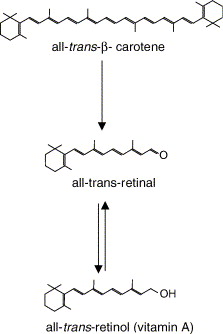
• Beta-Carotene → Retinal → Retinol → Retinoic Acid pathway.
RETINOIDS AND GROWTH PLATE CLOSURE
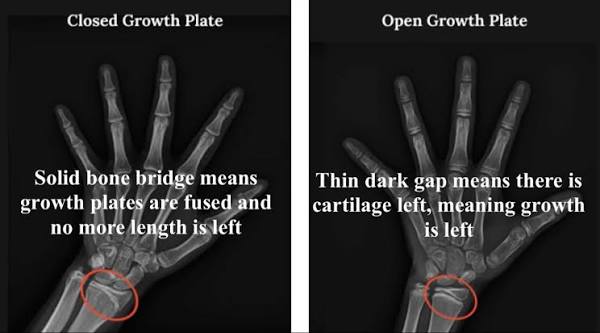
Medical literature contains reports of premature growth plate closure in adolescents exposed to high doses or prolonged use of systemic retinoids.
Picture to add:
• Open growth plate vs prematurely fused growth plate.
SIMILARITIES BETWEEN BETA-CAROTENE AND RETINOIDS
Although they are different molecules, beta-carotene and retinoids are biologically connected through vitamin A metabolism.
STUDIES
Study 1: Isotretinoin and Epiphyseal Closure
Reports describe premature growth plate closure in some adolescents treated with isotretinoin.
Study 2: Hypervitaminosis A and Bone Development
Excess vitamin A has been linked to effects on cartilage and bone growth.
Study 3: Beta-Carotene Safety
Beta-carotene is generally considered safer because its conversion to vitamin A is regulated by the body.
HYPOTHESIS
1. Beta-carotene is converted into vitamin A derivatives.
2. Vitamin A derivatives are part of the retinoid pathway.
3. Excessive retinoid exposure has been associated with premature growth plate closure.
4. Therefore, it may be worth investigating whether extremely high and prolonged beta-carotene intake could theoretically influence growth plate physiology.
CONCLUSION
I guess ill wait a few years of growing (i hope) and tan naturally with the sun
SOURCES
• PubMed
• NCBI Bookshelf
• National Library of Medicine
Attachments
Last edited: