EVERYTHING YOU NEED TO KNOW ABOUT ALTERING YOUR VOICE (VOICEMAXXING)

Volksstaffel

Volksstaffel

Rightful FUOTY winner
Joined
Jul 23, 2024
Posts
12,201
Reputation
71,681
This thread includes a deep dive into these methods to deepen your voice:

  1. Testosterone "therapy"
  2. Thyroplasty (Type III thyroplasty)
  3. Vocal fold augmentation
  4. Unfitting procedures


Extra:
How does the voice and it's pitch even work?


This might be useful for understanding the stufies later in this thread.


How do we produce voice?


(Watch after 1:51)
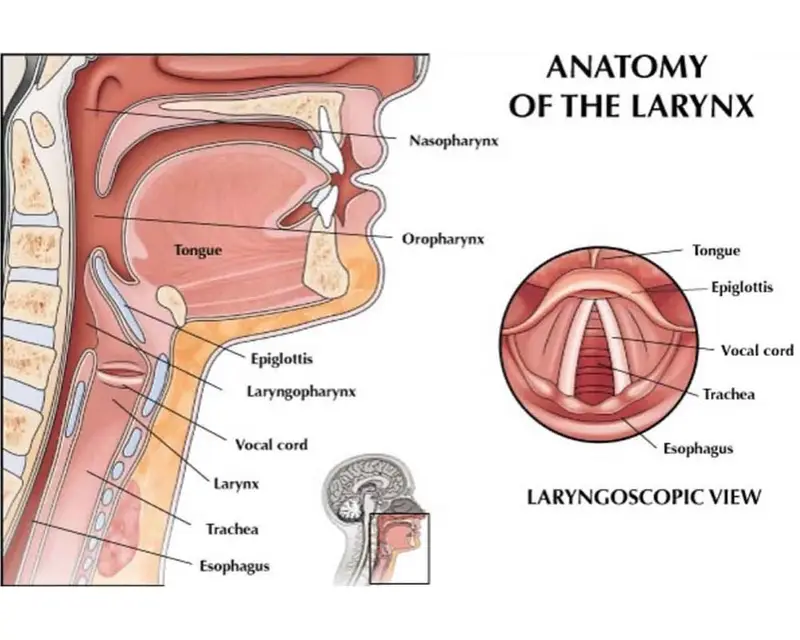
11454

  • Inside your throat (larynx/voice box) are two small muscles called vocal folds.
  • When you speak they come close together.
  • Air passes between them, making them vibrate.
  • These vibrations create sound waves —> this is your raw voice sound.


Why do our voices have different pitches?


For a lower pitch the vocal folds are:
  • looser
  • shorter
  • thicker
  • vibrate slower


Well now that we know how the voice works, let's look at the methods there are to change our body to produce a lower pitch.


1. Testosterone "therapy"

First of all, let's look at studies on if testosterone affects the voice:

Study Title:

Effects of testosterone on speech production


Speech production: specifically how testosterone correlates with acoustic features of the voice (for example pitch).

Methods

Participants:

30 healthy adult males (average age is 22).

Measures:
  • Saliva samples taken at 3 times across the day to measure testosterone and cortisol.
  • Multiple speech tasks.
  • Analysis: Compared hormone levels with acoustic measures (fundamental frequency and formants).

Key Findings
  • Testosterone was associated with lower mean fundamental frequency (f₀) —> deeper voices.
  • Cortisol moderated the relationship (higher cortisol weakened the testosterone-pitch link). Interesting
Interpretation
  • Higher testosterone in men correlates with a lower (deeper) pitch!
  • cortisol influences how strong the hormonal effect on voice pitch appears.


Next let's find out the effect of testosterone on the voice during different stages in life:

1. Childhood

  • After birth boys have a temporary surge of testosterone.
  • The larynx is smaller and more pliable in children before adolescence.


2. Puberty
  • Puberty causes the largest hormone-driven voice changes.
  • Testosterone in males stimulates laryngeal growth - vocal fold lengthening and thickening - leading to a dramatic drop in pitch (~1 octave).
  • Androgen receptors are present in vocal fold tissues, so sex hormones directly act on voice organs.


3. After puberty
  • Once male puberty is complete, the larynx and vocal folds have already undergone the major structural changes (lengthening and thickening) that produce the characteristic deeper male pitch. After this point, further increases in testosterone levels generally do not cause major structural enlargement of the vocal folds in adults the way they do during puberty.
  • In adults, the larynx cartilage has hardened and is no longer highly responsive to hormone-driven structural growth, so pitch changes from testosterone alone tend to be subtle and limited.

But:
Minor voice effects can occur on testosterone therapy in adults!

Although large structural changes are unlikely after puberty, there can still be effects at the level of soft tissue when testosterone is administered (for example in testosterone replacement therapy (TRT))

Vocal fold tissue mass

Testosterone can cause a slight thickening of the soft tissues of the vocal folds in adults. This can lead to:
  • A slightly deeper pitch
  • A perceived rougher tone
  • These effects are generally much smaller compared to puberty changes but can be noticeable to the individual or listeners.


4. Senescence (old age)
  • Testosterone levels slowly decline with age, contributing to muscle atrophy in vocal folds, reduced vocal strength, and a slightly higher pitch in elderly males.


Tldr:
  • Before puberty: Testosterone has a powerful and lasting effect on voice due to structural growth of the larynx and vocal folds.
  • After puberty: The vocal apparatus is mostly matured. Dramatic changes are not typical with high testosterone alone.
  • Possible effects in adults:
    - Slight deepening of pitch
    - (Temporary hoarseness as tissues adapt)
    - These effects are generally modest compared with the changes seen during puberty.
  • Senescence: slight feminization of the voice due to dropping testosterone levels


Okay so we know now that the voice is changing due to testosterone during puberty and slightly after puberty.

But what about the type of testosterone? Does injecting testosterone have the same effect as naturally produced test?

Well sadly there are no studies on it that I could find.
What I was able to find are many case reports, saying that there were permanent changes to the voice.


Conclusion:

(This is my own opinion, feel free to read the studies and interpret them yourselfs)
  • Like most compounds used for looksmaxxing, test also works best during puberty for voice deepening.
  • During puberty there's overwhelming evidence for high testosterone levels leading to the wanted results.
  • After puberty test is likely to cause changes in the voice, just less than during puberty.


2. Thyroplasty
(Type III thyroplasty)


Definition
A laryngeal framework surgery designed to lower the fundamental frequency (pitch) of the voice by altering the structure of the thyroid cartilage, shortening and relaxing the vocal folds.

Purpose
Typically used in cases of high‑pitched voice disorders (..., persistent high pitch after puberty) when voice therapy alone is insufficient.

Mechanism
The procedure reduces the anteroposterior dimension of the thyroid cartilage, which decreases tension on the vocal folds so they vibrate at a lower frequency.

Technique
A strip of thyroid cartilage is removed or reshaped, and the cartilage is sutured back to shorten and relax the vocal folds. The surgery may be done under local or general anesthesia.

Effectiveness
Studies report significant reductions in fundamental frequency
(mean drops of ~48-76 Hz or more).

Example of a 50 Hz difference:

150 Hz


100 Hz


Risks:
Like all surgeries, it carries risks like scarring, hoarseness, altered voice quality, airway or swallowing issues.

Costs:
Between 5-10k. Depending on hospital fees and type of anesthesia.


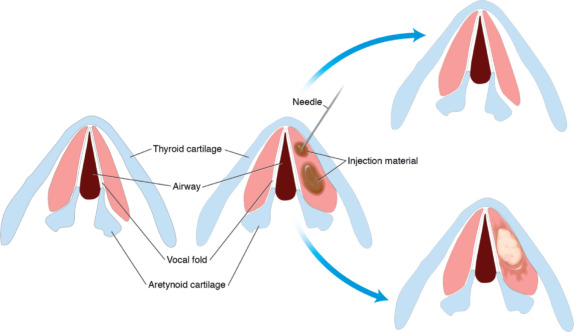
3. Vocal Fold Augmentation

How it works

Filler is injected into one or both vocal folds to increase their volume.

11508


The effectiveness and duration depend on the material used:
  • Long-lasting / permanent materials include autologous fat and calcium hydroxylapatite (CaHA).
  • Some materials may stimulate new tissue growth, extending the augmented effect.
  • (Temporary materials (like hyaluronic acid) are absorbed over months.)


Results and longevity

Studies show significant improvement in voice quality after vocal fold augmentation in patients with glottic insufficiency, with better closure and improved phonation measures.

Longterm outcomes show many patients remain satisfied with voice results after augmentation.


Effects on pitch

Vocal fold augmentation is not primarily aimed at lowering pitch for cosmetic voice deepening (like thyroplasty).
It is most commonly used to treat voice disorders, not pitch lowering.


Costs:

Between 2k and 7k, depends on the filler and other variables.


Conclusion:

Not worth it. You'd have to be very lucky for this treatment being beneficial for lowering your voice pitch. Thyroplasty but worse, maybe a bit safer.


4. Unfitting procedures:


(Wendler) Glottoplasty:

There's a procedure called "(Wendler) Glottoplasty", but it's usually used to raise the pitch, not lower it.


Laser-Assisted Voice Adjustment (LAVA)

A CO₂ laser removes superficial tissue to increase stiffness, which makes the folds vibrate faster, resulting in a higher pitch.
Used for altering pitch or when glottoplasty is not desired.


Rating of the different procedures:


Testosterone "therapy":

Effectiveness
⭐⭐⭐☆☆

Price
⭐⭐⭐⭐⭐

Riskiness
⭐⭐⭐☆☆


Type III Thyroplasty:

Effectiveness
⭐⭐⭐⭐⭐

Price
⭐☆☆☆☆

Riskiness
⭐☆☆☆☆


Vocal Fold Augmentation:

Effectiveness
⭐☆☆☆☆

Price
⭐⭐⭐☆☆

Riskiness
⭐⭐⭐☆☆


Alright guys I hope you liked the thread, I don't really know what to say anymore :forcedsmile:
Bye, Volk ❤️
 
  • +1
Reactions: Kainep, 0ogrpostcel, Bizygomatic and 19 others
wrong section brutal niggha
 
  • JFL
  • +1
Reactions: 0ogrpostcel, Atman, karmacita901 and 2 others
This thread includes a deep dive into these methods to deepen your voice:

  1. Testosterone "therapy"
  2. Thyroplasty (Type III thyroplasty)
  3. Vocal fold augmentation
  4. Unfitting procedures


Extra:
How does the voice and it's pitch even work?


This might be useful for understanding the stufies later in this thread.


How do we produce voice?


(Watch after 1:51)
View attachment 4598702
  • Inside your throat (larynx/voice box) are two small muscles called vocal folds.
  • When you speak they come close together.
  • Air passes between them, making them vibrate.
  • These vibrations create sound waves —> this is your raw voice sound.


Why do our voices have different pitches?


For a lower pitch the vocal folds are:
  • looser
  • shorter
  • thicker
  • vibrate slower


Well now that we know how the voice works, let's look at the methods there are to change our body to produce a lower pitch.


1. Testosterone "therapy"

First of all, let's look at studies on if testosterone affects the voice:

Study Title:

Effects of testosterone on speech production


Speech production: specifically how testosterone correlates with acoustic features of the voice (for example pitch).

Methods

Participants:

30 healthy adult males (average age is 22).

Measures:
  • Saliva samples taken at 3 times across the day to measure testosterone and cortisol.
  • Multiple speech tasks.
  • Analysis: Compared hormone levels with acoustic measures (fundamental frequency and formants).

Key Findings
  • Testosterone was associated with lower mean fundamental frequency (f₀) —> deeper voices.
  • Cortisol moderated the relationship (higher cortisol weakened the testosterone-pitch link). Interesting
Interpretation
  • Higher testosterone in men correlates with a lower (deeper) pitch!
  • cortisol influences how strong the hormonal effect on voice pitch appears.


Next let's find out the effect of testosterone on the voice during different stages in life:

1. Childhood

  • After birth boys have a temporary surge of testosterone.
  • The larynx is smaller and more pliable in children before adolescence.


2. Puberty
  • Puberty causes the largest hormone-driven voice changes.
  • Testosterone in males stimulates laryngeal growth - vocal fold lengthening and thickening - leading to a dramatic drop in pitch (~1 octave).
  • Androgen receptors are present in vocal fold tissues, so sex hormones directly act on voice organs.


3. After puberty
  • Once male puberty is complete, the larynx and vocal folds have already undergone the major structural changes (lengthening and thickening) that produce the characteristic deeper male pitch. After this point, further increases in testosterone levels generally do not cause major structural enlargement of the vocal folds in adults the way they do during puberty.
  • In adults, the larynx cartilage has hardened and is no longer highly responsive to hormone-driven structural growth, so pitch changes from testosterone alone tend to be subtle and limited.

But:
Minor voice effects can occur on testosterone therapy in adults!

Although large structural changes are unlikely after puberty, there can still be effects at the level of soft tissue when testosterone is administered (for example in testosterone replacement therapy (TRT))

Vocal fold tissue mass

Testosterone can cause a slight thickening of the soft tissues of the vocal folds in adults. This can lead to:
  • A slightly deeper pitch
  • A perceived rougher tone
  • These effects are generally much smaller compared to puberty changes but can be noticeable to the individual or listeners.


4. Senescence (old age)
  • Testosterone levels slowly decline with age, contributing to muscle atrophy in vocal folds, reduced vocal strength, and a slightly higher pitch in elderly males.


Tldr:
  • Before puberty: Testosterone has a powerful and lasting effect on voice due to structural growth of the larynx and vocal folds.
  • After puberty: The vocal apparatus is mostly matured. Dramatic changes are not typical with high testosterone alone.
  • Possible effects in adults:
    - Slight deepening of pitch
    - (Temporary hoarseness as tissues adapt)
    - These effects are generally modest compared with the changes seen during puberty.
  • Senescence: slight feminization of the voice due to dropping testosterone levels


Okay so we know now that the voice is changing due to testosterone during puberty and slightly after puberty.

But what about the type of testosterone? Does injecting testosterone have the same effect as naturally produced test?

Well sadly there are no studies on it that I could find.
What I was able to find are many case reports, saying that there were permanent changes to the voice.


Conclusion:

(This is my own opinion, feel free to read the studies and interpret them yourselfs)
  • Like most compounds used for looksmaxxing, test also works best during puberty for voice deepening.
  • During puberty there's overwhelming evidence for high testosterone levels leading to the wanted results.
  • After puberty test is likely to cause changes in the voice, just less than during puberty.


2. Thyroplasty
(Type III thyroplasty)


Definition
A laryngeal framework surgery designed to lower the fundamental frequency (pitch) of the voice by altering the structure of the thyroid cartilage, shortening and relaxing the vocal folds.

Purpose
Typically used in cases of high‑pitched voice disorders (..., persistent high pitch after puberty) when voice therapy alone is insufficient.

Mechanism
The procedure reduces the anteroposterior dimension of the thyroid cartilage, which decreases tension on the vocal folds so they vibrate at a lower frequency.

Technique
A strip of thyroid cartilage is removed or reshaped, and the cartilage is sutured back to shorten and relax the vocal folds. The surgery may be done under local or general anesthesia.

Effectiveness
Studies report significant reductions in fundamental frequency
(mean drops of ~48-76 Hz or more).

Example of a 50 Hz difference:

150 Hz


100 Hz


Risks:
Like all surgeries, it carries risks like scarring, hoarseness, altered voice quality, airway or swallowing issues.

Costs:
Between 5-10k. Depending on hospital fees and type of anesthesia.



3. Vocal Fold Augmentation

How it works

Filler is injected into one or both vocal folds to increase their volume.

View attachment 4604893

The effectiveness and duration depend on the material used:
  • Long-lasting / permanent materials include autologous fat and calcium hydroxylapatite (CaHA).
  • Some materials may stimulate new tissue growth, extending the augmented effect.
  • (Temporary materials (like hyaluronic acid) are absorbed over months.)


Results and longevity

Studies show significant improvement in voice quality after vocal fold augmentation in patients with glottic insufficiency, with better closure and improved phonation measures.

Longterm outcomes show many patients remain satisfied with voice results after augmentation.


Effects on pitch

Vocal fold augmentation is not primarily aimed at lowering pitch for cosmetic voice deepening (like thyroplasty).
It is most commonly used to treat voice disorders, not pitch lowering.


Costs:

Between 2k and 7k, depends on the filler and other variables.


Conclusion:

Not worth it. You'd have to be very lucky for this treatment being beneficial for lowering your voice pitch. Thyroplasty but worse, maybe a bit safer.


4. Unfitting procedures:


(Wendler) Glottoplasty:

There's a procedure called "(Wendler) Glottoplasty", but it's usually used to raise the pitch, not lower it.


Laser-Assisted Voice Adjustment (LAVA)

A CO₂ laser removes superficial tissue to increase stiffness, which makes the folds vibrate faster, resulting in a higher pitch.
Used for altering pitch or when glottoplasty is not desired.


Rating of the different procedures:


Testosterone "therapy":

Effectiveness
⭐⭐⭐☆☆

Price
⭐⭐⭐⭐⭐

Riskiness
⭐⭐⭐☆☆


Type III Thyroplasty:

Effectiveness
⭐⭐⭐⭐⭐

Price
⭐☆☆☆☆

Riskiness
⭐☆☆☆☆


Vocal Fold Augmentation:

Effectiveness
⭐☆☆☆☆

Price
⭐⭐⭐☆☆

Riskiness
⭐⭐⭐☆☆


Alright guys I hope you liked the thread, I don't really know what to say anymore :forcedsmile:
Bye, Volk ❤️

Wow. Bump
 
  • +1
Reactions: 0ogrpostcel
@SlayerJonas should I have posted it in the looksmaxxing sub?
 
  • +1
Reactions: FrancoAgain
Why in offtopic
 
  • +1
Reactions: lrqz
Bump wrong section doe? dont u think
 
  • JFL
Reactions: Atman
Being exposed to high dht levels since infancy and starting smoking at ages 10-12 will probably have the highest effect on the vocal cords
 
  • +1
  • So Sad
Reactions: asymmetricalMoid, VrillFatNoob24, Atman and 4 others
This thread includes a deep dive into these methods to deepen your voice:

  1. Testosterone "therapy"
  2. Thyroplasty (Type III thyroplasty)
  3. Vocal fold augmentation
  4. Unfitting procedures


Extra:
How does the voice and it's pitch even work?


This might be useful for understanding the stufies later in this thread.


How do we produce voice?


(Watch after 1:51)
View attachment 4598702
  • Inside your throat (larynx/voice box) are two small muscles called vocal folds.
  • When you speak they come close together.
  • Air passes between them, making them vibrate.
  • These vibrations create sound waves —> this is your raw voice sound.


Why do our voices have different pitches?


For a lower pitch the vocal folds are:
  • looser
  • shorter
  • thicker
  • vibrate slower


Well now that we know how the voice works, let's look at the methods there are to change our body to produce a lower pitch.


1. Testosterone "therapy"

First of all, let's look at studies on if testosterone affects the voice:

Study Title:

Effects of testosterone on speech production


Speech production: specifically how testosterone correlates with acoustic features of the voice (for example pitch).

Methods

Participants:

30 healthy adult males (average age is 22).

Measures:
  • Saliva samples taken at 3 times across the day to measure testosterone and cortisol.
  • Multiple speech tasks.
  • Analysis: Compared hormone levels with acoustic measures (fundamental frequency and formants).

Key Findings
  • Testosterone was associated with lower mean fundamental frequency (f₀) —> deeper voices.
  • Cortisol moderated the relationship (higher cortisol weakened the testosterone-pitch link). Interesting
Interpretation
  • Higher testosterone in men correlates with a lower (deeper) pitch!
  • cortisol influences how strong the hormonal effect on voice pitch appears.


Next let's find out the effect of testosterone on the voice during different stages in life:

1. Childhood

  • After birth boys have a temporary surge of testosterone.
  • The larynx is smaller and more pliable in children before adolescence.


2. Puberty
  • Puberty causes the largest hormone-driven voice changes.
  • Testosterone in males stimulates laryngeal growth - vocal fold lengthening and thickening - leading to a dramatic drop in pitch (~1 octave).
  • Androgen receptors are present in vocal fold tissues, so sex hormones directly act on voice organs.


3. After puberty
  • Once male puberty is complete, the larynx and vocal folds have already undergone the major structural changes (lengthening and thickening) that produce the characteristic deeper male pitch. After this point, further increases in testosterone levels generally do not cause major structural enlargement of the vocal folds in adults the way they do during puberty.
  • In adults, the larynx cartilage has hardened and is no longer highly responsive to hormone-driven structural growth, so pitch changes from testosterone alone tend to be subtle and limited.

But:
Minor voice effects can occur on testosterone therapy in adults!

Although large structural changes are unlikely after puberty, there can still be effects at the level of soft tissue when testosterone is administered (for example in testosterone replacement therapy (TRT))

Vocal fold tissue mass

Testosterone can cause a slight thickening of the soft tissues of the vocal folds in adults. This can lead to:
  • A slightly deeper pitch
  • A perceived rougher tone
  • These effects are generally much smaller compared to puberty changes but can be noticeable to the individual or listeners.


4. Senescence (old age)
  • Testosterone levels slowly decline with age, contributing to muscle atrophy in vocal folds, reduced vocal strength, and a slightly higher pitch in elderly males.


Tldr:
  • Before puberty: Testosterone has a powerful and lasting effect on voice due to structural growth of the larynx and vocal folds.
  • After puberty: The vocal apparatus is mostly matured. Dramatic changes are not typical with high testosterone alone.
  • Possible effects in adults:
    - Slight deepening of pitch
    - (Temporary hoarseness as tissues adapt)
    - These effects are generally modest compared with the changes seen during puberty.
  • Senescence: slight feminization of the voice due to dropping testosterone levels


Okay so we know now that the voice is changing due to testosterone during puberty and slightly after puberty.

But what about the type of testosterone? Does injecting testosterone have the same effect as naturally produced test?

Well sadly there are no studies on it that I could find.
What I was able to find are many case reports, saying that there were permanent changes to the voice.


Conclusion:

(This is my own opinion, feel free to read the studies and interpret them yourselfs)
  • Like most compounds used for looksmaxxing, test also works best during puberty for voice deepening.
  • During puberty there's overwhelming evidence for high testosterone levels leading to the wanted results.
  • After puberty test is likely to cause changes in the voice, just less than during puberty.


2. Thyroplasty
(Type III thyroplasty)


Definition
A laryngeal framework surgery designed to lower the fundamental frequency (pitch) of the voice by altering the structure of the thyroid cartilage, shortening and relaxing the vocal folds.

Purpose
Typically used in cases of high‑pitched voice disorders (..., persistent high pitch after puberty) when voice therapy alone is insufficient.

Mechanism
The procedure reduces the anteroposterior dimension of the thyroid cartilage, which decreases tension on the vocal folds so they vibrate at a lower frequency.

Technique
A strip of thyroid cartilage is removed or reshaped, and the cartilage is sutured back to shorten and relax the vocal folds. The surgery may be done under local or general anesthesia.

Effectiveness
Studies report significant reductions in fundamental frequency
(mean drops of ~48-76 Hz or more).

Example of a 50 Hz difference:

150 Hz


100 Hz


Risks:
Like all surgeries, it carries risks like scarring, hoarseness, altered voice quality, airway or swallowing issues.

Costs:
Between 5-10k. Depending on hospital fees and type of anesthesia.


3. Vocal Fold Augmentation

How it works

Filler is injected into one or both vocal folds to increase their volume.
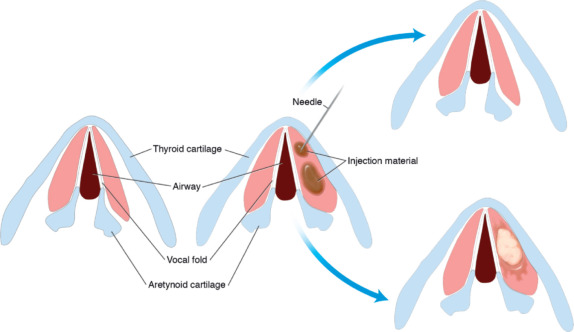
View attachment 4604893

The effectiveness and duration depend on the material used:
  • Long-lasting / permanent materials include autologous fat and calcium hydroxylapatite (CaHA).
  • Some materials may stimulate new tissue growth, extending the augmented effect.
  • (Temporary materials (like hyaluronic acid) are absorbed over months.)


Results and longevity

Studies show significant improvement in voice quality after vocal fold augmentation in patients with glottic insufficiency, with better closure and improved phonation measures.

Longterm outcomes show many patients remain satisfied with voice results after augmentation.


Effects on pitch

Vocal fold augmentation is not primarily aimed at lowering pitch for cosmetic voice deepening (like thyroplasty).
It is most commonly used to treat voice disorders, not pitch lowering.


Costs:

Between 2k and 7k, depends on the filler and other variables.


Conclusion:

Not worth it. You'd have to be very lucky for this treatment being beneficial for lowering your voice pitch. Thyroplasty but worse, maybe a bit safer.


4. Unfitting procedures:


(Wendler) Glottoplasty:

There's a procedure called "(Wendler) Glottoplasty", but it's usually used to raise the pitch, not lower it.


Laser-Assisted Voice Adjustment (LAVA)

A CO₂ laser removes superficial tissue to increase stiffness, which makes the folds vibrate faster, resulting in a higher pitch.
Used for altering pitch or when glottoplasty is not desired.


Rating of the different procedures:


Testosterone "therapy":

Effectiveness
⭐⭐⭐☆☆

Price
⭐⭐⭐⭐⭐

Riskiness
⭐⭐⭐☆☆


Type III Thyroplasty:

Effectiveness
⭐⭐⭐⭐⭐

Price
⭐☆☆☆☆

Riskiness
⭐☆☆☆☆


Vocal Fold Augmentation:

Effectiveness
⭐☆☆☆☆

Price
⭐⭐⭐☆☆

Riskiness
⭐⭐⭐☆☆


Alright guys I hope you liked the thread, I don't really know what to say anymore :forcedsmile:
Bye, Volk ❤️

when ur rating price

is 5 stars alot of money or little money?
 
  • +1
Reactions: mohi_100
i need to lower the pitch.
 
when ur rating price

is 5 stars alot of money or little money?
Little ofc

@Menas @Sadist @SlayerJonas @Chad when can I join the contributor gang? 🥹🥹🥹
 
  • +1
Reactions: Scandicel
or just smoke 3 packs a day
IMG 4449
 
  • +1
Reactions: accutanefuckedme and Van
mirin b4 reading
 
Isn’t your voice pitch determined by genetics?
 
  • JFL
Reactions: Atman
Dnr but mirin effort :love:
 
  • +1
Reactions: Volksstaffel
This thread includes a deep dive into these methods to deepen your voice:

  1. Testosterone "therapy"
  2. Thyroplasty (Type III thyroplasty)
  3. Vocal fold augmentation
  4. Unfitting procedures


Extra:
How does the voice and it's pitch even work?


This might be useful for understanding the stufies later in this thread.


How do we produce voice?


(Watch after 1:51)
View attachment 4598702
  • Inside your throat (larynx/voice box) are two small muscles called vocal folds.
  • When you speak they come close together.
  • Air passes between them, making them vibrate.
  • These vibrations create sound waves —> this is your raw voice sound.


Why do our voices have different pitches?


For a lower pitch the vocal folds are:
  • looser
  • shorter
  • thicker
  • vibrate slower


Well now that we know how the voice works, let's look at the methods there are to change our body to produce a lower pitch.


1. Testosterone "therapy"

First of all, let's look at studies on if testosterone affects the voice:

Study Title:

Effects of testosterone on speech production


Speech production: specifically how testosterone correlates with acoustic features of the voice (for example pitch).

Methods

Participants:

30 healthy adult males (average age is 22).

Measures:
  • Saliva samples taken at 3 times across the day to measure testosterone and cortisol.
  • Multiple speech tasks.
  • Analysis: Compared hormone levels with acoustic measures (fundamental frequency and formants).

Key Findings
  • Testosterone was associated with lower mean fundamental frequency (f₀) —> deeper voices.
  • Cortisol moderated the relationship (higher cortisol weakened the testosterone-pitch link). Interesting
Interpretation
  • Higher testosterone in men correlates with a lower (deeper) pitch!
  • cortisol influences how strong the hormonal effect on voice pitch appears.


Next let's find out the effect of testosterone on the voice during different stages in life:

1. Childhood

  • After birth boys have a temporary surge of testosterone.
  • The larynx is smaller and more pliable in children before adolescence.


2. Puberty
  • Puberty causes the largest hormone-driven voice changes.
  • Testosterone in males stimulates laryngeal growth - vocal fold lengthening and thickening - leading to a dramatic drop in pitch (~1 octave).
  • Androgen receptors are present in vocal fold tissues, so sex hormones directly act on voice organs.


3. After puberty
  • Once male puberty is complete, the larynx and vocal folds have already undergone the major structural changes (lengthening and thickening) that produce the characteristic deeper male pitch. After this point, further increases in testosterone levels generally do not cause major structural enlargement of the vocal folds in adults the way they do during puberty.
  • In adults, the larynx cartilage has hardened and is no longer highly responsive to hormone-driven structural growth, so pitch changes from testosterone alone tend to be subtle and limited.

But:
Minor voice effects can occur on testosterone therapy in adults!

Although large structural changes are unlikely after puberty, there can still be effects at the level of soft tissue when testosterone is administered (for example in testosterone replacement therapy (TRT))

Vocal fold tissue mass

Testosterone can cause a slight thickening of the soft tissues of the vocal folds in adults. This can lead to:
  • A slightly deeper pitch
  • A perceived rougher tone
  • These effects are generally much smaller compared to puberty changes but can be noticeable to the individual or listeners.


4. Senescence (old age)
  • Testosterone levels slowly decline with age, contributing to muscle atrophy in vocal folds, reduced vocal strength, and a slightly higher pitch in elderly males.


Tldr:
  • Before puberty: Testosterone has a powerful and lasting effect on voice due to structural growth of the larynx and vocal folds.
  • After puberty: The vocal apparatus is mostly matured. Dramatic changes are not typical with high testosterone alone.
  • Possible effects in adults:
    - Slight deepening of pitch
    - (Temporary hoarseness as tissues adapt)
    - These effects are generally modest compared with the changes seen during puberty.
  • Senescence: slight feminization of the voice due to dropping testosterone levels


Okay so we know now that the voice is changing due to testosterone during puberty and slightly after puberty.

But what about the type of testosterone? Does injecting testosterone have the same effect as naturally produced test?

Well sadly there are no studies on it that I could find.
What I was able to find are many case reports, saying that there were permanent changes to the voice.


Conclusion:

(This is my own opinion, feel free to read the studies and interpret them yourselfs)
  • Like most compounds used for looksmaxxing, test also works best during puberty for voice deepening.
  • During puberty there's overwhelming evidence for high testosterone levels leading to the wanted results.
  • After puberty test is likely to cause changes in the voice, just less than during puberty.


2. Thyroplasty
(Type III thyroplasty)


Definition
A laryngeal framework surgery designed to lower the fundamental frequency (pitch) of the voice by altering the structure of the thyroid cartilage, shortening and relaxing the vocal folds.

Purpose
Typically used in cases of high‑pitched voice disorders (..., persistent high pitch after puberty) when voice therapy alone is insufficient.

Mechanism
The procedure reduces the anteroposterior dimension of the thyroid cartilage, which decreases tension on the vocal folds so they vibrate at a lower frequency.

Technique
A strip of thyroid cartilage is removed or reshaped, and the cartilage is sutured back to shorten and relax the vocal folds. The surgery may be done under local or general anesthesia.

Effectiveness
Studies report significant reductions in fundamental frequency
(mean drops of ~48-76 Hz or more).

Example of a 50 Hz difference:

150 Hz


100 Hz


Risks:
Like all surgeries, it carries risks like scarring, hoarseness, altered voice quality, airway or swallowing issues.

Costs:
Between 5-10k. Depending on hospital fees and type of anesthesia.


3. Vocal Fold Augmentation

How it works

Filler is injected into one or both vocal folds to increase their volume.

View attachment 4604893

The effectiveness and duration depend on the material used:
  • Long-lasting / permanent materials include autologous fat and calcium hydroxylapatite (CaHA).
  • Some materials may stimulate new tissue growth, extending the augmented effect.
  • (Temporary materials (like hyaluronic acid) are absorbed over months.)


Results and longevity

Studies show significant improvement in voice quality after vocal fold augmentation in patients with glottic insufficiency, with better closure and improved phonation measures.

Longterm outcomes show many patients remain satisfied with voice results after augmentation.


Effects on pitch

Vocal fold augmentation is not primarily aimed at lowering pitch for cosmetic voice deepening (like thyroplasty).
It is most commonly used to treat voice disorders, not pitch lowering.


Costs:

Between 2k and 7k, depends on the filler and other variables.


Conclusion:

Not worth it. You'd have to be very lucky for this treatment being beneficial for lowering your voice pitch. Thyroplasty but worse, maybe a bit safer.


4. Unfitting procedures:


(Wendler) Glottoplasty:

There's a procedure called "(Wendler) Glottoplasty", but it's usually used to raise the pitch, not lower it.


Laser-Assisted Voice Adjustment (LAVA)

A CO₂ laser removes superficial tissue to increase stiffness, which makes the folds vibrate faster, resulting in a higher pitch.
Used for altering pitch or when glottoplasty is not desired.


Rating of the different procedures:


Testosterone "therapy":

Effectiveness
⭐⭐⭐☆☆

Price
⭐⭐⭐⭐⭐

Riskiness
⭐⭐⭐☆☆


Type III Thyroplasty:

Effectiveness
⭐⭐⭐⭐⭐

Price
⭐☆☆☆☆

Riskiness
⭐☆☆☆☆


Vocal Fold Augmentation:

Effectiveness
⭐☆☆☆☆

Price
⭐⭐⭐☆☆

Riskiness
⭐⭐⭐☆☆


Alright guys I hope you liked the thread, I don't really know what to say anymore :forcedsmile:
Bye, Volk ❤️

i always see ur comments on tt and u always ignore me bump tho
 
  • JFL
Reactions: Volksstaffel
Yeah I'm never putting effort into threads again
 
  • JFL
Reactions: Atman and Grievous
Dude really wants that contributor badge
 
  • +1
Reactions: Volksstaffel
Yeah I'm never putting effort into threads again
u have a almost 6x ratio and u only realise now good threads get no reps
shitposts always get reps
 
  • +1
Reactions: Atman
tldr : speak in a deeper voice, do tren and do this random Mexican experimental surgery
 
  • JFL
Reactions: Atman
  • +1
Reactions: imontheloose
and you gotta pay 20 quid for that shit too, insane
yeh its ridiculous. having a shit day. dropped my bottle of chablis this morning too.
 
  • +1
Reactions: staton
This thread includes a deep dive into these methods to deepen your voice:

  1. Testosterone "therapy"
  2. Thyroplasty (Type III thyroplasty)
  3. Vocal fold augmentation
  4. Unfitting procedures


Extra:
How does the voice and it's pitch even work?


This might be useful for understanding the stufies later in this thread.


How do we produce voice?


(Watch after 1:51)
View attachment 4598702
  • Inside your throat (larynx/voice box) are two small muscles called vocal folds.
  • When you speak they come close together.
  • Air passes between them, making them vibrate.
  • These vibrations create sound waves —> this is your raw voice sound.


Why do our voices have different pitches?


For a lower pitch the vocal folds are:
  • looser
  • shorter
  • thicker
  • vibrate slower


Well now that we know how the voice works, let's look at the methods there are to change our body to produce a lower pitch.


1. Testosterone "therapy"

First of all, let's look at studies on if testosterone affects the voice:

Study Title:

Effects of testosterone on speech production


Speech production: specifically how testosterone correlates with acoustic features of the voice (for example pitch).

Methods

Participants:

30 healthy adult males (average age is 22).

Measures:
  • Saliva samples taken at 3 times across the day to measure testosterone and cortisol.
  • Multiple speech tasks.
  • Analysis: Compared hormone levels with acoustic measures (fundamental frequency and formants).

Key Findings
  • Testosterone was associated with lower mean fundamental frequency (f₀) —> deeper voices.
  • Cortisol moderated the relationship (higher cortisol weakened the testosterone-pitch link). Interesting
Interpretation
  • Higher testosterone in men correlates with a lower (deeper) pitch!
  • cortisol influences how strong the hormonal effect on voice pitch appears.


Next let's find out the effect of testosterone on the voice during different stages in life:

1. Childhood

  • After birth boys have a temporary surge of testosterone.
  • The larynx is smaller and more pliable in children before adolescence.


2. Puberty
  • Puberty causes the largest hormone-driven voice changes.
  • Testosterone in males stimulates laryngeal growth - vocal fold lengthening and thickening - leading to a dramatic drop in pitch (~1 octave).
  • Androgen receptors are present in vocal fold tissues, so sex hormones directly act on voice organs.


3. After puberty
  • Once male puberty is complete, the larynx and vocal folds have already undergone the major structural changes (lengthening and thickening) that produce the characteristic deeper male pitch. After this point, further increases in testosterone levels generally do not cause major structural enlargement of the vocal folds in adults the way they do during puberty.
  • In adults, the larynx cartilage has hardened and is no longer highly responsive to hormone-driven structural growth, so pitch changes from testosterone alone tend to be subtle and limited.

But:
Minor voice effects can occur on testosterone therapy in adults!

Although large structural changes are unlikely after puberty, there can still be effects at the level of soft tissue when testosterone is administered (for example in testosterone replacement therapy (TRT))

Vocal fold tissue mass

Testosterone can cause a slight thickening of the soft tissues of the vocal folds in adults. This can lead to:
  • A slightly deeper pitch
  • A perceived rougher tone
  • These effects are generally much smaller compared to puberty changes but can be noticeable to the individual or listeners.


4. Senescence (old age)
  • Testosterone levels slowly decline with age, contributing to muscle atrophy in vocal folds, reduced vocal strength, and a slightly higher pitch in elderly males.


Tldr:
  • Before puberty: Testosterone has a powerful and lasting effect on voice due to structural growth of the larynx and vocal folds.
  • After puberty: The vocal apparatus is mostly matured. Dramatic changes are not typical with high testosterone alone.
  • Possible effects in adults:
    - Slight deepening of pitch
    - (Temporary hoarseness as tissues adapt)
    - These effects are generally modest compared with the changes seen during puberty.
  • Senescence: slight feminization of the voice due to dropping testosterone levels


Okay so we know now that the voice is changing due to testosterone during puberty and slightly after puberty.

But what about the type of testosterone? Does injecting testosterone have the same effect as naturally produced test?

Well sadly there are no studies on it that I could find.
What I was able to find are many case reports, saying that there were permanent changes to the voice.


Conclusion:

(This is my own opinion, feel free to read the studies and interpret them yourselfs)
  • Like most compounds used for looksmaxxing, test also works best during puberty for voice deepening.
  • During puberty there's overwhelming evidence for high testosterone levels leading to the wanted results.
  • After puberty test is likely to cause changes in the voice, just less than during puberty.


2. Thyroplasty
(Type III thyroplasty)


Definition
A laryngeal framework surgery designed to lower the fundamental frequency (pitch) of the voice by altering the structure of the thyroid cartilage, shortening and relaxing the vocal folds.

Purpose
Typically used in cases of high‑pitched voice disorders (..., persistent high pitch after puberty) when voice therapy alone is insufficient.

Mechanism
The procedure reduces the anteroposterior dimension of the thyroid cartilage, which decreases tension on the vocal folds so they vibrate at a lower frequency.

Technique
A strip of thyroid cartilage is removed or reshaped, and the cartilage is sutured back to shorten and relax the vocal folds. The surgery may be done under local or general anesthesia.

Effectiveness
Studies report significant reductions in fundamental frequency
(mean drops of ~48-76 Hz or more).

Example of a 50 Hz difference:

150 Hz


100 Hz


Risks:
Like all surgeries, it carries risks like scarring, hoarseness, altered voice quality, airway or swallowing issues.

Costs:
Between 5-10k. Depending on hospital fees and type of anesthesia.


3. Vocal Fold Augmentation

How it works

Filler is injected into one or both vocal folds to increase their volume.

View attachment 4604893

The effectiveness and duration depend on the material used:
  • Long-lasting / permanent materials include autologous fat and calcium hydroxylapatite (CaHA).
  • Some materials may stimulate new tissue growth, extending the augmented effect.
  • (Temporary materials (like hyaluronic acid) are absorbed over months.)


Results and longevity

Studies show significant improvement in voice quality after vocal fold augmentation in patients with glottic insufficiency, with better closure and improved phonation measures.

Longterm outcomes show many patients remain satisfied with voice results after augmentation.


Effects on pitch

Vocal fold augmentation is not primarily aimed at lowering pitch for cosmetic voice deepening (like thyroplasty).
It is most commonly used to treat voice disorders, not pitch lowering.


Costs:

Between 2k and 7k, depends on the filler and other variables.


Conclusion:

Not worth it. You'd have to be very lucky for this treatment being beneficial for lowering your voice pitch. Thyroplasty but worse, maybe a bit safer.


4. Unfitting procedures:


(Wendler) Glottoplasty:

There's a procedure called "(Wendler) Glottoplasty", but it's usually used to raise the pitch, not lower it.


Laser-Assisted Voice Adjustment (LAVA)

A CO₂ laser removes superficial tissue to increase stiffness, which makes the folds vibrate faster, resulting in a higher pitch.
Used for altering pitch or when glottoplasty is not desired.


Rating of the different procedures:


Testosterone "therapy":

Effectiveness
⭐⭐⭐☆☆

Price
⭐⭐⭐⭐⭐

Riskiness
⭐⭐⭐☆☆


Type III Thyroplasty:

Effectiveness
⭐⭐⭐⭐⭐

Price
⭐☆☆☆☆

Riskiness
⭐☆☆☆☆


Vocal Fold Augmentation:

Effectiveness
⭐☆☆☆☆

Price
⭐⭐⭐☆☆

Riskiness
⭐⭐⭐☆☆


Alright guys I hope you liked the thread, I don't really know what to say anymore :forcedsmile:
Bye, Volk ❤️

high iq
 
Nigga rlly want his contributor badge 🤣🤣🤣🤣

Well, i wish you an thank you, since i got a very weak, cucked voice, so improving was on my list
 
  • Woah
Reactions: Volksstaffel
Fuck this
 
  • JFL
  • Woah
Reactions: Orka, Atman and Nerd
@unon you need
 
  • +1
Reactions: unon
Aaand the thread died. This content has already been covered before. No contributor for you. Post something unique.
 
  • JFL
  • +1
Reactions: Kainep and Orka
Aaand the thread died. This content has already been covered before. No contributor for you. Post something unique.
Has it?
 
  • +1
Reactions: Atman, Orka and 0ogrpostcel
3. Vocal Fold Augmentation

How it works

Filler is injected into one or both vocal folds to increase their volume.

11508


The effectiveness and duration depend on the material used:
  • Long-lasting / permanent materials include autologous fat and calcium hydroxylapatite (CaHA).
  • Some materials may stimulate new tissue growth, extending the augmented effect.
  • (Temporary materials (like hyaluronic acid) are absorbed over months.)
:oops:

DIYable voicemax... interesting

good luck with contributor lolz
 
  • JFL
  • +1
Reactions: Atman, 0ogrpostcel, Bizygomatic and 1 other person
TLDR:

Just smoke like anyone else bro.. :veryCat:
 
  • JFL
Reactions: Atman and Orka
This thread includes a deep dive into these methods to deepen your voice:

  1. Testosterone "therapy"
  2. Thyroplasty (Type III thyroplasty)
  3. Vocal fold augmentation
  4. Unfitting procedures


Extra:
How does the voice and it's pitch even work?


This might be useful for understanding the stufies later in this thread.


How do we produce voice?


(Watch after 1:51)
View attachment 4598702
  • Inside your throat (larynx/voice box) are two small muscles called vocal folds.
  • When you speak they come close together.
  • Air passes between them, making them vibrate.
  • These vibrations create sound waves —> this is your raw voice sound.


Why do our voices have different pitches?


For a lower pitch the vocal folds are:
  • looser
  • shorter
  • thicker
  • vibrate slower


Well now that we know how the voice works, let's look at the methods there are to change our body to produce a lower pitch.


1. Testosterone "therapy"

First of all, let's look at studies on if testosterone affects the voice:

Study Title:

Effects of testosterone on speech production


Speech production: specifically how testosterone correlates with acoustic features of the voice (for example pitch).

Methods

Participants:

30 healthy adult males (average age is 22).

Measures:
  • Saliva samples taken at 3 times across the day to measure testosterone and cortisol.
  • Multiple speech tasks.
  • Analysis: Compared hormone levels with acoustic measures (fundamental frequency and formants).

Key Findings
  • Testosterone was associated with lower mean fundamental frequency (f₀) —> deeper voices.
  • Cortisol moderated the relationship (higher cortisol weakened the testosterone-pitch link). Interesting
Interpretation
  • Higher testosterone in men correlates with a lower (deeper) pitch!
  • cortisol influences how strong the hormonal effect on voice pitch appears.


Next let's find out the effect of testosterone on the voice during different stages in life:

1. Childhood

  • After birth boys have a temporary surge of testosterone.
  • The larynx is smaller and more pliable in children before adolescence.


2. Puberty
  • Puberty causes the largest hormone-driven voice changes.
  • Testosterone in males stimulates laryngeal growth - vocal fold lengthening and thickening - leading to a dramatic drop in pitch (~1 octave).
  • Androgen receptors are present in vocal fold tissues, so sex hormones directly act on voice organs.


3. After puberty
  • Once male puberty is complete, the larynx and vocal folds have already undergone the major structural changes (lengthening and thickening) that produce the characteristic deeper male pitch. After this point, further increases in testosterone levels generally do not cause major structural enlargement of the vocal folds in adults the way they do during puberty.
  • In adults, the larynx cartilage has hardened and is no longer highly responsive to hormone-driven structural growth, so pitch changes from testosterone alone tend to be subtle and limited.

But:
Minor voice effects can occur on testosterone therapy in adults!

Although large structural changes are unlikely after puberty, there can still be effects at the level of soft tissue when testosterone is administered (for example in testosterone replacement therapy (TRT))

Vocal fold tissue mass

Testosterone can cause a slight thickening of the soft tissues of the vocal folds in adults. This can lead to:
  • A slightly deeper pitch
  • A perceived rougher tone
  • These effects are generally much smaller compared to puberty changes but can be noticeable to the individual or listeners.


4. Senescence (old age)
  • Testosterone levels slowly decline with age, contributing to muscle atrophy in vocal folds, reduced vocal strength, and a slightly higher pitch in elderly males.


Tldr:
  • Before puberty: Testosterone has a powerful and lasting effect on voice due to structural growth of the larynx and vocal folds.
  • After puberty: The vocal apparatus is mostly matured. Dramatic changes are not typical with high testosterone alone.
  • Possible effects in adults:
    - Slight deepening of pitch
    - (Temporary hoarseness as tissues adapt)
    - These effects are generally modest compared with the changes seen during puberty.
  • Senescence: slight feminization of the voice due to dropping testosterone levels


Okay so we know now that the voice is changing due to testosterone during puberty and slightly after puberty.

But what about the type of testosterone? Does injecting testosterone have the same effect as naturally produced test?

Well sadly there are no studies on it that I could find.
What I was able to find are many case reports, saying that there were permanent changes to the voice.


Conclusion:

(This is my own opinion, feel free to read the studies and interpret them yourselfs)
  • Like most compounds used for looksmaxxing, test also works best during puberty for voice deepening.
  • During puberty there's overwhelming evidence for high testosterone levels leading to the wanted results.
  • After puberty test is likely to cause changes in the voice, just less than during puberty.


2. Thyroplasty
(Type III thyroplasty)


Definition
A laryngeal framework surgery designed to lower the fundamental frequency (pitch) of the voice by altering the structure of the thyroid cartilage, shortening and relaxing the vocal folds.

Purpose
Typically used in cases of high‑pitched voice disorders (..., persistent high pitch after puberty) when voice therapy alone is insufficient.

Mechanism
The procedure reduces the anteroposterior dimension of the thyroid cartilage, which decreases tension on the vocal folds so they vibrate at a lower frequency.

Technique
A strip of thyroid cartilage is removed or reshaped, and the cartilage is sutured back to shorten and relax the vocal folds. The surgery may be done under local or general anesthesia.

Effectiveness
Studies report significant reductions in fundamental frequency
(mean drops of ~48-76 Hz or more).

Example of a 50 Hz difference:

150 Hz


100 Hz


Risks:
Like all surgeries, it carries risks like scarring, hoarseness, altered voice quality, airway or swallowing issues.

Costs:
Between 5-10k. Depending on hospital fees and type of anesthesia.


3. Vocal Fold Augmentation

How it works

Filler is injected into one or both vocal folds to increase their volume.

View attachment 4604893

The effectiveness and duration depend on the material used:
  • Long-lasting / permanent materials include autologous fat and calcium hydroxylapatite (CaHA).
  • Some materials may stimulate new tissue growth, extending the augmented effect.
  • (Temporary materials (like hyaluronic acid) are absorbed over months.)


Results and longevity

Studies show significant improvement in voice quality after vocal fold augmentation in patients with glottic insufficiency, with better closure and improved phonation measures.

Longterm outcomes show many patients remain satisfied with voice results after augmentation.


Effects on pitch

Vocal fold augmentation is not primarily aimed at lowering pitch for cosmetic voice deepening (like thyroplasty).
It is most commonly used to treat voice disorders, not pitch lowering.


Costs:

Between 2k and 7k, depends on the filler and other variables.


Conclusion:

Not worth it. You'd have to be very lucky for this treatment being beneficial for lowering your voice pitch. Thyroplasty but worse, maybe a bit safer.


4. Unfitting procedures:


(Wendler) Glottoplasty:

There's a procedure called "(Wendler) Glottoplasty", but it's usually used to raise the pitch, not lower it.


Laser-Assisted Voice Adjustment (LAVA)

A CO₂ laser removes superficial tissue to increase stiffness, which makes the folds vibrate faster, resulting in a higher pitch.
Used for altering pitch or when glottoplasty is not desired.


Rating of the different procedures:


Testosterone "therapy":

Effectiveness
⭐⭐⭐☆☆

Price
⭐⭐⭐⭐⭐

Riskiness
⭐⭐⭐☆☆


Type III Thyroplasty:

Effectiveness
⭐⭐⭐⭐⭐

Price
⭐☆☆☆☆

Riskiness
⭐☆☆☆☆


Vocal Fold Augmentation:

Effectiveness
⭐☆☆☆☆

Price
⭐⭐⭐☆☆

Riskiness
⭐⭐⭐☆☆


Alright guys I hope you liked the thread, I don't really know what to say anymore :forcedsmile:
Bye, Volk ❤️

@MyDreamIsToBe183CM

:forcedsmile::forcedsmile::forcedsmile::forcedsmile:
 
  • JFL
Reactions: MyDreamIsToBe183CM
  • +1
  • JFL
Reactions: Atman, 0ogrpostcel, Bizygomatic and 1 other person
  • JFL
Reactions: Atman, Orka and FiendFiend
Dang I couldn't find it. Should have picked a different topic


Dawg :feelskek:

It'll ba hard
Your thread seems better tbh, the other threads talks about a whole bunch of shit, yours gets to the point
 
  • JFL
  • Love it
Reactions: Volksstaffel and Atman
Your thread seems better tbh, the other threads talks about a whole bunch of shit, yours gets to the point
Keep coping. Other one was much more effort and superior. Prehaps you have attention deficit/hyperactivity disorder or maybe you're a tiktokcel.

Also the other thread had the best picture:

5198
 
Keep coping. Other one was much more effort and superior. Prehaps you have attention deficit/hyperactivity disorder or maybe you're a tiktokcel.

Also the other thread had the best picture:

View attachment 4613258
I was just glazing a little bit, wasn’t it obvious
 
  • Ugh..
Reactions: Atman
  • JFL
  • +1
Reactions: Atman and 0ogrpostcel
I was just glazing a little bit, wasn’t it obvious
Keep glazing him so he bloats this site, with shitty content :FeelsShootMan:

@0ogrpostcel you're my brother

@flambria shitty hater :woke:
Calling me shitty hater, while you simultaneously created a shitty thread. You didn't even have the common sense, to check existing info posted on the site. :HmmNotes:

Don't you want to beg @Master for the good-boy contributor badge. :GWpogchamp:
 
Keep glazing him so he bloats this site, with shitty content :FeelsShootMan:


Calling me shitty hater, while you simultaneously created a shitty thread. You didn't even have the common sense, to check existing info posted on the site. :HmmNotes:

Don't you want to beg @Master for the good-boy contributor badge. :GWpogchamp:
Nigger I MADE YOU, I'm your daddy :woke:
 
  • JFL
Reactions: 0ogrpostcel and Atman
Bump fags
 

Similar threads

gruzz
Replies
10
Views
178
gruzz
gruzz
W
Replies
9
Views
1K
narrator_313
narrator_313
StuffedFrog
Replies
8
Views
806
kaizer
kaizer
pslgod15
Replies
33
Views
1K
clindeepwoken
clindeepwoken
FLUXiond
Replies
9
Views
406
dorsiflexion
dorsiflexion

Users who are viewing this thread

Back
Top