Extremely Brutal Social Class Pill Thread

Seth Walsh

Seth Walsh

Iconoclast
Contributor
Joined
Jan 12, 2020
Posts
9,803
Reputation
19,624
1/ The “social class pill” is realizing class is a system of compounding advantages that looks like “taste” and “confidence” on the surface, and like capital + networks + institutional access underneath.


1771958838081
1771958931902
1771958964851


2/ Class is not just income. It’s a stack:


  • Economic capital (money, assets)
  • Social capital (people who pick up the phone)
  • Cultural capital (codes, taste, language)
  • Institutional capital (schools, credentials, memberships)
  • Symbolic capital (reputation, legitimacy)


1771959006204
1771959034573


3/ The core mechanic: conversion.
Class is the ability to turn one kind of capital into another with low friction.


4/ Example:
A credential gets you a room.
A network gets you a first shot.
Cultural fluency gets you “fit.”
Money buys time to try again.
Reputation turns mistakes into “learning.”

1771959074932
1771959096443


5/ The brutal part: the system is path-dependent.
Early advantages compound like interest. Early shocks also compound.


6/ People think class is about “being rich.”
Often it’s about being insured.


7/ Insurance is the hidden superpower:


  • Family bailout
  • Legal help
  • Housing fallback
  • Free labor (introductions, advice, “internships”)
  • Emotional cover to take risks

8/ When you’re insured, you can take “smart risks” that look brave.
When you’re not insured, the same risk is existential.

1771959132863
1771959143555
1771959189295
1771959200818


9/ Class is also time ownership.
Free time to read, build, network, train, fail, iterate is a class asset.


10/ Class shows up as calm.
Calm often means “I can absorb losses.”


11/ There are multiple class archetypes:


  • High status / low cash (academia, arts, clergy, some public roles)
  • High cash / low status (new money, some entrepreneurs)
  • High both (elite professional + family wealth)
  • Low both (most people)

12/ Status and wealth are not the same.
Status controls who gets believed.


13/ “Believability” is a currency.
In many arenas, being believed is worth more than being right.


14/ Institutions are class machines:


  • Schools
  • Firms
  • Banks
  • Media
  • Politics
    They don’t just allocate opportunity. They validate people.


1771959244001
1771959253920


15/ Institutions run on filters that feel “neutral” but aren’t:


  • References
  • “Fit”
  • Accent
  • Presentation
  • Familiarity with norms
  • Confidence under scrutiny

16/ “Fit” is often class translation.
It’s not purely competence. It’s “does this person match our internal template.”


17/ Cultural capital is the most misunderstood piece.
It’s the invisible rulebook:


  • What to say
  • What not to say
  • When to speak
  • How to disagree
  • How to ask
  • How to decline
  • How to signal competence without trying too hard

18/ The class tell is rarely luxury.
It’s ease.


19/ Ease means:


  • No urgency
  • No over-explaining
  • No pleading
  • No performing gratitude
    Because the person isn’t negotiating from scarcity.

20/ Scarcity changes behavior:


  • Over-index on certainty
  • Fear of looking stupid
  • Conflict avoidance with gatekeepers
  • Overwork as identity
    All rational. All legible to the system.


1771959324327
1771959356059


21/ Class reproduces through assortative mating.
People pair with similar education, networks, and norms. Two compounding engines merge.


22/ It reproduces through neighborhoods.
Postcode decides schools, peers, safety, expectations, and the default network.


23/ It reproduces through internships.
The “unpaid” filter is a class filter. Even the “paid but low” filter is.


24/ It reproduces through language.
Not vocabulary as intelligence—vocabulary as “I’m one of you.”


25/ It reproduces through taste.
Taste is a proxy for upbringing, exposure, and group membership.


26/ It reproduces through manners.
Manners aren’t virtue. They’re a compatibility protocol for elite spaces.


27/ It reproduces through risk calibration.
Insured people can swing more. Uninsured people must protect the downside.


28/ And it reproduces through mistake forgiveness.
High-class errors get framed as:


  • youth
  • experimentation
  • learning
    Low-class errors get framed as:
  • irresponsibility
  • character flaw

29/ The “pill” moment is seeing that moral narratives are often post-hoc.
Success gets moralized. Failure gets moralized. The system stays hidden.


1771959390807
1771959402341


30/ Why it enrages people: class violates the merit story while pretending not to.


31/ The sharpest wound: lost compounding.
Watching durable equity, reputation, and position get traded for fragile exposure hits like a death in the family.


32/ Because compounding is not just money.
It’s dignity, security, and future optionality.


33/ A key distinction: class power is often low-volatility.
It wins by avoiding wipeouts, not by hitting jackpots.


34/ That’s why “unsecured” bets feel obscene in hindsight:
they trade structural durability for narrative upside.


35/ Class also shapes how intermediaries treat you:


  • Bankers
  • Advisors
  • Recruiters
  • Doctors
  • Lawyers
    Not always consciously. Often through shortcuts.

1771959437988
1771959448522
1771959466091
1771959489786


36/ People hate hearing this, but it matters:
many gatekeepers can’t reliably judge talent, so they judge signals.


37/ Signals aren’t fair. They are efficient.


38/ The class trap is reacting by playing pure status games:


  • Overspending to “look” safe
  • Copying surface codes without building substance
  • Seeking validation from people who only respect pedigree

39/ Another trap: class fatalism (“nothing matters”).
That’s the emotional mirror image of naïve meritocracy. Both are incomplete.


40/ The useful stance: class is real, measurable, and defeatable in specific arenas—not all arenas.


41/ Arenas where pedigree dominates:


  • Some politics
  • Some legacy media
  • Some old-guard cultural institutions
  • High-end gatekept finance tracks
    You can still enter, but the signaling tax is high.

42/ Arenas where output can overpower pedigree:


  • Direct-response business
  • Technical building
  • Sales with clear numbers
  • Trading with audited track record
  • Publishing with measurable audience
    These aren’t “fair.” They’re just more legible.

43/ The deep move is building portable proof:
things that travel across rooms and can’t be hand-waved away.


44/ Social class pill, distilled:


  • The world runs on compounding
  • Compounding needs protection from wipeout
  • Class is a wipeout-avoidance system
  • The system hides behind “taste” and “fit”
  • Capital converts best when you have translation skills

45/ Final truth: class isn’t your fault, but it is a constraint you can model. Modeling beats moralizing.
1771959577343
1771959585519
 
  • +1
Reactions: aztecas, karmacitathugmaxx, mohito and 8 others
OP's #2938372929 ChatGPT slop thread
 
  • +1
  • JFL
Reactions: catslayer1234, 11OUTTA10, Tenres and 4 others
Mirin effort :Chadge:
 
  • Love it
Reactions: Seth Walsh
  • +1
Reactions: karmacitathugmaxx and L88
Thanks, chat gpt
 
  • +1
Reactions: Divineincel
  • Love it
Reactions: Seth Walsh
looks fun
1771959913718
 
  • So Sad
Reactions: Seth Walsh
Perfect thread for indians
 
  • JFL
  • +1
Reactions: HundredManSlayer, Seth Walsh and Aën Fаrhis
Brutal. Fml
Angry Jon Bernthal GIF by NETFLIX
 
  • +1
Reactions: Seth Walsh
most 'natural confidence' in general is subsidized by invisible insurance policies most people never get."
 
  • +1
Reactions: karmacitathugmaxx, Seth Walsh and DnrGriffith
1/ The “social class pill” is realizing class is a system of compounding advantages that looks like “taste” and “confidence” on the surface, and like capital + networks + institutional access underneath.

View attachment 4694873View attachment 4694875View attachment 4694879


2/ Class is not just income. It’s a stack:


  • Economic capital (money, assets)
  • Social capital (people who pick up the phone)
  • Cultural capital (codes, taste, language)
  • Institutional capital (schools, credentials, memberships)
  • Symbolic capital (reputation, legitimacy)


View attachment 4694880View attachment 4694881


3/ The core mechanic: conversion.
Class is the ability to turn one kind of capital into another with low friction.


4/ Example:
A credential gets you a room.
A network gets you a first shot.
Cultural fluency gets you “fit.”
Money buys time to try again.
Reputation turns mistakes into “learning.”

View attachment 4694883View attachment 4694884


5/ The brutal part: the system is path-dependent.
Early advantages compound like interest. Early shocks also compound.


6/ People think class is about “being rich.”
Often it’s about being insured.


7/ Insurance is the hidden superpower:


  • Family bailout
  • Legal help
  • Housing fallback
  • Free labor (introductions, advice, “internships”)
  • Emotional cover to take risks

8/ When you’re insured, you can take “smart risks” that look brave.
When you’re not insured, the same risk is existential.

View attachment 4694885View attachment 4694886View attachment 4694889View attachment 4694890


9/ Class is also time ownership.
Free time to read, build, network, train, fail, iterate is a class asset.


10/ Class shows up as calm.
Calm often means “I can absorb losses.”


11/ There are multiple class archetypes:


  • High status / low cash (academia, arts, clergy, some public roles)
  • High cash / low status (new money, some entrepreneurs)
  • High both (elite professional + family wealth)
  • Low both (most people)

12/ Status and wealth are not the same.
Status controls who gets believed.


13/ “Believability” is a currency.
In many arenas, being believed is worth more than being right.


14/ Institutions are class machines:


  • Schools
  • Firms
  • Banks
  • Media
  • Politics
    They don’t just allocate opportunity. They validate people.


View attachment 4694895View attachment 4694896


15/ Institutions run on filters that feel “neutral” but aren’t:


  • References
  • “Fit”
  • Accent
  • Presentation
  • Familiarity with norms
  • Confidence under scrutiny

16/ “Fit” is often class translation.
It’s not purely competence. It’s “does this person match our internal template.”


17/ Cultural capital is the most misunderstood piece.
It’s the invisible rulebook:


  • What to say
  • What not to say
  • When to speak
  • How to disagree
  • How to ask
  • How to decline
  • How to signal competence without trying too hard

18/ The class tell is rarely luxury.
It’s ease.


19/ Ease means:


  • No urgency
  • No over-explaining
  • No pleading
  • No performing gratitude
    Because the person isn’t negotiating from scarcity.

20/ Scarcity changes behavior:


  • Over-index on certainty
  • Fear of looking stupid
  • Conflict avoidance with gatekeepers
  • Overwork as identity
    All rational. All legible to the system.


View attachment 4694898View attachment 4694901


21/ Class reproduces through assortative mating.
People pair with similar education, networks, and norms. Two compounding engines merge.


22/ It reproduces through neighborhoods.
Postcode decides schools, peers, safety, expectations, and the default network.


23/ It reproduces through internships.
The “unpaid” filter is a class filter. Even the “paid but low” filter is.


24/ It reproduces through language.
Not vocabulary as intelligence—vocabulary as “I’m one of you.”


25/ It reproduces through taste.
Taste is a proxy for upbringing, exposure, and group membership.


26/ It reproduces through manners.
Manners aren’t virtue. They’re a compatibility protocol for elite spaces.


27/ It reproduces through risk calibration.
Insured people can swing more. Uninsured people must protect the downside.


28/ And it reproduces through mistake forgiveness.
High-class errors get framed as:


  • youth
  • experimentation
  • learning
    Low-class errors get framed as:
  • irresponsibility
  • character flaw

29/ The “pill” moment is seeing that moral narratives are often post-hoc.
Success gets moralized. Failure gets moralized. The system stays hidden.


View attachment 4694903View attachment 4694904


30/ Why it enrages people: class violates the merit story while pretending not to.


31/ The sharpest wound: lost compounding.
Watching durable equity, reputation, and position get traded for fragile exposure hits like a death in the family.


32/ Because compounding is not just money.
It’s dignity, security, and future optionality.


33/ A key distinction: class power is often low-volatility.
It wins by avoiding wipeouts, not by hitting jackpots.


34/ That’s why “unsecured” bets feel obscene in hindsight:
they trade structural durability for narrative upside.


35/ Class also shapes how intermediaries treat you:


  • Bankers
  • Advisors
  • Recruiters
  • Doctors
  • Lawyers
    Not always consciously. Often through shortcuts.

View attachment 4694905View attachment 4694906View attachment 4694908View attachment 4694909


36/ People hate hearing this, but it matters:
many gatekeepers can’t reliably judge talent, so they judge signals.


37/ Signals aren’t fair. They are efficient.


38/ The class trap is reacting by playing pure status games:


  • Overspending to “look” safe
  • Copying surface codes without building substance
  • Seeking validation from people who only respect pedigree

39/ Another trap: class fatalism (“nothing matters”).
That’s the emotional mirror image of naïve meritocracy. Both are incomplete.


40/ The useful stance: class is real, measurable, and defeatable in specific arenas—not all arenas.


41/ Arenas where pedigree dominates:


  • Some politics
  • Some legacy media
  • Some old-guard cultural institutions
  • High-end gatekept finance tracks
    You can still enter, but the signaling tax is high.

42/ Arenas where output can overpower pedigree:


  • Direct-response business
  • Technical building
  • Sales with clear numbers
  • Trading with audited track record
  • Publishing with measurable audience
    These aren’t “fair.” They’re just more legible.

43/ The deep move is building portable proof:
things that travel across rooms and can’t be hand-waved away.


44/ Social class pill, distilled:


  • The world runs on compounding
  • Compounding needs protection from wipeout
  • Class is a wipeout-avoidance system
  • The system hides behind “taste” and “fit”
  • Capital converts best when you have translation skills

45/ Final truth: class isn’t your fault, but it is a constraint you can model. Modeling beats moralizing.
View attachment 4694914View attachment 4694916
But what’s the main idea out of this bro?
 
  • +1
Reactions: Seth Walsh
1/ The “social class pill” is realizing class is a system of compounding advantages that looks like “taste” and “confidence” on the surface, and like capital + networks + institutional access underneath.

View attachment 4694873View attachment 4694875View attachment 4694879


2/ Class is not just income. It’s a stack:


  • Economic capital (money, assets)
  • Social capital (people who pick up the phone)
  • Cultural capital (codes, taste, language)
  • Institutional capital (schools, credentials, memberships)
  • Symbolic capital (reputation, legitimacy)


View attachment 4694880View attachment 4694881


3/ The core mechanic: conversion.
Class is the ability to turn one kind of capital into another with low friction.


4/ Example:
A credential gets you a room.
A network gets you a first shot.
Cultural fluency gets you “fit.”
Money buys time to try again.
Reputation turns mistakes into “learning.”


View attachment 4694883View attachment 4694884


5/ The brutal part: the system is path-dependent.
Early advantages compound like interest. Early shocks also compound.


6/ People think class is about “being rich.”
Often it’s about being insured.


7/ Insurance is the hidden superpower:


  • Family bailout
  • Legal help
  • Housing fallback
  • Free labor (introductions, advice, “internships”)
  • Emotional cover to take risks

8/ When you’re insured, you can take “smart risks” that look brave.
When you’re not insured, the same risk is existential.


View attachment 4694885View attachment 4694886View attachment 4694889View attachment 4694890


9/ Class is also time ownership.
Free time to read, build, network, train, fail, iterate is a class asset.


10/ Class shows up as calm.
Calm often means “I can absorb losses.”


11/ There are multiple class archetypes:


  • High status / low cash (academia, arts, clergy, some public roles)
  • High cash / low status (new money, some entrepreneurs)
  • High both (elite professional + family wealth)
  • Low both (most people)

12/ Status and wealth are not the same.
Status controls who gets believed.


13/ “Believability” is a currency.
In many arenas, being believed is worth more than being right.


14/ Institutions are class machines:


  • Schools
  • Firms
  • Banks
  • Media
  • Politics
    They don’t just allocate opportunity. They validate people.


View attachment 4694895View attachment 4694896


15/ Institutions run on filters that feel “neutral” but aren’t:


  • References
  • “Fit”
  • Accent
  • Presentation
  • Familiarity with norms
  • Confidence under scrutiny

16/ “Fit” is often class translation.
It’s not purely competence. It’s “does this person match our internal template.”


17/ Cultural capital is the most misunderstood piece.
It’s the invisible rulebook:


  • What to say
  • What not to say
  • When to speak
  • How to disagree
  • How to ask
  • How to decline
  • How to signal competence without trying too hard

18/ The class tell is rarely luxury.
It’s ease.


19/ Ease means:


  • No urgency
  • No over-explaining
  • No pleading
  • No performing gratitude
    Because the person isn’t negotiating from scarcity.

20/ Scarcity changes behavior:


  • Over-index on certainty
  • Fear of looking stupid
  • Conflict avoidance with gatekeepers
  • Overwork as identity
    All rational. All legible to the system.


View attachment 4694898View attachment 4694901


21/ Class reproduces through assortative mating.
People pair with similar education, networks, and norms. Two compounding engines merge.


22/ It reproduces through neighborhoods.
Postcode decides schools, peers, safety, expectations, and the default network.


23/ It reproduces through internships.
The “unpaid” filter is a class filter. Even the “paid but low” filter is.


24/ It reproduces through language.
Not vocabulary as intelligence—vocabulary as “I’m one of you.”


25/ It reproduces through taste.
Taste is a proxy for upbringing, exposure, and group membership.


26/ It reproduces through manners.
Manners aren’t virtue. They’re a compatibility protocol for elite spaces.


27/ It reproduces through risk calibration.
Insured people can swing more. Uninsured people must protect the downside.


28/ And it reproduces through mistake forgiveness.
High-class errors get framed as:


  • youth
  • experimentation
  • learning
    Low-class errors get framed as:
  • irresponsibility
  • character flaw

29/ The “pill” moment is seeing that moral narratives are often post-hoc.
Success gets moralized. Failure gets moralized. The system stays hidden.


View attachment 4694903View attachment 4694904


30/ Why it enrages people: class violates the merit story while pretending not to.


31/ The sharpest wound: lost compounding.
Watching durable equity, reputation, and position get traded for fragile exposure hits like a death in the family.


32/ Because compounding is not just money.
It’s dignity, security, and future optionality.


33/ A key distinction: class power is often low-volatility.
It wins by avoiding wipeouts, not by hitting jackpots.


34/ That’s why “unsecured” bets feel obscene in hindsight:
they trade structural durability for narrative upside.


35/ Class also shapes how intermediaries treat you:


  • Bankers
  • Advisors
  • Recruiters
  • Doctors
  • Lawyers
    Not always consciously. Often through shortcuts.

View attachment 4694905View attachment 4694906View attachment 4694908View attachment 4694909


36/ People hate hearing this, but it matters:
many gatekeepers can’t reliably judge talent, so they judge signals.


37/ Signals aren’t fair. They are efficient.


38/ The class trap is reacting by playing pure status games:


  • Overspending to “look” safe
  • Copying surface codes without building substance
  • Seeking validation from people who only respect pedigree

39/ Another trap: class fatalism (“nothing matters”).
That’s the emotional mirror image of naïve meritocracy. Both are incomplete.


40/ The useful stance: class is real, measurable, and defeatable in specific arenas—not all arenas.


41/ Arenas where pedigree dominates:


  • Some politics
  • Some legacy media
  • Some old-guard cultural institutions
  • High-end gatekept finance tracks
    You can still enter, but the signaling tax is high.

42/ Arenas where output can overpower pedigree:


  • Direct-response business
  • Technical building
  • Sales with clear numbers
  • Trading with audited track record
  • Publishing with measurable audience
    These aren’t “fair.” They’re just more legible.

43/ The deep move is building portable proof:
things that travel across rooms and can’t be hand-waved away.


44/ Social class pill, distilled:


  • The world runs on compounding
  • Compounding needs protection from wipeout
  • Class is a wipeout-avoidance system
  • The system hides behind “taste” and “fit”
  • Capital converts best when you have translation skills

45/ Final truth: class isn’t your fault, but it is a constraint you can model. Modeling beats moralizing.
View attachment 4694914View attachment 4694916
Water
 
  • Woah
Reactions: Seth Walsh
Overrated
 
  • Woah
Reactions: Seth Walsh
1/ The “social class pill” is realizing class is a system of compounding advantages that looks like “taste” and “confidence” on the surface, and like capital + networks + institutional access underneath.

View attachment 4694873View attachment 4694875View attachment 4694879


2/ Class is not just income. It’s a stack:


  • Economic capital (money, assets)
  • Social capital (people who pick up the phone)
  • Cultural capital (codes, taste, language)
  • Institutional capital (schools, credentials, memberships)
  • Symbolic capital (reputation, legitimacy)


View attachment 4694880View attachment 4694881


3/ The core mechanic: conversion.
Class is the ability to turn one kind of capital into another with low friction.


4/ Example:
A credential gets you a room.
A network gets you a first shot.
Cultural fluency gets you “fit.”
Money buys time to try again.
Reputation turns mistakes into “learning.”

View attachment 4694883View attachment 4694884


5/ The brutal part: the system is path-dependent.
Early advantages compound like interest. Early shocks also compound.


6/ People think class is about “being rich.”
Often it’s about being insured.


7/ Insurance is the hidden superpower:


  • Family bailout
  • Legal help
  • Housing fallback
  • Free labor (introductions, advice, “internships”)
  • Emotional cover to take risks

8/ When you’re insured, you can take “smart risks” that look brave.
When you’re not insured, the same risk is existential.

View attachment 4694885View attachment 4694886View attachment 4694889View attachment 4694890


9/ Class is also time ownership.
Free time to read, build, network, train, fail, iterate is a class asset.


10/ Class shows up as calm.
Calm often means “I can absorb losses.”


11/ There are multiple class archetypes:


  • High status / low cash (academia, arts, clergy, some public roles)
  • High cash / low status (new money, some entrepreneurs)
  • High both (elite professional + family wealth)
  • Low both (most people)

12/ Status and wealth are not the same.
Status controls who gets believed.


13/ “Believability” is a currency.
In many arenas, being believed is worth more than being right.


14/ Institutions are class machines:


  • Schools
  • Firms
  • Banks
  • Media
  • Politics
    They don’t just allocate opportunity. They validate people.


View attachment 4694895View attachment 4694896


15/ Institutions run on filters that feel “neutral” but aren’t:


  • References
  • “Fit”
  • Accent
  • Presentation
  • Familiarity with norms
  • Confidence under scrutiny

16/ “Fit” is often class translation.
It’s not purely competence. It’s “does this person match our internal template.”


17/ Cultural capital is the most misunderstood piece.
It’s the invisible rulebook:


  • What to say
  • What not to say
  • When to speak
  • How to disagree
  • How to ask
  • How to decline
  • How to signal competence without trying too hard

18/ The class tell is rarely luxury.
It’s ease.


19/ Ease means:


  • No urgency
  • No over-explaining
  • No pleading
  • No performing gratitude
    Because the person isn’t negotiating from scarcity.

20/ Scarcity changes behavior:


  • Over-index on certainty
  • Fear of looking stupid
  • Conflict avoidance with gatekeepers
  • Overwork as identity
    All rational. All legible to the system.


View attachment 4694898View attachment 4694901


21/ Class reproduces through assortative mating.
People pair with similar education, networks, and norms. Two compounding engines merge.


22/ It reproduces through neighborhoods.
Postcode decides schools, peers, safety, expectations, and the default network.


23/ It reproduces through internships.
The “unpaid” filter is a class filter. Even the “paid but low” filter is.


24/ It reproduces through language.
Not vocabulary as intelligence—vocabulary as “I’m one of you.”


25/ It reproduces through taste.
Taste is a proxy for upbringing, exposure, and group membership.


26/ It reproduces through manners.
Manners aren’t virtue. They’re a compatibility protocol for elite spaces.


27/ It reproduces through risk calibration.
Insured people can swing more. Uninsured people must protect the downside.


28/ And it reproduces through mistake forgiveness.
High-class errors get framed as:


  • youth
  • experimentation
  • learning
    Low-class errors get framed as:
  • irresponsibility
  • character flaw

29/ The “pill” moment is seeing that moral narratives are often post-hoc.
Success gets moralized. Failure gets moralized. The system stays hidden.


View attachment 4694903View attachment 4694904


30/ Why it enrages people: class violates the merit story while pretending not to.


31/ The sharpest wound: lost compounding.
Watching durable equity, reputation, and position get traded for fragile exposure hits like a death in the family.


32/ Because compounding is not just money.
It’s dignity, security, and future optionality.


33/ A key distinction: class power is often low-volatility.
It wins by avoiding wipeouts, not by hitting jackpots.


34/ That’s why “unsecured” bets feel obscene in hindsight:
they trade structural durability for narrative upside.


35/ Class also shapes how intermediaries treat you:


  • Bankers
  • Advisors
  • Recruiters
  • Doctors
  • Lawyers
    Not always consciously. Often through shortcuts.

View attachment 4694905View attachment 4694906View attachment 4694908View attachment 4694909


36/ People hate hearing this, but it matters:
many gatekeepers can’t reliably judge talent, so they judge signals.


37/ Signals aren’t fair. They are efficient.


38/ The class trap is reacting by playing pure status games:


  • Overspending to “look” safe
  • Copying surface codes without building substance
  • Seeking validation from people who only respect pedigree

39/ Another trap: class fatalism (“nothing matters”).
That’s the emotional mirror image of naïve meritocracy. Both are incomplete.


40/ The useful stance: class is real, measurable, and defeatable in specific arenas—not all arenas.


41/ Arenas where pedigree dominates:


  • Some politics
  • Some legacy media
  • Some old-guard cultural institutions
  • High-end gatekept finance tracks
    You can still enter, but the signaling tax is high.

42/ Arenas where output can overpower pedigree:


  • Direct-response business
  • Technical building
  • Sales with clear numbers
  • Trading with audited track record
  • Publishing with measurable audience
    These aren’t “fair.” They’re just more legible.

43/ The deep move is building portable proof:
things that travel across rooms and can’t be hand-waved away.


44/ Social class pill, distilled:


  • The world runs on compounding
  • Compounding needs protection from wipeout
  • Class is a wipeout-avoidance system
  • The system hides behind “taste” and “fit”
  • Capital converts best when you have translation skills

45/ Final truth: class isn’t your fault, but it is a constraint you can model. Modeling beats moralizing.
View attachment 4694914View attachment 4694916
This post is not for ethnics, who aren't even white passing
 
  • Woah
  • +1
  • JFL
Reactions: karmacitathugmaxx, HundredManSlayer and Seth Walsh
But what’s the main idea out of this bro?
That the main blackpill is not "looks", it's "social class".

Physical looks are local advantage.
Social class is systemic advantage.


Looks influence first impressions.
Class influences infrastructure.


Looks help in:


  • Dating
  • Sales
  • Media
  • Social fluidity

Class determines:


  • Which rooms you enter
  • Who vouches for you
  • How long you can fail
  • Whether mistakes are fatal
  • Whether risk is survivable

Looks decay with age.
Class compounds across generations.


Looks affect attraction.
Class affects capital formation.


An attractive person without structural backing can still get wiped out by one bad cycle.
A structurally backed person can be average-looking and still inherit networks, insulation, and credibility.


Looks give you optional surface leverage.
Class gives you downside protection + retry rights.


Retry rights are the real advantage.


One bad founder bet with wealthy parents = lesson.
One bad founder bet without insulation = bankruptcy.


That asymmetry dominates appearance.


Physical looks change slope.
Social class changes starting position and drawdown tolerance.


Markets, institutions, and long time horizons reward survival more than beauty.


The real blackpill is not that some people are prettier.
It’s that some people are allowed to lose without dying.
 
  • +1
Reactions: catslayer1234, karmacitathugmaxx and ccwb
That the main blackpill is not "looks", it's "social class".

Physical looks are local advantage.
Social class is systemic advantage.


Looks influence first impressions.
Class influences infrastructure.


Looks help in:


  • Dating
  • Sales
  • Media
  • Social fluidity

Class determines:


  • Which rooms you enter
  • Who vouches for you
  • How long you can fail
  • Whether mistakes are fatal
  • Whether risk is survivable

Looks decay with age.
Class compounds across generations.


Looks affect attraction.
Class affects capital formation.


An attractive person without structural backing can still get wiped out by one bad cycle.
A structurally backed person can be average-looking and still inherit networks, insulation, and credibility.


Looks give you optional surface leverage.
Class gives you downside protection + retry rights.


Retry rights are the real advantage.


One bad founder bet with wealthy parents = lesson.
One bad founder bet without insulation = bankruptcy.


That asymmetry dominates appearance.


Physical looks change slope.
Social class changes starting position and drawdown tolerance.


Markets, institutions, and long time horizons reward survival more than beauty.


The real blackpill is not that some people are prettier.
It’s that some people are allowed to lose without dying.
Little watery don’t u think? It’s js some Niggas don’t realize it yet
Bp is genetic determinism not look determinism alone
 
  • +1
Reactions: catslayer1234 and Seth Walsh
Little watery don’t u think? It’s js some Niggas don’t realize it yet
Bp is genetic determinism not look determinism alone
Not water when you re-read. Some idiots think they can looksmax like Clavicular and win some crypto money and change the fate of their future lineage.
 
  • +1
Reactions: ccwb
1/ The “social class pill” is realizing class is a system of compounding advantages that looks like “taste” and “confidence” on the surface, and like capital + networks + institutional access underneath.

View attachment 4694873View attachment 4694875View attachment 4694879


2/ Class is not just income. It’s a stack:


  • Economic capital (money, assets)
  • Social capital (people who pick up the phone)
  • Cultural capital (codes, taste, language)
  • Institutional capital (schools, credentials, memberships)
  • Symbolic capital (reputation, legitimacy)


View attachment 4694880View attachment 4694881


3/ The core mechanic: conversion.
Class is the ability to turn one kind of capital into another with low friction.


4/ Example:
A credential gets you a room.
A network gets you a first shot.
Cultural fluency gets you “fit.”
Money buys time to try again.
Reputation turns mistakes into “learning.”

View attachment 4694883View attachment 4694884


5/ The brutal part: the system is path-dependent.
Early advantages compound like interest. Early shocks also compound.


6/ People think class is about “being rich.”
Often it’s about being insured.


7/ Insurance is the hidden superpower:


  • Family bailout
  • Legal help
  • Housing fallback
  • Free labor (introductions, advice, “internships”)
  • Emotional cover to take risks

8/ When you’re insured, you can take “smart risks” that look brave.
When you’re not insured, the same risk is existential.

View attachment 4694885View attachment 4694886View attachment 4694889View attachment 4694890


9/ Class is also time ownership.
Free time to read, build, network, train, fail, iterate is a class asset.


10/ Class shows up as calm.
Calm often means “I can absorb losses.”


11/ There are multiple class archetypes:


  • High status / low cash (academia, arts, clergy, some public roles)
  • High cash / low status (new money, some entrepreneurs)
  • High both (elite professional + family wealth)
  • Low both (most people)

12/ Status and wealth are not the same.
Status controls who gets believed.


13/ “Believability” is a currency.
In many arenas, being believed is worth more than being right.


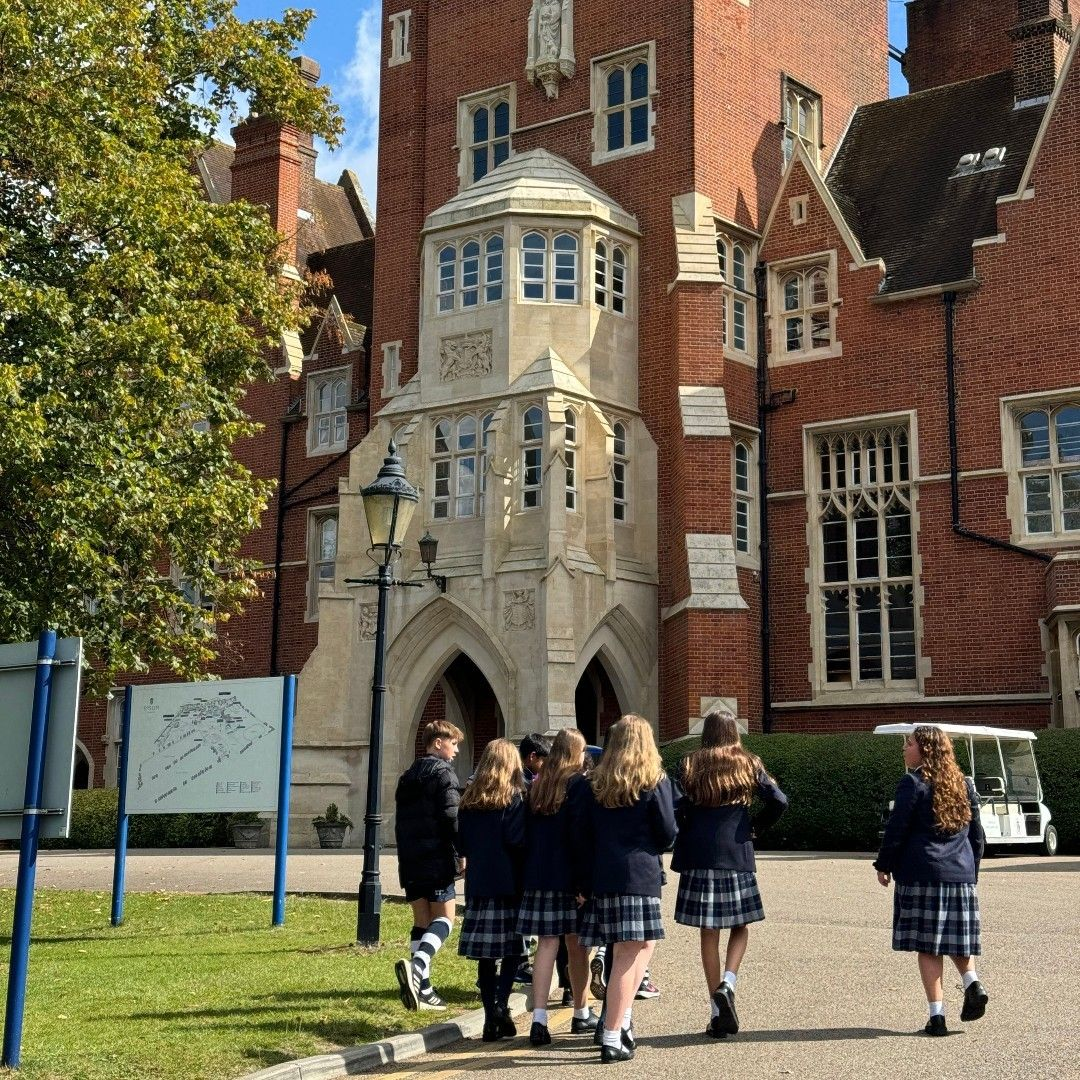
14/ Institutions are class machines:

  • Schools
  • Firms
  • Banks
  • Media
  • Politics
    They don’t just allocate opportunity. They validate people.


View attachment 4694895View attachment 4694896


15/ Institutions run on filters that feel “neutral” but aren’t:


  • References
  • “Fit”
  • Accent
  • Presentation
  • Familiarity with norms
  • Confidence under scrutiny

16/ “Fit” is often class translation.
It’s not purely competence. It’s “does this person match our internal template.”


17/ Cultural capital is the most misunderstood piece.
It’s the invisible rulebook:


  • What to say
  • What not to say
  • When to speak
  • How to disagree
  • How to ask
  • How to decline
  • How to signal competence without trying too hard

18/ The class tell is rarely luxury.
It’s ease.


19/ Ease means:


  • No urgency
  • No over-explaining
  • No pleading
  • No performing gratitude
    Because the person isn’t negotiating from scarcity.

20/ Scarcity changes behavior:


  • Over-index on certainty
  • Fear of looking stupid
  • Conflict avoidance with gatekeepers
  • Overwork as identity
    All rational. All legible to the system.


View attachment 4694898View attachment 4694901


21/ Class reproduces through assortative mating.
People pair with similar education, networks, and norms. Two compounding engines merge.


22/ It reproduces through neighborhoods.
Postcode decides schools, peers, safety, expectations, and the default network.


23/ It reproduces through internships.
The “unpaid” filter is a class filter. Even the “paid but low” filter is.


24/ It reproduces through language.
Not vocabulary as intelligence—vocabulary as “I’m one of you.”


25/ It reproduces through taste.
Taste is a proxy for upbringing, exposure, and group membership.


26/ It reproduces through manners.
Manners aren’t virtue. They’re a compatibility protocol for elite spaces.


27/ It reproduces through risk calibration.
Insured people can swing more. Uninsured people must protect the downside.


28/ And it reproduces through mistake forgiveness.
High-class errors get framed as:


  • youth
  • experimentation
  • learning
    Low-class errors get framed as:
  • irresponsibility
  • character flaw

29/ The “pill” moment is seeing that moral narratives are often post-hoc.
Success gets moralized. Failure gets moralized. The system stays hidden.


View attachment 4694903View attachment 4694904


30/ Why it enrages people: class violates the merit story while pretending not to.


31/ The sharpest wound: lost compounding.
Watching durable equity, reputation, and position get traded for fragile exposure hits like a death in the family.


32/ Because compounding is not just money.
It’s dignity, security, and future optionality.


33/ A key distinction: class power is often low-volatility.
It wins by avoiding wipeouts, not by hitting jackpots.


34/ That’s why “unsecured” bets feel obscene in hindsight:
they trade structural durability for narrative upside.


35/ Class also shapes how intermediaries treat you:


  • Bankers
  • Advisors
  • Recruiters
  • Doctors
  • Lawyers
    Not always consciously. Often through shortcuts.

View attachment 4694905View attachment 4694906View attachment 4694908View attachment 4694909


36/ People hate hearing this, but it matters:
many gatekeepers can’t reliably judge talent, so they judge signals.


37/ Signals aren’t fair. They are efficient.


38/ The class trap is reacting by playing pure status games:


  • Overspending to “look” safe
  • Copying surface codes without building substance
  • Seeking validation from people who only respect pedigree

39/ Another trap: class fatalism (“nothing matters”).
That’s the emotional mirror image of naïve meritocracy. Both are incomplete.


40/ The useful stance: class is real, measurable, and defeatable in specific arenas—not all arenas.


41/ Arenas where pedigree dominates:


  • Some politics
  • Some legacy media
  • Some old-guard cultural institutions
  • High-end gatekept finance tracks
    You can still enter, but the signaling tax is high.

42/ Arenas where output can overpower pedigree:


  • Direct-response business
  • Technical building
  • Sales with clear numbers
  • Trading with audited track record
  • Publishing with measurable audience
    These aren’t “fair.” They’re just more legible.

43/ The deep move is building portable proof:
things that travel across rooms and can’t be hand-waved away.


44/ Social class pill, distilled:


  • The world runs on compounding
  • Compounding needs protection from wipeout
  • Class is a wipeout-avoidance system
  • The system hides behind “taste” and “fit”
  • Capital converts best when you have translation skills

45/ Final truth: class isn’t your fault, but it is a constraint you can model. Modeling beats moralizing.

View attachment 4694914View attachment 4694916
Yea
 
  • +1
Reactions: Seth Walsh
Winners win

Dnr
 
  • Woah
  • +1
Reactions: HundredManSlayer and Seth Walsh
Not water when you re-read. Some idiots think they can looksmax like Clavicular and win some crypto money and change the fate of their future lineage.
I mean it’s water for high iq niggas :feelsez:
But overall the true winning is determined before you even got born and you’ll js live through it either if u win in looks money status height whatever :feelsez:
 
  • +1
Reactions: Seth Walsh
Take the WASP pill
 
  • +1
Reactions: Seth Walsh
Ppl with high status dont actually pay cash for major assets. They usually take out large loans instead. Its called "buy, borrow, and die", buy assets, borrow against them, and keep your money liquid. Basically passing down wealth for more efficiently. Thats how legacy is built btw.

Large amounts of idle cash actually tend to be an inverse indicator of elite status in high net worth circles. Wealth should be treated as a tool and subset of status, not as a distinct concept. Status is ultimately about asset positioning and efficiency
 

Similar threads

Seth Walsh
Replies
46
Views
271
irrumator praetor
irrumator praetor
Seth Walsh
Replies
0
Views
55
Seth Walsh
Seth Walsh
moonch1ld
Replies
3
Views
51
moonch1ld
moonch1ld
lventhusiast
Replies
3
Views
334
maximusasian
maximusasian
dnrdnr
Replies
7
Views
117
Allistic
Allistic

Users who are viewing this thread

Back
Top