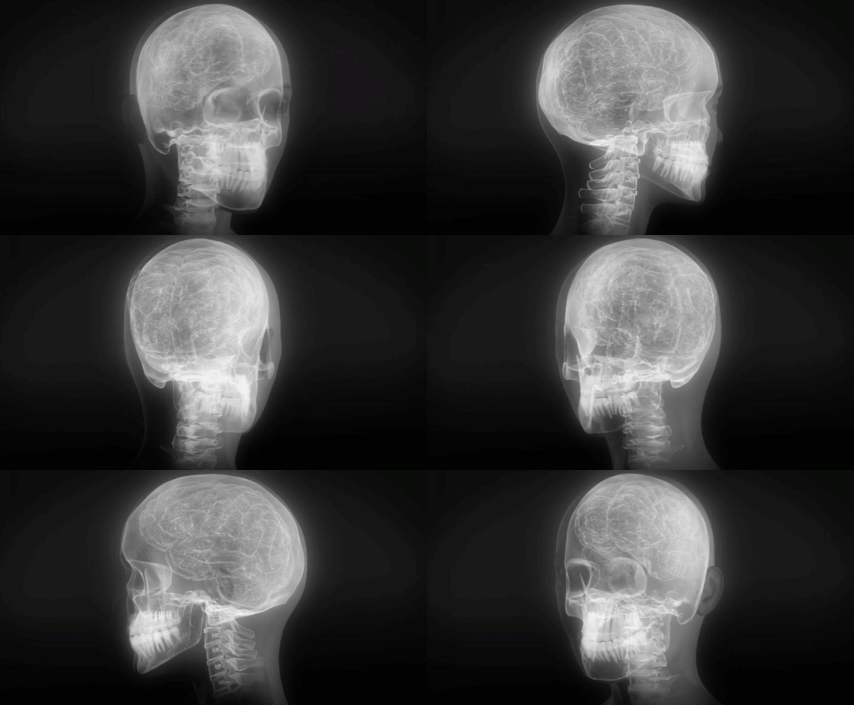
Facial Bone Expansion via Piezoelectric Stimulation [HIGH EFFORT]

Wolff's Law is widely known, but for facial bones heavy mechanical loading tends to thicken cortical bone rather than laterally expand the facial structure. The real mechanism for expansion lies in bio electric signaling via the Piezo1 receptor a mechanosensitive ion channel identified in 2010, whose discovery was awarded the Nobel Prize in Physiology in 2021.
This is also why bonesmashing has a ceiling. A thread here on lm .org https://looksmax.org/threads/bonesm...nd-reality-why-people-think-it-works.1835027/ correctly pointed out that blunt trauma produces thickening via periosteal reaction, not lateral expansion and that controlled, consistent mechanical stimulation is what actually drives remodeling in a predictable direction. This protocol is built on that exact principle, taken further with the correct frequency targeting.


F728cbf30bc688f5209a15bc784c596e
The High frequency protocol

The science behind high frequency:
Bone is naturally piezoelectric and physical deformation generates an electrical charge within the mineral matrix. Vibration at the correct frequency triggers the following cascade:
Piezo1 ion channels open in osteoblast membranes while Calcium ions flood the bone cells. The calcium influx activates the Wnt/b-catenin pathway, the primary molecular switch for bone deposition.
Osteoblast differentiation accelerates, converting local stem cells into active bone builders
Piezo1 is especially relevant in craniofacial bones the zygomatic arch and mandible due to the high density of mechanosensitive receptors in these regions.


Why Frequency Matters: 75Hz and 20Hz
Not all vibration is equivalent so...

20Hz - has Bone maintenance range, It's adequate to prevent resorption in sedentary individuals. Does not generate significant new bone volume.
75Hz - At this frequency, vibration simultaneously activates Piezo1 channels AND fluid shear stress within the bone's canalicular network, creating the mechanical signal for new bone volume deposition. Osteoblast differentiation is frequency dependent, with documented peaks of osteogenic response within the 20-90Hz range for low magnitude high frequency
(LMHF) vibration.​

A68777c6e31d55c858e6638066ef47f0


In practical terms, 75Hz corresponds to approximately 4,500 RPM on percussion tools, but you could use beetween that and 5,000 RPM.
This is relevant context for this https://looksmax.org/threads/bonesm...e-setup-guide-scientific-proof-gtfih.1046477/
where It was correctly identified that vibration frequency matters, but without the specific Piezo1 mechanotransduction data to explain why 75Hz specifically outperforms lower ranges for craniofacial bone volume as opposed to simply maintaining density.

81ff64b7aa880ab9eecd7b22a84b7c3a


[WARNING] BONE RESORPTION
Read Before Starting
Vibrating an area for excessive time does not increase the benefit it produces the opposite effect. Prolonged vibration activates the Nf-kb pathway in osteocytes, which induces RANKL expression and stimulates osteoclastogenesis, meaning bone resorption. The problem is excessive duration, not the frequency itself. The limit per application point is maximum 3 minutes.

Equipment Required:
variable frequency percussion massager (Theragun-style with RPM control) or a precision vibration tool (like massage gun). What matters is the frequency accuracy not the shape of the attachment. Do not use a fixed speed massager. The difference between 60Hz and 75Hz in terms of cellular response is biologically significant

IMG 20260628 175855


The Protocol:
Zygomatic Arc (Frontal and Lateral):
75Hz, 2 minutes per side on lateral zygos and 1 minute each side for frontal zygos. Firm pressure enough to feel the vibration transmitting into the bone, not just buzzing on the skin surface.

Gonial Angle (posterior inferior corner of the jaw): 75Hz, 1:30 minute per side.
Total active time: 8 minutes. Firm and consistent pressure throughout.


Keeping Sutures Receptive

Facial sutures in adults retain some degree of patency and are not completely fused in most people under 35. However, elevated estrogen accelerates sutural closure.
Studies with cases of congenital aromatase deficiency in humans demonstrated that individuals without testosterone to estrogen conversion present unfused epiphyses, directly confirming the role of estrogen in bone closure.
To keep the bone in a plastic and receptive state, modulating aromatase activity is useful. You can use Letrozole, wich is a pharmaceutical aromatase inhibitor and it will work. However, it is not recommended for long term use in a protocol like this. Studies document that pharmaceutical AIs cause clinically significant bone demineralization, increased fracture rates, muscle weakness, and severe joint pain in up to 50% of users which is the exact opposite of what this protocol is trying to achieve. Approximately 30% of patients discontinue pharmaceutical AI therapy within one year due to side effects. This is why the methods below are prioritized. They modulate aromatase activity without systemically crashing estrogen to zero or producing the bone damaging side effects associated with pharmaceutical grade inhibition.


Af0355d7780b669fbb36cc36282a20db

Natural Stack:

Zinc (50mg/day)
Inhibits the aromatase enzyme, reducing the conversion of testosterone to estrogen. Zinc deficiency is associated with increased aromatase activity and consequent elevation of estradiol.

Grape Seed Extract (400mg/day)
Contains procyanidin B dimers, potent competitive inhibitors of aromatase identified in laboratory studies and animal models.

White Button Mushroom (Agaricus bisporus) Of seven vegetable extracts tested in a City of Hope study, white button mushroom was the most effective at inhibiting human placental aromatase activity in vitro.

DIM Diindolylmethane (200-300mg/day)
A bioactive compound produced when cruciferous vegetables like broccoli and cauliflower are digested. DIM does not directly inhibit aromatase in the same way as the compounds above, but it modulates estrogen metabolism by shifting the 2-oh:16a-oh hydroxyestrone ratio in a favorable direction promoting conversion of estrogen into its weaker, less bone-sealing metabolites. This shift has been confirmed in randomized, double blind placebo controlled human trials.

Chrysin (500–1000mg/day)
A bioflavonoid found in bee propolis and blue passionflower (Passiflora caerulea). In cell-free and cell culture assays, chrysin is one of the most potent flavonoid inhibitors of aromatase, with a Ki of 1μM in recombinant human aromatase assays. Important caveat: its bioavailability when taken orally is low, which limits its in vivo efficacy compared to its in vitro results. Pairing it with piperine (black pepper extract) has been suggested to improve absorption.

Timeline and what to expect:
Most people quit too early because they don't understand it. Bone remodeling happens in sequential phases, wich is: osteoclasts resorb first, osteoblasts build after. You cannot skip phase one to get to phase two faster.
Here is what that looks like in practice

Weeks 1–3
Pure resorption phase. Osteoclasts are breaking down existing matrix to create space for new bone. Nothing visible happens here. This is where most people convince themselves it isn't working.

Weeks 3–6
Osteoblasts move in and begin depositing early osteoid. Micro structural changes start at the cellular level. Not visible externally yet.

Months 2-6
Mineralization. The deposited matrix slowly hardens into dense bone. Macro structural changes only emerge at the tail end of this phase. However, the six month mark is the earliest reasonable point to evaluate results.


Checklist:
Variable frequency tool
set to 75Hz /4,500 RPM

Cheekbones
2 min/side | Jaw corners: 1:30 min/side

Never exceed 3 min per spot

Zinc 50mg + Grape Seed Extract 400mg daily

White Button Mushroom in daily diet

DIM 200–300mg daily

Chrysin 500–1000mg daily (with piperine for absorption)

Minimum 6 months of consistency before evaluating good results


Scientific References:

[1] Piezo1 as a mechanosensitive channel in bone remodeling https://pmc.ncbi.nlm.nih.gov/articles/PMC10882629/

What it proves: That Piezo1 is a mechanically activated ion channel expressed in osteoblasts, osteocytes, and osteoclasts, and that its deletion leads to reduced bone density and increased resorption. Confirms that Piezo1 is the primary sensor of mechanical stimulus in bone tissue.

[2] Piezo1 in craniofacial bones and orthodontic tooth movement

What it proves: That Piezo1 is the primary mediator of mechanotransduction specifically in craniofacial alveolar bone, regulating osteoblast and osteoclast activity in response to mechanical stimulus in this region.

[3] Piezo1 + Ca²⁺ influx + Wnt pathway in mandibular bone

What it proves:
That Piezo1 activation induces Ca²⁺ influx and initiates downstream signaling via CaMKII and Wnt/Ca²⁺, promoting new bone formation on the tension side of the mandible in rats.

[4] Wnt/β catenin pathway as a physiological response to mechanical loading

What it proves:
That the Wnt/B catenin pathway is directly activated by mechanical loading in osteoblasts and osteocytes, increasing the expression of osteogenic genes and the sensitivity of these cells to mechanical stimulus.

[5] Mechanical vibration activates Wnt/β catenin and increases bone formation

What it proves:
That mechanical vibration increases osteoblast proliferation and mineralization, and significantly elevates the expression of Wnt3a, Lrp6, and B catenin compared to the control group.

[6] Osteoblast differentiation is frequency dependent

What it proves:
That the osteogenic response of osteoblasts varies significantly depending on the vibration frequency applied, with peaks in differentiation marker expression at specific ranges, confirming that vibration alone is not enough. The correct frequency is required.

[7] Low intensity vibration as an anabolic bone stimulus- clinical review https://pmc.ncbi.nlm.nih.gov/articles/PMC4458848/

What it proves:
That low intensity mechanical signals initiate anabolic responses in bone and counteract catabolic signals, with effects mediated in part by mechanical regulation of mesenchymal stem cells, providing the basis for therapeutic use of vibration in bone remodeling.

[8] Excessive vibration activates RANKL and stimulates bone resorption https://doi.org/10.1016/j.bone.2019.01000

What it proves:
That mechanical vibration, when excessive, activates the NF kB pathway in osteocytes, inducing RANKL expression and stimulating osteoclast differentiation, causing bone resorption instead of formation. Directly supports the 3 minute per spot limit.

[9] Prolonged vibration leads to resorption in animal model

What it proves:
That prolonged exposure to vibration leads to osteoclast activation and resorption in bone tissue, even without gravitational changes, reinforcing that excessive duration is the risk factor, not the frequency.

[10] Estrogen drives cranial suture closure


[11] Aromatase deficiency in humans = unfused epiphyses

[12] Zinc inhibits aromatase and reduces testosterone to estrogen conversion

What it proves:
That zinc deficiency significantly increases aromatase activity and alters the androgen estrogen profile. Implies that adequate zinc suppresses excessive aromatization.

[13] Grape seed extract is a potent aromatase inhibitor

What it proves:
That GSE inhibits aromatase activity in a dose dependent manner in vitro, and suppresses androgen dependent tumor growth in animal models. The procyanidin B dimers present in GSE are competitive inhibitors of aromatase with a Ki of 6 uM.

[14] White button mushroom is the most potent natural aromatase inhibitor among tested vegetables

What it proves:
That among seven vegetable extracts tested in a human placental aromatase assay, white button mushroom extract was the most effective, suppressing aromatase activity in a dose dependent manner with mixed inhibition kinetics.

[15] DIM shifts estrogen metabolism in a favorable direction - randomized controlled trial

What it proves:
In a double blind, placebo controlled trial with over 130 participants, DIM at 150mg twice daily produced a significant and sustained shift in urinary estrogen metabolism, increasing the 2 oh:16a oh ratio and elevating SHBG, both markers of reduced estrogenic activity. Adherence exceeded 91% and no significant adverse events were observed.

[16] Chrysin is a potent aromatase inhibitor in vitro with documented bioavailability limitations

What it proves:
Systematic review confirming that chrysin inhibits aromatase activity with a Ki of 1uM in recombinant human aromatase assays, higher potency than several other studied flavonoids. Also documents the known limitation. low oral bioavailability reduces its in vivo effectiveness compared to cell culture results.

[17] Pharmaceutical aromatase inhibitors cause bone loss, joint pain, and muscle weakness

What it proves:
Comprehensive review documenting that pharmaceutical AIs, including letrozole, cause clinically significant bone demineralization, increased osteoporosis and fracture rates, and musculoskeletal pain in up to 50% of users. In the ATOLL study, 28.5% of patients discontinued letrozole within 6 months due to severe joint pain. This is the evidence base for why natural modulation is prioritized over pharmaceutical AI use in a long term protocol.

[18] Bone remodeling cycle: duration of phases

What it proves:
Using undecalcified bone histology and timed fluorochrome labeling, the study identified that the resorption phase in human trabecular bone takes approximately 3 weeks, and the bone formation response takes 3 to 4 months, the biological basis for the 4 to 6 week timeline for micro changes and 6 months for macro structural shifts.

[19] Bone is piezoelectric- electrical stimulation as the primary driver of osteogenesis
https://pmc.ncbi.nlm.nih.gov/articles/PMC12199592/
What it proves:
Confirms that the piezoelectric effect in bone, where mechanical stress generates an internal electrical signal, is a core mechanism involved in physiological healing and osteogenic responses. When bone integrity is disrupted or mechanically stimulated, the resulting biopotential change can trigger osteoblast recruitment and bone matrix synthesis. Supports the bioelectric foundation behind this mechanism.
[20] Electromagnetic and piezoelectric stimulation drives bone remodeling- historical and mechanistic review
https://pmc.ncbi.nlm.nih.gov/articles/PMC11986540/
What it proves:
Comprehensive review documenting that from Bassett's discovery of the piezoelectric effect in bone tissue (1962- 1977) through current research, physical field stimulation, including mechanical, electrical, or electromagnetic stimulus, has been investigated for its effects on osteogenesis and bone remodeling. Confirms the connection between mechanical stimulation, electrical signaling and cellular responses involved in bone formation.


Thank you for taking the time to read this. I hope this thread was able to clear some things up, I put a lot of time into researching and organizing everything here, so I hope it was useful for some of you 🫠

TAGS

@Viriato_catholic @fantamaxxer @BronzeSpartan2 @couragecel @Firstname.Lastname @Gs. @susus
 
  • +1
  • Love it
Reactions: lampog, Matthaiass, Hordex and 49 others
Thanks just got delivered what speed do you normally use and what attachments was thinking 28 might be 4500 rpm.
verify it with a tachometer app before applying to your face to confirm the actual output, yours can be a little different than mine but I put around 28 and 29 so no worries about that.
For attachments, use the flat or bullet head. Flat for broader coverage on the zygos, bullet for more precision on the gonial angle and avoid the fork or ball head for facial application.
Could you show me where "75 Hz is the bone-building frequency" is stablished?. Also, why is it max 3 minutes? is there any scientific finding proving theres a limit for it? or just a recommendation.
the 2026 Frontiers study on alveolar bone mechanotransduction is actually the strongest argument for 75Hz specifically, its not just showing that Piezo1 responds to vibration in general, its showing that 75Hz is the frequency that most effectively activates Piezo1 in craniofacial bone during active remodeling. That's exactly the context my protocol operates in.
 
Also, why is it max 3 minutes? is there any scientific finding proving theres a limit for it? or just a recommendation.
Past a certain duration the signal flips from anabolic to catabolic, but its like more a recommendation.
 
My massage gun goes up to a maximum of 47 Hz (and I do have the flat attachment) for which parts should I use a hammer and for which parts the massage gun? I already tried to hammer my zygos for 3.5 minutes on each side 2 hours ago, and I only feel a bit pain only when I squeeze the spot, Does that mean I didn’t do it hard enough? please help :fuk::heart:
hey Man, do bs on different days.
 
The Protocol:
Zygomatic Arc (Frontal and Lateral):
75Hz, 2 minutes per side on lateral zygos and 1 minute each side for frontal zygos. Firm pressure enough to feel the vibration transmitting into the bone, not just buzzing on the skin surface.

Gonial Angle (posterior inferior corner of the jaw): 75Hz, 1:30 minute per side.
Total active time: 8 minutes. Firm and consistent pressure throughout.
I've got skeletal mandibular asymmetry and I'll be getting braces for a future bimax. If I follow this protocol, could it cause any problems or mess with my treatment?
 
Last edited:
  • +1
Reactions: duduboy
I've got skeletal mandibular asymmetry and I'll be getting braces for a future bimax. If I follow this protocol, could it cause any problems or mess with my treatment?
Do it before
 
  • +1
Reactions: thurzdx
before Braces and surgery
I'm getting braces in a few days. Would it be riskier to postpone getting them so I can follow the protocol for a few months before having the surgery?
 
I'm getting braces in a few days. Would it be riskier to postpone getting them so I can follow the protocol for a few months before having the surgery?
Braces will not affect your mandible or zygos so you should be fine doing this method + braces
 
  • +1
Reactions: thurzdx
Braces will not affect your mandible or zygos so you should be fine doing this method + braces
Well, the problem is that I've got tmd and pretty severe mandibular asymmetry. I'm worried that following this protocol could make things even worse.
 
Well, the problem is that I've got tmd and pretty severe mandibular asymmetry. I'm worried that following this protocol could make things even worse.
I need more details. What level of TMD do you have? If it's just clicking without discomfort or pain, the TMJ should be healthy and there shouldn't be any issues. If it were more severe, you could still do the zygos and cheekbone without it affecting anything, though with the jaw, you'd need to be more careful. Maybe the OP of the post could guide you better than I can, but as long as the vibration doesn't stress the joint, there shouldn't be any problem either
 
  • +1
Reactions: duduboy and thurzdx
I need more details. What level of TMD do you have? If it's just clicking without discomfort or pain, the TMJ should be healthy and there shouldn't be any issues. If it were more severe, you could still do the zygos and cheekbone without it affecting anything, though with the jaw, you'd need to be more careful. Maybe the OP of the post could guide you better than I can, but as long as the vibration doesn't stress the joint, there shouldn't be any problem either
I think my TMD is probably moderate. I get clicking, clench my teeth, and my jaw gets tired if I chew too much on my right side. Maybe if I treat the TMD first and get it under control, I could still follow the protocol while wearing braces?
 
mirin the effort
 
  • +1
Reactions: duduboy
Good thread
 
  • Love it
Reactions: duduboy
@DominoDominus thoughts?
 
@DominoDominus thoughts?
Mirin the detail, i really really like the thread im not a fan of center thrrads but urs is rlly good, have u seen progress w ur method?
 
  • +1
Reactions: duduboy
Mirin the detail, i really really like the thread im not a fan of center thrrads but urs is rlly good, have u seen progress w ur method?
yes, I combine It with bonesmashing eod.
 
Wolff's Law is widely known, but for facial bones heavy mechanical loading tends to thicken cortical bone rather than laterally expand the facial structure. The real mechanism for expansion lies in bio electric signaling via the Piezo1 receptor a mechanosensitive ion channel identified in 2010, whose discovery was awarded the Nobel Prize in Physiology in 2021.
This is also why bonesmashing has a ceiling. A thread here on lm .org https://looksmax.org/threads/bonesm...nd-reality-why-people-think-it-works.1835027/ correctly pointed out that blunt trauma produces thickening via periosteal reaction, not lateral expansion and that controlled, consistent mechanical stimulation is what actually drives remodeling in a predictable direction. This protocol is built on that exact principle, taken further with the correct frequency targeting.


View attachment 5284930
The High frequency protocol

The science behind high frequency:
Bone is naturally piezoelectric and physical deformation generates an electrical charge within the mineral matrix. Vibration at the correct frequency triggers the following cascade:
Piezo1 ion channels open in osteoblast membranes while Calcium ions flood the bone cells. The calcium influx activates the Wnt/b-catenin pathway, the primary molecular switch for bone deposition.
Osteoblast differentiation accelerates, converting local stem cells into active bone builders
Piezo1 is especially relevant in craniofacial bones the zygomatic arch and mandible due to the high density of mechanosensitive receptors in these regions.


Why Frequency Matters: 75Hz and 20Hz
Not all vibration is equivalent so...

20Hz - has Bone maintenance range, It's adequate to prevent resorption in sedentary individuals. Does not generate significant new bone volume.
75Hz - At this frequency, vibration simultaneously activates Piezo1 channels AND fluid shear stress within the bone's canalicular network, creating the mechanical signal for new bone volume deposition. Osteoblast differentiation is frequency dependent, with documented peaks of osteogenic response within the 20-90Hz range for low magnitude high frequency
(LMHF) vibration.​

View attachment 5285104

In practical terms, 75Hz corresponds to approximately 4,500 RPM on percussion tools, but you could use beetween that and 5,000 RPM.
This is relevant context for this https://looksmax.org/threads/bonesm...e-setup-guide-scientific-proof-gtfih.1046477/
where It was correctly identified that vibration frequency matters, but without the specific Piezo1 mechanotransduction data to explain why 75Hz specifically outperforms lower ranges for craniofacial bone volume as opposed to simply maintaining density.

View attachment 5285128

[WARNING] BONE RESORPTION
Read Before Starting
Vibrating an area for excessive time does not increase the benefit it produces the opposite effect. Prolonged vibration activates the Nf-kb pathway in osteocytes, which induces RANKL expression and stimulates osteoclastogenesis, meaning bone resorption. The problem is excessive duration, not the frequency itself. The limit per application point is maximum 3 minutes.

Equipment Required:
variable frequency percussion massager (Theragun-style with RPM control) or a precision vibration tool (like massage gun). What matters is the frequency accuracy not the shape of the attachment. Do not use a fixed speed massager. The difference between 60Hz and 75Hz in terms of cellular response is biologically significant

View attachment 5285205

The Protocol:
Zygomatic Arc (Frontal and Lateral):
75Hz, 2 minutes per side on lateral zygos and 1 minute each side for frontal zygos. Firm pressure enough to feel the vibration transmitting into the bone, not just buzzing on the skin surface.

Gonial Angle (posterior inferior corner of the jaw): 75Hz, 1:30 minute per side.
Total active time: 8 minutes. Firm and consistent pressure throughout.


Keeping Sutures Receptive

Facial sutures in adults retain some degree of patency and are not completely fused in most people under 35. However, elevated estrogen accelerates sutural closure.
Studies with cases of congenital aromatase deficiency in humans demonstrated that individuals without testosterone to estrogen conversion present unfused epiphyses, directly confirming the role of estrogen in bone closure.
To keep the bone in a plastic and receptive state, modulating aromatase activity is useful. You can use Letrozole, wich is a pharmaceutical aromatase inhibitor and it will work. However, it is not recommended for long term use in a protocol like this. Studies document that pharmaceutical AIs cause clinically significant bone demineralization, increased fracture rates, muscle weakness, and severe joint pain in up to 50% of users which is the exact opposite of what this protocol is trying to achieve. Approximately 30% of patients discontinue pharmaceutical AI therapy within one year due to side effects. This is why the methods below are prioritized. They modulate aromatase activity without systemically crashing estrogen to zero or producing the bone damaging side effects associated with pharmaceutical grade inhibition.


View attachment 5285126
Natural Stack:

Zinc (50mg/day)
Inhibits the aromatase enzyme, reducing the conversion of testosterone to estrogen. Zinc deficiency is associated with increased aromatase activity and consequent elevation of estradiol.

Grape Seed Extract (400mg/day)
Contains procyanidin B dimers, potent competitive inhibitors of aromatase identified in laboratory studies and animal models.

White Button Mushroom (Agaricus bisporus) Of seven vegetable extracts tested in a City of Hope study, white button mushroom was the most effective at inhibiting human placental aromatase activity in vitro.

DIM Diindolylmethane (200-300mg/day)
A bioactive compound produced when cruciferous vegetables like broccoli and cauliflower are digested. DIM does not directly inhibit aromatase in the same way as the compounds above, but it modulates estrogen metabolism by shifting the 2-oh:16a-oh hydroxyestrone ratio in a favorable direction promoting conversion of estrogen into its weaker, less bone-sealing metabolites. This shift has been confirmed in randomized, double blind placebo controlled human trials.

Chrysin (500–1000mg/day)
A bioflavonoid found in bee propolis and blue passionflower (Passiflora caerulea). In cell-free and cell culture assays, chrysin is one of the most potent flavonoid inhibitors of aromatase, with a Ki of 1μM in recombinant human aromatase assays. Important caveat: its bioavailability when taken orally is low, which limits its in vivo efficacy compared to its in vitro results. Pairing it with piperine (black pepper extract) has been suggested to improve absorption.

Timeline and what to expect:
Most people quit too early because they don't understand it. Bone remodeling happens in sequential phases, wich is: osteoclasts resorb first, osteoblasts build after. You cannot skip phase one to get to phase two faster.
Here is what that looks like in practice

Weeks 1–3
Pure resorption phase. Osteoclasts are breaking down existing matrix to create space for new bone. Nothing visible happens here. This is where most people convince themselves it isn't working.

Weeks 3–6
Osteoblasts move in and begin depositing early osteoid. Micro structural changes start at the cellular level. Not visible externally yet.

Months 2-6
Mineralization. The deposited matrix slowly hardens into dense bone. Macro structural changes only emerge at the tail end of this phase. However, the six month mark is the earliest reasonable point to evaluate results.


Checklist:
Variable frequency tool
set to 75Hz /4,500 RPM

Cheekbones
2 min/side | Jaw corners: 1:30 min/side

Never exceed 3 min per spot

Zinc 50mg + Grape Seed Extract 400mg daily

White Button Mushroom in daily diet

DIM 200–300mg daily

Chrysin 500–1000mg daily (with piperine for absorption)

Minimum 6 months of consistency before evaluating good results


Scientific References:

[1] Piezo1 as a mechanosensitive channel in bone remodeling https://pmc.ncbi.nlm.nih.gov/articles/PMC10882629/

What it proves: That Piezo1 is a mechanically activated ion channel expressed in osteoblasts, osteocytes, and osteoclasts, and that its deletion leads to reduced bone density and increased resorption. Confirms that Piezo1 is the primary sensor of mechanical stimulus in bone tissue.

[2] Piezo1 in craniofacial bones and orthodontic tooth movement

What it proves: That Piezo1 is the primary mediator of mechanotransduction specifically in craniofacial alveolar bone, regulating osteoblast and osteoclast activity in response to mechanical stimulus in this region.

[3] Piezo1 + Ca²⁺ influx + Wnt pathway in mandibular bone

What it proves:
That Piezo1 activation induces Ca²⁺ influx and initiates downstream signaling via CaMKII and Wnt/Ca²⁺, promoting new bone formation on the tension side of the mandible in rats.

[4] Wnt/β catenin pathway as a physiological response to mechanical loading

What it proves:
That the Wnt/B catenin pathway is directly activated by mechanical loading in osteoblasts and osteocytes, increasing the expression of osteogenic genes and the sensitivity of these cells to mechanical stimulus.

[5] Mechanical vibration activates Wnt/β catenin and increases bone formation

What it proves:
That mechanical vibration increases osteoblast proliferation and mineralization, and significantly elevates the expression of Wnt3a, Lrp6, and B catenin compared to the control group.

[6] Osteoblast differentiation is frequency dependent

What it proves:
That the osteogenic response of osteoblasts varies significantly depending on the vibration frequency applied, with peaks in differentiation marker expression at specific ranges, confirming that vibration alone is not enough. The correct frequency is required.

[7] Low intensity vibration as an anabolic bone stimulus- clinical review https://pmc.ncbi.nlm.nih.gov/articles/PMC4458848/

What it proves:
That low intensity mechanical signals initiate anabolic responses in bone and counteract catabolic signals, with effects mediated in part by mechanical regulation of mesenchymal stem cells, providing the basis for therapeutic use of vibration in bone remodeling.

[8] Excessive vibration activates RANKL and stimulates bone resorption https://doi.org/10.1016/j.bone.2019.01000

What it proves:
That mechanical vibration, when excessive, activates the NF kB pathway in osteocytes, inducing RANKL expression and stimulating osteoclast differentiation, causing bone resorption instead of formation. Directly supports the 3 minute per spot limit.

[9] Prolonged vibration leads to resorption in animal model

What it proves:
That prolonged exposure to vibration leads to osteoclast activation and resorption in bone tissue, even without gravitational changes, reinforcing that excessive duration is the risk factor, not the frequency.

[10] Estrogen drives cranial suture closure


[11] Aromatase deficiency in humans = unfused epiphyses

[12] Zinc inhibits aromatase and reduces testosterone to estrogen conversion

What it proves:
That zinc deficiency significantly increases aromatase activity and alters the androgen estrogen profile. Implies that adequate zinc suppresses excessive aromatization.

[13] Grape seed extract is a potent aromatase inhibitor

What it proves:
That GSE inhibits aromatase activity in a dose dependent manner in vitro, and suppresses androgen dependent tumor growth in animal models. The procyanidin B dimers present in GSE are competitive inhibitors of aromatase with a Ki of 6 uM.

[14] White button mushroom is the most potent natural aromatase inhibitor among tested vegetables

What it proves:
That among seven vegetable extracts tested in a human placental aromatase assay, white button mushroom extract was the most effective, suppressing aromatase activity in a dose dependent manner with mixed inhibition kinetics.

[15] DIM shifts estrogen metabolism in a favorable direction - randomized controlled trial

What it proves:
In a double blind, placebo controlled trial with over 130 participants, DIM at 150mg twice daily produced a significant and sustained shift in urinary estrogen metabolism, increasing the 2 oh:16a oh ratio and elevating SHBG, both markers of reduced estrogenic activity. Adherence exceeded 91% and no significant adverse events were observed.

[16] Chrysin is a potent aromatase inhibitor in vitro with documented bioavailability limitations

What it proves:
Systematic review confirming that chrysin inhibits aromatase activity with a Ki of 1uM in recombinant human aromatase assays, higher potency than several other studied flavonoids. Also documents the known limitation. low oral bioavailability reduces its in vivo effectiveness compared to cell culture results.

[17] Pharmaceutical aromatase inhibitors cause bone loss, joint pain, and muscle weakness

What it proves:
Comprehensive review documenting that pharmaceutical AIs, including letrozole, cause clinically significant bone demineralization, increased osteoporosis and fracture rates, and musculoskeletal pain in up to 50% of users. In the ATOLL study, 28.5% of patients discontinued letrozole within 6 months due to severe joint pain. This is the evidence base for why natural modulation is prioritized over pharmaceutical AI use in a long term protocol.

[18] Bone remodeling cycle: duration of phases

What it proves:
Using undecalcified bone histology and timed fluorochrome labeling, the study identified that the resorption phase in human trabecular bone takes approximately 3 weeks, and the bone formation response takes 3 to 4 months, the biological basis for the 4 to 6 week timeline for micro changes and 6 months for macro structural shifts.

[19] Bone is piezoelectric- electrical stimulation as the primary driver of osteogenesis
https://pmc.ncbi.nlm.nih.gov/articles/PMC12199592/
What it proves:
Confirms that the piezoelectric effect in bone, where mechanical stress generates an internal electrical signal, is a core mechanism involved in physiological healing and osteogenic responses. When bone integrity is disrupted or mechanically stimulated, the resulting biopotential change can trigger osteoblast recruitment and bone matrix synthesis. Supports the bioelectric foundation behind this mechanism.
[20] Electromagnetic and piezoelectric stimulation drives bone remodeling- historical and mechanistic review
https://pmc.ncbi.nlm.nih.gov/articles/PMC11986540/
What it proves:
Comprehensive review documenting that from Bassett's discovery of the piezoelectric effect in bone tissue (1962- 1977) through current research, physical field stimulation, including mechanical, electrical, or electromagnetic stimulus, has been investigated for its effects on osteogenesis and bone remodeling. Confirms the connection between mechanical stimulation, electrical signaling and cellular responses involved in bone formation.


Thank you for taking the time to read this. I hope this thread was able to clear some things up, I put a lot of time into researching and organizing everything here, so I hope it was useful for some of you 🫠

TAGS

@Viriato_catholic @fantamaxxer @BronzeSpartan2 @couragecel @Firstname.Lastname @Gs. @susus
This is actually pretty good thread I skimmed through it and it seems like it give some good info
 
  • +1
Reactions: duduboy
I thought you didnt use org anymore, sorry nga
What about cte I got a 80 hz one and that shit feels like cte maxing so I’m too scared to use it😭😹
 
  • +1
Reactions: duduboy
I wanna do this plus normal bs for scar tissue do you think I can do something like one day using my hands and the next using the gun repeat or do you think the rate of improvement will be too slow with that and would just using the gun be better
 
  • +1
Reactions: duduboy
mirin
 
Last edited:
  • +1
Reactions: duduboy
Wolff's Law is widely known, but for facial bones heavy mechanical loading tends to thicken cortical bone rather than laterally expand the facial structure. The real mechanism for expansion lies in bio electric signaling via the Piezo1 receptor a mechanosensitive ion channel identified in 2010, whose discovery was awarded the Nobel Prize in Physiology in 2021.
This is also why bonesmashing has a ceiling. A thread here on lm .org https://looksmax.org/threads/bonesm...nd-reality-why-people-think-it-works.1835027/ correctly pointed out that blunt trauma produces thickening via periosteal reaction, not lateral expansion and that controlled, consistent mechanical stimulation is what actually drives remodeling in a predictable direction. This protocol is built on that exact principle, taken further with the correct frequency targeting.


View attachment 5284930
The High frequency protocol

The science behind high frequency:
Bone is naturally piezoelectric and physical deformation generates an electrical charge within the mineral matrix. Vibration at the correct frequency triggers the following cascade:
Piezo1 ion channels open in osteoblast membranes while Calcium ions flood the bone cells. The calcium influx activates the Wnt/b-catenin pathway, the primary molecular switch for bone deposition.
Osteoblast differentiation accelerates, converting local stem cells into active bone builders
Piezo1 is especially relevant in craniofacial bones the zygomatic arch and mandible due to the high density of mechanosensitive receptors in these regions.


Why Frequency Matters: 75Hz and 20Hz
Not all vibration is equivalent so...

20Hz - has Bone maintenance range, It's adequate to prevent resorption in sedentary individuals. Does not generate significant new bone volume.
75Hz - At this frequency, vibration simultaneously activates Piezo1 channels AND fluid shear stress within the bone's canalicular network, creating the mechanical signal for new bone volume deposition. Osteoblast differentiation is frequency dependent, with documented peaks of osteogenic response within the 20-90Hz range for low magnitude high frequency
(LMHF) vibration.​

View attachment 5285104

In practical terms, 75Hz corresponds to approximately 4,500 RPM on percussion tools, but you could use beetween that and 5,000 RPM.
This is relevant context for this https://looksmax.org/threads/bonesm...e-setup-guide-scientific-proof-gtfih.1046477/
where It was correctly identified that vibration frequency matters, but without the specific Piezo1 mechanotransduction data to explain why 75Hz specifically outperforms lower ranges for craniofacial bone volume as opposed to simply maintaining density.

View attachment 5285128

[WARNING] BONE RESORPTION
Read Before Starting
Vibrating an area for excessive time does not increase the benefit it produces the opposite effect. Prolonged vibration activates the Nf-kb pathway in osteocytes, which induces RANKL expression and stimulates osteoclastogenesis, meaning bone resorption. The problem is excessive duration, not the frequency itself. The limit per application point is maximum 3 minutes.

Equipment Required:
variable frequency percussion massager (Theragun-style with RPM control) or a precision vibration tool (like massage gun). What matters is the frequency accuracy not the shape of the attachment. Do not use a fixed speed massager. The difference between 60Hz and 75Hz in terms of cellular response is biologically significant

View attachment 5285205

The Protocol:
Zygomatic Arc (Frontal and Lateral):
75Hz, 2 minutes per side on lateral zygos and 1 minute each side for frontal zygos. Firm pressure enough to feel the vibration transmitting into the bone, not just buzzing on the skin surface.

Gonial Angle (posterior inferior corner of the jaw): 75Hz, 1:30 minute per side.
Total active time: 8 minutes. Firm and consistent pressure throughout.


Keeping Sutures Receptive

Facial sutures in adults retain some degree of patency and are not completely fused in most people under 35. However, elevated estrogen accelerates sutural closure.
Studies with cases of congenital aromatase deficiency in humans demonstrated that individuals without testosterone to estrogen conversion present unfused epiphyses, directly confirming the role of estrogen in bone closure.
To keep the bone in a plastic and receptive state, modulating aromatase activity is useful. You can use Letrozole, wich is a pharmaceutical aromatase inhibitor and it will work. However, it is not recommended for long term use in a protocol like this. Studies document that pharmaceutical AIs cause clinically significant bone demineralization, increased fracture rates, muscle weakness, and severe joint pain in up to 50% of users which is the exact opposite of what this protocol is trying to achieve. Approximately 30% of patients discontinue pharmaceutical AI therapy within one year due to side effects. This is why the methods below are prioritized. They modulate aromatase activity without systemically crashing estrogen to zero or producing the bone damaging side effects associated with pharmaceutical grade inhibition.


View attachment 5285126
Natural Stack:

Zinc (50mg/day)
Inhibits the aromatase enzyme, reducing the conversion of testosterone to estrogen. Zinc deficiency is associated with increased aromatase activity and consequent elevation of estradiol.

Grape Seed Extract (400mg/day)
Contains procyanidin B dimers, potent competitive inhibitors of aromatase identified in laboratory studies and animal models.

White Button Mushroom (Agaricus bisporus) Of seven vegetable extracts tested in a City of Hope study, white button mushroom was the most effective at inhibiting human placental aromatase activity in vitro.

DIM Diindolylmethane (200-300mg/day)
A bioactive compound produced when cruciferous vegetables like broccoli and cauliflower are digested. DIM does not directly inhibit aromatase in the same way as the compounds above, but it modulates estrogen metabolism by shifting the 2-oh:16a-oh hydroxyestrone ratio in a favorable direction promoting conversion of estrogen into its weaker, less bone-sealing metabolites. This shift has been confirmed in randomized, double blind placebo controlled human trials.

Chrysin (500–1000mg/day)
A bioflavonoid found in bee propolis and blue passionflower (Passiflora caerulea). In cell-free and cell culture assays, chrysin is one of the most potent flavonoid inhibitors of aromatase, with a Ki of 1μM in recombinant human aromatase assays. Important caveat: its bioavailability when taken orally is low, which limits its in vivo efficacy compared to its in vitro results. Pairing it with piperine (black pepper extract) has been suggested to improve absorption.

Timeline and what to expect:
Most people quit too early because they don't understand it. Bone remodeling happens in sequential phases, wich is: osteoclasts resorb first, osteoblasts build after. You cannot skip phase one to get to phase two faster.
Here is what that looks like in practice

Weeks 1–3
Pure resorption phase. Osteoclasts are breaking down existing matrix to create space for new bone. Nothing visible happens here. This is where most people convince themselves it isn't working.

Weeks 3–6
Osteoblasts move in and begin depositing early osteoid. Micro structural changes start at the cellular level. Not visible externally yet.

Months 2-6
Mineralization. The deposited matrix slowly hardens into dense bone. Macro structural changes only emerge at the tail end of this phase. However, the six month mark is the earliest reasonable point to evaluate results.


Checklist:
Variable frequency tool
set to 75Hz /4,500 RPM

Cheekbones
2 min/side | Jaw corners: 1:30 min/side

Never exceed 3 min per spot

Zinc 50mg + Grape Seed Extract 400mg daily

White Button Mushroom in daily diet

DIM 200–300mg daily

Chrysin 500–1000mg daily (with piperine for absorption)

Minimum 6 months of consistency before evaluating good results


Scientific References:

[1] Piezo1 as a mechanosensitive channel in bone remodeling https://pmc.ncbi.nlm.nih.gov/articles/PMC10882629/

What it proves: That Piezo1 is a mechanically activated ion channel expressed in osteoblasts, osteocytes, and osteoclasts, and that its deletion leads to reduced bone density and increased resorption. Confirms that Piezo1 is the primary sensor of mechanical stimulus in bone tissue.

[2] Piezo1 in craniofacial bones and orthodontic tooth movement

What it proves: That Piezo1 is the primary mediator of mechanotransduction specifically in craniofacial alveolar bone, regulating osteoblast and osteoclast activity in response to mechanical stimulus in this region.

[3] Piezo1 + Ca²⁺ influx + Wnt pathway in mandibular bone

What it proves:
That Piezo1 activation induces Ca²⁺ influx and initiates downstream signaling via CaMKII and Wnt/Ca²⁺, promoting new bone formation on the tension side of the mandible in rats.

[4] Wnt/β catenin pathway as a physiological response to mechanical loading

What it proves:
That the Wnt/B catenin pathway is directly activated by mechanical loading in osteoblasts and osteocytes, increasing the expression of osteogenic genes and the sensitivity of these cells to mechanical stimulus.

[5] Mechanical vibration activates Wnt/β catenin and increases bone formation

What it proves:
That mechanical vibration increases osteoblast proliferation and mineralization, and significantly elevates the expression of Wnt3a, Lrp6, and B catenin compared to the control group.

[6] Osteoblast differentiation is frequency dependent

What it proves:
That the osteogenic response of osteoblasts varies significantly depending on the vibration frequency applied, with peaks in differentiation marker expression at specific ranges, confirming that vibration alone is not enough. The correct frequency is required.

[7] Low intensity vibration as an anabolic bone stimulus- clinical review https://pmc.ncbi.nlm.nih.gov/articles/PMC4458848/

What it proves:
That low intensity mechanical signals initiate anabolic responses in bone and counteract catabolic signals, with effects mediated in part by mechanical regulation of mesenchymal stem cells, providing the basis for therapeutic use of vibration in bone remodeling.

[8] Excessive vibration activates RANKL and stimulates bone resorption https://doi.org/10.1016/j.bone.2019.01000

What it proves:
That mechanical vibration, when excessive, activates the NF kB pathway in osteocytes, inducing RANKL expression and stimulating osteoclast differentiation, causing bone resorption instead of formation. Directly supports the 3 minute per spot limit.

[9] Prolonged vibration leads to resorption in animal model

What it proves:
That prolonged exposure to vibration leads to osteoclast activation and resorption in bone tissue, even without gravitational changes, reinforcing that excessive duration is the risk factor, not the frequency.

[10] Estrogen drives cranial suture closure


[11] Aromatase deficiency in humans = unfused epiphyses

[12] Zinc inhibits aromatase and reduces testosterone to estrogen conversion

What it proves:
That zinc deficiency significantly increases aromatase activity and alters the androgen estrogen profile. Implies that adequate zinc suppresses excessive aromatization.

[13] Grape seed extract is a potent aromatase inhibitor

What it proves:
That GSE inhibits aromatase activity in a dose dependent manner in vitro, and suppresses androgen dependent tumor growth in animal models. The procyanidin B dimers present in GSE are competitive inhibitors of aromatase with a Ki of 6 uM.

[14] White button mushroom is the most potent natural aromatase inhibitor among tested vegetables

What it proves:
That among seven vegetable extracts tested in a human placental aromatase assay, white button mushroom extract was the most effective, suppressing aromatase activity in a dose dependent manner with mixed inhibition kinetics.

[15] DIM shifts estrogen metabolism in a favorable direction - randomized controlled trial

What it proves:
In a double blind, placebo controlled trial with over 130 participants, DIM at 150mg twice daily produced a significant and sustained shift in urinary estrogen metabolism, increasing the 2 oh:16a oh ratio and elevating SHBG, both markers of reduced estrogenic activity. Adherence exceeded 91% and no significant adverse events were observed.

[16] Chrysin is a potent aromatase inhibitor in vitro with documented bioavailability limitations

What it proves:
Systematic review confirming that chrysin inhibits aromatase activity with a Ki of 1uM in recombinant human aromatase assays, higher potency than several other studied flavonoids. Also documents the known limitation. low oral bioavailability reduces its in vivo effectiveness compared to cell culture results.

[17] Pharmaceutical aromatase inhibitors cause bone loss, joint pain, and muscle weakness

What it proves:
Comprehensive review documenting that pharmaceutical AIs, including letrozole, cause clinically significant bone demineralization, increased osteoporosis and fracture rates, and musculoskeletal pain in up to 50% of users. In the ATOLL study, 28.5% of patients discontinued letrozole within 6 months due to severe joint pain. This is the evidence base for why natural modulation is prioritized over pharmaceutical AI use in a long term protocol.

[18] Bone remodeling cycle: duration of phases

What it proves:
Using undecalcified bone histology and timed fluorochrome labeling, the study identified that the resorption phase in human trabecular bone takes approximately 3 weeks, and the bone formation response takes 3 to 4 months, the biological basis for the 4 to 6 week timeline for micro changes and 6 months for macro structural shifts.

[19] Bone is piezoelectric- electrical stimulation as the primary driver of osteogenesis
https://pmc.ncbi.nlm.nih.gov/articles/PMC12199592/
What it proves:
Confirms that the piezoelectric effect in bone, where mechanical stress generates an internal electrical signal, is a core mechanism involved in physiological healing and osteogenic responses. When bone integrity is disrupted or mechanically stimulated, the resulting biopotential change can trigger osteoblast recruitment and bone matrix synthesis. Supports the bioelectric foundation behind this mechanism.
[20] Electromagnetic and piezoelectric stimulation drives bone remodeling- historical and mechanistic review
https://pmc.ncbi.nlm.nih.gov/articles/PMC11986540/
What it proves:
Comprehensive review documenting that from Bassett's discovery of the piezoelectric effect in bone tissue (1962- 1977) through current research, physical field stimulation, including mechanical, electrical, or electromagnetic stimulus, has been investigated for its effects on osteogenesis and bone remodeling. Confirms the connection between mechanical stimulation, electrical signaling and cellular responses involved in bone formation.


Thank you for taking the time to read this. I hope this thread was able to clear some things up, I put a lot of time into researching and organizing everything here, so I hope it was useful for some of you 🫠

TAGS

@Viriato_catholic @fantamaxxer @BronzeSpartan2 @couragecel @Firstname.Lastname @Gs. @susus
really good post, but my massage gun only goes to 3.5k? would it still work but be less effective
 
  • +1
Reactions: duduboy
I wanna do this plus normal bs for scar tissue do you think I can do something like one day using my hands and the next using the gun repeat or do you think the rate of improvement will be too slow with that and would just using the gun be better
dont do It on the same day as massage gun, do eod
 
  • +1
Reactions: lifeishell88
dont do It on the same day as massage gun, do eod
Oh and when I’m doing it with my hand does it still need to be minutes or does it need to be longer like I currently do my zygos for three minutes each side with my hand but with the massage gun, it’s only one minute on each side oh and when I do it with my hand should it only be once a day?
 
  • +1
Reactions: duduboy
bonesmashing Works different, do It with a Hammer Man. 50 hard 100 medium, 3 sets. eod
 
my massagegun was so strong it removed a circular layer of skin on both sides what do I do? Do I change my attachment or do I moisturise beforehand next time?
 
my massagegun was so strong it removed a circular layer of skin on both sides what do I do? Do I change my attachment or do I moisturise beforehand next time?
change It, wich one are you using?
 
Wolff's Law is widely known, but for facial bones heavy mechanical loading tends to thicken cortical bone rather than laterally expand the facial structure. The real mechanism for expansion lies in bio electric signaling via the Piezo1 receptor a mechanosensitive ion channel identified in 2010, whose discovery was awarded the Nobel Prize in Physiology in 2021.
This is also why bonesmashing has a ceiling. A thread here on lm .org https://looksmax.org/threads/bonesm...nd-reality-why-people-think-it-works.1835027/ correctly pointed out that blunt trauma produces thickening via periosteal reaction, not lateral expansion and that controlled, consistent mechanical stimulation is what actually drives remodeling in a predictable direction. This protocol is built on that exact principle, taken further with the correct frequency targeting.


View attachment 5284930
The High frequency protocol

The science behind high frequency:
Bone is naturally piezoelectric and physical deformation generates an electrical charge within the mineral matrix. Vibration at the correct frequency triggers the following cascade:
Piezo1 ion channels open in osteoblast membranes while Calcium ions flood the bone cells. The calcium influx activates the Wnt/b-catenin pathway, the primary molecular switch for bone deposition.
Osteoblast differentiation accelerates, converting local stem cells into active bone builders
Piezo1 is especially relevant in craniofacial bones the zygomatic arch and mandible due to the high density of mechanosensitive receptors in these regions.


Why Frequency Matters: 75Hz and 20Hz
Not all vibration is equivalent so...

20Hz - has Bone maintenance range, It's adequate to prevent resorption in sedentary individuals. Does not generate significant new bone volume.
75Hz - At this frequency, vibration simultaneously activates Piezo1 channels AND fluid shear stress within the bone's canalicular network, creating the mechanical signal for new bone volume deposition. Osteoblast differentiation is frequency dependent, with documented peaks of osteogenic response within the 20-90Hz range for low magnitude high frequency
(LMHF) vibration.​

View attachment 5285104

In practical terms, 75Hz corresponds to approximately 4,500 RPM on percussion tools, but you could use beetween that and 5,000 RPM.
This is relevant context for this https://looksmax.org/threads/bonesm...e-setup-guide-scientific-proof-gtfih.1046477/
where It was correctly identified that vibration frequency matters, but without the specific Piezo1 mechanotransduction data to explain why 75Hz specifically outperforms lower ranges for craniofacial bone volume as opposed to simply maintaining density.

View attachment 5285128

[WARNING] BONE RESORPTION
Read Before Starting
Vibrating an area for excessive time does not increase the benefit it produces the opposite effect. Prolonged vibration activates the Nf-kb pathway in osteocytes, which induces RANKL expression and stimulates osteoclastogenesis, meaning bone resorption. The problem is excessive duration, not the frequency itself. The limit per application point is maximum 3 minutes.

Equipment Required:
variable frequency percussion massager (Theragun-style with RPM control) or a precision vibration tool (like massage gun). What matters is the frequency accuracy not the shape of the attachment. Do not use a fixed speed massager. The difference between 60Hz and 75Hz in terms of cellular response is biologically significant

View attachment 5285205

The Protocol:
Zygomatic Arc (Frontal and Lateral):
75Hz, 2 minutes per side on lateral zygos and 1 minute each side for frontal zygos. Firm pressure enough to feel the vibration transmitting into the bone, not just buzzing on the skin surface.

Gonial Angle (posterior inferior corner of the jaw): 75Hz, 1:30 minute per side.
Total active time: 8 minutes. Firm and consistent pressure throughout.


Keeping Sutures Receptive

Facial sutures in adults retain some degree of patency and are not completely fused in most people under 35. However, elevated estrogen accelerates sutural closure.
Studies with cases of congenital aromatase deficiency in humans demonstrated that individuals without testosterone to estrogen conversion present unfused epiphyses, directly confirming the role of estrogen in bone closure.
To keep the bone in a plastic and receptive state, modulating aromatase activity is useful. You can use Letrozole, wich is a pharmaceutical aromatase inhibitor and it will work. However, it is not recommended for long term use in a protocol like this. Studies document that pharmaceutical AIs cause clinically significant bone demineralization, increased fracture rates, muscle weakness, and severe joint pain in up to 50% of users which is the exact opposite of what this protocol is trying to achieve. Approximately 30% of patients discontinue pharmaceutical AI therapy within one year due to side effects. This is why the methods below are prioritized. They modulate aromatase activity without systemically crashing estrogen to zero or producing the bone damaging side effects associated with pharmaceutical grade inhibition.


View attachment 5285126
Natural Stack:

Zinc (50mg/day)
Inhibits the aromatase enzyme, reducing the conversion of testosterone to estrogen. Zinc deficiency is associated with increased aromatase activity and consequent elevation of estradiol.

Grape Seed Extract (400mg/day)
Contains procyanidin B dimers, potent competitive inhibitors of aromatase identified in laboratory studies and animal models.

White Button Mushroom (Agaricus bisporus) Of seven vegetable extracts tested in a City of Hope study, white button mushroom was the most effective at inhibiting human placental aromatase activity in vitro.

DIM Diindolylmethane (200-300mg/day)
A bioactive compound produced when cruciferous vegetables like broccoli and cauliflower are digested. DIM does not directly inhibit aromatase in the same way as the compounds above, but it modulates estrogen metabolism by shifting the 2-oh:16a-oh hydroxyestrone ratio in a favorable direction promoting conversion of estrogen into its weaker, less bone-sealing metabolites. This shift has been confirmed in randomized, double blind placebo controlled human trials.

Chrysin (500–1000mg/day)
A bioflavonoid found in bee propolis and blue passionflower (Passiflora caerulea). In cell-free and cell culture assays, chrysin is one of the most potent flavonoid inhibitors of aromatase, with a Ki of 1μM in recombinant human aromatase assays. Important caveat: its bioavailability when taken orally is low, which limits its in vivo efficacy compared to its in vitro results. Pairing it with piperine (black pepper extract) has been suggested to improve absorption.

Timeline and what to expect:
Most people quit too early because they don't understand it. Bone remodeling happens in sequential phases, wich is: osteoclasts resorb first, osteoblasts build after. You cannot skip phase one to get to phase two faster.
Here is what that looks like in practice

Weeks 1–3
Pure resorption phase. Osteoclasts are breaking down existing matrix to create space for new bone. Nothing visible happens here. This is where most people convince themselves it isn't working.

Weeks 3–6
Osteoblasts move in and begin depositing early osteoid. Micro structural changes start at the cellular level. Not visible externally yet.

Months 2-6
Mineralization. The deposited matrix slowly hardens into dense bone. Macro structural changes only emerge at the tail end of this phase. However, the six month mark is the earliest reasonable point to evaluate results.


Checklist:
Variable frequency tool
set to 75Hz /4,500 RPM

Cheekbones
2 min/side | Jaw corners: 1:30 min/side

Never exceed 3 min per spot

Zinc 50mg + Grape Seed Extract 400mg daily

White Button Mushroom in daily diet

DIM 200–300mg daily

Chrysin 500–1000mg daily (with piperine for absorption)

Minimum 6 months of consistency before evaluating good results


Scientific References:

[1] Piezo1 as a mechanosensitive channel in bone remodeling https://pmc.ncbi.nlm.nih.gov/articles/PMC10882629/

What it proves: That Piezo1 is a mechanically activated ion channel expressed in osteoblasts, osteocytes, and osteoclasts, and that its deletion leads to reduced bone density and increased resorption. Confirms that Piezo1 is the primary sensor of mechanical stimulus in bone tissue.

[2] Piezo1 in craniofacial bones and orthodontic tooth movement

What it proves: That Piezo1 is the primary mediator of mechanotransduction specifically in craniofacial alveolar bone, regulating osteoblast and osteoclast activity in response to mechanical stimulus in this region.

[3] Piezo1 + Ca²⁺ influx + Wnt pathway in mandibular bone

What it proves:
That Piezo1 activation induces Ca²⁺ influx and initiates downstream signaling via CaMKII and Wnt/Ca²⁺, promoting new bone formation on the tension side of the mandible in rats.

[4] Wnt/β catenin pathway as a physiological response to mechanical loading

What it proves:
That the Wnt/B catenin pathway is directly activated by mechanical loading in osteoblasts and osteocytes, increasing the expression of osteogenic genes and the sensitivity of these cells to mechanical stimulus.

[5] Mechanical vibration activates Wnt/β catenin and increases bone formation

What it proves:
That mechanical vibration increases osteoblast proliferation and mineralization, and significantly elevates the expression of Wnt3a, Lrp6, and B catenin compared to the control group.

[6] Osteoblast differentiation is frequency dependent

What it proves:
That the osteogenic response of osteoblasts varies significantly depending on the vibration frequency applied, with peaks in differentiation marker expression at specific ranges, confirming that vibration alone is not enough. The correct frequency is required.

[7] Low intensity vibration as an anabolic bone stimulus- clinical review https://pmc.ncbi.nlm.nih.gov/articles/PMC4458848/

What it proves:
That low intensity mechanical signals initiate anabolic responses in bone and counteract catabolic signals, with effects mediated in part by mechanical regulation of mesenchymal stem cells, providing the basis for therapeutic use of vibration in bone remodeling.

[8] Excessive vibration activates RANKL and stimulates bone resorption https://doi.org/10.1016/j.bone.2019.01000

What it proves:
That mechanical vibration, when excessive, activates the NF kB pathway in osteocytes, inducing RANKL expression and stimulating osteoclast differentiation, causing bone resorption instead of formation. Directly supports the 3 minute per spot limit.

[9] Prolonged vibration leads to resorption in animal model

What it proves:
That prolonged exposure to vibration leads to osteoclast activation and resorption in bone tissue, even without gravitational changes, reinforcing that excessive duration is the risk factor, not the frequency.

[10] Estrogen drives cranial suture closure


[11] Aromatase deficiency in humans = unfused epiphyses

[12] Zinc inhibits aromatase and reduces testosterone to estrogen conversion

What it proves:
That zinc deficiency significantly increases aromatase activity and alters the androgen estrogen profile. Implies that adequate zinc suppresses excessive aromatization.

[13] Grape seed extract is a potent aromatase inhibitor

What it proves:
That GSE inhibits aromatase activity in a dose dependent manner in vitro, and suppresses androgen dependent tumor growth in animal models. The procyanidin B dimers present in GSE are competitive inhibitors of aromatase with a Ki of 6 uM.

[14] White button mushroom is the most potent natural aromatase inhibitor among tested vegetables

What it proves:
That among seven vegetable extracts tested in a human placental aromatase assay, white button mushroom extract was the most effective, suppressing aromatase activity in a dose dependent manner with mixed inhibition kinetics.

[15] DIM shifts estrogen metabolism in a favorable direction - randomized controlled trial

What it proves:
In a double blind, placebo controlled trial with over 130 participants, DIM at 150mg twice daily produced a significant and sustained shift in urinary estrogen metabolism, increasing the 2 oh:16a oh ratio and elevating SHBG, both markers of reduced estrogenic activity. Adherence exceeded 91% and no significant adverse events were observed.

[16] Chrysin is a potent aromatase inhibitor in vitro with documented bioavailability limitations

What it proves:
Systematic review confirming that chrysin inhibits aromatase activity with a Ki of 1uM in recombinant human aromatase assays, higher potency than several other studied flavonoids. Also documents the known limitation. low oral bioavailability reduces its in vivo effectiveness compared to cell culture results.

[17] Pharmaceutical aromatase inhibitors cause bone loss, joint pain, and muscle weakness

What it proves:
Comprehensive review documenting that pharmaceutical AIs, including letrozole, cause clinically significant bone demineralization, increased osteoporosis and fracture rates, and musculoskeletal pain in up to 50% of users. In the ATOLL study, 28.5% of patients discontinued letrozole within 6 months due to severe joint pain. This is the evidence base for why natural modulation is prioritized over pharmaceutical AI use in a long term protocol.

[18] Bone remodeling cycle: duration of phases

What it proves:
Using undecalcified bone histology and timed fluorochrome labeling, the study identified that the resorption phase in human trabecular bone takes approximately 3 weeks, and the bone formation response takes 3 to 4 months, the biological basis for the 4 to 6 week timeline for micro changes and 6 months for macro structural shifts.

[19] Bone is piezoelectric- electrical stimulation as the primary driver of osteogenesis
https://pmc.ncbi.nlm.nih.gov/articles/PMC12199592/
What it proves:
Confirms that the piezoelectric effect in bone, where mechanical stress generates an internal electrical signal, is a core mechanism involved in physiological healing and osteogenic responses. When bone integrity is disrupted or mechanically stimulated, the resulting biopotential change can trigger osteoblast recruitment and bone matrix synthesis. Supports the bioelectric foundation behind this mechanism.
[20] Electromagnetic and piezoelectric stimulation drives bone remodeling- historical and mechanistic review
https://pmc.ncbi.nlm.nih.gov/articles/PMC11986540/
What it proves:
Comprehensive review documenting that from Bassett's discovery of the piezoelectric effect in bone tissue (1962- 1977) through current research, physical field stimulation, including mechanical, electrical, or electromagnetic stimulus, has been investigated for its effects on osteogenesis and bone remodeling. Confirms the connection between mechanical stimulation, electrical signaling and cellular responses involved in bone formation.


Thank you for taking the time to read this. I hope this thread was able to clear some things up, I put a lot of time into researching and organizing everything here, so I hope it was useful for some of you 🫠

TAGS

@Viriato_catholic @fantamaxxer @BronzeSpartan2 @couragecel @Firstname.Lastname @Gs. @susus
whole bunch of bullshit
 
  • +1
Reactions: duduboy
Okay explain in detail and breakdown every single reason. It’s bullshit and get studies too.
dude who cares i just know it doesnt work i dont need to explain in detail
 
  • +1
Reactions: duduboy
.
 
  • +1
Reactions: duduboy
Wolff's Law is widely known, but for facial bones heavy mechanical loading tends to thicken cortical bone rather than laterally expand the facial structure. The real mechanism for expansion lies in bio electric signaling via the Piezo1 receptor a mechanosensitive ion channel identified in 2010, whose discovery was awarded the Nobel Prize in Physiology in 2021.
This is also why bonesmashing has a ceiling. A thread here on lm .org https://looksmax.org/threads/bonesm...nd-reality-why-people-think-it-works.1835027/ correctly pointed out that blunt trauma produces thickening via periosteal reaction, not lateral expansion and that controlled, consistent mechanical stimulation is what actually drives remodeling in a predictable direction. This protocol is built on that exact principle, taken further with the correct frequency targeting.


View attachment 5284930
The High frequency protocol

The science behind high frequency:
Bone is naturally piezoelectric and physical deformation generates an electrical charge within the mineral matrix. Vibration at the correct frequency triggers the following cascade:
Piezo1 ion channels open in osteoblast membranes while Calcium ions flood the bone cells. The calcium influx activates the Wnt/b-catenin pathway, the primary molecular switch for bone deposition.
Osteoblast differentiation accelerates, converting local stem cells into active bone builders
Piezo1 is especially relevant in craniofacial bones the zygomatic arch and mandible due to the high density of mechanosensitive receptors in these regions.


Why Frequency Matters: 75Hz and 20Hz
Not all vibration is equivalent so...

20Hz - has Bone maintenance range, It's adequate to prevent resorption in sedentary individuals. Does not generate significant new bone volume.
75Hz - At this frequency, vibration simultaneously activates Piezo1 channels AND fluid shear stress within the bone's canalicular network, creating the mechanical signal for new bone volume deposition. Osteoblast differentiation is frequency dependent, with documented peaks of osteogenic response within the 20-90Hz range for low magnitude high frequency
(LMHF) vibration.​

View attachment 5285104

In practical terms, 75Hz corresponds to approximately 4,500 RPM on percussion tools, but you could use beetween that and 5,000 RPM.
This is relevant context for this https://looksmax.org/threads/bonesm...e-setup-guide-scientific-proof-gtfih.1046477/
where It was correctly identified that vibration frequency matters, but without the specific Piezo1 mechanotransduction data to explain why 75Hz specifically outperforms lower ranges for craniofacial bone volume as opposed to simply maintaining density.

View attachment 5285128

[WARNING] BONE RESORPTION
Read Before Starting
Vibrating an area for excessive time does not increase the benefit it produces the opposite effect. Prolonged vibration activates the Nf-kb pathway in osteocytes, which induces RANKL expression and stimulates osteoclastogenesis, meaning bone resorption. The problem is excessive duration, not the frequency itself. The limit per application point is maximum 3 minutes.

Equipment Required:
variable frequency percussion massager (Theragun-style with RPM control) or a precision vibration tool (like massage gun). What matters is the frequency accuracy not the shape of the attachment. Do not use a fixed speed massager. The difference between 60Hz and 75Hz in terms of cellular response is biologically significant

View attachment 5285205

The Protocol:
Zygomatic Arc (Frontal and Lateral):
75Hz, 2 minutes per side on lateral zygos and 1 minute each side for frontal zygos. Firm pressure enough to feel the vibration transmitting into the bone, not just buzzing on the skin surface.

Gonial Angle (posterior inferior corner of the jaw): 75Hz, 1:30 minute per side.
Total active time: 8 minutes. Firm and consistent pressure throughout.


Keeping Sutures Receptive

Facial sutures in adults retain some degree of patency and are not completely fused in most people under 35. However, elevated estrogen accelerates sutural closure.
Studies with cases of congenital aromatase deficiency in humans demonstrated that individuals without testosterone to estrogen conversion present unfused epiphyses, directly confirming the role of estrogen in bone closure.
To keep the bone in a plastic and receptive state, modulating aromatase activity is useful. You can use Letrozole, wich is a pharmaceutical aromatase inhibitor and it will work. However, it is not recommended for long term use in a protocol like this. Studies document that pharmaceutical AIs cause clinically significant bone demineralization, increased fracture rates, muscle weakness, and severe joint pain in up to 50% of users which is the exact opposite of what this protocol is trying to achieve. Approximately 30% of patients discontinue pharmaceutical AI therapy within one year due to side effects. This is why the methods below are prioritized. They modulate aromatase activity without systemically crashing estrogen to zero or producing the bone damaging side effects associated with pharmaceutical grade inhibition.


View attachment 5285126
Natural Stack:

Zinc (50mg/day)
Inhibits the aromatase enzyme, reducing the conversion of testosterone to estrogen. Zinc deficiency is associated with increased aromatase activity and consequent elevation of estradiol.

Grape Seed Extract (400mg/day)
Contains procyanidin B dimers, potent competitive inhibitors of aromatase identified in laboratory studies and animal models.

White Button Mushroom (Agaricus bisporus) Of seven vegetable extracts tested in a City of Hope study, white button mushroom was the most effective at inhibiting human placental aromatase activity in vitro.

DIM Diindolylmethane (200-300mg/day)
A bioactive compound produced when cruciferous vegetables like broccoli and cauliflower are digested. DIM does not directly inhibit aromatase in the same way as the compounds above, but it modulates estrogen metabolism by shifting the 2-oh:16a-oh hydroxyestrone ratio in a favorable direction promoting conversion of estrogen into its weaker, less bone-sealing metabolites. This shift has been confirmed in randomized, double blind placebo controlled human trials.

Chrysin (500–1000mg/day)
A bioflavonoid found in bee propolis and blue passionflower (Passiflora caerulea). In cell-free and cell culture assays, chrysin is one of the most potent flavonoid inhibitors of aromatase, with a Ki of 1μM in recombinant human aromatase assays. Important caveat: its bioavailability when taken orally is low, which limits its in vivo efficacy compared to its in vitro results. Pairing it with piperine (black pepper extract) has been suggested to improve absorption.

Timeline and what to expect:
Most people quit too early because they don't understand it. Bone remodeling happens in sequential phases, wich is: osteoclasts resorb first, osteoblasts build after. You cannot skip phase one to get to phase two faster.
Here is what that looks like in practice

Weeks 1–3
Pure resorption phase. Osteoclasts are breaking down existing matrix to create space for new bone. Nothing visible happens here. This is where most people convince themselves it isn't working.

Weeks 3–6
Osteoblasts move in and begin depositing early osteoid. Micro structural changes start at the cellular level. Not visible externally yet.

Months 2-6
Mineralization. The deposited matrix slowly hardens into dense bone. Macro structural changes only emerge at the tail end of this phase. However, the six month mark is the earliest reasonable point to evaluate results.


Checklist:
Variable frequency tool
set to 75Hz /4,500 RPM

Cheekbones
2 min/side | Jaw corners: 1:30 min/side

Never exceed 3 min per spot

Zinc 50mg + Grape Seed Extract 400mg daily

White Button Mushroom in daily diet

DIM 200–300mg daily

Chrysin 500–1000mg daily (with piperine for absorption)

Minimum 6 months of consistency before evaluating good results


Scientific References:

[1] Piezo1 as a mechanosensitive channel in bone remodeling https://pmc.ncbi.nlm.nih.gov/articles/PMC10882629/

What it proves: That Piezo1 is a mechanically activated ion channel expressed in osteoblasts, osteocytes, and osteoclasts, and that its deletion leads to reduced bone density and increased resorption. Confirms that Piezo1 is the primary sensor of mechanical stimulus in bone tissue.

[2] Piezo1 in craniofacial bones and orthodontic tooth movement

What it proves: That Piezo1 is the primary mediator of mechanotransduction specifically in craniofacial alveolar bone, regulating osteoblast and osteoclast activity in response to mechanical stimulus in this region.

[3] Piezo1 + Ca²⁺ influx + Wnt pathway in mandibular bone

What it proves:
That Piezo1 activation induces Ca²⁺ influx and initiates downstream signaling via CaMKII and Wnt/Ca²⁺, promoting new bone formation on the tension side of the mandible in rats.

[4] Wnt/β catenin pathway as a physiological response to mechanical loading

What it proves:
That the Wnt/B catenin pathway is directly activated by mechanical loading in osteoblasts and osteocytes, increasing the expression of osteogenic genes and the sensitivity of these cells to mechanical stimulus.

[5] Mechanical vibration activates Wnt/β catenin and increases bone formation

What it proves:
That mechanical vibration increases osteoblast proliferation and mineralization, and significantly elevates the expression of Wnt3a, Lrp6, and B catenin compared to the control group.

[6] Osteoblast differentiation is frequency dependent

What it proves:
That the osteogenic response of osteoblasts varies significantly depending on the vibration frequency applied, with peaks in differentiation marker expression at specific ranges, confirming that vibration alone is not enough. The correct frequency is required.

[7] Low intensity vibration as an anabolic bone stimulus- clinical review https://pmc.ncbi.nlm.nih.gov/articles/PMC4458848/

What it proves:
That low intensity mechanical signals initiate anabolic responses in bone and counteract catabolic signals, with effects mediated in part by mechanical regulation of mesenchymal stem cells, providing the basis for therapeutic use of vibration in bone remodeling.

[8] Excessive vibration activates RANKL and stimulates bone resorption https://doi.org/10.1016/j.bone.2019.01000

What it proves:
That mechanical vibration, when excessive, activates the NF kB pathway in osteocytes, inducing RANKL expression and stimulating osteoclast differentiation, causing bone resorption instead of formation. Directly supports the 3 minute per spot limit.

[9] Prolonged vibration leads to resorption in animal model

What it proves:
That prolonged exposure to vibration leads to osteoclast activation and resorption in bone tissue, even without gravitational changes, reinforcing that excessive duration is the risk factor, not the frequency.

[10] Estrogen drives cranial suture closure


[11] Aromatase deficiency in humans = unfused epiphyses

[12] Zinc inhibits aromatase and reduces testosterone to estrogen conversion

What it proves:
That zinc deficiency significantly increases aromatase activity and alters the androgen estrogen profile. Implies that adequate zinc suppresses excessive aromatization.

[13] Grape seed extract is a potent aromatase inhibitor

What it proves:
That GSE inhibits aromatase activity in a dose dependent manner in vitro, and suppresses androgen dependent tumor growth in animal models. The procyanidin B dimers present in GSE are competitive inhibitors of aromatase with a Ki of 6 uM.

[14] White button mushroom is the most potent natural aromatase inhibitor among tested vegetables

What it proves:
That among seven vegetable extracts tested in a human placental aromatase assay, white button mushroom extract was the most effective, suppressing aromatase activity in a dose dependent manner with mixed inhibition kinetics.

[15] DIM shifts estrogen metabolism in a favorable direction - randomized controlled trial

What it proves:
In a double blind, placebo controlled trial with over 130 participants, DIM at 150mg twice daily produced a significant and sustained shift in urinary estrogen metabolism, increasing the 2 oh:16a oh ratio and elevating SHBG, both markers of reduced estrogenic activity. Adherence exceeded 91% and no significant adverse events were observed.

[16] Chrysin is a potent aromatase inhibitor in vitro with documented bioavailability limitations

What it proves:
Systematic review confirming that chrysin inhibits aromatase activity with a Ki of 1uM in recombinant human aromatase assays, higher potency than several other studied flavonoids. Also documents the known limitation. low oral bioavailability reduces its in vivo effectiveness compared to cell culture results.

[17] Pharmaceutical aromatase inhibitors cause bone loss, joint pain, and muscle weakness

What it proves:
Comprehensive review documenting that pharmaceutical AIs, including letrozole, cause clinically significant bone demineralization, increased osteoporosis and fracture rates, and musculoskeletal pain in up to 50% of users. In the ATOLL study, 28.5% of patients discontinued letrozole within 6 months due to severe joint pain. This is the evidence base for why natural modulation is prioritized over pharmaceutical AI use in a long term protocol.

[18] Bone remodeling cycle: duration of phases

What it proves:
Using undecalcified bone histology and timed fluorochrome labeling, the study identified that the resorption phase in human trabecular bone takes approximately 3 weeks, and the bone formation response takes 3 to 4 months, the biological basis for the 4 to 6 week timeline for micro changes and 6 months for macro structural shifts.

[19] Bone is piezoelectric- electrical stimulation as the primary driver of osteogenesis
https://pmc.ncbi.nlm.nih.gov/articles/PMC12199592/
What it proves:
Confirms that the piezoelectric effect in bone, where mechanical stress generates an internal electrical signal, is a core mechanism involved in physiological healing and osteogenic responses. When bone integrity is disrupted or mechanically stimulated, the resulting biopotential change can trigger osteoblast recruitment and bone matrix synthesis. Supports the bioelectric foundation behind this mechanism.
[20] Electromagnetic and piezoelectric stimulation drives bone remodeling- historical and mechanistic review
https://pmc.ncbi.nlm.nih.gov/articles/PMC11986540/
What it proves:
Comprehensive review documenting that from Bassett's discovery of the piezoelectric effect in bone tissue (1962- 1977) through current research, physical field stimulation, including mechanical, electrical, or electromagnetic stimulus, has been investigated for its effects on osteogenesis and bone remodeling. Confirms the connection between mechanical stimulation, electrical signaling and cellular responses involved in bone formation.


Thank you for taking the time to read this. I hope this thread was able to clear some things up, I put a lot of time into researching and organizing everything here, so I hope it was useful for some of you 🫠

TAGS

@Viriato_catholic @fantamaxxer @BronzeSpartan2 @couragecel @Firstname.Lastname @Gs. @susus
high iq
 
  • Love it
Reactions: duduboy
dnr yet
 
  • JFL
Reactions: duduboy
So basically it only works if your sutures aren’t infused? Then if they are I’m fucked. Scar tissue seems like the better option, because even if it isn’t bone it mimics it and works regardless of age
 
  • +1
Reactions: duduboy
So basically it only works if your sutures aren’t infused? Then if they are I’m fucked. Scar tissue seems like the better option, because even if it isn’t bone it mimics it and works regardless of age
combine both, and facial sutures last longer than you think.
 
am i slow but i dont see like how much and when to do it like, like do i do both zygo and gonial etc everyday? every other day? both twice a day? zygo one day gonial the next repeat? do i combine it w hammer or no and if so like do i do it everyday
 
  • +1
Reactions: duduboy

Similar threads

L1G7
Replies
3
Views
75
Thatsall101
Thatsall101
InspiredByClav
Replies
0
Views
29
InspiredByClav
InspiredByClav
resting
Replies
22
Views
235
resting
resting
fersky
Replies
1
Views
65
rubberbands
R
Houstonn1
Replies
7
Views
89
PuravLol
PuravLol

Users who are viewing this thread

Back
Top