


Foundations of rhGH, IGF-1, and AIs

Deroga

Deroga

󠀠
Joined
Feb 12, 2026
Posts
825
Reputation
1,502
A document covering the foundations of HGH/rhGH, IGF-1, and AIs
(Disclaimer: I wrote this in about an hour or so)


Human growth hormone is a naturally occurring hormone made by specialized cells in the anterior pituitary gland and is released into the bloodstream in pulses. This happens especially at night and during puberty. Besides HGH, the anterior pituitary also produces several other very important hormones. These include thyroid‑stimulating hormone (TSH), adrenocorticotropic hormone (ACTH), follicle‑stimulating hormone (FSH), luteinizing hormone (LH), and melanocyte‑stimulating hormone (MSH). All of these target different endocrine glands (i.e. thyroid, adrenal cortex, gonads, etc).

Hormones in general are chemical messengers released by endocrine glands into circulation where they travel to tissue and bind to specific receptors for specific tasks. The endocrine system is the body's network of these hormone-secreting glands which together coordinate physiological processes. The most important process (for us) is the growth and bone development process.

HGH's main physiological role is to promote growth, tissue repair, and cellular regeneration by acting directly on target issues and indirectly through IGF-1.
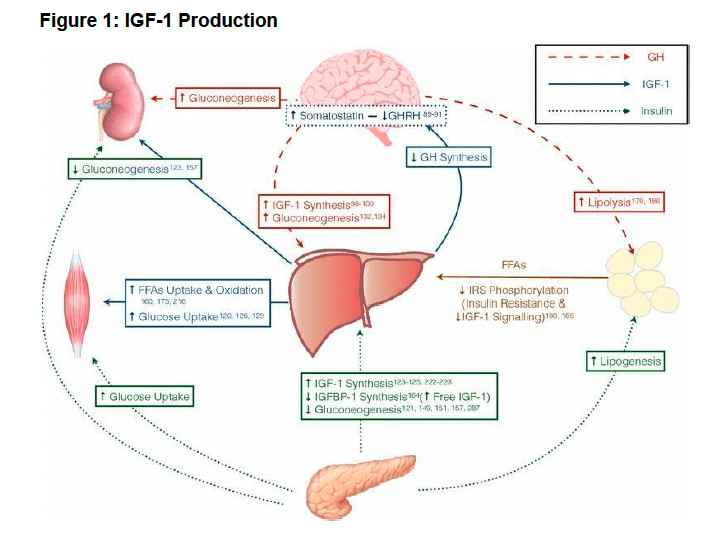
1771452406127


After GH is secreted -> binds receptors in the liver and other tissues -> stimulates production of IGF-1 -> circulates in the blood -> acts locally on cartilage/bone/muscle to drive cell proliferation + differentiation (growth). During childhood and especially in your adolescence, rising GH secretions -> increase in IGF-1 levels -> major driver in pubertal growth.

Although GH has some direct effects on tissues, the actual growth is from IGF-1 and related IGF-1s. I feel like most people confuse GH as the sole trigger of growth but in fact it must trigger IGF-1 which can then help with growth. The three axes that I recommend everyone to study and research are IGF-1, estrogen, and androgens as these are less popularized than GH but are crucial for understanding - thanks @Zagro

Going back to IGFs and IGF-1, these promote hyperplasia (increasing cell number) + hypertrophy (increasing cell size) in many tissues, particularly cartilage in growth plates of long bones. These IGFs are structurally similar to insulin (hence their name insulin like growth factor) and share overlapping receptor pathways that influence lots of stuff like protein synthesis and glucose handling (this in particular will come into play later). GH is required for the normal hepatic synthesis of IGF-1 (IGF-2 is pretty irrelevant for growth which is what this thread is focused on).

Now we are getting into the real sauce, rhGH. This stands for recombinant human growth hormone is typically supplied in a lyophilized powder in small vials that must be reconstituted with a sterile diluent to form a liquid solution -> then can be subq injected.

Aromatase inhibitors (ais) are anti-estrogen drugs that basically block estrogen production by inhibiting the aromatase enzyme -> which converts androgens like testosterone into estrogens such as estradiol and estrone (it is important to keep these low in order to maximize the amount of time you have before epiphyseal closure). Clinically anastrozole, letrozole, and exemestane are quote on quote "third gen" ais and are widely used to lower estrogen.

Aromatase is expressed in multiple tissues and its job is to essentially turn circulating androgens into estrogens. Estrogens is actually a family of hormones (mainly estradiol, estrone, and estriol) with estradiol being the most dominant and potent one (especially for teens). In the skeleton, estradiol speeds up growth plate "aging" and promotes the conversion of growth-plate cartilage into bone -> accelerates how fast your growth plates are going to close -> therefore shortens remaining time for height gain.

What's crazy is that multiple meta-analyses / data show that once estradiol passes a certain threshold in puberty, growth plates proceed to fusion and growth stops EVEN if growth hormone is still present. I cannot stress enough how important it is to avoid aromatizing things in general and to keep your e2 at an ideal low range if you want to maximize your growth.

In short, AIs are used bc estrogen is the key driver of growth plate closure and carefully lowering estradiol with an AI can slow bone age advancement and delay this closure so you can fully max your growth out.

There are multiple types of AIs: anastrozole, letrozole, exemestane. All three standard agents strongly suppress aromatase activity and can reduce estrogen production by roughly 95–98% at therapeutic doses. The distinctions between them are that anastrozole and letrozole are non‑steroidal, reversible aromatase inhibitors / exemestane is steroidal and acts as an “inactivator” (it binds irreversibly and leads to enzyme degradation), so recovery of aromatase depends on new enzyme synthesis.

There really is no consistent clinical difference in overall efficacy between them though letrozole is more potent in suppressing aromatase in some studies. Estradiol has two key effects on growth plates.

1. A reversible effect - it can acutely slow proliferation and growth plate activity at higher doses.

2. An irreversible effect - it speeds up the intrinsic senescence program of the growth plate, ultimately leading to fusion and permanent cessation of growth.

Even short periods of higher estradiol can advance growth plate senescence and fusion in scientific models, and children with precocious puberty show permanently advanced bone age even after estrogen levels are normalized. Shortly put, the rationale for AI use in our growth protocol is to keep estradiol in a lower but still physiological range -> attempting to maintain growth while slowing bone age progression.

For the AI of my choice I would recommend exemestane as there have been lots of people who claim to have problems when on ana / letro (ranging from estrogen coming back to super strong side effects as these are more potent, but marginally).

We especially want to avoid an estrogen rebound as it's a phenomenon where the body experiences a surge in estrogen after discontinuing or reducing the dose of an AI like ana or letro. This rebound effect happens b/c these AIs suppress the production of estrogen so much (i.e. up to 98% in ana), but once this AI is stopped, the estrogen levels rise -> this abrupt rise in the body's natural production can lead to -> premature growth plate closure -> all caused by possibly just missing one dose of a non-steroidal AI. The difference and reason why I recommend exemestane is b/c it is steroidal when compared to the other two.

For dosing exemestane is prescribed as a 25mg tablet taken once daily. But for what we want to do this is very high, which is why the pill is usually cut.
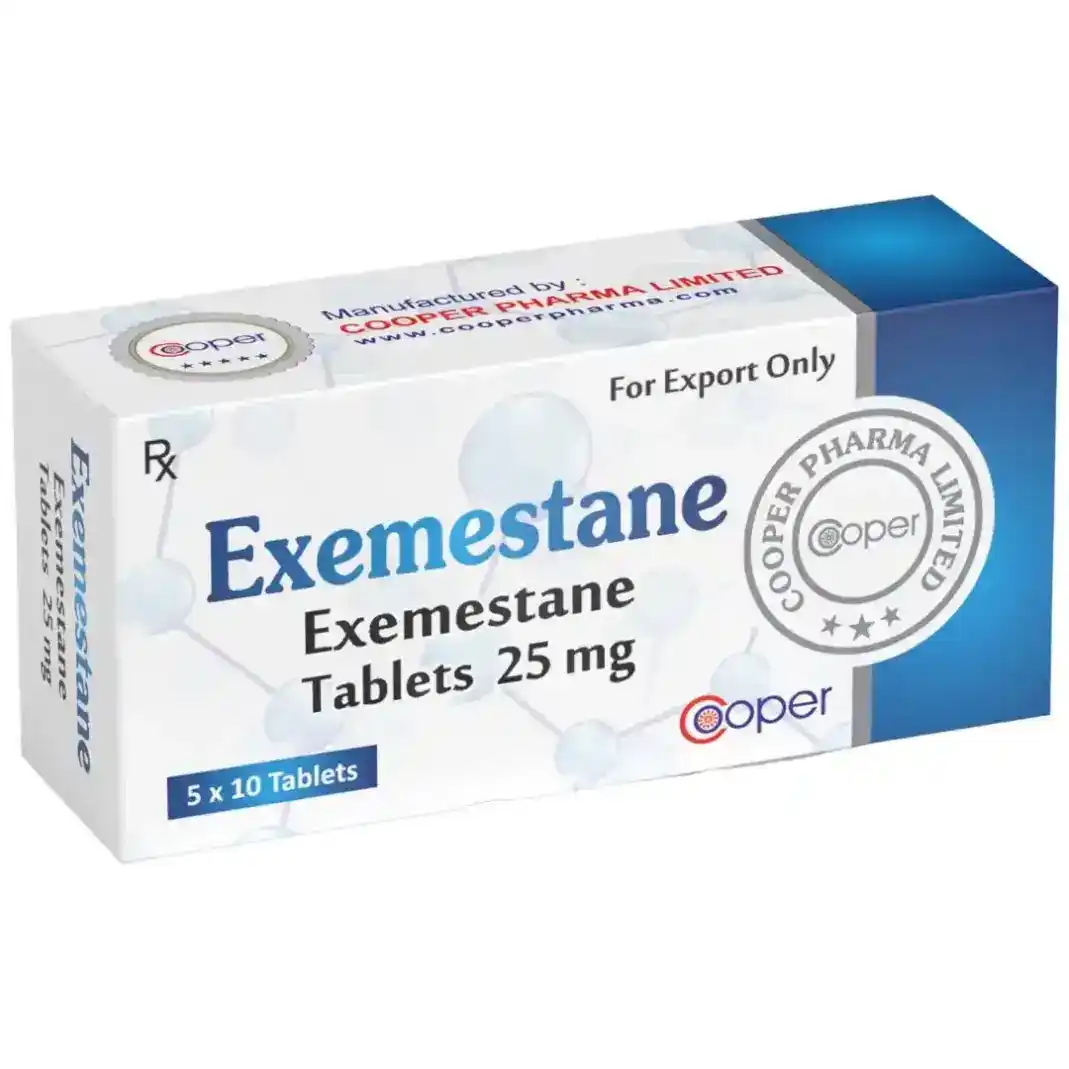
1771452524208

-------------------------------------------------------------------------------------------------------------------------------------------------------


HGH IS COPE IF YOU AREN'T DEFICIENT IN IT - YOU CAN'T GROW PAST YOUR GENETIC POTENTIAL - HAVE FUN GETTING CANCER (insert cryning wojack)

JFL.
The amount of retarded cagefuel I see posted against HGH on this forum is laughable, specifically is the most insufferable one, true Dunning Kruger effect jfl @Ahmed88

Sources: Final adult height of children with idiopathic short stature: a multicenter study on GH therapy alone started during peri-puberty | BMC Pediatrics | Springer Nature Link
Randomized Trial of Aromatase Inhibitors, Growth Hormone, or Combination in Pubertal Boys with Idiopathic, Short Stature - PubMed
Growth hormone (GH) treatment to final height in children with idiopathic short stature: evidence for a dose effect - PubMed

For the benefits of rhGH paired with AIs (internally, extenerally, and behaviorally) along with the drawbacks (common, somewhat common, and rare) there is probably a million other threads which cover this as it would be useless for me to simply restate what has already been said and is from my knowledge vetted information.

Anyways bhais it is getting late and I wanted to make this post in order explain how rhGH paired with an AI can be extremely beneficial and is BACKED BY SCIENCE. This is a pretty surface level thread so make sure to dive more into the science and dosing behind this if you want to start it.

It’s never over, except for @Dr Sonne maybe ROFL
 
  • +1
  • Love it
  • Woah
Reactions: Terti, Noahlooksmaxx, currycel67 and 17 others
@Nebelix28 @Mazilias @hye732 @hej1377 @Mainlander @DnrGriffith
 
  • +1
Reactions: Stacyslayerᛉ, Mainlander, Mazilias and 5 others
Ima be honest, when i firdt scrolled and saw just a wall of text i assumed it was ai slop, but this was actually a really good thread, gave sources, correct info, well structured

And i also really like that you added this cruicial part which often is neglected
HGH IS COPE IF YOU AREN'T DEFICIENT IN IT - YOU CAN'T GROW PAST YOUR GENETIC POTENTIAL

So mirin dude, deserves a pin imo especially as there is so many questions around this
 
Last edited:
  • +1
Reactions: currycel67, Zagro and Deroga
bump
 
  • +1
Reactions: currycel67 and Stacyslayerᛉ
Goated thread :Comfy:
 
  • +1
Reactions: currycel67, Zagro and Deroga
HGH IS COPE IF YOU AREN'T DEFICIENT IN IT - YOU CAN'T GROW PAST YOUR GENETIC POTENTIAL - HAVE FUN GETTING CANCER (insert cryning wojack)

You do realize that “idiopathic short stature” means that they are short without a growth hormone deficiency—right? Therefore, your point about hgh being cope unless you are genuinely deficient is incorrect, based on the sources you yourself cited.
 
Last edited:
  • +1
Reactions: Noahlooksmaxx, currycel67 and Zagro
You do realize that “idiopathic short stature” means that they are short without a growth hormone deficiency—right? Therefore, your point about hgh being cope unless you are genuinely deficient is incorrect, based on the sources you yourself cited.
Dawg what? Did you even read my thread, this entire thread is about how HGH isn't cope, unless I'm misinterpreting what you're trying to state?
 
  • +1
Reactions: Noahlooksmaxx, currycel67, Stacyslayerᛉ and 2 others
Dawg what? Did you even read my thread, this entire thread is about how HGH isn't cope, unless I'm misinterpreting what you're trying to state?
HGH IS COPE IF YOU AREN'T DEFICIENT IN IT - YOU CAN'T GROW PAST YOUR GENETIC POTENTIAL - HAVE FUN GETTING CANCER (insert cryning wojack)
You say gh is cope if you are not deficient right here.
Unless you are trolling with this statement, this is incorrect based on your evidence. The studies you cite illustrate that hgh is effective in children with idiopathic short stature, meaning children who have normal growth hormone levels and other physiology, yet are still short. Therefore, growth hormone would not be cope in people with normal gh levels, as the studies demonstrate significant change in final adult height in children with normal levels when they are treated with hgh.
 
  • +1
Reactions: shibeed and Zagro
You say gh is cope if you are not deficient right here.
Unless you are trolling with this statement, this is incorrect based on your evidence. The studies you cite illustrate that hgh is effective in children with idiopathic short stature, meaning children who have normal growth hormone levels and other physiology yet are still short. Therefore. growth hormone would not be cope even with normal levels, as the studies demonstrate significant change in final adult height in children with normal levels when they are treated with hgh.
This was making fun of people who make those claims, my entire thread is promoting GH with AIs.
 
  • +1
Reactions: Stacyslayerᛉ, Zagro and chudpiller
This was making fun of people who make those claims, my entire thread is promoting GH with AIs.
Ahh my bad didn’t realize the sarcasm. Glad to see we agree.
 
  • +1
Reactions: shibeed, Zagro and Deroga
A document covering the foundations of HGH/rhGH, IGF-1, and AIs
(Disclaimer: I wrote this in about an hour or so)


Human growth hormone is a naturally occurring hormone made by specialized cells in the anterior pituitary gland and is released into the bloodstream in pulses. This happens especially at night and during puberty. Besides HGH, the anterior pituitary also produces several other very important hormones. These include thyroid‑stimulating hormone (TSH), adrenocorticotropic hormone (ACTH), follicle‑stimulating hormone (FSH), luteinizing hormone (LH), and melanocyte‑stimulating hormone (MSH). All of these target different endocrine glands (i.e. thyroid, adrenal cortex, gonads, etc).

Hormones in general are chemical messengers released by endocrine glands into circulation where they travel to tissue and bind to specific receptors for specific tasks. The endocrine system is the body's network of these hormone-secreting glands which together coordinate physiological processes. The most important process (for us) is the growth and bone development process.

HGH's main physiological role is to promote growth, tissue repair, and cellular regeneration by acting directly on target issues and indirectly through IGF-1.

View attachment 4672373


After GH is secreted -> binds receptors in the liver and other tissues -> stimulates production of IGF-1 -> circulates in the blood -> acts locally on cartilage/bone/muscle to drive cell proliferation + differentiation (growth). During childhood and especially in your adolescence, rising GH secretions -> increase in IGF-1 levels -> major driver in pubertal growth.

Although GH has some direct effects on tissues, the actual growth is from IGF-1 and related IGF-1s. I feel like most people confuse GH as the sole trigger of growth but in fact it must trigger IGF-1 which can then help with growth. The three axes that I recommend everyone to study and research are IGF-1, estrogen, and androgens as these are less popularized than GH but are crucial for understanding - thanks @Zagro

Going back to IGFs and IGF-1, these promote hyperplasia (increasing cell number) + hypertrophy (increasing cell size) in many tissues, particularly cartilage in growth plates of long bones. These IGFs are structurally similar to insulin (hence their name insulin like growth factor) and share overlapping receptor pathways that influence lots of stuff like protein synthesis and glucose handling (this in particular will come into play later). GH is required for the normal hepatic synthesis of IGF-1 (IGF-2 is pretty irrelevant for growth which is what this thread is focused on).

Now we are getting into the real sauce, rhGH. This stands for recombinant human growth hormone is typically supplied in a lyophilized powder in small vials that must be reconstituted with a sterile diluent to form a liquid solution -> then can be subq injected.

Aromatase inhibitors (ais) are anti-estrogen drugs that basically block estrogen production by inhibiting the aromatase enzyme -> which converts androgens like testosterone into estrogens such as estradiol and estrone (it is important to keep these low in order to maximize the amount of time you have before epiphyseal closure). Clinically anastrozole, letrozole, and exemestane are quote on quote "third gen" ais and are widely used to lower estrogen.

Aromatase is expressed in multiple tissues and its job is to essentially turn circulating androgens into estrogens. Estrogens is actually a family of hormones (mainly estradiol, estrone, and estriol) with estradiol being the most dominant and potent one (especially for teens). In the skeleton, estradiol speeds up growth plate "aging" and promotes the conversion of growth-plate cartilage into bone -> accelerates how fast your growth plates are going to close -> therefore shortens remaining time for height gain.

What's crazy is that multiple meta-analyses / data show that once estradiol passes a certain threshold in puberty, growth plates proceed to fusion and growth stops EVEN if growth hormone is still present. I cannot stress enough how important it is to avoid aromatizing things in general and to keep your e2 at an ideal low range if you want to maximize your growth.

In short, AIs are used bc estrogen is the key driver of growth plate closure and carefully lowering estradiol with an AI can slow bone age advancement and delay this closure so you can fully max your growth out.

There are multiple types of AIs: anastrozole, letrozole, exemestane. All three standard agents strongly suppress aromatase activity and can reduce estrogen production by roughly 95–98% at therapeutic doses. The distinctions between them are that anastrozole and letrozole are non‑steroidal, reversible aromatase inhibitors / exemestane is steroidal and acts as an “inactivator” (it binds irreversibly and leads to enzyme degradation), so recovery of aromatase depends on new enzyme synthesis.

There really is no consistent clinical difference in overall efficacy between them though letrozole is more potent in suppressing aromatase in some studies. Estradiol has two key effects on growth plates.

1. A reversible effect - it can acutely slow proliferation and growth plate activity at higher doses.

2. An irreversible effect - it speeds up the intrinsic senescence program of the growth plate, ultimately leading to fusion and permanent cessation of growth.

Even short periods of higher estradiol can advance growth plate senescence and fusion in scientific models, and children with precocious puberty show permanently advanced bone age even after estrogen levels are normalized. Shortly put, the rationale for AI use in our growth protocol is to keep estradiol in a lower but still physiological range -> attempting to maintain growth while slowing bone age progression.

For the AI of my choice I would recommend exemestane as there have been lots of people who claim to have problems when on ana / letro (ranging from estrogen coming back to super strong side effects as these are more potent, but marginally).

We especially want to avoid an estrogen rebound as it's a phenomenon where the body experiences a surge in estrogen after discontinuing or reducing the dose of an AI like ana or letro. This rebound effect happens b/c these AIs suppress the production of estrogen so much (i.e. up to 98% in ana), but once this AI is stopped, the estrogen levels rise -> this abrupt rise in the body's natural production can lead to -> premature growth plate closure -> all caused by possibly just missing one dose of a non-steroidal AI. The difference and reason why I recommend exemestane is b/c it is steroidal when compared to the other two.

For dosing exemestane is prescribed as a 25mg tablet taken once daily. But for what we want to do this is very high, which is why the pill is usually cut.

View attachment 4672381
-------------------------------------------------------------------------------------------------------------------------------------------------------

HGH IS COPE IF YOU AREN'T DEFICIENT IN IT - YOU CAN'T GROW PAST YOUR GENETIC POTENTIAL - HAVE FUN GETTING CANCER (insert cryning wojack)

JFL.
The amount of retarded cagefuel I see posted against HGH on this forum is laughable, specifically is the most insufferable one, true Dunning Kruger effect jfl @Ahmed88

Sources: Final adult height of children with idiopathic short stature: a multicenter study on GH therapy alone started during peri-puberty | BMC Pediatrics | Springer Nature Link
Randomized Trial of Aromatase Inhibitors, Growth Hormone, or Combination in Pubertal Boys with Idiopathic, Short Stature - PubMed
Growth hormone (GH) treatment to final height in children with idiopathic short stature: evidence for a dose effect - PubMed

For the benefits of rhGH paired with AIs (internally, extenerally, and behaviorally) along with the drawbacks (common, somewhat common, and rare) there is probably a million other threads which cover this as it would be useless for me to simply restate what has already been said and is from my knowledge vetted information.

Anyways bhais it is getting late and I wanted to make this post in order explain how rhGH paired with an AI can be extremely beneficial and is BACKED BY SCIENCE. This is a pretty surface level thread so make sure to dive more into the science and dosing behind this if you want to start it.

It’s never over, except for @Dr Sonne maybe ROFL
son what
 
A document covering the foundations of HGH/rhGH, IGF-1, and AIs
(Disclaimer: I wrote this in about an hour or so)


Human growth hormone is a naturally occurring hormone made by specialized cells in the anterior pituitary gland and is released into the bloodstream in pulses. This happens especially at night and during puberty. Besides HGH, the anterior pituitary also produces several other very important hormones. These include thyroid‑stimulating hormone (TSH), adrenocorticotropic hormone (ACTH), follicle‑stimulating hormone (FSH), luteinizing hormone (LH), and melanocyte‑stimulating hormone (MSH). All of these target different endocrine glands (i.e. thyroid, adrenal cortex, gonads, etc).

Hormones in general are chemical messengers released by endocrine glands into circulation where they travel to tissue and bind to specific receptors for specific tasks. The endocrine system is the body's network of these hormone-secreting glands which together coordinate physiological processes. The most important process (for us) is the growth and bone development process.

HGH's main physiological role is to promote growth, tissue repair, and cellular regeneration by acting directly on target issues and indirectly through IGF-1.

View attachment 4672373


After GH is secreted -> binds receptors in the liver and other tissues -> stimulates production of IGF-1 -> circulates in the blood -> acts locally on cartilage/bone/muscle to drive cell proliferation + differentiation (growth). During childhood and especially in your adolescence, rising GH secretions -> increase in IGF-1 levels -> major driver in pubertal growth.

Although GH has some direct effects on tissues, the actual growth is from IGF-1 and related IGF-1s. I feel like most people confuse GH as the sole trigger of growth but in fact it must trigger IGF-1 which can then help with growth. The three axes that I recommend everyone to study and research are IGF-1, estrogen, and androgens as these are less popularized than GH but are crucial for understanding - thanks @Zagro

Going back to IGFs and IGF-1, these promote hyperplasia (increasing cell number) + hypertrophy (increasing cell size) in many tissues, particularly cartilage in growth plates of long bones. These IGFs are structurally similar to insulin (hence their name insulin like growth factor) and share overlapping receptor pathways that influence lots of stuff like protein synthesis and glucose handling (this in particular will come into play later). GH is required for the normal hepatic synthesis of IGF-1 (IGF-2 is pretty irrelevant for growth which is what this thread is focused on).

Now we are getting into the real sauce, rhGH. This stands for recombinant human growth hormone is typically supplied in a lyophilized powder in small vials that must be reconstituted with a sterile diluent to form a liquid solution -> then can be subq injected.

Aromatase inhibitors (ais) are anti-estrogen drugs that basically block estrogen production by inhibiting the aromatase enzyme -> which converts androgens like testosterone into estrogens such as estradiol and estrone (it is important to keep these low in order to maximize the amount of time you have before epiphyseal closure). Clinically anastrozole, letrozole, and exemestane are quote on quote "third gen" ais and are widely used to lower estrogen.

Aromatase is expressed in multiple tissues and its job is to essentially turn circulating androgens into estrogens. Estrogens is actually a family of hormones (mainly estradiol, estrone, and estriol) with estradiol being the most dominant and potent one (especially for teens). In the skeleton, estradiol speeds up growth plate "aging" and promotes the conversion of growth-plate cartilage into bone -> accelerates how fast your growth plates are going to close -> therefore shortens remaining time for height gain.

What's crazy is that multiple meta-analyses / data show that once estradiol passes a certain threshold in puberty, growth plates proceed to fusion and growth stops EVEN if growth hormone is still present. I cannot stress enough how important it is to avoid aromatizing things in general and to keep your e2 at an ideal low range if you want to maximize your growth.

In short, AIs are used bc estrogen is the key driver of growth plate closure and carefully lowering estradiol with an AI can slow bone age advancement and delay this closure so you can fully max your growth out.

There are multiple types of AIs: anastrozole, letrozole, exemestane. All three standard agents strongly suppress aromatase activity and can reduce estrogen production by roughly 95–98% at therapeutic doses. The distinctions between them are that anastrozole and letrozole are non‑steroidal, reversible aromatase inhibitors / exemestane is steroidal and acts as an “inactivator” (it binds irreversibly and leads to enzyme degradation), so recovery of aromatase depends on new enzyme synthesis.

There really is no consistent clinical difference in overall efficacy between them though letrozole is more potent in suppressing aromatase in some studies. Estradiol has two key effects on growth plates.

1. A reversible effect - it can acutely slow proliferation and growth plate activity at higher doses.

2. An irreversible effect - it speeds up the intrinsic senescence program of the growth plate, ultimately leading to fusion and permanent cessation of growth.

Even short periods of higher estradiol can advance growth plate senescence and fusion in scientific models, and children with precocious puberty show permanently advanced bone age even after estrogen levels are normalized. Shortly put, the rationale for AI use in our growth protocol is to keep estradiol in a lower but still physiological range -> attempting to maintain growth while slowing bone age progression.

For the AI of my choice I would recommend exemestane as there have been lots of people who claim to have problems when on ana / letro (ranging from estrogen coming back to super strong side effects as these are more potent, but marginally).

We especially want to avoid an estrogen rebound as it's a phenomenon where the body experiences a surge in estrogen after discontinuing or reducing the dose of an AI like ana or letro. This rebound effect happens b/c these AIs suppress the production of estrogen so much (i.e. up to 98% in ana), but once this AI is stopped, the estrogen levels rise -> this abrupt rise in the body's natural production can lead to -> premature growth plate closure -> all caused by possibly just missing one dose of a non-steroidal AI. The difference and reason why I recommend exemestane is b/c it is steroidal when compared to the other two.

For dosing exemestane is prescribed as a 25mg tablet taken once daily. But for what we want to do this is very high, which is why the pill is usually cut.

View attachment 4672381
-------------------------------------------------------------------------------------------------------------------------------------------------------

HGH IS COPE IF YOU AREN'T DEFICIENT IN IT - YOU CAN'T GROW PAST YOUR GENETIC POTENTIAL - HAVE FUN GETTING CANCER (insert cryning wojack)

JFL.
The amount of retarded cagefuel I see posted against HGH on this forum is laughable, specifically is the most insufferable one, true Dunning Kruger effect jfl @Ahmed88

Sources: Final adult height of children with idiopathic short stature: a multicenter study on GH therapy alone started during peri-puberty | BMC Pediatrics | Springer Nature Link
Randomized Trial of Aromatase Inhibitors, Growth Hormone, or Combination in Pubertal Boys with Idiopathic, Short Stature - PubMed
Growth hormone (GH) treatment to final height in children with idiopathic short stature: evidence for a dose effect - PubMed

For the benefits of rhGH paired with AIs (internally, extenerally, and behaviorally) along with the drawbacks (common, somewhat common, and rare) there is probably a million other threads which cover this as it would be useless for me to simply restate what has already been said and is from my knowledge vetted information.

Anyways bhais it is getting late and I wanted to make this post in order explain how rhGH paired with an AI can be extremely beneficial and is BACKED BY SCIENCE. This is a pretty surface level thread so make sure to dive more into the science and dosing behind this if you want to start it.

It’s never over, except for @Dr Sonne maybe ROFL
finally someone puts enough effort to convince niggas that exogenous gh causes increases in final adult height in non deficient people
combine with an ai, pth/pthrp analogue, androgens, and perhaps more niche stuff and profit
 
  • +1
Reactions: Deroga
A document covering the foundations of HGH/rhGH, IGF-1, and AIs
(Disclaimer: I wrote this in about an hour or so)


Human growth hormone is a naturally occurring hormone made by specialized cells in the anterior pituitary gland and is released into the bloodstream in pulses. This happens especially at night and during puberty. Besides HGH, the anterior pituitary also produces several other very important hormones. These include thyroid‑stimulating hormone (TSH), adrenocorticotropic hormone (ACTH), follicle‑stimulating hormone (FSH), luteinizing hormone (LH), and melanocyte‑stimulating hormone (MSH). All of these target different endocrine glands (i.e. thyroid, adrenal cortex, gonads, etc).

Hormones in general are chemical messengers released by endocrine glands into circulation where they travel to tissue and bind to specific receptors for specific tasks. The endocrine system is the body's network of these hormone-secreting glands which together coordinate physiological processes. The most important process (for us) is the growth and bone development process.

HGH's main physiological role is to promote growth, tissue repair, and cellular regeneration by acting directly on target issues and indirectly through IGF-1.

View attachment 4672373


After GH is secreted -> binds receptors in the liver and other tissues -> stimulates production of IGF-1 -> circulates in the blood -> acts locally on cartilage/bone/muscle to drive cell proliferation + differentiation (growth). During childhood and especially in your adolescence, rising GH secretions -> increase in IGF-1 levels -> major driver in pubertal growth.

Although GH has some direct effects on tissues, the actual growth is from IGF-1 and related IGF-1s. I feel like most people confuse GH as the sole trigger of growth but in fact it must trigger IGF-1 which can then help with growth. The three axes that I recommend everyone to study and research are IGF-1, estrogen, and androgens as these are less popularized than GH but are crucial for understanding - thanks @Zagro

Going back to IGFs and IGF-1, these promote hyperplasia (increasing cell number) + hypertrophy (increasing cell size) in many tissues, particularly cartilage in growth plates of long bones. These IGFs are structurally similar to insulin (hence their name insulin like growth factor) and share overlapping receptor pathways that influence lots of stuff like protein synthesis and glucose handling (this in particular will come into play later). GH is required for the normal hepatic synthesis of IGF-1 (IGF-2 is pretty irrelevant for growth which is what this thread is focused on).

Now we are getting into the real sauce, rhGH. This stands for recombinant human growth hormone is typically supplied in a lyophilized powder in small vials that must be reconstituted with a sterile diluent to form a liquid solution -> then can be subq injected.

Aromatase inhibitors (ais) are anti-estrogen drugs that basically block estrogen production by inhibiting the aromatase enzyme -> which converts androgens like testosterone into estrogens such as estradiol and estrone (it is important to keep these low in order to maximize the amount of time you have before epiphyseal closure). Clinically anastrozole, letrozole, and exemestane are quote on quote "third gen" ais and are widely used to lower estrogen.

Aromatase is expressed in multiple tissues and its job is to essentially turn circulating androgens into estrogens. Estrogens is actually a family of hormones (mainly estradiol, estrone, and estriol) with estradiol being the most dominant and potent one (especially for teens). In the skeleton, estradiol speeds up growth plate "aging" and promotes the conversion of growth-plate cartilage into bone -> accelerates how fast your growth plates are going to close -> therefore shortens remaining time for height gain.

What's crazy is that multiple meta-analyses / data show that once estradiol passes a certain threshold in puberty, growth plates proceed to fusion and growth stops EVEN if growth hormone is still present. I cannot stress enough how important it is to avoid aromatizing things in general and to keep your e2 at an ideal low range if you want to maximize your growth.

In short, AIs are used bc estrogen is the key driver of growth plate closure and carefully lowering estradiol with an AI can slow bone age advancement and delay this closure so you can fully max your growth out.

There are multiple types of AIs: anastrozole, letrozole, exemestane. All three standard agents strongly suppress aromatase activity and can reduce estrogen production by roughly 95–98% at therapeutic doses. The distinctions between them are that anastrozole and letrozole are non‑steroidal, reversible aromatase inhibitors / exemestane is steroidal and acts as an “inactivator” (it binds irreversibly and leads to enzyme degradation), so recovery of aromatase depends on new enzyme synthesis.

There really is no consistent clinical difference in overall efficacy between them though letrozole is more potent in suppressing aromatase in some studies. Estradiol has two key effects on growth plates.

1. A reversible effect - it can acutely slow proliferation and growth plate activity at higher doses.

2. An irreversible effect - it speeds up the intrinsic senescence program of the growth plate, ultimately leading to fusion and permanent cessation of growth.

Even short periods of higher estradiol can advance growth plate senescence and fusion in scientific models, and children with precocious puberty show permanently advanced bone age even after estrogen levels are normalized. Shortly put, the rationale for AI use in our growth protocol is to keep estradiol in a lower but still physiological range -> attempting to maintain growth while slowing bone age progression.

For the AI of my choice I would recommend exemestane as there have been lots of people who claim to have problems when on ana / letro (ranging from estrogen coming back to super strong side effects as these are more potent, but marginally).

We especially want to avoid an estrogen rebound as it's a phenomenon where the body experiences a surge in estrogen after discontinuing or reducing the dose of an AI like ana or letro. This rebound effect happens b/c these AIs suppress the production of estrogen so much (i.e. up to 98% in ana), but once this AI is stopped, the estrogen levels rise -> this abrupt rise in the body's natural production can lead to -> premature growth plate closure -> all caused by possibly just missing one dose of a non-steroidal AI. The difference and reason why I recommend exemestane is b/c it is steroidal when compared to the other two.

For dosing exemestane is prescribed as a 25mg tablet taken once daily. But for what we want to do this is very high, which is why the pill is usually cut.

View attachment 4672381
-------------------------------------------------------------------------------------------------------------------------------------------------------

HGH IS COPE IF YOU AREN'T DEFICIENT IN IT - YOU CAN'T GROW PAST YOUR GENETIC POTENTIAL - HAVE FUN GETTING CANCER (insert cryning wojack)

JFL.
The amount of retarded cagefuel I see posted against HGH on this forum is laughable, specifically is the most insufferable one, true Dunning Kruger effect jfl @Ahmed88

Sources: Final adult height of children with idiopathic short stature: a multicenter study on GH therapy alone started during peri-puberty | BMC Pediatrics | Springer Nature Link
Randomized Trial of Aromatase Inhibitors, Growth Hormone, or Combination in Pubertal Boys with Idiopathic, Short Stature - PubMed
Growth hormone (GH) treatment to final height in children with idiopathic short stature: evidence for a dose effect - PubMed

For the benefits of rhGH paired with AIs (internally, extenerally, and behaviorally) along with the drawbacks (common, somewhat common, and rare) there is probably a million other threads which cover this as it would be useless for me to simply restate what has already been said and is from my knowledge vetted information.

Anyways bhais it is getting late and I wanted to make this post in order explain how rhGH paired with an AI can be extremely beneficial and is BACKED BY SCIENCE. This is a pretty surface level thread so make sure to dive more into the science and dosing behind this if you want to start it.

It’s never over, except for @Dr Sonne maybe ROFL
Very good post bhai:ABDULpls:
 
  • +1
Reactions: Deroga
What's crazy is that multiple meta-analyses / data show that once estradiol passes a certain threshold in puberty, growth plates proceed to fusion and growth stops EVEN if growth hormone is still present
Growth hormone is present in your body even when you're fucking 60 yrs old.
I don't understand the point you are trying to make with this sentence.
 
Growth hormone is present in your body even when you're fucking 60 yrs old.
I don't understand the point you are trying to make with this sentence.
Saying if estrogen gets to a certain point your growth plates will close and you won’t grow anymore even if you have gh and are in puberty
 
  • +1
Reactions: Deroga
I'd guess FGFR3 inhibitors are something to note too for height gains.
 
A document covering the foundations of HGH/rhGH, IGF-1, and AIs
(Disclaimer: I wrote this in about an hour or so)


Human growth hormone is a naturally occurring hormone made by specialized cells in the anterior pituitary gland and is released into the bloodstream in pulses. This happens especially at night and during puberty. Besides HGH, the anterior pituitary also produces several other very important hormones. These include thyroid‑stimulating hormone (TSH), adrenocorticotropic hormone (ACTH), follicle‑stimulating hormone (FSH), luteinizing hormone (LH), and melanocyte‑stimulating hormone (MSH). All of these target different endocrine glands (i.e. thyroid, adrenal cortex, gonads, etc).

Hormones in general are chemical messengers released by endocrine glands into circulation where they travel to tissue and bind to specific receptors for specific tasks. The endocrine system is the body's network of these hormone-secreting glands which together coordinate physiological processes. The most important process (for us) is the growth and bone development process.

HGH's main physiological role is to promote growth, tissue repair, and cellular regeneration by acting directly on target issues and indirectly through IGF-1.

View attachment 4672373


After GH is secreted -> binds receptors in the liver and other tissues -> stimulates production of IGF-1 -> circulates in the blood -> acts locally on cartilage/bone/muscle to drive cell proliferation + differentiation (growth). During childhood and especially in your adolescence, rising GH secretions -> increase in IGF-1 levels -> major driver in pubertal growth.

Although GH has some direct effects on tissues, the actual growth is from IGF-1 and related IGF-1s. I feel like most people confuse GH as the sole trigger of growth but in fact it must trigger IGF-1 which can then help with growth. The three axes that I recommend everyone to study and research are IGF-1, estrogen, and androgens as these are less popularized than GH but are crucial for understanding - thanks @Zagro

Going back to IGFs and IGF-1, these promote hyperplasia (increasing cell number) + hypertrophy (increasing cell size) in many tissues, particularly cartilage in growth plates of long bones. These IGFs are structurally similar to insulin (hence their name insulin like growth factor) and share overlapping receptor pathways that influence lots of stuff like protein synthesis and glucose handling (this in particular will come into play later). GH is required for the normal hepatic synthesis of IGF-1 (IGF-2 is pretty irrelevant for growth which is what this thread is focused on).

Now we are getting into the real sauce, rhGH. This stands for recombinant human growth hormone is typically supplied in a lyophilized powder in small vials that must be reconstituted with a sterile diluent to form a liquid solution -> then can be subq injected.

Aromatase inhibitors (ais) are anti-estrogen drugs that basically block estrogen production by inhibiting the aromatase enzyme -> which converts androgens like testosterone into estrogens such as estradiol and estrone (it is important to keep these low in order to maximize the amount of time you have before epiphyseal closure). Clinically anastrozole, letrozole, and exemestane are quote on quote "third gen" ais and are widely used to lower estrogen.

Aromatase is expressed in multiple tissues and its job is to essentially turn circulating androgens into estrogens. Estrogens is actually a family of hormones (mainly estradiol, estrone, and estriol) with estradiol being the most dominant and potent one (especially for teens). In the skeleton, estradiol speeds up growth plate "aging" and promotes the conversion of growth-plate cartilage into bone -> accelerates how fast your growth plates are going to close -> therefore shortens remaining time for height gain.

What's crazy is that multiple meta-analyses / data show that once estradiol passes a certain threshold in puberty, growth plates proceed to fusion and growth stops EVEN if growth hormone is still present. I cannot stress enough how important it is to avoid aromatizing things in general and to keep your e2 at an ideal low range if you want to maximize your growth.

In short, AIs are used bc estrogen is the key driver of growth plate closure and carefully lowering estradiol with an AI can slow bone age advancement and delay this closure so you can fully max your growth out.

There are multiple types of AIs: anastrozole, letrozole, exemestane. All three standard agents strongly suppress aromatase activity and can reduce estrogen production by roughly 95–98% at therapeutic doses. The distinctions between them are that anastrozole and letrozole are non‑steroidal, reversible aromatase inhibitors / exemestane is steroidal and acts as an “inactivator” (it binds irreversibly and leads to enzyme degradation), so recovery of aromatase depends on new enzyme synthesis.

There really is no consistent clinical difference in overall efficacy between them though letrozole is more potent in suppressing aromatase in some studies. Estradiol has two key effects on growth plates.

1. A reversible effect - it can acutely slow proliferation and growth plate activity at higher doses.

2. An irreversible effect - it speeds up the intrinsic senescence program of the growth plate, ultimately leading to fusion and permanent cessation of growth.

Even short periods of higher estradiol can advance growth plate senescence and fusion in scientific models, and children with precocious puberty show permanently advanced bone age even after estrogen levels are normalized. Shortly put, the rationale for AI use in our growth protocol is to keep estradiol in a lower but still physiological range -> attempting to maintain growth while slowing bone age progression.

For the AI of my choice I would recommend exemestane as there have been lots of people who claim to have problems when on ana / letro (ranging from estrogen coming back to super strong side effects as these are more potent, but marginally).

We especially want to avoid an estrogen rebound as it's a phenomenon where the body experiences a surge in estrogen after discontinuing or reducing the dose of an AI like ana or letro. This rebound effect happens b/c these AIs suppress the production of estrogen so much (i.e. up to 98% in ana), but once this AI is stopped, the estrogen levels rise -> this abrupt rise in the body's natural production can lead to -> premature growth plate closure -> all caused by possibly just missing one dose of a non-steroidal AI. The difference and reason why I recommend exemestane is b/c it is steroidal when compared to the other two.

For dosing exemestane is prescribed as a 25mg tablet taken once daily. But for what we want to do this is very high, which is why the pill is usually cut.

View attachment 4672381
-------------------------------------------------------------------------------------------------------------------------------------------------------

HGH IS COPE IF YOU AREN'T DEFICIENT IN IT - YOU CAN'T GROW PAST YOUR GENETIC POTENTIAL - HAVE FUN GETTING CANCER (insert cryning wojack)

JFL.
The amount of retarded cagefuel I see posted against HGH on this forum is laughable, specifically is the most insufferable one, true Dunning Kruger effect jfl @Ahmed88

Sources: Final adult height of children with idiopathic short stature: a multicenter study on GH therapy alone started during peri-puberty | BMC Pediatrics | Springer Nature Link
Randomized Trial of Aromatase Inhibitors, Growth Hormone, or Combination in Pubertal Boys with Idiopathic, Short Stature - PubMed
Growth hormone (GH) treatment to final height in children with idiopathic short stature: evidence for a dose effect - PubMed

For the benefits of rhGH paired with AIs (internally, extenerally, and behaviorally) along with the drawbacks (common, somewhat common, and rare) there is probably a million other threads which cover this as it would be useless for me to simply restate what has already been said and is from my knowledge vetted information.

Anyways bhais it is getting late and I wanted to make this post in order explain how rhGH paired with an AI can be extremely beneficial and is BACKED BY SCIENCE. This is a pretty surface level thread so make sure to dive more into the science and dosing behind this if you want to start it.

It’s never over, except for @Dr Sonne maybe ROFL
mirin, but there is no direct correlation between hgh and cancer (except u had cancer b4)

and local igf1 for hypertrophy (autocrine) is the key to building muslce, and u wont have that unless you use aas with hgh (you prob knew but some might not)
 

Similar threads

Andre10
Replies
3
Views
55
Andre10
Andre10
L
Replies
4
Views
69
smegor
smegor
N8Ascendz
Replies
3
Views
75
ntstephn
ntstephn
zennn
Replies
29
Views
157
zennn
zennn
S
Replies
0
Views
15
sC6910!
S

Users who are viewing this thread

Back
Top