


Atra


Sub-Mod
- Joined
- Nov 24, 2022
- Posts
- 9,152
- Reputation
- 28,997
What is GHK-Cu?
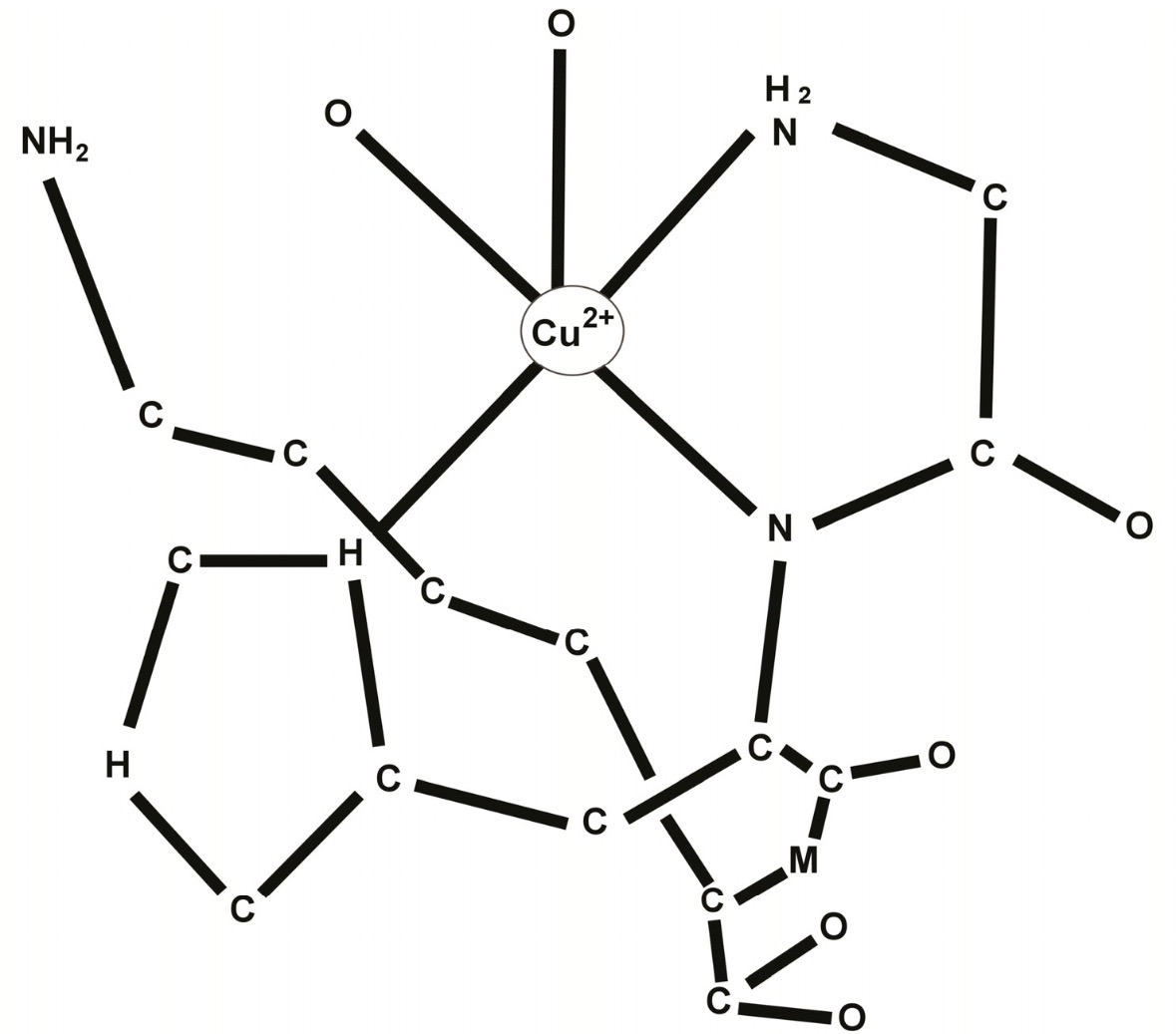
GHK-Cu is an endogenous tripeptide (Glycyl-L-Histidyl-L-Lysine) that binds copper ions.
It is naturally present in human plasma and plays an important role in tissue repair, skin and connective tissue regeneration, as well as cell signaling and gene regulation.
GHK levels decline significantly with age, which is associated with reduced regenerative capacity and increased inflammation.
GHK-Cu as a Gene Regulator
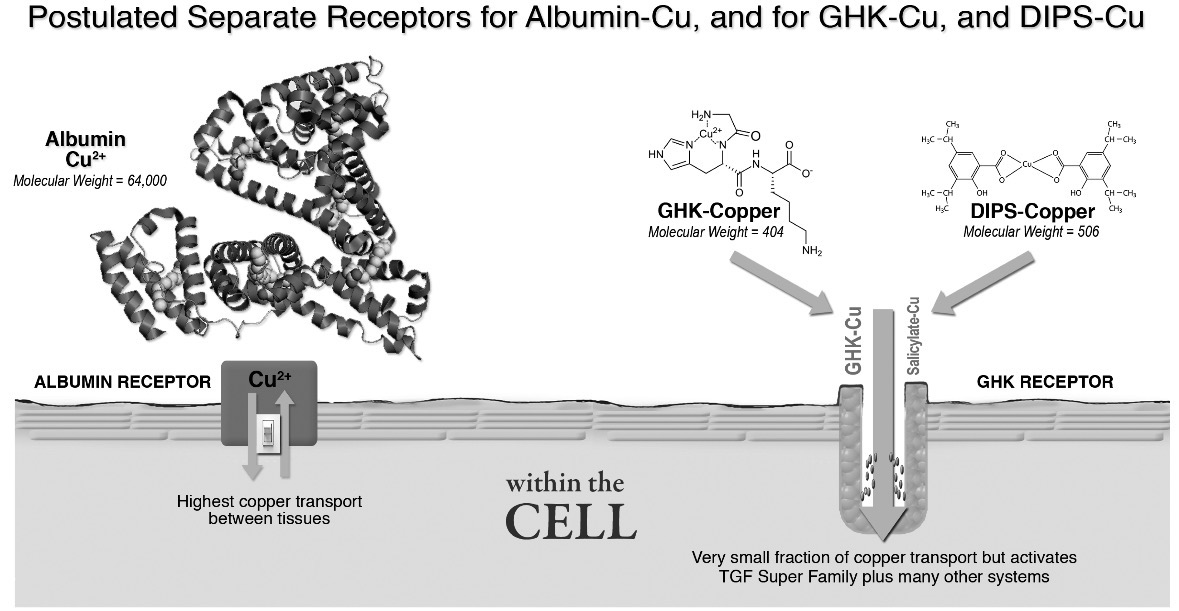
Recent gene expression analyses show that GHK-Cu influences thousands of genes simultaneously.
It upregulates genes involved in cellular repair, antioxidant defense, and protection mechanisms, while downregulating genes associated with inflammation and uncontrolled cell proliferation.
This positions GHK-Cu as a global biological regulator rather than a simple growth factor.
New Findings on Cancer Suppression
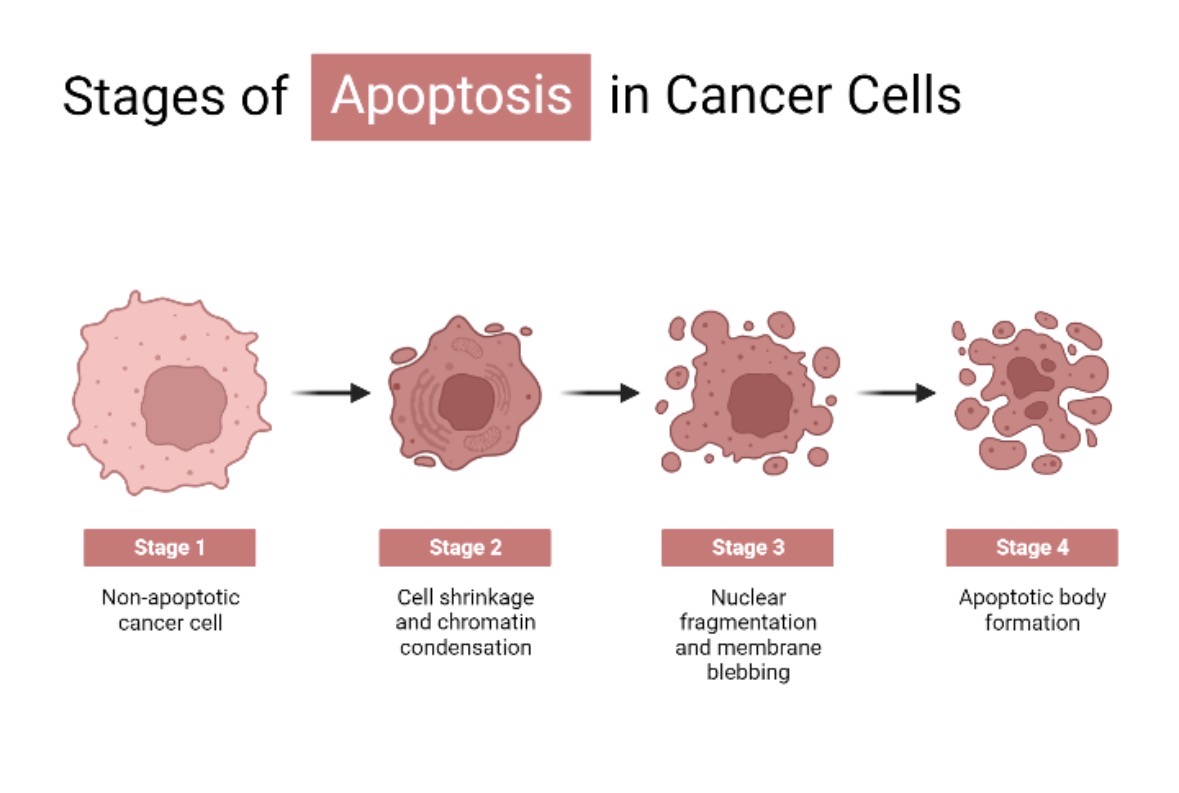
Newer analyses of gene and cell studies indicate that GHK-Cu actively suppresses cancer-related signaling pathways.
A central mechanism is the reactivation of apoptosis (programmed cell death):
Selective Action on Cells
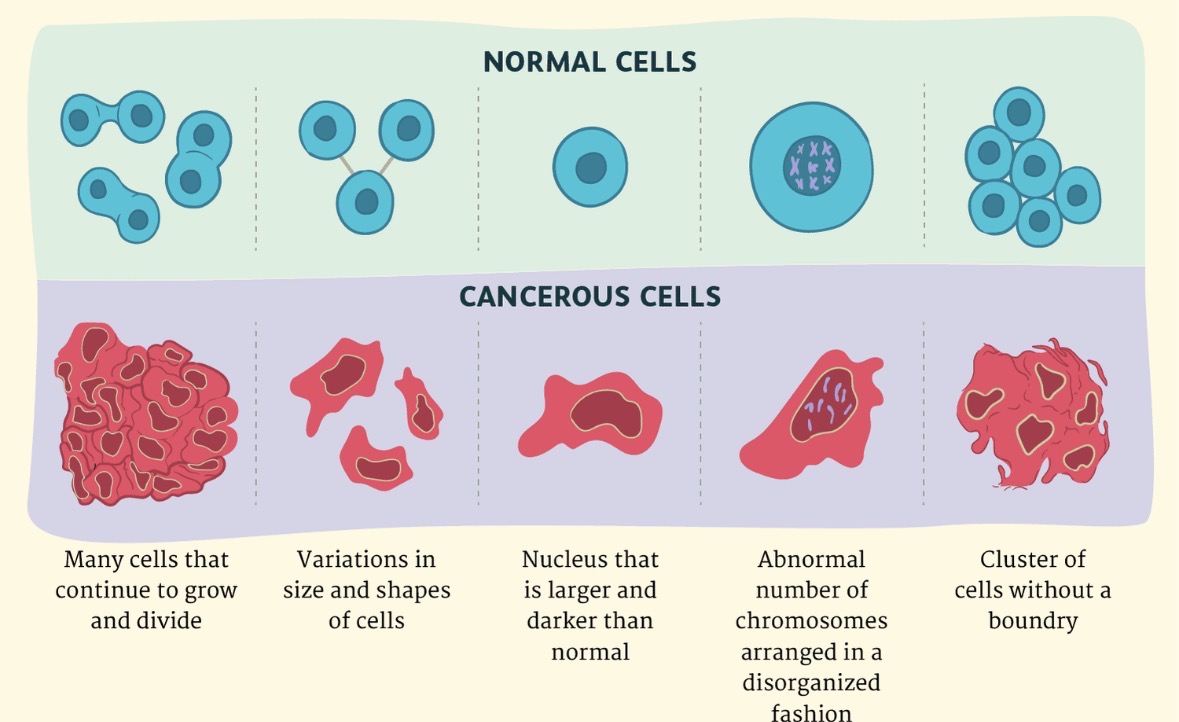
Cell studies demonstrate a highly selective effect of GHK-Cu.
Malignant cells such as neuroblastoma and lymphoma cells show inhibited growth, while healthy fibroblasts and skin cells are stimulated.
This indicates that GHK-Cu supports regeneration in healthy tissue while limiting the viability of cancerous cells.
Why Copper Matters
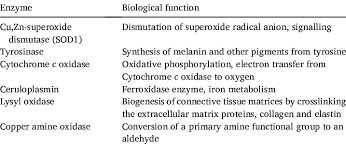
Copper is an essential trace element required for critical biological processes, including cellular respiration, antioxidant enzyme function, and collagen synthesis.
GHK serves as a safe copper transport molecule, delivering copper directly to cells where it is needed for repair and regulation, while minimizing the risks associated with free copper ions.
Anti-Cancer Gene Patterns
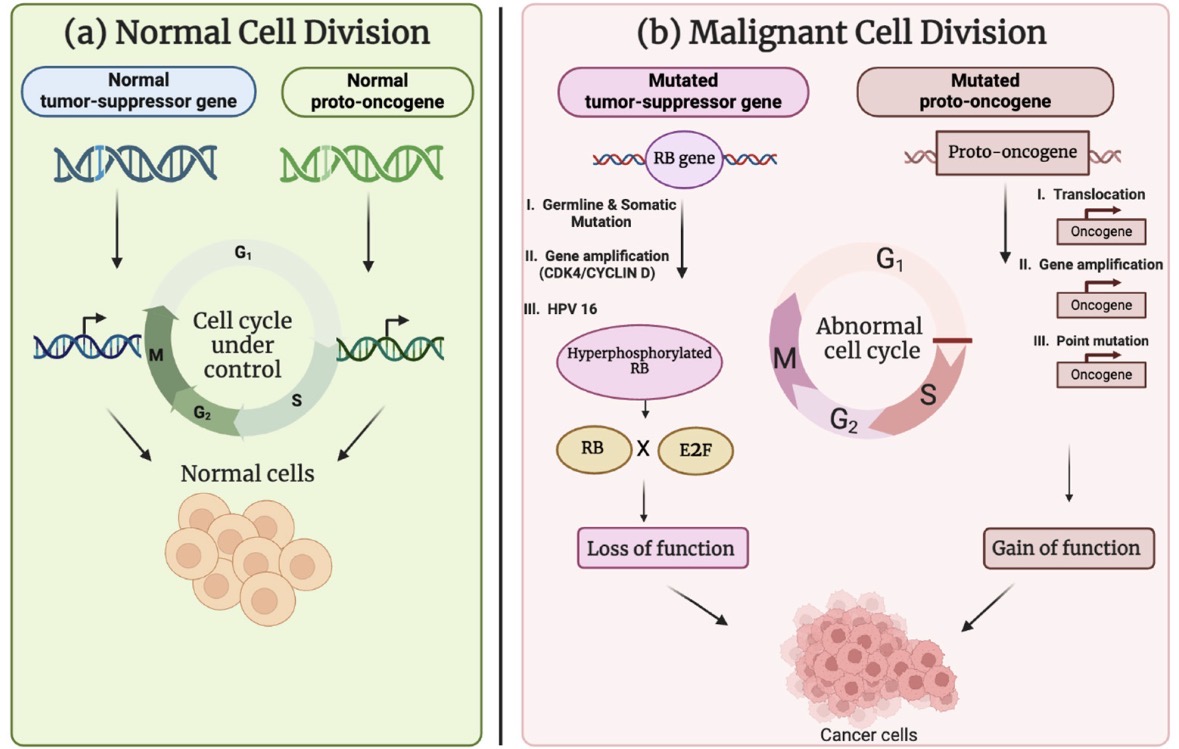
GHK-Cu has been shown to reduce RNA production in approximately 70% of genes that are typically overexpressed in cancer.
Many of these genes act as regulatory hubs controlling tumor growth, inflammation, and cell survival.
By disrupting these hubs, GHK-Cu weakens malignant cellular networks.
Preclinical Evidence
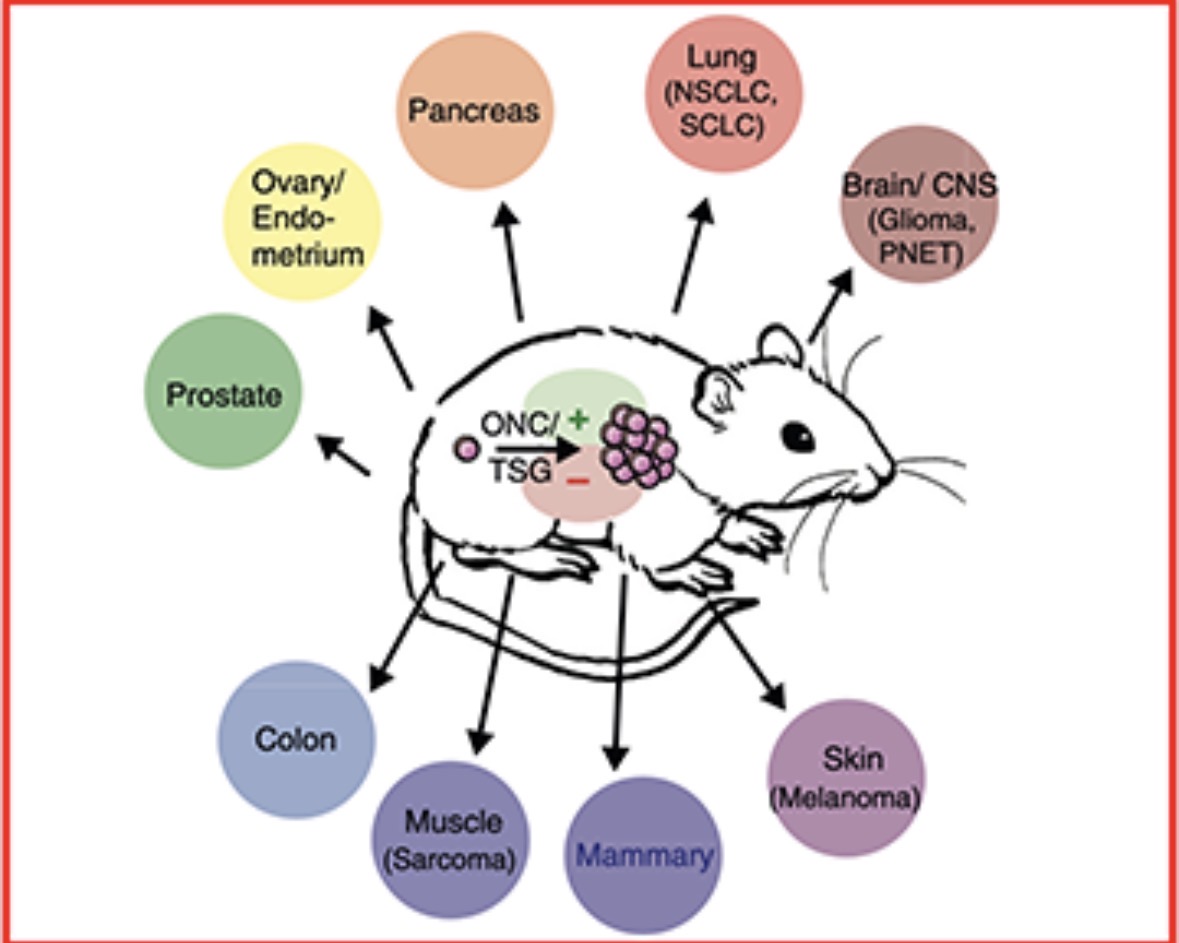
In preclinical animal models, including sarcoma-180 in mice, the combination of GHK-Cu with vitamin C resulted in significant tumor suppression at non-toxic doses.
Although these findings are not clinical evidence, they provide valuable insight into the biological mechanisms of GHK-Cu.
Skin Regeneration and Safety
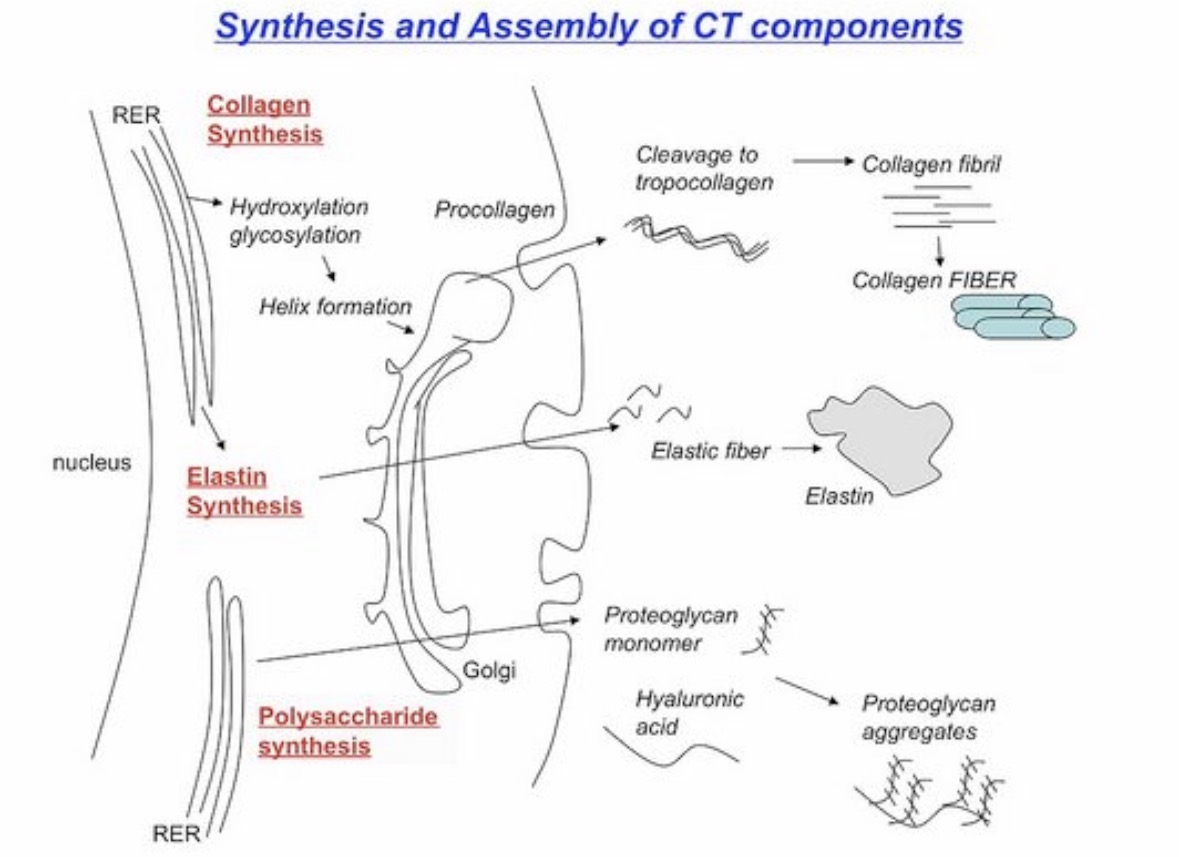
Despite its strong regenerative effects on skin and connective tissue, current data show no evidence of cancer-promoting activity.
Instead, regenerative signaling occurs alongside suppression of cancer-associated pathways, indicating controlled and balanced tissue repair.
GHK-Cu is an endogenous tripeptide (Glycyl-L-Histidyl-L-Lysine) that binds copper ions.
It is naturally present in human plasma and plays an important role in tissue repair, skin and connective tissue regeneration, as well as cell signaling and gene regulation.
GHK levels decline significantly with age, which is associated with reduced regenerative capacity and increased inflammation.
GHK-Cu as a Gene Regulator
Recent gene expression analyses show that GHK-Cu influences thousands of genes simultaneously.
It upregulates genes involved in cellular repair, antioxidant defense, and protection mechanisms, while downregulating genes associated with inflammation and uncontrolled cell proliferation.
This positions GHK-Cu as a global biological regulator rather than a simple growth factor.
New Findings on Cancer Suppression
Newer analyses of gene and cell studies indicate that GHK-Cu actively suppresses cancer-related signaling pathways.
A central mechanism is the reactivation of apoptosis (programmed cell death):
- Activation of caspase-3 and caspase-7
- Upregulation of multiple apoptosis-related genes
- Suppression of survival signaling in malignant cell
- This is particularly relevant, as the ability to evade apoptosis is a hallmark of cancer.
Selective Action on Cells
Cell studies demonstrate a highly selective effect of GHK-Cu.
Malignant cells such as neuroblastoma and lymphoma cells show inhibited growth, while healthy fibroblasts and skin cells are stimulated.
This indicates that GHK-Cu supports regeneration in healthy tissue while limiting the viability of cancerous cells.
Why Copper Matters
Copper is an essential trace element required for critical biological processes, including cellular respiration, antioxidant enzyme function, and collagen synthesis.
GHK serves as a safe copper transport molecule, delivering copper directly to cells where it is needed for repair and regulation, while minimizing the risks associated with free copper ions.
Anti-Cancer Gene Patterns
GHK-Cu has been shown to reduce RNA production in approximately 70% of genes that are typically overexpressed in cancer.
Many of these genes act as regulatory hubs controlling tumor growth, inflammation, and cell survival.
By disrupting these hubs, GHK-Cu weakens malignant cellular networks.
Preclinical Evidence
In preclinical animal models, including sarcoma-180 in mice, the combination of GHK-Cu with vitamin C resulted in significant tumor suppression at non-toxic doses.
Although these findings are not clinical evidence, they provide valuable insight into the biological mechanisms of GHK-Cu.
Skin Regeneration and Safety
Despite its strong regenerative effects on skin and connective tissue, current data show no evidence of cancer-promoting activity.
Instead, regenerative signaling occurs alongside suppression of cancer-associated pathways, indicating controlled and balanced tissue repair.
Conclusion

GHK-Cu is an endogenous peptide with strong regulatory effects at the cellular and genetic level.
Recent studies indicate that it supports regenerative processes while simultaneously suppressing cancer-related signaling pathways.
Key positive findings include its selective inhibition of malignant cells, activation of apoptosis, and support of healthy skin and tissue repair.
These properties make GHK-Cu one of the most promising peptides currently being studied in the fields of regeneration and preclinical cancer research.
GHK-Cu is an endogenous peptide with strong regulatory effects at the cellular and genetic level.
Recent studies indicate that it supports regenerative processes while simultaneously suppressing cancer-related signaling pathways.
Key positive findings include its selective inhibition of malignant cells, activation of apoptosis, and support of healthy skin and tissue repair.
These properties make GHK-Cu one of the most promising peptides currently being studied in the fields of regeneration and preclinical cancer research.


