
GHK-Cu (Copper Tripeptide): Regeneration, Gene Regulation & New Insights into Cancer Suppression

atra_

atra_

Master
Joined
Oct 22, 2025
Posts
1,681
Reputation
2,429
What is GHK-Cu?
IMG 3565

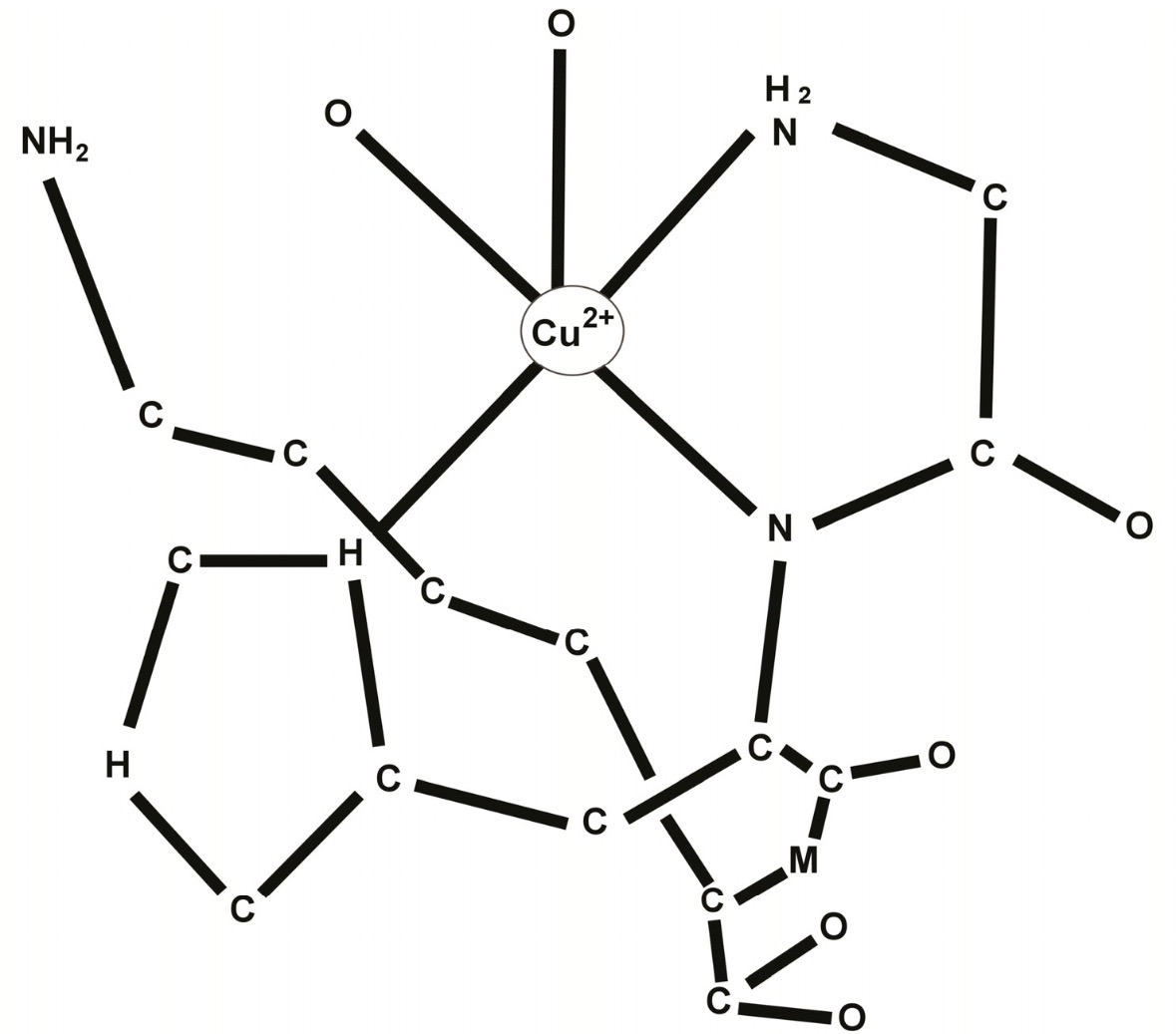
GHK-Cu is an endogenous tripeptide (Glycyl-L-Histidyl-L-Lysine) that binds copper ions.
It is naturally present in human plasma and plays an important role in tissue repair, skin and connective tissue regeneration, as well as cell signaling and gene regulation.
GHK levels decline significantly with age, which is associated with reduced regenerative capacity and increased inflammation.


GHK-Cu as a Gene Regulator
IMG 3566

Recent gene expression analyses show that GHK-Cu influences thousands of genes simultaneously.
It upregulates genes involved in cellular repair, antioxidant defense, and protection mechanisms, while downregulating genes associated with inflammation and uncontrolled cell proliferation.
This positions GHK-Cu as a global biological regulator rather than a simple growth factor.


New Findings on Cancer Suppression
IMG 3567

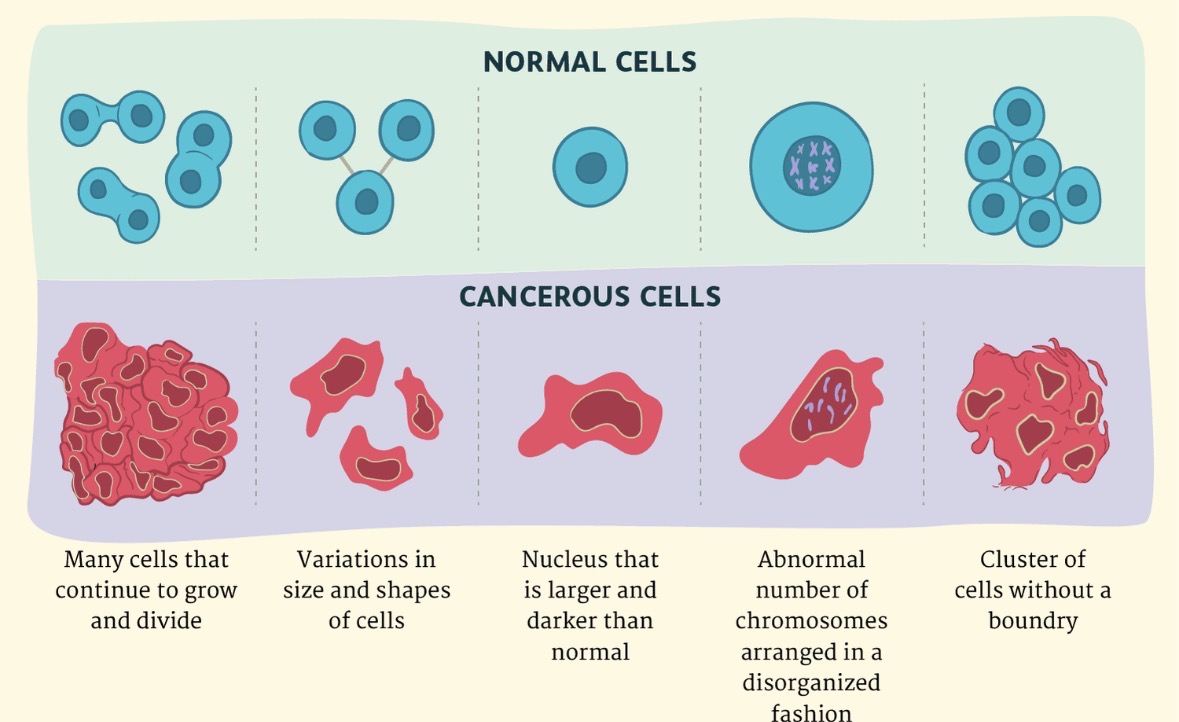
Newer analyses of gene and cell studies indicate that GHK-Cu actively suppresses cancer-related signaling pathways.
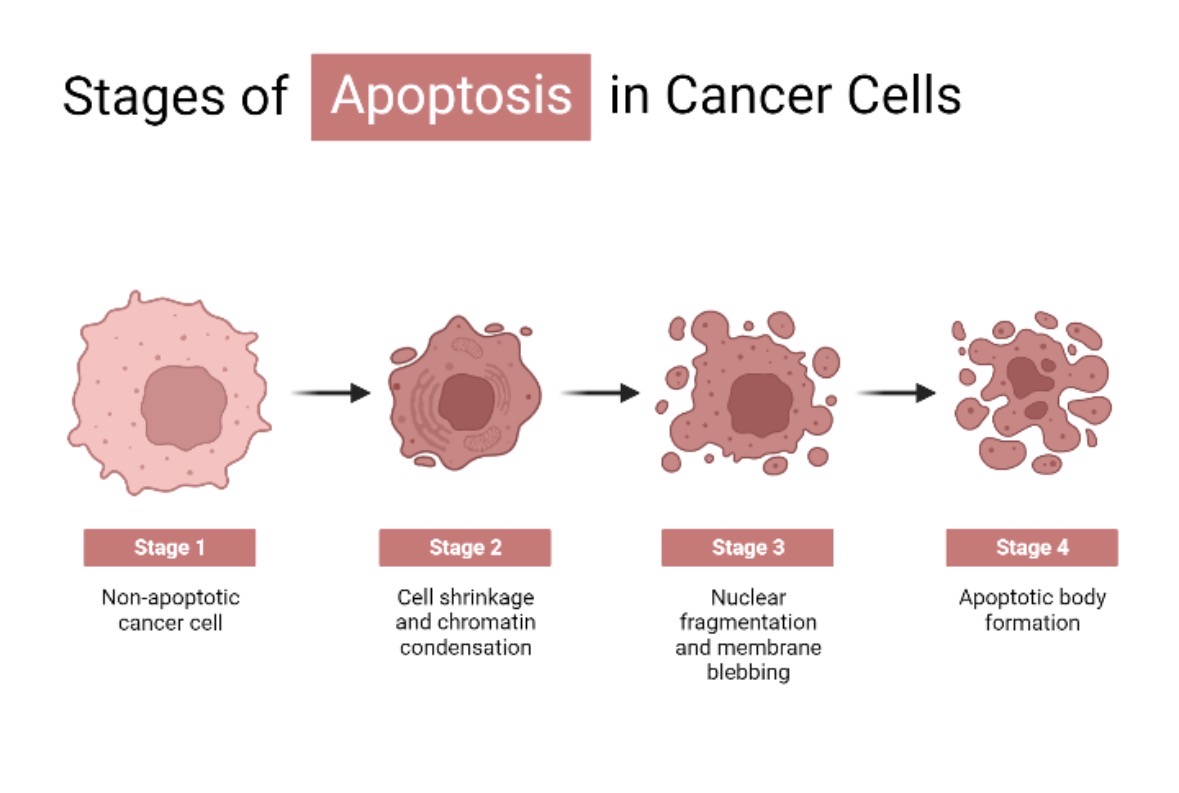
A central mechanism is the reactivation of apoptosis (programmed cell death):

  • Activation of caspase-3 and caspase-7
  • Upregulation of multiple apoptosis-related genes
  • Suppression of survival signaling in malignant cell
  • This is particularly relevant, as the ability to evade apoptosis is a hallmark of cancer.

Selective Action on Cells
IMG 3568

Cell studies demonstrate a highly selective effect of GHK-Cu.
Malignant cells such as neuroblastoma and lymphoma cells show inhibited growth, while healthy fibroblasts and skin cells are stimulated.
This indicates that GHK-Cu supports regeneration in healthy tissue while limiting the viability of cancerous cells.


Why Copper Matters
IMG 3571

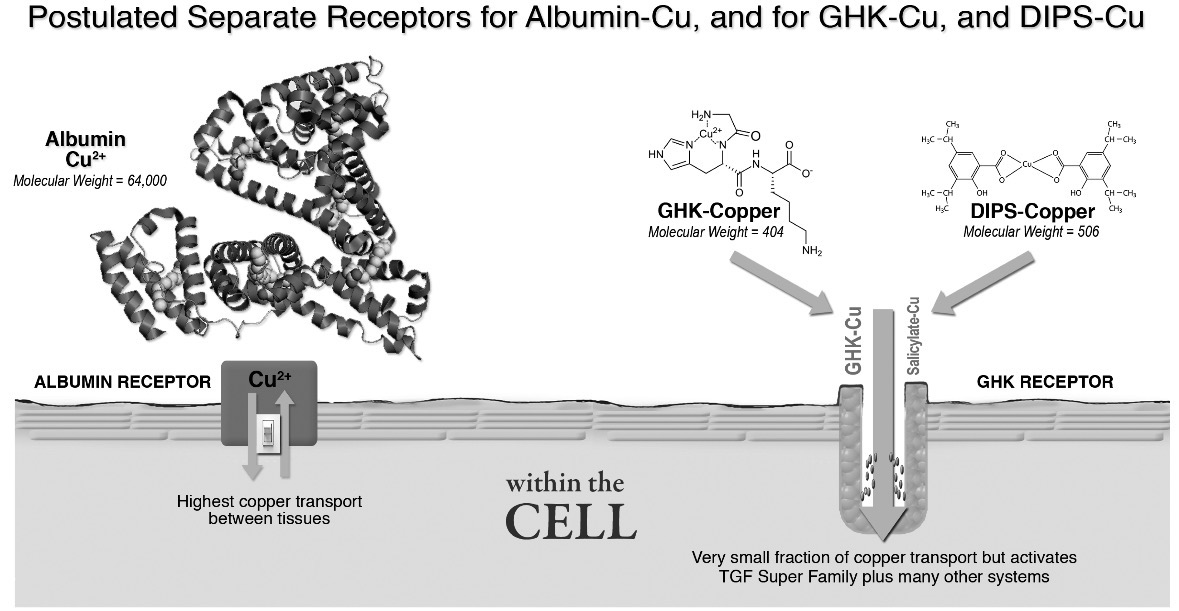
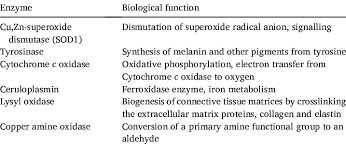
Copper is an essential trace element required for critical biological processes, including cellular respiration, antioxidant enzyme function, and collagen synthesis.
GHK serves as a safe copper transport molecule, delivering copper directly to cells where it is needed for repair and regulation, while minimizing the risks associated with free copper ions.


Anti-Cancer Gene Patterns
IMG 3569

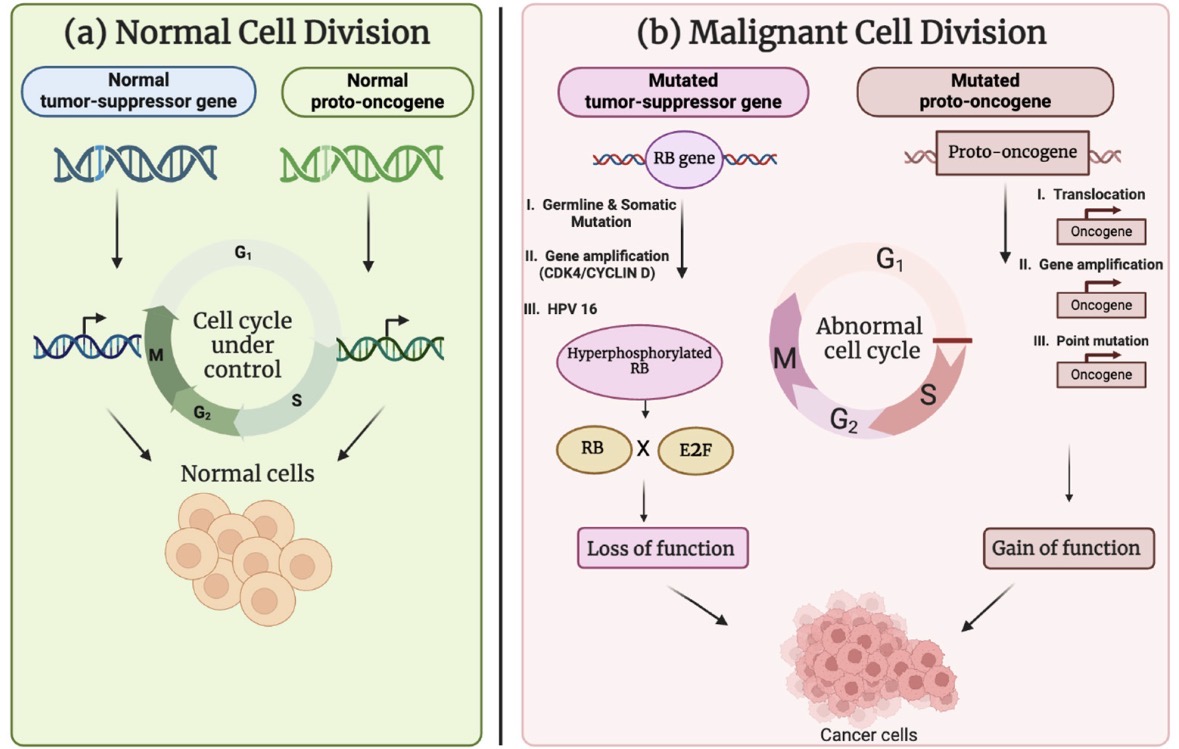
GHK-Cu has been shown to reduce RNA production in approximately 70% of genes that are typically overexpressed in cancer.
Many of these genes act as regulatory hubs controlling tumor growth, inflammation, and cell survival.
By disrupting these hubs, GHK-Cu weakens malignant cellular networks.


Preclinical Evidence
IMG 3578

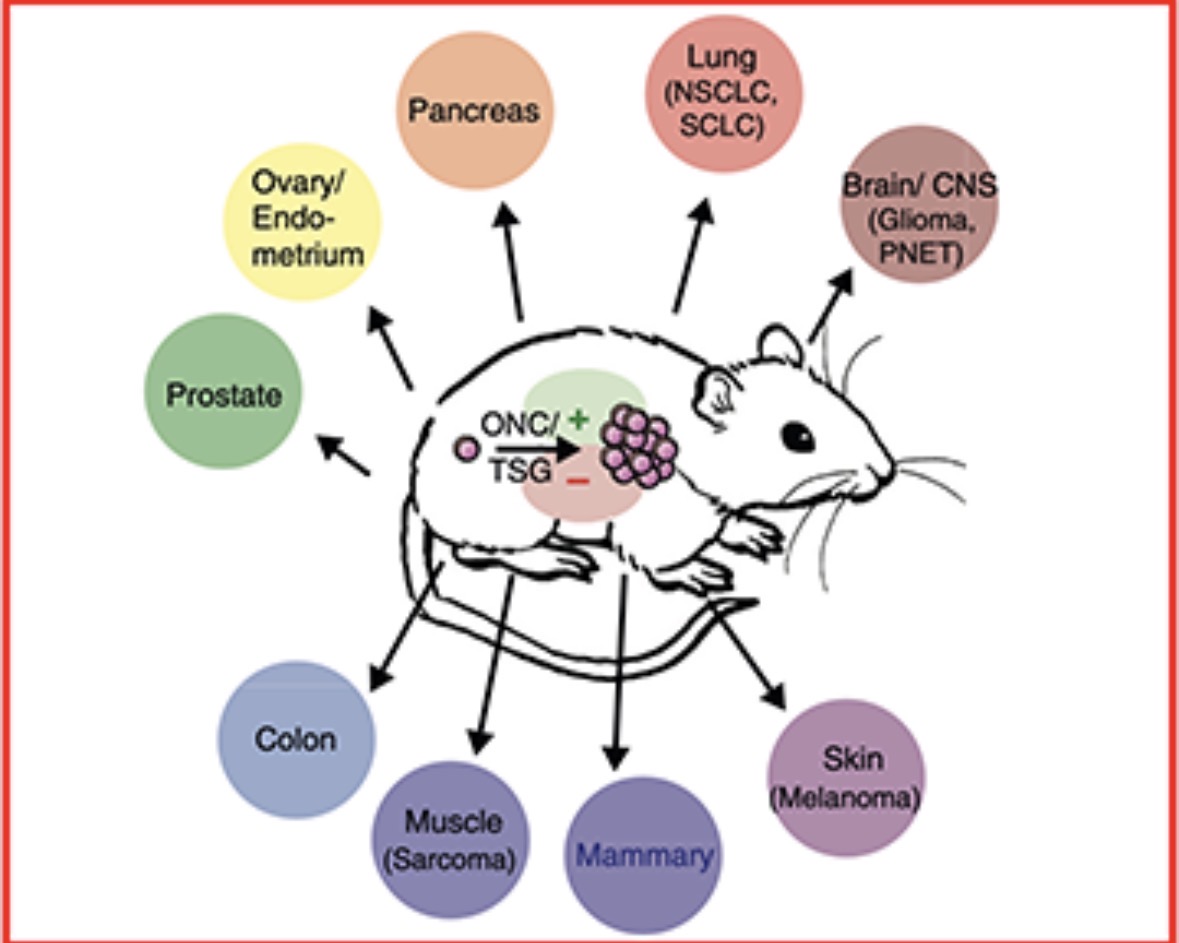
In preclinical animal models, including sarcoma-180 in mice, the combination of GHK-Cu with vitamin C resulted in significant tumor suppression at non-toxic doses.
Although these findings are not clinical evidence, they provide valuable insight into the biological mechanisms of GHK-Cu.


Skin Regeneration and Safety
IMG 3579

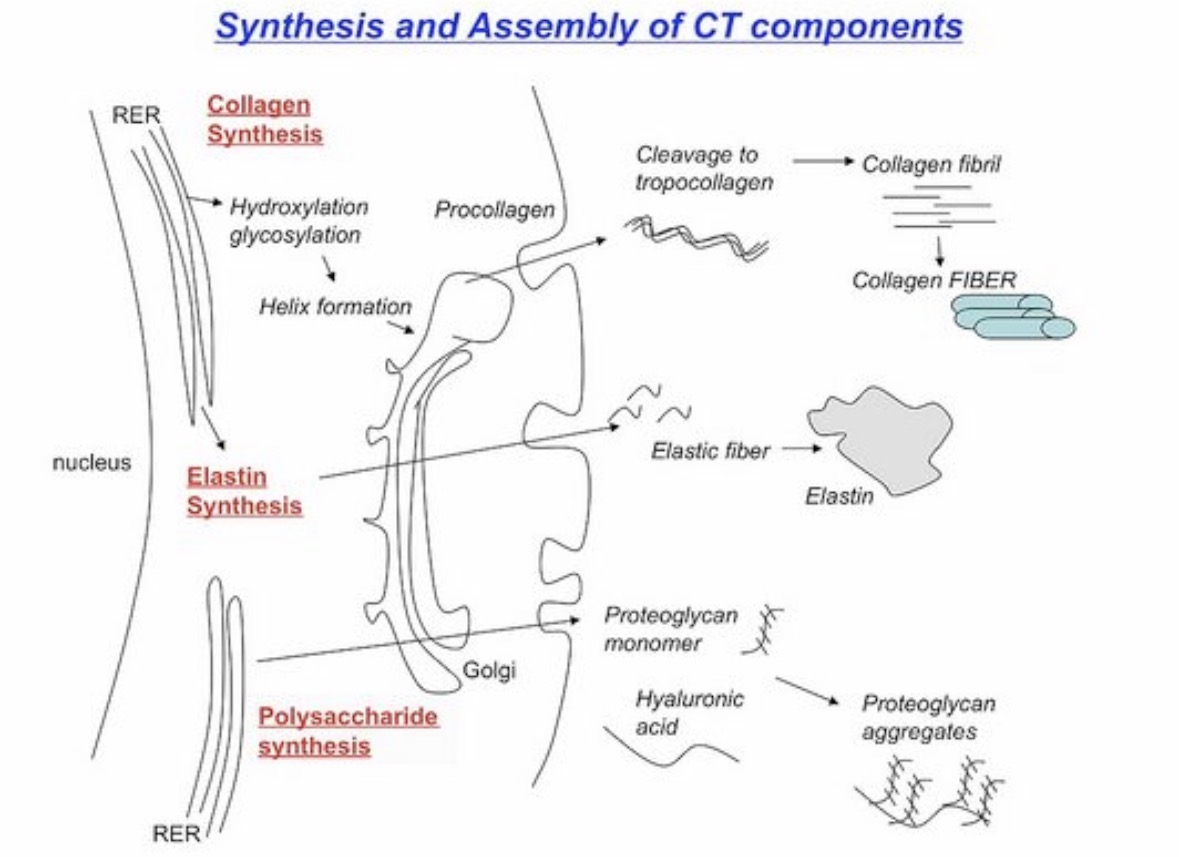
Despite its strong regenerative effects on skin and connective tissue, current data show no evidence of cancer-promoting activity.
Instead, regenerative signaling occurs alongside suppression of cancer-associated pathways, indicating controlled and balanced tissue repair.


Conclusion
IMG 3581

GHK-Cu is an endogenous peptide with strong regulatory effects at the cellular and genetic level.
Recent studies indicate that it supports regenerative processes while simultaneously suppressing cancer-related signaling pathways.
Key positive findings include its selective inhibition of malignant cells, activation of apoptosis, and support of healthy skin and tissue repair.
These properties make GHK-Cu one of the most promising peptides currently being studied in the fields of regeneration and preclinical cancer research.
 
  • +1
  • Love it
Reactions: 3pider, left tibialis, homiespidy1 and 12 others
good post
 
  • +1
Reactions: Blackpillirony, Kurdish_slayer, voidpursuit and 1 other person
All that for a shit peptide
 
  • +1
Reactions: hunnidrounds, Micrognathic, fckmycomputer and 3 others
good effort
 
  • +1
Reactions: Kurdish_slayer and atra_
@Feuerwehr @unon @LTNUser @Volksstaffel @Grilldaddy❤️ @Hunter @wuzzdio @tightmason @Blackpillirony @Gengar @surgerymaxxingsoon @Sink (sorry if i forget someone
 
  • +1
Reactions: Kurdish_slayer
H2O
 
  • +1
  • Woah
Reactions: Micrognathic, unon, TopTierIncel42 and 1 other person
What is GHK-Cu?
View attachment 4454080
GHK-Cu is an endogenous tripeptide (Glycyl-L-Histidyl-L-Lysine) that binds copper ions.
It is naturally present in human plasma and plays an important role in tissue repair, skin and connective tissue regeneration, as well as cell signaling and gene regulation.
GHK levels decline significantly with age, which is associated with reduced regenerative capacity and increased inflammation.


GHK-Cu as a Gene Regulator
View attachment 4454084
Recent gene expression analyses show that GHK-Cu influences thousands of genes simultaneously.
It upregulates genes involved in cellular repair, antioxidant defense, and protection mechanisms, while downregulating genes associated with inflammation and uncontrolled cell proliferation.
This positions GHK-Cu as a global biological regulator rather than a simple growth factor.


New Findings on Cancer Suppression
View attachment 4454085
Newer analyses of gene and cell studies indicate that GHK-Cu actively suppresses cancer-related signaling pathways.
A central mechanism is the reactivation of apoptosis (programmed cell death):

  • Activation of caspase-3 and caspase-7
  • Upregulation of multiple apoptosis-related genes
  • Suppression of survival signaling in malignant cell
  • This is particularly relevant, as the ability to evade apoptosis is a hallmark of cancer.

Selective Action on Cells
View attachment 4454087
Cell studies demonstrate a highly selective effect of GHK-Cu.
Malignant cells such as neuroblastoma and lymphoma cells show inhibited growth, while healthy fibroblasts and skin cells are stimulated.
This indicates that GHK-Cu supports regeneration in healthy tissue while limiting the viability of cancerous cells.


Why Copper Matters
View attachment 4454091
Copper is an essential trace element required for critical biological processes, including cellular respiration, antioxidant enzyme function, and collagen synthesis.
GHK serves as a safe copper transport molecule, delivering copper directly to cells where it is needed for repair and regulation, while minimizing the risks associated with free copper ions.


Anti-Cancer Gene Patterns
View attachment 4454093
GHK-Cu has been shown to reduce RNA production in approximately 70% of genes that are typically overexpressed in cancer.
Many of these genes act as regulatory hubs controlling tumor growth, inflammation, and cell survival.
By disrupting these hubs, GHK-Cu weakens malignant cellular networks.


Preclinical Evidence
View attachment 4454100
In preclinical animal models, including sarcoma-180 in mice, the combination of GHK-Cu with vitamin C resulted in significant tumor suppression at non-toxic doses.
Although these findings are not clinical evidence, they provide valuable insight into the biological mechanisms of GHK-Cu.


Skin Regeneration and Safety
View attachment 4454101
Despite its strong regenerative effects on skin and connective tissue, current data show no evidence of cancer-promoting activity.
Instead, regenerative signaling occurs alongside suppression of cancer-associated pathways, indicating controlled and balanced tissue repair.


Conclusion
View attachment 4454123
GHK-Cu is an endogenous peptide with strong regulatory effects at the cellular and genetic level.
Recent studies indicate that it supports regenerative processes while simultaneously suppressing cancer-related signaling pathways.
Key positive findings include its selective inhibition of malignant cells, activation of apoptosis, and support of healthy skin and tissue repair.
These properties make GHK-Cu one of the most promising peptides currently being studied in the fields of regeneration and preclinical cancer research.
High IQ post
 
  • +1
Reactions: atra_
What is GHK-Cu?
View attachment 4454080
GHK-Cu is an endogenous tripeptide (Glycyl-L-Histidyl-L-Lysine) that binds copper ions.
It is naturally present in human plasma and plays an important role in tissue repair, skin and connective tissue regeneration, as well as cell signaling and gene regulation.
GHK levels decline significantly with age, which is associated with reduced regenerative capacity and increased inflammation.


GHK-Cu as a Gene Regulator
View attachment 4454084
Recent gene expression analyses show that GHK-Cu influences thousands of genes simultaneously.
It upregulates genes involved in cellular repair, antioxidant defense, and protection mechanisms, while downregulating genes associated with inflammation and uncontrolled cell proliferation.
This positions GHK-Cu as a global biological regulator rather than a simple growth factor.


New Findings on Cancer Suppression
View attachment 4454085
Newer analyses of gene and cell studies indicate that GHK-Cu actively suppresses cancer-related signaling pathways.
A central mechanism is the reactivation of apoptosis (programmed cell death):

  • Activation of caspase-3 and caspase-7
  • Upregulation of multiple apoptosis-related genes
  • Suppression of survival signaling in malignant cell
  • This is particularly relevant, as the ability to evade apoptosis is a hallmark of cancer.

Selective Action on Cells
View attachment 4454087
Cell studies demonstrate a highly selective effect of GHK-Cu.
Malignant cells such as neuroblastoma and lymphoma cells show inhibited growth, while healthy fibroblasts and skin cells are stimulated.
This indicates that GHK-Cu supports regeneration in healthy tissue while limiting the viability of cancerous cells.


Why Copper Matters
View attachment 4454091
Copper is an essential trace element required for critical biological processes, including cellular respiration, antioxidant enzyme function, and collagen synthesis.
GHK serves as a safe copper transport molecule, delivering copper directly to cells where it is needed for repair and regulation, while minimizing the risks associated with free copper ions.


Anti-Cancer Gene Patterns
View attachment 4454093
GHK-Cu has been shown to reduce RNA production in approximately 70% of genes that are typically overexpressed in cancer.
Many of these genes act as regulatory hubs controlling tumor growth, inflammation, and cell survival.
By disrupting these hubs, GHK-Cu weakens malignant cellular networks.


Preclinical Evidence
View attachment 4454100
In preclinical animal models, including sarcoma-180 in mice, the combination of GHK-Cu with vitamin C resulted in significant tumor suppression at non-toxic doses.
Although these findings are not clinical evidence, they provide valuable insight into the biological mechanisms of GHK-Cu.


Skin Regeneration and Safety
View attachment 4454101
Despite its strong regenerative effects on skin and connective tissue, current data show no evidence of cancer-promoting activity.
Instead, regenerative signaling occurs alongside suppression of cancer-associated pathways, indicating controlled and balanced tissue repair.


Conclusion
View attachment 4454123
GHK-Cu is an endogenous peptide with strong regulatory effects at the cellular and genetic level.
Recent studies indicate that it supports regenerative processes while simultaneously suppressing cancer-related signaling pathways.
Key positive findings include its selective inhibition of malignant cells, activation of apoptosis, and support of healthy skin and tissue repair.
These properties make GHK-Cu one of the most promising peptides currently being studied in the fields of regeneration and preclinical cancer research.
good post nigga
 
  • Love it
Reactions: atra_
based summary lol, but people are overselling this hard. Most of this is cell/animal data, not proof it’ll “regen your face.” Interesting peptide, just not magic. Human results > theory.
 
  • Woah
Reactions: atra_
@Feuerwehr @unon @LTNUser @Volksstaffel @Grilldaddy❤️ @Hunter @wuzzdio @tightmason @Blackpillirony @Gengar @surgerymaxxingsoon @Sink (sorry if i forget someone
@TechnoBoss tagging more than 5? or is it allowed bcs hes using a spoiler?
 
  • +1
Reactions: atra_ and TechnoBoss
based summary lol, but people are overselling this hard. Most of this is cell/animal data, not proof it’ll “regen your face.” Interesting peptide, just not magic. Human results > theory.
ghk works for me
 
  • +1
Reactions: Kurdish_slayer
@TechnoBoss tagging more than 5? or is it allowed bcs hes using a spoiler?
There's a limit of five people being tagged per post. If you try to tag more than that, then it doesn't alert them. It's not allowed just because he's using a spoiler, but I'll let it slide.
 
  • +1
  • Woah
Reactions: LTNUser, Micrognathic, Insomnia and 2 others
nigga ofc it’s allowed i mean i didn’t tag more then 30 ppl
nigga i remember i got a ban warning for more than 5 ppl lol
 
  • Woah
  • +1
Reactions: TechnoBoss and atra_
There's a limit of five people being tagged per post. If you try to tag more than that, then it doesn't alert them. It's not allowed just because he's using a spoiler, but I'll let it slide.
hey i didn’t know about that…im sorry bro
 
  • +1
Reactions: Kurdish_slayer and TechnoBoss
@Kurdish_slayer still a pussy move tagging a mod “its not allowed:feelshah:
 
  • +1
Reactions: Kurdish_slayer
nigga i remember i got a ban warning for more than 5 ppl lol
Ban warning? I'm only seeing a warning you got for alt creation & for posting content not looksmaxing related in the LM sections. If you make post after post like:

Post 1 - @1 @2 @3 @4 @5
Post 2 - @6 @7 @8 @9 @10
etc etc then it isn't allowed.

You could get a warning for mass tagging too many people in one post, too.

hey i didn’t know about that…im sorry bro
Don't worry about it. It's fine.
 
  • +1
  • Woah
Reactions: LTNUser, Kurdish_slayer, copingmaxnt and 3 others
Ban warning? I'm only seeing a warning you got for alt creation & for posting content not looksmaxing related in the LM sections. If you make post after post like:

Post 1 - @1 @2 @3 @4 @5
Post 2 - @6 @7 @8 @9 @10
etc etc then it isn't allowed.

You could get a warning for mass tagging too many people in one post, too.


Don't worry about it. It's fine.
w mod thanks bro!
 
  • +1
Reactions: LTNUser and TechnoBoss
There's a limit of five people being tagged per post. If you try to tag more than that, then it doesn't alert them. It's not allowed just because he's using a spoiler, but I'll let it slide.
I thought mass tagging was considered ~20 tags no? So 5 is the limit?
 
  • +1
  • Hmm...
Reactions: LTNUser, iblamehamza, Micrognathic and 2 others
What is GHK-Cu?
View attachment 4454080
GHK-Cu is an endogenous tripeptide (Glycyl-L-Histidyl-L-Lysine) that binds copper ions.
It is naturally present in human plasma and plays an important role in tissue repair, skin and connective tissue regeneration, as well as cell signaling and gene regulation.
GHK levels decline significantly with age, which is associated with reduced regenerative capacity and increased inflammation.


GHK-Cu as a Gene Regulator
View attachment 4454084
Recent gene expression analyses show that GHK-Cu influences thousands of genes simultaneously.
It upregulates genes involved in cellular repair, antioxidant defense, and protection mechanisms, while downregulating genes associated with inflammation and uncontrolled cell proliferation.
This positions GHK-Cu as a global biological regulator rather than a simple growth factor.


New Findings on Cancer Suppression
View attachment 4454085
Newer analyses of gene and cell studies indicate that GHK-Cu actively suppresses cancer-related signaling pathways.
A central mechanism is the reactivation of apoptosis (programmed cell death):

  • Activation of caspase-3 and caspase-7
  • Upregulation of multiple apoptosis-related genes
  • Suppression of survival signaling in malignant cell
  • This is particularly relevant, as the ability to evade apoptosis is a hallmark of cancer.

Selective Action on Cells
View attachment 4454087
Cell studies demonstrate a highly selective effect of GHK-Cu.
Malignant cells such as neuroblastoma and lymphoma cells show inhibited growth, while healthy fibroblasts and skin cells are stimulated.
This indicates that GHK-Cu supports regeneration in healthy tissue while limiting the viability of cancerous cells.


Why Copper Matters
View attachment 4454091
Copper is an essential trace element required for critical biological processes, including cellular respiration, antioxidant enzyme function, and collagen synthesis.
GHK serves as a safe copper transport molecule, delivering copper directly to cells where it is needed for repair and regulation, while minimizing the risks associated with free copper ions.


Anti-Cancer Gene Patterns
View attachment 4454093
GHK-Cu has been shown to reduce RNA production in approximately 70% of genes that are typically overexpressed in cancer.
Many of these genes act as regulatory hubs controlling tumor growth, inflammation, and cell survival.
By disrupting these hubs, GHK-Cu weakens malignant cellular networks.


Preclinical Evidence
View attachment 4454100
In preclinical animal models, including sarcoma-180 in mice, the combination of GHK-Cu with vitamin C resulted in significant tumor suppression at non-toxic doses.
Although these findings are not clinical evidence, they provide valuable insight into the biological mechanisms of GHK-Cu.


Skin Regeneration and Safety
View attachment 4454101
Despite its strong regenerative effects on skin and connective tissue, current data show no evidence of cancer-promoting activity.
Instead, regenerative signaling occurs alongside suppression of cancer-associated pathways, indicating controlled and balanced tissue repair.


Conclusion
View attachment 4454123
GHK-Cu is an endogenous peptide with strong regulatory effects at the cellular and genetic level.
Recent studies indicate that it supports regenerative processes while simultaneously suppressing cancer-related signaling pathways.
Key positive findings include its selective inhibition of malignant cells, activation of apoptosis, and support of healthy skin and tissue repair.
These properties make GHK-Cu one of the most promising peptides currently being studied in the fields of regeneration and preclinical cancer research.
Good shit brah i mean ive been using it myself tho lol
 
  • Love it
Reactions: atra_
There's a limit of five people being tagged per post. If you try to tag more than that, then it doesn't alert them. It's not allowed just because he's using a spoiler, but I'll let it slide.
do spoiler mass tags notify everyone?
if so it may mog waiting a decade to tag everyone i wanna tag
 
  • +1
Reactions: atra_
I thought mass tagging was considered ~20 tags no? So 5 is the limit?
I don't want to throw off OPs thread with side talk but essentially you can only tag five people per post. More than that is considered mass tagging. However, as I said, mass tagging is also making post after post with 5 tags each. So you make 1 post with five tags, and then another post right after that with another five tags, etc etc. If you're doing it excessively, it's an issue. Two posts one after the other with five tags isn't necessarily mass tagging. It depends on the context, intent, etc.
 
  • +1
Reactions: Micrognathic, atra_, iblamehamza and 1 other person
do spoiler mass tags notify everyone?
if so it may mog waiting a decade to tag everyone i wanna tag
Only five people can be tagged. Any more and they aren't notified.

Enough sidelining OPs thread with mod questions, however.

@atra_ - interesting thread. I will read it later.
 
  • +1
  • Love it
Reactions: atra_, Micrognathic, Insomnia and 1 other person
Only five people can be tagged. Any more and they aren't notified.

Enough sidelining OPs thread with mod questions, however.

@atra_ - interesting thread. I will read it later.
nice bro tell me later what u think about it
 
  • +1
Reactions: Micrognathic and TechnoBoss
@Kurdish_slayer still a pussy move tagging a mod “its not allowed:feelshah:
nigga than u havent been around so much, every nigga on this forum be snaking eachother lol
 
  • JFL
Reactions: atra_
Ban warning? I'm only seeing a warning you got for alt creation & for posting content not looksmaxing related in the LM sections. If you make post after post like:

Post 1 - @1 @2 @3 @4 @5
Post 2 - @6 @7 @8 @9 @10
etc etc then it isn't allowed.

You could get a warning for mass tagging too many people in one post, too.


Don't worry about it. It's fine.
and exposing my bans in public, ig .gg was right about mod abuse lol. gaygymmax and kaligula will be stunned when they hear about this lol, creating their own rules as normal jfl:lul::lul:
 
and exposing my bans in public, ig .gg was right about mod abuse lol. gaygymmax and kaligula will be stunned when they hear about this lol, creating their own rules as normal jfl:lul::lul:
.gg is gay asf
 
  • +1
Reactions: Kurdish_slayer
ur on ma dick dumb nigga „that’s not allowed pls ban him“:feelswah::feelswah: faggot kys
never told him to ban u lol, ive seen people get ban warnings bcs of that
 
  • So Sad
Reactions: atra_
What is GHK-Cu?
View attachment 4454080
GHK-Cu is an endogenous tripeptide (Glycyl-L-Histidyl-L-Lysine) that binds copper ions.
It is naturally present in human plasma and plays an important role in tissue repair, skin and connective tissue regeneration, as well as cell signaling and gene regulation.
GHK levels decline significantly with age, which is associated with reduced regenerative capacity and increased inflammation.


GHK-Cu as a Gene Regulator
View attachment 4454084
Recent gene expression analyses show that GHK-Cu influences thousands of genes simultaneously.
It upregulates genes involved in cellular repair, antioxidant defense, and protection mechanisms, while downregulating genes associated with inflammation and uncontrolled cell proliferation.
This positions GHK-Cu as a global biological regulator rather than a simple growth factor.


New Findings on Cancer Suppression
View attachment 4454085
Newer analyses of gene and cell studies indicate that GHK-Cu actively suppresses cancer-related signaling pathways.
A central mechanism is the reactivation of apoptosis (programmed cell death):

  • Activation of caspase-3 and caspase-7
  • Upregulation of multiple apoptosis-related genes
  • Suppression of survival signaling in malignant cell
  • This is particularly relevant, as the ability to evade apoptosis is a hallmark of cancer.

Selective Action on Cells
View attachment 4454087
Cell studies demonstrate a highly selective effect of GHK-Cu.
Malignant cells such as neuroblastoma and lymphoma cells show inhibited growth, while healthy fibroblasts and skin cells are stimulated.
This indicates that GHK-Cu supports regeneration in healthy tissue while limiting the viability of cancerous cells.


Why Copper Matters
View attachment 4454091
Copper is an essential trace element required for critical biological processes, including cellular respiration, antioxidant enzyme function, and collagen synthesis.
GHK serves as a safe copper transport molecule, delivering copper directly to cells where it is needed for repair and regulation, while minimizing the risks associated with free copper ions.


Anti-Cancer Gene Patterns
View attachment 4454093
GHK-Cu has been shown to reduce RNA production in approximately 70% of genes that are typically overexpressed in cancer.
Many of these genes act as regulatory hubs controlling tumor growth, inflammation, and cell survival.
By disrupting these hubs, GHK-Cu weakens malignant cellular networks.


Preclinical Evidence
View attachment 4454100
In preclinical animal models, including sarcoma-180 in mice, the combination of GHK-Cu with vitamin C resulted in significant tumor suppression at non-toxic doses.
Although these findings are not clinical evidence, they provide valuable insight into the biological mechanisms of GHK-Cu.


Skin Regeneration and Safety
View attachment 4454101
Despite its strong regenerative effects on skin and connective tissue, current data show no evidence of cancer-promoting activity.
Instead, regenerative signaling occurs alongside suppression of cancer-associated pathways, indicating controlled and balanced tissue repair.


Conclusion
View attachment 4454123
GHK-Cu is an endogenous peptide with strong regulatory effects at the cellular and genetic level.
Recent studies indicate that it supports regenerative processes while simultaneously suppressing cancer-related signaling pathways.
Key positive findings include its selective inhibition of malignant cells, activation of apoptosis, and support of healthy skin and tissue repair.
These properties make GHK-Cu one of the most promising peptides currently being studied in the fields of regeneration and preclinical cancer research.
Will Read later
Looking forwsrd to it
 
  • +1
Reactions: atra_

Similar threads

replentrrr
Replies
21
Views
2K
Francisco_Bs
Francisco_Bs
E
Replies
10
Views
516
Etson
Etson
SQL2VD
Replies
68
Views
2K
Optimizing
Optimizing
BoneLord67
Replies
47
Views
822
BoneLord67
BoneLord67
7evenvox22
Replies
10
Views
1K
garoutheincelReturn
garoutheincelReturn

Users who are viewing this thread

Back
Top