Zayd.
Iron
- Joined
- Jul 9, 2026
- Posts
- 68
- Reputation
- 53
We have all heard the absolute horror stories of guys trying to get cosmetic heel implants or fat grafting to gain 1–1.5 inches of height. I have the real solution.
Silicone blocks slip cause major skin necrosis from sheer pressure or feel like walking on rocks, fat grafting is a cope because the fat cells immediately get crushed and reabsorbed under your body weight. Bone filler isn’t possible because the constant pounding of walking causes massive rapid bone resorption of the calcaneus.
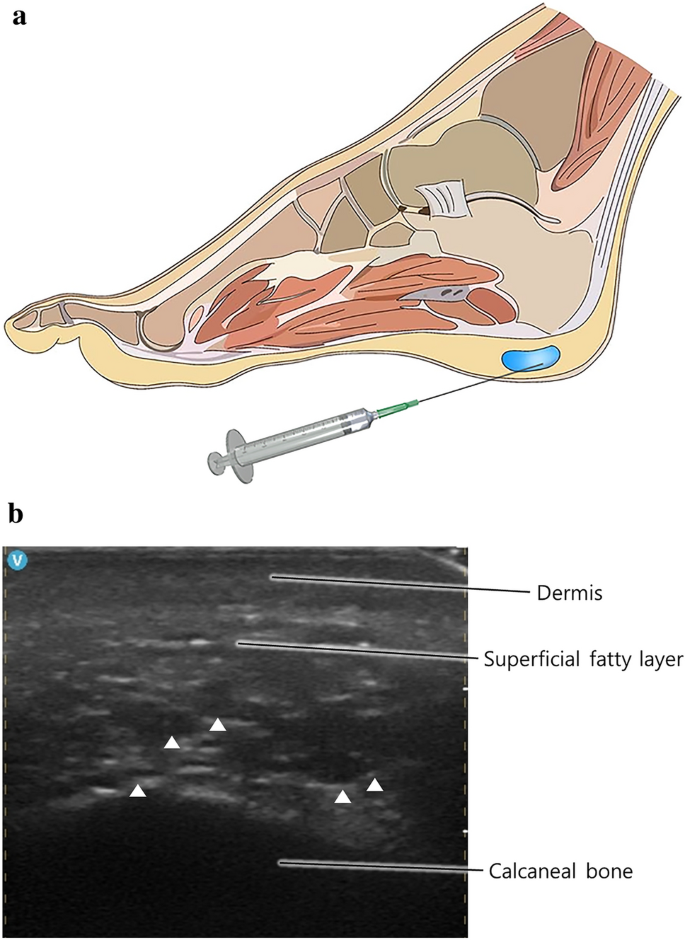
IQLET PROCEDURE
The only real way to permanently add height through the feet without crippling yourself is Custom Dual-Durometer 3D-Printed Silicone Implants. (Idea to use these in heels made by me copy this shit and I hope someone goes ER on you and your family)
This requires replicating both the calcaneus bone density and the natural hydraulic mechanics of the human heel fat pad in a single seamless piece. (In basic terms just replicating the hardness of bone and the soft dampening effect of soft tissue into one implant)
To absorb your full body weight while permanently maintaining height, the implant needs two distinct zones of hardness, measured by Shore Durometer, printed via liquid additive manufacturing. The inner core handles the bone replication. It is printed at Shore 80A–90A hardness using a high-density, medical-grade silicone-polyurethane hybrid. This sits directly on top of the calcaneus bone, providing the raw, unyielding 3–4cm height boost that will absolutely not compress or bottom out under your body weight.
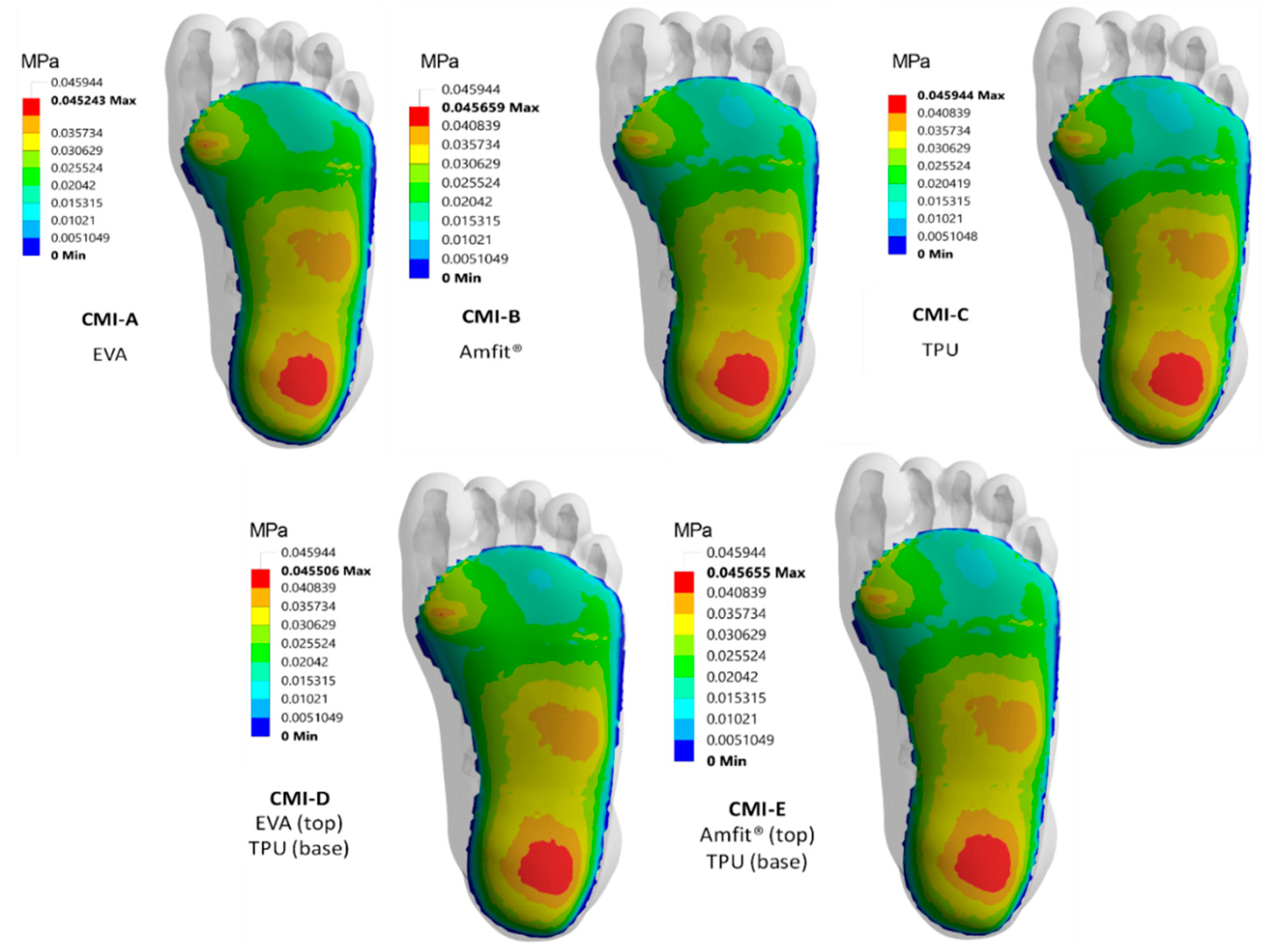
Force distortribution on heel of common insoles (imagine if the implant acts similar to the insole)
The outer shell handles the heel pad replication. It is printed at Shore 10A–30A to mimic the natural subcutaneous fat pad of the heel. It feels exactly like natural flesh, preventing skin ulceration and making it comfortable enough to actually walk on.
The internal engineering relies on a Voronoi lattice structure. The human heel pad isn't just a blob of fat; it’s a network of tiny, enclosed chambers trapped by vertical walls of collagen (septa) that act as hydraulic shock absorbers. If you use a solid block of soft silicone, it will just squish flat to the sides the second you step down. To fix this, the soft outer layer must be 3D-printed with an internal Voronoi lattice network, which is essentially a 3D honeycomb structure. When your heel strikes the ground, these micro-columns mechanically flex, compress, and disperse the downward force horizontally, perfectly replicating the hydraulic shock absorption of a real foot pad to protect your joints.
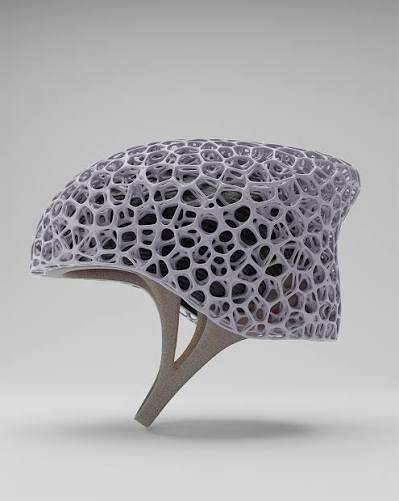
Voronoi Lattice Structure
You also have to account for graduated transition zones to prevent shearing. If there is a sharp boundary between a rock-hard silicone core and a soft outer layer, the material will split, tear, or shear apart under the massive forces of walking.
The 3D printer solves this by creating a Functionally Graded Material (FGM). The machine gradients the material mix millimeter by millimeter, seamlessly blending from 100% hard silicone, to a 50/50 mix, to 100% soft silicone. This results in one solid, indestructible piece that cannot delaminate under load.
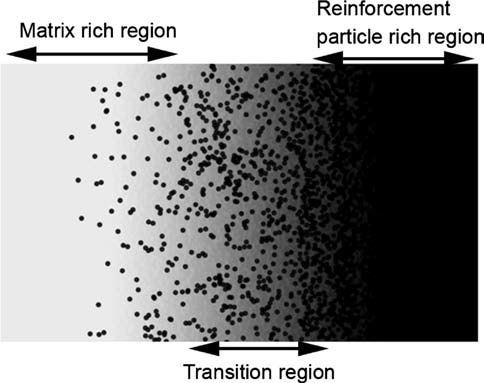
Example of transition
Finally, this design ensures zero micro-slipping and bone protection. To prevent the implant from moving and destroying your skin from the inside, the bottom base layer is printed with a hyper-porous, rough mesh texture.
Your foot's natural plantar fascia and connective tissues grow straight into these micro-pores over a few months, locking it to the bone organically. This anchors it completely, eliminating the micro-friction that triggers bone erosion on your actual calcaneus.
TL;DR: Standard shoe lifts destroy your posture, and uniform implants destroy your skin tissues. Dual-density 3D-printed silicone that mimics bone at the core and a honeycomb fat-pad structure on the outside is the only viable engineering meta for permanent heightmaxing.
Silicone blocks slip cause major skin necrosis from sheer pressure or feel like walking on rocks, fat grafting is a cope because the fat cells immediately get crushed and reabsorbed under your body weight. Bone filler isn’t possible because the constant pounding of walking causes massive rapid bone resorption of the calcaneus.
IQLET PROCEDURE
The only real way to permanently add height through the feet without crippling yourself is Custom Dual-Durometer 3D-Printed Silicone Implants. (Idea to use these in heels made by me copy this shit and I hope someone goes ER on you and your family)
This requires replicating both the calcaneus bone density and the natural hydraulic mechanics of the human heel fat pad in a single seamless piece. (In basic terms just replicating the hardness of bone and the soft dampening effect of soft tissue into one implant)
To absorb your full body weight while permanently maintaining height, the implant needs two distinct zones of hardness, measured by Shore Durometer, printed via liquid additive manufacturing. The inner core handles the bone replication. It is printed at Shore 80A–90A hardness using a high-density, medical-grade silicone-polyurethane hybrid. This sits directly on top of the calcaneus bone, providing the raw, unyielding 3–4cm height boost that will absolutely not compress or bottom out under your body weight.
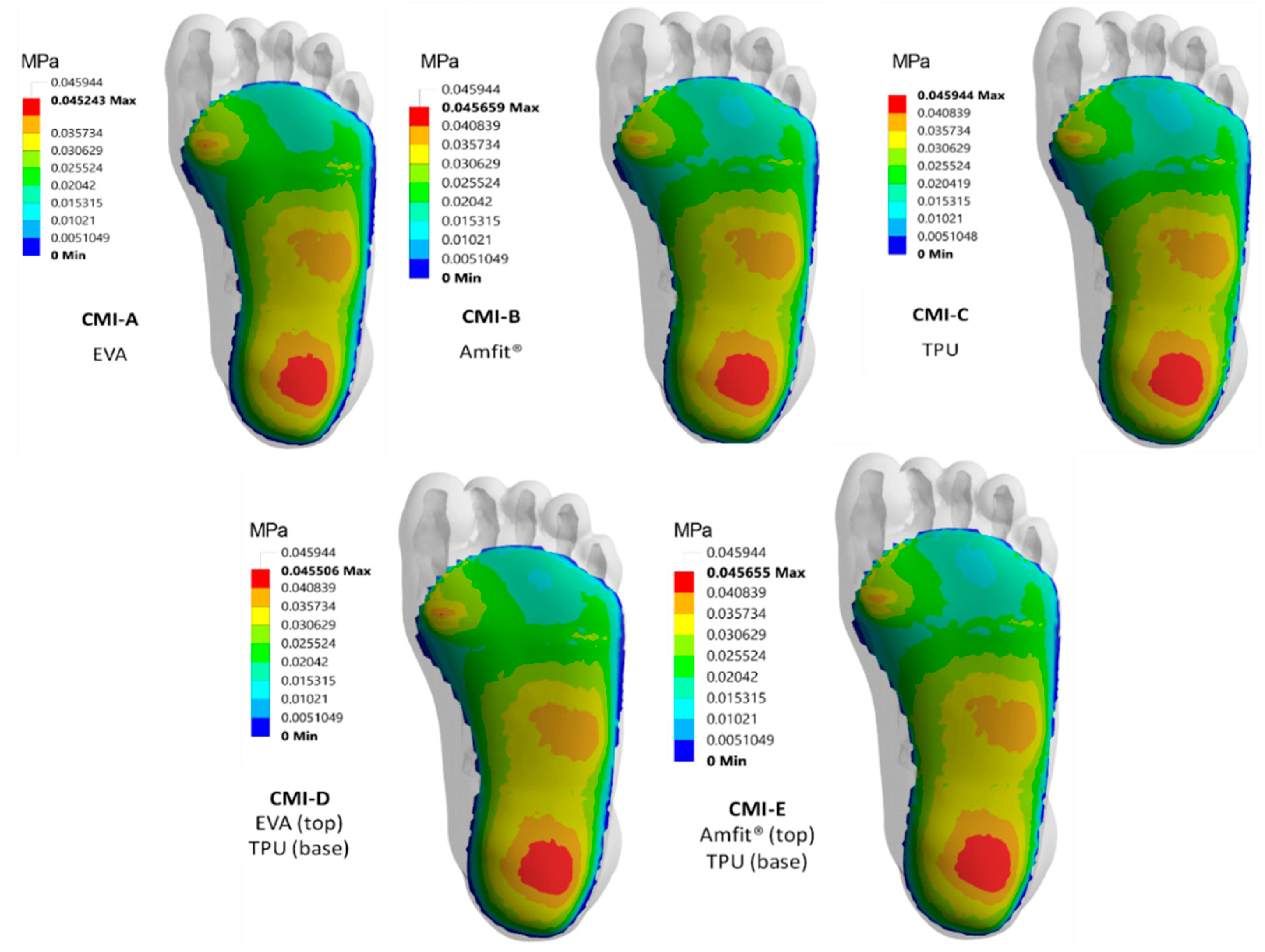
Force distortribution on heel of common insoles (imagine if the implant acts similar to the insole)
The outer shell handles the heel pad replication. It is printed at Shore 10A–30A to mimic the natural subcutaneous fat pad of the heel. It feels exactly like natural flesh, preventing skin ulceration and making it comfortable enough to actually walk on.
The internal engineering relies on a Voronoi lattice structure. The human heel pad isn't just a blob of fat; it’s a network of tiny, enclosed chambers trapped by vertical walls of collagen (septa) that act as hydraulic shock absorbers. If you use a solid block of soft silicone, it will just squish flat to the sides the second you step down. To fix this, the soft outer layer must be 3D-printed with an internal Voronoi lattice network, which is essentially a 3D honeycomb structure. When your heel strikes the ground, these micro-columns mechanically flex, compress, and disperse the downward force horizontally, perfectly replicating the hydraulic shock absorption of a real foot pad to protect your joints.
Voronoi Lattice Structure
You also have to account for graduated transition zones to prevent shearing. If there is a sharp boundary between a rock-hard silicone core and a soft outer layer, the material will split, tear, or shear apart under the massive forces of walking.
The 3D printer solves this by creating a Functionally Graded Material (FGM). The machine gradients the material mix millimeter by millimeter, seamlessly blending from 100% hard silicone, to a 50/50 mix, to 100% soft silicone. This results in one solid, indestructible piece that cannot delaminate under load.
Example of transition
Finally, this design ensures zero micro-slipping and bone protection. To prevent the implant from moving and destroying your skin from the inside, the bottom base layer is printed with a hyper-porous, rough mesh texture.
Your foot's natural plantar fascia and connective tissues grow straight into these micro-pores over a few months, locking it to the bone organically. This anchors it completely, eliminating the micro-friction that triggers bone erosion on your actual calcaneus.
TL;DR: Standard shoe lifts destroy your posture, and uniform implants destroy your skin tissues. Dual-density 3D-printed silicone that mimics bone at the core and a honeycomb fat-pad structure on the outside is the only viable engineering meta for permanent heightmaxing.