How To Increase Facial Forward Growth With Erdafitinib┃High IQ Theory Effort Guide

vexd

vexd

Perma Virgin
Joined
Jun 27, 2026
Posts
6,357
Reputation
6,979
FGFR2i Inhibition for facial forward growth
A Complete Guide


1788448496593

Part 1: FGFR2 Inhibition, Open Palate, and Facial Forward Growth
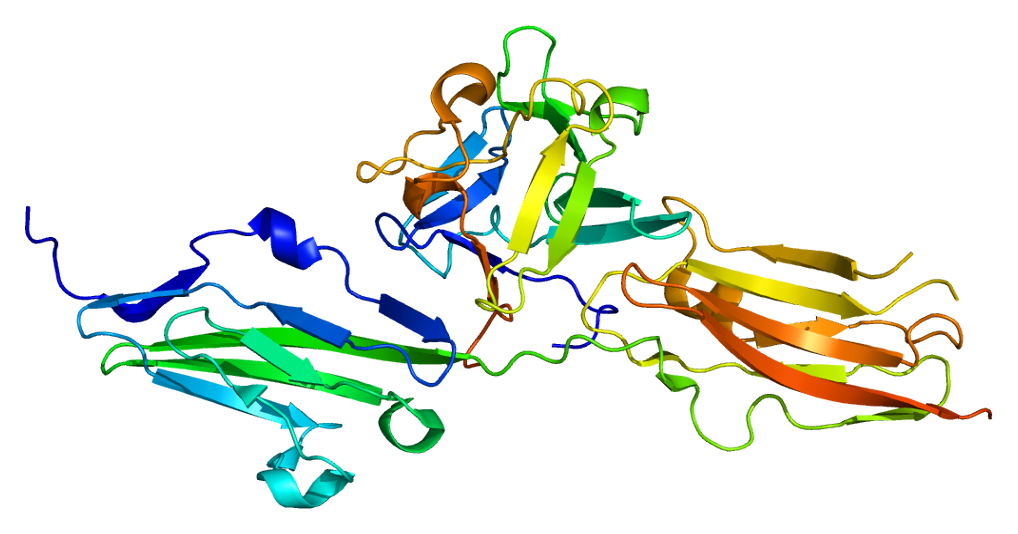
FGFR2 MOLECULE


In developmental biology and craniofacial genetics, FGFR1 and FGFR2 act as critical gatekeepers for the formation of the skull, midface, and palate. Inhibiting them fundamentally disrupts the standard timeline of bone fusion and tissue growth. basically, functioning like an AI, delaying the sutures to close and lock in, so that gives you more time for your maxilla and other facial features to grow properly and forward enough
1788451434809

1788451534676

Simplified:
basically, inhibits your facial suture to lock in and close, allowing a more longer growth window for actual facial development


The Mechanism of Forward Growth
In a normal face, the skull and jaw seams (sutures) contain soft stem cells that need to keep multiplying to build physical mass

1788452263912
.

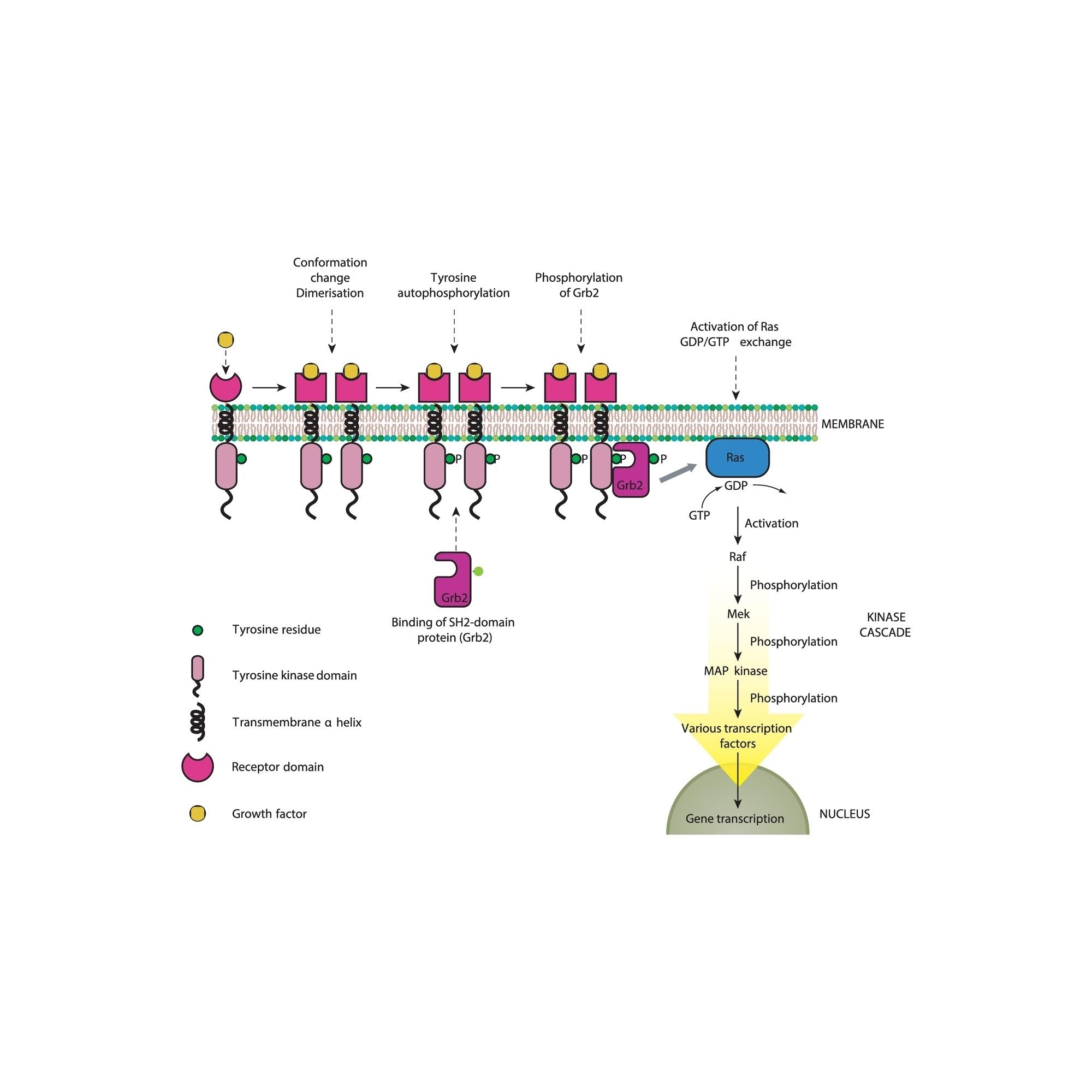
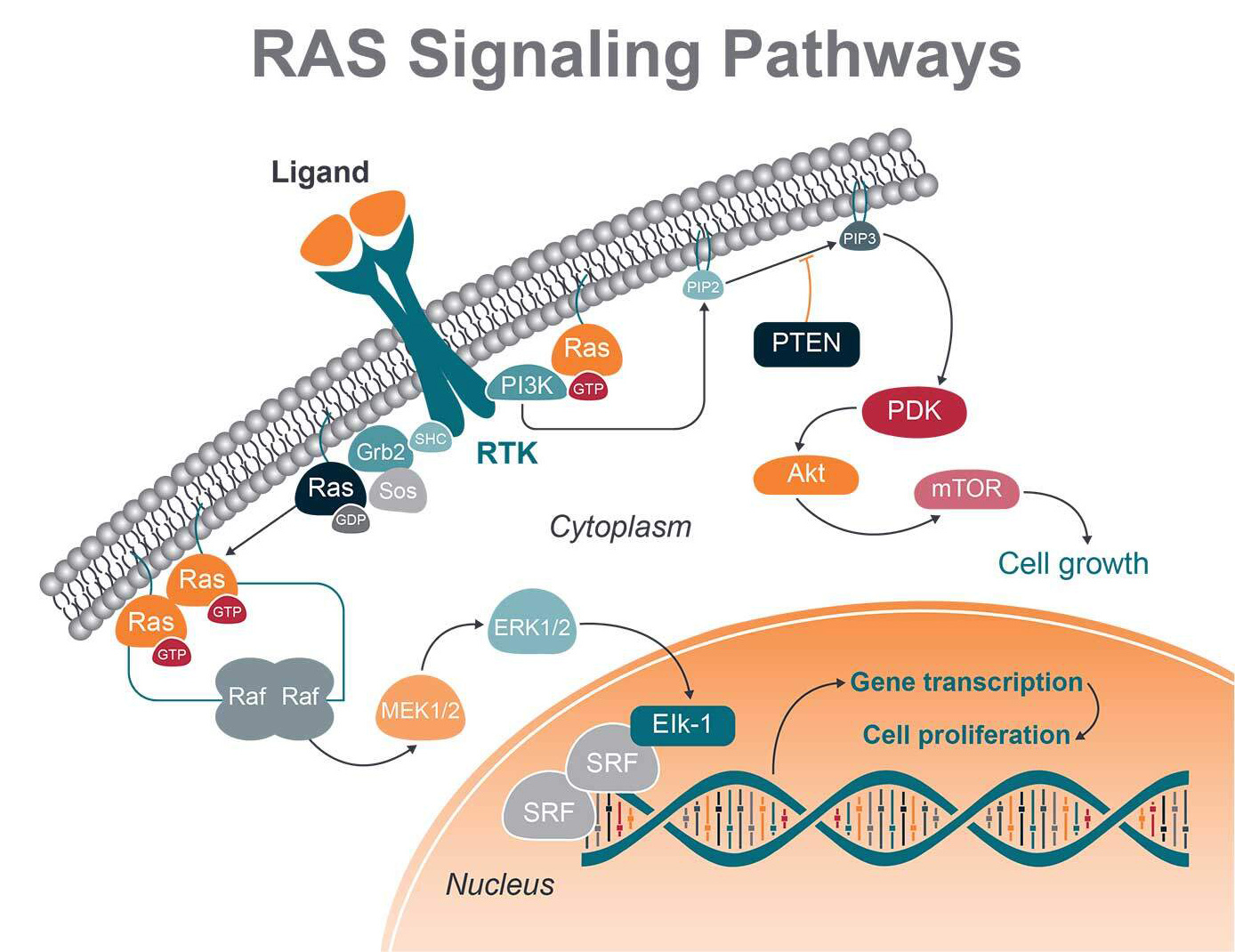
2. The Signal Cut-Off: By shutting down RAS, MEK, and ERK, you stop the chemical instructions that command these stem cells to stop growing and prematurely freeze into solid bone.
1788452291332


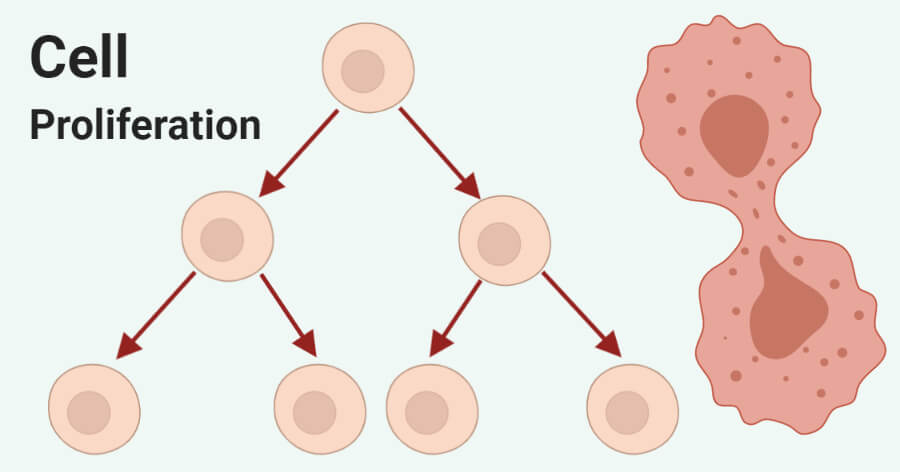
3. Cell Proliferation: Because the pathway is quiet, the stem cells stay flexible, active, and continue to safely multiply.
1788452471149


4. Forward Push: As these millions of new cells grow and pack tightly inside the facial joints, they create expanding physical tissue pressure. This natural mechanical force literally pushes the upper jaw and midface structures outward and forward.

Untitled Project 4


Part 2: Bone Architecture and Forward Growth

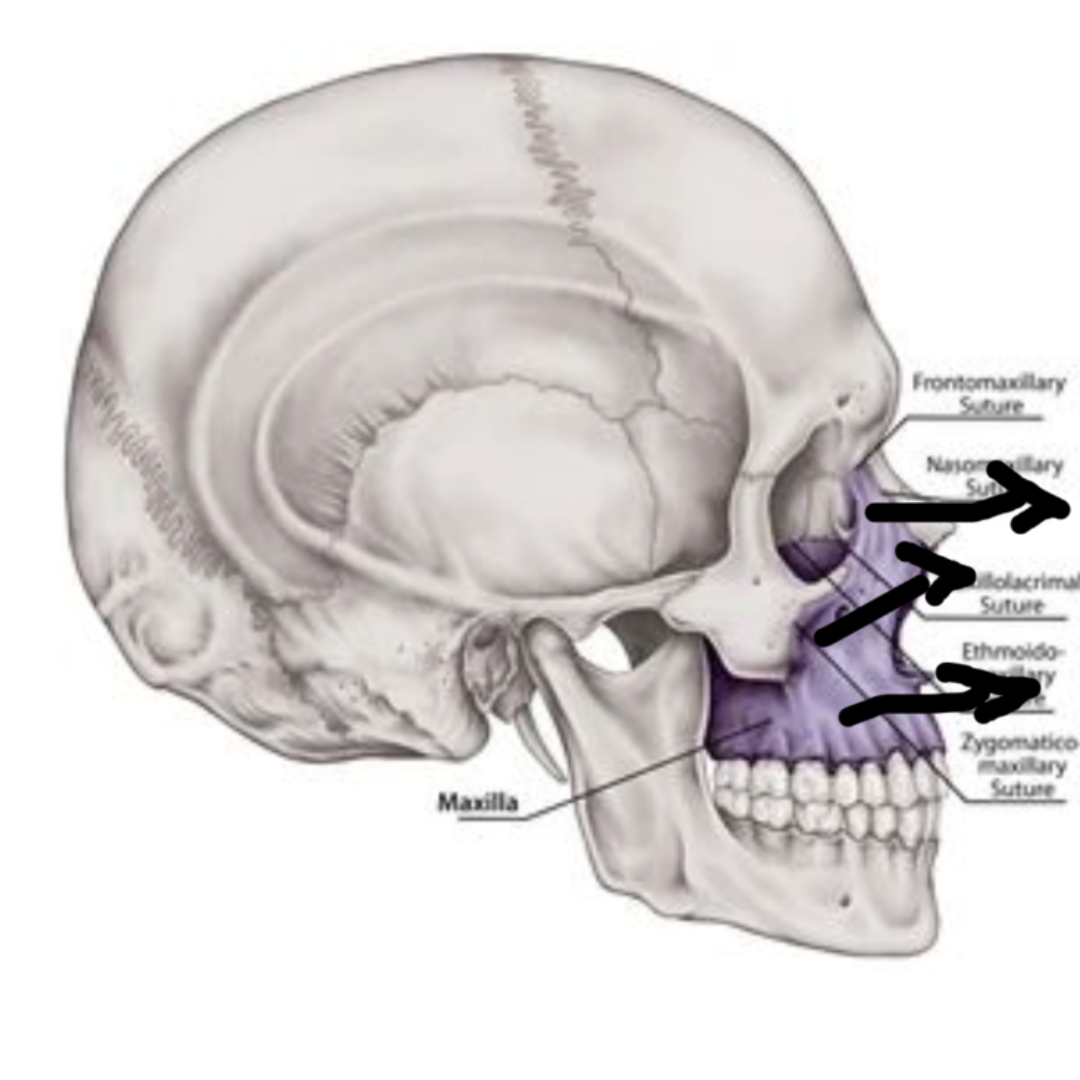
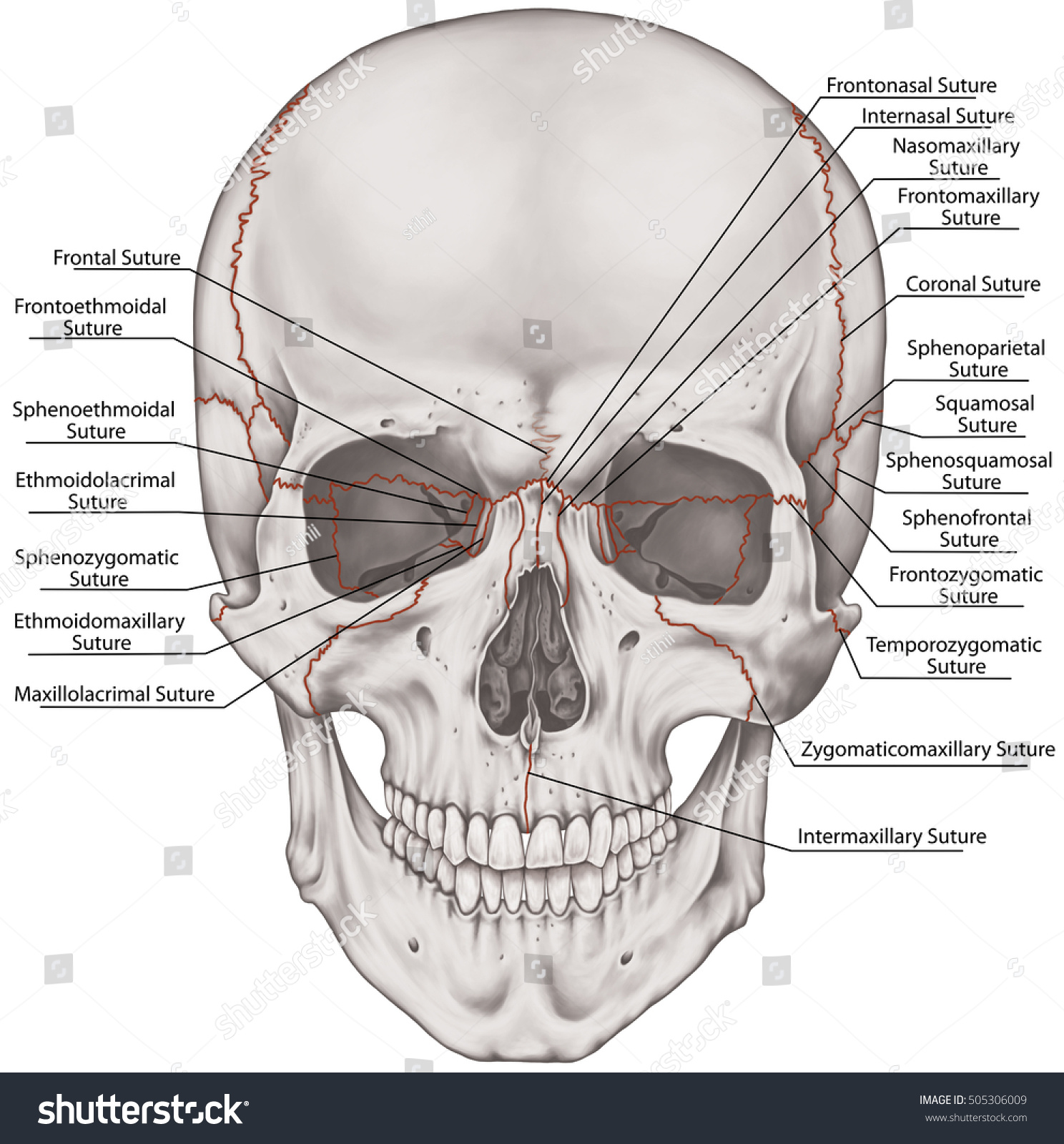
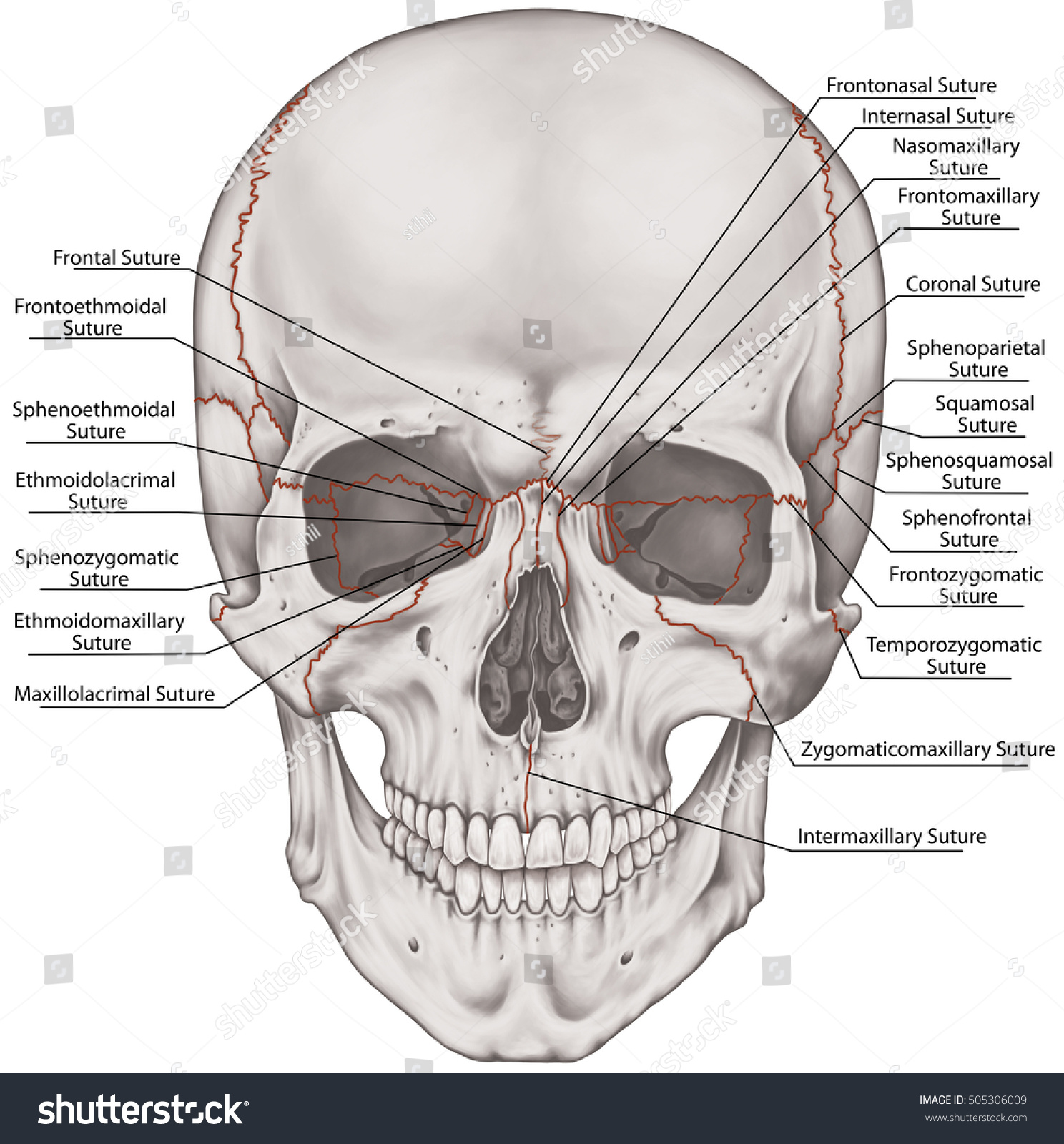
  • Midface Projection (Maxilla Growth): Poor maxillary growth results in a sunken midface, deep nasolabial folds, and an underprojected profile. Extending the growth window allows the maxilla to move forward along the zygomaticomaxillary and frontomaxillary seams. This movement pushes the central face outward, providing strong structural support for the nose, lifting the upper lip to shorten a long philtrum, and flattening the profile's concavity into more attracitve forward projection.​

File:Maxilla animation.gif - Wikimedia Commons
  • Zygomatic Flare and High setCheekbones: The cheekbones (zygomatic arches) are bound by the zygomaticotemporal and zygomaticomaxillary sutures. When erdafitinib keeps these seams active, the bone matrix expands laterally and forward. This creates highly defined, wide, and structurally sharp cheekbones, giving the hollow cheeks and ogee curve shadow effect by expanding the upper facial skeleton relative to the soft tissue.​
File:Zygomatic bone lateral animation.gif

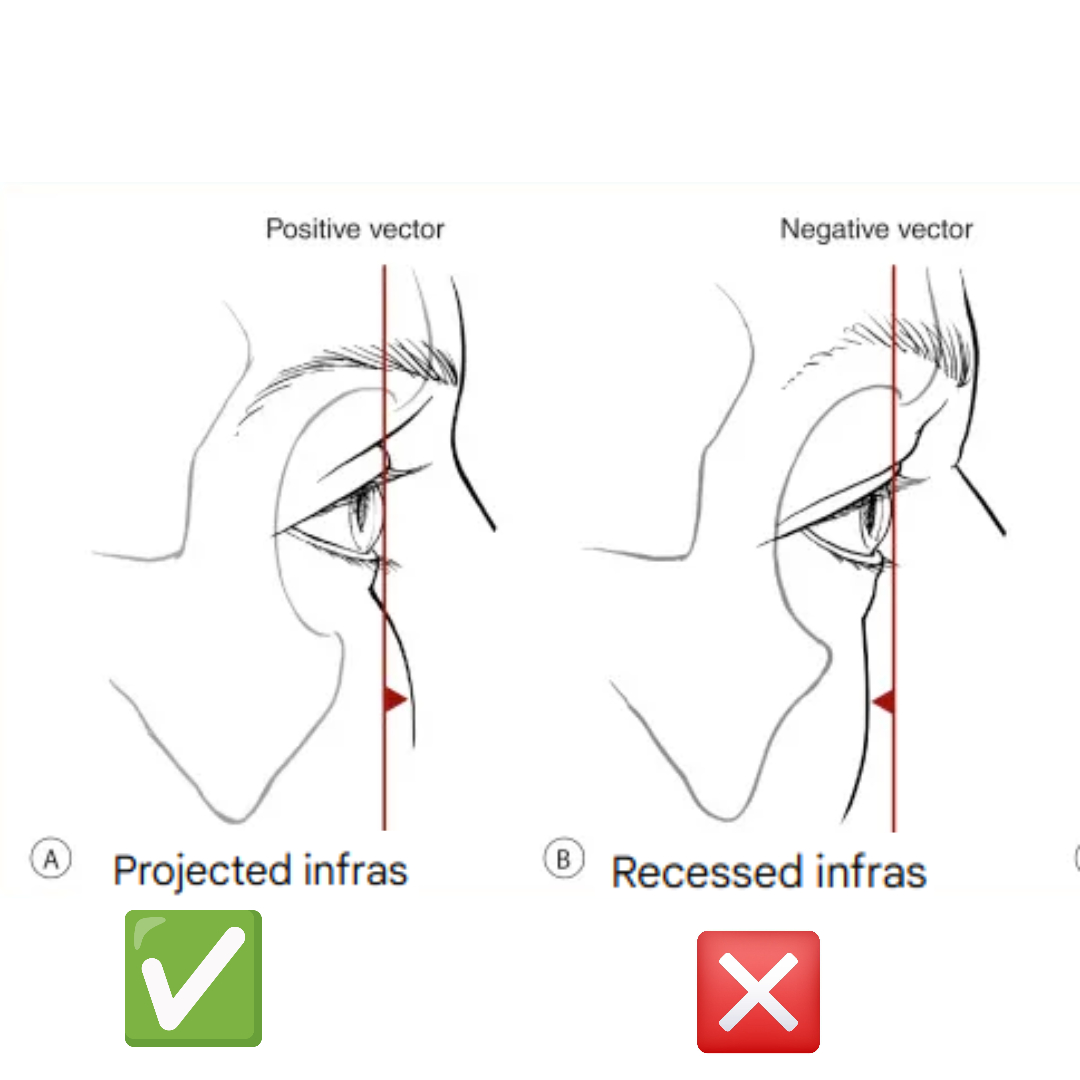
  • Orbital Rim Support Aesthetic: Sunken eyes or recessed infras, stem from a lack of bone support under the eye socket (the infraorbital rim). Forward maxillary growth physically brings the lower rim of the eye socket forward. This changes the skeletal configuration to provide strong support for the lower eyelids, preventing scleral show (where the white of the eye is visible below the iris) and contributing to a compact, well-supported, and intense orbital look.​
Untitled Project 3


Attachments

  • 1788404629533.png
    1788404629533.png
    384.9 KB · Views: 0
  • 1788447603660.png
    1788447603660.png
    1.8 MB · Views: 0
Last edited:
  • +1
Reactions: AQOUA, Azi.org, goopy and 2 others
i will read😬
 
  • +1
Reactions: vexd, Azi.org and CurrentYanti
nice thread will read
 
  • +1
Reactions: vexd, Azi.org and BleoodyOver
FGFR2i Inhibition for facial forward growth
A Complete Guide


View attachment 5601953
Part 1: FGFR2 Inhibition, Open Palate, and Facial Forward Growth
View attachment 5601859


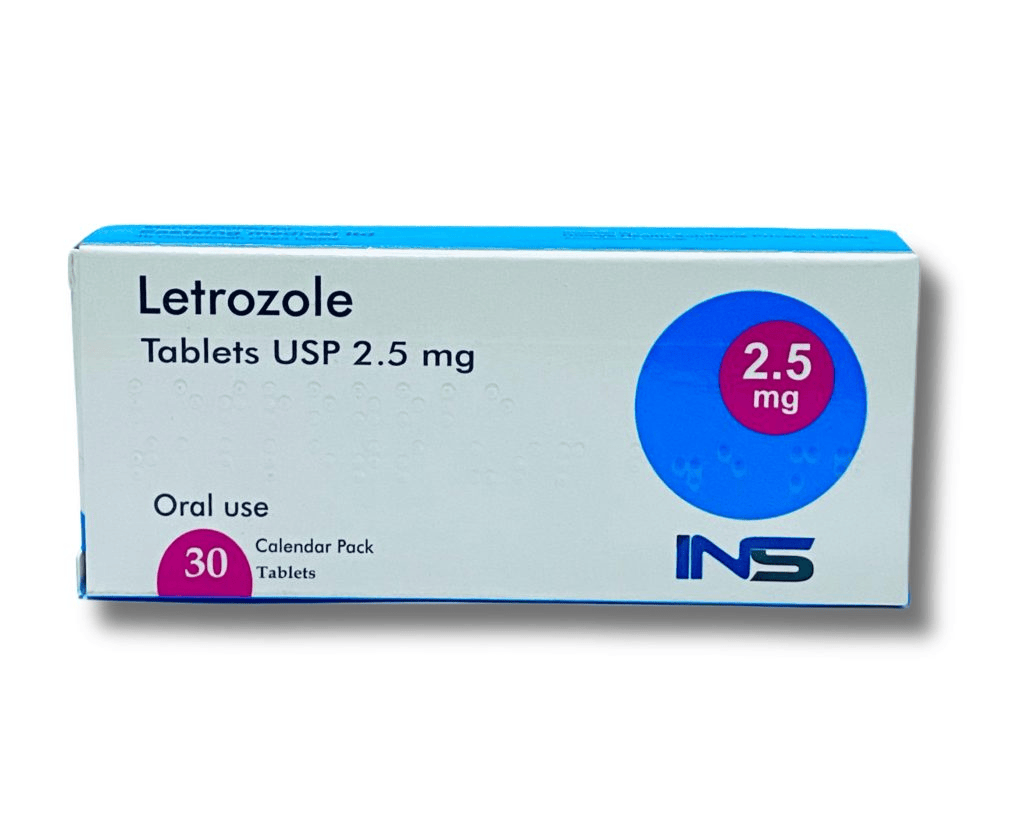
In developmental biology and craniofacial genetics, FGFR1 and FGFR2 act as critical gatekeepers for the formation of the skull, midface, and palate. Inhibiting them fundamentally disrupts the standard timeline of bone fusion and tissue growth. basically, functioning like an AI, delaying the sutures to close and lock in, so that gives you more time for your maxilla and other facial features to grow properly and forward enough
View attachment 5602117
View attachment 5602130
Simplified:
basically, inhibits your facial suture to lock in and close, allowing a more longer growth window for actual facial development


Part 2: Bone Architecture and Forward Growth

  • Midface Projection (Maxilla Growth): Poor maxillary growth results in a sunken midface, deep nasolabial folds, and an underprojected profile. Extending the growth window allows the maxilla to move forward along the zygomaticomaxillary and frontomaxillary seams. This movement pushes the central face outward, providing strong structural support for the nose, lifting the upper lip to shorten a long philtrum, and flattening the profile's concavity into more attracitve forward projection.​

File:Maxilla animation.gif - Wikimedia Commons
  • Zygomatic Flare and High setCheekbones: The cheekbones (zygomatic arches) are bound by the zygomaticotemporal and zygomaticomaxillary sutures. When erdafitinib keeps these seams active, the bone matrix expands laterally and forward. This creates highly defined, wide, and structurally sharp cheekbones, giving the hollow cheeks and ogee curve shadow effect by expanding the upper facial skeleton relative to the soft tissue.​
File:Zygomatic bone lateral animation.gif

  • Orbital Rim Support Aesthetic: Sunken eyes or recessed infras, stem from a lack of bone support under the eye socket (the infraorbital rim). Forward maxillary growth physically brings the lower rim of the eye socket forward. This changes the skeletal configuration to provide strong support for the lower eyelids, preventing scleral show (where the white of the eye is visible below the iris) and contributing to a compact, well-supported, and intense orbital look.​


Good thread
 
  • +1
Reactions: BleoodyOver, Azi.org and vexd
mirin iq
 
  • +1
Reactions: vexd and BleoodyOver
not a single molecule of evidence just words
FGFR2i Inhibition for facial forward growth
A Complete Guide


View attachment 5601953
Part 1: FGFR2 Inhibition, Open Palate, and Facial Forward Growth
View attachment 5601859


In developmental biology and craniofacial genetics, FGFR1 and FGFR2 act as critical gatekeepers for the formation of the skull, midface, and palate. Inhibiting them fundamentally disrupts the standard timeline of bone fusion and tissue growth. basically, functioning like an AI, delaying the sutures to close and lock in, so that gives you more time for your maxilla and other facial features to grow properly and forward enough
View attachment 5602117
View attachment 5602130
Simplified:
basically, inhibits your facial suture to lock in and close, allowing a more longer growth window for actual facial development


Part 2: Bone Architecture and Forward Growth

  • Midface Projection (Maxilla Growth): Poor maxillary growth results in a sunken midface, deep nasolabial folds, and an underprojected profile. Extending the growth window allows the maxilla to move forward along the zygomaticomaxillary and frontomaxillary seams. This movement pushes the central face outward, providing strong structural support for the nose, lifting the upper lip to shorten a long philtrum, and flattening the profile's concavity into more attracitve forward projection.​

File:Maxilla animation.gif - Wikimedia Commons
  • Zygomatic Flare and High setCheekbones: The cheekbones (zygomatic arches) are bound by the zygomaticotemporal and zygomaticomaxillary sutures. When erdafitinib keeps these seams active, the bone matrix expands laterally and forward. This creates highly defined, wide, and structurally sharp cheekbones, giving the hollow cheeks and ogee curve shadow effect by expanding the upper facial skeleton relative to the soft tissue.​
File:Zygomatic bone lateral animation.gif

  • Orbital Rim Support Aesthetic: Sunken eyes or recessed infras, stem from a lack of bone support under the eye socket (the infraorbital rim). Forward maxillary growth physically brings the lower rim of the eye socket forward. This changes the skeletal configuration to provide strong support for the lower eyelids, preventing scleral show (where the white of the eye is visible below the iris) and contributing to a compact, well-supported, and intense orbital look.​


not a single molecule of evidence just words
i thought it was pretty obvious
but here

-The U0126 Inhibitor Study
-The p38 Pathway Breakthrough (PMC3366414)
-Allele-Specific Knockdown (2024 Precision Medicine)
 

Similar threads

badacne
Replies
13
Views
167
idontmogYET
idontmogYET
ragu
Replies
13
Views
253
Nerogen
Nerogen
inhib_
Replies
72
Views
2K
Cheescakelover123
C
nico_demolishes_foi
Replies
1
Views
46
nico_demolishes_foi
nico_demolishes_foi

Users who are viewing this thread

Back
Top