HOW TO LENGTHEN YOUR RAMUS AND MAKE YOUR GONIAL ANGLE MORE OBTUSE, 100% WORKS, NO SURGERY, RAMUSCELS GTFIH!

luckycel

luckycel

Iron
Joined
Jul 1, 2024
Posts
158
Reputation
177
Introduction
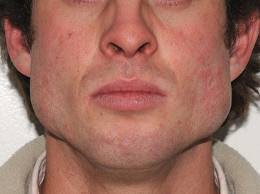
There has been a lot of talk about how chewing can cause CCW rotation and possibly grow your mandible through mechanical tension. However, I haven't seen anyone talk about directly training the masseters. Now, I know that masseter training is mostly a joke as far as making you look aesthetic in the short term(in some cases it can make you look like a bloated chipmunk):

1770577001119

But it's important to mention that even if you overtrain your masseters(which isn't that likely if you're natural), you can always use botox to make them smaller. More importantly, what I want to talk about today is the effect the masseters/bite force have on your ramus and gonial angle.


How masseter size and bite force affect the ramus
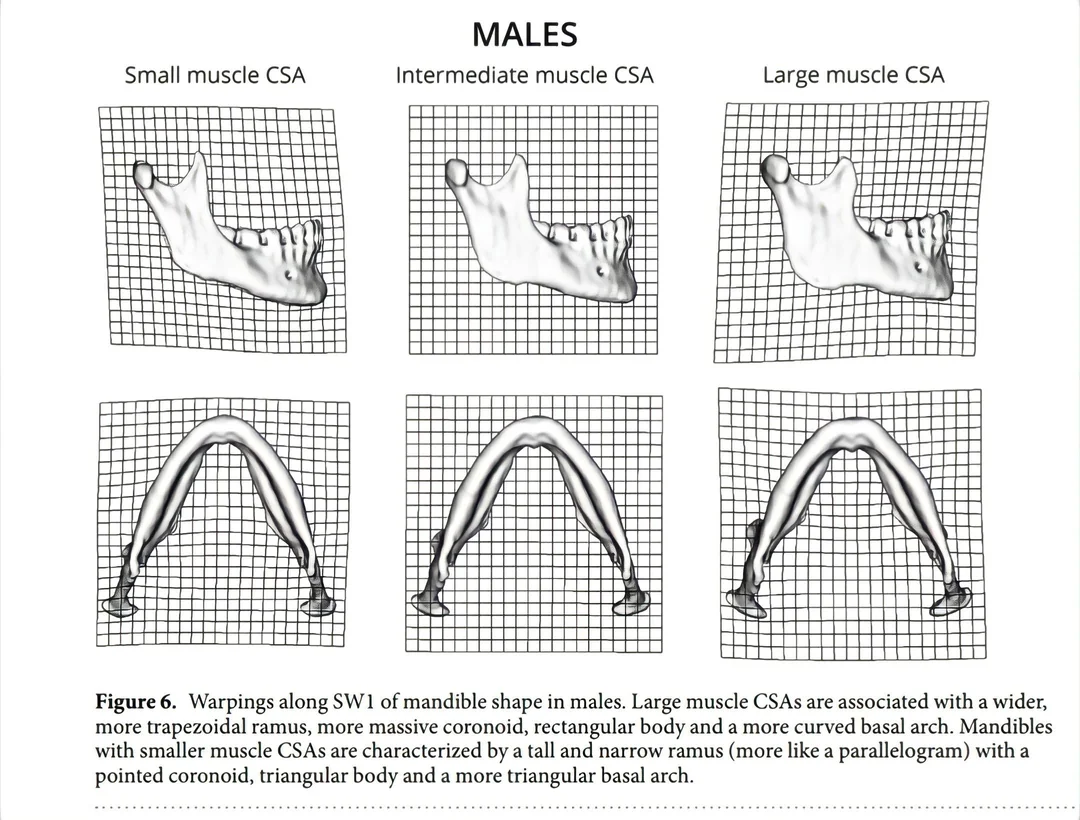
Biologically, the reason a long ramus is attractive is because it literally signifies that you have a long, strong jaw with a lot of bite force. But does having stronger bite force actually correlate with having a long ramus? Well, turns out it actually does:
1770577437398

In this study, it was shown that jaw muscle biting force directly correlates with jaw width and ramus length. Farmers who had softer diets had more slanted, more angular ramuses, or "shorter" ramuses, while meat eaters (hunting) had more lower and longer ramuses.

Now, this is just a correlation, but there's also direct evidence on how masseter hypertrophy affects ramus height in patients with bruxism. In this study, it was shown that adults with bruxism were ~300 times more likely to show mandibular angle bone apposition(new bone growing where the ramus is) than controls. The authors conclude that mandibular angle bone apposition represents a functional bone adaptation to long-term increased muscle forces from bruxism.

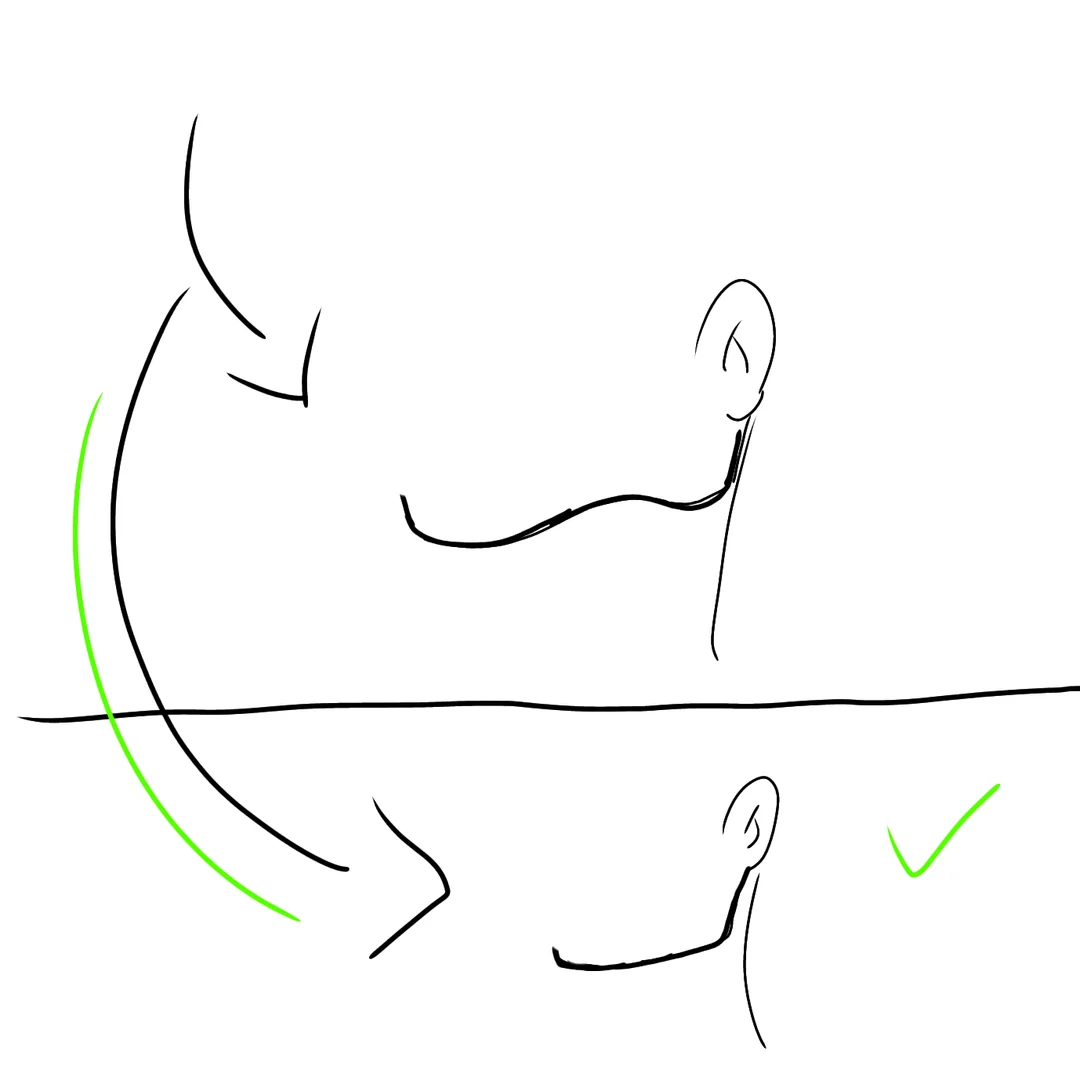
Basically, the masseters put mechanical tension on the back of the mandible, and new bone grows there resulting in a visually "lower" gonial angle. Note that the angle may appear smaller on a pano, but it’s mainly because new bone is being added, not because the mandible rotated or reshaped globally. You can also see this in the images from the previous study, where the "large muscle CSA"(large muscle crosssectional area) image doesn't exactly look like the mandible is actually being rotated, as much as it looks like there's just new bone at the mandibular angle where the masseters are.

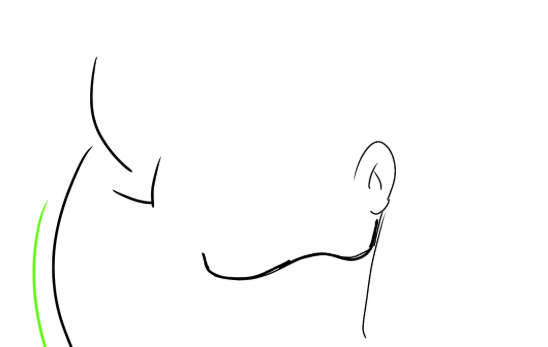
Also, one thing that's important to mention is the fact that bruxism often leads to people developing an antegonial notch, which is a logical result of bone apposition at the mandibular angle:
1770579573195

An antegonial notch is actually pretty common even in people without bruxism, one famous example I can think of is faceiq:

1770578718640

He has a good gonial angle and ramus which appears to be the result of bone apposition at the mandibular angle, just like what you see in patients with bruxism. You can see it better in this picture I found from his soundcloud:

1770578844607


What does all of this mean?
Based on all of the evidence i've provided, I think it's very reasonable to conclude that high bite force and large masseters lead to bone apposition at the mandibular angle, resulting in a visually longer ramus and lower gonial angle. The only drawback to this is again the risk of developing an antegonial notch, but I honestly think that it's 1000x better to have a long ramus and acute gonial angle at the cost of having an antegonial notch as opposed to not having an antegonial notch but having an obtuse gonial angle and short ramus.

Of course if your gonial angle is already obtuse or your ramus is already tall masseter training probably isn't worth it, but if you're a downgrown currycel with a 140° gonial angle and short ramus, this is some major hopefuel. I'm not sure as to how effective this is in adults, but it definitely works during puberty and I think that anyone with too much CCW and a short ramus should at least TRY training their masseters and increasing their bite force.

As to the methods you can use to hypertrophy your masseters, there's quite a lot of them. Including jaw trainers, hard gum, clenching exercises or just a hard diet in general. AFAIK, you don't actually have to chew raw meat or anything like that, using a cheap jaw trainer from amazon should be enough.
 

Attachments

  • 1770576986484.png
    1770576986484.png
    137.3 KB · Views: 0
  • 1770578594111.png
    1770578594111.png
    138.3 KB · Views: 0
  • 1770578709056.png
    1770578709056.png
    47.3 KB · Views: 0
Last edited:
  • +1
Reactions: kenwantstoascend, SteirischeEiche, oribulator and 8 others
Mirin
 
  • +1
Reactions: CramL and luckycel
Introduction
There has been a lot of talk about how chewing can cause CCW rotation and possibly grow your mandible through mechanical tension. However, I haven't seen anyone talk about directly training the masseters. Now, I know that masseter training is mostly a joke as far as making you look aesthetic in the short term(in some cases it can make you look like a bloated chipmunk):
View attachment 4632818
But it's important to mention that even if you overtrain your masseters(which isn't that likely if you're natural), you can always use botox to make them smaller. More importantly, what I want to talk about today is the effect the masseters/bite force have on your ramus and gonial angle.


How masseter size and bite force affect the ramus
Biologically, the reason a long ramus is attractive is because it literally signifies that you have a long, strong jaw with a lot of bite force. But does having stronger bite force actually correlate with having a long ramus? Well, turns out it actually does:
View attachment 4632843
In this study, it was shown that jaw muscle biting force directly correlates with jaw width and ramus length. Farmers who had softer diets had more slanted, more angular ramuses, or "shorter" ramuses, while meat eaters (hunting) had more lower and longer ramuses.

Now, this is just a correlation, but there's also direct evidence on how masseter hypertrophy affects ramus height in patients with bruxism. In this study, it was shown that adults with bruxism were ~300 times more likely to show mandibular angle bone apposition(new bone growing where the ramus is) than controls. The authors conclude that mandibular angle bone apposition represents a functional bone adaptation to long-term increased muscle forces from bruxism.

Basically, the masseters put mechanical tension on the back of the mandible, and new bone grows there resulting in a visually "lower" gonial angle. Note that the angle may appear smaller on a pano, but it’s mainly because new bone is being added, not because the mandible rotated or reshaped globally. You can also see this in the images from the previous study, where the "large muscle CSA"(large muscle crosssectional area) image doesn't exactly look like the mandible is actually being rotated, as much as it looks like there's just new bone at the mandibular angle where the masseters are.

Also, one thing that's important to mention is the fact that bruxism often leads to people developing an antegonial notch, which is a logical result of bone apposition at the mandibular angle:
View attachment 4632997

An antegonial notch is actually pretty common even in people without bruxism, one famous example I can think of is faceiq:
View attachment 4632961
He has a good gonial angle and ramus which appears to be the result of bone apposition at the mandibular angle, just like what you see in patients with bruxism. You can see it better in this picture I found from his soundcloud:
View attachment 4632973


What does all of this mean?
Based on all of the evidence i've provided, I think it's very reasonable to conclude that high bite force and large masseters lead to bone apposition at the mandibular angle, resulting in a visually longer ramus and lower gonial angle. The only drawback to this is again the risk of developing an antegonial notch, but I honestly think that it's 1000x better to have a long ramus and acute gonial angle at the cost of having an antegonial notch as opposed to not having an antegonial notch but having an obtuse gonial angle and short ramus.

Of course if your gonial angle is already obtuse or your ramus is already tall masseter training probably isn't worth it, but if you're a downgrown currycel with a 140° gonial angle and short ramus, this is some major hopefuel. I'm not sure as to how effective this is in adults, but it definitely works during puberty and I think that anyone with too much CCW and a short ramus should at least TRY training their masseters and increasing their bite force.

As to the methods you can use to hypertrophy your masseters, there's quite a lot of them. Including jaw trainers, hard gum, clenching exercises or just a hard diet in general. AFAIK, you don't actually have to chew raw meat or anything like that, using a cheap jaw trainer from amazon should be enough.
not many words i will read this mirin the effort. did u use chatgpt
 
worked for me, wont go too much into detail but ive been chewing falim gum for a couple hours a day for close to year now and ive seen crazy progress in the bone structure not just muscle, which also grew significantly
 
  • +1
Reactions: Deleted member 252423
worked for me, wont go too much into detail but ive been chewing falim gum for a couple hours a day for close to year now and ive seen crazy progress in the bone structure not just muscle, which also grew significantly
do u have any progress pics? if u do could u pm them to me this seems very interesting
 
Introduction
There has been a lot of talk about how chewing can cause CCW rotation and possibly grow your mandible through mechanical tension. However, I haven't seen anyone talk about directly training the masseters. Now, I know that masseter training is mostly a joke as far as making you look aesthetic in the short term(in some cases it can make you look like a bloated chipmunk):
View attachment 4632818
But it's important to mention that even if you overtrain your masseters(which isn't that likely if you're natural), you can always use botox to make them smaller. More importantly, what I want to talk about today is the effect the masseters/bite force have on your ramus and gonial angle.


How masseter size and bite force affect the ramus
Biologically, the reason a long ramus is attractive is because it literally signifies that you have a long, strong jaw with a lot of bite force. But does having stronger bite force actually correlate with having a long ramus? Well, turns out it actually does:
View attachment 4632843
In this study, it was shown that jaw muscle biting force directly correlates with jaw width and ramus length. Farmers who had softer diets had more slanted, more angular ramuses, or "shorter" ramuses, while meat eaters (hunting) had more lower and longer ramuses.

Now, this is just a correlation, but there's also direct evidence on how masseter hypertrophy affects ramus height in patients with bruxism. In this study, it was shown that adults with bruxism were ~300 times more likely to show mandibular angle bone apposition(new bone growing where the ramus is) than controls. The authors conclude that mandibular angle bone apposition represents a functional bone adaptation to long-term increased muscle forces from bruxism.

Basically, the masseters put mechanical tension on the back of the mandible, and new bone grows there resulting in a visually "lower" gonial angle. Note that the angle may appear smaller on a pano, but it’s mainly because new bone is being added, not because the mandible rotated or reshaped globally. You can also see this in the images from the previous study, where the "large muscle CSA"(large muscle crosssectional area) image doesn't exactly look like the mandible is actually being rotated, as much as it looks like there's just new bone at the mandibular angle where the masseters are.

Also, one thing that's important to mention is the fact that bruxism often leads to people developing an antegonial notch, which is a logical result of bone apposition at the mandibular angle:
View attachment 4632997

An antegonial notch is actually pretty common even in people without bruxism, one famous example I can think of is faceiq:
View attachment 4632961
He has a good gonial angle and ramus which appears to be the result of bone apposition at the mandibular angle, just like what you see in patients with bruxism. You can see it better in this picture I found from his soundcloud:
View attachment 4632973


What does all of this mean?
Based on all of the evidence i've provided, I think it's very reasonable to conclude that high bite force and large masseters lead to bone apposition at the mandibular angle, resulting in a visually longer ramus and lower gonial angle. The only drawback to this is again the risk of developing an antegonial notch, but I honestly think that it's 1000x better to have a long ramus and acute gonial angle at the cost of having an antegonial notch as opposed to not having an antegonial notch but having an obtuse gonial angle and short ramus.

Of course if your gonial angle is already obtuse or your ramus is already tall masseter training probably isn't worth it, but if you're a downgrown currycel with a 140° gonial angle and short ramus, this is some major hopefuel. I'm not sure as to how effective this is in adults, but it definitely works during puberty and I think that anyone with too much CCW and a short ramus should at least TRY training their masseters and increasing their bite force.

As to the methods you can use to hypertrophy your masseters, there's quite a lot of them. Including jaw trainers, hard gum, clenching exercises or just a hard diet in general. AFAIK, you don't actually have to chew raw meat or anything like that, using a cheap jaw trainer from amazon should be enough.
mirin ur effort good thread
 
  • +1
Reactions: luckycel
worked for me, wont go too much into detail but ive been chewing falim gum for a couple hours a day for close to year now and ive seen crazy progress in the bone structure not just muscle, which also grew significantly
U got any before/after pics?
 
U got any before/after pics?

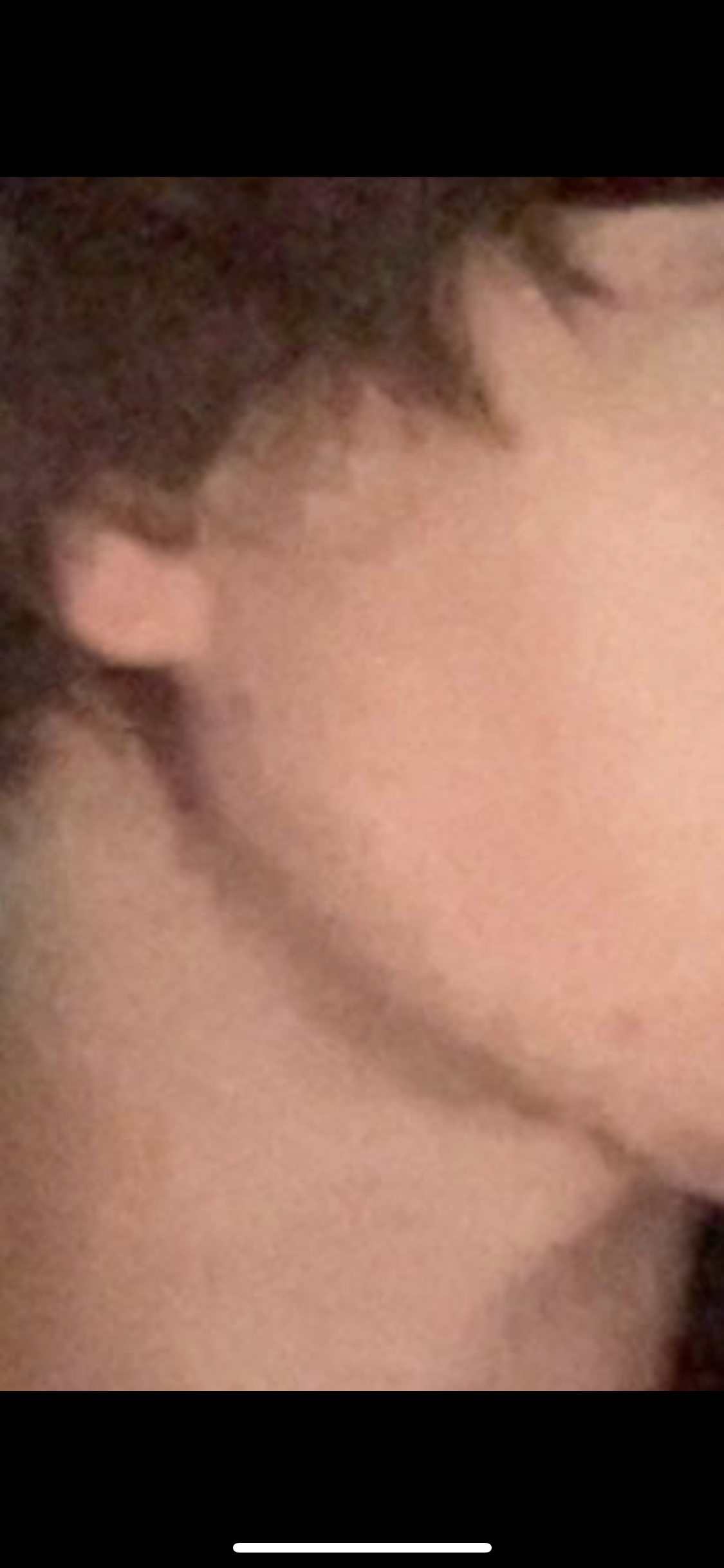
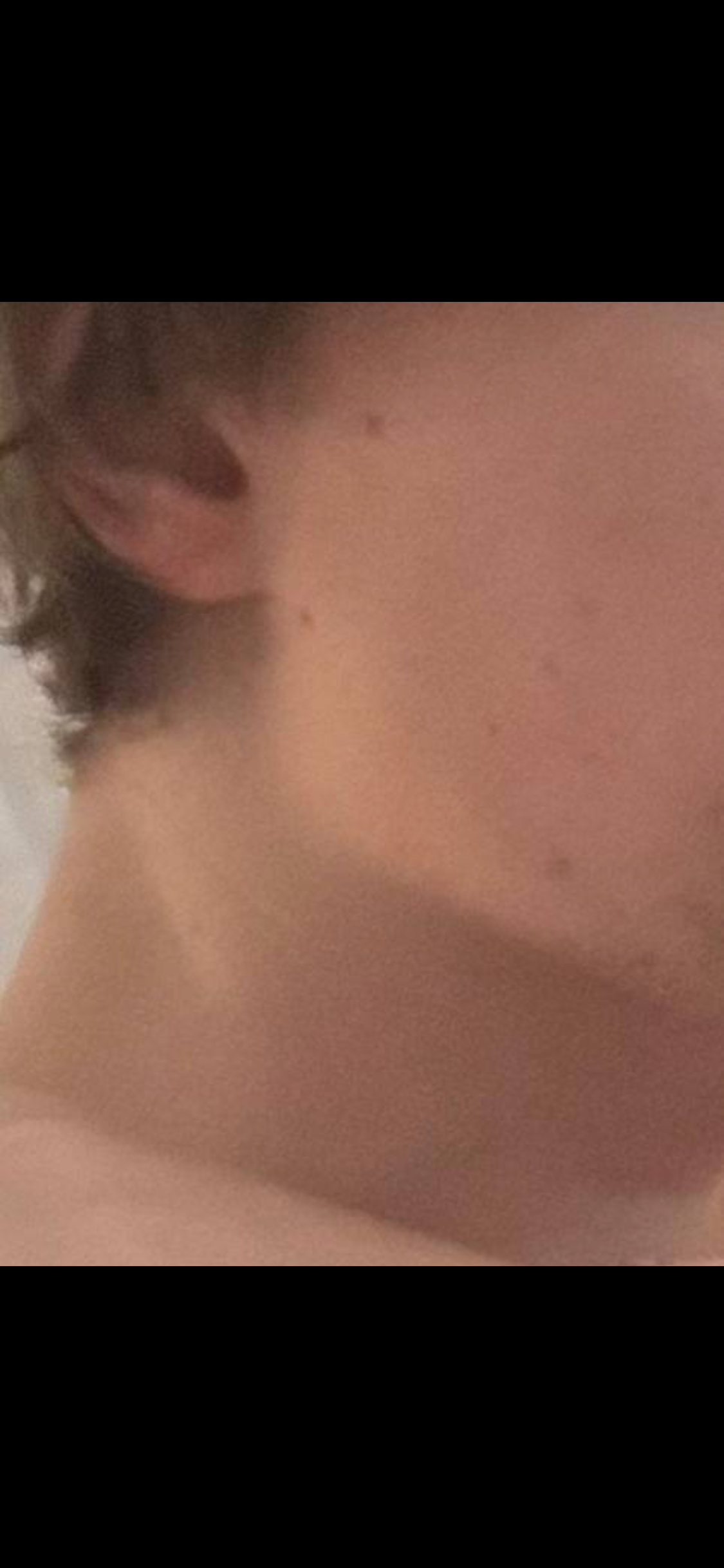
my posture also improved along with my jaw or my jaw improved because of the posture idk but the results are clear I think. this is like 10 months worth of progress and I did only my left side to see whether it works or not. Now I realized that it works so im trying to correct the asymmetry, my right side is coming along great. will post more results like a year later
 

Attachments

  • IMG_0261.PNG
    IMG_0261.PNG
    4.4 MB · Views: 0
  • IMG_0262.PNG
    IMG_0262.PNG
    1.8 MB · Views: 0
  • +1
Reactions: abzitobasso, Deleted member 252423 and narrator_313
my posture also improved along with my jaw or my jaw improved because of the posture idk but the results are clear I think. this is like 10 months worth of progress and I did only my left side to see whether it works or not. Now I realized that it works so im trying to correct the asymmetry, my right side is coming along great. will post more results like a year later
Woah mirin
 
  • Love it
Reactions: babadook
We all know that roids,and other pharma will NOT change bone but taking this theory into consideration would increased hypertrophy from external forces increase the speed of this happening or at the very least, aid in your progress by being more effective.
 
Introduction
There has been a lot of talk about how chewing can cause CCW rotation and possibly grow your mandible through mechanical tension. However, I haven't seen anyone talk about directly training the masseters. Now, I know that masseter training is mostly a joke as far as making you look aesthetic in the short term(in some cases it can make you look like a bloated chipmunk):
View attachment 4632818
But it's important to mention that even if you overtrain your masseters(which isn't that likely if you're natural), you can always use botox to make them smaller. More importantly, what I want to talk about today is the effect the masseters/bite force have on your ramus and gonial angle.


How masseter size and bite force affect the ramus
Biologically, the reason a long ramus is attractive is because it literally signifies that you have a long, strong jaw with a lot of bite force. But does having stronger bite force actually correlate with having a long ramus? Well, turns out it actually does:
View attachment 4632843
In this study, it was shown that jaw muscle biting force directly correlates with jaw width and ramus length. Farmers who had softer diets had more slanted, more angular ramuses, or "shorter" ramuses, while meat eaters (hunting) had more lower and longer ramuses.

Now, this is just a correlation, but there's also direct evidence on how masseter hypertrophy affects ramus height in patients with bruxism. In this study, it was shown that adults with bruxism were ~300 times more likely to show mandibular angle bone apposition(new bone growing where the ramus is) than controls. The authors conclude that mandibular angle bone apposition represents a functional bone adaptation to long-term increased muscle forces from bruxism.

Basically, the masseters put mechanical tension on the back of the mandible, and new bone grows there resulting in a visually "lower" gonial angle. Note that the angle may appear smaller on a pano, but it’s mainly because new bone is being added, not because the mandible rotated or reshaped globally. You can also see this in the images from the previous study, where the "large muscle CSA"(large muscle crosssectional area) image doesn't exactly look like the mandible is actually being rotated, as much as it looks like there's just new bone at the mandibular angle where the masseters are.

Also, one thing that's important to mention is the fact that bruxism often leads to people developing an antegonial notch, which is a logical result of bone apposition at the mandibular angle:
View attachment 4632997

An antegonial notch is actually pretty common even in people without bruxism, one famous example I can think of is faceiq:
View attachment 4632961
He has a good gonial angle and ramus which appears to be the result of bone apposition at the mandibular angle, just like what you see in patients with bruxism. You can see it better in this picture I found from his soundcloud:
View attachment 4632973


What does all of this mean?
Based on all of the evidence i've provided, I think it's very reasonable to conclude that high bite force and large masseters lead to bone apposition at the mandibular angle, resulting in a visually longer ramus and lower gonial angle. The only drawback to this is again the risk of developing an antegonial notch, but I honestly think that it's 1000x better to have a long ramus and acute gonial angle at the cost of having an antegonial notch as opposed to not having an antegonial notch but having an obtuse gonial angle and short ramus.

Of course if your gonial angle is already obtuse or your ramus is already tall masseter training probably isn't worth it, but if you're a downgrown currycel with a 140° gonial angle and short ramus, this is some major hopefuel. I'm not sure as to how effective this is in adults, but it definitely works during puberty and I think that anyone with too much CCW and a short ramus should at least TRY training their masseters and increasing their bite force.

As to the methods you can use to hypertrophy your masseters, there's quite a lot of them. Including jaw trainers, hard gum, clenching exercises or just a hard diet in general. AFAIK, you don't actually have to chew raw meat or anything like that, using a cheap jaw trainer from amazon should be enough.
Oh yeah
 
my posture also improved along with my jaw or my jaw improved because of the posture idk but the results are clear I think. this is like 10 months worth of progress and I did only my left side to see whether it works or not. Now I realized that it works so im trying to correct the asymmetry, my right side is coming along great. will post more results like a year later
how old are u? i wanna try to but idk if im young enough at 16-17 might be too late
 
Introduction
There has been a lot of talk about how chewing can cause CCW rotation and possibly grow your mandible through mechanical tension. However, I haven't seen anyone talk about directly training the masseters. Now, I know that masseter training is mostly a joke as far as making you look aesthetic in the short term(in some cases it can make you look like a bloated chipmunk):
View attachment 4632818
But it's important to mention that even if you overtrain your masseters(which isn't that likely if you're natural), you can always use botox to make them smaller. More importantly, what I want to talk about today is the effect the masseters/bite force have on your ramus and gonial angle.


How masseter size and bite force affect the ramus
Biologically, the reason a long ramus is attractive is because it literally signifies that you have a long, strong jaw with a lot of bite force. But does having stronger bite force actually correlate with having a long ramus? Well, turns out it actually does:
View attachment 4632843
In this study, it was shown that jaw muscle biting force directly correlates with jaw width and ramus length. Farmers who had softer diets had more slanted, more angular ramuses, or "shorter" ramuses, while meat eaters (hunting) had more lower and longer ramuses.

Now, this is just a correlation, but there's also direct evidence on how masseter hypertrophy affects ramus height in patients with bruxism. In this study, it was shown that adults with bruxism were ~300 times more likely to show mandibular angle bone apposition(new bone growing where the ramus is) than controls. The authors conclude that mandibular angle bone apposition represents a functional bone adaptation to long-term increased muscle forces from bruxism.

Basically, the masseters put mechanical tension on the back of the mandible, and new bone grows there resulting in a visually "lower" gonial angle. Note that the angle may appear smaller on a pano, but it’s mainly because new bone is being added, not because the mandible rotated or reshaped globally. You can also see this in the images from the previous study, where the "large muscle CSA"(large muscle crosssectional area) image doesn't exactly look like the mandible is actually being rotated, as much as it looks like there's just new bone at the mandibular angle where the masseters are.

Also, one thing that's important to mention is the fact that bruxism often leads to people developing an antegonial notch, which is a logical result of bone apposition at the mandibular angle:
View attachment 4632997

An antegonial notch is actually pretty common even in people without bruxism, one famous example I can think of is faceiq:
View attachment 4632961
He has a good gonial angle and ramus which appears to be the result of bone apposition at the mandibular angle, just like what you see in patients with bruxism. You can see it better in this picture I found from his soundcloud:
View attachment 4632973


What does all of this mean?
Based on all of the evidence i've provided, I think it's very reasonable to conclude that high bite force and large masseters lead to bone apposition at the mandibular angle, resulting in a visually longer ramus and lower gonial angle. The only drawback to this is again the risk of developing an antegonial notch, but I honestly think that it's 1000x better to have a long ramus and acute gonial angle at the cost of having an antegonial notch as opposed to not having an antegonial notch but having an obtuse gonial angle and short ramus.

Of course if your gonial angle is already obtuse or your ramus is already tall masseter training probably isn't worth it, but if you're a downgrown currycel with a 140° gonial angle and short ramus, this is some major hopefuel. I'm not sure as to how effective this is in adults, but it definitely works during puberty and I think that anyone with too much CCW and a short ramus should at least TRY training their masseters and increasing their bite force.

As to the methods you can use to hypertrophy your masseters, there's quite a lot of them. Including jaw trainers, hard gum, clenching exercises or just a hard diet in general. AFAIK, you don't actually have to chew raw meat or anything like that, using a cheap jaw trainer from amazon should be enough.
forgot to say u can only do this when ur 14-21 after that the cartilage in ur face stops ossification
 
my posture also improved along with my jaw or my jaw improved because of the posture idk but the results are clear I think. this is like 10 months worth of progress and I did only my left side to see whether it works or not. Now I realized that it works so im trying to correct the asymmetry, my right side is coming along great. will post more results like a year later
Btw did this increase ur jaw/bigonial width from the front?
 
Btw did this increase ur jaw/bigonial width from the front?
very little because my gonions are inward:forcedsmile: it did give my front profile a bit more definition/angularity
 
my posture also improved along with my jaw or my jaw improved because of the posture idk but the results are clear I think. this is like 10 months worth of progress and I did only my left side to see whether it works or not. Now I realized that it works so im trying to correct the asymmetry, my right side is coming along great. will post more results like a year later
Wow that’s impressive

Is it all skeletal change or is there a bit of rotation too?

Also did you do or take anything else aside from chewing?
 
Introduction
There has been a lot of talk about how chewing can cause CCW rotation and possibly grow your mandible through mechanical tension. However, I haven't seen anyone talk about directly training the masseters. Now, I know that masseter training is mostly a joke as far as making you look aesthetic in the short term(in some cases it can make you look like a bloated chipmunk):
View attachment 4632818
But it's important to mention that even if you overtrain your masseters(which isn't that likely if you're natural), you can always use botox to make them smaller. More importantly, what I want to talk about today is the effect the masseters/bite force have on your ramus and gonial angle.


How masseter size and bite force affect the ramus
Biologically, the reason a long ramus is attractive is because it literally signifies that you have a long, strong jaw with a lot of bite force. But does having stronger bite force actually correlate with having a long ramus? Well, turns out it actually does:
View attachment 4632843
In this study, it was shown that jaw muscle biting force directly correlates with jaw width and ramus length. Farmers who had softer diets had more slanted, more angular ramuses, or "shorter" ramuses, while meat eaters (hunting) had more lower and longer ramuses.

Now, this is just a correlation, but there's also direct evidence on how masseter hypertrophy affects ramus height in patients with bruxism. In this study, it was shown that adults with bruxism were ~300 times more likely to show mandibular angle bone apposition(new bone growing where the ramus is) than controls. The authors conclude that mandibular angle bone apposition represents a functional bone adaptation to long-term increased muscle forces from bruxism.

Basically, the masseters put mechanical tension on the back of the mandible, and new bone grows there resulting in a visually "lower" gonial angle. Note that the angle may appear smaller on a pano, but it’s mainly because new bone is being added, not because the mandible rotated or reshaped globally. You can also see this in the images from the previous study, where the "large muscle CSA"(large muscle crosssectional area) image doesn't exactly look like the mandible is actually being rotated, as much as it looks like there's just new bone at the mandibular angle where the masseters are.

Also, one thing that's important to mention is the fact that bruxism often leads to people developing an antegonial notch, which is a logical result of bone apposition at the mandibular angle:
View attachment 4632997

An antegonial notch is actually pretty common even in people without bruxism, one famous example I can think of is faceiq:
View attachment 4632961
He has a good gonial angle and ramus which appears to be the result of bone apposition at the mandibular angle, just like what you see in patients with bruxism. You can see it better in this picture I found from his soundcloud:
View attachment 4632973


What does all of this mean?
Based on all of the evidence i've provided, I think it's very reasonable to conclude that high bite force and large masseters lead to bone apposition at the mandibular angle, resulting in a visually longer ramus and lower gonial angle. The only drawback to this is again the risk of developing an antegonial notch, but I honestly think that it's 1000x better to have a long ramus and acute gonial angle at the cost of having an antegonial notch as opposed to not having an antegonial notch but having an obtuse gonial angle and short ramus.

Of course if your gonial angle is already obtuse or your ramus is already tall masseter training probably isn't worth it, but if you're a downgrown currycel with a 140° gonial angle and short ramus, this is some major hopefuel. I'm not sure as to how effective this is in adults, but it definitely works during puberty and I think that anyone with too much CCW and a short ramus should at least TRY training their masseters and increasing their bite force.

As to the methods you can use to hypertrophy your masseters, there's quite a lot of them. Including jaw trainers, hard gum, clenching exercises or just a hard diet in general. AFAIK, you don't actually have to chew raw meat or anything like that, using a cheap jaw trainer from amazon should be enough.
DNRD faggot.
 
Wow that’s impressive

Is it all skeletal change or is there a bit of rotation too?

Also did you do or take anything else aside from chewing?
minimal to zero rotation but my palate and upper arch widened like crazy. Before doing this it was U shaped now it's much better. Dont know if it's just teeth moving or bones but the result is nice regardless, my bite is much much better. Just make sure not to chew with your back teeth too much or you will get recessed. Also no I didnt take anything
 
minimal to zero rotation but my palate and upper arch widened like crazy. Before doing this it was U shaped now it's much better. Dont know if it's just teeth moving or bones but the result is nice regardless, my bite is much much better. Just make sure not to chew with your back teeth too much or you will get recessed. Also no I didnt take anything
Ok thank you one last thing; is there a chance this could work at 16/17 and does diet matter much here?
 
Ok thank you one last thing; is there a chance this could work at 16/17 and does diet matter much here?
I did this shit at 17-18 when my growth plates were basically closed. Diet matters at any age. Research how to maximize testosterone levels. (sleep lift eat etc) If you manage to hit 800+ and hold it through your adolescence you will develop the rest of the dimorphism you have left.

If you actually decide to do this though, dont buy gum with artificial sweeteners, you will get diarrhea if you chew a lot of it. Buy Falim if you can, if not just choose careful and ask chatgpt.

Also be wary of TMD, I made a mistake of chewing too much on my first days and I was afraid I broke something. Limit yourself to one hour then up it whenever you feel comfortable with doing more. I dont know if you ever trained tendons but training your masseters is the middle ground of how hard you should go between training muscles like biceps and tendons. Good luck buddy, all of us are going to escape MTN hell
 
  • +1
Reactions: chadtushar, kenwantstoascend and david1
Introduction
There has been a lot of talk about how chewing can cause CCW rotation and possibly grow your mandible through mechanical tension. However, I haven't seen anyone talk about directly training the masseters. Now, I know that masseter training is mostly a joke as far as making you look aesthetic in the short term(in some cases it can make you look like a bloated chipmunk):
View attachment 4632818
But it's important to mention that even if you overtrain your masseters(which isn't that likely if you're natural), you can always use botox to make them smaller. More importantly, what I want to talk about today is the effect the masseters/bite force have on your ramus and gonial angle.


How masseter size and bite force affect the ramus
Biologically, the reason a long ramus is attractive is because it literally signifies that you have a long, strong jaw with a lot of bite force. But does having stronger bite force actually correlate with having a long ramus? Well, turns out it actually does:
View attachment 4632843
In this study, it was shown that jaw muscle biting force directly correlates with jaw width and ramus length. Farmers who had softer diets had more slanted, more angular ramuses, or "shorter" ramuses, while meat eaters (hunting) had more lower and longer ramuses.

Now, this is just a correlation, but there's also direct evidence on how masseter hypertrophy affects ramus height in patients with bruxism. In this study, it was shown that adults with bruxism were ~300 times more likely to show mandibular angle bone apposition(new bone growing where the ramus is) than controls. The authors conclude that mandibular angle bone apposition represents a functional bone adaptation to long-term increased muscle forces from bruxism.

Basically, the masseters put mechanical tension on the back of the mandible, and new bone grows there resulting in a visually "lower" gonial angle. Note that the angle may appear smaller on a pano, but it’s mainly because new bone is being added, not because the mandible rotated or reshaped globally. You can also see this in the images from the previous study, where the "large muscle CSA"(large muscle crosssectional area) image doesn't exactly look like the mandible is actually being rotated, as much as it looks like there's just new bone at the mandibular angle where the masseters are.

Also, one thing that's important to mention is the fact that bruxism often leads to people developing an antegonial notch, which is a logical result of bone apposition at the mandibular angle:
View attachment 4632997

An antegonial notch is actually pretty common even in people without bruxism, one famous example I can think of is faceiq:
View attachment 4632961
He has a good gonial angle and ramus which appears to be the result of bone apposition at the mandibular angle, just like what you see in patients with bruxism. You can see it better in this picture I found from his soundcloud:
View attachment 4632973


What does all of this mean?
Based on all of the evidence i've provided, I think it's very reasonable to conclude that high bite force and large masseters lead to bone apposition at the mandibular angle, resulting in a visually longer ramus and lower gonial angle. The only drawback to this is again the risk of developing an antegonial notch, but I honestly think that it's 1000x better to have a long ramus and acute gonial angle at the cost of having an antegonial notch as opposed to not having an antegonial notch but having an obtuse gonial angle and short ramus.

Of course if your gonial angle is already obtuse or your ramus is already tall masseter training probably isn't worth it, but if you're a downgrown currycel with a 140° gonial angle and short ramus, this is some major hopefuel. I'm not sure as to how effective this is in adults, but it definitely works during puberty and I think that anyone with too much CCW and a short ramus should at least TRY training their masseters and increasing their bite force.

As to the methods you can use to hypertrophy your masseters, there's quite a lot of them. Including jaw trainers, hard gum, clenching exercises or just a hard diet in general. AFAIK, you don't actually have to chew raw meat or anything like that, using a cheap jaw trainer from amazon should be enough.
Nice
 
Read, I guess the takeaway is to train your massetters then when you get bone growth get massetter botox?
 
Read, I guess the takeaway is to train your massetters then when you get bone growth get massetter botox?
Only get masseter botox if you look bloated, otherwise just train your masseters and hope for bone apposition
 
worked for me, wont go too much into detail but ive been chewing falim gum for a couple hours a day for close to year now and ive seen crazy progress in the bone structure not just muscle, which also grew significantly
age ?
 
Introduction
There has been a lot of talk about how chewing can cause CCW rotation and possibly grow your mandible through mechanical tension. However, I haven't seen anyone talk about directly training the masseters. Now, I know that masseter training is mostly a joke as far as making you look aesthetic in the short term(in some cases it can make you look like a bloated chipmunk):
View attachment 4632818
But it's important to mention that even if you overtrain your masseters(which isn't that likely if you're natural), you can always use botox to make them smaller. More importantly, what I want to talk about today is the effect the masseters/bite force have on your ramus and gonial angle.


How masseter size and bite force affect the ramus
Biologically, the reason a long ramus is attractive is because it literally signifies that you have a long, strong jaw with a lot of bite force. But does having stronger bite force actually correlate with having a long ramus? Well, turns out it actually does:
View attachment 4632843
In this study, it was shown that jaw muscle biting force directly correlates with jaw width and ramus length. Farmers who had softer diets had more slanted, more angular ramuses, or "shorter" ramuses, while meat eaters (hunting) had more lower and longer ramuses.

Now, this is just a correlation, but there's also direct evidence on how masseter hypertrophy affects ramus height in patients with bruxism. In this study, it was shown that adults with bruxism were ~300 times more likely to show mandibular angle bone apposition(new bone growing where the ramus is) than controls. The authors conclude that mandibular angle bone apposition represents a functional bone adaptation to long-term increased muscle forces from bruxism.

Basically, the masseters put mechanical tension on the back of the mandible, and new bone grows there resulting in a visually "lower" gonial angle. Note that the angle may appear smaller on a pano, but it’s mainly because new bone is being added, not because the mandible rotated or reshaped globally. You can also see this in the images from the previous study, where the "large muscle CSA"(large muscle crosssectional area) image doesn't exactly look like the mandible is actually being rotated, as much as it looks like there's just new bone at the mandibular angle where the masseters are.

Also, one thing that's important to mention is the fact that bruxism often leads to people developing an antegonial notch, which is a logical result of bone apposition at the mandibular angle:
View attachment 4632997

An antegonial notch is actually pretty common even in people without bruxism, one famous example I can think of is faceiq:
View attachment 4632961
He has a good gonial angle and ramus which appears to be the result of bone apposition at the mandibular angle, just like what you see in patients with bruxism. You can see it better in this picture I found from his soundcloud:
View attachment 4632973


What does all of this mean?
Based on all of the evidence i've provided, I think it's very reasonable to conclude that high bite force and large masseters lead to bone apposition at the mandibular angle, resulting in a visually longer ramus and lower gonial angle. The only drawback to this is again the risk of developing an antegonial notch, but I honestly think that it's 1000x better to have a long ramus and acute gonial angle at the cost of having an antegonial notch as opposed to not having an antegonial notch but having an obtuse gonial angle and short ramus.

Of course if your gonial angle is already obtuse or your ramus is already tall masseter training probably isn't worth it, but if you're a downgrown currycel with a 140° gonial angle and short ramus, this is some major hopefuel. I'm not sure as to how effective this is in adults, but it definitely works during puberty and I think that anyone with too much CCW and a short ramus should at least TRY training their masseters and increasing their bite force.

As to the methods you can use to hypertrophy your masseters, there's quite a lot of them. Including jaw trainers, hard gum, clenching exercises or just a hard diet in general. AFAIK, you don't actually have to chew raw meat or anything like that, using a cheap jaw trainer from amazon should be enough.
mirin effort but its basically training muscles g
 
  • +1
Reactions: greycel manlet

Similar threads

xlefort
Replies
5
Views
260
xlefort
xlefort
Veridic
Replies
7
Views
679
revant
R
T
Replies
32
Views
507
TheGreatWhite Cope
T
6ft4
Replies
7
Views
392
ccwb
ccwb

Users who are viewing this thread

Back
Top