


LOGIQ
Bronze
- Joined
- Feb 19, 2024
- Posts
- 455
- Reputation
- 416
MHC THEORY, PERCEPTION, AND THE “TWO-BRAIN” MODEL (ULTRA-DETAILED SYSTEM)
Table of Contents
- Introduction to MHC and Attraction
- Deep Biological Signaling Layer
- Hormones, Diet, and Chemical Output
- Integrated Perception Stack
- Signal Hierarchy and Priority
- The Two-Brain Framework
- Part 1: External Brain
- Part 2: Internal Brain
- Micro-Leak Theory
- Signal Alignment Theory
- Mismatch Case Studies
- Self-Study and Calibration
- Daily Execution Protocol
- Environmental and Hormonal Optimization
- Emotional Detection Systems
- Advanced Behavioral Engineering
- Long-Term Adaptation
- Final Thoughts
Introduction to MHC and Attraction

MHC refers to genetic structures that regulate immune system signaling and indirectly influence biological output. These systems are constantly active, producing biochemical markers that contribute to baseline scent and internal physiological stability.

These signals are not isolated. They exist within a larger perception system where visual, behavioral, and emotional inputs combine into a unified output. Attraction operates as a synthesis of these layers rather than a single dominant factor.
From a systems perspective, MHC is a foundational layer. It does not dominate perception, but it contributes to overall coherence. When biological signals align with behavior and presentation, the result is a more stable and consistent perception profile.
This is why optimization must be approached holistically. Focusing on one layer while ignoring others creates imbalance. Full-system control produces the strongest outcome.

Deep Biological Signaling Layer

Biological signaling is continuous and multi-variable. It is influenced by internal systems that operate below conscious awareness.
Primary drivers:
- endocrine system activity
- metabolic rate and efficiency
- nervous system regulation
- genetic expression patterns
These systems generate chemical outputs that form a baseline biological signal.

Sweat glands and skin microbiota interact with these outputs, producing scent signatures that remain relatively stable unless disrupted.
Stability depends on:
- consistent internal regulation
- controlled stress levels
- predictable metabolic inputs
Disruption leads to variability. Variability introduces noise into the system. Noise reduces clarity of perception.
The objective is not elimination of biological variation, but reduction of unnecessary fluctuation. A stable internal system produces a stable external signal.
Hormones, Diet, and Chemical Output

Hormonal balance is a central regulator of both internal and external states.
Hormones influence:
- emotional baseline
- stress response intensity
- energy distribution
- physiological output including scent
Diet directly affects metabolic pathways.

Macronutrient composition, micronutrient availability, and gut health all contribute to:
- skin condition
- inflammation levels
- odor production
- cognitive clarity
Hydration regulates:
- toxin concentration
- skin elasticity
- overall physiological efficiency
These inputs combine to form a biochemical environment.
A clean environment produces consistent output.
A chaotic environment produces fluctuating output.
Long-term consistency in inputs leads to predictable biological signaling, which supports overall system stability.

Integrated Perception Stack

Perception operates through layered processing.
Layer 1:
Visual input dominates initial evaluation.
Layer 2:
Auditory input refines interpretation.
Layer 3:
Behavioral patterns establish consistency.
Layer 4:
Subtle cues such as scent and micro-expression influence deeper judgment.

Each layer feeds into a unified model of perception.
Alignment across layers results in:
- clarity
- predictability
- stability
Conflict between layers results in:
- ambiguity
- inconsistency
- reduced trust
The system is additive. Each layer strengthens or weakens the overall signal depending on alignment.

Signal Hierarchy and Priority
Signals vary in impact.
High-impact signals:
- posture
- facial presentation
- vocal delivery
Moderate-impact signals:
- movement patterns
- behavioral consistency
Low-impact signals:
- scent
- micro-expressions

Lower-level signals gain importance when they contradict higher-level ones.
For example:
Strong posture combined with unstable micro-signals reduces overall effectiveness.
Hierarchy defines priority, not exclusivity. All signals contribute to final perception.

High-impact signals:
- posture
- facial presentation
- vocal delivery
Moderate-impact signals:
- movement patterns
- behavioral consistency
Low-impact signals:
- scent
- micro-expressions

Lower-level signals gain importance when they contradict higher-level ones.
For example:
Strong posture combined with unstable micro-signals reduces overall effectiveness.
Hierarchy defines priority, not exclusivity. All signals contribute to final perception.
The Two-Brain Framework

The Two-Brain model separates output into two functional systems.
External Brain:
Handles visible and audible signals.
Internal Brain:
Generates underlying states that influence subtle outputs.
These systems operate simultaneously.
The External Brain is controlled through conscious effort.
The Internal Brain is shaped through conditioning and regulation.
Synchronization between these systems is required for consistent perception.
Desynchronization introduces variability and reduces clarity.
Part 1: The External Brain (Perceived Layer)

This layer defines observable output.
Components:
Posture:
Determines structural alignment and physical presence.

Facial expression:
Controls emotional signaling and baseline appearance.
Voice:
Establishes authority, clarity, and pacing.
Movement:
Reflects efficiency and control.
Clothing:
Frames body proportions and enhances symmetry.
Detailed execution:
Posture must remain stable under movement and stress.
Facial control must avoid excessive fluctuation.
Voice must maintain consistent pacing and tone.
Movement must be intentional and minimized.
Consistency across environments is critical. Any deviation introduces variability into perception.
This layer acts as the primary interface between internal state and external perception.

Part 2: The Internal Brain (Subtle Layer)

This layer operates continuously in the background.
Core elements:
- thought patterns
- emotional baseline
- stress regulation
- attentional focus

These elements influence:
- micro-expressions
- behavioral timing
- vocal variation
- consistency of responses
High internal variability produces inconsistent output.
Stabilization methods include:
- reducing cognitive overload
- maintaining consistent emotional baseline
- limiting unnecessary internal dialogue
The objective is not suppression, but regulation.
A regulated internal system produces minimal noise and supports consistent external output.

Micro-Leak Theory
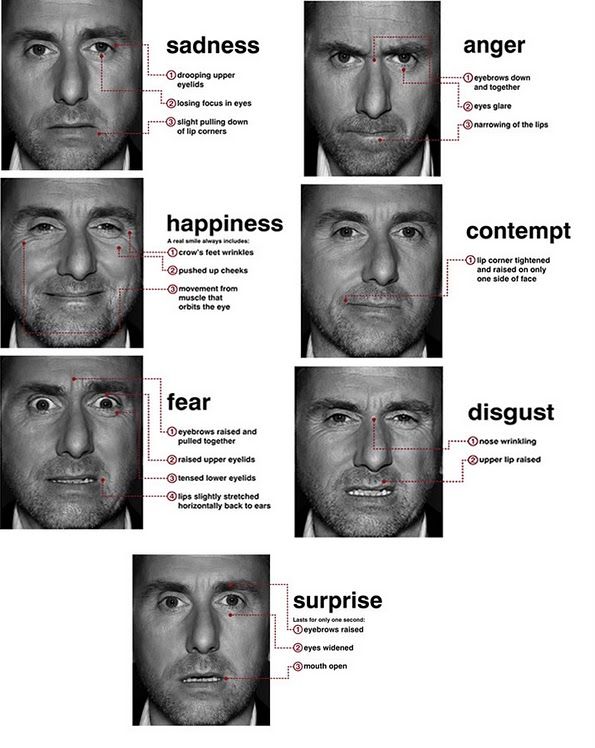
Micro-leaks are subtle indicators of internal state.
Examples:
- delayed response timing
- slight facial tension
- inconsistent eye contact
Individually, these signals are minor.
Collectively, they form patterns.
Pattern recognition allows observers to detect inconsistency without conscious analysis.
Reducing micro-leaks requires:
- internal stability
- external control
- repetition and conditioning
The fewer the leaks, the stronger the overall signal coherence.

Examples:
- delayed response timing
- slight facial tension
- inconsistent eye contact

Individually, these signals are minor.
Collectively, they form patterns.
Pattern recognition allows observers to detect inconsistency without conscious analysis.
Reducing micro-leaks requires:
- internal stability
- external control
- repetition and conditioning
The fewer the leaks, the stronger the overall signal coherence.
Signal Alignment Theory
Alignment occurs when all layers communicate the same state.
Components:
- biological output
- internal state
- external behavior
When aligned:
- perception is clear
- behavior is predictable
- presence is stable
When misaligned:
- signals conflict
- perception weakens
- inconsistency increases
Alignment is the central objective of the system.

Components:
- biological output
- internal state
- external behavior
When aligned:
- perception is clear
- behavior is predictable
- presence is stable
When misaligned:
- signals conflict
- perception weakens
- inconsistency increases
Alignment is the central objective of the system.
Mismatch Case Studies
Case 1:
Strong external control, unstable internal state
Result: visible inconsistency over time
Case 2:
Clean presentation, poor internal regulation
Result: subtle behavioral leaks
Case 3:
Stable internal state, weak external expression
Result: underutilized presence
Each case demonstrates imbalance.
Balanced systems outperform specialized but misaligned ones.
Strong external control, unstable internal state
Result: visible inconsistency over time
Case 2:
Clean presentation, poor internal regulation
Result: subtle behavioral leaks
Case 3:
Stable internal state, weak external expression
Result: underutilized presence
Each case demonstrates imbalance.
Balanced systems outperform specialized but misaligned ones.
Self-Study and Calibration
Calibration requires objective feedback.
Methods:
- video analysis
- audio review
- behavioral observation
Focus areas:
- consistency across interactions
- repetition of patterns
- identification of variability
Improvement is incremental.
Small adjustments compound into long-term alignment.

Daily Execution Protocol

External execution:
- maintain posture
- control expression
- regulate voice
Internal execution:
- reduce unnecessary thought loops
- stabilize emotional baseline
- maintain focus
Execution principle:
Consistency produces stability.
Stability produces predictability.
Predictability strengthens perception.

Environmental and Hormonal Optimization
Inputs:
- sleep quality
- diet consistency
- hydration levels
- stress exposure
Outputs:
- hormonal balance
- scent profile
- energy stability
Optimized inputs reduce variability.
Reduced variability strengthens alignment across all layers.

- sleep quality
- diet consistency
- hydration levels
- stress exposure
Outputs:
- hormonal balance
- scent profile
- energy stability

Optimized inputs reduce variability.
Reduced variability strengthens alignment across all layers.

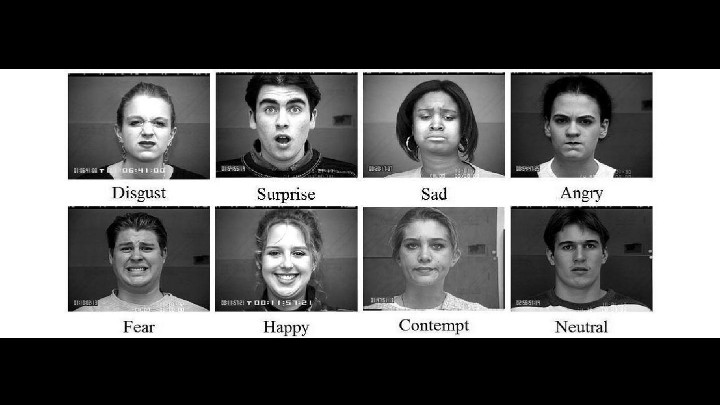
Emotional Detection Systems
Detection mechanisms identify:
- tone variation
- expression shifts
- timing inconsistencies
Higher sensitivity increases detection accuracy.
Stable systems produce fewer detectable variations.
Reduced variation leads to smoother perception.
- tone variation
- expression shifts
- timing inconsistencies
Higher sensitivity increases detection accuracy.
Stable systems produce fewer detectable variations.
Reduced variation leads to smoother perception.
Advanced Behavioral Engineering
Advanced optimization includes:
External:
- refined movement efficiency
- controlled expression transitions
Internal:
- rapid emotional stabilization
- consistent cognitive patterns
System behavior becomes predictable and stable across environments.

External:
- refined movement efficiency
- controlled expression transitions
Internal:
- rapid emotional stabilization
- consistent cognitive patterns
System behavior becomes predictable and stable across environments.

Long-Term Adaptation
Adaptation occurs through repetition and reinforcement.
Neural pathways stabilize:
- behavior becomes automatic
- internal state becomes baseline
Consistency over time transforms temporary control into permanent structure.

Neural pathways stabilize:
- behavior becomes automatic
- internal state becomes baseline
Consistency over time transforms temporary control into permanent structure.

Final Thoughts

MHC-related signaling is one component within a multi-layered system.
The strongest presence results from:
- stable internal state
- controlled external output
- aligned biological signals
Full-system alignment produces consistent and coherent perception across all contexts.

Attachments





Last edited:


