
How to use a Cannula for Filler injections | A Quick Guide by Orka

Orka

Orka

DM For Coaching
Contributor
Joined
Sep 8, 2024
Posts
17,901
Reputation
61,260
How to use a Cannula for Filler injections | A Quick Guide by Orka

There are several areas in your face where using a cannula would be easier & better than using a regular needle, but at first glance a 2” long blunt rod might be intimidating to look at. This guide is here to help you get over that fear, and teach you how to use a cannula safely & efficiently.


Table of Contents:


1. What are Cannulas?
2. Pilot holes
3. Entry & Navigation
4. Technique Videos


1. What are Cannulas?

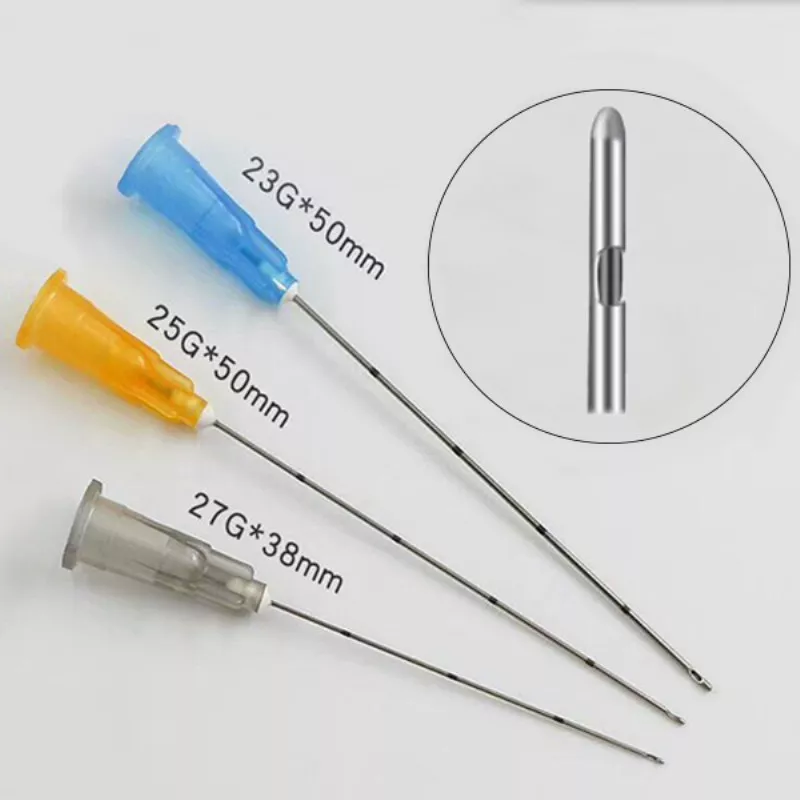
Cannulas are thin, blunt tubes that are used to deliver filler to large areas with 1 penetration point. Unlike traditional needles, the blunt tip of the Cannula allows you to glide through tissue instead of penetrating it.
1781007802588


They’re mainly used for cases where filler needs to be spread around a large area, something that regular needles would struggle with. It eliminates the possibility of penetrating through/into an artery, but doesn’t stop you from placing filler in an area that blocks the artery, which would lead to a vascular occlusion anyways.


2. Pilot Holes

Pilot holes are the entry point of your cannula, with strategic placements of a pilot hole, you should be able to access the entire desired area with your cannula through 1 penetration.

1781007802606

Image created by Orka, based on Dr. Steven Weiner’s suggestions.

Above is an image of several example pilot holes, with colored lines to help you.

Yellow lines show you how to locate the ideal spot for the pilot hole, you can see two lines going from the lateral canthus and from the nose, this pilot hole should be on your anterior zygoma.
Green lines show you the areas you can access with that pilot hole, you can access the tear troughs, some parts of the nasolabial area, and the area along your zygoma with the pilot hole in the middle of the image.
Red lines are the pilot holes themselves

When creating a pilot hole, you should try using a needle that is longer and thicker than the cannula itself. If your cannula is 1” 23g, try using a 1” 21g needle for creating the pilot hole.


3. Entry & Navigation

Great, you have a pilot hole, and now you can put your cannula in.
Stretch the skin you’re working on, almost like you’re spreading it to make the hole bigger, and try following the same path you made with your needle, after that, you can start trying to move around the plane of tissue you’re on. Ideally you created your pilot hole in a way that allows you to travel supraperiosteally (on top of your bone).

You should do 0.2-0.3ml of filler, then move your cannula, then do another 0.2-0.3, etc.

Before doing any injections, aspirate. Aspiration is when you pull back on the syringe and see if any blood comes into your syringe, if blood does come in, try changing spots.

Avoid staying still for too long, keep it moving bud.

1781007802633


Keep in mind, vascular occlusions, the main medical complication with fillers, are caused by the blockage of arteries. Just because you aren’t penetrating into an artery doesn’t mean you can’t place too much filler next to one to block it externally, keep this map of arteries in mind when you’re traveling.


4. Technique Videos


Dr Steven Weiner is a wonderful professional that shares all his tips online, if you're interested in more videos related to DIY Cosmetic Procedures, I have a public playlist of them on my youtube @orkaism


Tags:
@Insomnia @Psocho @Menas @Sadist @Starborn
 
  • +1
  • Love it
Reactions: Menas, Starborn, tomacōck and 12 others
thread hymen:p:p:p
 
  • +1
Reactions: tomacōck, MrPinToWin, primal_shitmuncher and 2 others
How to use a Cannula for Filler injections | A Quick Guide by Orka

There are several areas in your face where using a cannula would be easier & better than using a regular needle, but at first glance a 2” long blunt rod might be intimidating to look at. This guide is here to help you get over that fear, and teach you how to use a cannula safely & efficiently.


Table of Contents:


1. What are Cannulas?
2. Pilot holes
3. Entry & Navigation
4. Technique Videos


1. What are Cannulas?

Cannulas are thin, blunt tubes that are used to deliver filler to large areas with 1 penetration point. Unlike traditional needles, the blunt tip of the Cannula allows you to glide through tissue instead of penetrating it.

View attachment 5196172

They’re mainly used for cases where filler needs to be spread around a large area, something that regular needles would struggle with. It eliminates the possibility of penetrating through/into an artery, but doesn’t stop you from placing filler in an area that blocks the artery, which would lead to a vascular occlusion anyways.


2. Pilot Holes

Pilot holes are the entry point of your cannula, with strategic placements of a pilot hole, you should be able to access the entire desired area with your cannula through 1 penetration.

View attachment 5196173
Image created by Orka, based on Dr. Steven Weiner’s suggestions.

Above is an image of several example pilot holes, with colored lines to help you.

Yellow lines show you how to locate the ideal spot for the pilot hole, you can see two lines going from the lateral canthus and from the nose, this pilot hole should be on your anterior zygoma.
Green lines show you the areas you can access with that pilot hole, you can access the tear troughs, some parts of the nasolabial area, and the area along your zygoma with the pilot hole in the middle of the image.
Red lines are the pilot holes themselves

When creating a pilot hole, you should try using a needle that is longer and thicker than the cannula itself. If your cannula is 1” 23g, try using a 1” 21g needle for creating the pilot hole.


3. Entry & Navigation

Great, you have a pilot hole, and now you can put your cannula in.
Stretch the skin you’re working on, almost like you’re spreading it to make the hole bigger, and try following the same path you made with your needle, after that, you can start trying to move around the plane of tissue you’re on. Ideally you created your pilot hole in a way that allows you to travel supraperiosteally (on top of your bone).

You should do 0.2-0.3ml of filler, then move your cannula, then do another 0.2-0.3, etc.

Before doing any injections, aspirate. Aspiration is when you pull back on the syringe and see if any blood comes into your syringe, if blood does come in, try changing spots.

Avoid staying still for too long, keep it moving bud.

View attachment 5196174

Keep in mind, vascular occlusions, the main medical complication with fillers, are caused by the blockage of arteries. Just because you aren’t penetrating into an artery doesn’t mean you can’t place too much filler next to one to block it externally, keep this map of arteries in mind when you’re traveling.


4. Technique Videos


Dr Steven Weiner is a wonderful professional that shares all his tips online, if you're interested in more videos related to DIY Cosmetic Procedures, I have a public playlist of them on my youtube @orkaism


Tags:
@Insomnia @Psocho @Menas @Sadist @Starborn

 
  • +1
Reactions: primal_shitmuncher and Vrowding
gold
 
  • JFL
  • +1
Reactions: tomacōck, Orka, Mast and 1 other person
didn’t give me credits but it’s ok
 
  • +1
  • JFL
Reactions: Orka, Mast, Vrowding and 1 other person
How to use a Cannula for Filler injections | A Quick Guide by Orka

There are several areas in your face where using a cannula would be easier & better than using a regular needle, but at first glance a 2” long blunt rod might be intimidating to look at. This guide is here to help you get over that fear, and teach you how to use a cannula safely & efficiently.


Table of Contents:


1. What are Cannulas?
2. Pilot holes
3. Entry & Navigation
4. Technique Videos


1. What are Cannulas?

Cannulas are thin, blunt tubes that are used to deliver filler to large areas with 1 penetration point. Unlike traditional needles, the blunt tip of the Cannula allows you to glide through tissue instead of penetrating it.

View attachment 5196172

They’re mainly used for cases where filler needs to be spread around a large area, something that regular needles would struggle with. It eliminates the possibility of penetrating through/into an artery, but doesn’t stop you from placing filler in an area that blocks the artery, which would lead to a vascular occlusion anyways.


2. Pilot Holes

Pilot holes are the entry point of your cannula, with strategic placements of a pilot hole, you should be able to access the entire desired area with your cannula through 1 penetration.

View attachment 5196173
Image created by Orka, based on Dr. Steven Weiner’s suggestions.

Above is an image of several example pilot holes, with colored lines to help you.

Yellow lines show you how to locate the ideal spot for the pilot hole, you can see two lines going from the lateral canthus and from the nose, this pilot hole should be on your anterior zygoma.
Green lines show you the areas you can access with that pilot hole, you can access the tear troughs, some parts of the nasolabial area, and the area along your zygoma with the pilot hole in the middle of the image.
Red lines are the pilot holes themselves

When creating a pilot hole, you should try using a needle that is longer and thicker than the cannula itself. If your cannula is 1” 23g, try using a 1” 21g needle for creating the pilot hole.


3. Entry & Navigation

Great, you have a pilot hole, and now you can put your cannula in.
Stretch the skin you’re working on, almost like you’re spreading it to make the hole bigger, and try following the same path you made with your needle, after that, you can start trying to move around the plane of tissue you’re on. Ideally you created your pilot hole in a way that allows you to travel supraperiosteally (on top of your bone).

You should do 0.2-0.3ml of filler, then move your cannula, then do another 0.2-0.3, etc.

Before doing any injections, aspirate. Aspiration is when you pull back on the syringe and see if any blood comes into your syringe, if blood does come in, try changing spots.

Avoid staying still for too long, keep it moving bud.

View attachment 5196174

Keep in mind, vascular occlusions, the main medical complication with fillers, are caused by the blockage of arteries. Just because you aren’t penetrating into an artery doesn’t mean you can’t place too much filler next to one to block it externally, keep this map of arteries in mind when you’re traveling.


4. Technique Videos


Dr Steven Weiner is a wonderful professional that shares all his tips online, if you're interested in more videos related to DIY Cosmetic Procedures, I have a public playlist of them on my youtube @orkaism


Tags:
@Insomnia @Psocho @Menas @Sadist @Starborn

Good Guides as usual , Orka

Mirin the Effort
 
  • +1
Reactions: Orka, Mast and Vrowding
Good thread
 
  • +1
Reactions: Orka and Vrowding
no im scared
 
  • JFL
Reactions: Orka
How to use a Cannula for Filler injections | A Quick Guide by Orka

There are several areas in your face where using a cannula would be easier & better than using a regular needle, but at first glance a 2” long blunt rod might be intimidating to look at. This guide is here to help you get over that fear, and teach you how to use a cannula safely & efficiently.


Table of Contents:


1. What are Cannulas?
2. Pilot holes
3. Entry & Navigation
4. Technique Videos


1. What are Cannulas?

Cannulas are thin, blunt tubes that are used to deliver filler to large areas with 1 penetration point. Unlike traditional needles, the blunt tip of the Cannula allows you to glide through tissue instead of penetrating it.

View attachment 5196172

They’re mainly used for cases where filler needs to be spread around a large area, something that regular needles would struggle with. It eliminates the possibility of penetrating through/into an artery, but doesn’t stop you from placing filler in an area that blocks the artery, which would lead to a vascular occlusion anyways.


2. Pilot Holes

Pilot holes are the entry point of your cannula, with strategic placements of a pilot hole, you should be able to access the entire desired area with your cannula through 1 penetration.

View attachment 5196173
Image created by Orka, based on Dr. Steven Weiner’s suggestions.

Above is an image of several example pilot holes, with colored lines to help you.

Yellow lines show you how to locate the ideal spot for the pilot hole, you can see two lines going from the lateral canthus and from the nose, this pilot hole should be on your anterior zygoma.
Green lines show you the areas you can access with that pilot hole, you can access the tear troughs, some parts of the nasolabial area, and the area along your zygoma with the pilot hole in the middle of the image.
Red lines are the pilot holes themselves

When creating a pilot hole, you should try using a needle that is longer and thicker than the cannula itself. If your cannula is 1” 23g, try using a 1” 21g needle for creating the pilot hole.


3. Entry & Navigation

Great, you have a pilot hole, and now you can put your cannula in.
Stretch the skin you’re working on, almost like you’re spreading it to make the hole bigger, and try following the same path you made with your needle, after that, you can start trying to move around the plane of tissue you’re on. Ideally you created your pilot hole in a way that allows you to travel supraperiosteally (on top of your bone).

You should do 0.2-0.3ml of filler, then move your cannula, then do another 0.2-0.3, etc.

Before doing any injections, aspirate. Aspiration is when you pull back on the syringe and see if any blood comes into your syringe, if blood does come in, try changing spots.

Avoid staying still for too long, keep it moving bud.

View attachment 5196174

Keep in mind, vascular occlusions, the main medical complication with fillers, are caused by the blockage of arteries. Just because you aren’t penetrating into an artery doesn’t mean you can’t place too much filler next to one to block it externally, keep this map of arteries in mind when you’re traveling.


4. Technique Videos


Dr Steven Weiner is a wonderful professional that shares all his tips online, if you're interested in more videos related to DIY Cosmetic Procedures, I have a public playlist of them on my youtube @orkaism


Tags:
@Insomnia @Psocho @Menas @Sadist @Starborn

DR nice thread bro!
 
  • +1
Reactions: Histy and Orka
Good guide as always Orka

But I simply don’t see anyone that has balls doing DIY fillers with a cannula on here, looks way too riskyy
Looking at aesthetic practitioners doing it gave me the chills
 
  • +1
Reactions: Atra and Orka
By the way, when we meet up and you do my fillers, you could film it and create a thread.
 
  • Love it
Reactions: Orka
Good guide as always Orka

But I simply don’t see anyone that has balls doing DIY fillers with a cannula on here, looks way too riskyy
Looking at aesthetic practitioners doing it gave me the chills
If that gave you chills, you'll LOVE the cannula they use in Chapter 2 of this guide

 
  • +1
  • So Sad
Reactions: Histy, Psocho and Insomnia
Have you tried injecting with cannulas?
 
  • +1
Reactions: Histy and Orka
Have you tried injecting with cannulas?
I've used cannulas to glide around before, but haven't injected anything in yet since my filler hasn't arrived
 
  • +1
Reactions: Histy and Insomnia
How to use a Cannula for Filler injections | A Quick Guide by Orka

There are several areas in your face where using a cannula would be easier & better than using a regular needle, but at first glance a 2” long blunt rod might be intimidating to look at. This guide is here to help you get over that fear, and teach you how to use a cannula safely & efficiently.


Table of Contents:


1. What are Cannulas?
2. Pilot holes
3. Entry & Navigation
4. Technique Videos


1. What are Cannulas?

Cannulas are thin, blunt tubes that are used to deliver filler to large areas with 1 penetration point. Unlike traditional needles, the blunt tip of the Cannula allows you to glide through tissue instead of penetrating it.

View attachment 5196172

They’re mainly used for cases where filler needs to be spread around a large area, something that regular needles would struggle with. It eliminates the possibility of penetrating through/into an artery, but doesn’t stop you from placing filler in an area that blocks the artery, which would lead to a vascular occlusion anyways.


2. Pilot Holes

Pilot holes are the entry point of your cannula, with strategic placements of a pilot hole, you should be able to access the entire desired area with your cannula through 1 penetration.

View attachment 5196173
Image created by Orka, based on Dr. Steven Weiner’s suggestions.

Above is an image of several example pilot holes, with colored lines to help you.

Yellow lines show you how to locate the ideal spot for the pilot hole, you can see two lines going from the lateral canthus and from the nose, this pilot hole should be on your anterior zygoma.
Green lines show you the areas you can access with that pilot hole, you can access the tear troughs, some parts of the nasolabial area, and the area along your zygoma with the pilot hole in the middle of the image.
Red lines are the pilot holes themselves

When creating a pilot hole, you should try using a needle that is longer and thicker than the cannula itself. If your cannula is 1” 23g, try using a 1” 21g needle for creating the pilot hole.


3. Entry & Navigation

Great, you have a pilot hole, and now you can put your cannula in.
Stretch the skin you’re working on, almost like you’re spreading it to make the hole bigger, and try following the same path you made with your needle, after that, you can start trying to move around the plane of tissue you’re on. Ideally you created your pilot hole in a way that allows you to travel supraperiosteally (on top of your bone).

You should do 0.2-0.3ml of filler, then move your cannula, then do another 0.2-0.3, etc.

Before doing any injections, aspirate. Aspiration is when you pull back on the syringe and see if any blood comes into your syringe, if blood does come in, try changing spots.

Avoid staying still for too long, keep it moving bud.

View attachment 5196174

Keep in mind, vascular occlusions, the main medical complication with fillers, are caused by the blockage of arteries. Just because you aren’t penetrating into an artery doesn’t mean you can’t place too much filler next to one to block it externally, keep this map of arteries in mind when you’re traveling.


4. Technique Videos


Dr Steven Weiner is a wonderful professional that shares all his tips online, if you're interested in more videos related to DIY Cosmetic Procedures, I have a public playlist of them on my youtube @orkaism


Tags:
@Insomnia @Psocho @Menas @Sadist @Starborn

Translating

How to stick a thick ass fucking needle hurt a lot and be in pain and be crying with a tube in yo face
 

Similar threads

SunEroktay
Replies
10
Views
81
Vireon
Vireon
N
Replies
0
Views
7
nigerianprince67
N
KingAze
Replies
3
Views
40
KingAze
KingAze
subhuman37
Replies
3
Views
27
Jason5000
Jason5000
daudthe1_
Replies
9
Views
81
daudthe1_
daudthe1_

Users who are viewing this thread

  • Back
    Top