


Seth Walsh

Iconoclast
Contributor
- Joined
- Jan 12, 2020
- Posts
- 11,075
- Reputation
- 22,654
The Irish wealth blackpill
Ireland is not mainly an income game.
It is a balance-sheet game pretending to be an income game.
Two people can both earn €70k. One becomes wealthy. One stays trapped. The difference is usually not discipline. It is:
- who pays rent
- who gets deposit help
- who inherits property
- who has parents with legal/financial/social knowledge
- who can take career risk
- who can live at home without humiliation
- who can recover from mistakes
- who owns assets before asset inflation happens
That is the real game.
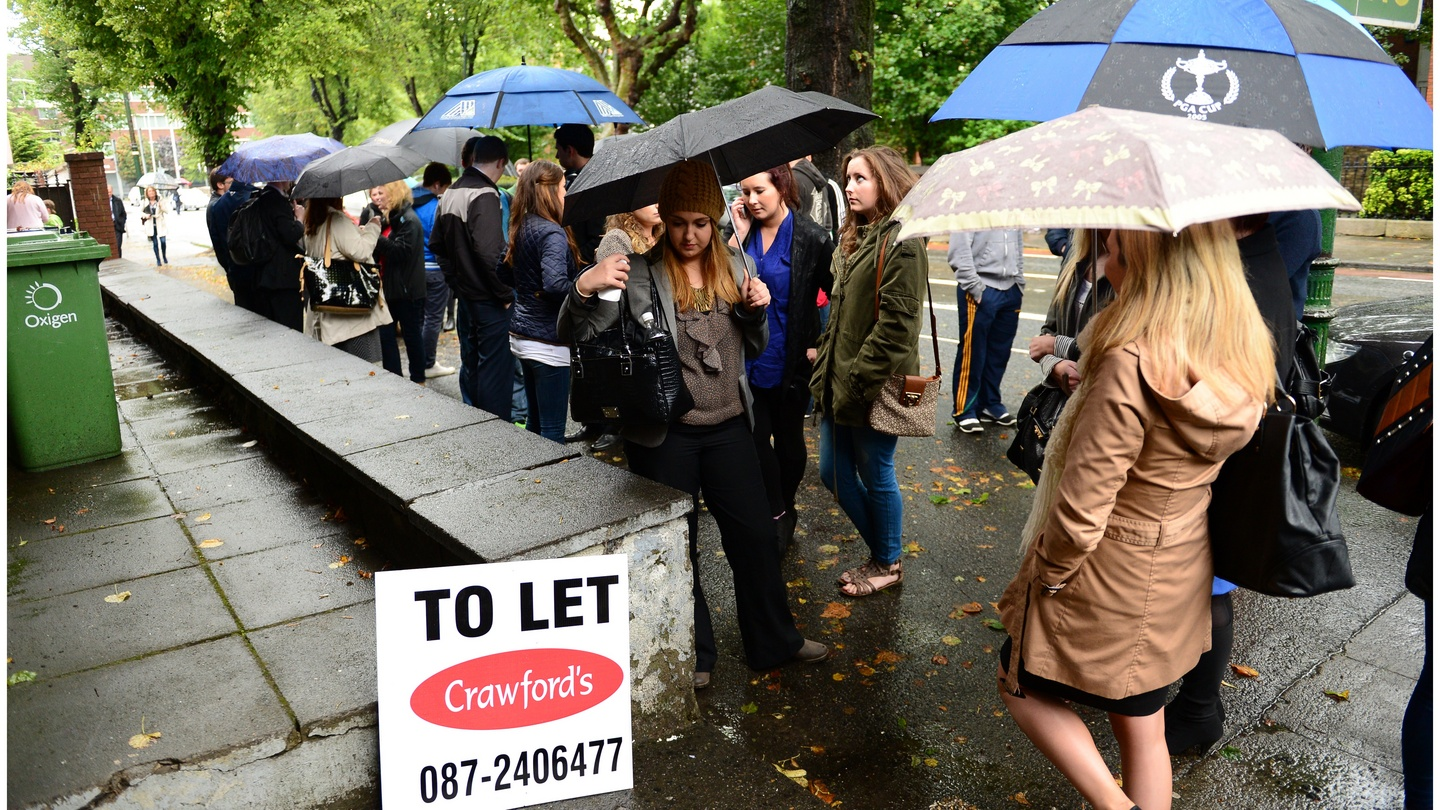
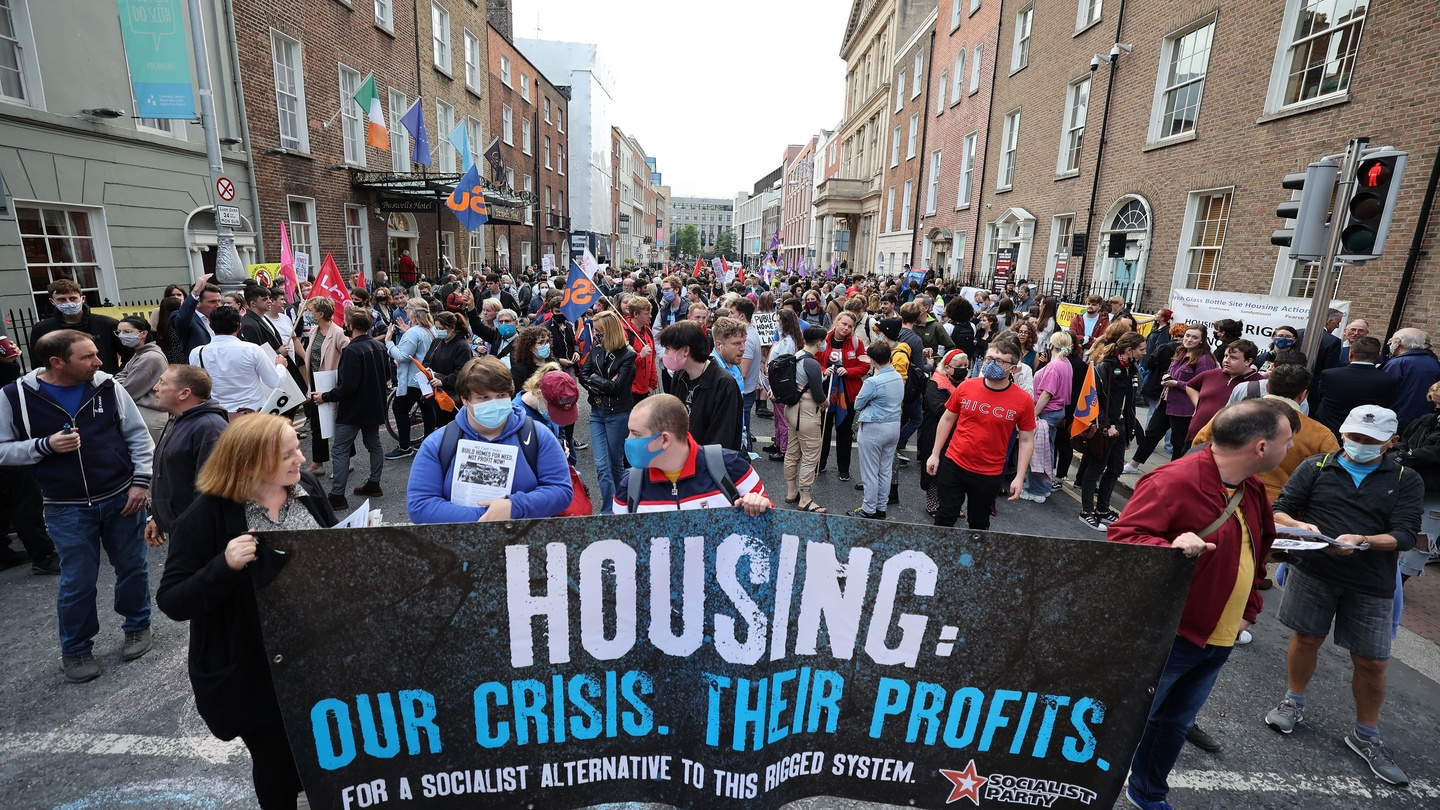
Versus



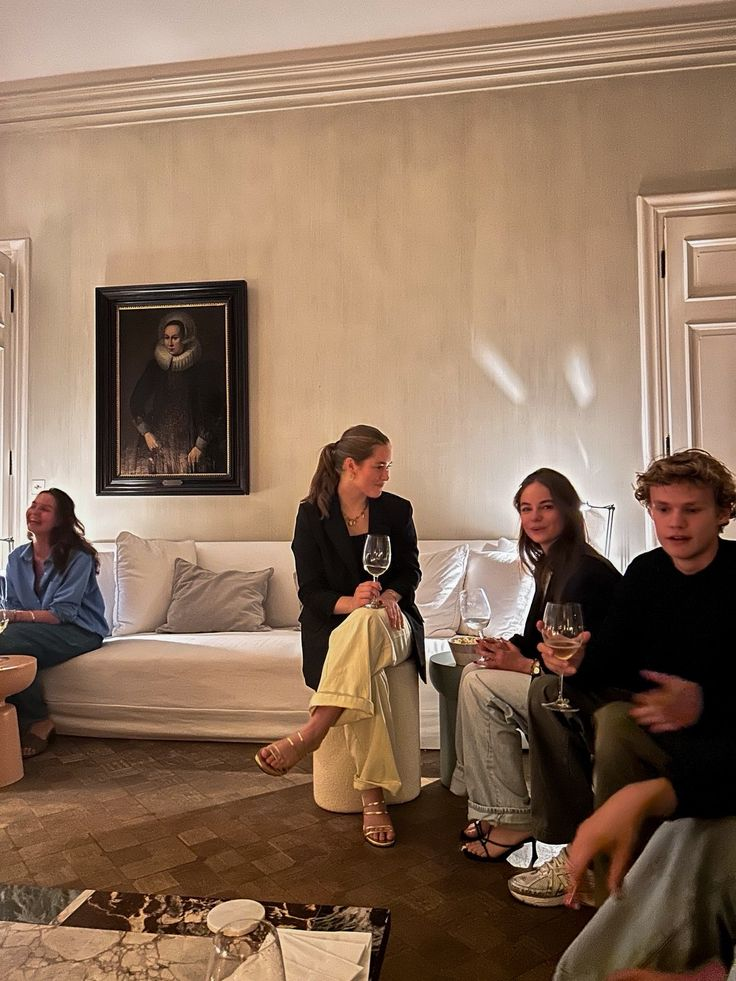
1. Labour is taxed. Property is protected. Inheritance is softened.
Irish labour income gets hit early. In 2026, a single person pays 40% income tax above €44,000, before USC and PRSI. So the state clips labour hard once you are barely above average professional earnings. https://www.revenue.ie/en/personal-tax-credits-reliefs-and-exemptions/tax-relief-charts/index.aspx
Meanwhile, the main residence can qualify for principal private residence relief, meaning the gain on your actual home can be CGT-free if conditions are met.

So the structure is:
| Source of gain | Irish treatment |
|---|---|
| Salary | Hit annually, heavily |
| Deposit interest | Taxed |
| Dividends | Taxed |
| ETFs/funds | Often taxed harshly |
| Direct shares | 33% CGT |
| Main home appreciation | Often CGT-free |
| Inheritance from parents | First €400k threshold under Group A |
Revenue’s CAT rules mean gifts/inheritances are taxed only above the relevant lifetime threshold; for parent-to-child Group A, the threshold is currently €400,000.
CAT group thresholds
This page explains the thresholds, rates and aggregation rules for calculating Capital Acquisitions Tax
Translation:
Ireland taxes effort more aggressively than dynastic transfer.

2. The main class divide is not income. It is “rent-payer vs asset-backed.”
The CSO’s 2023 household wealth survey is the whole story. Median net wealth was €256,900. But owner-occupiers had median net wealth of €391,600, while renters had €10,200. The wealthiest 10% of households had net wealth above €1,024,000.
That is not a gap. That is a different species of financial existence.
The renter is not merely “behind.” The renter is paying tribute to the asset-owning class while trying to save after tax from labour income.
The owner-occupier is often:
- consuming housing
- building equity
- receiving tax-advantaged capital appreciation
- insulated from rent inflation
- able to borrow against stability
- able to help children later
The renter is:
- paying after-tax income to someone else’s balance sheet
- exposed to rent inflation
- unable to easily accumulate deposit
- less able to take risk
- structurally delayed
Ireland’s class system is now heavily mediated through housing.
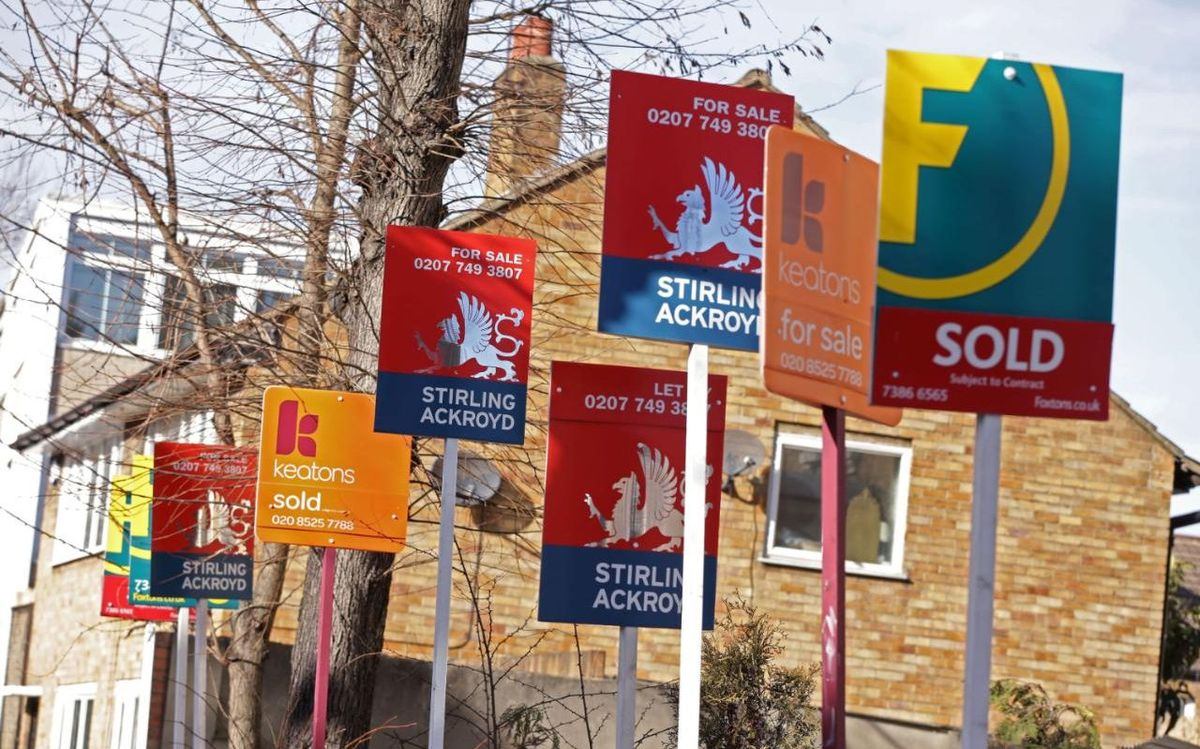
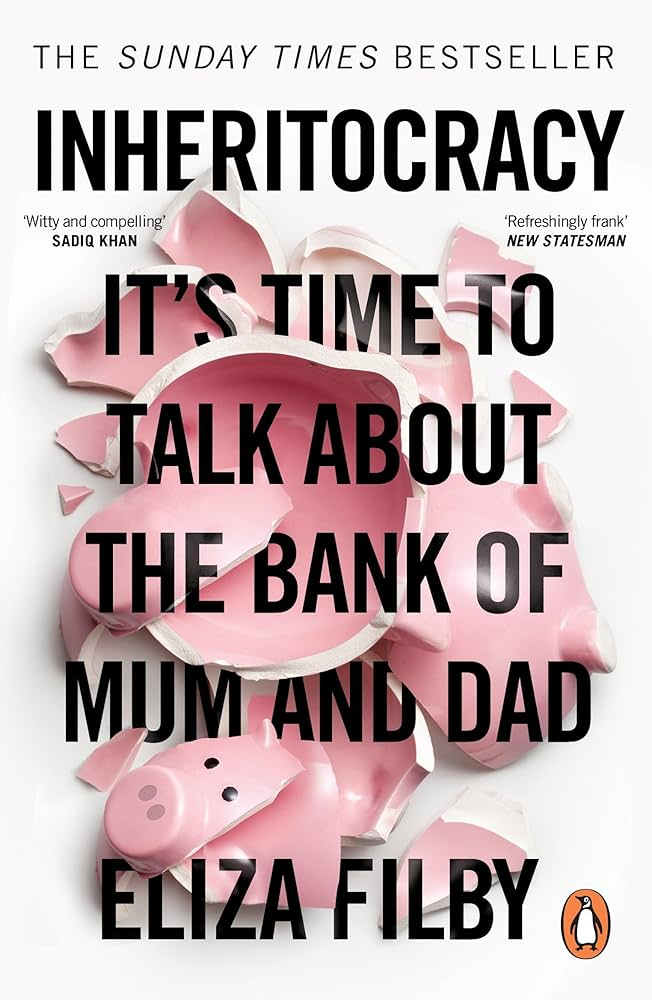
3. “Bank of Mum and Dad” is not a side detail. It is the market.
The clean model of “work, save, buy house” is increasingly fake.
Savills estimated that 63% of mortgaged first-time buyers would receive family assistance to buy.

That changes everything.
Because the buyer with family help is not competing with your income. They are competing with:
- their income
- their partner’s income
- parental deposit help
- living at home while saving
- inherited knowledge
- lower anxiety
- family legal/accounting advice
- future inheritance expectations
A self-funding renter is competing against a family balance sheet.
That is why “just save harder” is incomplete. You may be out-saving the other person from your salary, but their parents silently injected €50k, €100k, €200k, or free accommodation worth years of savings.
4. The family home is now a private sovereign wealth fund.
A paid-off South Dublin / Dublin commuter-belt family home is not just a house.
It is:
- rent shield
- collateral
- inheritance pool
- emergency fund
- social credential
- deposit machine
- care-cost buffer
- optional downsizing asset
- tax-advantaged capital store
- psychological safety net
This is why the child of a property-owning family can “take risks” and appear more confident.
5. Same salary, different universe
Take two people on €80k gross.
Person A rents in Dublin.
- rent: maybe €1,500–€2,500/month
- deposit saving is slow
- job loss is dangerous
- career risk is expensive
- relationship breakdown is financially severe
- every mistake is paid from after-tax income
Person B lives at home or in family-owned property.
- rent: €0 or low
- deposit accumulates fast
- can reject bad jobs
- can take career risk
- can tolerate unemployment
- can invest more
- can wait for a better opening
The wage is the same. The net reality is not.
The difference can easily be €20k–€30k per year after tax. Over five years, that is €100k–€150k before investment returns, before house-price effects, before parental deposit help.
That is how class compounds invisibly.
They are not necessarily braver. Their downside is underwritten.
A 34-year-old living at home with no rent and a strong family balance sheet is effectively being subsidised by a private welfare state.
A 34-year-old renting in Dublin is in a completely different game.
6. Mortgage rules make income matter, but only after family capital
The Central Bank mortgage rules allow first-time buyers to borrow up to 4x gross income, with principal home mortgages generally capped at 90% LTV.

Central Bank – Targeted Amendment to Mortgage Measures for Principal Home Bridging Loans
The Central Bank of Ireland today announced details of a targeted amendment to the mortgage measures that will exempt certain principal home bridging loans from the Loan-to-Income (LTI) limit. The Loan-to-Value (LTV) limit will continue to apply to these products, and all other elements of the...
So income still matters. But the deposit and purchase timing are often family-mediated.
Example:
A single buyer on €80k can theoretically borrow around €320k.
But if the property is €450k, they need:
- €320k mortgage
- €130k deposit/cash gap plus costs
Without family support, that is a long, brutal accumulation problem.
With family support, it is Tuesday.
This is why inheritance and parental liquidity change the meaning of salary.
7. Ireland produces “high-income poor” and “modest-income rich.”
A person earning €100k and renting can feel poorer than someone earning €45k who lives in an inherited or family-owned property.
This is not irrational. It is balance-sheet reality.
The €100k renter is fighting:
- marginal tax
- rent
- deposit gap
- lifestyle pressure
- no asset base
- no guaranteed inheritance
The €45k asset-backed person may have:
- no rent
- no mortgage
- family property
- future inheritance
- lower required savings
- social stability
- lower risk of ruin
Ireland’s official conversation over-focuses on salary. Salary is only one variable. The deeper variable is who owns the floor beneath you.
8. The new class divide among young people
The emerging split is not simply rich vs poor.
It is:
Class 1: Capital-backed heirs
They may work normal jobs, but they are plugged into family property, inheritance, deposits, and networks.
Their future wealth is mostly already embedded.
They do not need extreme career risk. They need not self-destruct.
Their job is preservation plus mild compounding.
Class 2: Assisted professionals
Parents are not ultra-rich, but they provide housing, deposit help, education, a car, contacts, or fallback.
These people can still break upward.
They have enough support to avoid ruin.
Class 3: High-income self-funders
Good salary, weak family balance sheet.
These people look successful but are under pressure.
They need very high savings, career acceleration, asset acquisition, and no major mistakes.
This is the group most likely to feel cheated: they did the “right things,” but the asset game moved faster than wages.
Class 4: Rent-locked labour
Normal wages, no family capital, rent exposure, limited savings capacity.
These people are not lazy. They are structurally harvested.
Their income becomes someone else’s yield.
Class 5: Chaos-balance-sheet households
Debt, illness, family dysfunction, legal mess, bad investments, no planning.
Even decent income gets absorbed by instability.
The defining feature is not low IQ or low effort. It is leakage, shocks, and no capital buffer.
9. The brutal Irish truth: capital now outruns merit
The old Irish story was:
education → job → house → pension → dignity
The new version is:
family balance sheet → housing access → risk capacity → asset ownership → compounding → class preservation
Education still matters. Income still matters. But they are no longer sufficient.
A person with a 2.1, parental house support, and €100k deposit help can beat a smarter person with a better job who is renting alone.
That is not moral. It is mechanical.
10. Labour-class young people are forced into volatility
If you do not inherit or receive help, your rational options become more extreme:
- emigrate
- marry well
- live at home aggressively
- enter high-income fields
- build a business
- take concentrated career risk
- take concentrated investment risk
- move into PnL/equity/revenue roles
- exploit remote foreign income
- accept social austerity for years
The middle path is often fake.
A €50k–€70k job, Dublin rent, pension contributions, and “balanced lifestyle” may produce respectability but not escape velocity.
That is the blackpill:
prudence without sufficient surplus becomes stagnation.
11. Ireland quietly rewards boring dynastic behaviour
The winning families do not need to be flashy.
They do this:
- buy property early
- keep property
- avoid forced sales
- help children buy
- use pensions
- use CAT thresholds
- use small gift exemption
- avoid fake yield
- avoid family legal chaos
- maintain professional networks
- keep children housed during career formation
Nothing spectacular. Just balance-sheet continuity.
Then the children appear “sensible,” “stable,” and “well-adjusted.”
Of course they are. Their volatility was absorbed before it reached them.

Versus

12. Most Irish financial advice is class-blind
Generic advice says:
- save 20%
- buy ETFs
- avoid risk
- get a pension
- buy when ready
- don’t compare yourself
This advice is psychologically soothing but structurally incomplete.
For a self-funding young person in Ireland, the real questions are:
- Can I eliminate rent?
- Can I raise income violently?
- Can I access a family balance sheet?
- Can I buy a tax-advantaged primary residence?
- Can I get into capital-linked work?
- Can I avoid being trapped in labour taxation forever?
- Can I convert skill into equity/PnL/revenue?
- Can I avoid private “yield” scams?
- Can I avoid lifestyle imitation of richer peers?
That is the actual gameboard.
13. The “middle class” is splitting
Old middle class meant:
- decent job
- house
- pension
- holidays
- kids
- security
New Ireland has two middle classes.
Asset middle class
Owns property. Has pension. Helps children. May not earn huge income. Still wins.
Labour middle class
Has degrees, salary, LinkedIn, rent, tax, stress, and little balance-sheet power.
The labour middle class is culturally middle class but economically fragile.
That is why so many educated young professionals feel insane. Their status signals say “successful,” but their balance sheet says “tenant with taxable wages.”
14. The deepest rule: reduce dependence on wages
A wage is fragile because:
- it is taxed before compounding
- it depends on employer demand
- it can disappear
- it scales poorly
- it rarely captures full value created
- it is consumed by rent and living costs
Capital is stronger because:
- it compounds
- it can be pledged
- it can be transferred
- it can survive job loss
- it earns while you sleep
- it changes your bargaining position
The Irish goal is not “earn a good salary.”
The Irish goal is:
convert labour income into protected assets before housing, tax, inflation, and lifestyle consume it.
15. The real hierarchy of Irish wealth sources
From strongest to weakest:
- Inherited productive/property assets
- Business ownership / equity
- High-end PnL-linked work
- High-income professional work plus low burn
- Primary residence appreciation
- Pension compounding
- Direct equity ownership
- Normal salary saving
- Deposit interest
- Lifestyle-driven consumption
Most people spend their life fighting from level 8 while competing against people born into level 1 or 2.
That is the blackpill.

Versus
ONLY WAY TO WIN THAT YOU CAN SEMI-CONTROL: EXTRMELY EXTRMELY EXTRMELY IMPORTANT READ BELOW
16. The real strategy, stripped of morality
You either:
- attach yourself to capital
- become capital
- inherit capital
- marry into capital
- create capital
- manage capital
- trade capital
- own scarce assets
- or remain taxed labour
There is no deep mystery.
Ireland is a small, property-constrained, tax-heavy, inheritance-sensitive economy where family balance sheets increasingly determine life outcomes.
The rational doctrine:
Do not worship salary. Worship surplus, ownership, tax shelter, optionality, and balance-sheet control.
Last edited:
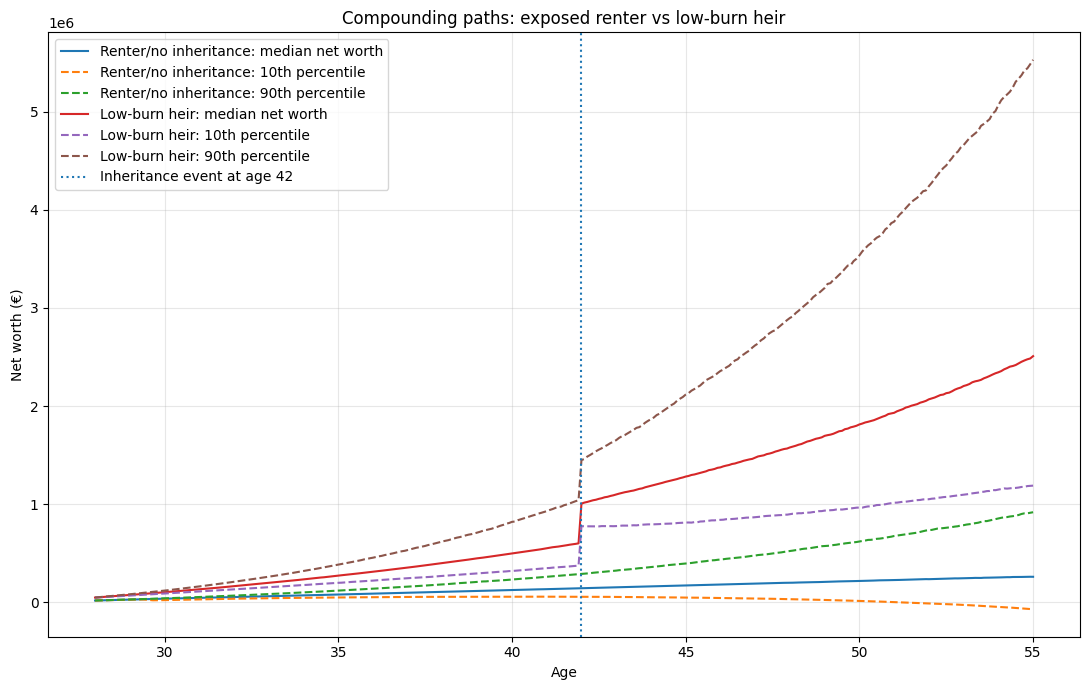


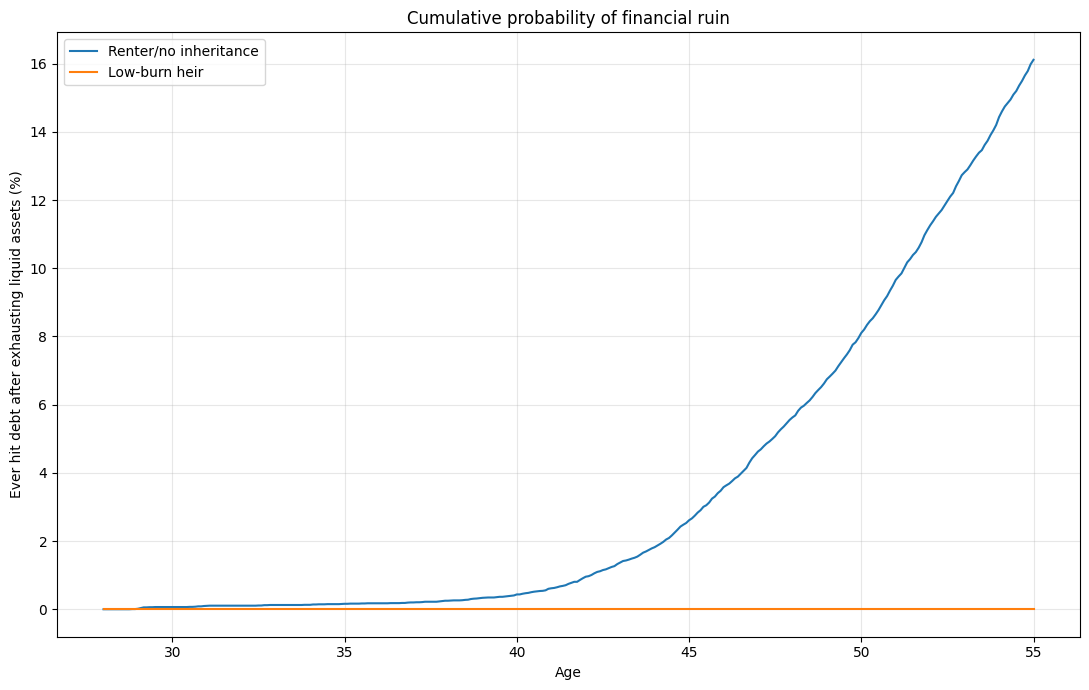



.webp "(ditto) :(ditto):")


