


P
pucchiach
Dentists have 10xed the incel population
- Joined
- Aug 8, 2026
- Posts
- 58
- Reputation
- 40
As a mutt myself ive simply come to realise that what this life will imply is an added necessary cost of several procedures, most of which even for purely health reasons. Ive had many issues related to my craniology and breathing which have mad my life horrible. Some include polyps which ive gotten treated and now a narrow palate combined with my jaws not having grown correctly during adolescence. Being a side effect of the polyps and sleep apnea i had.
After also realising that many other mixed race i knew also had breathing and craniology related issues like asthma and having to wear some sort of orthodontical appliance like braces. I decided of making this thread and sharing to other lingering mutts with what ive learned and copes there are out there promising to fix or outright hide this blatant correlation or rather cause and effect.
Genetics, Craniofacial Structure, and Airway Resistance in Admixed Populations
(Disclaimer: i wont even be remotely adressing or mentioning the absolute meme of mewing as i shouldn't have to with everything already discussed on it)
The connection between mixed African-European ancestry and breathing difficulties is driven by an intersection where skeletal growth dynamics (craniofacial morphology) meet mucosal immune responses (inflammation). When inherited genetic signals for facial bone development collide with systemic inflammatory tendencies, the result can be significant mechanical airway obstruction.
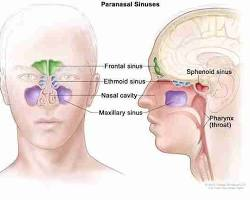
A major misconception is that race directly dictates single gene respiratory disorders. In reality, human facial structure and immune responses are polygenic influenced by hundreds of distinct genetic variants. Admixture introduces complex combinations of disparate traits rather than a single unified genetic defect.
It is also often assumed that nasal polyps or asthma cause structural jaw flattening. Bone structure and mucosal inflammation are separate biological processes. However, a structurally narrow or flat midface reduces internal airway volume, meaning that mild inflammation or polyps will cause disproportionately severe blockage.
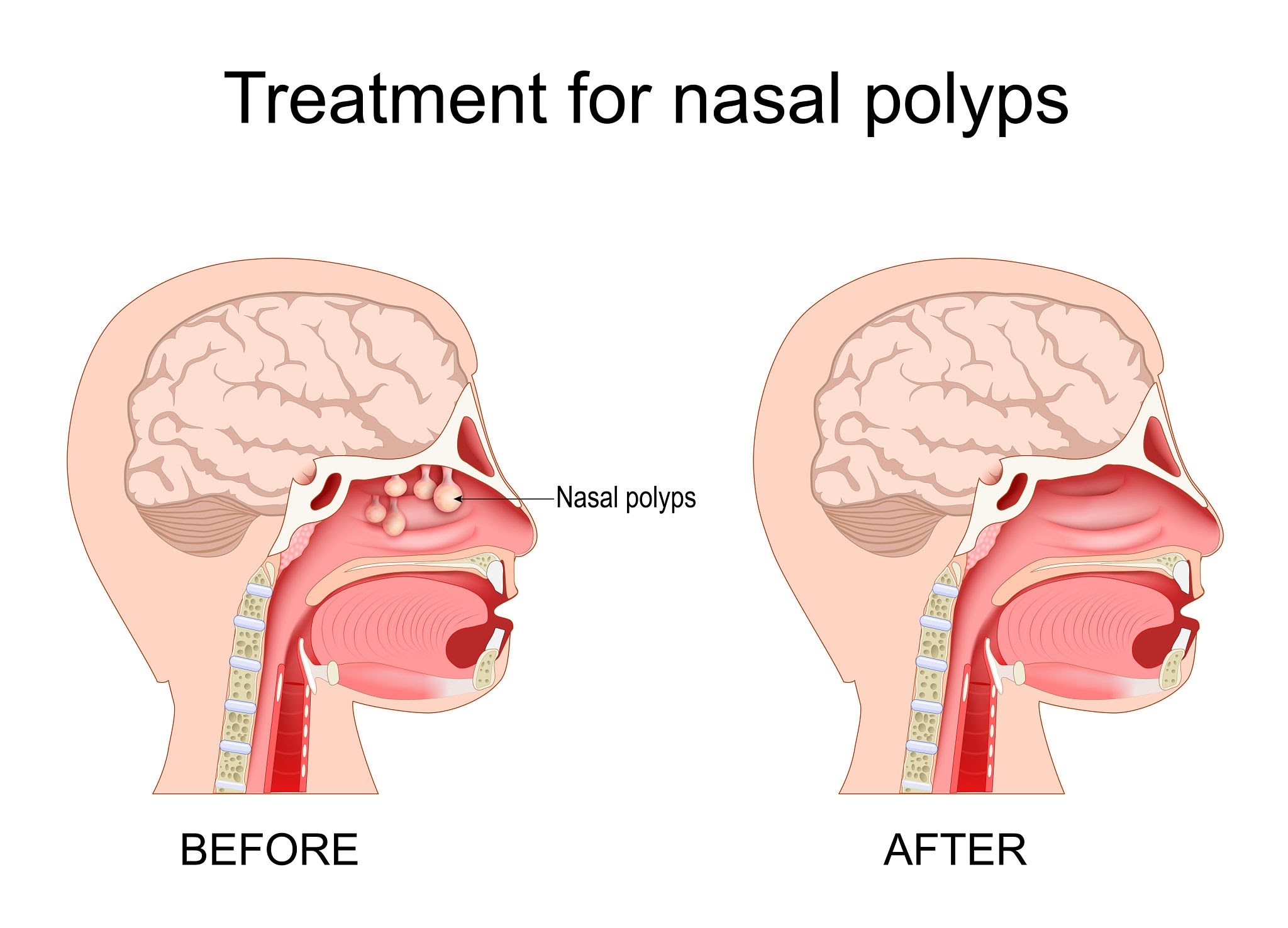
Finally, people assume facial features always blend smoothly in admixed individuals. Genetic inheritance is often mosaic. Skeletal vault dimensions, dental arch widths, and facial height can inherit independently, creating structural discrepancies between outer bone projection and internal air passages.

Sutural Biology and Midfacial Hypoplasia
Facial growth relies heavily on fibrous joints called sutures, such as the midpalatal and zygomaticomaxillary sutures. Downward and forward expansion of the maxilla occurs as bone deposits along these sutural edges during growth. Master regulator genes like RUNX2, FGFR2, PAX3, and PRDM16 control this sutural cell proliferation and midfacial depth.
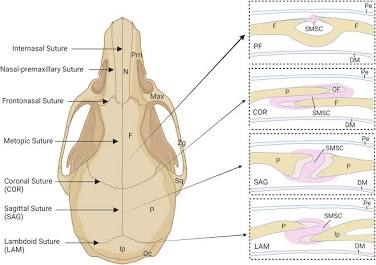
When different parental gene networks interact in admixed populations, a genetic phenomenon known as epistasis-sutural deposition can slow down prematurely. This produces midface hypoplasia, or a flatter maxillary profile. Because the upper jaw forms the floor of the nasal cavity, a hypoplastic maxilla fails to move forward and outward as far as expected. As a result, the palate often vaults upward, narrowing the internal nasal cross-sectional area.
Genetic Admixture and Clinical Orthodontic Trends
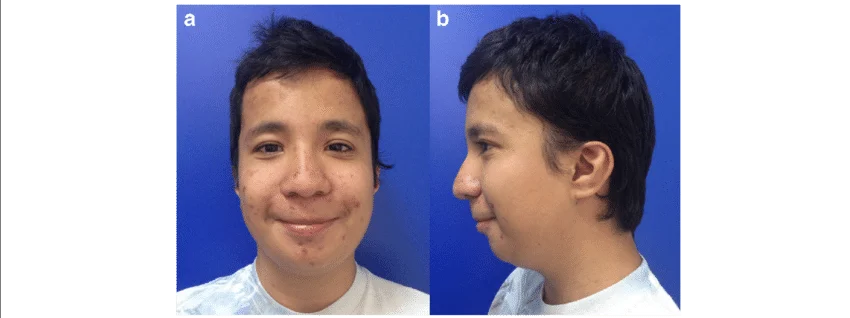
The practical impact of these inherited structural mismatches is clearly visible in regions with high genetic diversity, such as Brazil. When an individual inherits a narrower maxillary base paired with larger tooth dimensions, it creates significant dental crowding, impaction, and Class II or Class III malocclusions, driving a remarkably high demand for orthodontic intervention.
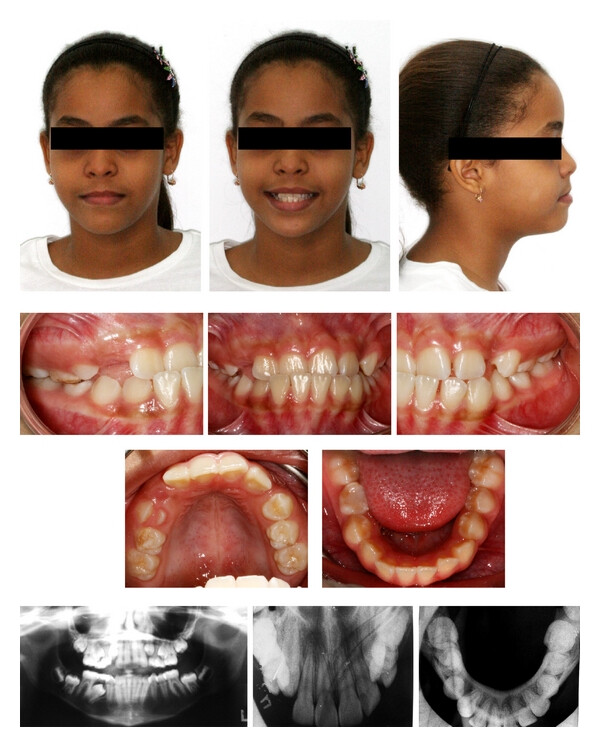
Epidemiological studies in Brazil (such as the national SBBrasil oral health surveys and regional studies in state populations) consistently report that over 80% of children and adolescents exhibit some form of malocclusion https://pmc.ncbi.nlm.nih.gov/articles/PMC9769416/. While Class III malocclusion (underbite/maxillary hypoplasia) typically accounts for less than 5–7% of cases globally https://www.scielo.br/j/dpjo/a/JFncfwxNPrZKj9kchR3qxyJ/?lang=en&format=pdf, comparative epidemiological reviews show Brazil with one of the highest reported rates in the world, reaching up to 14.1%. According to data from the Brazilian Federal Council of Dentistry (CFO), Brazil registered over 28.000 specialist orthodontists, accounting for more than 20% of all orthodontic certificate holders globally https://website.cfo.org.br/. Brazil maintains one of the highest concentrations of dental professionals worldwide, with approximately 168 dentists per 100.000 inhabitants (around 1 dentist per 600–700 people), driven by over 500 accredited dental faculties. Due to overwhelming population demand, the Brazilian federal government integrated specialized orthodontic care and interceptive expansion directly into its public health framework via the Sistema Único de Saúde (SUS) through Dental Specialty Centers (CEOs) https://www.scielo.br/j/ress/a/Kg5Z4B89Nxw8kQxCvDXmGFz/?lang=en https://www.scielo.br/j/ress/a/Kg5Z4B89Nxw8kQxCvDXmGFz/?lang=en. Restricted sutural expansion often leaves a high arched palate alongside a flat midfacial profile.
 JFL
JFL
This explains the frequent clinical reliance on Rapid Palatal Expansion (RPE) to mechanically push the palate apart. When the nasal cavity floor is severely reduced, it generates high physical resistance to inhaled airflow, sometimes requiring surgical midface advancement to structurally open up the airway volume.
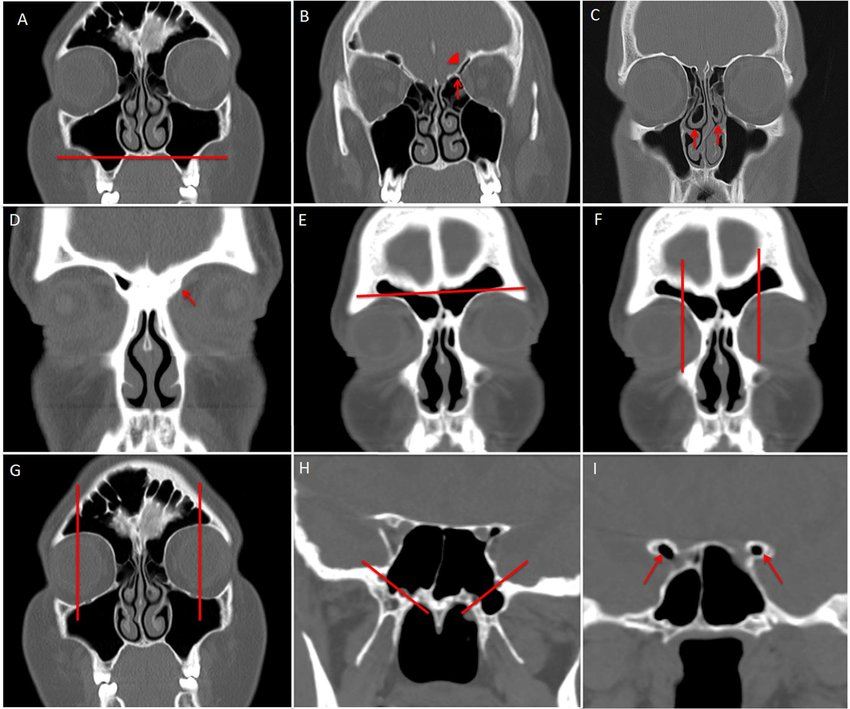
The "United Airway" and Inflammatory Amplification
Structural restrictions become much more serious when paired with United Airway Disease. The mucosal lining of the nose and sinuses shares identical tissue characteristics and immune pathways with the lower bronchial tree in the lungs. Populations with mixed African and European lineage show statistically higher genetic susceptibility to Type-2 eosinophilic inflammation.

The shared immune pathway links nasal polyps in the upper airway directly with asthma in the lower airway. The structural and inflammatory factors then compound each other. First, reduced internal bony volume from flat maxillary development creates anatomical restriction. Then, polyps or allergic swelling occupy what little void space remains. This combination turns mild tissue swelling into severe respiratory resistance and obstructed breathing pathways.
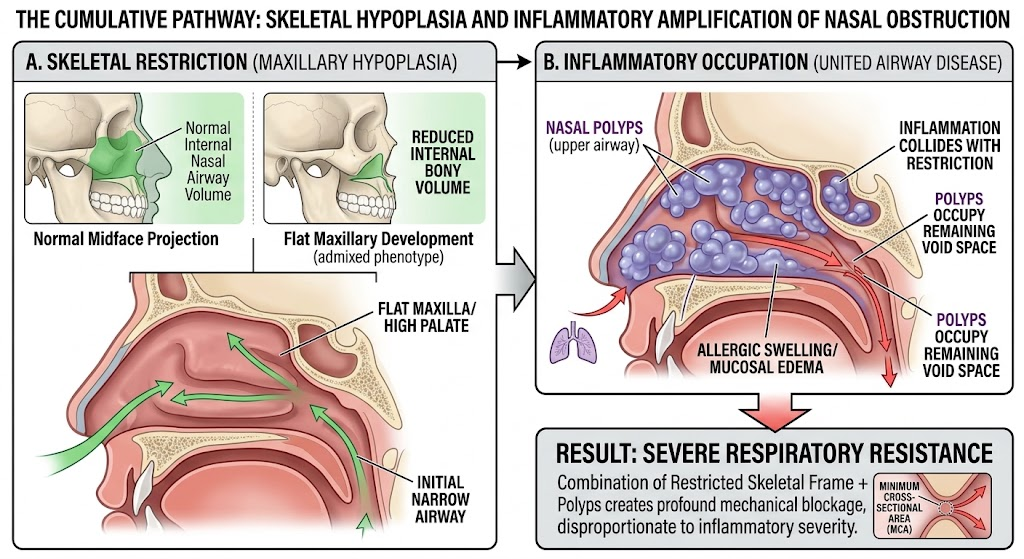
(this diagram mad by gemini explains it well altough the polyps are super unrealistic here)
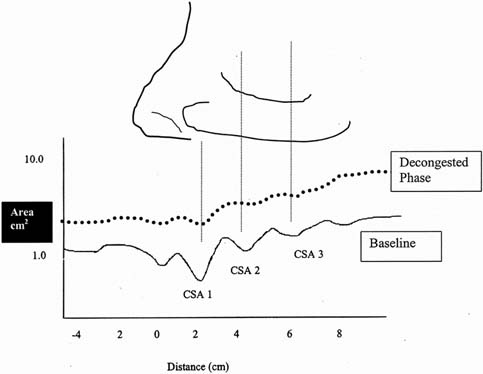
One way Orthodontists and ENT specialists diagnose obstructions are by relying on specific quantitative tools to measure how structural hypoplasia impacts breathing dynamics. ConeBeam Computed Tomography (CBCT) generates 3D volumetric renders of the skull to calculate total airway volume (cm3) and pinpoint the Minimum Cross Sectional Area (MCA), which is the exact structural chokepoint. To measure how air moves through that space, specialists use Acoustic Rhinometry, emitting sound waves into the nasal cavity to measure internal dimensions at varying depths and distinguish bony constriction from softtissue swelling. They pair this with Computed Rhinomanometry, which measures airflow rates against air pressure during active breathing to calculate dynamic physical resistance. Evaluating both the skeletal frame and soft-tissue inflammation allows clinicians to determine whether expansion of the midfacial sutures, medical management of polyps, or a combination of both will best restore clear airflow.
Clinical and Lifelong Implications
Recognizing this intersection between craniofacial phenotype and mucosal inflammation is nonetheless essentiall for mutts seeking to looksmaxx and fix their unhuman looking facial features. Treating only the soft tissue inflammation with nasal steroids or asthma inhalers often yields incomplete relief if the underlying skeletal vault is physically constricted. Conversely, pursuing orthodontic or surgical expansion without addressing systemic Type-2 inflammation leaves the newly opened airway vulnerable to recurrent polyp growth and chronic sinus blockage. So is it that seeking implants or believing that roiding will magically fix the underlying issue is dumb, implants less so but as new appliances are brought forth and improved it definetly is becoming.
Genetics influence the thickness of the facial cortical bone and gums. Skeletally anchored options (like MARPE) are often preferred over tooth-borne appliances to prevent pushing teeth out of the bone envelope or causing gum recession. Because structural widening opens the anatomical frame, maximum benefit occurs when soft-tissue inflammation is controlled simultaneously. Combining palatal expansion or surgical advancement with targeted ENT care (such as biologic therapies or steroid rinses for nasal polyps) prevents recurring mucosal swelling from blocking the newly expanded space.
Orthodontic and Maxillofacial Interventions for Admixed Skeletal Phenotypes
Addressing airway restrictions caused by midfacial hypoplasia or jaw discrepancies requires targeted structural treatments. Because adults have fused facial sutures, interventions range from non surgical biomechanical expansion to advanced orthognathic surgeries. Standard orthodontics using traditional braces or aligners primarily moves teeth within the existing bone. To expand the actual internal nasal floor, treatment must apply direct force to the palatal sutures of the midface.
Minimally Invasive / Bone Borne Expansion like MARPE MSE and now promisingly FME are good options. Microimplant-Assisted Rapid Palatal Expansion (or Maxillary Skeletal Expansion) uses small temporary anchorage devices (mini-screws) placed directly into the palatal bone. By anchoring directly to the maxilla rather than the teeth, MARPE applies mechanical force directly to the midpalatal suture. This can split and widen the maxillary bones even after the sutures has closed, widening the floor of the nasal cavity and reducing internal air resistance.
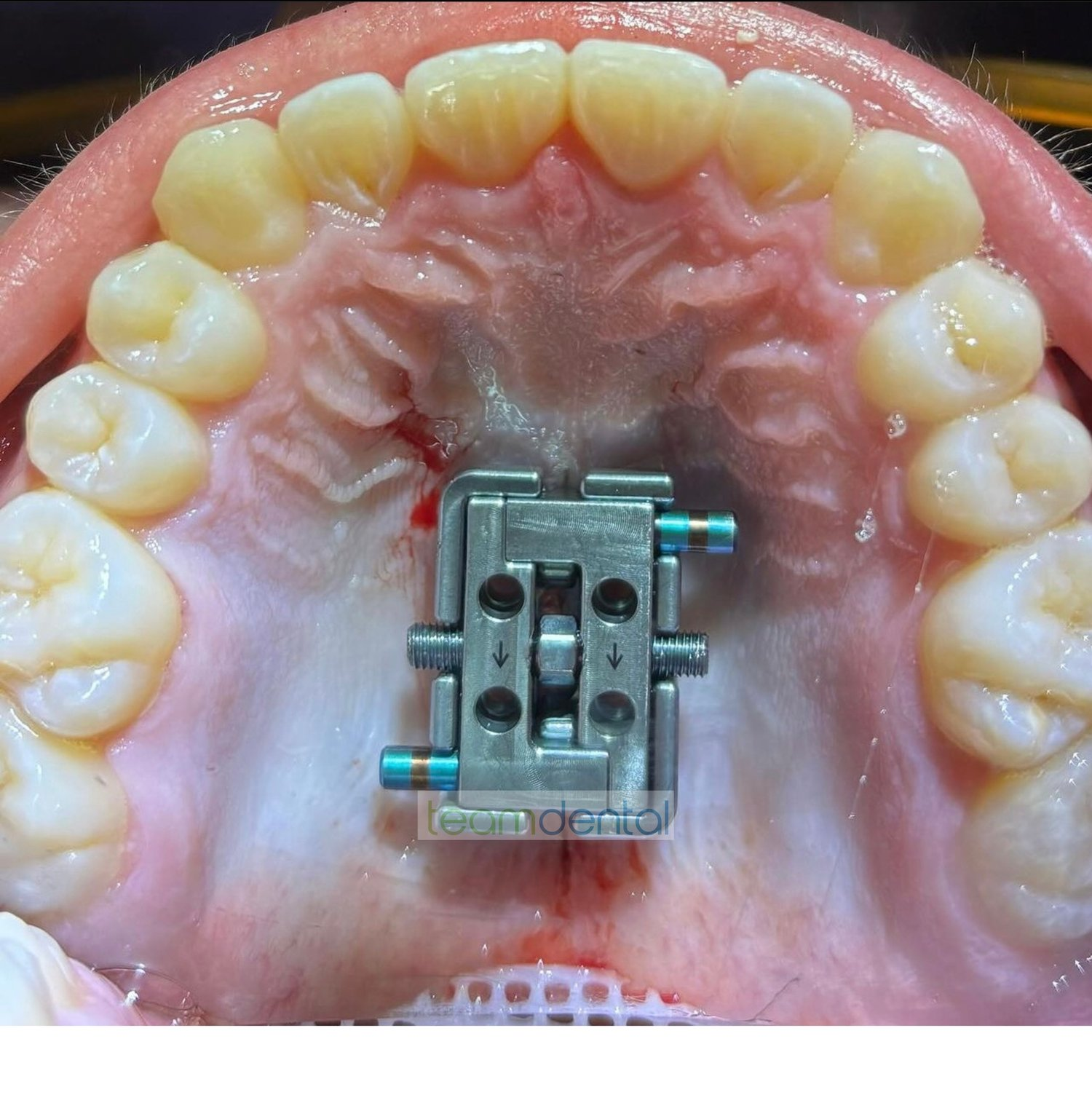
Traditional custom MARPE or MSE appliances however anchor to the molars. While they exert skeletal force to split the midpalatal suture, a significant portion of that expansion comes at the expense of tipping the teeth and their supporting alveolar bone outwards. Correcting the post expansion requires complex time consuming measures to upright the position of the roots back to the gums bone without causing root exposure, bone loss, or gum recession. FME's pure sutural attachment design resolves tooth tipping though. However because it doesn't anchor to molars, it relies entirely on TADs placed deep in the palatal vault. For patients with very high, narrow, or V-shaped palatal vaults, the FME chassis may not fit smoothly. To bypass narrow vaults, practitioners must drop the device lower using longer mini-screws/TADs. Expanding the distance between the palate and the appliance increases mechanical leverage, which can lead to screws bending, snapping, or losing anchorage under force. It can also cause soft tissue impingement, causing painful, severe palatal ulceration/inflammation, alongside a drop in space for tongue resting and swallowing during treatment. Expanding the upper jaw alone (whether via MARPE or FME) does not always lead to a wdier lower jaw bone. Expanding the maxilla when the mandible remains narrow can leave the patient in an awkward, unbalanced bite or an Class II profile discrepancy. MARPE/FME is solely the initial phase. Re establishing functional occlusion and aligning the arches can take 2+ years of complex post expansion orthodontic management with the help of custom face mask setups.
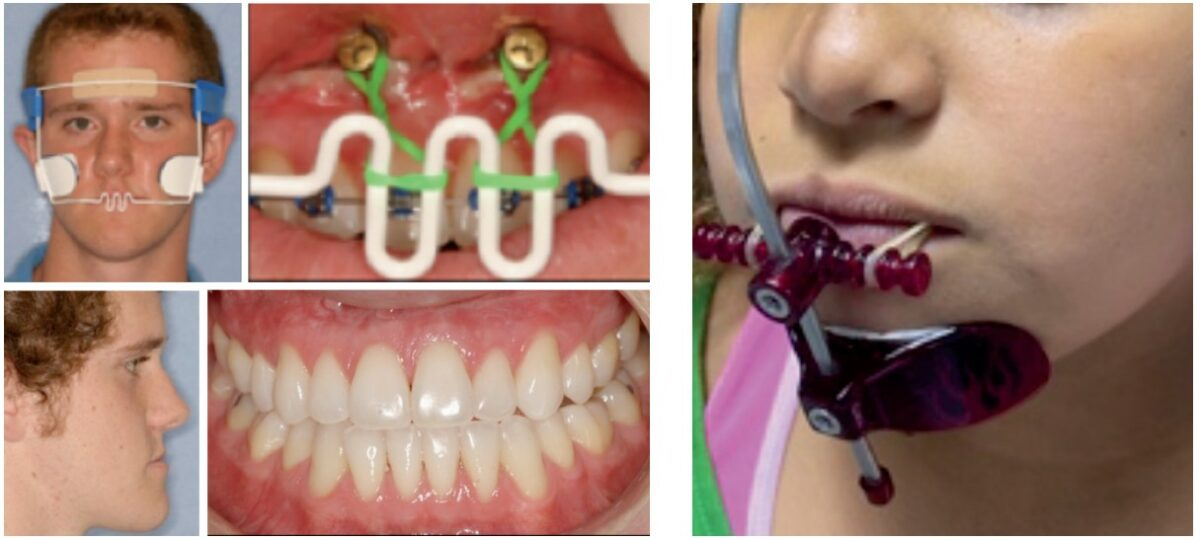
In milder structural cases, specialized archwires and brackets are used to expand the alveolar width and alter tooth inclination. While this improves dental alignment and tongue space, its impact on upper nasal volume is limited compared to bone-borne expansion.
Surgical and Interdisciplinary Options
When midfacial hypoplasia or mandibular retrusion is severe, or when facial sutures are completely mature and dense, surgical manipulation of the facial skeleton offers the most significant airway gains. Surgically Assisted Rapid Palatal Expansion (SARPE): A maxillofacial surgeon performs targeted osteotomies along the lateral walls of the maxilla and the midpalatal suture to release structural resistance. An expansion appliance then gradually pushes the midface apart over several weeks, creating substantial volumetric space in both the mouth and nasal passages.
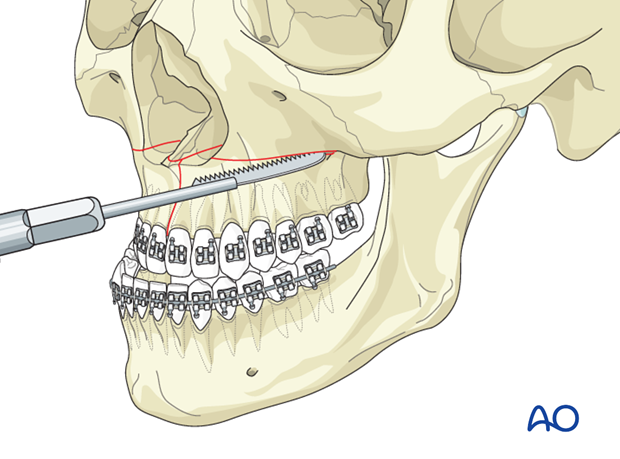
the Le Fort I Maxillary Advancement and other lefort intervenions can already be explained with many other thread, so wont go over it here.
Maxillomandibular Advancement (MMA) is a surgical treatment for severe structural airway collapse and obstructive sleep apnea, MMA moves both the upper jaw and lower jaw forward simultaneously. This expands the entire respiratory column from the nasal passages down to the throat.
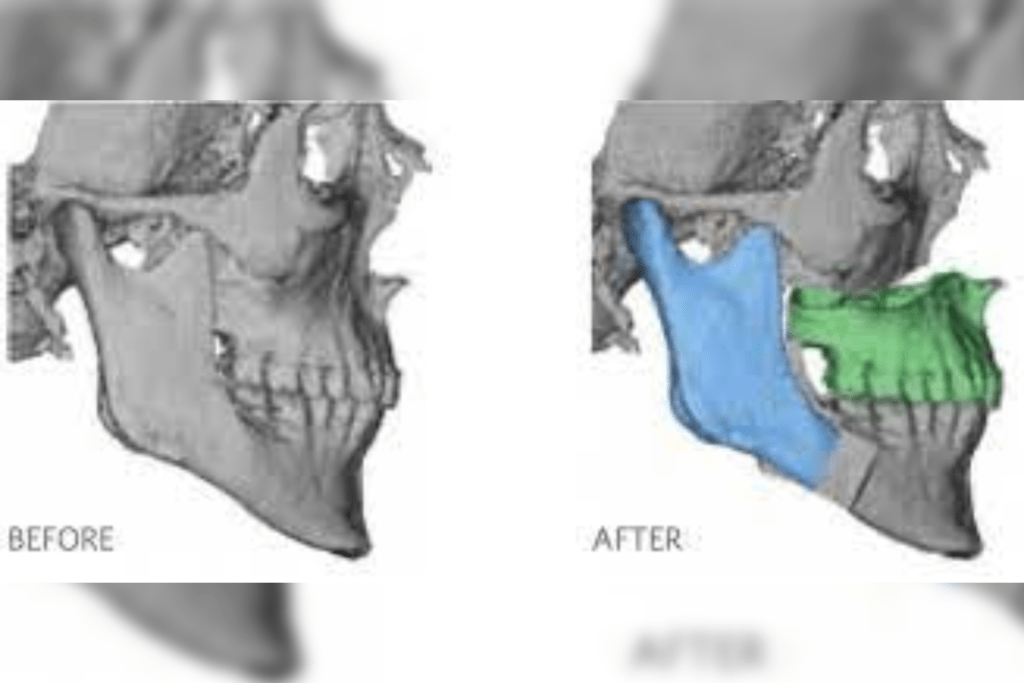
Orthodontic appliances combined with specific interventions most being surgeries is the only thing one should focus at after even mid puberty imho, even more so surgeries considering your parents shouldve already given you expanders and necessary hormone therapy during adolescence and puberty. I myself have gotten an inner plasty done in my nose and considering another surgery for adressing my slightly shifted nose but that'll be done once i've for once in this communist shithole found a competent clinic that offers appliances and not braces and invisalign.
After also realising that many other mixed race i knew also had breathing and craniology related issues like asthma and having to wear some sort of orthodontical appliance like braces. I decided of making this thread and sharing to other lingering mutts with what ive learned and copes there are out there promising to fix or outright hide this blatant correlation or rather cause and effect.
Genetics, Craniofacial Structure, and Airway Resistance in Admixed Populations
(Disclaimer: i wont even be remotely adressing or mentioning the absolute meme of mewing as i shouldn't have to with everything already discussed on it)
The connection between mixed African-European ancestry and breathing difficulties is driven by an intersection where skeletal growth dynamics (craniofacial morphology) meet mucosal immune responses (inflammation). When inherited genetic signals for facial bone development collide with systemic inflammatory tendencies, the result can be significant mechanical airway obstruction.
A major misconception is that race directly dictates single gene respiratory disorders. In reality, human facial structure and immune responses are polygenic influenced by hundreds of distinct genetic variants. Admixture introduces complex combinations of disparate traits rather than a single unified genetic defect.
It is also often assumed that nasal polyps or asthma cause structural jaw flattening. Bone structure and mucosal inflammation are separate biological processes. However, a structurally narrow or flat midface reduces internal airway volume, meaning that mild inflammation or polyps will cause disproportionately severe blockage.
Finally, people assume facial features always blend smoothly in admixed individuals. Genetic inheritance is often mosaic. Skeletal vault dimensions, dental arch widths, and facial height can inherit independently, creating structural discrepancies between outer bone projection and internal air passages.
Sutural Biology and Midfacial Hypoplasia
Facial growth relies heavily on fibrous joints called sutures, such as the midpalatal and zygomaticomaxillary sutures. Downward and forward expansion of the maxilla occurs as bone deposits along these sutural edges during growth. Master regulator genes like RUNX2, FGFR2, PAX3, and PRDM16 control this sutural cell proliferation and midfacial depth.
When different parental gene networks interact in admixed populations, a genetic phenomenon known as epistasis-sutural deposition can slow down prematurely. This produces midface hypoplasia, or a flatter maxillary profile. Because the upper jaw forms the floor of the nasal cavity, a hypoplastic maxilla fails to move forward and outward as far as expected. As a result, the palate often vaults upward, narrowing the internal nasal cross-sectional area.
Genetic Admixture and Clinical Orthodontic Trends
The practical impact of these inherited structural mismatches is clearly visible in regions with high genetic diversity, such as Brazil. When an individual inherits a narrower maxillary base paired with larger tooth dimensions, it creates significant dental crowding, impaction, and Class II or Class III malocclusions, driving a remarkably high demand for orthodontic intervention.
Epidemiological studies in Brazil (such as the national SBBrasil oral health surveys and regional studies in state populations) consistently report that over 80% of children and adolescents exhibit some form of malocclusion https://pmc.ncbi.nlm.nih.gov/articles/PMC9769416/. While Class III malocclusion (underbite/maxillary hypoplasia) typically accounts for less than 5–7% of cases globally https://www.scielo.br/j/dpjo/a/JFncfwxNPrZKj9kchR3qxyJ/?lang=en&format=pdf, comparative epidemiological reviews show Brazil with one of the highest reported rates in the world, reaching up to 14.1%. According to data from the Brazilian Federal Council of Dentistry (CFO), Brazil registered over 28.000 specialist orthodontists, accounting for more than 20% of all orthodontic certificate holders globally https://website.cfo.org.br/. Brazil maintains one of the highest concentrations of dental professionals worldwide, with approximately 168 dentists per 100.000 inhabitants (around 1 dentist per 600–700 people), driven by over 500 accredited dental faculties. Due to overwhelming population demand, the Brazilian federal government integrated specialized orthodontic care and interceptive expansion directly into its public health framework via the Sistema Único de Saúde (SUS) through Dental Specialty Centers (CEOs) https://www.scielo.br/j/ress/a/Kg5Z4B89Nxw8kQxCvDXmGFz/?lang=en https://www.scielo.br/j/ress/a/Kg5Z4B89Nxw8kQxCvDXmGFz/?lang=en. Restricted sutural expansion often leaves a high arched palate alongside a flat midfacial profile.
This explains the frequent clinical reliance on Rapid Palatal Expansion (RPE) to mechanically push the palate apart. When the nasal cavity floor is severely reduced, it generates high physical resistance to inhaled airflow, sometimes requiring surgical midface advancement to structurally open up the airway volume.
The "United Airway" and Inflammatory Amplification
Structural restrictions become much more serious when paired with United Airway Disease. The mucosal lining of the nose and sinuses shares identical tissue characteristics and immune pathways with the lower bronchial tree in the lungs. Populations with mixed African and European lineage show statistically higher genetic susceptibility to Type-2 eosinophilic inflammation.
The shared immune pathway links nasal polyps in the upper airway directly with asthma in the lower airway. The structural and inflammatory factors then compound each other. First, reduced internal bony volume from flat maxillary development creates anatomical restriction. Then, polyps or allergic swelling occupy what little void space remains. This combination turns mild tissue swelling into severe respiratory resistance and obstructed breathing pathways.
(this diagram mad by gemini explains it well altough the polyps are super unrealistic here)
One way Orthodontists and ENT specialists diagnose obstructions are by relying on specific quantitative tools to measure how structural hypoplasia impacts breathing dynamics. ConeBeam Computed Tomography (CBCT) generates 3D volumetric renders of the skull to calculate total airway volume (cm3) and pinpoint the Minimum Cross Sectional Area (MCA), which is the exact structural chokepoint. To measure how air moves through that space, specialists use Acoustic Rhinometry, emitting sound waves into the nasal cavity to measure internal dimensions at varying depths and distinguish bony constriction from softtissue swelling. They pair this with Computed Rhinomanometry, which measures airflow rates against air pressure during active breathing to calculate dynamic physical resistance. Evaluating both the skeletal frame and soft-tissue inflammation allows clinicians to determine whether expansion of the midfacial sutures, medical management of polyps, or a combination of both will best restore clear airflow.
Clinical and Lifelong Implications
Recognizing this intersection between craniofacial phenotype and mucosal inflammation is nonetheless essentiall for mutts seeking to looksmaxx and fix their unhuman looking facial features. Treating only the soft tissue inflammation with nasal steroids or asthma inhalers often yields incomplete relief if the underlying skeletal vault is physically constricted. Conversely, pursuing orthodontic or surgical expansion without addressing systemic Type-2 inflammation leaves the newly opened airway vulnerable to recurrent polyp growth and chronic sinus blockage. So is it that seeking implants or believing that roiding will magically fix the underlying issue is dumb, implants less so but as new appliances are brought forth and improved it definetly is becoming.
Genetics influence the thickness of the facial cortical bone and gums. Skeletally anchored options (like MARPE) are often preferred over tooth-borne appliances to prevent pushing teeth out of the bone envelope or causing gum recession. Because structural widening opens the anatomical frame, maximum benefit occurs when soft-tissue inflammation is controlled simultaneously. Combining palatal expansion or surgical advancement with targeted ENT care (such as biologic therapies or steroid rinses for nasal polyps) prevents recurring mucosal swelling from blocking the newly expanded space.
Orthodontic and Maxillofacial Interventions for Admixed Skeletal Phenotypes
Addressing airway restrictions caused by midfacial hypoplasia or jaw discrepancies requires targeted structural treatments. Because adults have fused facial sutures, interventions range from non surgical biomechanical expansion to advanced orthognathic surgeries. Standard orthodontics using traditional braces or aligners primarily moves teeth within the existing bone. To expand the actual internal nasal floor, treatment must apply direct force to the palatal sutures of the midface.
Minimally Invasive / Bone Borne Expansion like MARPE MSE and now promisingly FME are good options. Microimplant-Assisted Rapid Palatal Expansion (or Maxillary Skeletal Expansion) uses small temporary anchorage devices (mini-screws) placed directly into the palatal bone. By anchoring directly to the maxilla rather than the teeth, MARPE applies mechanical force directly to the midpalatal suture. This can split and widen the maxillary bones even after the sutures has closed, widening the floor of the nasal cavity and reducing internal air resistance.
Traditional custom MARPE or MSE appliances however anchor to the molars. While they exert skeletal force to split the midpalatal suture, a significant portion of that expansion comes at the expense of tipping the teeth and their supporting alveolar bone outwards. Correcting the post expansion requires complex time consuming measures to upright the position of the roots back to the gums bone without causing root exposure, bone loss, or gum recession. FME's pure sutural attachment design resolves tooth tipping though. However because it doesn't anchor to molars, it relies entirely on TADs placed deep in the palatal vault. For patients with very high, narrow, or V-shaped palatal vaults, the FME chassis may not fit smoothly. To bypass narrow vaults, practitioners must drop the device lower using longer mini-screws/TADs. Expanding the distance between the palate and the appliance increases mechanical leverage, which can lead to screws bending, snapping, or losing anchorage under force. It can also cause soft tissue impingement, causing painful, severe palatal ulceration/inflammation, alongside a drop in space for tongue resting and swallowing during treatment. Expanding the upper jaw alone (whether via MARPE or FME) does not always lead to a wdier lower jaw bone. Expanding the maxilla when the mandible remains narrow can leave the patient in an awkward, unbalanced bite or an Class II profile discrepancy. MARPE/FME is solely the initial phase. Re establishing functional occlusion and aligning the arches can take 2+ years of complex post expansion orthodontic management with the help of custom face mask setups.
In milder structural cases, specialized archwires and brackets are used to expand the alveolar width and alter tooth inclination. While this improves dental alignment and tongue space, its impact on upper nasal volume is limited compared to bone-borne expansion.
Surgical and Interdisciplinary Options
When midfacial hypoplasia or mandibular retrusion is severe, or when facial sutures are completely mature and dense, surgical manipulation of the facial skeleton offers the most significant airway gains. Surgically Assisted Rapid Palatal Expansion (SARPE): A maxillofacial surgeon performs targeted osteotomies along the lateral walls of the maxilla and the midpalatal suture to release structural resistance. An expansion appliance then gradually pushes the midface apart over several weeks, creating substantial volumetric space in both the mouth and nasal passages.
the Le Fort I Maxillary Advancement and other lefort intervenions can already be explained with many other thread, so wont go over it here.
Maxillomandibular Advancement (MMA) is a surgical treatment for severe structural airway collapse and obstructive sleep apnea, MMA moves both the upper jaw and lower jaw forward simultaneously. This expands the entire respiratory column from the nasal passages down to the throat.
Orthodontic appliances combined with specific interventions most being surgeries is the only thing one should focus at after even mid puberty imho, even more so surgeries considering your parents shouldve already given you expanders and necessary hormone therapy during adolescence and puberty. I myself have gotten an inner plasty done in my nose and considering another surgery for adressing my slightly shifted nose but that'll be done once i've for once in this communist shithole found a competent clinic that offers appliances and not braces and invisalign.


