


Joestar$
6:2 brutal Apex Predator on top of the food chain
- Joined
- Mar 24, 2026
- Posts
- 582
- Reputation
- 254
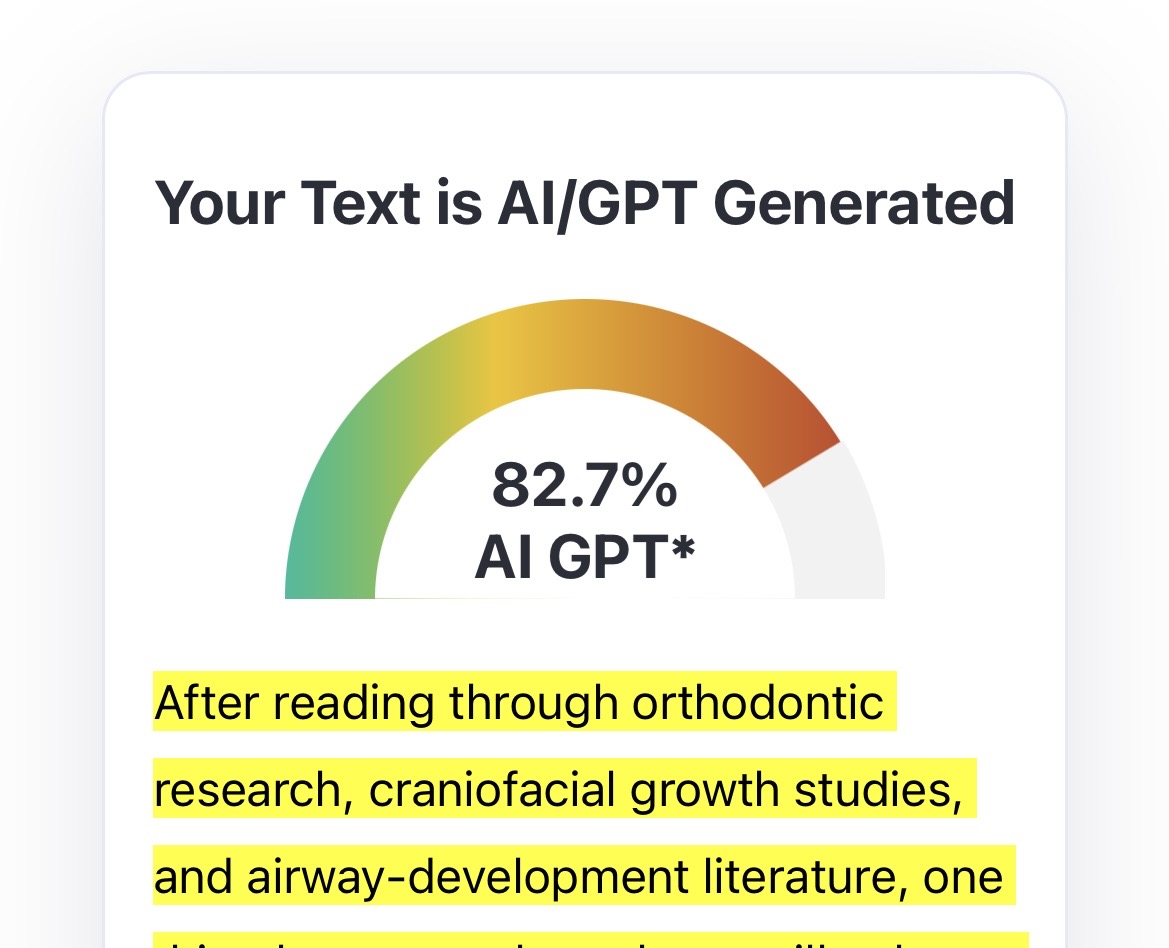
After reading through orthodontic research, craniofacial growth studies, and airway-development literature, one thing becomes clear: the maxilla plays a much bigger role in facial appearance than most people realize.
The maxilla is the upper jaw. It supports the midface, cheekbones, upper teeth, nose, and under-eye area. When the maxilla develops well, the face often appears more balanced, with better cheekbone support, a stronger side profile, and improved dental alignment.
What Influences Maxillary Development?
1. Genetics
Genetics is the biggest factor. The size, shape, and growth pattern of the maxilla are heavily influenced by inherited traits. Some people naturally develop broader and more forward-grown maxillas than others.
2. Nasal Breathing
Research consistently shows that chronic mouth breathing during childhood is associated with narrower dental arches, altered facial growth patterns, and reduced maxillary development. The nose is designed to be the primary airway, and normal nasal breathing supports healthy facial growth.
3. Tongue Posture
The tongue naturally rests against the palate when not speaking or eating. Throughout childhood and adolescence, this provides light, continuous pressure that may help support normal arch development and palate width. Poor tongue posture is often associated with narrower arches and dental crowding.
4. Proper Swallowing Function
A normal swallow uses the tongue against the palate rather than pushing against the front teeth. Functional orthodontic research suggests that swallowing patterns can influence long-term oral development.
5. Nutrition
Growing facial bones require adequate calories, protein, vitamins, and minerals. Nutrients such as calcium, vitamin D, vitamin K2, phosphorus, magnesium, and protein are important for bone development throughout adolescence.
6. Sleep Quality
Growth hormone is released primarily during sleep. Consistent, high-quality sleep supports overall skeletal growth, including facial development.
7. Orthodontic Intervention
In children and young teenagers, orthodontic treatments such as palatal expansion can sometimes influence maxillary width while growth is still occurring. Results are generally more significant before skeletal maturity.
Signs Often Associated With Good Maxillary Development
Good cheekbone support
Balanced facial proportions
Adequate under-eye support
Well-aligned dental arches
Proper nasal airway function
Limited dental crowding
Balanced side profile
Common Myths
"Mewing Can Completely Rebuild Your Face"
Current evidence does not support dramatic skeletal changes in fully grown adults from tongue posture alone. Good tongue posture is beneficial for oral function, but claims of massive facial transformation are often exaggerated.
"Chewing Gum Expands the Maxilla"
Chewing can strengthen chewing muscles, but there is little evidence that gum alone significantly expands the upper jaw.
"One Exercise Can Grow Your Maxilla Forward"
No exercise has been proven to create major forward maxillary growth in adults.
Bottom Line
The best-supported factors for healthy maxillary development are genetics, nasal breathing, proper tongue posture, quality sleep, good nutrition, and overall health during the growing years. Most significant skeletal changes occur naturally throughout childhood and adolescence, while habits mainly help support normal development rather than override genetics. This picture are two twins
The maxilla is the upper jaw. It supports the midface, cheekbones, upper teeth, nose, and under-eye area. When the maxilla develops well, the face often appears more balanced, with better cheekbone support, a stronger side profile, and improved dental alignment.
What Influences Maxillary Development?
1. Genetics
Genetics is the biggest factor. The size, shape, and growth pattern of the maxilla are heavily influenced by inherited traits. Some people naturally develop broader and more forward-grown maxillas than others.
2. Nasal Breathing
Research consistently shows that chronic mouth breathing during childhood is associated with narrower dental arches, altered facial growth patterns, and reduced maxillary development. The nose is designed to be the primary airway, and normal nasal breathing supports healthy facial growth.
3. Tongue Posture
The tongue naturally rests against the palate when not speaking or eating. Throughout childhood and adolescence, this provides light, continuous pressure that may help support normal arch development and palate width. Poor tongue posture is often associated with narrower arches and dental crowding.
4. Proper Swallowing Function
A normal swallow uses the tongue against the palate rather than pushing against the front teeth. Functional orthodontic research suggests that swallowing patterns can influence long-term oral development.
5. Nutrition
Growing facial bones require adequate calories, protein, vitamins, and minerals. Nutrients such as calcium, vitamin D, vitamin K2, phosphorus, magnesium, and protein are important for bone development throughout adolescence.
6. Sleep Quality
Growth hormone is released primarily during sleep. Consistent, high-quality sleep supports overall skeletal growth, including facial development.
7. Orthodontic Intervention
In children and young teenagers, orthodontic treatments such as palatal expansion can sometimes influence maxillary width while growth is still occurring. Results are generally more significant before skeletal maturity.
Signs Often Associated With Good Maxillary Development
Good cheekbone support
Balanced facial proportions
Adequate under-eye support
Well-aligned dental arches
Proper nasal airway function
Limited dental crowding
Balanced side profile
Common Myths
"Mewing Can Completely Rebuild Your Face"
Current evidence does not support dramatic skeletal changes in fully grown adults from tongue posture alone. Good tongue posture is beneficial for oral function, but claims of massive facial transformation are often exaggerated.
"Chewing Gum Expands the Maxilla"
Chewing can strengthen chewing muscles, but there is little evidence that gum alone significantly expands the upper jaw.
"One Exercise Can Grow Your Maxilla Forward"
No exercise has been proven to create major forward maxillary growth in adults.
Bottom Line
The best-supported factors for healthy maxillary development are genetics, nasal breathing, proper tongue posture, quality sleep, good nutrition, and overall health during the growing years. Most significant skeletal changes occur naturally throughout childhood and adolescence, while habits mainly help support normal development rather than override genetics. This picture are two twins




 "
"


