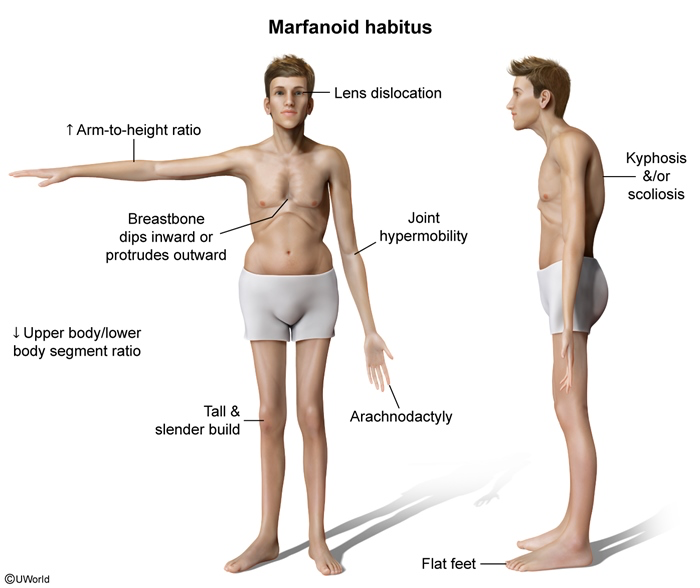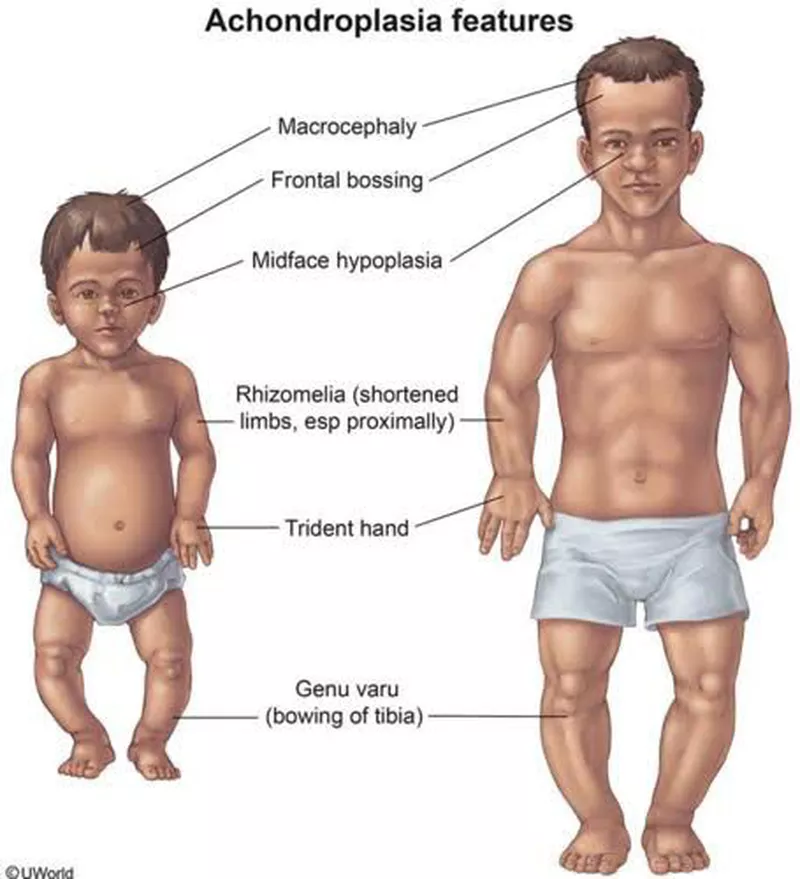
My personal repy to @ICLs Thread about FGFR3 inhibiton

Paul.jnxy

Paul.jnxy

Bloodwork is for fags
Joined
Jan 10, 2026
Posts
1,545
Reputation
1,830
The thread im refing to was made by @ICL a high IQ user who knows how to read studies and papers better then 99% of you niggers ever will - Its linked here

First of all I want to start by saying that @ICL made some good claims and statements that I completely agree with. There IS reason on why to be skeptikal on FGFR3 inhibitors.

The first one being a lot of users are way to stupid and retarded to be doing anything related to this biological pathway.

Here is proof:
1781031489863

Most of these nighas saw one TikTok edit about some FGFR3 thinking muh FGFR3 receptor disabling = good heightmax with no sides

The main claims made in his thread are these:

1. FGFR3 is a brake for growth, it exists for a reason as it stops cartilage from becoming into bone. Inhibiting it to lower then normal would make growth uncontrolled and unsustainable for normal health.

2. SCFE (Slipped capital femoral epiphysis) is a rather often occurence while using FGFR inibs for height.

3. Individuals with congenital FGFR UNDERexpression usually grow tall but have deformities (CATSHL syndrome) which would be concerning for heightmaxxers like you and me

1781032305344


1. FGFR3 as a "Natural Brake"

This is true. FGFR3 is a negative regulator of chondrocyte proliferation in the growth plate.
In theory, pushing it below baseline (in a healthy person without FGFR3 gain-of-function mutation) can lead to uncontrolled or dysregulated growth, which increases the risk of:
  • Mechanical stress on growth plates (→ potential SCFE)
  • Abnormal bone modeling
  • Potential deformities if the growth becomes too rapid or uneven
This is not just theoretical. we have real clinical signs (see below) that @ICL linked.

2. SCFE Risk (3/7 patients)

The thing is we were not looking at the whole picture. The Question is now:

A) Did FGFR inhibition itself directly weakens the growth plate and causes SCFE
B) Did FGFR inhibition mainly causes a huge growth spurt, and the SCFE is a secondary consequence of growing too fast.

As @ICL said SCFE occurs in about 1-10 people out of 100 thousand people. Which means it can not statistically be that 40% of the 7 patients treated can develop SCFE but here is what the authors actually say:

"Predisposing features that weaken the physeal plate include widening of physis associated with rapid growth acceleration (observed in all our patients)..."
This supports the idea that rapid growth acceleration may contribute to SCFE.
Yet they also write:
"...our clinical observations in patients treated with two separate FGFR selective TKIs ... provide a strong link between FGFR signaling disruption and the development of SCFE."
Notice the wording. They say there is a strong link between FGFR signaling disruption and SCFE, but they do not prove whether.
  1. FGFR inhibition directly weakens the growth plate, or
  2. FGFR inhibition causes rapid growth, which then leads to SCFE, or
  3. Both.
The closest they come to discussing the causation is:
"Predisposing features that weaken the physeal plate include widening of physis associated with rapid growth acceleration (observed in all our patients).
My personal interpretation is that its probably a factor of both.

Its also good to note that these were sick children (brain tumors) on very high doses. We don’t know the exact risk at the much lower doses people, like you and me, discuss for heightmaxxing. Still, it proves that rapid growth from FGFR inhibition can cause serious orthopedic complications.

So @ICL claim was only partially correct.

Funny enough a guy at my gym had this as he grew 11 cms in the span of 6 months (not even larping). He had to get surgery for his SCFE. Im convinced that nigha was on FGFR3 inhibs cause he looks similar to this nigha and is starting to show simalirities to CATSHL. Not as severe as this case ofcourse but you get the point. The thing is his brother is 171 cms and two years older then him while he is 188 cms with relatively alien looking proportions like below (Same build like this nigha @slendermanmax)
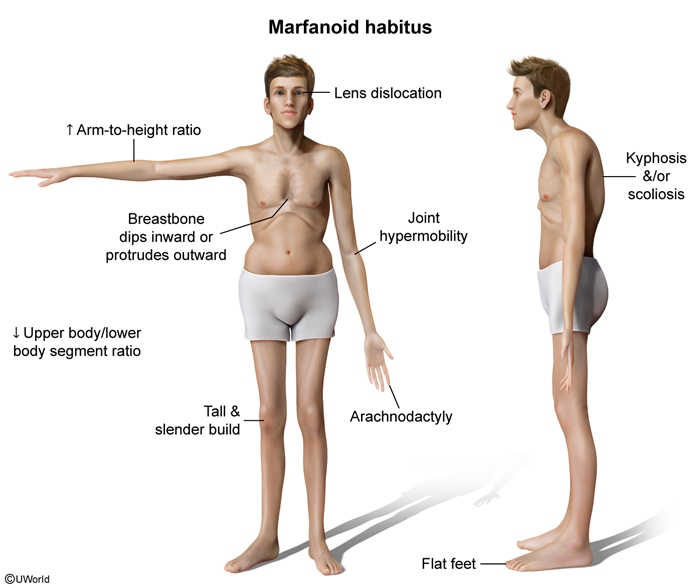
1781035022467

3. Erdafitinib Case (14.3 cm in 9 months + severe kyphoscoliosis)

This is also a real documented case (Majlessipour et al.). A child on the pan-FGFR inhibitor erdafitinib grew extremely fast, developed severe spinal deformity, and had spinal cord compression. Treatment had to be stopped.

There is a lot more nuance tho. (I fucking hate the niggers saying nuance muh and its starting to be me fuck)

Here is what actually happend:
The patient:
  • Had a CNS tumor.
  • Was receiving a potent FGFR inhibitor called Erdafitinib
  • Developed:
    • Accelerated growth
    • Severe kyphoscoliosis
    • Cervical spinal cord compression
    • Skeletal abnormalities
The important thing to distinct here is that the child went through excessive Chemo pre treatment severly halting his growth, this meaning catch-up growth could be a plausible factor to this type of rapid growth,

The 15 year old child grew 19 cms in a year which is insanely high for a 15 year old.

The biggest case studies and papers backing this claim of "catch-up growth" is that SCFE and similar symptoms are linked to multiple type of therapies inducing catch-up spurts:

Here a couple of links:

My argument falls apart purely by the fact that the child also developed:
  • Severe kyphoscoliosis
  • Cervical myelopathy
  • Major skeletal deformity
And the MSKCC cohort showed:
  • SCFE
  • Osteochondritis dissecans
  • Coxa valga
  • Fractures
after FGFR inhibition. Those findings begin to resemble what is seen when FGFR3 signaling is genetically disrupted.

So we can be pretty sure that ICL was correct with this statement.

4. CATSHL Syndrome (Genetic FGFR3 Loss-of-Function)
This is accurate. People with congenital loss-of-function mutations in FGFR3 (CATSHL syndrome) are unusually tall but often have:
  • Camptodactyly (permanently bent fingers)
  • Scoliosis/kyphosis
  • Hearing loss
  • Sometimes Marfanoid features
This proves that too little FGFR3 signaling from birth leads to overgrowth + deformities. It supports the concern that inhibiting FGFR3 below normal levels is not risk-free. Thes symptoms of people with CATSHL are scaringly similar to the case studies above meaning FGFR3 inhibiton has a big role in deformities.

5. Why a lot of these symptoms WILL NOT happen in high IQ heightmaxxers + Solutions to a couple of these threats

Perhaps the Biggest Dif from these papers is the dosing aspect:

These Patients were very sick and were put on absurdly high doses for heightmaxxing.
  • 8mgs/day of erda is absurdly high. I do not recommend going any higher then 4mgs max. Id start at 2mgs.
  • These kids were often already on chemotherapy, steroids, or with compromised health
  • They also were on Long continuous exposure (many months without cycling or taking breaks)
A healthy teen using a selective FGFR3/heck even a pan inhibitor at much lower doses, potentially in cycles, is a very different biological context. The risk of SCFE or severe deformity is likely substantially lower, though not zero especially if growth velocity becomes very high.

Another thing that should be almost self-explanitory is checking up on symptoms such as scoliosis by taking fucking pictures of your spine every week.

It should be fucking self explanitory but you should hop off when you feel any symptoms or atleast take a fucking break. Like use your fucking senses people. If your starting to get retinal fluid build up YOU WILL FUCKING FEEL THAT YOUR EYESIGHT is getting worse.

Another thing you could zjeroetically do is run a CNP over a FGFR3i. Ask @alexbrown8384 as this nigha is high iq about this. Il do a thread on these soon anyways.

I think i should do a completely seperate thread (and a BOTB format) on FGFR inhbition + how to watch out and counter sides + ancillaries + how to source ....

The list goes on forever. Anyways this is a shitpost and I could not invest a lot of time in this as I have a geo exam tmrw and my math finals are coming up next week and its 22:18 pm and I have not studied at all. I wanter to write way more but nyways this will do for today. I will answer replies as soon as I can.


@mrpein @ICL @Vireon @agarthancha idk who else i forgot anyways
 
Last edited:
  • +1
Reactions: agarthancha, Firstname.Lastname, prettyboylite and 13 others
The thread im refing to was made by @ICL a high IQ user who knows how to read studies and papers better then 99% of you niggers ever will - Its linked here

First of all I want to start by saying that @ICL made some good claims and statements that I completely agree with. There IS reason on why to be skeptikal on FGFR3 inhibitors.

The first one being a lot of users are way to stupid and retarded to be doing anything related to this biological pathway.

Here is proof:
View attachment 5197460
Most of these nighas saw one TikTok edit about some FGFR3 thinking muh FGFR3 receptor disabling = good heightmax with no sides

The main claims made in his thread are these:

1. FGFR3 is a brake for growth, it exists for a reason as it stops cartilage from becoming into bone. Inhibiting it to lower then normal would make growth uncontrolled and unsustainable for normal health.

2. SCFE (Slipped capital femoral epiphysis) is a rather often occurence while using FGFR inibs for height.

3. Individuals with congenital FGFR UNDERexpression usually grow tall but have deformities (CATSHL syndrome) which would be concerning for heightmaxxers like you and me

View attachment 5197521

1. FGFR3 as a "Natural Brake"

This is true. FGFR3 is a negative regulator of chondrocyte proliferation in the growth plate.
In theory, pushing it below baseline (in a healthy person without FGFR3 gain-of-function mutation) can lead to uncontrolled or dysregulated growth, which increases the risk of:
  • Mechanical stress on growth plates (→ potential SCFE)
  • Abnormal bone modeling
  • Potential deformities if the growth becomes too rapid or uneven
This is not just theoretical. we have real clinical signs (see below) that @ICL linked.

2. SCFE Risk (3/7 patients)

The thing is we were not looking at the whole picture. The Question is now:

A) Did FGFR inhibition itself directly weakens the growth plate and causes SCFE
B) Did FGFR inhibition mainly causes a huge growth spurt, and the SCFE is a secondary consequence of growing too fast.

As @ICL said SCFE occurs in about 1-10 people out of 100 thousand people. Which means it can not statistically be that 40% of the 7 patients treated can develop SCFE but here is what the authors actually say:


This supports the idea that rapid growth acceleration may contribute to SCFE.
Yet they also write:

Notice the wording. They say there is a strong link between FGFR signaling disruption and SCFE, but they do not prove whether.
  1. FGFR inhibition directly weakens the growth plate, or
  2. FGFR inhibition causes rapid growth, which then leads to SCFE, or
  3. Both.
The closest they come to discussing the causation is:

My personal interpretation is that its probably a factor of both.

Its also good to note that these were sick children (brain tumors) on very high doses. We don’t know the exact risk at the much lower doses people, like you and me, discuss for heightmaxxing. Still, it proves that rapid growth from FGFR inhibition can cause serious orthopedic complications.

So @ICL claim was only partially correct.

Funny enough a guy at my gym had this as he grew 11 cms in the span of 6 months (not even larping). He had to get surgery for his SCFE. Im convinced that nigha was on FGFR3 inhibs cause he looks similar to this nigha and is starting to show simalirities to CATSHL. Not as severe as this case ofcourse but you get the point. The thing is his brother is 171 cms and two years older then him while he is 188 cms with relatively alien looking proportions like below (Same build like this nigha @slendermanmax)
View attachment 5197739
3. Erdafitinib Case (14.3 cm in 9 months + severe kyphoscoliosis)

This is also a real documented case (Majlessipour et al.). A child on the pan-FGFR inhibitor erdafitinib grew extremely fast, developed severe spinal deformity, and had spinal cord compression. Treatment had to be stopped.

There is a lot more nuance tho. (I fucking hate the niggers saying nuance muh and its starting to be me fuck)

Here is what actually happend:
The patient:
  • Had a CNS tumor.
  • Was receiving a potent FGFR inhibitor called Erdafitinib
  • Developed:
    • Accelerated growth
    • Severe kyphoscoliosis
    • Cervical spinal cord compression
    • Skeletal abnormalities
The important thing to distinct here is that the child went through excessive Chemo pre treatment severly halting his growth, this meaning catch-up growth could be a plausible factor to this type of rapid growth,

The 15 year old child grew 19 cms in a year which is insanely high for a 15 year old.

The biggest case studies and papers backing this claim of "catch-up growth" is that SCFE and similar symptoms are linked to multiple type of therapies inducing catch-up spurts:

Here a couple of links:

My argument falls apart purely by the fact that the child also developed:
  • Severe kyphoscoliosis
  • Cervical myelopathy
  • Major skeletal deformity
And the MSKCC cohort showed:
  • SCFE
  • Osteochondritis dissecans
  • Coxa valga
  • Fractures
after FGFR inhibition. Those findings begin to resemble what is seen when FGFR3 signaling is genetically disrupted.

So we can be pretty sure that ICL was correct with this statement.

4. CATSHL Syndrome (Genetic FGFR3 Loss-of-Function)
This is accurate. People with congenital loss-of-function mutations in FGFR3 (CATSHL syndrome) are unusually tall but often have:
  • Camptodactyly (permanently bent fingers)
  • Scoliosis/kyphosis
  • Hearing loss
  • Sometimes Marfanoid features
This proves that too little FGFR3 signaling from birth leads to overgrowth + deformities. It supports the concern that inhibiting FGFR3 below normal levels is not risk-free. Thes symptoms of people with CATSHL are scaringly similar to the case studies above meaning FGFR3 inhibiton has a big role in deformities.

5. Why a lot of these symptoms WILL NOT happen in high IQ heightmaxxers + Solutions to a couple of these threats

Perhaps the Biggest Dif from these papers is the dosing aspect:

These Patients were very sick and were put on absurdly high doses for heightmaxxing.
  • 8mgs/day of erda is absurdly high. I do not recommend going any higher then 4mgs max. Id start at 2mgs.
  • These kids were often already on chemotherapy, steroids, or with compromised health
  • They also were on Long continuous exposure (many months without cycling or taking breaks)
A healthy teen using a selective FGFR3/heck even a pan inhibitor at much lower doses, potentially in cycles, is a very different biological context. The risk of SCFE or severe deformity is likely substantially lower, though not zero especially if growth velocity becomes very high.

Another thing that should be almost self-explanitory is checking up on symptoms such as scoliosis by taking fucking pictures of your spine every week.

It should be fucking self explanitory but you should hop off when you feel any symptoms or atleast take a fucking break. Like use your fucking senses people. If your starting to get retinal fluid build up YOU WILL FUCKING FEEL THAT YOUR EYESIGHT is getting worse.

Another thing you could zjeroetically do is run a CNP over a FGFR3i. Ask @alexbrown8384 as this nigha is high iq about this. Il do a thread on these soon anyways.

I think i should do a completely seperate thread (and a BOTB format) on FGFR inhbition + how to watch out and counter sides + ancillaries + how to source ....

The list goes on forever. Anyways this is a shitpost and I could not invest a lot of time in this as I have a geo exam tmrw and my math finals are coming up next week and its 22:18 pm and I have not studied at all. I wanter to write way more but nyways this will do for today. I will answer replies as soon as I can.


@mrpein @ICL @Vireon @agarthancha idk who else i forgot anyways
Excuse my grammar. I am very tired and decided to not double check any spelling. I had my french final today :hnghn:
 
  • +1
  • JFL
Reactions: agarthancha, tomacōck, Vireon and 4 others
Bump
 
  • +1
Reactions: agarthancha, tomacōck, Vireon and 2 others
@Niebvll
 
  • +1
Reactions: agarthancha, tomacōck, Vireon and 3 others
bump @zennn @anondude
 
  • +1
Reactions: agarthancha, tomacōck, Vireon and 4 others
Will read in 15mins
 
  • +1
Reactions: tomacōck, Vireon, zennn and 2 others
The thread im refing to was made by @ICL a high IQ user who knows how to read studies and papers better then 99% of you niggers ever will - Its linked here

First of all I want to start by saying that @ICL made some good claims and statements that I completely agree with. There IS reason on why to be skeptikal on FGFR3 inhibitors.

The first one being a lot of users are way to stupid and retarded to be doing anything related to this biological pathway.

Here is proof:
View attachment 5197460
Most of these nighas saw one TikTok edit about some FGFR3 thinking muh FGFR3 receptor disabling = good heightmax with no sides

The main claims made in his thread are these:

1. FGFR3 is a brake for growth, it exists for a reason as it stops cartilage from becoming into bone. Inhibiting it to lower then normal would make growth uncontrolled and unsustainable for normal health.

2. SCFE (Slipped capital femoral epiphysis) is a rather often occurence while using FGFR inibs for height.

3. Individuals with congenital FGFR UNDERexpression usually grow tall but have deformities (CATSHL syndrome) which would be concerning for heightmaxxers like you and me

View attachment 5197521

1. FGFR3 as a "Natural Brake"

This is true. FGFR3 is a negative regulator of chondrocyte proliferation in the growth plate.
In theory, pushing it below baseline (in a healthy person without FGFR3 gain-of-function mutation) can lead to uncontrolled or dysregulated growth, which increases the risk of:
  • Mechanical stress on growth plates (→ potential SCFE)
  • Abnormal bone modeling
  • Potential deformities if the growth becomes too rapid or uneven
This is not just theoretical. we have real clinical signs (see below) that @ICL linked.

2. SCFE Risk (3/7 patients)

The thing is we were not looking at the whole picture. The Question is now:

A) Did FGFR inhibition itself directly weakens the growth plate and causes SCFE
B) Did FGFR inhibition mainly causes a huge growth spurt, and the SCFE is a secondary consequence of growing too fast.

As @ICL said SCFE occurs in about 1-10 people out of 100 thousand people. Which means it can not statistically be that 40% of the 7 patients treated can develop SCFE but here is what the authors actually say:


This supports the idea that rapid growth acceleration may contribute to SCFE.
Yet they also write:

Notice the wording. They say there is a strong link between FGFR signaling disruption and SCFE, but they do not prove whether.
  1. FGFR inhibition directly weakens the growth plate, or
  2. FGFR inhibition causes rapid growth, which then leads to SCFE, or
  3. Both.
The closest they come to discussing the causation is:

My personal interpretation is that its probably a factor of both.

Its also good to note that these were sick children (brain tumors) on very high doses. We don’t know the exact risk at the much lower doses people, like you and me, discuss for heightmaxxing. Still, it proves that rapid growth from FGFR inhibition can cause serious orthopedic complications.

So @ICL claim was only partially correct.

Funny enough a guy at my gym had this as he grew 11 cms in the span of 6 months (not even larping). He had to get surgery for his SCFE. Im convinced that nigha was on FGFR3 inhibs cause he looks similar to this nigha and is starting to show simalirities to CATSHL. Not as severe as this case ofcourse but you get the point. The thing is his brother is 171 cms and two years older then him while he is 188 cms with relatively alien looking proportions like below (Same build like this nigha @slendermanmax)
View attachment 5197739
3. Erdafitinib Case (14.3 cm in 9 months + severe kyphoscoliosis)

This is also a real documented case (Majlessipour et al.). A child on the pan-FGFR inhibitor erdafitinib grew extremely fast, developed severe spinal deformity, and had spinal cord compression. Treatment had to be stopped.

There is a lot more nuance tho. (I fucking hate the niggers saying nuance muh and its starting to be me fuck)

Here is what actually happend:
The patient:
  • Had a CNS tumor.
  • Was receiving a potent FGFR inhibitor called Erdafitinib
  • Developed:
    • Accelerated growth
    • Severe kyphoscoliosis
    • Cervical spinal cord compression
    • Skeletal abnormalities
The important thing to distinct here is that the child went through excessive Chemo pre treatment severly halting his growth, this meaning catch-up growth could be a plausible factor to this type of rapid growth,

The 15 year old child grew 19 cms in a year which is insanely high for a 15 year old.

The biggest case studies and papers backing this claim of "catch-up growth" is that SCFE and similar symptoms are linked to multiple type of therapies inducing catch-up spurts:

Here a couple of links:

My argument falls apart purely by the fact that the child also developed:
  • Severe kyphoscoliosis
  • Cervical myelopathy
  • Major skeletal deformity
And the MSKCC cohort showed:
  • SCFE
  • Osteochondritis dissecans
  • Coxa valga
  • Fractures
after FGFR inhibition. Those findings begin to resemble what is seen when FGFR3 signaling is genetically disrupted.

So we can be pretty sure that ICL was correct with this statement.

4. CATSHL Syndrome (Genetic FGFR3 Loss-of-Function)
This is accurate. People with congenital loss-of-function mutations in FGFR3 (CATSHL syndrome) are unusually tall but often have:
  • Camptodactyly (permanently bent fingers)
  • Scoliosis/kyphosis
  • Hearing loss
  • Sometimes Marfanoid features
This proves that too little FGFR3 signaling from birth leads to overgrowth + deformities. It supports the concern that inhibiting FGFR3 below normal levels is not risk-free. Thes symptoms of people with CATSHL are scaringly similar to the case studies above meaning FGFR3 inhibiton has a big role in deformities.

5. Why a lot of these symptoms WILL NOT happen in high IQ heightmaxxers + Solutions to a couple of these threats

Perhaps the Biggest Dif from these papers is the dosing aspect:

These Patients were very sick and were put on absurdly high doses for heightmaxxing.
  • 8mgs/day of erda is absurdly high. I do not recommend going any higher then 4mgs max. Id start at 2mgs.
  • These kids were often already on chemotherapy, steroids, or with compromised health
  • They also were on Long continuous exposure (many months without cycling or taking breaks)
A healthy teen using a selective FGFR3/heck even a pan inhibitor at much lower doses, potentially in cycles, is a very different biological context. The risk of SCFE or severe deformity is likely substantially lower, though not zero especially if growth velocity becomes very high.

Another thing that should be almost self-explanitory is checking up on symptoms such as scoliosis by taking fucking pictures of your spine every week.

It should be fucking self explanitory but you should hop off when you feel any symptoms or atleast take a fucking break. Like use your fucking senses people. If your starting to get retinal fluid build up YOU WILL FUCKING FEEL THAT YOUR EYESIGHT is getting worse.

Another thing you could zjeroetically do is run a CNP over a FGFR3i. Ask @alexbrown8384 as this nigha is high iq about this. Il do a thread on these soon anyways.

I think i should do a completely seperate thread (and a BOTB format) on FGFR inhbition + how to watch out and counter sides + ancillaries + how to source ....

The list goes on forever. Anyways this is a shitpost and I could not invest a lot of time in this as I have a geo exam tmrw and my math finals are coming up next week and its 22:18 pm and I have not studied at all. I wanter to write way more but nyways this will do for today. I will answer replies as soon as I can.


@mrpein @ICL @Vireon @agarthancha idk who else i forgot anyways
bump
 
  • +1
Reactions: agarthancha, tomacōck, Vireon and 1 other person
Mirin bro

Will read EVERY molecule tmrw morning

Bump
 
  • +1
  • Love it
Reactions: agarthancha, zennn and Paul.jnxy
Good thread
 
  • +1
Reactions: agarthancha, Vireon, zennn and 1 other person
Im bookmarking this thread and putting it when any retarted nigga asks about it
 
  • +1
Reactions: agarthancha, Vireon, zennn and 1 other person
honestly you should only hop on if you are really short like 165 at 15 just not if ur a late bloomer, i lowk consider ts as im 164 at 15
 
  • +1
Reactions: Vireon, zennn and Paul.jnxy
Your catch-up growth point is ok until you list what the erdafitinib patient actually developed which is severe kyphoscoliosis, cervical myelopathy, spinal cord compression. The MSKCC cohort adds fractures, osteochondritis dissecans, coxa valga. Then CATSHL syndrome, the genetic model for complete FGFR3 loss of function. You put "my argument falls apart" hard to write a decent response over that

The dose argument is the main strength but its pure speculation cause no data exists on 2-4mg in healthy adolescents for height purposes. Extrapolating downward from oncology dosing without clinical evidence isnt a sufficient risk mitigation strategy just stick to HGH bro jfl

@ICL @chang cypionate
 
  • +1
Reactions: Vireon, Mast, zennn and 3 others
Your catch-up growth point is ok until you list what the erdafitinib patient actually developed which is severe kyphoscoliosis, cervical myelopathy, spinal cord compression. The MSKCC cohort adds fractures, osteochondritis dissecans, coxa valga. Then CATSHL syndrome, the genetic model for complete FGFR3 loss of function. You put "my argument falls apart" hard to write a decent response over that

The dose argument is the main strength but its pure speculation cause no data exists on 2-4mg in healthy adolescents for height purposes. Extrapolating downward from oncology dosing without clinical evidence isnt a sufficient risk mitigation strategy just stick to HGH bro jfl

@ICL @chang cypionate
Lowkey I just skimmed through both of your threads haven't fully read @ICL @81xa , will read after work.
 
  • +1
Reactions: Vireon, zennn, Paul.jnxy and 1 other person
sorry for the giga-late response

It will be even more delayed as I have a few concurrent exam

Will reply to you once I can
 
  • +1
Reactions: N1kolai, Vireon, Mast and 3 others
sorry for the giga-late response

It will be even more delayed as I have a few concurrent exam

Will reply to you once I can
Don’t worry bro me too:forcedsmile:
 
  • +1
Reactions: alexbrown8384, Niebvll, Vireon and 3 others
honestly you should only hop on if you are really short like 165 at 15 just not if ur a late bloomer, i lowk consider ts as im 164 at 15
Do it and let us know how it goes :forcedsmile:
 
  • +1
Reactions: Niebvll, Vireon, zennn and 1 other person
  • +1
Reactions: anondude, Niebvll, Vireon and 2 others
Your catch-up growth point is ok until you list what the erdafitinib patient actually developed which is severe kyphoscoliosis, cervical myelopathy, spinal cord compression. The MSKCC cohort adds fractures, osteochondritis dissecans, coxa valga. Then CATSHL syndrome, the genetic model for complete FGFR3 loss of function. You put "my argument falls apart" hard to write a decent response over that

The dose argument is the main strength but its pure speculation cause no data exists on 2-4mg in healthy adolescents for height purposes. Extrapolating downward from oncology dosing without clinical evidence isnt a sufficient risk mitigation strategy just stick to HGH bro jfl

@ICL @chang cypionate
Good reply. Yes most of this is my thread. I just tried to look at the issue from different perspectives and we’ll take a guess a couple of them didn’t work.
 
  • +1
Reactions: Vireon, zennn, 81xa and 1 other person
unrelated but I unironically agree with ur bio, niggas do bloodwork for no reason it’s so useless with low ass roi assuming ur a broke teen:bigbrain:
 
  • +1
  • Love it
Reactions: Paul.jnxy, Vireon, zennn and 1 other person
The thread im refing to was made by @ICL a high IQ user who knows how to read studies and papers better then 99% of you niggers ever will - Its linked here

First of all I want to start by saying that @ICL made some good claims and statements that I completely agree with. There IS reason on why to be skeptikal on FGFR3 inhibitors.

The first one being a lot of users are way to stupid and retarded to be doing anything related to this biological pathway.

Here is proof:
View attachment 5197460
Most of these nighas saw one TikTok edit about some FGFR3 thinking muh FGFR3 receptor disabling = good heightmax with no sides

The main claims made in his thread are these:

1. FGFR3 is a brake for growth, it exists for a reason as it stops cartilage from becoming into bone. Inhibiting it to lower then normal would make growth uncontrolled and unsustainable for normal health.

2. SCFE (Slipped capital femoral epiphysis) is a rather often occurence while using FGFR inibs for height.

3. Individuals with congenital FGFR UNDERexpression usually grow tall but have deformities (CATSHL syndrome) which would be concerning for heightmaxxers like you and me

View attachment 5197521

1. FGFR3 as a "Natural Brake"

This is true. FGFR3 is a negative regulator of chondrocyte proliferation in the growth plate.
In theory, pushing it below baseline (in a healthy person without FGFR3 gain-of-function mutation) can lead to uncontrolled or dysregulated growth, which increases the risk of:
  • Mechanical stress on growth plates (→ potential SCFE)
  • Abnormal bone modeling
  • Potential deformities if the growth becomes too rapid or uneven
This is not just theoretical. we have real clinical signs (see below) that @ICL linked.

2. SCFE Risk (3/7 patients)

The thing is we were not looking at the whole picture. The Question is now:

A) Did FGFR inhibition itself directly weakens the growth plate and causes SCFE
B) Did FGFR inhibition mainly causes a huge growth spurt, and the SCFE is a secondary consequence of growing too fast.

As @ICL said SCFE occurs in about 1-10 people out of 100 thousand people. Which means it can not statistically be that 40% of the 7 patients treated can develop SCFE but here is what the authors actually say:


This supports the idea that rapid growth acceleration may contribute to SCFE.
Yet they also write:

Notice the wording. They say there is a strong link between FGFR signaling disruption and SCFE, but they do not prove whether.
  1. FGFR inhibition directly weakens the growth plate, or
  2. FGFR inhibition causes rapid growth, which then leads to SCFE, or
  3. Both.
The closest they come to discussing the causation is:

My personal interpretation is that its probably a factor of both.

Its also good to note that these were sick children (brain tumors) on very high doses. We don’t know the exact risk at the much lower doses people, like you and me, discuss for heightmaxxing. Still, it proves that rapid growth from FGFR inhibition can cause serious orthopedic complications.

So @ICL claim was only partially correct.

Funny enough a guy at my gym had this as he grew 11 cms in the span of 6 months (not even larping). He had to get surgery for his SCFE. Im convinced that nigha was on FGFR3 inhibs cause he looks similar to this nigha and is starting to show simalirities to CATSHL. Not as severe as this case ofcourse but you get the point. The thing is his brother is 171 cms and two years older then him while he is 188 cms with relatively alien looking proportions like below (Same build like this nigha @slendermanmax)
View attachment 5197739
3. Erdafitinib Case (14.3 cm in 9 months + severe kyphoscoliosis)

This is also a real documented case (Majlessipour et al.). A child on the pan-FGFR inhibitor erdafitinib grew extremely fast, developed severe spinal deformity, and had spinal cord compression. Treatment had to be stopped.

There is a lot more nuance tho. (I fucking hate the niggers saying nuance muh and its starting to be me fuck)

Here is what actually happend:
The patient:
  • Had a CNS tumor.
  • Was receiving a potent FGFR inhibitor called Erdafitinib
  • Developed:
    • Accelerated growth
    • Severe kyphoscoliosis
    • Cervical spinal cord compression
    • Skeletal abnormalities
The important thing to distinct here is that the child went through excessive Chemo pre treatment severly halting his growth, this meaning catch-up growth could be a plausible factor to this type of rapid growth,

The 15 year old child grew 19 cms in a year which is insanely high for a 15 year old.

The biggest case studies and papers backing this claim of "catch-up growth" is that SCFE and similar symptoms are linked to multiple type of therapies inducing catch-up spurts:

Here a couple of links:

My argument falls apart purely by the fact that the child also developed:
  • Severe kyphoscoliosis
  • Cervical myelopathy
  • Major skeletal deformity
And the MSKCC cohort showed:
  • SCFE
  • Osteochondritis dissecans
  • Coxa valga
  • Fractures
after FGFR inhibition. Those findings begin to resemble what is seen when FGFR3 signaling is genetically disrupted.

So we can be pretty sure that ICL was correct with this statement.

4. CATSHL Syndrome (Genetic FGFR3 Loss-of-Function)
This is accurate. People with congenital loss-of-function mutations in FGFR3 (CATSHL syndrome) are unusually tall but often have:
  • Camptodactyly (permanently bent fingers)
  • Scoliosis/kyphosis
  • Hearing loss
  • Sometimes Marfanoid features
This proves that too little FGFR3 signaling from birth leads to overgrowth + deformities. It supports the concern that inhibiting FGFR3 below normal levels is not risk-free. Thes symptoms of people with CATSHL are scaringly similar to the case studies above meaning FGFR3 inhibiton has a big role in deformities.

5. Why a lot of these symptoms WILL NOT happen in high IQ heightmaxxers + Solutions to a couple of these threats

Perhaps the Biggest Dif from these papers is the dosing aspect:

These Patients were very sick and were put on absurdly high doses for heightmaxxing.
  • 8mgs/day of erda is absurdly high. I do not recommend going any higher then 4mgs max. Id start at 2mgs.
  • These kids were often already on chemotherapy, steroids, or with compromised health
  • They also were on Long continuous exposure (many months without cycling or taking breaks)
A healthy teen using a selective FGFR3/heck even a pan inhibitor at much lower doses, potentially in cycles, is a very different biological context. The risk of SCFE or severe deformity is likely substantially lower, though not zero especially if growth velocity becomes very high.

Another thing that should be almost self-explanitory is checking up on symptoms such as scoliosis by taking fucking pictures of your spine every week.

It should be fucking self explanitory but you should hop off when you feel any symptoms or atleast take a fucking break. Like use your fucking senses people. If your starting to get retinal fluid build up YOU WILL FUCKING FEEL THAT YOUR EYESIGHT is getting worse.

Another thing you could zjeroetically do is run a CNP over a FGFR3i. Ask @alexbrown8384 as this nigha is high iq about this. Il do a thread on these soon anyways.

I think i should do a completely seperate thread (and a BOTB format) on FGFR inhbition + how to watch out and counter sides + ancillaries + how to source ....

The list goes on forever. Anyways this is a shitpost and I could not invest a lot of time in this as I have a geo exam tmrw and my math finals are coming up next week and its 22:18 pm and I have not studied at all. I wanter to write way more but nyways this will do for today. I will answer replies as soon as I can.


@mrpein @ICL @Vireon @agarthancha idk who else i forgot anyways
so I was right all along. run 8mg
 
  • +1
  • JFL
Reactions: Paul.jnxy, Vireon, zennn and 1 other person
As @
ICL
@ICL said SCFE occurs in about 1-10 people out of 100 thousand people. Which means it can not statistically be that 40% of the 7 patients treated can develop SCFE but here is what the authors actually say:

This supports the idea that rapid growth acceleration may contribute to SCFE.
Yet they also write:
Wouldn't the rapid growth acceleration be caused by the FGFR3 inhibition?
Notice the wording. They say there is a strong link between FGFR signaling disruption and SCFE, but they do not prove whether.
  1. FGFR inhibition directly weakens the growth plate, or
  2. FGFR inhibition causes rapid growth, which then leads to SCFE, or
  3. Both.
The closest they come to discussing the causation is:
My personal interpretation is that its probably a factor of both.
It's impossible to prove the 2 points you required

These were taken off-label to treat aggressive cancer, which created a medical emergency (SCSF) andit was not measured during this period if it's the FGFR3 inhibitors or if it was rapid growth or it was rapid growth from the FGFR3.

Science is very dependent on associations. Even meta analysis never get explanations only correlations including for simple things such as dietary macronutrient intake.

What we know is that FGFR3 inhibition is correlated with:
Rapid growth
CSCF
Rapid growth leading to CSCF

We don't and can't know:
If FGFR3 inhibition causes rapid growth (we can only possibly explain, since rapid growth can be caused by FGFR3 inhibition; how? Due to the fact that the FGFR is a break for growth (reductionism unfortunately), hence if you remove that brake you'll grow rapidly (double the speed of the average child) and get a lot of complications, which is not isolated to CSCF only)
CSCF's undeniable proof and explanation that stems from FGFR3

Additional detail for the "weak growthplate" part: it certainly does this

FGFR3 is a set of the broader FGFR TKI (tyrosinase kinnase inhibitors) which when inhibiting causes hyperphosphatemia. As we know phosphate binds to calcium, and abnormally high levels of phosphate causes low blood calcium caused by the binding of phosphate to calcium (think of it like lower testrosterone due to too much shbg/albumin which binds to said T)

This suppresses active Vitamin D in blood, all of these stimulating the Parathyroid hormone (PTH) while also strengthening PT cells. All of this causes TONS of PTH to be produced, accelerating bone resorption as PTH takes out calcium from bone to feed to the blood, osteoclasts activate, osteoblast produce itself-suppressive protien that also activeate osteoclasts; this causes extremely weak bones now that so much calcium has been stripped from the body, and this will continue as you keep using FGFR TKI which progressively caused all of these issues.

The study mentions it itself, I copied text to highlight.

Not only this, but, fibrosis will occur, so your bones will be replaced with scar tissue; irreversible.

Surely, this would affect growth plates as well

Funny enough a guy at my gym had this as he grew 11 cms in the span of 6 months (not even larping). He had to get surgery for his SCFE. Im convinced that nigha was on FGFR3 inhibs cause he looks similar to this nigha and is starting to show simalirities to CATSHL. Not as severe as this case ofcourse but you get the point. The thing is his brother is 171 cms and two years older then him while he is 188 cms with relatively alien looking proportions like below (Same build like this nigha @
slendermanmax
@slendermanmax)
1781035022467

3. Erdafitinib Case (14.3 cm in 9 months + severe kyphoscoliosis)
Yea, this is the brutal part

There's not many underexpression cases, but just look at this.

Overexpressed individuals: short limbs
1781075139911

Underexpressed individuals, probably long limbs.
My argument falls apart purely by the fact that the child also developed:
  • Severe kyphoscoliosis
  • Cervical myelopathy
  • Major skeletal deformity
And the MSKCC cohort showed:
  • SCFE
  • Osteochondritis dissecans
  • Coxa valga
  • Fractures
after FGFR inhibition. Those findings begin to resemble what is seen when FGFR3 signaling is genetically disrupted.

So we can be pretty sure that ICL was correct with this statement.
Not sure what to reply with this, but thanks for the sincerity.

Rare that I see individuals that don't fall victim to the confirmation bias, which is what most of this forum is, tbf.

4. CATSHL Syndrome (Genetic FGFR3 Loss-of-Function)
This is accurate. People with congenital loss-of-function mutations in FGFR3 (CATSHL syndrome) are unusually tall but often have:
  • Camptodactyly (permanently bent fingers)
  • Scoliosis/kyphosis
  • Hearing loss
  • Sometimes Marfanoid features
This proves that too little FGFR3 signaling from birth leads to overgrowth + deformities. It supports the concern that inhibiting FGFR3 below normal levels is not risk-free. Thes symptoms of people with CATSHL are scaringly similar to the case studies above meaning FGFR3 inhibiton has a big role in deformities.
:feelsokman:
  • 8mgs/day of erda is absurdly high. I do not recommend going any higher then 4mgs max. Id start at 2mgs.
With slower growth however.

Notice the 15 year old grew 14cm (expected was 19cm/year since he didnt go through the full year course) and the average individual grows 10cm/year?

You're acquiring a risk (which, the risk in low doses is completely arbitrary) for something that causes 2cm/year (basic math) additional.

Of course I don't believe it's perfectly proportional and basic math, however, this would rather prove that a low dose of removing the brake would just lengthen growth spurts by a bit, not allowing further growth, and 4mg would also cause similar risk

I'm not exactly sure where the 8mg/day comes from, those studies didn't exactly mention it, was it the 15 y/o child case study?
  • These kids were often already on chemotherapy, steroids, or with compromised health
True, however these do not affect bone deformation as much as FGFR3 inhibition did, although it is impossible to isolate fgfr3 inhibition, we can do the same with the other compounds

Steroids merely decrease immune function (I assume corticosteroids)

I'd like you to elaborate on the compromised health part. Do you mean the aggressive tumours used? Certain individuals in the study did not have bone tumours, so lets be certain:
Source to fact-check
1781075743021

1. a small brain tumour that progresses slowly
2. Either the brain or the spinal cord, which is the brain since it's a Rosette-forming tumour (this individual had SCFS)
3. Spinal cord (this individual had SCFS)
4. aggressive brain humour
5. cerebellum tumour
6. inside the Brainstem (this individual had SCFS)
7. Wild brain tumour

And chemotherapy does not affect bones, initially it induces osteopenia before it does osteoporosis which surely they had control medicine for, otherwise that's clearly malignant work.
  • They also were on Long continuous exposure (many months without cycling or taking breaks)
They recommended <4 months however, which is a very low period of time
Another thing that should be almost self-explanitory is checking up on symptoms such as scoliosis by taking fucking pictures of your spine every week.
Then, how do you reverse it once it progresses? because it should;

People have scoliosis idiopathically fairly frequently.

You can just grow deformed idiopathically.

FGFR3 inhibition will most likely cause deformity as well.

This is a theoretical compound, we can't just utilize it unless we are at absolute rock bottom and reckless.

This is why it would never be utilized in ISS children as well. Pharma sometimes prescribes them AIs as well, irrelevant to growth and igf1 (which is the main issue with ISS patients, a considerable gh insensitivity)


I'ma tag some of the people here so they know, and if you're gonna reply take as much time as you need.
@81xa @chang cypionate @alexbrown8384 @Vireon @anondude
 
  • +1
  • JFL
  • Hmm...
Reactions: N1kolai, alexbrown8384, Paul.jnxy and 8 others
Wouldn't the rapid growth acceleration be caused by the FGFR3 inhibition?

It's impossible to prove the 2 points you required

These were taken off-label to treat aggressive cancer, which created a medical emergency (SCSF) andit was not measured during this period if it's the FGFR3 inhibitors or if it was rapid growth or it was rapid growth from the FGFR3.

Science is very dependent on associations. Even meta analysis never get explanations only correlations including for simple things such as dietary macronutrient intake.

What we know is that FGFR3 inhibition is correlated with:
Rapid growth
CSCF
Rapid growth leading to CSCF

We don't and can't know:
If FGFR3 inhibition causes rapid growth (we can only possibly explain, since rapid growth can be caused by FGFR3 inhibition; how? Due to the fact that the FGFR is a break for growth (reductionism unfortunately), hence if you remove that brake you'll grow rapidly (double the speed of the average child) and get a lot of complications, which is not isolated to CSCF only)
CSCF's undeniable proof and explanation that stems from FGFR3

Additional detail for the "weak growthplate" part: it certainly does this

FGFR3 is a set of the broader FGFR TKI (tyrosinase kinnase inhibitors) which when inhibiting causes hyperphosphatemia. As we know phosphate binds to calcium, and abnormally high levels of phosphate causes low blood calcium caused by the binding of phosphate to calcium (think of it like lower testrosterone due to too much shbg/albumin which binds to said T)

This suppresses active Vitamin D in blood, all of these stimulating the Parathyroid hormone (PTH) while also strengthening PT cells. All of this causes TONS of PTH to be produced, accelerating bone resorption as PTH takes out calcium from bone to feed to the blood, osteoclasts activate, osteoblast produce itself-suppressive protien that also activeate osteoclasts; this causes extremely weak bones now that so much calcium has been stripped from the body, and this will continue as you keep using FGFR TKI which progressively caused all of these issues.

The study mentions it itself, I copied text to highlight.

Not only this, but, fibrosis will occur, so your bones will be replaced with scar tissue; irreversible.

Surely, this would affect growth plates as well


Yea, this is the brutal part

There's not many underexpression cases, but just look at this.

Overexpressed individuals: short limbs
View attachment 5199735
Underexpressed individuals, probably long limbs.

Not sure what to reply with this, but thanks for the sincerity.

Rare that I see individuals that don't fall victim to the confirmation bias, which is what most of this forum is, tbf.


:feelsokman:

With slower growth however.

Notice the 15 year old grew 14cm (expected was 19cm/year since he didnt go through the full year course) and the average individual grows 10cm/year?

You're acquiring a risk (which, the risk in low doses is completely arbitrary) for something that causes 2cm/year (basic math) additional.

Of course I don't believe it's perfectly proportional and basic math, however, this would rather prove that a low dose of removing the brake would just lengthen growth spurts by a bit, not allowing further growth, and 4mg would also cause similar risk

I'm not exactly sure where the 8mg/day comes from, those studies didn't exactly mention it, was it the 15 y/o child case study?

True, however these do not affect bone deformation as much as FGFR3 inhibition did, although it is impossible to isolate fgfr3 inhibition, we can do the same with the other compounds

Steroids merely decrease immune function (I assume corticosteroids)

I'd like you to elaborate on the compromised health part. Do you mean the aggressive tumours used? Certain individuals in the study did not have bone tumours, so lets be certain:
Source to fact-check
View attachment 5199748
1. a small brain tumour that progresses slowly
2. Either the brain or the spinal cord, which is the brain since it's a Rosette-forming tumour (this individual had SCFS)
3. Spinal cord (this individual had SCFS)
4. aggressive brain humour
5. cerebellum tumour
6. inside the Brainstem (this individual had SCFS)
7. Wild brain tumour

And chemotherapy does not affect bones, initially it induces osteopenia before it does osteoporosis which surely they had control medicine for, otherwise that's clearly malignant work.

They recommended <4 months however, which is a very low period of time

Then, how do you reverse it once it progresses? because it should;

People have scoliosis idiopathically fairly frequently.

You can just grow deformed idiopathically.

FGFR3 inhibition will most likely cause deformity as well.

This is a theoretical compound, we can't just utilize it unless we are at absolute rock bottom and reckless.

This is why it would never be utilized in ISS children as well. Pharma sometimes prescribes them AIs as well, irrelevant to growth and igf1 (which is the main issue with ISS patients, a considerable gh insensitivity)


I'ma tag some of the people here so they know, and if you're gonna reply take as much time as you need.
@81xa @chang cypionate @alexbrown8384 @Vireon @anondude
@zennn @Niebvll @Robert147iq @Atra @AtrophicPyra damn this took an hour to write
 
  • +1
  • Nerd
Reactions: Paul.jnxy, Niebvll, Mast and 1 other person
@Mast @rep @me @faggot
 
  • +1
  • Nerd
Reactions: Paul.jnxy, Vireon, Mast and 1 other person
@zennn @Niebvll @Robert147iq @Atra @AtrophicPyra damn this took an hour to write
bump @zennn @anondude
Wouldn't the rapid growth acceleration be caused by the FGFR3 inhibition?

It's impossible to prove the 2 points you required

These were taken off-label to treat aggressive cancer, which created a medical emergency (SCSF) andit was not measured during this period if it's the FGFR3 inhibitors or if it was rapid growth or it was rapid growth from the FGFR3.

Science is very dependent on associations. Even meta analysis never get explanations only correlations including for simple things such as dietary macronutrient intake.

What we know is that FGFR3 inhibition is correlated with:
Rapid growth
CSCF
Rapid growth leading to CSCF

We don't and can't know:
If FGFR3 inhibition causes rapid growth (we can only possibly explain, since rapid growth can be caused by FGFR3 inhibition; how? Due to the fact that the FGFR is a break for growth (reductionism unfortunately), hence if you remove that brake you'll grow rapidly (double the speed of the average child) and get a lot of complications, which is not isolated to CSCF only)
CSCF's undeniable proof and explanation that stems from FGFR3

Additional detail for the "weak growthplate" part: it certainly does this

FGFR3 is a set of the broader FGFR TKI (tyrosinase kinnase inhibitors) which when inhibiting causes hyperphosphatemia. As we know phosphate binds to calcium, and abnormally high levels of phosphate causes low blood calcium caused by the binding of phosphate to calcium (think of it like lower testrosterone due to too much shbg/albumin which binds to said T)

This suppresses active Vitamin D in blood, all of these stimulating the Parathyroid hormone (PTH) while also strengthening PT cells. All of this causes TONS of PTH to be produced, accelerating bone resorption as PTH takes out calcium from bone to feed to the blood, osteoclasts activate, osteoblast produce itself-suppressive protien that also activeate osteoclasts; this causes extremely weak bones now that so much calcium has been stripped from the body, and this will continue as you keep using FGFR TKI which progressively caused all of these issues.

The study mentions it itself, I copied text to highlight.

Not only this, but, fibrosis will occur, so your bones will be replaced with scar tissue; irreversible.

Surely, this would affect growth plates as well


Yea, this is the brutal part

There's not many underexpression cases, but just look at this.

Overexpressed individuals: short limbs
View attachment 5199735
Underexpressed individuals, probably long limbs.

Not sure what to reply with this, but thanks for the sincerity.

Rare that I see individuals that don't fall victim to the confirmation bias, which is what most of this forum is, tbf.


:feelsokman:

With slower growth however.

Notice the 15 year old grew 14cm (expected was 19cm/year since he didnt go through the full year course) and the average individual grows 10cm/year?

You're acquiring a risk (which, the risk in low doses is completely arbitrary) for something that causes 2cm/year (basic math) additional.

Of course I don't believe it's perfectly proportional and basic math, however, this would rather prove that a low dose of removing the brake would just lengthen growth spurts by a bit, not allowing further growth, and 4mg would also cause similar risk

I'm not exactly sure where the 8mg/day comes from, those studies didn't exactly mention it, was it the 15 y/o child case study?

True, however these do not affect bone deformation as much as FGFR3 inhibition did, although it is impossible to isolate fgfr3 inhibition, we can do the same with the other compounds

Steroids merely decrease immune function (I assume corticosteroids)

I'd like you to elaborate on the compromised health part. Do you mean the aggressive tumours used? Certain individuals in the study did not have bone tumours, so lets be certain:
Source to fact-check
View attachment 5199748
1. a small brain tumour that progresses slowly
2. Either the brain or the spinal cord, which is the brain since it's a Rosette-forming tumour (this individual had SCFS)
3. Spinal cord (this individual had SCFS)
4. aggressive brain humour
5. cerebellum tumour
6. inside the Brainstem (this individual had SCFS)
7. Wild brain tumour

And chemotherapy does not affect bones, initially it induces osteopenia before it does osteoporosis which surely they had control medicine for, otherwise that's clearly malignant work.

They recommended <4 months however, which is a very low period of time

Then, how do you reverse it once it progresses? because it should;

People have scoliosis idiopathically fairly frequently.

You can just grow deformed idiopathically.

FGFR3 inhibition will most likely cause deformity as well.

This is a theoretical compound, we can't just utilize it unless we are at absolute rock bottom and reckless.

This is why it would never be utilized in ISS children as well. Pharma sometimes prescribes them AIs as well, irrelevant to growth and igf1 (which is the main issue with ISS patients, a considerable gh insensitivity)


I'ma tag some of the people here so they know, and if you're gonna reply take as much time as you need.
@81xa @chang cypionate @alexbrown8384 @Vireon @anondude
im at work ill bookmark and read later nice effort from both of you guys
 
  • +1
Reactions: Paul.jnxy, Vireon and ICL
The thread im refing to was made by @ICL a high IQ user who knows how to read studies and papers better then 99% of you niggers ever will - Its linked here

First of all I want to start by saying that @ICL made some good claims and statements that I completely agree with. There IS reason on why to be skeptikal on FGFR3 inhibitors.

The first one being a lot of users are way to stupid and retarded to be doing anything related to this biological pathway.

Here is proof:
View attachment 5197460
Most of these nighas saw one TikTok edit about some FGFR3 thinking muh FGFR3 receptor disabling = good heightmax with no sides

The main claims made in his thread are these:

1. FGFR3 is a brake for growth, it exists for a reason as it stops cartilage from becoming into bone. Inhibiting it to lower then normal would make growth uncontrolled and unsustainable for normal health.

2. SCFE (Slipped capital femoral epiphysis) is a rather often occurence while using FGFR inibs for height.

3. Individuals with congenital FGFR UNDERexpression usually grow tall but have deformities (CATSHL syndrome) which would be concerning for heightmaxxers like you and me

View attachment 5197521

1. FGFR3 as a "Natural Brake"

This is true. FGFR3 is a negative regulator of chondrocyte proliferation in the growth plate.
In theory, pushing it below baseline (in a healthy person without FGFR3 gain-of-function mutation) can lead to uncontrolled or dysregulated growth, which increases the risk of:
  • Mechanical stress on growth plates (→ potential SCFE)
  • Abnormal bone modeling
  • Potential deformities if the growth becomes too rapid or uneven
This is not just theoretical. we have real clinical signs (see below) that @ICL linked.

2. SCFE Risk (3/7 patients)

The thing is we were not looking at the whole picture. The Question is now:

A) Did FGFR inhibition itself directly weakens the growth plate and causes SCFE
B) Did FGFR inhibition mainly causes a huge growth spurt, and the SCFE is a secondary consequence of growing too fast.

As @ICL said SCFE occurs in about 1-10 people out of 100 thousand people. Which means it can not statistically be that 40% of the 7 patients treated can develop SCFE but here is what the authors actually say:


This supports the idea that rapid growth acceleration may contribute to SCFE.
Yet they also write:

Notice the wording. They say there is a strong link between FGFR signaling disruption and SCFE, but they do not prove whether.
  1. FGFR inhibition directly weakens the growth plate, or
  2. FGFR inhibition causes rapid growth, which then leads to SCFE, or
  3. Both.
The closest they come to discussing the causation is:

My personal interpretation is that its probably a factor of both.

Its also good to note that these were sick children (brain tumors) on very high doses. We don’t know the exact risk at the much lower doses people, like you and me, discuss for heightmaxxing. Still, it proves that rapid growth from FGFR inhibition can cause serious orthopedic complications.

So @ICL claim was only partially correct.

Funny enough a guy at my gym had this as he grew 11 cms in the span of 6 months (not even larping). He had to get surgery for his SCFE. Im convinced that nigha was on FGFR3 inhibs cause he looks similar to this nigha and is starting to show simalirities to CATSHL. Not as severe as this case ofcourse but you get the point. The thing is his brother is 171 cms and two years older then him while he is 188 cms with relatively alien looking proportions like below (Same build like this nigha @slendermanmax)
View attachment 5197739
3. Erdafitinib Case (14.3 cm in 9 months + severe kyphoscoliosis)

This is also a real documented case (Majlessipour et al.). A child on the pan-FGFR inhibitor erdafitinib grew extremely fast, developed severe spinal deformity, and had spinal cord compression. Treatment had to be stopped.

There is a lot more nuance tho. (I fucking hate the niggers saying nuance muh and its starting to be me fuck)

Here is what actually happend:
The patient:
  • Had a CNS tumor.
  • Was receiving a potent FGFR inhibitor called Erdafitinib
  • Developed:
    • Accelerated growth
    • Severe kyphoscoliosis
    • Cervical spinal cord compression
    • Skeletal abnormalities
The important thing to distinct here is that the child went through excessive Chemo pre treatment severly halting his growth, this meaning catch-up growth could be a plausible factor to this type of rapid growth,

The 15 year old child grew 19 cms in a year which is insanely high for a 15 year old.

The biggest case studies and papers backing this claim of "catch-up growth" is that SCFE and similar symptoms are linked to multiple type of therapies inducing catch-up spurts:

Here a couple of links:

My argument falls apart purely by the fact that the child also developed:
  • Severe kyphoscoliosis
  • Cervical myelopathy
  • Major skeletal deformity
And the MSKCC cohort showed:
  • SCFE
  • Osteochondritis dissecans
  • Coxa valga
  • Fractures
after FGFR inhibition. Those findings begin to resemble what is seen when FGFR3 signaling is genetically disrupted.

So we can be pretty sure that ICL was correct with this statement.

4. CATSHL Syndrome (Genetic FGFR3 Loss-of-Function)
This is accurate. People with congenital loss-of-function mutations in FGFR3 (CATSHL syndrome) are unusually tall but often have:
  • Camptodactyly (permanently bent fingers)
  • Scoliosis/kyphosis
  • Hearing loss
  • Sometimes Marfanoid features
This proves that too little FGFR3 signaling from birth leads to overgrowth + deformities. It supports the concern that inhibiting FGFR3 below normal levels is not risk-free. Thes symptoms of people with CATSHL are scaringly similar to the case studies above meaning FGFR3 inhibiton has a big role in deformities.

5. Why a lot of these symptoms WILL NOT happen in high IQ heightmaxxers + Solutions to a couple of these threats

Perhaps the Biggest Dif from these papers is the dosing aspect:

These Patients were very sick and were put on absurdly high doses for heightmaxxing.
  • 8mgs/day of erda is absurdly high. I do not recommend going any higher then 4mgs max. Id start at 2mgs.
  • These kids were often already on chemotherapy, steroids, or with compromised health
  • They also were on Long continuous exposure (many months without cycling or taking breaks)
A healthy teen using a selective FGFR3/heck even a pan inhibitor at much lower doses, potentially in cycles, is a very different biological context. The risk of SCFE or severe deformity is likely substantially lower, though not zero especially if growth velocity becomes very high.

Another thing that should be almost self-explanitory is checking up on symptoms such as scoliosis by taking fucking pictures of your spine every week.

It should be fucking self explanitory but you should hop off when you feel any symptoms or atleast take a fucking break. Like use your fucking senses people. If your starting to get retinal fluid build up YOU WILL FUCKING FEEL THAT YOUR EYESIGHT is getting worse.

Another thing you could zjeroetically do is run a CNP over a FGFR3i. Ask @alexbrown8384 as this nigha is high iq about this. Il do a thread on these soon anyways.

I think i should do a completely seperate thread (and a BOTB format) on FGFR inhbition + how to watch out and counter sides + ancillaries + how to source ....

The list goes on forever. Anyways this is a shitpost and I could not invest a lot of time in this as I have a geo exam tmrw and my math finals are coming up next week and its 22:18 pm and I have not studied at all. I wanter to write way more but nyways this will do for today. I will answer replies as soon as I can.


@mrpein @ICL @Vireon @agarthancha idk who else i forgot anyways
couldnt agree more
 
  • +1
Reactions: Vireon
The thread im refing to was made by @ICL a high IQ user who knows how to read studies and papers better then 99% of you niggers ever will - Its linked here

First of all I want to start by saying that @ICL made some good claims and statements that I completely agree with. There IS reason on why to be skeptikal on FGFR3 inhibitors.

The first one being a lot of users are way to stupid and retarded to be doing anything related to this biological pathway.

Here is proof:
View attachment 5197460
Most of these nighas saw one TikTok edit about some FGFR3 thinking muh FGFR3 receptor disabling = good heightmax with no sides

The main claims made in his thread are these:

1. FGFR3 is a brake for growth, it exists for a reason as it stops cartilage from becoming into bone. Inhibiting it to lower then normal would make growth uncontrolled and unsustainable for normal health.

2. SCFE (Slipped capital femoral epiphysis) is a rather often occurence while using FGFR inibs for height.

3. Individuals with congenital FGFR UNDERexpression usually grow tall but have deformities (CATSHL syndrome) which would be concerning for heightmaxxers like you and me

View attachment 5197521

1. FGFR3 as a "Natural Brake"

This is true. FGFR3 is a negative regulator of chondrocyte proliferation in the growth plate.
In theory, pushing it below baseline (in a healthy person without FGFR3 gain-of-function mutation) can lead to uncontrolled or dysregulated growth, which increases the risk of:
  • Mechanical stress on growth plates (→ potential SCFE)
  • Abnormal bone modeling
  • Potential deformities if the growth becomes too rapid or uneven
This is not just theoretical. we have real clinical signs (see below) that @ICL linked.

2. SCFE Risk (3/7 patients)

The thing is we were not looking at the whole picture. The Question is now:

A) Did FGFR inhibition itself directly weakens the growth plate and causes SCFE
B) Did FGFR inhibition mainly causes a huge growth spurt, and the SCFE is a secondary consequence of growing too fast.

As @ICL said SCFE occurs in about 1-10 people out of 100 thousand people. Which means it can not statistically be that 40% of the 7 patients treated can develop SCFE but here is what the authors actually say:


This supports the idea that rapid growth acceleration may contribute to SCFE.
Yet they also write:

Notice the wording. They say there is a strong link between FGFR signaling disruption and SCFE, but they do not prove whether.
  1. FGFR inhibition directly weakens the growth plate, or
  2. FGFR inhibition causes rapid growth, which then leads to SCFE, or
  3. Both.
The closest they come to discussing the causation is:

My personal interpretation is that its probably a factor of both.

Its also good to note that these were sick children (brain tumors) on very high doses. We don’t know the exact risk at the much lower doses people, like you and me, discuss for heightmaxxing. Still, it proves that rapid growth from FGFR inhibition can cause serious orthopedic complications.

So @ICL claim was only partially correct.

Funny enough a guy at my gym had this as he grew 11 cms in the span of 6 months (not even larping). He had to get surgery for his SCFE. Im convinced that nigha was on FGFR3 inhibs cause he looks similar to this nigha and is starting to show simalirities to CATSHL. Not as severe as this case ofcourse but you get the point. The thing is his brother is 171 cms and two years older then him while he is 188 cms with relatively alien looking proportions like below (Same build like this nigha @slendermanmax)
View attachment 5197739
3. Erdafitinib Case (14.3 cm in 9 months + severe kyphoscoliosis)

This is also a real documented case (Majlessipour et al.). A child on the pan-FGFR inhibitor erdafitinib grew extremely fast, developed severe spinal deformity, and had spinal cord compression. Treatment had to be stopped.

There is a lot more nuance tho. (I fucking hate the niggers saying nuance muh and its starting to be me fuck)

Here is what actually happend:
The patient:
  • Had a CNS tumor.
  • Was receiving a potent FGFR inhibitor called Erdafitinib
  • Developed:
    • Accelerated growth
    • Severe kyphoscoliosis
    • Cervical spinal cord compression
    • Skeletal abnormalities
The important thing to distinct here is that the child went through excessive Chemo pre treatment severly halting his growth, this meaning catch-up growth could be a plausible factor to this type of rapid growth,

The 15 year old child grew 19 cms in a year which is insanely high for a 15 year old.

The biggest case studies and papers backing this claim of "catch-up growth" is that SCFE and similar symptoms are linked to multiple type of therapies inducing catch-up spurts:

Here a couple of links:

My argument falls apart purely by the fact that the child also developed:
  • Severe kyphoscoliosis
  • Cervical myelopathy
  • Major skeletal deformity
And the MSKCC cohort showed:
  • SCFE
  • Osteochondritis dissecans
  • Coxa valga
  • Fractures
after FGFR inhibition. Those findings begin to resemble what is seen when FGFR3 signaling is genetically disrupted.

So we can be pretty sure that ICL was correct with this statement.

4. CATSHL Syndrome (Genetic FGFR3 Loss-of-Function)
This is accurate. People with congenital loss-of-function mutations in FGFR3 (CATSHL syndrome) are unusually tall but often have:
  • Camptodactyly (permanently bent fingers)
  • Scoliosis/kyphosis
  • Hearing loss
  • Sometimes Marfanoid features
This proves that too little FGFR3 signaling from birth leads to overgrowth + deformities. It supports the concern that inhibiting FGFR3 below normal levels is not risk-free. Thes symptoms of people with CATSHL are scaringly similar to the case studies above meaning FGFR3 inhibiton has a big role in deformities.

5. Why a lot of these symptoms WILL NOT happen in high IQ heightmaxxers + Solutions to a couple of these threats

Perhaps the Biggest Dif from these papers is the dosing aspect:

These Patients were very sick and were put on absurdly high doses for heightmaxxing.
  • 8mgs/day of erda is absurdly high. I do not recommend going any higher then 4mgs max. Id start at 2mgs.
  • These kids were often already on chemotherapy, steroids, or with compromised health
  • They also were on Long continuous exposure (many months without cycling or taking breaks)
A healthy teen using a selective FGFR3/heck even a pan inhibitor at much lower doses, potentially in cycles, is a very different biological context. The risk of SCFE or severe deformity is likely substantially lower, though not zero especially if growth velocity becomes very high.

Another thing that should be almost self-explanitory is checking up on symptoms such as scoliosis by taking fucking pictures of your spine every week.

It should be fucking self explanitory but you should hop off when you feel any symptoms or atleast take a fucking break. Like use your fucking senses people. If your starting to get retinal fluid build up YOU WILL FUCKING FEEL THAT YOUR EYESIGHT is getting worse.

Another thing you could zjeroetically do is run a CNP over a FGFR3i. Ask @alexbrown8384 as this nigha is high iq about this. Il do a thread on these soon anyways.

I think i should do a completely seperate thread (and a BOTB format) on FGFR inhbition + how to watch out and counter sides + ancillaries + how to source ....

The list goes on forever. Anyways this is a shitpost and I could not invest a lot of time in this as I have a geo exam tmrw and my math finals are coming up next week and its 22:18 pm and I have not studied at all. I wanter to write way more but nyways this will do for today. I will answer replies as soon as I can.


@mrpein @ICL @Vireon @agarthancha idk who else i forgot anyways
Read every molecule, reeally good writing

It sure is interesting but I still stand with regular teens should not be taking fgfr3 inhibitors because it likely will just screw them long-term

Bump
 
  • +1
Reactions: Paul.jnxy
Wouldn't the rapid growth acceleration be caused by the FGFR3 inhibition?

It's impossible to prove the 2 points you required

These were taken off-label to treat aggressive cancer, which created a medical emergency (SCSF) andit was not measured during this period if it's the FGFR3 inhibitors or if it was rapid growth or it was rapid growth from the FGFR3.

Science is very dependent on associations. Even meta analysis never get explanations only correlations including for simple things such as dietary macronutrient intake.

What we know is that FGFR3 inhibition is correlated with:
Rapid growth
CSCF
Rapid growth leading to CSCF

We don't and can't know:
If FGFR3 inhibition causes rapid growth (we can only possibly explain, since rapid growth can be caused by FGFR3 inhibition; how? Due to the fact that the FGFR is a break for growth (reductionism unfortunately), hence if you remove that brake you'll grow rapidly (double the speed of the average child) and get a lot of complications, which is not isolated to CSCF only)
CSCF's undeniable proof and explanation that stems from FGFR3

Additional detail for the "weak growthplate" part: it certainly does this

FGFR3 is a set of the broader FGFR TKI (tyrosinase kinnase inhibitors) which when inhibiting causes hyperphosphatemia. As we know phosphate binds to calcium, and abnormally high levels of phosphate causes low blood calcium caused by the binding of phosphate to calcium (think of it like lower testrosterone due to too much shbg/albumin which binds to said T)

This suppresses active Vitamin D in blood, all of these stimulating the Parathyroid hormone (PTH) while also strengthening PT cells. All of this causes TONS of PTH to be produced, accelerating bone resorption as PTH takes out calcium from bone to feed to the blood, osteoclasts activate, osteoblast produce itself-suppressive protien that also activeate osteoclasts; this causes extremely weak bones now that so much calcium has been stripped from the body, and this will continue as you keep using FGFR TKI which progressively caused all of these issues.

The study mentions it itself, I copied text to highlight.

Not only this, but, fibrosis will occur, so your bones will be replaced with scar tissue; irreversible.

Surely, this would affect growth plates as well


Yea, this is the brutal part

There's not many underexpression cases, but just look at this.

Overexpressed individuals: short limbs
View attachment 5199735
Underexpressed individuals, probably long limbs.

Not sure what to reply with this, but thanks for the sincerity.

Rare that I see individuals that don't fall victim to the confirmation bias, which is what most of this forum is, tbf.


:feelsokman:

With slower growth however.

Notice the 15 year old grew 14cm (expected was 19cm/year since he didnt go through the full year course) and the average individual grows 10cm/year?

You're acquiring a risk (which, the risk in low doses is completely arbitrary) for something that causes 2cm/year (basic math) additional.

Of course I don't believe it's perfectly proportional and basic math, however, this would rather prove that a low dose of removing the brake would just lengthen growth spurts by a bit, not allowing further growth, and 4mg would also cause similar risk

I'm not exactly sure where the 8mg/day comes from, those studies didn't exactly mention it, was it the 15 y/o child case study?

True, however these do not affect bone deformation as much as FGFR3 inhibition did, although it is impossible to isolate fgfr3 inhibition, we can do the same with the other compounds

Steroids merely decrease immune function (I assume corticosteroids)

I'd like you to elaborate on the compromised health part. Do you mean the aggressive tumours used? Certain individuals in the study did not have bone tumours, so lets be certain:
Source to fact-check
View attachment 5199748
1. a small brain tumour that progresses slowly
2. Either the brain or the spinal cord, which is the brain since it's a Rosette-forming tumour (this individual had SCFS)
3. Spinal cord (this individual had SCFS)
4. aggressive brain humour
5. cerebellum tumour
6. inside the Brainstem (this individual had SCFS)
7. Wild brain tumour

And chemotherapy does not affect bones, initially it induces osteopenia before it does osteoporosis which surely they had control medicine for, otherwise that's clearly malignant work.

They recommended <4 months however, which is a very low period of time

Then, how do you reverse it once it progresses? because it should;

People have scoliosis idiopathically fairly frequently.

You can just grow deformed idiopathically.

FGFR3 inhibition will most likely cause deformity as well.

This is a theoretical compound, we can't just utilize it unless we are at absolute rock bottom and reckless.

This is why it would never be utilized in ISS children as well. Pharma sometimes prescribes them AIs as well, irrelevant to growth and igf1 (which is the main issue with ISS patients, a considerable gh insensitivity)


I'ma tag some of the people here so they know, and if you're gonna reply take as much time as you need.
@81xa @chang cypionate @alexbrown8384 @Vireon @anondude
Mirin

Bump
 
  • +1
Reactions: ICL and Paul.jnxy
Wouldn't the rapid growth acceleration be caused by the FGFR3 inhibition?

It's impossible to prove the 2 points you required

These were taken off-label to treat aggressive cancer, which created a medical emergency (SCSF) andit was not measured during this period if it's the FGFR3 inhibitors or if it was rapid growth or it was rapid growth from the FGFR3.

Science is very dependent on associations. Even meta analysis never get explanations only correlations including for simple things such as dietary macronutrient intake.

What we know is that FGFR3 inhibition is correlated with:
Rapid growth
CSCF
Rapid growth leading to CSCF

We don't and can't know:
If FGFR3 inhibition causes rapid growth (we can only possibly explain, since rapid growth can be caused by FGFR3 inhibition; how? Due to the fact that the FGFR is a break for growth (reductionism unfortunately), hence if you remove that brake you'll grow rapidly (double the speed of the average child) and get a lot of complications, which is not isolated to CSCF only)
CSCF's undeniable proof and explanation that stems from FGFR3

Additional detail for the "weak growthplate" part: it certainly does this

FGFR3 is a set of the broader FGFR TKI (tyrosinase kinnase inhibitors) which when inhibiting causes hyperphosphatemia. As we know phosphate binds to calcium, and abnormally high levels of phosphate causes low blood calcium caused by the binding of phosphate to calcium (think of it like lower testrosterone due to too much shbg/albumin which binds to said T)

This suppresses active Vitamin D in blood, all of these stimulating the Parathyroid hormone (PTH) while also strengthening PT cells. All of this causes TONS of PTH to be produced, accelerating bone resorption as PTH takes out calcium from bone to feed to the blood, osteoclasts activate, osteoblast produce itself-suppressive protien that also activeate osteoclasts; this causes extremely weak bones now that so much calcium has been stripped from the body, and this will continue as you keep using FGFR TKI which progressively caused all of these issues.

The study mentions it itself, I copied text to highlight.

Not only this, but, fibrosis will occur, so your bones will be replaced with scar tissue; irreversible.

Surely, this would affect growth plates as well


Yea, this is the brutal part

There's not many underexpression cases, but just look at this.

Overexpressed individuals: short limbs
View attachment 5199735
Underexpressed individuals, probably long limbs.

Not sure what to reply with this, but thanks for the sincerity.

Rare that I see individuals that don't fall victim to the confirmation bias, which is what most of this forum is, tbf.


:feelsokman:

With slower growth however.

Notice the 15 year old grew 14cm (expected was 19cm/year since he didnt go through the full year course) and the average individual grows 10cm/year?

You're acquiring a risk (which, the risk in low doses is completely arbitrary) for something that causes 2cm/year (basic math) additional.

Of course I don't believe it's perfectly proportional and basic math, however, this would rather prove that a low dose of removing the brake would just lengthen growth spurts by a bit, not allowing further growth, and 4mg would also cause similar risk

I'm not exactly sure where the 8mg/day comes from, those studies didn't exactly mention it, was it the 15 y/o child case study?

True, however these do not affect bone deformation as much as FGFR3 inhibition did, although it is impossible to isolate fgfr3 inhibition, we can do the same with the other compounds

Steroids merely decrease immune function (I assume corticosteroids)

I'd like you to elaborate on the compromised health part. Do you mean the aggressive tumours used? Certain individuals in the study did not have bone tumours, so lets be certain:
Source to fact-check
View attachment 5199748
1. a small brain tumour that progresses slowly
2. Either the brain or the spinal cord, which is the brain since it's a Rosette-forming tumour (this individual had SCFS)
3. Spinal cord (this individual had SCFS)
4. aggressive brain humour
5. cerebellum tumour
6. inside the Brainstem (this individual had SCFS)
7. Wild brain tumour

And chemotherapy does not affect bones, initially it induces osteopenia before it does osteoporosis which surely they had control medicine for, otherwise that's clearly malignant work.

They recommended <4 months however, which is a very low period of time

Then, how do you reverse it once it progresses? because it should;

People have scoliosis idiopathically fairly frequently.

You can just grow deformed idiopathically.

FGFR3 inhibition will most likely cause deformity as well.

This is a theoretical compound, we can't just utilize it unless we are at absolute rock bottom and reckless.

This is why it would never be utilized in ISS children as well. Pharma sometimes prescribes them AIs as well, irrelevant to growth and igf1 (which is the main issue with ISS patients, a considerable gh insensitivity)


I'ma tag some of the people here so they know, and if you're gonna reply take as much time as you need.
@81xa @chang cypionate @alexbrown8384 @Vireon @anondude
I can't lie I'm not reading this at work I'll read later.
 
  • +1
Reactions: Vireon, ICL and Paul.jnxy
This is a theoretical compound, we can't just utilize it unless we are at absolute rock bottom and reckless.
Im pretty sure this applies to all shortcels
 
  • +1
Reactions: Vireon, ICL, Paul.jnxy and 1 other person
Pure gpt slop
 
  • JFL
  • Ugh..
Reactions: ICL and Paul.jnxy
Wouldn't the rapid growth acceleration be caused by the FGFR3 inhibition?

It's impossible to prove the 2 points you required

These were taken off-label to treat aggressive cancer, which created a medical emergency (SCSF) andit was not measured during this period if it's the FGFR3 inhibitors or if it was rapid growth or it was rapid growth from the FGFR3.

Science is very dependent on associations. Even meta analysis never get explanations only correlations including for simple things such as dietary macronutrient intake.

What we know is that FGFR3 inhibition is correlated with:
Rapid growth
CSCF
Rapid growth leading to CSCF

We don't and can't know:
If FGFR3 inhibition causes rapid growth (we can only possibly explain, since rapid growth can be caused by FGFR3 inhibition; how? Due to the fact that the FGFR is a break for growth (reductionism unfortunately), hence if you remove that brake you'll grow rapidly (double the speed of the average child) and get a lot of complications, which is not isolated to CSCF only)
CSCF's undeniable proof and explanation that stems from FGFR3

Additional detail for the "weak growthplate" part: it certainly does this

FGFR3 is a set of the broader FGFR TKI (tyrosinase kinnase inhibitors) which when inhibiting causes hyperphosphatemia. As we know phosphate binds to calcium, and abnormally high levels of phosphate causes low blood calcium caused by the binding of phosphate to calcium (think of it like lower testrosterone due to too much shbg/albumin which binds to said T)

This suppresses active Vitamin D in blood, all of these stimulating the Parathyroid hormone (PTH) while also strengthening PT cells. All of this causes TONS of PTH to be produced, accelerating bone resorption as PTH takes out calcium from bone to feed to the blood, osteoclasts activate, osteoblast produce itself-suppressive protien that also activeate osteoclasts; this causes extremely weak bones now that so much calcium has been stripped from the body, and this will continue as you keep using FGFR TKI which progressively caused all of these issues.

The study mentions it itself, I copied text to highlight.

Not only this, but, fibrosis will occur, so your bones will be replaced with scar tissue; irreversible.

Surely, this would affect growth plates as well


Yea, this is the brutal part

There's not many underexpression cases, but just look at this.

Overexpressed individuals: short limbs
View attachment 5199735
Underexpressed individuals, probably long limbs.

Not sure what to reply with this, but thanks for the sincerity.

Rare that I see individuals that don't fall victim to the confirmation bias, which is what most of this forum is, tbf.


:feelsokman:

With slower growth however.

Notice the 15 year old grew 14cm (expected was 19cm/year since he didnt go through the full year course) and the average individual grows 10cm/year?

You're acquiring a risk (which, the risk in low doses is completely arbitrary) for something that causes 2cm/year (basic math) additional.

Of course I don't believe it's perfectly proportional and basic math, however, this would rather prove that a low dose of removing the brake would just lengthen growth spurts by a bit, not allowing further growth, and 4mg would also cause similar risk

I'm not exactly sure where the 8mg/day comes from, those studies didn't exactly mention it, was it the 15 y/o child case study?

True, however these do not affect bone deformation as much as FGFR3 inhibition did, although it is impossible to isolate fgfr3 inhibition, we can do the same with the other compounds

Steroids merely decrease immune function (I assume corticosteroids)

I'd like you to elaborate on the compromised health part. Do you mean the aggressive tumours used? Certain individuals in the study did not have bone tumours, so lets be certain:
Source to fact-check
View attachment 5199748
1. a small brain tumour that progresses slowly
2. Either the brain or the spinal cord, which is the brain since it's a Rosette-forming tumour (this individual had SCFS)
3. Spinal cord (this individual had SCFS)
4. aggressive brain humour
5. cerebellum tumour
6. inside the Brainstem (this individual had SCFS)
7. Wild brain tumour

And chemotherapy does not affect bones, initially it induces osteopenia before it does osteoporosis which surely they had control medicine for, otherwise that's clearly malignant work.

They recommended <4 months however, which is a very low period of time

Then, how do you reverse it once it progresses? because it should;

People have scoliosis idiopathically fairly frequently.

You can just grow deformed idiopathically.

FGFR3 inhibition will most likely cause deformity as well.

This is a theoretical compound, we can't just utilize it unless we are at absolute rock bottom and reckless.

This is why it would never be utilized in ISS children as well. Pharma sometimes prescribes them AIs as well, irrelevant to growth and igf1 (which is the main issue with ISS patients, a considerable gh insensitivity)


I'ma tag some of the people here so they know, and if you're gonna reply take as much time as you need.
@81xa @chang cypionate @alexbrown8384 @Vireon @anondude
Nice work on that so basically fgfr will never be used outside of studies is that right? There just to many side affects and risks related as to where kids with iss wil use ai and HGH which is safer?
 
  • +1
Reactions: ICL and Paul.jnxy
Wouldn't the rapid growth acceleration be caused by the FGFR3 inhibition?

It's impossible to prove the 2 points you required

These were taken off-label to treat aggressive cancer, which created a medical emergency (SCSF) andit was not measured during this period if it's the FGFR3 inhibitors or if it was rapid growth or it was rapid growth from the FGFR3.

Science is very dependent on associations. Even meta analysis never get explanations only correlations including for simple things such as dietary macronutrient intake.

What we know is that FGFR3 inhibition is correlated with:
Rapid growth
CSCF
Rapid growth leading to CSCF

We don't and can't know:
If FGFR3 inhibition causes rapid growth (we can only possibly explain, since rapid growth can be caused by FGFR3 inhibition; how? Due to the fact that the FGFR is a break for growth (reductionism unfortunately), hence if you remove that brake you'll grow rapidly (double the speed of the average child) and get a lot of complications, which is not isolated to CSCF only)
CSCF's undeniable proof and explanation that stems from FGFR3

Additional detail for the "weak growthplate" part: it certainly does this

FGFR3 is a set of the broader FGFR TKI (tyrosinase kinnase inhibitors) which when inhibiting causes hyperphosphatemia. As we know phosphate binds to calcium, and abnormally high levels of phosphate causes low blood calcium caused by the binding of phosphate to calcium (think of it like lower testrosterone due to too much shbg/albumin which binds to said T)

This suppresses active Vitamin D in blood, all of these stimulating the Parathyroid hormone (PTH) while also strengthening PT cells. All of this causes TONS of PTH to be produced, accelerating bone resorption as PTH takes out calcium from bone to feed to the blood, osteoclasts activate, osteoblast produce itself-suppressive protien that also activeate osteoclasts; this causes extremely weak bones now that so much calcium has been stripped from the body, and this will continue as you keep using FGFR TKI which progressively caused all of these issues.

The study mentions it itself, I copied text to highlight.

Not only this, but, fibrosis will occur, so your bones will be replaced with scar tissue; irreversible.

Surely, this would affect growth plates as well


Yea, this is the brutal part

There's not many underexpression cases, but just look at this.

Overexpressed individuals: short limbs
View attachment 5199735
Underexpressed individuals, probably long limbs.

Not sure what to reply with this, but thanks for the sincerity.

Rare that I see individuals that don't fall victim to the confirmation bias, which is what most of this forum is, tbf.


:feelsokman:

With slower growth however.

Notice the 15 year old grew 14cm (expected was 19cm/year since he didnt go through the full year course) and the average individual grows 10cm/year?

You're acquiring a risk (which, the risk in low doses is completely arbitrary) for something that causes 2cm/year (basic math) additional.

Of course I don't believe it's perfectly proportional and basic math, however, this would rather prove that a low dose of removing the brake would just lengthen growth spurts by a bit, not allowing further growth, and 4mg would also cause similar risk

I'm not exactly sure where the 8mg/day comes from, those studies didn't exactly mention it, was it the 15 y/o child case study?

True, however these do not affect bone deformation as much as FGFR3 inhibition did, although it is impossible to isolate fgfr3 inhibition, we can do the same with the other compounds

Steroids merely decrease immune function (I assume corticosteroids)

I'd like you to elaborate on the compromised health part. Do you mean the aggressive tumours used? Certain individuals in the study did not have bone tumours, so lets be certain:
Source to fact-check
View attachment 5199748
1. a small brain tumour that progresses slowly
2. Either the brain or the spinal cord, which is the brain since it's a Rosette-forming tumour (this individual had SCFS)
3. Spinal cord (this individual had SCFS)
4. aggressive brain humour
5. cerebellum tumour
6. inside the Brainstem (this individual had SCFS)
7. Wild brain tumour

And chemotherapy does not affect bones, initially it induces osteopenia before it does osteoporosis which surely they had control medicine for, otherwise that's clearly malignant work.

They recommended <4 months however, which is a very low period of time

Then, how do you reverse it once it progresses? because it should;

People have scoliosis idiopathically fairly frequently.

You can just grow deformed idiopathically.

FGFR3 inhibition will most likely cause deformity as well.

This is a theoretical compound, we can't just utilize it unless we are at absolute rock bottom and reckless.

This is why it would never be utilized in ISS children as well. Pharma sometimes prescribes them AIs as well, irrelevant to growth and igf1 (which is the main issue with ISS patients, a considerable gh insensitivity)


I'ma tag some of the people here so they know, and if you're gonna reply take as much time as you need.
@81xa @chang cypionate @alexbrown8384 @Vireon @anondude
Will reply soon. Currently in school
 
  • +1
Reactions: ICL
im at work ill bookmark and read later nice effort from both of you guys

im at work ill bookmark and read later nice effort from both of you guys
Read every molecule, reeally good writing

It sure is interesting but I still stand with regular teens should not be taking fgfr3 inhibitors because it likely will just screw them long-term

Bump
Thank you. I agree. I will reply in a few hours
 
  • +1
Reactions: ICL, zennn and Vireon
Nice work on that so basically fgfr will never be used outside of studies is that right? There just to many side affects and risks related as to where kids with iss wil use ai and HGH which is safer?
Probably it'll be exclusive to fgfr overexpression

Selective fgfr3 inhibitors are not used commonly
 
  • +1
Reactions: Paul.jnxy, Vireon and anondude
Nice work on that so basically fgfr will never be used outside of studies is that right? There just to many side affects and risks related as to where kids with iss wil use ai and HGH which is safer?
Definitely safer

Though more effective or not I have no clue
 
  • +1
Reactions: Paul.jnxy and anondude
Definitely safer

Though more effective or not I have no clue
From what I’ve heard HGH and a ai is used on people with iss at a young age so 16 year olds doing it now will be nowhere near as effective
 
  • +1
Reactions: ICL and Paul.jnxy
From what I’ve heard HGH and a ai is used on people with iss at a young age so 16 year olds doing it now will be nowhere near as effective
Yes this is partially true for most 16 year olds.
 
  • +1
Reactions: ICL and anondude
From what I’ve heard HGH and a ai is used on people with iss at a young age so 16 year olds doing it now will be nowhere near as effective
trvth this
 
  • +1
Reactions: Paul.jnxy and anondude
unrelated but I unironically agree with ur bio, niggas do bloodwork for no reason it’s so useless with low ass roi assuming ur a broke teen:bigbrain:
Bro i get it for free monthly anyways:lul:
 
  • Love it
Reactions: Paul.jnxy
Love how your dumbass got mad from the truth of you copy pasting gpt slop just to be praised by indiands on the forum to seem high iq?

The other “high iq” dumbasses you tag are actively stunting their growth aswell hilarious, literally unbanned just so i could scold your ass
 
  • JFL
Reactions: Paul.jnxy
Love how your dumbass got mad from the truth of you copy pasting gpt slop just to be praised by indiands on the forum to seem high iq?

The other “high iq” dumbasses you tag are actively stunting their growth aswell hilarious, literally unbanned just so i could scold your ass
Nigha nobody asked your opinion on anything. Ive never seen you actually give any info ever other then hating and spreading false info you pulled straight out of your ass.:D

Explain how a low dose of erdafitnib or FGFR3 inhibition in general can lead tu stunted growth. :feelsuhh:
 
Last edited:
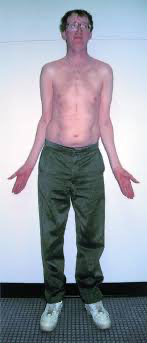
Nigha nobody asked your opinion on anything. Ive never seen you actually give any info ever other then hating and spreading false info you pulled straight out of your ass.:D
I stopped giving out info right when retarded pseudo-intellectual idiots like yourself started joining

Not a single thing i said is false because i actually do research instead of prompting gpt

“Hey let me make a public thread and then get mad when my gpt usage gets pointed out and tell him nobody asked for his opinion heh”

Explain how a low dose of erdafitnib or FGFR3 inhibition in general can lead tu stunted growth. :feelsuhh:
Did i say that or are you just flexing the fact that you’re dyslexic
 
Wouldn't the rapid growth acceleration be caused by the FGFR3 inhibition?

It's impossible to prove the 2 points you required

These were taken off-label to treat aggressive cancer, which created a medical emergency (SCSF) andit was not measured during this period if it's the FGFR3 inhibitors or if it was rapid growth or it was rapid growth from the FGFR3.

Science is very dependent on associations. Even meta analysis never get explanations only correlations including for simple things such as dietary macronutrient intake.

What we know is that FGFR3 inhibition is correlated with:
Rapid growth
CSCF
Rapid growth leading to CSCF

We don't and can't know:
If FGFR3 inhibition causes rapid growth (we can only possibly explain, since rapid growth can be caused by FGFR3 inhibition; how? Due to the fact that the FGFR is a break for growth (reductionism unfortunately), hence if you remove that brake you'll grow rapidly (double the speed of the average child) and get a lot of complications, which is not isolated to CSCF only)
CSCF's undeniable proof and explanation that stems from FGFR3
Yes this is all correct so we can assume the causation in the end remains the same which i think I clealy stated. Yes like you said Science is dependent on associations only. So we can never be 100% for sure. This is just a theory but a unlikely one to be true.

Additional detail for the "weak growthplate" part: it certainly does this

FGFR3 is a set of the broader FGFR TKI (tyrosinase kinnase inhibitors) which when inhibiting causes hyperphosphatemia. As we know phosphate binds to calcium, and abnormally high levels of phosphate causes low blood calcium caused by the binding of phosphate to calcium (think of it like lower testrosterone due to too much shbg/albumin which binds to said T)

This suppresses active Vitamin D in blood, all of these stimulating the Parathyroid hormone (PTH) while also strengthening PT cells. All of this causes TONS of PTH to be produced, accelerating bone resorption as PTH takes out calcium from bone to feed to the blood, osteoclasts activate, osteoblast produce itself-suppressive protien that also activeate osteoclasts; this causes extremely weak bones now that so much calcium has been stripped from the body, and this will continue as you keep using FGFR TKI which progressively caused all of these issues.
This is true Hyperphosphatemia is a real risk but can easily be avoided with a phopshat binder such as sevelamer carbonate (my personal fav). While this does not remove phosphate already in the bloodstream it avoids new phosphates (through diet) being metabolized and by consistently lowering new phosphate coming in from food, they bring overall serum levels down over time.

Sevelamer is better then normal clacium binders because it does not add extra calcium and has a decent saftey profile. You must know that the degree of hyperphosphatemia is dose dependant. My friend did 800 mg of seve with every meal.

Also bones being replaced by scar tissue is a rare occurence in severe long term untreated hyperthyroidism. Sevelamer prevents this (explained above) for the most part.
Not sure what to reply with this, but thanks for the sincerity.

Rare that I see individuals that don't fall victim to the confirmation bias, which is what most of this forum is, tbf.

:feelsokman:
Most of my arguments are weak and you are mostly correct but some things are overstated and can be avoided.
Im here for the truth rather then being right and this type of communication on such a forum is relatively enjoyable for me

With slower growth however.

Notice the 15 year old grew 14cm (expected was 19cm/year since he didnt go through the full year course) and the average individual grows 10cm/year?

You're acquiring a risk (which, the risk in low doses is completely arbitrary) for something that causes 2cm/year (basic math) additional.

Of course I don't believe it's perfectly proportional and basic math, however, this would rather prove that a low dose of removing the brake would just lengthen growth spurts by a bit, not allowing further growth, and 4mg would also cause similar risk

I'm not exactly sure where the 8mg/day comes from, those studies didn't exactly mention it, was it the 15 y/o child case study?

True, however these do not affect bone deformation as much as FGFR3 inhibition did, although it is impossible to isolate fgfr3 inhibition, we can do the same with the other compounds

Steroids merely decrease immune function (I assume corticosteroids)

I'd like you to elaborate on the compromised health part. Do you mean the aggressive tumours used? Certain individuals in the study did not have bone tumours, so lets be certain:
Source to fact-check
View attachment 5199748
1. a small brain tumour that progresses slowly
2. Either the brain or the spinal cord, which is the brain since it's a Rosette-forming tumour (this individual had SCFS)
3. Spinal cord (this individual had SCFS)
4. aggressive brain humour
5. cerebellum tumour
6. inside the Brainstem (this individual had SCFS)
7. Wild brain tumour

And chemotherapy does not affect bones, initially it induces osteopenia before it does osteoporosis which surely they had control medicine for, otherwise that's clearly malignant work.

They recommended <4 months however, which is a very low period of time

Then, how do you reverse it once it progresses? because it should;

People have scoliosis idiopathically fairly frequently.

You can just grow deformed idiopathically.

FGFR3 inhibition will most likely cause deformity as well.

This is a theoretical compound, we can't just utilize it unless we are at absolute rock bottom and reckless.

This is why it would never be utilized in ISS children as well. Pharma sometimes prescribes them AIs as well, irrelevant to growth and igf1 (which is the main issue with ISS patients, a considerable gh insensitivity)
Yes you are fully right here il give it to you. I was not really focused yesterday. Yes you would grow slower on a smaller dose but combined with other biological pathways this might actually be beneficial rather then just minimal. As you know the erda caused growth completely independent of other height axis. So perhaps with other mechanistical pathways this could increase linear growth (ofc speculative at best). I think the 8 mgs were listed there. Im not 100% sure tho. Correct bone deformations are almost guaranteed to be caused by below baseline FGFR3. I mentioned the health effect as a possible cause of supporting these bone deformations while being on FGFR3i which is unlikely but a potential factor.

"And chemotherapy does not affect bones, initially it induces osteopenia before it does osteoporosis which surely they had control medicine for, otherwise that's clearly malignant work."
They most probably did but its not mentioned im pretty sure.

Yes I might have not read that properly 4 months is not a long time.

Id only recommend taking FGFR3i if you are in a state of being so short thet you would be better being deformed and tall rather then short and functional.

Yes its not utilised in chidren with ISS.

I forgot to say something. CNPs might gen be better then FGFR3i in cases without a GOFM.

I can make a more detailed explenation on this. Also speaking of FGFR3i and CNPs @alexbrown8384 has been on both and can tell you about deformaties he has experienced.

I decided to make this thread in general cause a nigha asked what I think about this so I decided to make a entire thread instead of just a reply.

Im not trying to proove anybody or anything wrong just give my own perspective:feelshah:
 
Last edited:
  • +1
Reactions: ICL
Yes this is all correct so we can assume the causation in the end remains the same which i think I clealy stated. Yes like you said Science is dependent on associations only. So we can never be 100% for sure. This is just a theory but a unlikely one to be true.


This is true Hyperphosphatemia is a real risk but can easily be avoided with a phopshat binder such as sevelamer carbonate (my personal fav). While this does not remove phosphate already in the bloodstream it avoids new phosphates (through diet) being metabolized and by consistently lowering new phosphate coming in from food, they bring overall serum levels down over time.

Sevelamer is better then normal clacium binders because it does not add extra calcium and has a decent saftey profile. You must know that the degree of hyperphosphatemia is dose dependant. My friend did 800 mg of seve with every meal.

Also bones being replaced by scar tissue is a rare occurence in severe long term untreated hyperthyroidism. Sevelamer prevents this (explained above) for the most part.

Most of my arguments are weak and you are mostly correct but some things are overstated and can be avoided.
Im here for the truth rather then being right and this type of communication on such a forum is relatively enjoyable for me


Yes you are fully right here il give it to you. I was not really focused yesterday. Yes you would grow slower on a smaller dose but combined with other biological pathways this might actually be beneficial rather then just minimal. As you know the erda caused growth completely independent of other height axis. So perhaps with other mechanistical pathways this could increase linear growth (ofc speculative at best). I think the 8 mgs were listed there. Im not 100% sure tho. Correct bone deformations are almost guaranteed to be caused by below baseline FGFR3. I mentioned the health effect as a possible cause of supporting these bone deformations while being on FGFR3i which is unlikely but a potential factor.

"And chemotherapy does not affect bones, initially it induces osteopenia before it does osteoporosis which surely they had control medicine for, otherwise that's clearly malignant work."
They most probably did but its not mentioned im pretty sure.

Yes I might have not read that properly 4 months is not a long time.

Id only recommend taking FGFR3i if you are in a state of being so short thet you would be better being deformed and tall rather then short and functional.

Yes its not utilised in chidren with ISS.

I forgot to say something. CNPs might gen be better then FGFR3i in cases without a GOFM.

I can make a more detailed explenation on this. Also speaking of FGFR3i and CNPs @alexbrown8384 has been on both and can tell you about deformaties he has experienced.

I decided to make this thread in general cause a nigha asked what I think about this so I decided to make a entire thread instead of just a reply.

Im not trying to proove anybody or anything wrong just give my own perspective:feelshah:
there's not much I disagree with nor that I can add, so sure

@alexbrown8384 bro is this u and elaborate on your anecdote w/ cnp and fgfr3 underexpression
1781107686670
 
  • JFL
Reactions: Paul.jnxy

Similar threads

E
Replies
12
Views
62
groidslayer69
groidslayer69
victor801
Replies
3
Views
44
victor801
victor801
M
Replies
4
Views
99
groidslayer69
groidslayer69
E
Replies
14
Views
102
Edenan
E
uglyretardednigga
Replies
0
Views
54
uglyretardednigga
uglyretardednigga

Users who are viewing this thread

  • FoidDestroyer74
  • alexbrown8384
Back
Top