zanny
Iron
- Joined
- Jun 21, 2025
- Posts
- 124
- Reputation
- 36
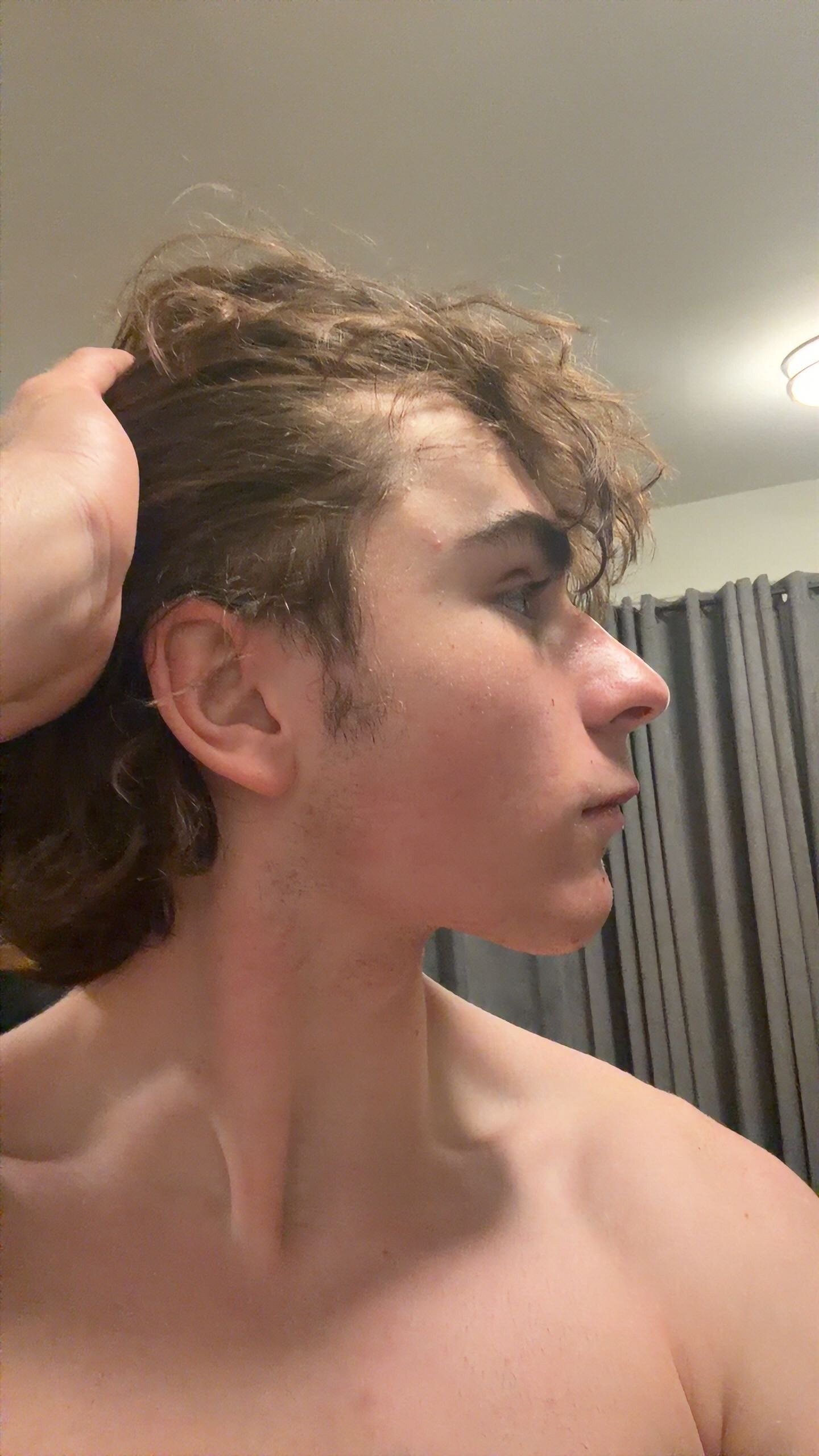
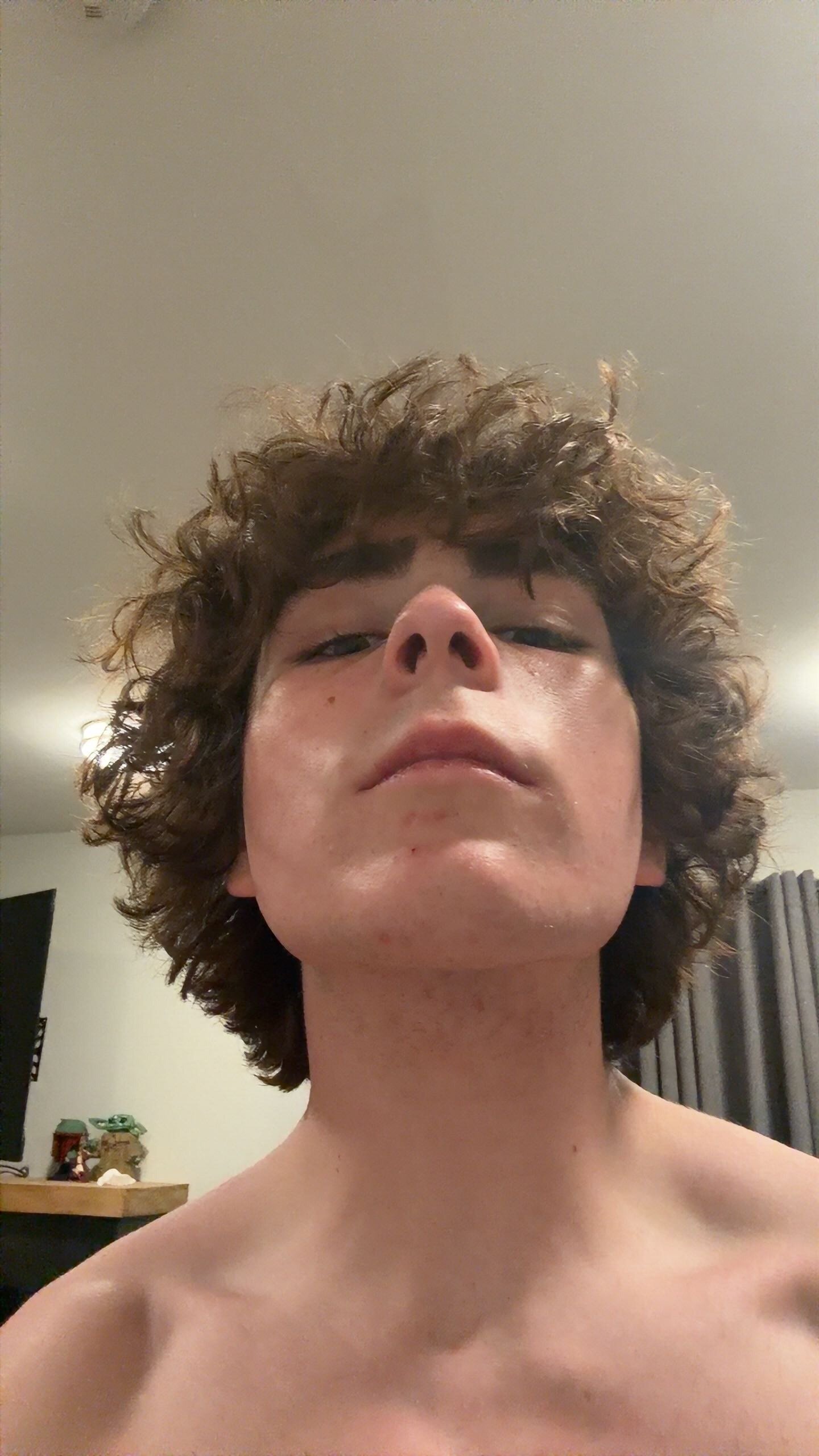
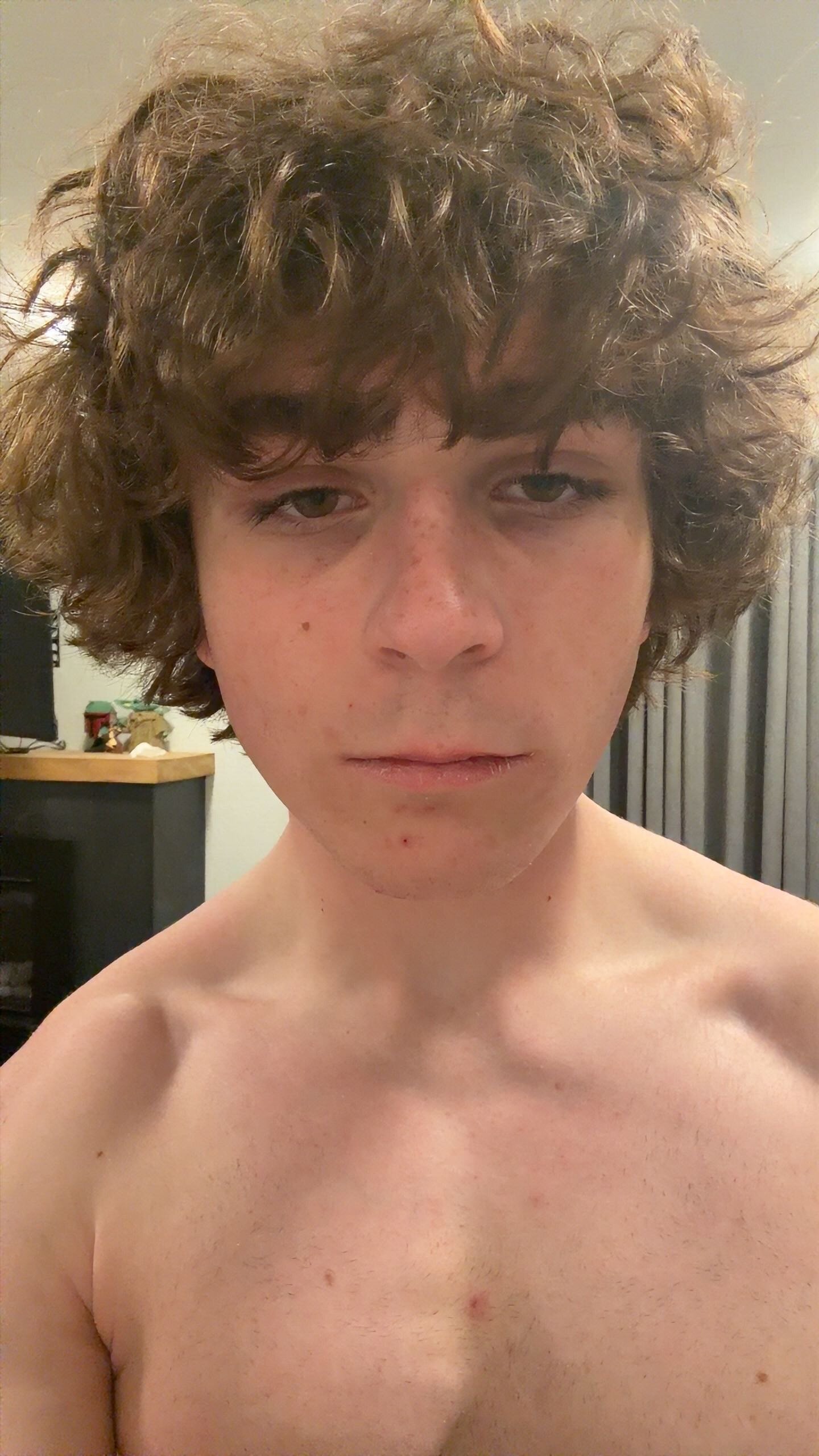
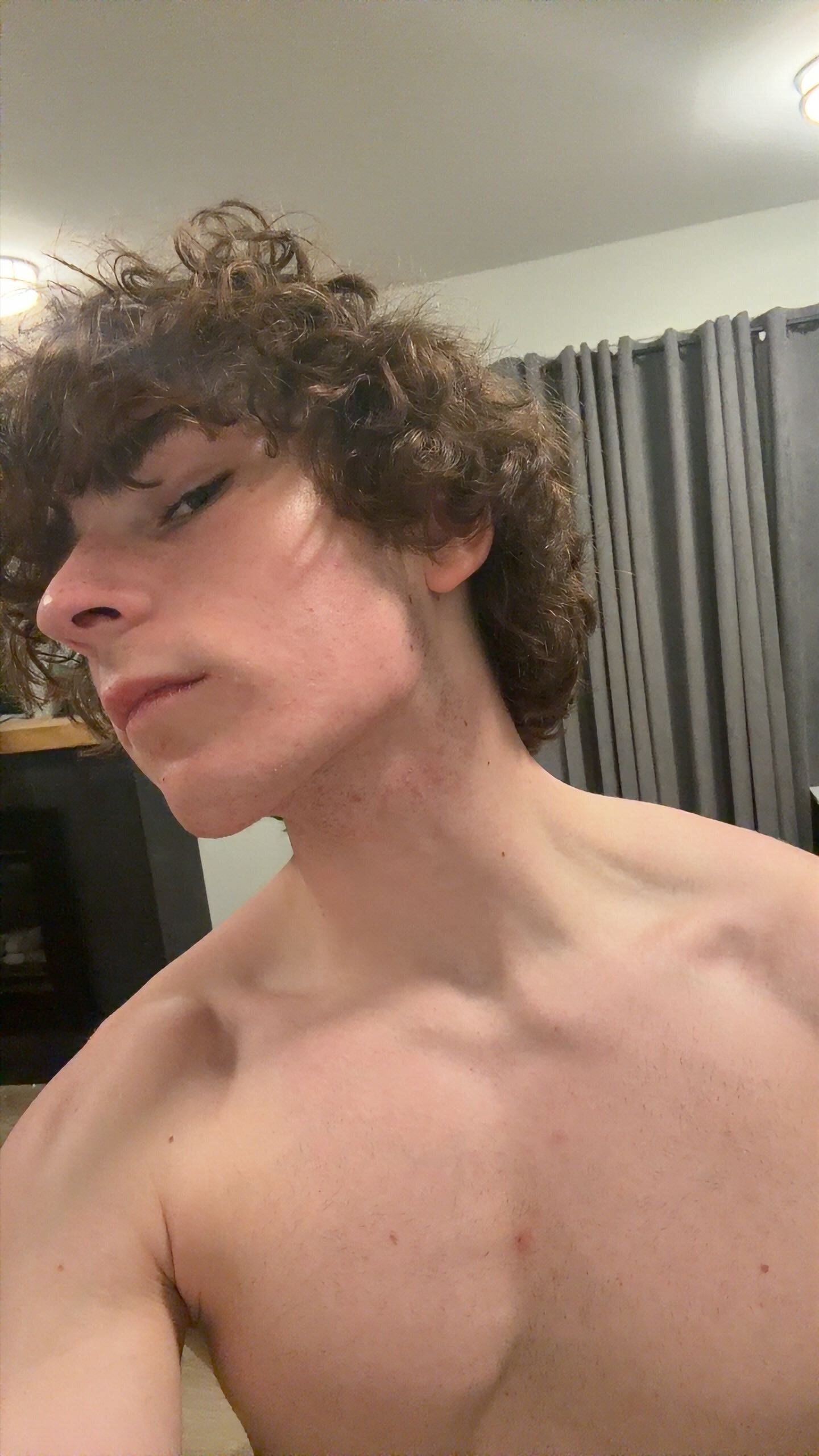
Want to softmax to max potential as I want to do the least amount of cosmetic procedures as possible. I know lip nose and specifically my upper lip and infas are fucked to shit and I know about surgery for them but if there’s any softmaxes available I would appreciate it. I used AI from 10 photos to grab my facial proportions and if it gave a range to pick the middle and then compared it to the ideal and this is what I got.
Overall Facial Proportions Summary:
Midpoint Measurement Breakdown:
Facial Angles and Profile Lines
Eyes and Orbital Region

Overall Facial Proportions Summary:
- Overall Rating: 6.5 out of 8
- Facial Balance Summary: Profile exhibits strong balance, with jawline angle and lip-to-profile alignments sitting within classical ideal norms.
- Strongest Feature: The eye region is the strongest area, featuring a positive canthal tilt and zero lower scleral exposure.
- Primary Deviations: A higher cervicomental angle and a lower facial convexity angle give the profile a mild convexity.
Midpoint Measurement Breakdown:
Facial Angles and Profile Lines
- Gonial Angle: 122.5 degrees (Range: 120-125 degrees) - Within ideal range of 118-128 degrees.
- Nasolabial Angle: 102.5 degrees (Range: 100-105 degrees) - Ideal for females (95-105 degrees), slightly upturned for males.
- Nasofacial Angle: 36.5 degrees (Range: 35-38 degrees) - Within ideal range of 30-40 degrees.
- Nasomental Angle: 120.5 degrees (Range: 118-123 degrees) - Within ideal range of 120-132 degrees.
- Nasofrontal Angle: 140 degrees (Range: 135-145 degrees) - Flatter transition from forehead to nose bridge than classical ideals (115-135 degrees).
- Mentolabial Angle: 130 degrees (Range: 125-135 degrees) - At the upper boundary of ideal depth (120-130 degrees).
- Cervicomental Angle: 110 degrees (Range: 105-115 degrees) - Higher than ideal 90-105 degrees, indicating a softer neck-to-chin transition.
- Facial Convexity Angle: 150 degrees (Range: 145-155 degrees) - Lower than the ideal flat profile (165-175 degrees), showing a slightly convex profile.
Eyes and Orbital Region
- Canthal Tilt: +4 degrees (Range: +3 to +5 degrees) - Ideal positive tilt.
- Intercanthal to IPD Ratio: 0.62 (Range: 0.61-0.63) - Standard ocular spacing.
- Palpebral Width-to-Height Ratio: 3.65 to 1 (Range: 3.3 to 4.0 to 1) - Balanced eye dimensions.
- Scleral Show: 0 mm - Ideal lower lid coverage at rest.
- Nasal Index: 96 (Range: 92-100) - Wider base relative to height on close-up photos.
- Midface to Lower Face Ratio: 0.795 to 1 (Range: 0.77 to 0.82 to 1) - Slightly longer lower face relative to midface.
- Bizygomatic to Bigonial Ratio: 1.345 to 1 (Range: 1.28 to 1.39 to 1) - Cheekbones are notably wider than lower jaw.
- Upper to Lower Vermilion Ratio: 1 to 1.4 (Range: 1 to 1.3-1.5) - Close to golden standard of 1 to 1.6.
- Bigonial to Bizygomatic Ratio: 0.75 (Range: 0.72-0.78) - Jawline width sits at 75% of cheekbone width.
- Philtrum to Lower-Face Ratio: 0.745 (Range: 0.72-0.77) - Well-proportioned philtrum relative to overall lower face height.
- Ricketts E-Line Alignment: 1 mm behind (Range: 0-2 mm behind) - Near-perfect lip projection relative to nasal tip and chin.
- Steiner S-Line Alignment: 1 mm behind (Range: 0-2 mm behind) - Near-perfect lip projection relative to soft tissue profile.