Seth Walsh

Iconoclast
Contributor
- Joined
- Jan 12, 2020
- Posts
- 11,020
- Reputation
- 22,518
Reputation is one of the few assets that takes years to build and seconds to misprice.

People think reputation is just whether others “like” you. It isn't.
It's accumulated evidence.
Every interaction, every favour, every person you associate yourself with, every claim you publicly stand behind adds another data point to how people price your judgement.
And once your judgement becomes valuable, you have to become much more careful about lending it out.
The dangerous part is that reputational risk rarely looks dangerous at the beginning.
It usually arrives disguised as something small:
“Can you vouch for me?”
“Can you post this?”
“Can you introduce me?”
“Can I use your name?”
“Can you just say you know me?”
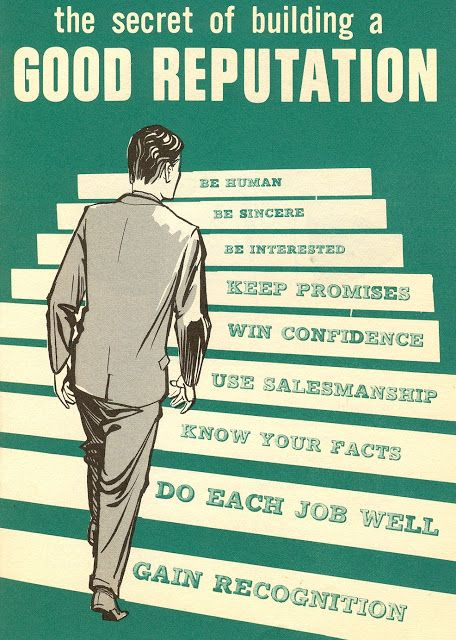
Individually, none of these things seem important.
But when you have spent years building credibility, your endorsement is no longer free.
You're effectively letting someone borrow a piece of your balance sheet.
And if they behave badly, people don't only update on them.
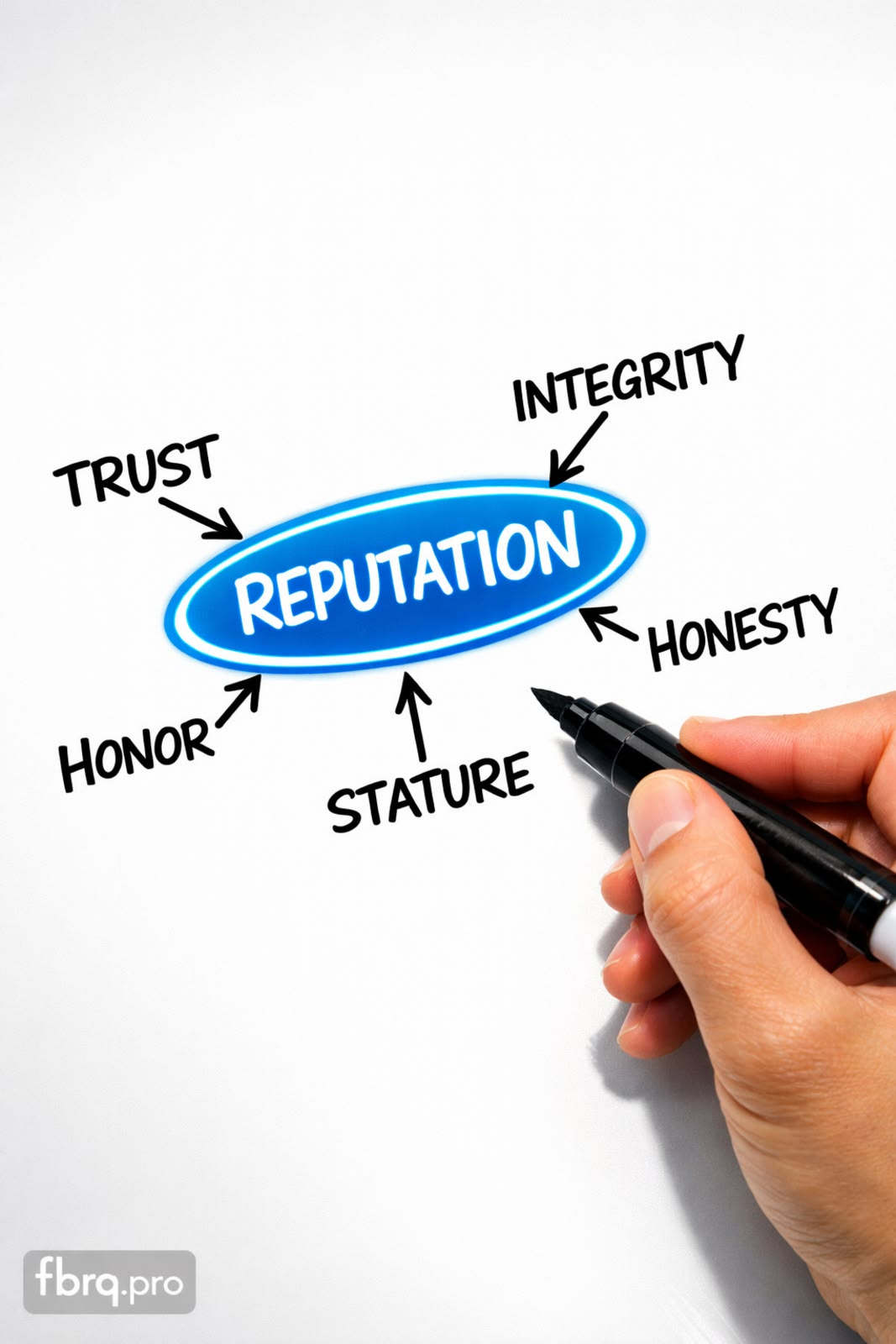
They update on your judgement for trusting them.
This is why the higher your reputation becomes, the less casually you should deploy it.
You can be generous.
You can give people chances.
You can help people you believe are acting in good faith.
But there should always be a boundary between:
“I think this person deserves a chance.”
and
“I am personally underwriting everything this person does.”
Those are completely different statements.
A good reputation gives you enormous leverage because people assume there is information behind your decisions that they cannot see.
Do not destroy that informational advantage by attaching your name to everything.
The paradox is simple:
The more valuable your reputation becomes, the fewer times you should need to use it.
Protect it.

Because money can be remade.
Accounts can be rebuilt.
Businesses can fail and restart.
But once people stop trusting your judgement, rebuilding that can take years.
Never lose your reputation.
People think reputation is just whether others “like” you. It isn't.
It's accumulated evidence.
Every interaction, every favour, every person you associate yourself with, every claim you publicly stand behind adds another data point to how people price your judgement.
And once your judgement becomes valuable, you have to become much more careful about lending it out.
The dangerous part is that reputational risk rarely looks dangerous at the beginning.
It usually arrives disguised as something small:
“Can you vouch for me?”
“Can you post this?”
“Can you introduce me?”
“Can I use your name?”
“Can you just say you know me?”
Individually, none of these things seem important.
But when you have spent years building credibility, your endorsement is no longer free.
You're effectively letting someone borrow a piece of your balance sheet.
And if they behave badly, people don't only update on them.
They update on your judgement for trusting them.
This is why the higher your reputation becomes, the less casually you should deploy it.
You can be generous.
You can give people chances.
You can help people you believe are acting in good faith.
But there should always be a boundary between:
“I think this person deserves a chance.”
and
“I am personally underwriting everything this person does.”
Those are completely different statements.
A good reputation gives you enormous leverage because people assume there is information behind your decisions that they cannot see.
Do not destroy that informational advantage by attaching your name to everything.
The paradox is simple:
The more valuable your reputation becomes, the fewer times you should need to use it.
Protect it.
Because money can be remade.
Accounts can be rebuilt.
Businesses can fail and restart.
But once people stop trusting your judgement, rebuilding that can take years.
Never lose your reputation.
Last edited: