Never lose your reputation

Seth Walsh

Seth Walsh

Iconoclast
Contributor
Joined
Jan 12, 2020
Posts
11,020
Reputation
22,518
Reputation is one of the few assets that takes years to build and seconds to misprice.

1787518879828


People think reputation is just whether others “like” you. It isn't.

It's accumulated evidence.

Every interaction, every favour, every person you associate yourself with, every claim you publicly stand behind adds another data point to how people price your judgement.

And once your judgement becomes valuable, you have to become much more careful about lending it out.

The dangerous part is that reputational risk rarely looks dangerous at the beginning.

It usually arrives disguised as something small:

“Can you vouch for me?”

“Can you post this?”

“Can you introduce me?”

“Can I use your name?”

“Can you just say you know me?”
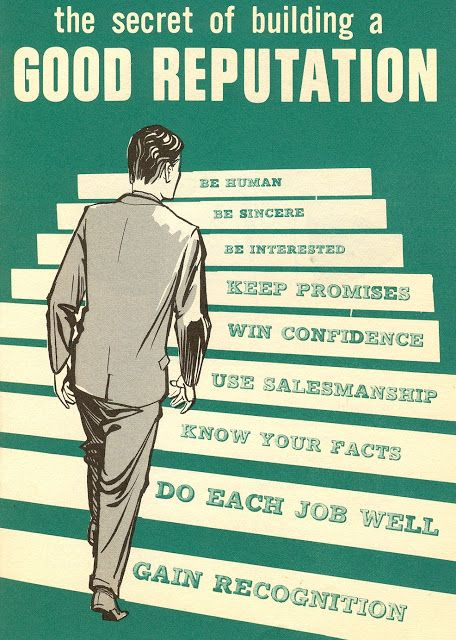
1787518904720


Individually, none of these things seem important.

But when you have spent years building credibility, your endorsement is no longer free.

You're effectively letting someone borrow a piece of your balance sheet.

And if they behave badly, people don't only update on them.
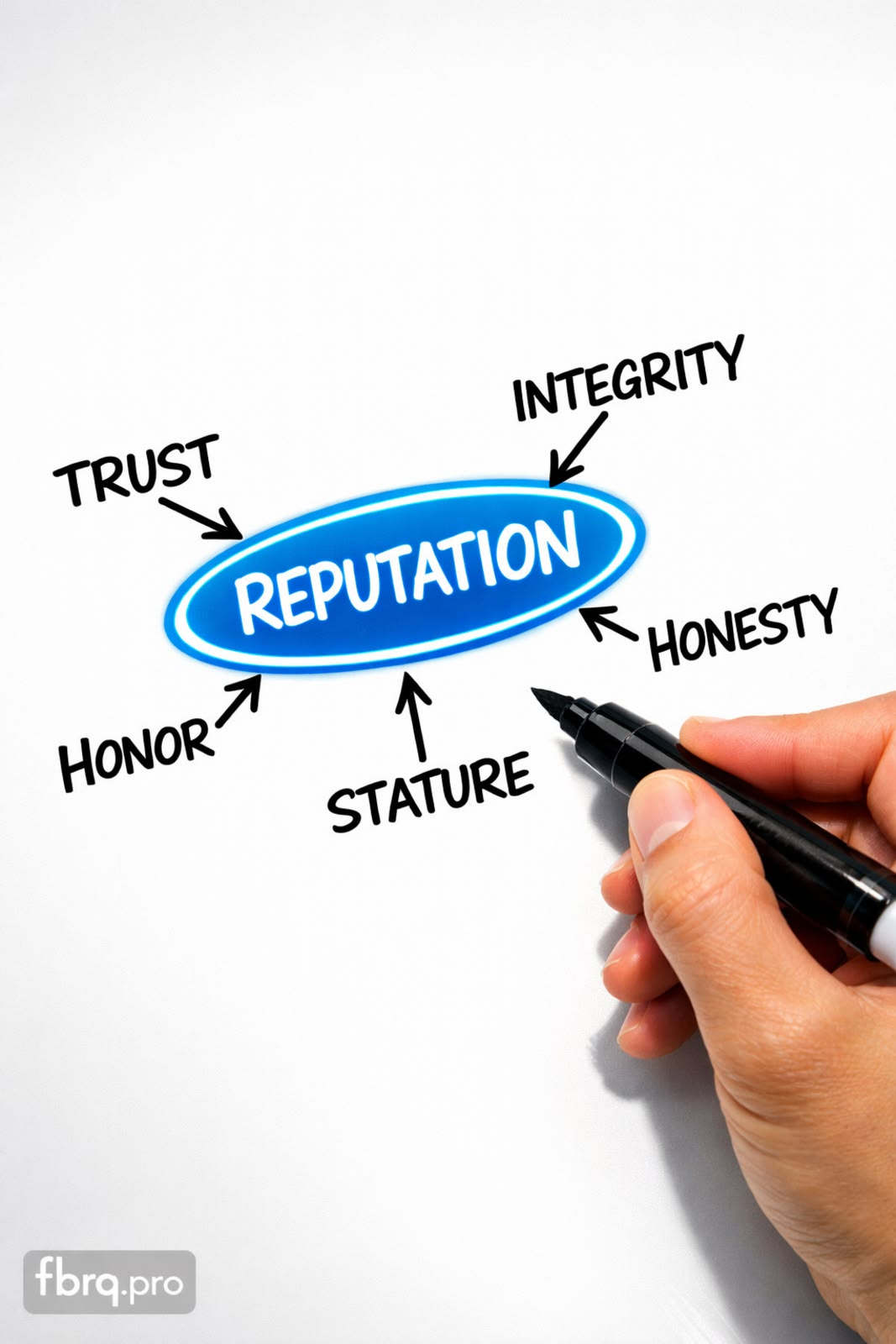
1787518930983


They update on your judgement for trusting them.

This is why the higher your reputation becomes, the less casually you should deploy it.

You can be generous.

You can give people chances.

You can help people you believe are acting in good faith.

But there should always be a boundary between:

“I think this person deserves a chance.”

and

“I am personally underwriting everything this person does.”

Those are completely different statements.

A good reputation gives you enormous leverage because people assume there is information behind your decisions that they cannot see.

Do not destroy that informational advantage by attaching your name to everything.

The paradox is simple:

The more valuable your reputation becomes, the fewer times you should need to use it.

Protect it.

1787518991728


Because money can be remade.

Accounts can be rebuilt.

Businesses can fail and restart.

But once people stop trusting your judgement, rebuilding that can take years.

Never lose your reputation.
 
Last edited:
  • +1
Reactions: ragu, mendeds, zombi3 and 4 others
IMG 8658
 
  • +1
Reactions: Nox𓂀 and Seth Walsh
Reputation is one of the few assets that takes years to build and seconds to misprice.

View attachment 5555981

People think reputation is just whether others “like” you. It isn't.

It's accumulated evidence.

Every interaction, every favour, every person you associate yourself with, every claim you publicly stand behind adds another data point to how people price your judgement.

And once your judgement becomes valuable, you have to become much more careful about lending it out.

The dangerous part is that reputational risk rarely looks dangerous at the beginning.

It usually arrives disguised as something small:

“Can you vouch for me?”

“Can you post this?”

“Can you introduce me?”

“Can I use your name?”

“Can you just say you know me?”

View attachment 5555986

Individually, none of these things seem important.

But when you have spent years building credibility, your endorsement is no longer free.

You're effectively letting someone borrow a piece of your balance sheet.

And if they behave badly, people don't only update on them.

View attachment 5555989

They update on your judgement for trusting them.

This is why the higher your reputation becomes, the less casually you should deploy it.

You can be generous.

You can give people chances.

You can help people you believe are acting in good faith.

But there should always be a boundary between:

“I think this person deserves a chance.”

and

“I am personally underwriting everything this person does.”

Those are completely different statements.

A good reputation gives you enormous leverage because people assume there is information behind your decisions that they cannot see.

Do not destroy that informational advantage by attaching your name to everything.

The paradox is simple:

The more valuable your reputation becomes, the fewer times you should need to use it.

Protect it.

View attachment 5555992

Because money can be remade.

Accounts can be rebuilt.

Businesses can fail and restart.

But once people stop trusting your judgement, rebuilding that can take years.

Never lose your reputation.
rep me then
 
  • +1
Reactions: subHumanInfinity
one BOTB please
 
  • +1
Reactions: Seth Walsh
But dont you also need many other things to have a big reputation, its not like you can just gain a reputation out of nowhere

Or how would you gain this type of reputation
 
But dont you also need many other things to have a big reputation, its not like you can just gain a reputation out of nowhere

Or how would you gain this type of reputation
You earn it
 
  • So Sad
  • +1
Reactions: Nox𓂀 and ykls.
Reputation is one of the few assets that takes years to build and seconds to misprice.

View attachment 5555981

People think reputation is just whether others “like” you. It isn't.

It's accumulated evidence.

Every interaction, every favour, every person you associate yourself with, every claim you publicly stand behind adds another data point to how people price your judgement.

And once your judgement becomes valuable, you have to become much more careful about lending it out.

The dangerous part is that reputational risk rarely looks dangerous at the beginning.

It usually arrives disguised as something small:

“Can you vouch for me?”

“Can you post this?”

“Can you introduce me?”

“Can I use your name?”

“Can you just say you know me?”

View attachment 5555986

Individually, none of these things seem important.

But when you have spent years building credibility, your endorsement is no longer free.

You're effectively letting someone borrow a piece of your balance sheet.

And if they behave badly, people don't only update on them.

View attachment 5555989

They update on your judgement for trusting them.

This is why the higher your reputation becomes, the less casually you should deploy it.

You can be generous.

You can give people chances.

You can help people you believe are acting in good faith.

But there should always be a boundary between:

“I think this person deserves a chance.”

and

“I am personally underwriting everything this person does.”

Those are completely different statements.

A good reputation gives you enormous leverage because people assume there is information behind your decisions that they cannot see.

Do not destroy that informational advantage by attaching your name to everything.

The paradox is simple:

The more valuable your reputation becomes, the fewer times you should need to use it.

Protect it.

View attachment 5555992

Because money can be remade.

Accounts can be rebuilt.

Businesses can fail and restart.

But once people stop trusting your judgement, rebuilding that can take years.

Never lose your reputation.
This is a really good thread man, especially during times where every thread in offtopic is simply shitposting this is a breath of fresh air
 
  • +1
  • Love it
Reactions: Nox𓂀 and Seth Walsh
Reputation is one of the few assets that takes years to build and seconds to misprice.

View attachment 5555981

People think reputation is just whether others “like” you. It isn't.

It's accumulated evidence.

Every interaction, every favour, every person you associate yourself with, every claim you publicly stand behind adds another data point to how people price your judgement.

And once your judgement becomes valuable, you have to become much more careful about lending it out.

The dangerous part is that reputational risk rarely looks dangerous at the beginning.

It usually arrives disguised as something small:

“Can you vouch for me?”

“Can you post this?”

“Can you introduce me?”

“Can I use your name?”

“Can you just say you know me?”

View attachment 5555986

Individually, none of these things seem important.

But when you have spent years building credibility, your endorsement is no longer free.

You're effectively letting someone borrow a piece of your balance sheet.

And if they behave badly, people don't only update on them.

View attachment 5555989

They update on your judgement for trusting them.

This is why the higher your reputation becomes, the less casually you should deploy it.

You can be generous.

You can give people chances.

You can help people you believe are acting in good faith.

But there should always be a boundary between:

“I think this person deserves a chance.”

and

“I am personally underwriting everything this person does.”

Those are completely different statements.

A good reputation gives you enormous leverage because people assume there is information behind your decisions that they cannot see.

Do not destroy that informational advantage by attaching your name to everything.

The paradox is simple:

The more valuable your reputation becomes, the fewer times you should need to use it.

Protect it.

View attachment 5555992

Because money can be remade.

Accounts can be rebuilt.

Businesses can fail and restart.

But once people stop trusting your judgement, rebuilding that can take years.

Never lose your reputation.
The average age of .org is rapidly approaching that of a preschooler. Advice would be better proffered on how to win Monopoly instead.
 
Last edited:
  • +1
  • JFL
Reactions: Nox𓂀, zombi3 and Seth Walsh
The average age of .org is rapidly approaching that of a preschooler. Advice would better proffered on how to win Monopoly instead.
You're not lying
Meme Lol GIF by ALL SEEING EYES
 
  • +1
Reactions: Nox𓂀 and Gittes
Your saying don't lose your reputation to bunch of wanna be ND teenagers mate,

Still valid points tho, your reputation is everything.
 
  • +1
Reactions: Seth Walsh

Similar threads

AutistKhan
Replies
3
Views
113
AutistKhan
AutistKhan
AutistKhan
Replies
4
Views
143
bratex2213
bratex2213
InspiredByClav
Replies
20
Views
233
vampzy
vampzy
AutistKhan
Replies
3
Views
107
vexd
vexd
shedontluv-U
Replies
7
Views
80
Akonic
Akonic

Users who are viewing this thread

  • werewolf 9
  • Eric151
Back
Top