recessed_00
Iron
- Joined
- Sep 4, 2025
- Posts
- 150
- Reputation
- 145
 NUTRITION MAXXING GUIDE
→ THE CALORIE MYTH :
Most nutritionists rely on the idea that Calories determine how much energy your body receives from food.
If you eat around your maintenance:
→ Body weight tends to remain relatively stableIf you consistently eat below maintenance:
→ Body weight tends to decreaseIf you consistently eat above maintenance:
→ Body weight tends to increaseHOWEVER , modern science argues that while a calorie is a valid thermodynamic unit of energy, it is a meaningless metric for human nutrition and weight loss because the human body is not a simple combustion engine.
Calorie counts on labels are averages derived from burning food in a lab, which does not reflect the complex biochemical reality of human digestion.
People thrived long before we even knew what a calorie was. However, the scientists slapping a number on this certain something wasn’t unfounded obviously. While the food contains “energy” which is needed to fuel metabolic processes, it’s not that simple. Real energy comes from ATP (a chemical we get from nutrients which powers your cells). Calories aren’t calories. 100 calories of skittles are not the same as 100 calories of beef. It’s not always about calorie count but overall nutrition density and bio availability of the food. The 2600 calories worth of MacDonald's slop you stuffed in your face last night isn't bad because it has 2600 calories, it's bad because of why it has 2600 calories.
→ MACRONUTRIENTS :
Nutrients your body needs in relatively large amounts :
1) PROTEIN — MUSCLE & TISSUE
Protein supplies amino acids used to build and maintain muscle and other tissues. There are 20 standard amino acids used to build proteins in the human body.Of these, 9 are essential amino acids (EAAs) because the body cannot produce enough of them and they must come from your diet:
Histidine • Isoleucine • Leucine • Lysine • Methionine • Phenylalanine • Threonine • Tryptophan • Valine
The remaining amino acids can generally be produced by the body.
Ideally you should consume :
~0.8-1 g of protein per pound of ideal body weight per day.
Optimal sources of protein include :
- Meat
- Eggs
- Dairy
- Organs ( protein rich but should not be overconsumed )
- Sea Food
2) FATS — LONG TERM ENERGY & HARMONE PRODUCTION
It provides long term energy, supports cell membranes and hormone production, and helps your body absorb the fat-soluble vitamins A, D, E, and K.WHY IT MATTERS ?
Dietary fat helps with:
- Hormone production
 Brain and nervous-system function
 Cell structure
- Absorption of vitamins A, D, E & K
 Energy storage and fuel
i) Saturated fats — found in foods such as butter, tallow , coconut oil, dairy, eggs, and meat.
ii) Monounsaturated fats — found in foods such as olive oil, avocados, mustard oil and some nuts.
iii) Polyunsaturated fats — found in foods such as seed oils ( sunflower, canola, soybean, cottonseed, etc ), cold water and factory farmed fishes, eggs and chicken if the source was fed with grains and seeds.
→ Why avoid PUFAs ?
Polyunsaturated fatty acids (PUFAs) are harmful due to their chemical instability and tendency to oxidize. These fats are prone to forming toxic byproducts like lipid peroxides and aldehydes when exposed to heat, light, or air, leading to cellular damage, chronic inflammation, and oxidative stress.
Excessive PUFA intake will downregulate metabolism, suppress thyroid function, and impair mitochondrial efficiency, potentially leading to weight gain and fatigue.
Their omega-6 to omega-3 ratio is skewed, promoting pro-inflammatory signaling and increasing risks for cardiovascular disease, cancer, and autoimmune conditions.
→ Ideal type of fat - SATURATED FAT
Saturated fats are heat-stable and resistant to oxidation. They constitute at least 50% of cell membranes, providing necessary stiffness and integrity, and serve as precursors for vital hormones like testosterone and estrogen.
Certain saturated fats, such as C15:0 (found in whole-fat dairy) and medium-chain triglycerides (found in coconut oil), are linked to improved cardiometabolic markers, reduced inflammation, and enhanced mitochondrial energy production.
→ THE CHOLESTROL MYTH :
Cholesterol is essential — needed for cell membranes, hormones, brain function, and bile.
- HDL/LDL is an oversimplification — what matters is LDL particle size and number, not the raw cholesterol number. Eggs, for example, shift LDL toward the larger, less atherogenic pattern A.
- The real culprits are inflammation, oxidation, insulin resistance, refined carbs, and seed oils (PUFAs) — not cholesterol or saturated fat. Metabolic syndrome is the actual driver of heart disease.
- Saturated fat is protective — it raises HDL and helps with cholesterol transport, and ~80% of arterial plaque is oxidized unsaturated fat, not cholesterol.
- Low cholesterol is also dangerous — linked to higher risk of hemorrhagic stroke, cancer, and depression.
- Statins are harmful — they deplete CoQ10 (critical for heart function) and treat a "surrogate marker" rather than the underlying problem.
3) CARBOHYDRATES — ENERGY PRODUCTION
Carbohydrates are one of the three macronutrients and are the body's primary source of readily available energy. They are broken down into glucose and other simple sugars, which can be used by cells for energy or stored as glycogen.WHY IT MATTERS ?
Carbohydrates help with :
- Energy production
- Brain function
 Exercise performance
 High-intensity activity
- Glycogen storage
TYPES OF CARBOHYDRATES
Simple carbohydrates — smaller sugar molecules that are generally digested more quickly. Found naturally in foods such as fruit, milk, honey, maple syrup, etc.Complex carbohydrates — larger carbohydrate molecules, including starches and fiber. Found in foods such as potatoes, rice, oats, legumes, and whole grains.
→ Ideal type of carbs - SIMPLE CARBS
Simple sugars like glucose and fructose, are the primary fuel for efficient cellular metabolism and thyroid function. Glucose is required to convert inactive thyroid hormone (T4) into its active form (T3), and depriving the body of carbs forces it into a stressed, energy-deficient state that relies on inefficient fat oxidation and elevated stress hormones like cortisol.
Sugar is superior to starch because it provides rapid energy without causing gut irritation or endotoxin production associated with complex carbohydrates. A high-carbohydrate intake, especially from fruits and juices, keeps the body in a "pro-metabolic" state by suppressing the Randle cycle (where fat burning inhibits carb burning) and maintaining stable blood sugar levels to prevent the body from breaking down muscle for fuel.
Glucose oxidation produces more energy (ATP) and carbon dioxide per unit of oxygen than fat oxidation. Moreover, adequate sugar intake prevents the release of stress hormones, which are otherwise triggered during the process of gluconeogenisis.
→ IDEAL MACRO-SPLIT :
For example, if someone consumes 2633 'calories' a day , then ;
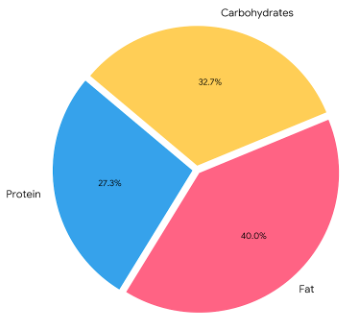
Macro Split by Calories (2,633 Total kcal)
| Nutrient | Mass (g) | Caloric Density | Total Calories | Macro Split (% Calories) |
| Protein | 180 g | 4 kcal/g | 720 kcal | 27.4% |
| Fat | 117 g | 9 kcal/g | 1,053 kcal | 40.0% |
| Carbs | 215 g | 4 kcal/g | 860 kcal | 32.6% |
Macro Split by Gram Weight (512 Total Grams)
- Carbs: 42.0% (215g)
- Protein: 35.2% (180g)
- Fat: 22.8% (117g)
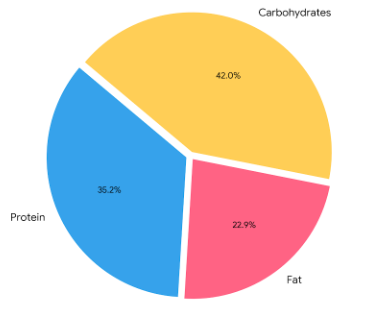
MACRO BREAKDOWN BY WEIGHT (GRAMS) (TOTAL 512 GMS IN THIS CASE)
MACRO BREAKDOWN BY ENERGY (CALORIES)
(TOTAL 2633 KCAL IN THIS CASE)
This split would be ideal during the summers for someone who does not take part in heavy physical training. For people who do intense workouts , or take part in sports, they can increase the % of carbs consumed and decrease the % of fats in their diet.(TOTAL 2633 KCAL IN THIS CASE)
During the winters, you could reduce carb intake and increase fat intake since fat helps in providing cushioning/warmth to the organs.
For someone whose aggressively cutting, they could reduce the 'calories' from fats and substitute it by carbs.
→ MICRONUTRIENTS :
Nutrients your body needs in relatively small amounts :
Water-Soluble Vitamins
| Nutrient | Best Sources |
| B1 (Thiamine) | Meat, eggs, raw dairy |
| B2 (Riboflavin) | Milk, eggs, organs, lean meat |
| B3 (Niacin) | Meat |
| B5 (Pantothenic Acid) | Meat , organ, kefir, tuna |
| B6 (Pyridoxine) | Meat, salmon, eggs |
| B7 (Biotin) | Eggs, Meat, raw dairy |
| B9 (Folate) | Eggs, meat , raw dairy |
| B12 (Cobalamin) | Clams, liver, fish, meat, dairy, eggs |
| C (Ascorbic Acid) | Fruits , raw dairy , some organs |
Fat-Soluble Vitamins
| Nutrient | Best Sources |
| A (Retinol/Carotenoids) | Liver, carrots, eggs |
| D (Calciferol) | Sunlight, salmon, trout, raw milk, egg yolk |
| E (Tocopherol) | Fish, eggs, |
| K2 | Meat, fish, eggs , bone marrow |
Macrominerals (needed ≥100 mg/day)
| Nutrient | Best Sources |
| Calcium | Raw dairy , sardines |
| Phosphorus | Meat, fish, dairy |
| Magnesium | Seafood |
| Potassium | Fruits and raw dairy |
| Sodium | Salt |
| Chloride | Salt, seaweed, tomatoes |
| Sulfur | Eggs, garlic, onions |
| Iodine | Seafood, meat |
→ ANTINUTRIENTS :Antinutrients are plant-derived compounds that hinder nutrient absorption and interfere with digestion.
These include :
1. Mineral-Chelating Compounds ("Anti-Metals")
| Antinutrient | What It Binds | Found In |
| Phytates (phytic acid, IP6) | Fe, Zn, Ca, Mg, Cu | Whole grains, legumes, nuts, seeds, pseudo-grains |
| Oxalates (oxalic acid) | Ca, Mg, Fe | Spinach, chard, rhubarb, beets, nuts, chocolate, tea, soy |
| Gossypol | Fe (causes erythropoiesis); anti-vitamin E | Cottonseed (and cottonseed oil) |
| Tannins (condensed & hydrolyzable) | Fe, Zn; impairs protein digestion | Tea, coffee, cocoa, grapes, legumes, some fruits |
| Chlorogenic acid | Fe | Coffee, green tea, eggplant, tomato |
| Polyphenols / Flavonoids (in excess) | Fe, Zn | Tea, wine, berries, dark chocolate |
2. Enzyme Inhibitors
| Antinutrient | What It Inhibits | Found In |
| Trypsin inhibitors (protease inhibitors) | Protein digestion (trypsin, chymotrypsin) | Soy, legumes, grains, peanuts |
| α-Amylase inhibitors | Carbohydrate digestion | Grains, legumes, nuts, stevia leaves |
| Urease | Urea breakdown | Legumes (especially soy) |
| Lipoxygenase | Lipid metabolism | Grains, legumes, nuts |
3. Lectins
| Specific Lectin | Found In |
| Phytohaemagglutinin (PHA) | Red kidney beans (highest), soy, peanuts |
| Concanavalin A | Jack bean, legumes |
| Ricin | Castor beans |
| Wheat germ agglutinin (WGA) | Wheat |
| Soy agglutinin | Soy |
| Lectins (general) | All grains, legumes, nuts, seeds, nightshades, dairy, eggs |
Effect: Promote the growth of Endotoxins which bind to intestinal wall → "leaky gut," impair nutrient absorption, trigger immune responses.
4. Saponins
| Found In | Effect |
| Legumes, pseudo-grains (quinoa, amaranth), oats, soy, yucca, red wine, nightshades | Disrupt cell membranes, interfere with nutrient absorption, can cause gut irritation |
5. Goitrogens (Thyroid-Interfering)
| Antinutrient | Found In | Effect |
| Glucosinolates | Cruciferous vegetables (cabbage, broccoli, kale, Brussels sprouts), mustard, radish | Inhibit iodine uptake → thyroid dysfunction |
| Progoitrins | Cruciferous vegetables (especially raw) | Converted to goitrin; block thyroid peroxidase |
| Isothiocyanates (breakdown products) | Cruciferous vegetables | Goitrogenic at high intake |
| Cyanogenic glycosides (see below) | Cassava, sorghum, almonds | Release HCN → blocks iodine transport |
| Isoflavones / Phytoestrogens | Soy | Can interfere with thyroid hormone action |
6. Cyanogenic Glycosides (HCN-Releasing)
| Specific Compound | Found In |
| Linamarin | Cassava (sweet variety) |
| Lotaustralin | Cassava (bitter variety) |
| Dhurrin | Sorghum |
| Phaseolunatin (linustatin) | Common bean |
| Amygdalin | Bitter almonds, apricot kernels, apple seeds, peach pits |
Effect: Enzymatic hydrolysis releases hydrogen cyanide (HCN) → inhibits cytochrome c oxidase → cellular hypoxia.
7. Alkaloids
| Antinutrient | Found In | Effect |
| Solanine | Green/sprouted potatoes, tomato leaves | Neurotoxic, GI irritation |
| Chaconine | Potatoes (alongside solanine) | Same as solanine |
| Canavanine | Alfalfa, jack bean | (See amino acid analogues above) |
| Mimosine | Leucaena | (See above) |
| Caffeine | Coffee, tea, cacao, guarana | Inhibits iron absorption; stimulant |
| Theobromine | Cacao, chocolate | Mild; similar to caffeine |
8. Oligosaccharides (Raffinose Family)
| Antinutrient | Found In | Effect |
| Raffinose | Legumes, broccoli, cabbage, wheat | Not digested by humans → gas, bloating |
| Stachyose | Legumes | Same |
| Verbascose | Legumes | Same |
| Fructans / Inulin | Wheat, onion, garlic, asparagus, artichoke | Fermented in colon → gas (prebiotic at moderate levels) |
| Galactooligosaccharides | Legumes | Same |
9. Anti-Vitamin Factors
| Antinutrient | Vitamin Affected | Found In |
| Avidin | Biotin (B7) | Raw egg white |
10. Other Specific Antinutrients
| Antinutrient | Found In | Effect |
| Erucic acid | Mustard oil, high-erucic canola, some brassicas | Cardiovascular concerns at high intake |
| Gluten / Prolamins | Wheat, barley, rye | Autoimmune reaction in celiac; gut permeability in gluten-sensitive individuals |
| Sulfoxides / Sulfides (excess) | Garlic, onions, cruciferous vegetables | Can interfere with iodine uptake in large amounts |
11. Phytoestrogens
These are natural plant compounds structurally similar to 17β-estradiol. They bind estrogen receptors (ERα and ERβ) with much lower affinity, acting as weak agonists or antagonists depending on context.Primary Sources :
Soybeans, soy products (tofu, tempeh, miso), lentils, chickpeas, beans and seeds.
Heavy Metals (Toxic Elements in Food)
These are environmental contaminants, not compounds the plant makes. They enter via soil, water, air, and processing.| Metal | Primary Food Sources | Health Concern |
| Lead (Pb) | Spices (cinnamon, turmeric, paprika), root vegetables (sweet potato, carrot), dark chocolate, baby food, wine, organ meats, contaminated water | Neurotoxic; no safe level identified (CDC); stored in bone for decades |
| Inorganic Arsenic (As) | Rice (10× more than other grains due to flooded paddies) | Group 1 carcinogen (IARC); developmental effects |
| Cadmium (Cd) | Dark chocolate/cocoa, leafy greens (spinach, kale), sunflower seeds, shellfish, root vegetables, organ meats (kidney, liver), grains | Group 1 carcinogen; kidney damage; bone loss (Itai-itai disease) |
| Methylmercury (Hg) | Large predatory fish (swordfish, shark, king mackerel, tilefish, bigeye tuna) | Nervous system damage; crosses placenta; fetal brain development |
| Aluminum (Al) | Baked goods (baking powder), antacids, acidic foods cooked in aluminum cookware, some processed foods, tea. | Neurotoxicity debated; accumulates in brain; linked to Alzheimer's (controversial) |
| Tin (Sn, organic – tributyltin) | Canned food linings, some plastics, seafood (from can linings) | Endocrine disruption; reproductive effects |
| Nickel (Ni) | Grains, legumes, cocoa, chocolate, nuts, seeds, root vegetables, seaweed | Allergic reactions; carcinogen (IARC Group 1, inhaled form) |
| Chromium (Cr, hexavalent) | Grains, vegetables, root vegetables, some water sources | Group 1 carcinogen (Cr VI, inhaled); mutagenic |
| Uranium (U) | Grains, root vegetables, unfiltered water | Radioactive; kidney damage |
| Beryllium (Be) | Grains, leafy greens, unfiltered water (very trace) | Carcinogen (IARC Group 1, inhaled); lung disease |
| Thallium (Tl) | Grains, root vegetables, unfiltered water (very trace) | Neurotoxic; cardiotoxic; hair loss |
| Antimony (Sb) | Grains, root vegetables, unfiltered (very trace) | Reproductive; possible carcinogen |
→ WHY YOU SHOULD CONSUME RAW MEAT AND DAIRY :
High-heat cooking creates toxic compounds like advanced glycation end products (AGEs) and heterocyclic amines, increasing the carcinogenic properties in food.
Consuming raw meat and dairy ( from a really good source ) makes sure that :
- Nutrient Preservation: Raw meat retains Vitamin C, B vitamins (especially folate and B6), and glutathione, which are significantly degraded or lost during cooking.
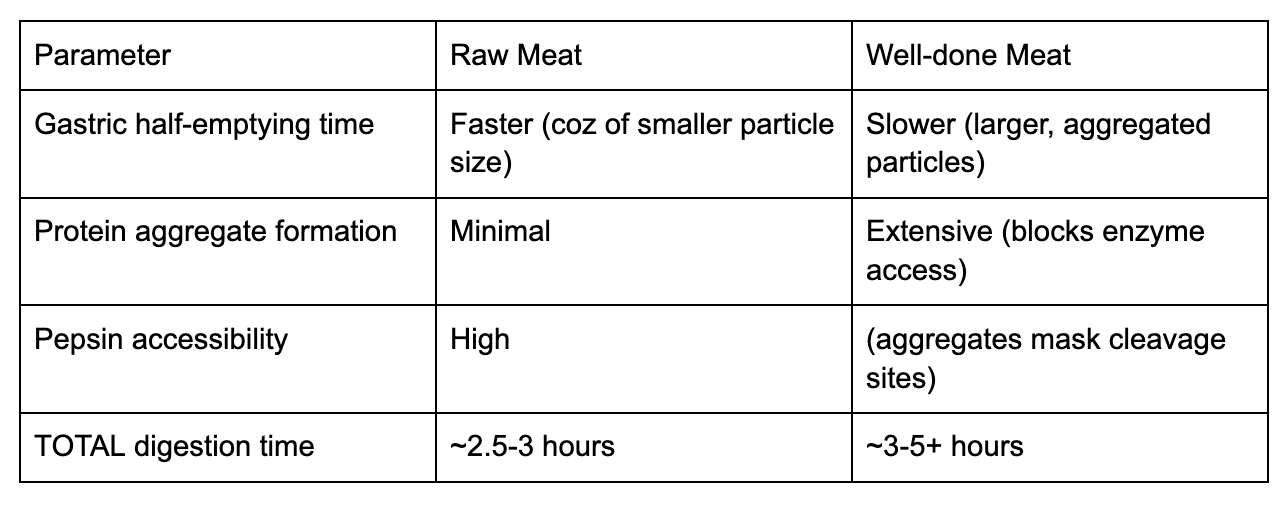
- Enzyme Intactness: Raw meat contains living digestive enzymes that aid in breakdown, whereas cooking destroys these enzymes, forcing the body to work harder to digest the food.
- Avoidance of Toxins: Cooking meat above 118°F (48°C) creates harmful compounds and toxic byproducts that are absent in raw, uncooked meat.
→ B-B-BUT SALMONELLA ?
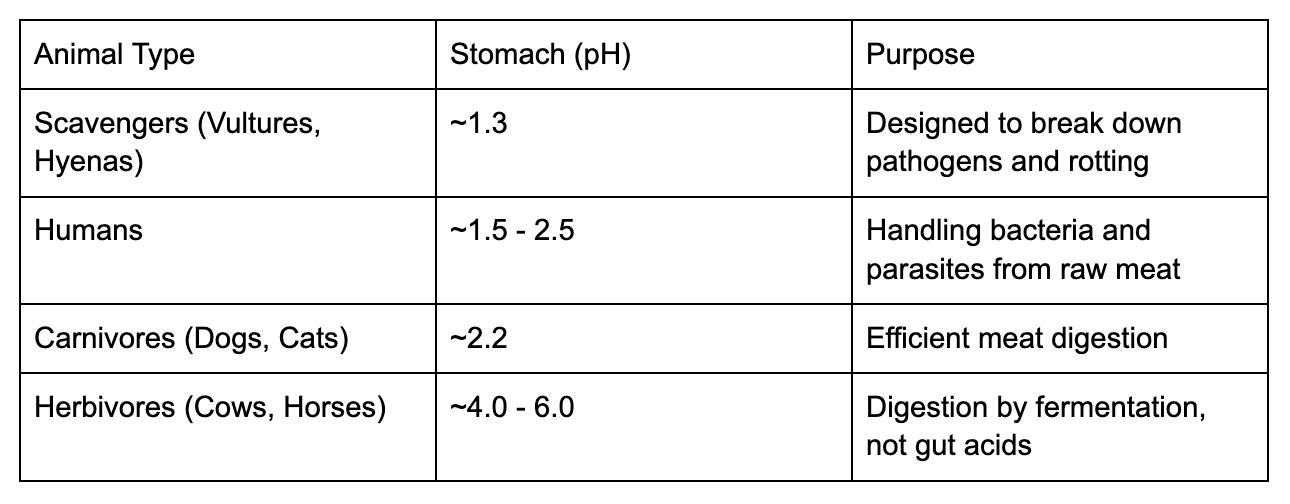
Human beings have a strong stomach acid with a ph of 1.5-2.5 which breaks down pathogens on contact, the ones who get sick from it are almost always the ones who consume processed/commercially prepared meats and poultry, not fresh cuts of raw meat from a high-quality source.
the ones who get sick from it are almost always traced back to processed/commercially prepared meats and poultry, not fresh cuts of raw meat from a high-quality source.
Parasites:
Certain parasites like toxoplasma gondii and trichinella are risks with pork and wild game. These are mitigated by quality control and common sense (don't eat raw fatty meat from walmart).
→ CONCLUSION :
So what should the ideal diet be like ?
The ideal diet could vary a bit from person to person but for most people , it should be something like this :
DAILY : Raw red meat ( if optimal source is available , otherwise cooked ) , lot of organic fruits, raw honey/maple syrup, raw diary ( milk,kefir,etc), raw egg yolks and cooked whites, raw butter/tallow, warm water-lean fish, organic fruit juices , lean chicken, etc.
Once a week : Sea food , organs -( Since organs and sea food are too high in copper , its ideal to consume them in limited quantity once a week), root vegetables like carrots.
Rarely : Potatoes , White rice , sourdough bread - Since they are starchy food items they could be irritating on the gut for some people), coffee,tea (too high in phytic acid)
NEVER : Seed oils, Leafy green vegetables, Grains/legumes, Soy products, Processed junk,etc