ONLY PROVEN Iris DEPIG Methods with REAL Case Evidence [Theory+Facts]

Finntrado

Finntrado

retard
Joined
Feb 8, 2026
Posts
68
Reputation
36
SO before I begin this post, i know a lot of information contained in this has already been published on the forum but i just wanted to gather all the data together and present it in a neat manner for those who are interested in eyelightening methods that MIGHT actually work.

Topical beta blockers like levobunolol and systemic fluoroquinolones such as moxifloxacin have been linked to iris depigmentation across multiple case reports. This can lighten eye color by reducing stromal melanin. This means there's a chance create that normies with dark irises can enhance their eye area, and gain a massive halo. This theory suggests that these drugs interfere with melanin pathways, causing aesthetic changes from T50+ tiers to lighter shades (from slight to straight up blue eyes).


Iris pigmentation depends on melanin found in stromal melanocytes. Depigmentation lowers stromal density, revealing underlying structures and resulting in a lighter appearance. For levobunolol, which is a non-selective beta blocker, long-term use mimics Horner's syndrome by blocking sympathetic tone. This lowers catecholamine levels, which may reduce prostaglandin production and disrupt melanin maintenance. Basically taking levobunolol causes a chronic low-sympathetic state in the iris → gradual stromal melanin loss → lighter eye color over years. This theory suggests this aligns with prostaglandin analogs like latanoprost, which prevent hypopigmentation in animal models and indicate that prostaglandins help maintain baseline melanin.

In contrast, moxifloxacin, when used shortly after an infection, causes pigment dispersion, possibly through tyrosinase inhibition or inflammatory damage to melanocytes. This leads to transillumination and abnormal eye color. Both drugs affect TYR-mediated melanin production, but beta blockers have a long-term effect via neural pathways, while quinolones provoke quick, but still lasting and possibly immune-related changes.

1772289317888


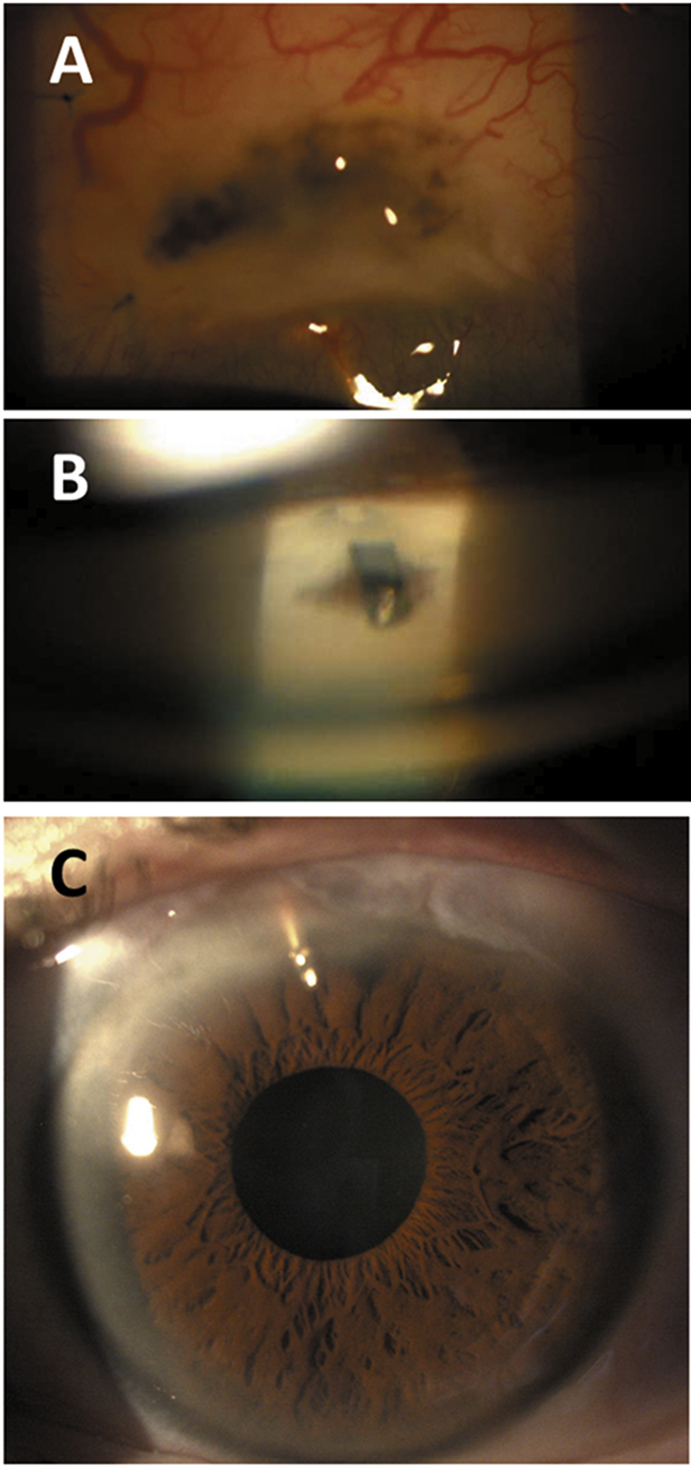
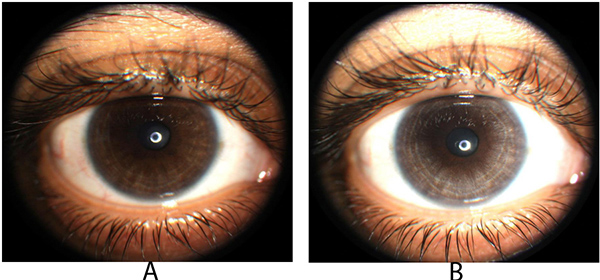
In a case involving a 68-year-old man, after five years of using twice-daily drops for ocular hypertension (IOP 32 mm Hg OU), his irises changed from brown to blue. His central brown stroma and naevi remained intact. There was no atrophy, transillumination, pigment dispersion, or inflammation, and his vision was preserved (6/5 OD, 6/6 OS). The authors speculated about a pharmacological Horner's effect, referring to rabbit studies where prostaglandins influence pigmentation and changes in IOP.

https://www.researchgate.net/publication/12655182_A_case_of_acquired_iris_depigmentation_as_a_possible_complication_of_levobunolol_eye_drops
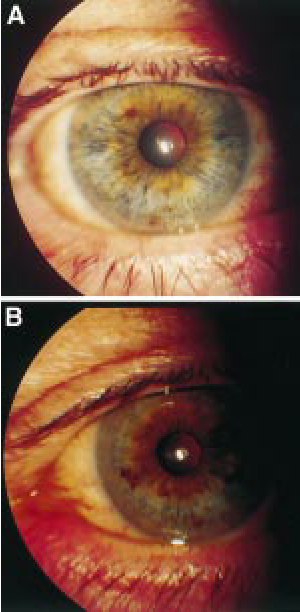
In several moxifloxacin cases involving a 70-year-old woman, a 32-year-old woman, and a 26-year-old man, systemic use for pneumonia or respiratory infections caused depigmentation within 2-3 months. Symptoms included bilateral asymmetrical transillumination, abnormal eye color, and light sensitivity; one patient had a mild anterior chamber reaction that resolved with steroids. Vision and IOP were normal, with no keratic precipitates or synechiae. Their conditions were distinguishable from Fuchs' syndrome (which shows diffuse atrophy) or herpetic iridocyclitis (characterized by sectoral atrophy and increased IOP). The patients’ eye status was relevant because oral medication tends to accumulate in the aqueous humor. A case of parvovirus uveitis in a 6-year-old girl illustrates infection-related autoimmunity mimicking depigmentation but resolving without changing eye color, indicating other non-drug factors at play.

https://www.ncbi.nlm.nih.gov/pmc/articles/PMC7057145/
https://openophthalmologyjournal.com/VOLUME/11/PAGE/107/FULLTEXT/

1772289362034 1772289383056

1. Levobunolol (Topical Beta Blocker - e.g., Betagan 0.5% solution)
  • Standard therapeutic dosage (for glaucoma/ocular hypertension):
    • 0.5% solution: 1–2 drops in affected eye(s) once daily (starting dose).
    • Can increase to twice daily if IOP not controlled (more severe cases).
    • 0.25% solution alternative: 1–2 drops twice daily.
    • Doses >1 drop twice daily usually not more effective (therapeutically speaking).
  • In depigmentation case report:
    • Bilateral use: Twice daily (BID) for 5 years exclusively (no other drops).
    • Patient (68M) self-reported gradual brown-to-blue shift after long-term exposure.
    • No concentration specified in the 1999 BJO letter, but standard 0.5% assumed based on era/common formulations.
2. Moxifloxacin (Systemic Fluoroquinolone - e.g., Avelox 400 mg tablets)
  • Standard therapeutic dosage (for pneumonia/respiratory infections):
    • 400 mg orally once daily.
    • Duration: 7–14 days for community-acquired pneumonia; 5–10 days for acute bacterial sinusitis or exacerbations of chronic bronchitis.
  • In depigmentation case reports(from 2013 Clinics letter and related):
    • Case 1 (70F): 15-day course for pneumonia → symptoms 3 months post-treatment.
    • Case 2 (32F): Course for pneumonia (duration not specified) → symptoms 2 months post.
    • Case 3 (26M): Course for upper respiratory infection (duration not specified) → symptoms 3 months post.


Practical Implications
So basically long term use of topical beta blockers and moxifloxacin might help gradually lighten the color of brown eyes to THEORETICALLY achieve an A10-A20 halo effect, though results may vary however I'd assume no matter what you should be able to lighten your eyes to some degree on this stack. Combining these drugs with prostaglandin analogs may prevent rebound effects, or melanin inhibitors could enhance results. However, it is best to start with a low dose and monitor IOP and vision. These methods may work well for long-term protocols in T50+ betas aiming for effects similar to heterochromia or just eye lightening in general.

Limitations/Risks
Depigmentation is rare and has often appeared only in isolated cases. It might be coincidental with age aswell or infection rather than a direct result of the medications. For example, moxifloxacin may be the consequence of post-respiratory injury/disease. Changes can persist after stopping the medication, leading to potential glare or light sensitivity without reversal. Differences between topical and systemic applications also limit their generalizability, and there are no controlled studies on this topic. And obviously putting shit in your eyes generally can't go well, same goes for taking medicine without being sick, but it's not like there's a major downside so atp just fuck it and go for it ngl.
 
  • +1
Reactions: deutscher_Mogger, axm, 888mastermind and 10 others
I am willing to try and document this on my dark green eyes if I find an EU source
 
  • +1
  • Woah
Reactions: Thrill, deutscher_Mogger, rhys64247 and 2 others
I am willing to try and document this on my dark green eyes if I find an EU source
i'm sure you could, I mean these drugs are cheap as hell. Keep us updated!
 
  • +1
Reactions: deutscher_Mogger
SO before I begin this post, i know a lot of information contained in this has already been published on the forum but i just wanted to gather all the data together and present it in a neat manner for those who are interested in eyelightening methods that MIGHT actually work.

Topical beta blockers like levobunolol and systemic fluoroquinolones such as moxifloxacin have been linked to iris depigmentation across multiple case reports. This can lighten eye color by reducing stromal melanin. This means there's a chance create that normies with dark irises can enhance their eye area, and gain a massive halo. This theory suggests that these drugs interfere with melanin pathways, causing aesthetic changes from T50+ tiers to lighter shades (from slight to straight up blue eyes).


Iris pigmentation depends on melanin found in stromal melanocytes. Depigmentation lowers stromal density, revealing underlying structures and resulting in a lighter appearance. For levobunolol, which is a non-selective beta blocker, long-term use mimics Horner's syndrome by blocking sympathetic tone. This lowers catecholamine levels, which may reduce prostaglandin production and disrupt melanin maintenance. Basically taking levobunolol causes a chronic low-sympathetic state in the iris → gradual stromal melanin loss → lighter eye color over years. This theory suggests this aligns with prostaglandin analogs like latanoprost, which prevent hypopigmentation in animal models and indicate that prostaglandins help maintain baseline melanin.

In contrast, moxifloxacin, when used shortly after an infection, causes pigment dispersion, possibly through tyrosinase inhibition or inflammatory damage to melanocytes. This leads to transillumination and abnormal eye color. Both drugs affect TYR-mediated melanin production, but beta blockers have a long-term effect via neural pathways, while quinolones provoke quick, but still lasting and possibly immune-related changes.


1. Levobunolol (Topical Beta Blocker - e.g., Betagan 0.5% solution)
  • Standard therapeutic dosage (for glaucoma/ocular hypertension):
    • 0.5% solution: 1–2 drops in affected eye(s) once daily (starting dose).
    • Can increase to twice daily if IOP not controlled (more severe cases).
    • 0.25% solution alternative: 1–2 drops twice daily.
    • Doses >1 drop twice daily usually not more effective (therapeutically speaking).
  • In depigmentation case report:
    • Bilateral use: Twice daily (BID) for 5 years exclusively (no other drops).
    • Patient (68M) self-reported gradual brown-to-blue shift after long-term exposure.
    • No concentration specified in the 1999 BJO letter, but standard 0.5% assumed based on era/common formulations.
2. Moxifloxacin (Systemic Fluoroquinolone - e.g., Avelox 400 mg tablets)
  • Standard therapeutic dosage (for pneumonia/respiratory infections):
    • 400 mg orally once daily.
    • Duration: 7–14 days for community-acquired pneumonia; 5–10 days for acute bacterial sinusitis or exacerbations of chronic bronchitis.
  • In depigmentation case reports(from 2013 Clinics letter and related):
    • Case 1 (70F): 15-day course for pneumonia → symptoms 3 months post-treatment.
    • Case 2 (32F): Course for pneumonia (duration not specified) → symptoms 2 months post.
    • Case 3 (26M): Course for upper respiratory infection (duration not specified) → symptoms 3 months post.


Practical Implications
So basically long term use of topical beta blockers and moxifloxacin might help gradually lighten the color of brown eyes to THEORETICALLY achieve an A10-A20 halo effect, though results may vary however I'd assume no matter what you should be able to lighten your eyes to some degree on this stack. Combining these drugs with prostaglandin analogs may prevent rebound effects, or melanin inhibitors could enhance results. However, it is best to start with a low dose and monitor IOP and vision. These methods may work well for long-term protocols in T50+ betas aiming for effects similar to heterochromia or just eye lightening in general.

Limitations/Risks
Depigmentation is rare and has often appeared only in isolated cases. It might be coincidental with age aswell or infection rather than a direct result of the medications. For example, moxifloxacin may be the consequence of post-respiratory injury/disease. Changes can persist after stopping the medication, leading to potential glare or light sensitivity without reversal. Differences between topical and systemic applications also limit their generalizability, and there are no controlled studies on this topic. And obviously putting shit in your eyes generally can't go well, same goes for taking medicine without being sick, but it's not like there's a major downside so atp just fuck it and go for it ngl.
might save me from my shit t40-50s, is this supposed to be continuous usage or could I stop
 
might save me from my shit t40-50s, is this supposed to be continuous usage or could I stop
you can stop after getting the reults you want, if that's what you were asking. that's what the dude in the case for levobunolol did and from what i understood he retained his blue eyes.
 
SO before I begin this post, i know a lot of information contained in this has already been published on the forum but i just wanted to gather all the data together and present it in a neat manner for those who are interested in eyelightening methods that MIGHT actually work.

Topical beta blockers like levobunolol and systemic fluoroquinolones such as moxifloxacin have been linked to iris depigmentation across multiple case reports. This can lighten eye color by reducing stromal melanin. This means there's a chance create that normies with dark irises can enhance their eye area, and gain a massive halo. This theory suggests that these drugs interfere with melanin pathways, causing aesthetic changes from T50+ tiers to lighter shades (from slight to straight up blue eyes).


Iris pigmentation depends on melanin found in stromal melanocytes. Depigmentation lowers stromal density, revealing underlying structures and resulting in a lighter appearance. For levobunolol, which is a non-selective beta blocker, long-term use mimics Horner's syndrome by blocking sympathetic tone. This lowers catecholamine levels, which may reduce prostaglandin production and disrupt melanin maintenance. Basically taking levobunolol causes a chronic low-sympathetic state in the iris → gradual stromal melanin loss → lighter eye color over years. This theory suggests this aligns with prostaglandin analogs like latanoprost, which prevent hypopigmentation in animal models and indicate that prostaglandins help maintain baseline melanin.

In contrast, moxifloxacin, when used shortly after an infection, causes pigment dispersion, possibly through tyrosinase inhibition or inflammatory damage to melanocytes. This leads to transillumination and abnormal eye color. Both drugs affect TYR-mediated melanin production, but beta blockers have a long-term effect via neural pathways, while quinolones provoke quick, but still lasting and possibly immune-related changes.


1. Levobunolol (Topical Beta Blocker - e.g., Betagan 0.5% solution)
  • Standard therapeutic dosage (for glaucoma/ocular hypertension):
    • 0.5% solution: 1–2 drops in affected eye(s) once daily (starting dose).
    • Can increase to twice daily if IOP not controlled (more severe cases).
    • 0.25% solution alternative: 1–2 drops twice daily.
    • Doses >1 drop twice daily usually not more effective (therapeutically speaking).
  • In depigmentation case report:
    • Bilateral use: Twice daily (BID) for 5 years exclusively (no other drops).
    • Patient (68M) self-reported gradual brown-to-blue shift after long-term exposure.
    • No concentration specified in the 1999 BJO letter, but standard 0.5% assumed based on era/common formulations.
2. Moxifloxacin (Systemic Fluoroquinolone - e.g., Avelox 400 mg tablets)
  • Standard therapeutic dosage (for pneumonia/respiratory infections):
    • 400 mg orally once daily.
    • Duration: 7–14 days for community-acquired pneumonia; 5–10 days for acute bacterial sinusitis or exacerbations of chronic bronchitis.
  • In depigmentation case reports(from 2013 Clinics letter and related):
    • Case 1 (70F): 15-day course for pneumonia → symptoms 3 months post-treatment.
    • Case 2 (32F): Course for pneumonia (duration not specified) → symptoms 2 months post.
    • Case 3 (26M): Course for upper respiratory infection (duration not specified) → symptoms 3 months post.


Practical Implications
So basically long term use of topical beta blockers and moxifloxacin might help gradually lighten the color of brown eyes to THEORETICALLY achieve an A10-A20 halo effect, though results may vary however I'd assume no matter what you should be able to lighten your eyes to some degree on this stack. Combining these drugs with prostaglandin analogs may prevent rebound effects, or melanin inhibitors could enhance results. However, it is best to start with a low dose and monitor IOP and vision. These methods may work well for long-term protocols in T50+ betas aiming for effects similar to heterochromia or just eye lightening in general.

Limitations/Risks
Depigmentation is rare and has often appeared only in isolated cases. It might be coincidental with age aswell or infection rather than a direct result of the medications. For example, moxifloxacin may be the consequence of post-respiratory injury/disease. Changes can persist after stopping the medication, leading to potential glare or light sensitivity without reversal. Differences between topical and systemic applications also limit their generalizability, and there are no controlled studies on this topic. And obviously putting shit in your eyes generally can't go well, same goes for taking medicine without being sick, but it's not like there's a major downside so atp just fuck it and go for it ngl.
incredible thread why do shitposts get this many reps while this gets barely any
 
incredible thread why do shitposts get this many reps while this gets barely any
this isn't really newfound knowledge, all i did was gather all the realistically feasible methods present on this forum along with just a tad bit of personal research and put it together in 10-15 mins. plus shitposts are frankly quite fun to read imo
 
  • +1
Reactions: courtcase75, inthebone and dhusc
you can stop after getting the reults you want, if that's what you were asking. that's what the dude in the case for levobunolol did and from what i understood he retained his blue eyes.
yeah I’m looking through with studies, though it’ll take 5 years and the second side effects sound horrid, tho might be worth it icl even if it isn’t a fully blue hue

would need more research into this n levonunolol is super cheap here
 
Last edited:
btw for anybody wondering. this shit works

do moxifloxacin, not levobunolol
 
  • +1
Reactions: Looksmaxxer25102005 and solodolo
might save me from my shit t40-50s, is this supposed to be continuous usage or could I stop
most of this shit happened after chronic use, you’re not stopping soon if you wanna start
 
yeah I’m looking through with studies, though it’ll take 5 years and the second side effects sound horrid, tho might be worth it icl even if it isn’t a fully blue hue

would need more research into this
it isn't gauranteed even in 5 years and there's no curve shown for how gradual the changes are and whether or not the end result will be a blue hue, I think however your age might be a factor. when you are younger it's generally more difficult to affect eye colour using this method as

Biologically, younger melanocytes are:
  • More metabolically active.
  • More regenerative.
  • Less prone to spontaneous decline.

and yeah, the second side effects are pretty horrible. i need to do more research on that.
 
  • +1
Reactions: courtcase75 and dhusc
i'm sure you could, I mean these drugs are cheap as hell. Keep us updated!
I searched it in my usual sources but couldn’t find it unfortunately
 
I searched it in my usual sources but couldn’t find it unfortunately
huh, that's quite weird, these are pretty ordinary drugs that a decent number of people might use though. you might want to do some more research through ordinary sources, unfortunately if you still can't find any because it's dirt cheap here, like 2$ for a month levo and roughhly the same for moxi
 
  • +1
Reactions: dhusc
huh, that's quite weird, these are pretty ordinary drugs that a decent number of people might use though. you might want to do some more research through ordinary sources, unfortunately if you still can't find any because it's dirt cheap here, like 2$ for a month levo and roughhly the same for moxi
I found moxy tablets and infussion solutions (will source from turkish pharmacy and its dirt cheap).

I am starting 400 a day next week and create a thread about before after and will post every single werk how my eyes look with and without light.

Love being a lab rat ngl

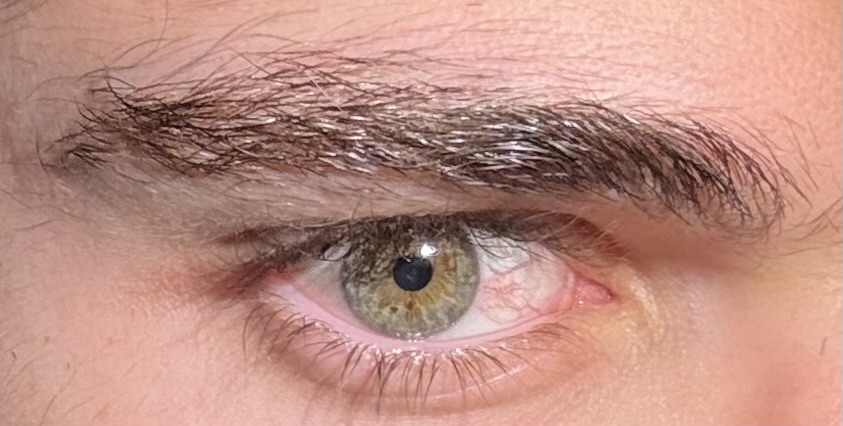
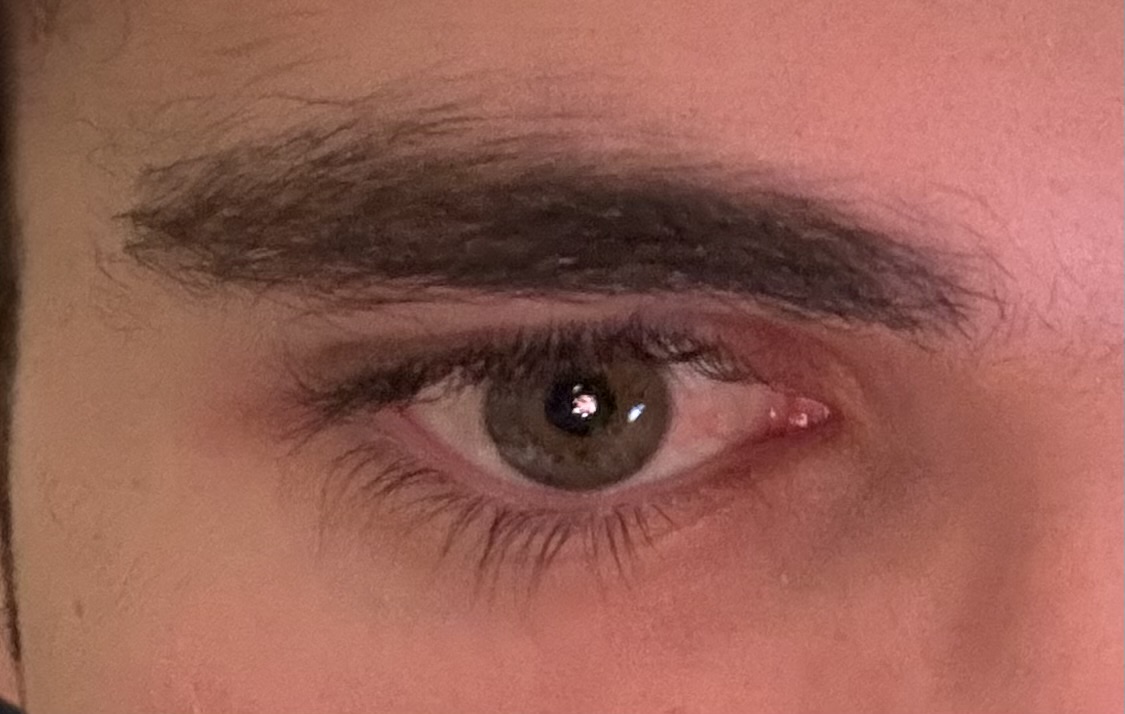
This is the before for context:
IMG 9555


IMG 9563


It would really mog if my greens turned blue and my browns turned green ngl
 
  • +1
  • JFL
Reactions: Aoki33, jimmymogs, Alfons0_7252_ and 2 others
I found moxy tablets and infussion solutions (will source from turkish pharmacy and its dirt cheap).

I am starting 400 a day next week and create a thread about before after and will post every single werk how my eyes look with and without light.

Love being a lab rat ngl

It would really mog if my greens turned blue and my browns turned green ngl
yeah they are super cheap. keep in mind 400 is the standard THERAPEUTIC dosage i.e. for pneumonia/respiratory infections.

much love for all the updates!

you lowk already mog but yeah you'd look sick with blue eyes fs
 
yeah they are super cheap. keep in mind 400 is the standard THERAPEUTIC dosage i.e. for pneumonia/respiratory infections.

much love for all the updates!

you lowk already mog but yeah you'd look sick with blue eyes fs
do you think I should go gor a higher dose then?
btw for anybody wondering. this shit works

do moxifloxacin, not levobunolol
If you tried moxi what dosage should I go for? Its dirt cheap so I can get a lot of it
 
If you tried moxi what dosage should I go for? Its dirt cheap so I can get a lot of it
its about chronic usage not the dose itself

do what u can
 
  • +1
Reactions: susisesi
do you think I should go gor a higher dose then?

If you tried moxi what dosage should I go for? Its dirt cheap so I can get a lot of it
that's not what i meant bro 😭, i'm saying that's the standard dosage for when someone has respiratory infections or pneumonia, do some research on what would be the safe amount for a healthy male or just do 400 if you really wanna deal with the sides i guess. also you might want to work on that scelera a bit it's lowk red. might be a bigger halo for you than blue eyes.
 
that's not what i meant bro 😭, i'm saying that's the standard dosage for when someone has respiratory infections or pneumonia, do some research on what would be the safe amount for a healthy male or just do 400 if you really wanna deal with the sides i guess. also you might want to work on that scelera a bit it's lowk red. might be a bigger halo for you than blue eyes.
that photo was when I hadn’t slept for like 2 days lol thats why I took the photo initially

ok so I should probably go for a lower dose ig.

Will research it tonight, thanks for the help
 
  • +1
Reactions: Finntrado
great thread, bump
 
  • +1
Reactions: Finntrado
btw for anybody wondering. this shit works

do moxifloxacin, not levobunolol
could you explain why and you are talking about topical moxifloxacin correct?
 
dude it’s strictly topically
Curious as to why you believe topically is better, because in the documented cases it's been taken orally, it's a medicine for respiratory disease after all.
 
  • +1
Reactions: GoblinMaxxer
In contrast, moxifloxacin, when used shortly after an infection, causes pigment dispersion, possibly through tyrosinase inhibition or inflammatory damage to melanocytes. This leads to transillumination and abnormal eye color. Both drugs affect TYR-mediated melanin production, but beta blockers have a long-term effect via neural pathways, while quinolones provoke quick, but still lasting and possibly immune-related changes.
You realize how malignant that is?? It's a toxicity side effect (BAIT)
Iris pigmentation depends on melanin found in stromal melanocytes. Depigmentation lowers stromal density, revealing underlying structures and resulting in a lighter appearance. For levobunolol, which is a non-selective beta blocker, long-term use mimics Horner's syndrome by blocking sympathetic tone. This lowers catecholamine levels, which may reduce prostaglandin production and disrupt melanin maintenance. Basically taking levobunolol causes a chronic low-sympathetic state in the iris → gradual stromal melanin loss → lighter eye color over years. This theory suggests this aligns with prostaglandin analogs like latanoprost, which prevent hypopigmentation in animal models and indicate that prostaglandins help maintain baseline melanin.
ONLY ONE PERSON RECORDED GOT THIS
And only in 5 years
 
  • +1
Reactions: courtcase75, GoblinMaxxer and dhusc
You realize how malignant that is?? It's a toxicity side effect (BAIT)
Yes, it's a toxicity side effect (specifically linked to moxifloxacin in most BAIT cases), but calling it "malignant" is way over the top. it's not cancerous or progressive like a malignancy. It's an "adverse drug reaction" causing acute iris pigment epithelial damage, leading to pigment dispersion, transillumination defects, pupillary atony, and often persistent photophobia/glare.
ONLY ONE PERSON RECORDED GOT THIS
And only in 5 years
Levobunolol depigmentation is extremely rare like you said and only a handful of documented cases exist in the literature, and the main one (1999 BJO) is indeed a single patient after 5 years of exclusive BID use.

BUT it is simply my job to inform people of the possible PROVEN methods which aren't just commpletely retarded along with the sides. It is upto them if they want to implement these methods or not.
Most other methods are either much more expensive (like surgery) or just downright stupid with no evidence (pouring straight up hydrogen peroxide in eyes - yes, users have done this.) The cases I've presented atleast have some viability.
 
  • +1
Reactions: dhusc
Yes, it's a toxicity side effect (specifically linked to moxifloxacin in most BAIT cases), but calling it "malignant" is way over the top. it's not cancerous or progressive like a malignancy. It's an "adverse drug reaction" causing acute iris pigment epithelial damage, leading to pigment dispersion, transillumination defects, pupillary atony, and often persistent photophobia/glare.
I meant malicious
 
mirin research
 
I've seen these reports floating around, I wonder if anyone has tried it. The medication is for serious illnesses, they would probably be heavy on a healthy person, I wished I was lowinhib enough to try this shit
 
I've seen these reports floating around, I wonder if anyone has tried it. The medication is for serious illnesses, they would probably be heavy on a healthy person, I wished I was lowinhib enough to try this shit
from what i understood not a lot of sides from levobunolol but IF and only IF you do get gains from moxi there could be heavy potential downsides in the short term like photophobia & worse.
 
  • +1
Reactions: courtcase75
from what i understood not a lot of sides from levobunolol but IF and only IF you do get gains from moxi there could be heavy potential downsides in the short term like photophobia & worse.
Yeah, I found moxi to be the scariest one. Your thread made me look up some things about levobunolol, and I came up with a theory, can you tell me your thoughts?

Thread 'A theory about eye depigmentation caused by levobunolol' https://looksmax.org/threads/a-theory-about-eye-depigmentation-caused-by-levobunolol.1917018/
 
  • +1
Reactions: Finntrado
I found moxy tablets and infussion solutions (will source from turkish pharmacy and its dirt cheap).

I am starting 400 a day next week and create a thread about before after and will post every single werk how my eyes look with and without light.

Love being a lab rat ngl

This is the before for context:
View attachment 4708476

View attachment 4708477


It would really mog if my greens turned blue and my browns turned green ngl
Hey I’m curious did this ever work?
 
even
Hey I’m curious did this ever work?
even if he is on all that it will take years or at minimum months to see progress on levo IF it works for him that is, it varies individual to individual. and for moxi it takes about a monthh or so if you get its sides (which again varies individual to individual).
 

Similar threads

courtcase75
Replies
62
Views
811
Quetila
Quetila
pio
Replies
35
Views
3K
swordsinsanee
swordsinsanee
Xevvyi
Replies
21
Views
762
Azie555
Azie555
VrillFatNoob24
Replies
27
Views
1K
kisslessvirgin
K

Users who are viewing this thread

Back
Top