Natural.love
Bronze
- Joined
- Dec 22, 2025
- Posts
- 469
- Reputation
- 289
Core idea: boosting metabolism
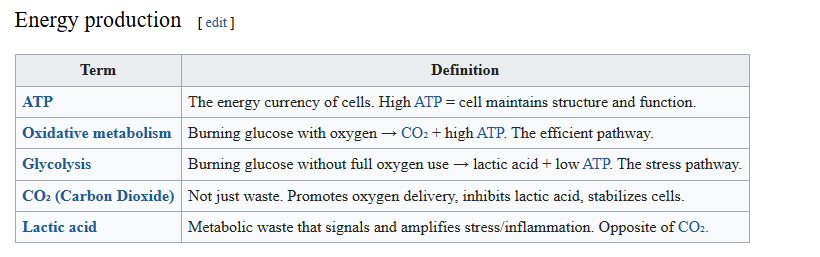
Everything Ray recommended aimed to increase metabolic rate - the sum of bodily processes requiring energyA high metabolism means:
- More ATP (cellular energy)
- Higher body temperature
- Better tissue repair and regeneration
- Resistance to stress
Ray sought a child-like metabolism: warm, active, stress-free, reparative, and curious. Health is not merely the absence of disease, but high energy production supporting physical, mental, and social well-being."A living cell requires energy not only for all of its functions, but also for maintenance of its structure" - Albert Szent-Györgyi
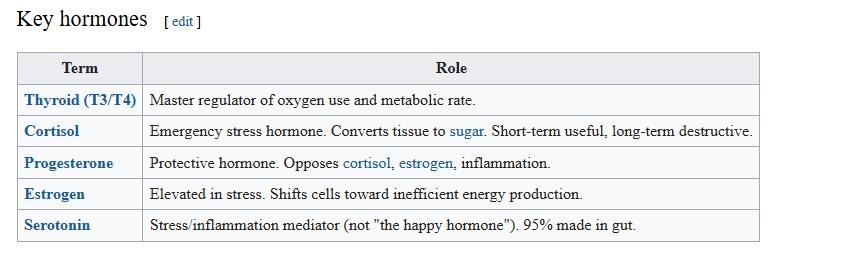
Health is high metabolism supporting physical, mental, and social well-being, not just disease absence. The thyroid gland conducts this via hormones T3/T4. Low metabolism (hypothyroidism) symptoms: cold extremities, low pulse, fatigue, depression, weight gain, poor sleep, and low libido. TSH tests are context-dependent, so using body signals instead (pulse, temperature, appetite, cravings) can be more useful.
Definition of metabolism: Metabolism is described as the aggregation of all cellular activity and energy production in the body. Stress and metabolism are inversely related:
- Increased stress lowers metabolic rate.
- Chronic stress signals the body to slow metabolism to conserve energy.
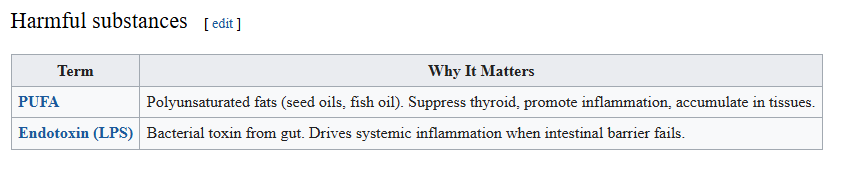
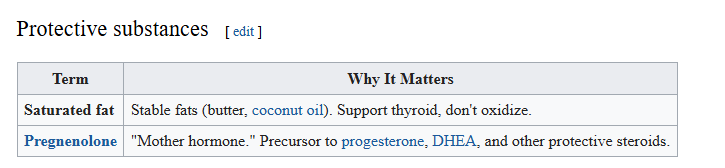
Problem with popular diets:
- Carnivore diet: Based on ancestral eating patterns, it emphasizes diet first, then the person second.Low carb: lack of nutrients for energy production
- Veganism: Characterized as an “animals first” philosophy, often prioritizing ethical concerns over individual health outcomes.Link to Vegetarianism
- Neither diet accounts for personal metabolic history or genetic background, which are central to Ray's bioenergetic model.
Practical ways to increase metabolic rate
- stimulating lifestyle: Engaging in novel and meaningful activities is vital, as well as avoiding unhealthy environments, relationships, and jobs.
- Environmental and nutritional factors:
- Exposure to sunlight and red light
- Adequate intake of sugar and calcium
- Consumption of gelatin, salt, and thyroid hormone (when appropriate)
- Maintaining regular bowel movements
- Use of progesterone
- Reduction of EMF exposure
- Moderate caffeine and vitamin D supplementation
- Occasional adventure and altitude exposure
- Concentric exercise.
The two metabolic states
Glucose + Oxygen --> CO₂ + Water + High ATP- High body temperature (98.0°F+ by midday)
- Resting pulse 75-90 bpm
- Warm hands and feet
- Stable mood and energy
- Good sleep, wake refreshed
Stressed state (glycolytic)
Glucose --> Lactic Acid + Low ATP- Low body temperature
- Cold extremities
- Fatigue, brain fog
- Reliance on adrenaline/cortisol to function
- Poor sleep, wake unrested
Signs of low metabolism
Physical- Cold hands/feet
- Low body temperature (below 97.8°F waking, below 98.6°F midday)
- Low resting pulse (below 75 bpm)
- Constipation
- Dry skin, hair loss
- Weight gain or inability to lose weight
- Fluid retention, puffiness
- Fatigue, especially afternoon
- Depression, low motivation
- Brain fog, poor memory
- Anxiety (often adrenaline compensation)
- Low libido
- High cholesterol (body can't convert it to hormones)
- Slow wound healing
- Frequent illness
- Poor exercise recovery
FULL VERSION ON https://www.wikipeatia.org/wiki/Roadmap/01_-_Basics ! CHECK IT OUT
little post before sleep idk, here you go ig