
[SCHIZO TALK] The Industrial Revolution's effects

HST

HST

𝔰𝔲𝔟 𝔯𝔬𝔰𝔞 ® | ⭐
Joined
Jul 9, 2024
Posts
3,725
Reputation
15,852
ℹ️ Note: Before you start reading, be aware that you may encounter satirical opinions, unrealistic theories, and overlapping topics.​

1stly, for people with an IQ <80.
What is the Industrial Revolution?
- It was a transitional period of the global economy toward more widespread, efficient, and stable manufacturing processes, succeeding the Second Agricultural Revolution. Beginning in Great Britain around 1760, the Industrial Revolution had spread to continental Europe and the United States by about 1840. Economic historians agree that the onset of the Industrial Revolution is the most important event in human history, comparable only to the adoption of agriculture with respect to material advancement.
This transition included going from hand production methods to machines; new chemical manufacturing and iron production processes; the increasing use of water power and steam power; the development of machine tools; and the rise of the mechanised factory system. Output greatly increased, and the result was an unprecedented rise in population and population growth. Many technological and architectural innovations were British. By the mid-18th century, Britain was the leading commercial nation, with GDP per capita considerably above the world average. The textile industry was the first to use modern production methods, and textiles became the dominant industry in terms of employment, value of output, and capital invested.

Source: Wikipedia.

Environmental effects of the Industrial Revolution.
- The Industrial Revolution was powered by burning coal, and big industrial cities began pumping vast quantities of pollution into the atmosphere. London’s concentration of suspended particulate matter rose dramatically between 1760 and 1830, as this chart from Our World In Data illustrates. Pollution in Manchester was so awful that writer Hugh Miller noted “the lurid gloom of the atmosphere that overhangs it,” and described “the innumerable chimneys that come in view, tall and dim in the dun haze, each bearing atop its own pennon of darkness.”Air pollution continued to rise in the 1800s, causing respiratory illness and higher death rates in areas that burned more coal. Worse yet, the burning of fossil fuels pumped carbon into the atmosphere. A study published in 2016 in Nature suggests that climate change driven by human activity began as early as the 1830s. Despite all these ills, the Industrial Revolution had positive effects, such as creating economic growth and making goods more available. It also helped lead to the rise of a prosperous middle class that grabbed some of the economic power once held by aristocrats and led to the rise of specialized jobs in industry.

Source: history.com

Getting rid of workers, replaced by machines.
Well, after it took place, workers became less needed, which led to them being paid less, and due to that, they had a horrible lifestyle and poor access to good nutrition. Once on the job, they couldn’t freely move around or catch a breather if they needed one, since that might necessitate shutting down a machine. Unlike craftsmen in rural towns, their days often consisted of having to perform repetitive tasks and continual pressure to keep up a faster pace, more supervision, less pride,” as Peter N. Stearns, a historian at George Mason University, explains. As Stearns describes in his 2013 book The Industrial Revolution in World History, when the workday was finally done, they didn’t have much time or energy left for any sort of recreation. To make matters worse, city officials often banned festivals and other activities that they’d once enjoyed in rural villages. Instead, workers often spent their leisure time at the neighborhood tavern, where alcohol provided an escape from the tedium of their lives.

Capitalism and the Industrial Revolution fucked the world?
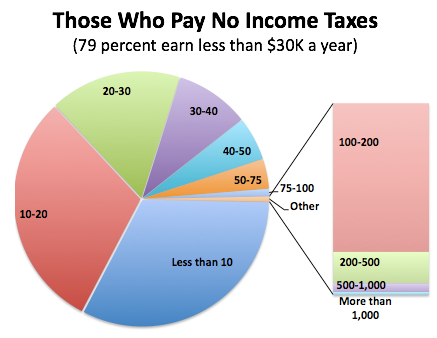
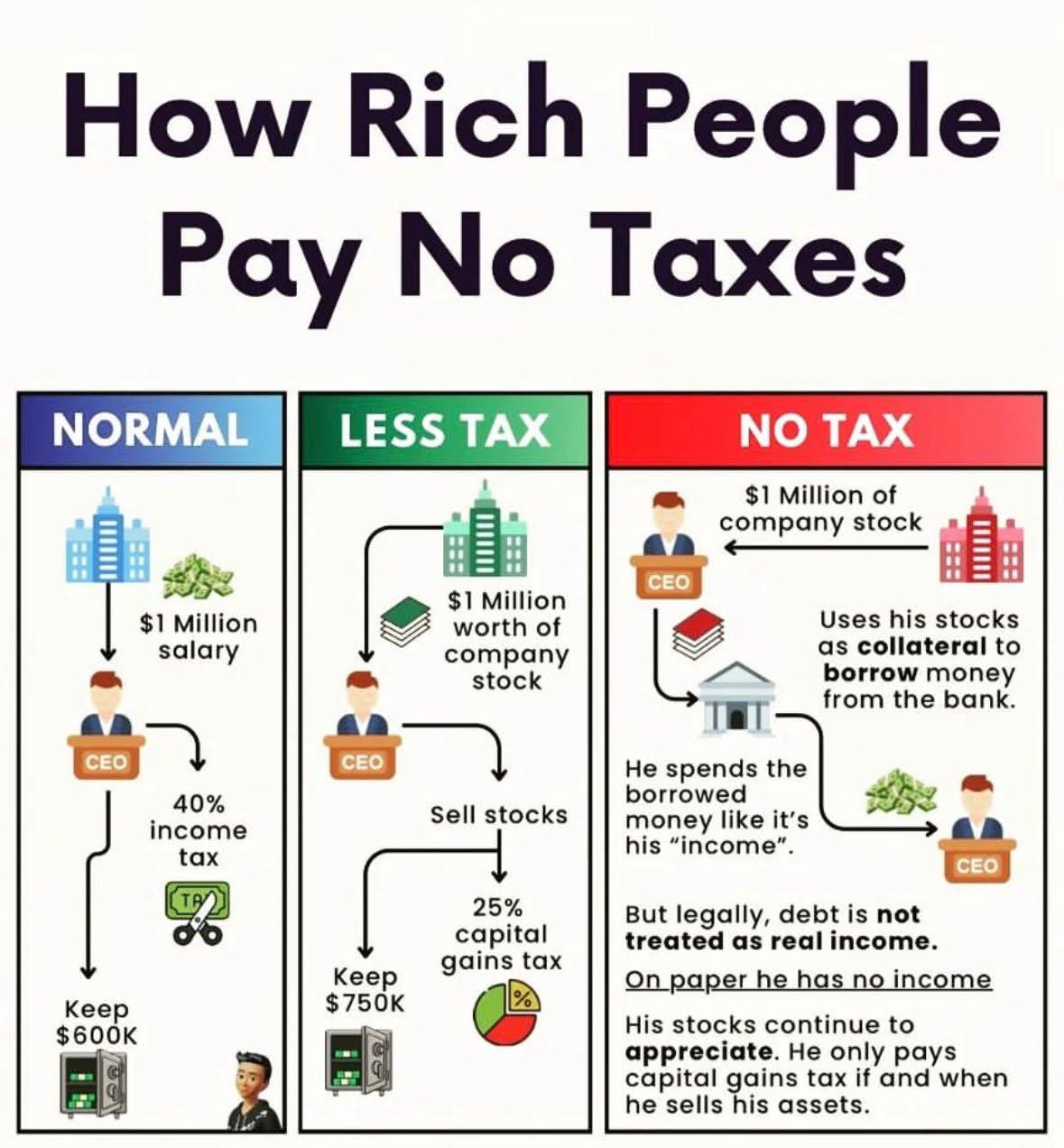
Basically, capitalism is the game where a few people own the shit and everyone else has to sell their time just to survive, and the Industrial Revolution was the moment we handed that game steroids: coal, steam, factories, railroads, all of it. Together they didn’t just give us cool stuff like phones and medicine; they rewired the entire planet around profit and endless growth. Yeah, we got some wonders, but we also got child labor, colonialism, climate change, billionaires hoarding more than entire countries, and a system that literally cannot stop even when it’s clearly cooking us alive. Everything’s a commodity, everyone’s burnt out, the oceans are dying, and the people in charge keep pretending the only option is to keep going. So yeah, the world’s pretty fucked because the same machine that built modern life is the same machine eating it alive. The poor get poorer, the rich get richer, and governments are greedy in a very suffocating way. They tax the poor; meanwhile, the rich sneak behind that.
1790341077538


I know the rich are smart when it comes to avoiding paying taxes, but at this point, the idea of working itself is unfair and unreal.
Logically, the rich are who should be taxed more; meanwhile, in reality, the poor are the ones who pay the most.
1790341208391


Satire opinion:Comfy:
Accelerationism is the end game: burn the whole earth.
I see no hope in humanity or the human being itself


@0ogrpostcel @Vrilltrum @BigBallsLarry @iblamexyz @GonorrhoeaGobbler​
 
  • +1
  • Love it
Reactions: Tesarossa, Gengar’s Ghost, ihavenightmares and 8 others
ℹ️ Note: Before you start reading, be aware that you may encounter satirical opinions, unrealistic theories, and overlapping topics.​

1stly, for people with an IQ <80.
What is the Industrial Revolution?
- It was a transitional period of the global economy toward more widespread, efficient, and stable manufacturing processes, succeeding the Second Agricultural Revolution. Beginning in Great Britain around 1760, the Industrial Revolution had spread to continental Europe and the United States by about 1840. Economic historians agree that the onset of the Industrial Revolution is the most important event in human history, comparable only to the adoption of agriculture with respect to material advancement.
This transition included going from hand production methods to machines; new chemical manufacturing and iron production processes; the increasing use of water power and steam power; the development of machine tools; and the rise of the mechanised factory system. Output greatly increased, and the result was an unprecedented rise in population and population growth. Many technological and architectural innovations were British. By the mid-18th century, Britain was the leading commercial nation, with GDP per capita considerably above the world average. The textile industry was the first to use modern production methods, and textiles became the dominant industry in terms of employment, value of output, and capital invested.

Source: Wikipedia.

Environmental effects of the Industrial Revolution.
- The Industrial Revolution was powered by burning coal, and big industrial cities began pumping vast quantities of pollution into the atmosphere. London’s concentration of suspended particulate matter rose dramatically between 1760 and 1830, as this chart from Our World In Data illustrates. Pollution in Manchester was so awful that writer Hugh Miller noted “the lurid gloom of the atmosphere that overhangs it,” and described “the innumerable chimneys that come in view, tall and dim in the dun haze, each bearing atop its own pennon of darkness.”Air pollution continued to rise in the 1800s, causing respiratory illness and higher death rates in areas that burned more coal. Worse yet, the burning of fossil fuels pumped carbon into the atmosphere. A study published in 2016 in Nature suggests that climate change driven by human activity began as early as the 1830s. Despite all these ills, the Industrial Revolution had positive effects, such as creating economic growth and making goods more available. It also helped lead to the rise of a prosperous middle class that grabbed some of the economic power once held by aristocrats and led to the rise of specialized jobs in industry.

Source: history.com

Getting rid of workers, replaced by machines.
Well, after it took place, workers became less needed, which led to them being paid less, and due to that, they had a horrible lifestyle and poor access to good nutrition. Once on the job, they couldn’t freely move around or catch a breather if they needed one, since that might necessitate shutting down a machine. Unlike craftsmen in rural towns, their days often consisted of having to perform repetitive tasks and continual pressure to keep up a faster pace, more supervision, less pride,” as Peter N. Stearns, a historian at George Mason University, explains. As Stearns describes in his 2013 book The Industrial Revolution in World History, when the workday was finally done, they didn’t have much time or energy left for any sort of recreation. To make matters worse, city officials often banned festivals and other activities that they’d once enjoyed in rural villages. Instead, workers often spent their leisure time at the neighborhood tavern, where alcohol provided an escape from the tedium of their lives.

Capitalism and the Industrial Revolution fucked the world?
Basically, capitalism is the game where a few people own the shit and everyone else has to sell their time just to survive, and the Industrial Revolution was the moment we handed that game steroids: coal, steam, factories, railroads, all of it. Together they didn’t just give us cool stuff like phones and medicine; they rewired the entire planet around profit and endless growth. Yeah, we got some wonders, but we also got child labor, colonialism, climate change, billionaires hoarding more than entire countries, and a system that literally cannot stop even when it’s clearly cooking us alive. Everything’s a commodity, everyone’s burnt out, the oceans are dying, and the people in charge keep pretending the only option is to keep going. So yeah, the world’s pretty fucked because the same machine that built modern life is the same machine eating it alive. The poor get poorer, the rich get richer, and governments are greedy in a very suffocating way. They tax the poor; meanwhile, the rich sneak behind that.
View attachment 5689817

I know the rich are smart when it comes to avoiding paying taxes, but at this point, the idea of working itself is unfair and unreal.
Logically, the rich are who should be taxed more; meanwhile, in reality, the poor are the ones who pay the most.
View attachment 5689821

Satire opinion:Comfy:
Accelerationism is the end game: burn the whole earth.
I see no hope in humanity or the human being itself
View attachment 5689842


@0ogrpostcel @Vrilltrum @BigBallsLarry @iblamexyz @GonorrhoeaGobbler​
we wouldn't have looksmax.org if it weren't for industrial revolution:incel:

imagine how amazing the world would be
 
  • +1
  • So Sad
Reactions: Tesarossa, Bat, Brava and 2 others
ℹ️ Note: Before you start reading, be aware that you may encounter satirical opinions, unrealistic theories, and overlapping topics.​

1stly, for people with an IQ <80.
What is the Industrial Revolution?
- It was a transitional period of the global economy toward more widespread, efficient, and stable manufacturing processes, succeeding the Second Agricultural Revolution. Beginning in Great Britain around 1760, the Industrial Revolution had spread to continental Europe and the United States by about 1840. Economic historians agree that the onset of the Industrial Revolution is the most important event in human history, comparable only to the adoption of agriculture with respect to material advancement.
This transition included going from hand production methods to machines; new chemical manufacturing and iron production processes; the increasing use of water power and steam power; the development of machine tools; and the rise of the mechanised factory system. Output greatly increased, and the result was an unprecedented rise in population and population growth. Many technological and architectural innovations were British. By the mid-18th century, Britain was the leading commercial nation, with GDP per capita considerably above the world average. The textile industry was the first to use modern production methods, and textiles became the dominant industry in terms of employment, value of output, and capital invested.

Source: Wikipedia.

Environmental effects of the Industrial Revolution.
- The Industrial Revolution was powered by burning coal, and big industrial cities began pumping vast quantities of pollution into the atmosphere. London’s concentration of suspended particulate matter rose dramatically between 1760 and 1830, as this chart from Our World In Data illustrates. Pollution in Manchester was so awful that writer Hugh Miller noted “the lurid gloom of the atmosphere that overhangs it,” and described “the innumerable chimneys that come in view, tall and dim in the dun haze, each bearing atop its own pennon of darkness.”Air pollution continued to rise in the 1800s, causing respiratory illness and higher death rates in areas that burned more coal. Worse yet, the burning of fossil fuels pumped carbon into the atmosphere. A study published in 2016 in Nature suggests that climate change driven by human activity began as early as the 1830s. Despite all these ills, the Industrial Revolution had positive effects, such as creating economic growth and making goods more available. It also helped lead to the rise of a prosperous middle class that grabbed some of the economic power once held by aristocrats and led to the rise of specialized jobs in industry.

Source: history.com

Getting rid of workers, replaced by machines.
Well, after it took place, workers became less needed, which led to them being paid less, and due to that, they had a horrible lifestyle and poor access to good nutrition. Once on the job, they couldn’t freely move around or catch a breather if they needed one, since that might necessitate shutting down a machine. Unlike craftsmen in rural towns, their days often consisted of having to perform repetitive tasks and continual pressure to keep up a faster pace, more supervision, less pride,” as Peter N. Stearns, a historian at George Mason University, explains. As Stearns describes in his 2013 book The Industrial Revolution in World History, when the workday was finally done, they didn’t have much time or energy left for any sort of recreation. To make matters worse, city officials often banned festivals and other activities that they’d once enjoyed in rural villages. Instead, workers often spent their leisure time at the neighborhood tavern, where alcohol provided an escape from the tedium of their lives.

Capitalism and the Industrial Revolution fucked the world?
Basically, capitalism is the game where a few people own the shit and everyone else has to sell their time just to survive, and the Industrial Revolution was the moment we handed that game steroids: coal, steam, factories, railroads, all of it. Together they didn’t just give us cool stuff like phones and medicine; they rewired the entire planet around profit and endless growth. Yeah, we got some wonders, but we also got child labor, colonialism, climate change, billionaires hoarding more than entire countries, and a system that literally cannot stop even when it’s clearly cooking us alive. Everything’s a commodity, everyone’s burnt out, the oceans are dying, and the people in charge keep pretending the only option is to keep going. So yeah, the world’s pretty fucked because the same machine that built modern life is the same machine eating it alive. The poor get poorer, the rich get richer, and governments are greedy in a very suffocating way. They tax the poor; meanwhile, the rich sneak behind that.
View attachment 5689817

I know the rich are smart when it comes to avoiding paying taxes, but at this point, the idea of working itself is unfair and unreal.
Logically, the rich are who should be taxed more; meanwhile, in reality, the poor are the ones who pay the most.
View attachment 5689821

Satire opinion:Comfy:
Accelerationism is the end game: burn the whole earth.
I see no hope in humanity or the human being itself
View attachment 5689842


@0ogrpostcel @Vrilltrum @BigBallsLarry @iblamexyz @GonorrhoeaGobbler​
Industrial revolution is when accelerationism
 
  • +1
  • Woah
Reactions: Brava, Sett, 0ogrpostcel and 1 other person
we wouldn't have looksmax.org if it weren't for industrial revolution:incel:

imagine how amazing the world would be
Every day, I'm dreaming of this:
 
  • +1
  • Woah
Reactions: Atra and Vrilltrum
not reading all that but I agree
 
  • +1
Reactions: HST
Industrial revolution is when accelerationism
Industrial revolution is when Theodore Kaczynski sends mail-bombs to institutions of the government 🥴🥴
 
  • JFL
Reactions: Vrilltrum
ℹ️ Note: Before you start reading, be aware that you may encounter satirical opinions, unrealistic theories, and overlapping topics.​

1stly, for people with an IQ <80.
What is the Industrial Revolution?
- It was a transitional period of the global economy toward more widespread, efficient, and stable manufacturing processes, succeeding the Second Agricultural Revolution. Beginning in Great Britain around 1760, the Industrial Revolution had spread to continental Europe and the United States by about 1840. Economic historians agree that the onset of the Industrial Revolution is the most important event in human history, comparable only to the adoption of agriculture with respect to material advancement.
This transition included going from hand production methods to machines; new chemical manufacturing and iron production processes; the increasing use of water power and steam power; the development of machine tools; and the rise of the mechanised factory system. Output greatly increased, and the result was an unprecedented rise in population and population growth. Many technological and architectural innovations were British. By the mid-18th century, Britain was the leading commercial nation, with GDP per capita considerably above the world average. The textile industry was the first to use modern production methods, and textiles became the dominant industry in terms of employment, value of output, and capital invested.

Source: Wikipedia.

Environmental effects of the Industrial Revolution.
- The Industrial Revolution was powered by burning coal, and big industrial cities began pumping vast quantities of pollution into the atmosphere. London’s concentration of suspended particulate matter rose dramatically between 1760 and 1830, as this chart from Our World In Data illustrates. Pollution in Manchester was so awful that writer Hugh Miller noted “the lurid gloom of the atmosphere that overhangs it,” and described “the innumerable chimneys that come in view, tall and dim in the dun haze, each bearing atop its own pennon of darkness.”Air pollution continued to rise in the 1800s, causing respiratory illness and higher death rates in areas that burned more coal. Worse yet, the burning of fossil fuels pumped carbon into the atmosphere. A study published in 2016 in Nature suggests that climate change driven by human activity began as early as the 1830s. Despite all these ills, the Industrial Revolution had positive effects, such as creating economic growth and making goods more available. It also helped lead to the rise of a prosperous middle class that grabbed some of the economic power once held by aristocrats and led to the rise of specialized jobs in industry.

Source: history.com

Getting rid of workers, replaced by machines.
Well, after it took place, workers became less needed, which led to them being paid less, and due to that, they had a horrible lifestyle and poor access to good nutrition. Once on the job, they couldn’t freely move around or catch a breather if they needed one, since that might necessitate shutting down a machine. Unlike craftsmen in rural towns, their days often consisted of having to perform repetitive tasks and continual pressure to keep up a faster pace, more supervision, less pride,” as Peter N. Stearns, a historian at George Mason University, explains. As Stearns describes in his 2013 book The Industrial Revolution in World History, when the workday was finally done, they didn’t have much time or energy left for any sort of recreation. To make matters worse, city officials often banned festivals and other activities that they’d once enjoyed in rural villages. Instead, workers often spent their leisure time at the neighborhood tavern, where alcohol provided an escape from the tedium of their lives.

Capitalism and the Industrial Revolution fucked the world?
Basically, capitalism is the game where a few people own the shit and everyone else has to sell their time just to survive, and the Industrial Revolution was the moment we handed that game steroids: coal, steam, factories, railroads, all of it. Together they didn’t just give us cool stuff like phones and medicine; they rewired the entire planet around profit and endless growth. Yeah, we got some wonders, but we also got child labor, colonialism, climate change, billionaires hoarding more than entire countries, and a system that literally cannot stop even when it’s clearly cooking us alive. Everything’s a commodity, everyone’s burnt out, the oceans are dying, and the people in charge keep pretending the only option is to keep going. So yeah, the world’s pretty fucked because the same machine that built modern life is the same machine eating it alive. The poor get poorer, the rich get richer, and governments are greedy in a very suffocating way. They tax the poor; meanwhile, the rich sneak behind that.
View attachment 5689817

I know the rich are smart when it comes to avoiding paying taxes, but at this point, the idea of working itself is unfair and unreal.
Logically, the rich are who should be taxed more; meanwhile, in reality, the poor are the ones who pay the most.
View attachment 5689821

Satire opinion:Comfy:
Accelerationism is the end game: burn the whole earth.
I see no hope in humanity or the human being itself
View attachment 5689842


@0ogrpostcel @Vrilltrum @BigBallsLarry @iblamexyz @GonorrhoeaGobbler​
B
 
  • +1
Reactions: HST
accelerationism is good but we burn down every other continent first okay ?

if we destroy the west we are just gonna get thrown into bauxite chinese mines
 
  • +1
Reactions: HST
The Industrial revolution ruined the world but it makes me money so I can live with it's consequences
 
  • +1
Reactions: HST
@pony @Gengar’s Ghost
 
  • +1
Reactions: Gengar’s Ghost and pony
Surprised I’m getting tagged in a high IQ thread.
 
  • Love it
Reactions: HST
ℹ️ Note: Before you start reading, be aware that you may encounter satirical opinions, unrealistic theories, and overlapping topics.​

1stly, for people with an IQ <80.
What is the Industrial Revolution?
- It was a transitional period of the global economy toward more widespread, efficient, and stable manufacturing processes, succeeding the Second Agricultural Revolution. Beginning in Great Britain around 1760, the Industrial Revolution had spread to continental Europe and the United States by about 1840. Economic historians agree that the onset of the Industrial Revolution is the most important event in human history, comparable only to the adoption of agriculture with respect to material advancement.
This transition included going from hand production methods to machines; new chemical manufacturing and iron production processes; the increasing use of water power and steam power; the development of machine tools; and the rise of the mechanised factory system. Output greatly increased, and the result was an unprecedented rise in population and population growth. Many technological and architectural innovations were British. By the mid-18th century, Britain was the leading commercial nation, with GDP per capita considerably above the world average. The textile industry was the first to use modern production methods, and textiles became the dominant industry in terms of employment, value of output, and capital invested.

Source: Wikipedia.

Environmental effects of the Industrial Revolution.
- The Industrial Revolution was powered by burning coal, and big industrial cities began pumping vast quantities of pollution into the atmosphere. London’s concentration of suspended particulate matter rose dramatically between 1760 and 1830, as this chart from Our World In Data illustrates. Pollution in Manchester was so awful that writer Hugh Miller noted “the lurid gloom of the atmosphere that overhangs it,” and described “the innumerable chimneys that come in view, tall and dim in the dun haze, each bearing atop its own pennon of darkness.”Air pollution continued to rise in the 1800s, causing respiratory illness and higher death rates in areas that burned more coal. Worse yet, the burning of fossil fuels pumped carbon into the atmosphere. A study published in 2016 in Nature suggests that climate change driven by human activity began as early as the 1830s. Despite all these ills, the Industrial Revolution had positive effects, such as creating economic growth and making goods more available. It also helped lead to the rise of a prosperous middle class that grabbed some of the economic power once held by aristocrats and led to the rise of specialized jobs in industry.

Source: history.com

Getting rid of workers, replaced by machines.
Well, after it took place, workers became less needed, which led to them being paid less, and due to that, they had a horrible lifestyle and poor access to good nutrition. Once on the job, they couldn’t freely move around or catch a breather if they needed one, since that might necessitate shutting down a machine. Unlike craftsmen in rural towns, their days often consisted of having to perform repetitive tasks and continual pressure to keep up a faster pace, more supervision, less pride,” as Peter N. Stearns, a historian at George Mason University, explains. As Stearns describes in his 2013 book The Industrial Revolution in World History, when the workday was finally done, they didn’t have much time or energy left for any sort of recreation. To make matters worse, city officials often banned festivals and other activities that they’d once enjoyed in rural villages. Instead, workers often spent their leisure time at the neighborhood tavern, where alcohol provided an escape from the tedium of their lives.

Capitalism and the Industrial Revolution fucked the world?
Basically, capitalism is the game where a few people own the shit and everyone else has to sell their time just to survive, and the Industrial Revolution was the moment we handed that game steroids: coal, steam, factories, railroads, all of it. Together they didn’t just give us cool stuff like phones and medicine; they rewired the entire planet around profit and endless growth. Yeah, we got some wonders, but we also got child labor, colonialism, climate change, billionaires hoarding more than entire countries, and a system that literally cannot stop even when it’s clearly cooking us alive. Everything’s a commodity, everyone’s burnt out, the oceans are dying, and the people in charge keep pretending the only option is to keep going. So yeah, the world’s pretty fucked because the same machine that built modern life is the same machine eating it alive. The poor get poorer, the rich get richer, and governments are greedy in a very suffocating way. They tax the poor; meanwhile, the rich sneak behind that.
View attachment 5689817

I know the rich are smart when it comes to avoiding paying taxes, but at this point, the idea of working itself is unfair and unreal.
Logically, the rich are who should be taxed more; meanwhile, in reality, the poor are the ones who pay the most.
View attachment 5689821

Satire opinion:Comfy:
Accelerationism is the end game: burn the whole earth.
I see no hope in humanity or the human being itself
View attachment 5689842


@0ogrpostcel @Vrilltrum @BigBallsLarry @iblamexyz @GonorrhoeaGobbler​
1790407148909
 
  • +1
Reactions: HST

Similar threads

iqletlowtest
Replies
0
Views
23
iqletlowtest
iqletlowtest
Mooglesan
Replies
1
Views
18
soullet
soullet
sample
Replies
0
Views
18
sample
sample
Jason Voorhees
Replies
24
Views
141
rockstarr
rockstarr

Users who are viewing this thread

Back
Top