



Scorched Earth Capitalism: Boris Berezovsky and the Gangster Privatization of Russia: 1995–1999

Seth Walsh

Seth Walsh

Iconoclast
Contributor
Joined
Jan 12, 2020
Posts
10,169
Reputation
20,708
The 1990s Russian oligarch era was probably the purest form of post-state scorched earth capitalism ever seen.


Not “building companies.”


Not “long-term shareholder value.”


Not even normal corruption.


This was:


  • collapsing empire
  • state assets being auctioned off for fractions of their value
  • political capture
  • media manipulation
  • debt-for-equity extraction
  • oil fields, metals and TV stations being treated like loot crates

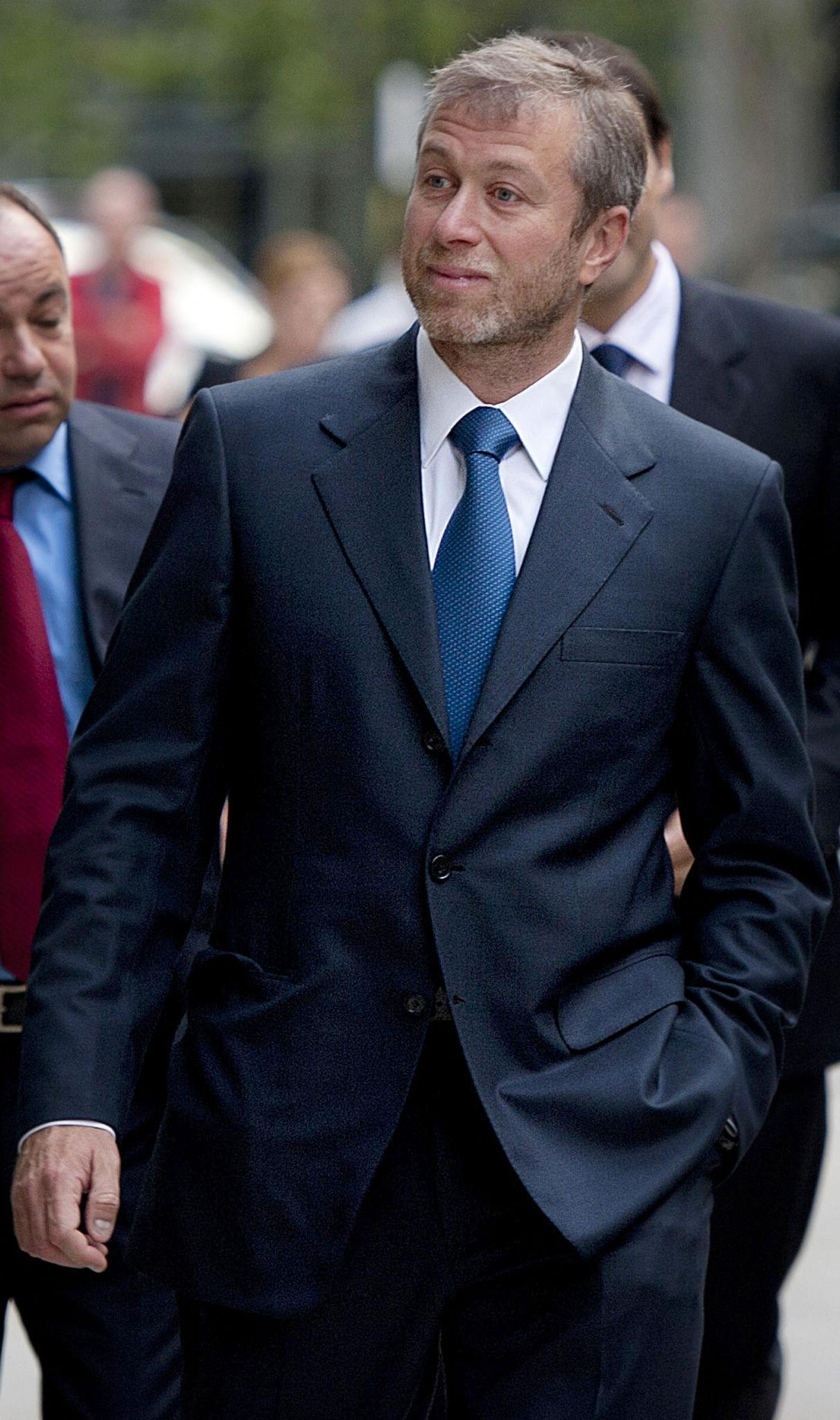
And nobody embodied the era better than Boris Berezovsky.
1778516717522
1778516726214
1778516749622


The Core Mechanic: “Loans for Shares”​

Russia in the mid-90s was broke.
The Soviet Union had collapsed.
The state was desperate for cash.
Institutions barely functioned.
So the government effectively said:
“Lend us money now, and we’ll temporarily hand over stakes in strategic national assets.”
Oil.
Metals.
Mining.
Telecoms.
Then the “auctions” were structured so insiders themselves won the assets.
This became the infamous “Loans for Shares” scheme.
The result:
A tiny network of politically connected bankers acquired gigantic industrial assets at absurd discounts.
Not because they built anything.
Because they controlled:
  • liquidity
  • media
  • political access
  • auction structure
  • information asymmetry
This was not capitalism as meritocracy.
It was capitalism as state decomposition.

Berezovsky’s Prime Era​

Boris Berezovsky started as a mathematician and car dealer.
Then he realized something profound:
In a collapsing state, informational leverage matters more than operational competence.
He moved into:
  • banking
  • media
  • political influence
  • oil privatization
  • Kremlin relationships
He became one of the “Semibankirschina” — the small banker clique effectively helping keep Boris Yeltsin in power during the 1996 election cycle.
The trade was simple:
Protect the regime.
Receive strategic assets.

Sibneft: The Extraction Engine​

The most famous case was Sibneft.
Eventually tied to Roman Abramovich and Berezovsky.
The company was acquired during the privatization wave for roughly ~$100m. Later it sold for billions.
That spread alone explains the entire era.
The objective was not:
  • improve operations
  • optimize production
  • innovate technology
The objective was:
Acquire strategic hard assets before institutional reality catches up.
That is scorched earth capitalism.
You buy civilization during a temporary pricing error.

The Real Asset Was Never Oil​

The real asset was:
  • political immunity
  • media control
  • access
  • coercive leverage
Berezovsky understood media before almost anyone.
He gained influence over ORT, Russia’s main television channel.
Meaning:
  • narratives
  • elections
  • political legitimacy
  • public perception
became financial assets.
The oligarch model was basically:
State weakness → media influence → political leverage → asset acquisition → capital flight.

The Most Brutal Part​

Almost none of this required operational excellence.
That is the psychologically disturbing part.
The highest returns came from:
  • positioning
  • timing
  • access
  • legal ambiguity
  • political embeddedness
not “working harder.”
The winners recognized that:
  • institutional transition creates mispriced ownership
  • collapsing systems create forced sellers
  • political desperation creates privatization
  • liquidity crises create generational transfers of wealth
before normal people emotionally processed what was happening.

The Abramovich Dynamic​

Roman Abramovich represented the colder second phase.
Less theatrical.
Less ideological.
More structurally dangerous.
Berezovsky was chaos capitalism.
Abramovich was optimized extraction capitalism.
Quiet.
Low visibility.
Operationally adaptive.
Relationship-managed.
When the Putin era arrived, many first-wave oligarchs lost power.
Berezovsky eventually fled Russia.
Khodorkovsky went to prison.
Others died, disappeared, or lost influence.
Abramovich survived much longer because he understood the next evolutionary rule:
In authoritarian capitalism, proximity to power matters more than ownership itself.

The Hidden Lesson​

The 1990s Russian oligarch era reveals something most public discourse suppresses:
During systemic transitions, ownership changes hands violently and asymmetrically.
Not gradually.
Not fairly.
And usually not through “competition.”
The biggest fortunes often emerge when:
  • institutions break
  • states panic
  • assets become politically mispriced
  • liquidity vanishes
  • insiders gain first access to restructuring
That is the true essence of scorched earth capitalism.
Not entrepreneurship.
Civilizational arbitrage.
 
  • +1
  • Love it
Reactions: d3m4g5, Brava, shedontluv-U and 3 others
Claimed repfarm spot
 
  • +1
  • Love it
Reactions: Brava, chang cypionate and Seth Walsh
dnr but mirin high iq
 
  • +1
  • Love it
Reactions: chang cypionate, astatin and Seth Walsh
I just manually write them similar to AI so that I farm "Stop using ChatGPT" "this is AI" comments.
 
  • +1
  • JFL
Reactions: d3m4g5, Brava and chang cypionate
Will read later, hopefully another good thread by Seth?
 
  • Love it
Reactions: Seth Walsh
The 1990s Russian oligarch era was probably the purest form of post-state scorched earth capitalism ever seen.


Not “building companies.”


Not “long-term shareholder value.”


Not even normal corruption.


This was:


  • collapsing empire
  • state assets being auctioned off for fractions of their value
  • political capture
  • media manipulation
  • debt-for-equity extraction
  • oil fields, metals and TV stations being treated like loot crates

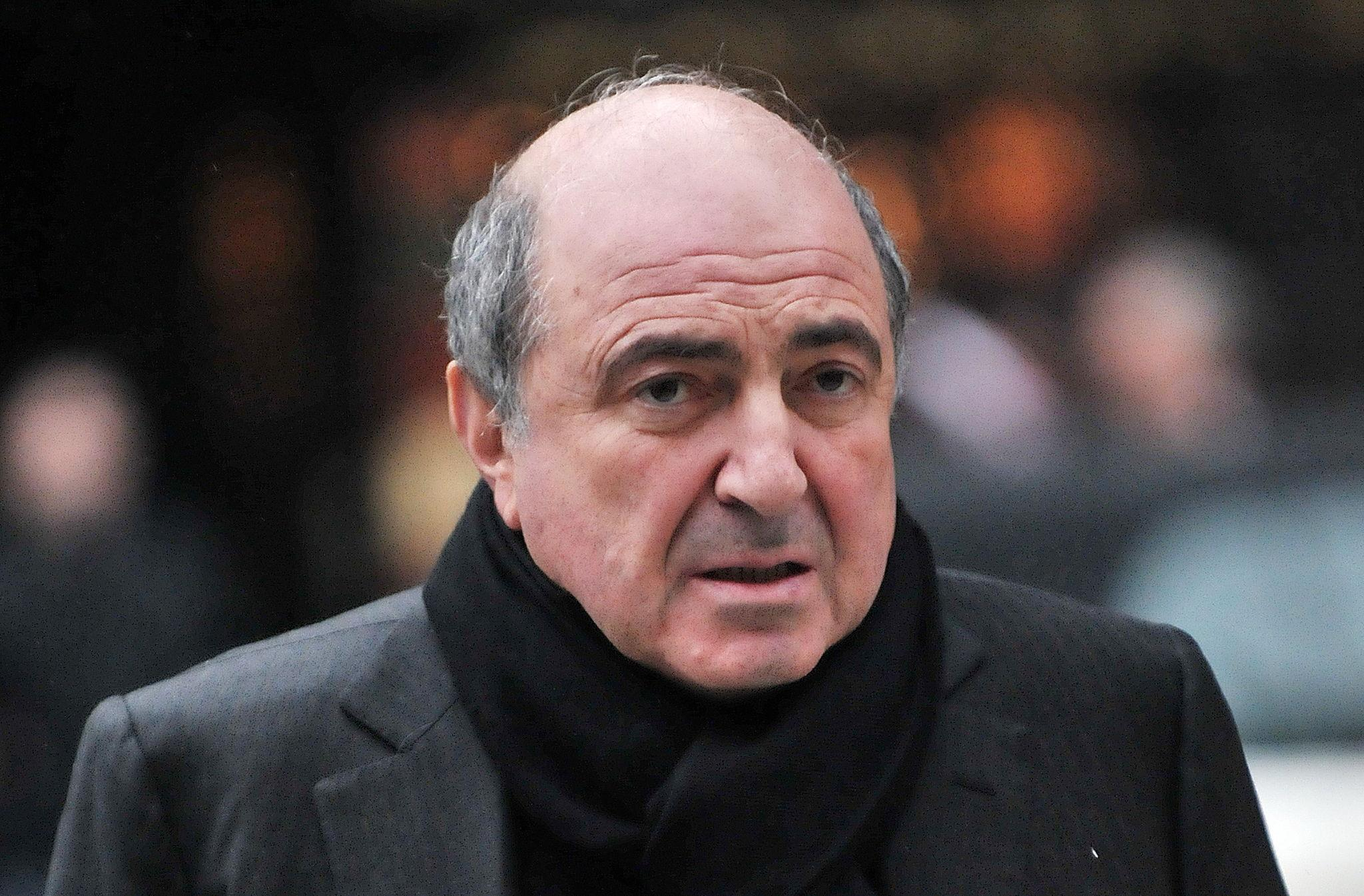
And nobody embodied the era better than Boris Berezovsky.
View attachment 5042756View attachment 5042758View attachment 5042759

The Core Mechanic: “Loans for Shares”​

Russia in the mid-90s was broke.
The Soviet Union had collapsed.
The state was desperate for cash.
Institutions barely functioned.
So the government effectively said:

Oil.
Metals.
Mining.
Telecoms.
Then the “auctions” were structured so insiders themselves won the assets.
This became the infamous “Loans for Shares” scheme.
The result:
A tiny network of politically connected bankers acquired gigantic industrial assets at absurd discounts.
Not because they built anything.
Because they controlled:
  • liquidity
  • media
  • political access
  • auction structure
  • information asymmetry
This was not capitalism as meritocracy.
It was capitalism as state decomposition.

Berezovsky’s Prime Era​

Boris Berezovsky started as a mathematician and car dealer.
Then he realized something profound:
In a collapsing state, informational leverage matters more than operational competence.
He moved into:
  • banking
  • media
  • political influence
  • oil privatization
  • Kremlin relationships
He became one of the “Semibankirschina” — the small banker clique effectively helping keep Boris Yeltsin in power during the 1996 election cycle.
The trade was simple:
Protect the regime.
Receive strategic assets.

Sibneft: The Extraction Engine​

The most famous case was Sibneft.
Eventually tied to Roman Abramovich and Berezovsky.
The company was acquired during the privatization wave for roughly ~$100m. Later it sold for billions.
That spread alone explains the entire era.
The objective was not:
  • improve operations
  • optimize production
  • innovate technology
The objective was:
Acquire strategic hard assets before institutional reality catches up.
That is scorched earth capitalism.
You buy civilization during a temporary pricing error.

The Real Asset Was Never Oil​

The real asset was:
  • political immunity
  • media control
  • access
  • coercive leverage
Berezovsky understood media before almost anyone.
He gained influence over ORT, Russia’s main television channel.
Meaning:
  • narratives
  • elections
  • political legitimacy
  • public perception
became financial assets.
The oligarch model was basically:
State weakness → media influence → political leverage → asset acquisition → capital flight.

The Most Brutal Part​

Almost none of this required operational excellence.
That is the psychologically disturbing part.
The highest returns came from:
  • positioning
  • timing
  • access
  • legal ambiguity
  • political embeddedness
not “working harder.”
The winners recognized that:
  • institutional transition creates mispriced ownership
  • collapsing systems create forced sellers
  • political desperation creates privatization
  • liquidity crises create generational transfers of wealth
before normal people emotionally processed what was happening.

The Abramovich Dynamic​

Roman Abramovich represented the colder second phase.
Less theatrical.
Less ideological.
More structurally dangerous.
Berezovsky was chaos capitalism.
Abramovich was optimized extraction capitalism.
Quiet.
Low visibility.
Operationally adaptive.
Relationship-managed.
When the Putin era arrived, many first-wave oligarchs lost power.
Berezovsky eventually fled Russia.
Khodorkovsky went to prison.
Others died, disappeared, or lost influence.
Abramovich survived much longer because he understood the next evolutionary rule:
In authoritarian capitalism, proximity to power matters more than ownership itself.

The Hidden Lesson​

The 1990s Russian oligarch era reveals something most public discourse suppresses:
During systemic transitions, ownership changes hands violently and asymmetrically.
Not gradually.
Not fairly.
And usually not through “competition.”
The biggest fortunes often emerge when:
  • institutions break
  • states panic
  • assets become politically mispriced
  • liquidity vanishes
  • insiders gain first access to restructuring
That is the true essence of scorched earth capitalism.
Not entrepreneurship.
Civilizational arbitrage.
A period of history I've never touched. I was more exposed to Stalin's industrialisation.

This post is gonna change that. Defo need to find something to read about this era.

My mum lived in Berlin when the wall fell, so most of my post-Soviet knowledge is just coloured through her anecdotes.

Mirin.
 
  • +1
  • Love it
Reactions: d3m4g5, Brava and Seth Walsh
I geniunley believe that the 90s era of billionaires in russia serving as oligarchies will influence (if it has not already) a future movement or group of billionaires that will do something revolutionary in the world. whether its the direct descendants of those oligarchies or new billionaires who are inspired by them to do something interesting in the world. If i were to become a billionaire i would 100% take notes from that point in time
 
  • +1
Reactions: CollioureViews and Seth Walsh
I geniunley believe that the 90s era of billionaires in russia serving as oligarchies will influence (if it has not already) a future movement or group of billionaires that will do something revolutionary in the world. whether its the direct descendants of those oligarchies or new billionaires who are inspired by them to do something interesting in the world. If i were to become a billionaire i would 100% take notes from that point in time
Yeah, definitely untapped knowledge.

Most of my reading about the 90s focuses on the dotcom boom.

Vanilla shit that everyone knows.
 
  • +1
Reactions: Seth Walsh and Brava
I geniunley believe that the 90s era of billionaires in russia serving as oligarchies will influence (if it has not already) a future movement or group of billionaires that will do something revolutionary in the world. whether its the direct descendants of those oligarchies or new billionaires who are inspired by them to do something interesting in the world. If i were to become a billionaire i would 100% take notes from that point in time
It will happen with Sam Altman, Dario Amodei and some Chinese in my opinion. At 1000x the scale. It won't just be national level kleptocracy. It'll be global, and soon. And the assets being "seized" will be far more sophisticated than base metals, energy, weaponry. It'll include profiles of billions of people, their heuristics, their behavioural idiosyncracies, their financial profiles, the health data, and many many more intangible "assets".
 
  • +1
Reactions: CollioureViews and Brava
It will happen with Sam Altman, Dario Amodei and some Chinese in my opinion. At 1000x the scale. It won't just be national level kleptocracy. It'll be global, and soon. And the assets being "seized" will be far more sophisticated than base metals, energy, weaponry. It'll include profiles of billions of people, their heuristics, their behavioural idiosyncracies, their financial profiles, the health data, and many many more intangible "assets".
the rich truly only be getting richer. either give your life to join them or your life is given to live under them.
 
  • So Sad
  • +1
Reactions: CollioureViews and Seth Walsh
the rich truly only be getting richer. either give your life to join them or your life is given to live under them.
Fucking brutal man
 
  • +1
Reactions: Brava
but how would you use this for your day to day life:Comfy:

only for top 0.0001%
 
  • Hmm...
Reactions: CollioureViews
but how would you use this for your day to day life:Comfy:

only for top 0.0001%
If you see someone running a "business" based on similar patterns, run a mile. Because, you won't participate in the upside. North Korean-esque propeganda will be used on you to keep you compliant, and to keep the extraction machine running.

It's a good litmus test. Does ownership of the company I work for act "more" or "less" like a late 90s Russian Oligarch.

Do they care about value creation at the operating layer, or do their incentives show that full economic capture at the ownership layer is the ONLY thing that matters.
 
  • +1
Reactions: AverageCurryEnjoyer and CollioureViews
The 1990s Russian oligarch era was probably the purest form of post-state scorched earth capitalism ever seen.


Not “building companies.”


Not “long-term shareholder value.”


Not even normal corruption.


This was:


  • collapsing empire
  • state assets being auctioned off for fractions of their value
  • political capture
  • media manipulation
  • debt-for-equity extraction
  • oil fields, metals and TV stations being treated like loot crates

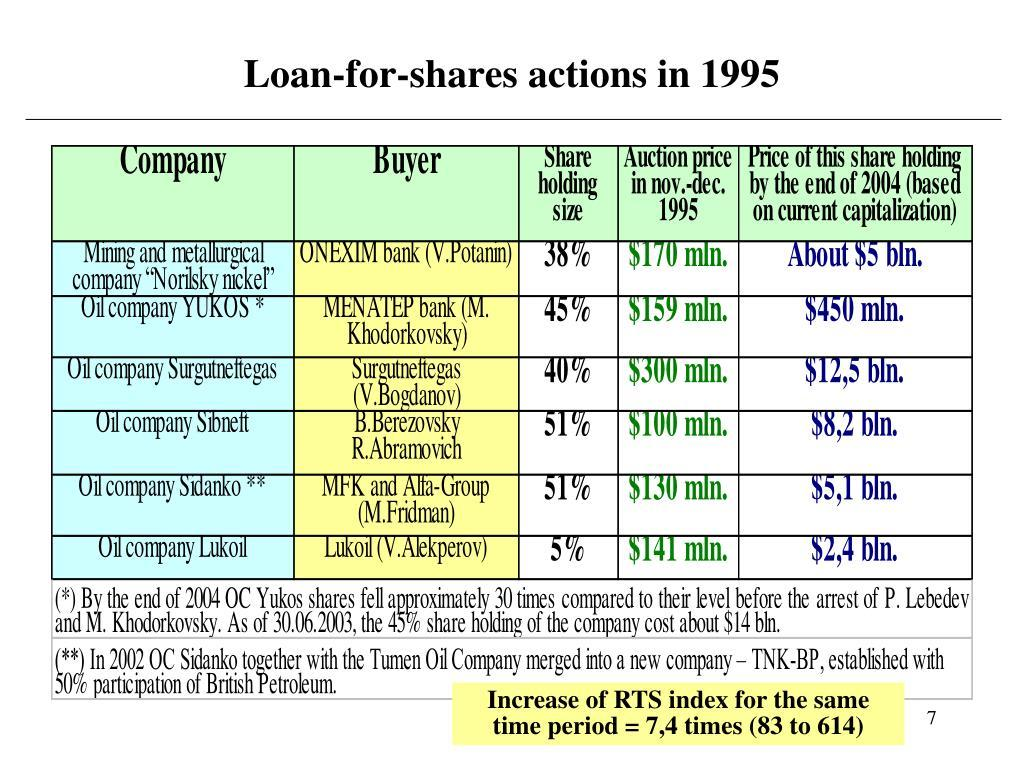
And nobody embodied the era better than Boris Berezovsky.
View attachment 5042756View attachment 5042758View attachment 5042759

The Core Mechanic: “Loans for Shares”​

Russia in the mid-90s was broke.
The Soviet Union had collapsed.
The state was desperate for cash.
Institutions barely functioned.
So the government effectively said:

Oil.
Metals.
Mining.
Telecoms.
Then the “auctions” were structured so insiders themselves won the assets.
This became the infamous “Loans for Shares” scheme.
The result:
A tiny network of politically connected bankers acquired gigantic industrial assets at absurd discounts.
Not because they built anything.
Because they controlled:
  • liquidity
  • media
  • political access
  • auction structure
  • information asymmetry
This was not capitalism as meritocracy.
It was capitalism as state decomposition.

Berezovsky’s Prime Era​

Boris Berezovsky started as a mathematician and car dealer.
Then he realized something profound:
In a collapsing state, informational leverage matters more than operational competence.
He moved into:
  • banking
  • media
  • political influence
  • oil privatization
  • Kremlin relationships
He became one of the “Semibankirschina” — the small banker clique effectively helping keep Boris Yeltsin in power during the 1996 election cycle.
The trade was simple:
Protect the regime.
Receive strategic assets.

Sibneft: The Extraction Engine​

The most famous case was Sibneft.
Eventually tied to Roman Abramovich and Berezovsky.
The company was acquired during the privatization wave for roughly ~$100m. Later it sold for billions.
That spread alone explains the entire era.
The objective was not:
  • improve operations
  • optimize production
  • innovate technology
The objective was:
Acquire strategic hard assets before institutional reality catches up.
That is scorched earth capitalism.
You buy civilization during a temporary pricing error.

The Real Asset Was Never Oil​

The real asset was:
  • political immunity
  • media control
  • access
  • coercive leverage
Berezovsky understood media before almost anyone.
He gained influence over ORT, Russia’s main television channel.
Meaning:
  • narratives
  • elections
  • political legitimacy
  • public perception
became financial assets.
The oligarch model was basically:
State weakness → media influence → political leverage → asset acquisition → capital flight.

The Most Brutal Part​

Almost none of this required operational excellence.
That is the psychologically disturbing part.
The highest returns came from:
  • positioning
  • timing
  • access
  • legal ambiguity
  • political embeddedness
not “working harder.”
The winners recognized that:
  • institutional transition creates mispriced ownership
  • collapsing systems create forced sellers
  • political desperation creates privatization
  • liquidity crises create generational transfers of wealth
before normal people emotionally processed what was happening.

The Abramovich Dynamic​

Roman Abramovich represented the colder second phase.
Less theatrical.
Less ideological.
More structurally dangerous.
Berezovsky was chaos capitalism.
Abramovich was optimized extraction capitalism.
Quiet.
Low visibility.
Operationally adaptive.
Relationship-managed.
When the Putin era arrived, many first-wave oligarchs lost power.
Berezovsky eventually fled Russia.
Khodorkovsky went to prison.
Others died, disappeared, or lost influence.
Abramovich survived much longer because he understood the next evolutionary rule:
In authoritarian capitalism, proximity to power matters more than ownership itself.

The Hidden Lesson​

The 1990s Russian oligarch era reveals something most public discourse suppresses:
During systemic transitions, ownership changes hands violently and asymmetrically.
Not gradually.
Not fairly.
And usually not through “competition.”
The biggest fortunes often emerge when:
  • institutions break
  • states panic
  • assets become politically mispriced
  • liquidity vanishes
  • insiders gain first access to restructuring
That is the true essence of scorched earth capitalism.
Not entrepreneurship.
Civilizational arbitrage.
I've always been fascinated by this time period, didn't expect to see a post about it here.
 
  • Love it
Reactions: Seth Walsh

Similar threads

Seth Walsh
Replies
9
Views
70
Mochi Force 15
Mochi Force 15
NoExit
Replies
1
Views
16
AustrianMogger
AustrianMogger
CHRIST_764
Replies
3
Views
28
asdvek
asdvek
Lecherous
Replies
2
Views
35
Lecherous
Lecherous

Users who are viewing this thread

Back
Top