Seth Walsh

Iconoclast
Contributor
- Joined
- Jan 12, 2020
- Posts
- 10,942
- Reputation
- 22,350
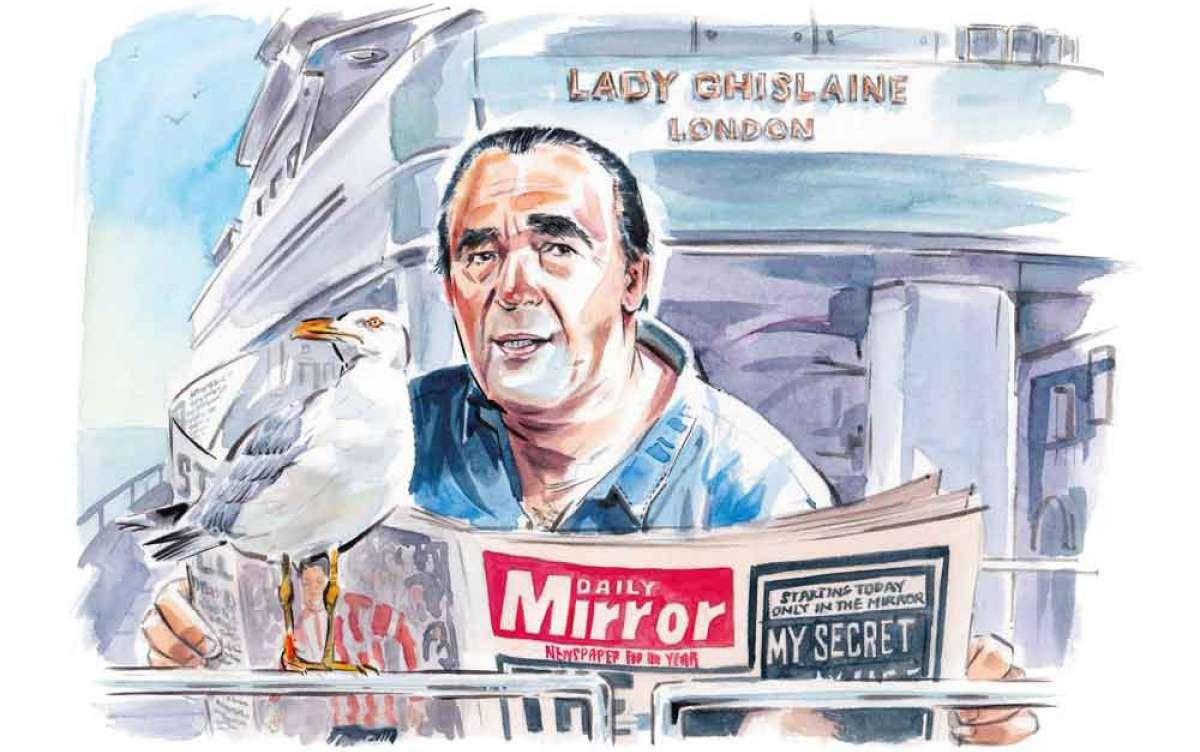
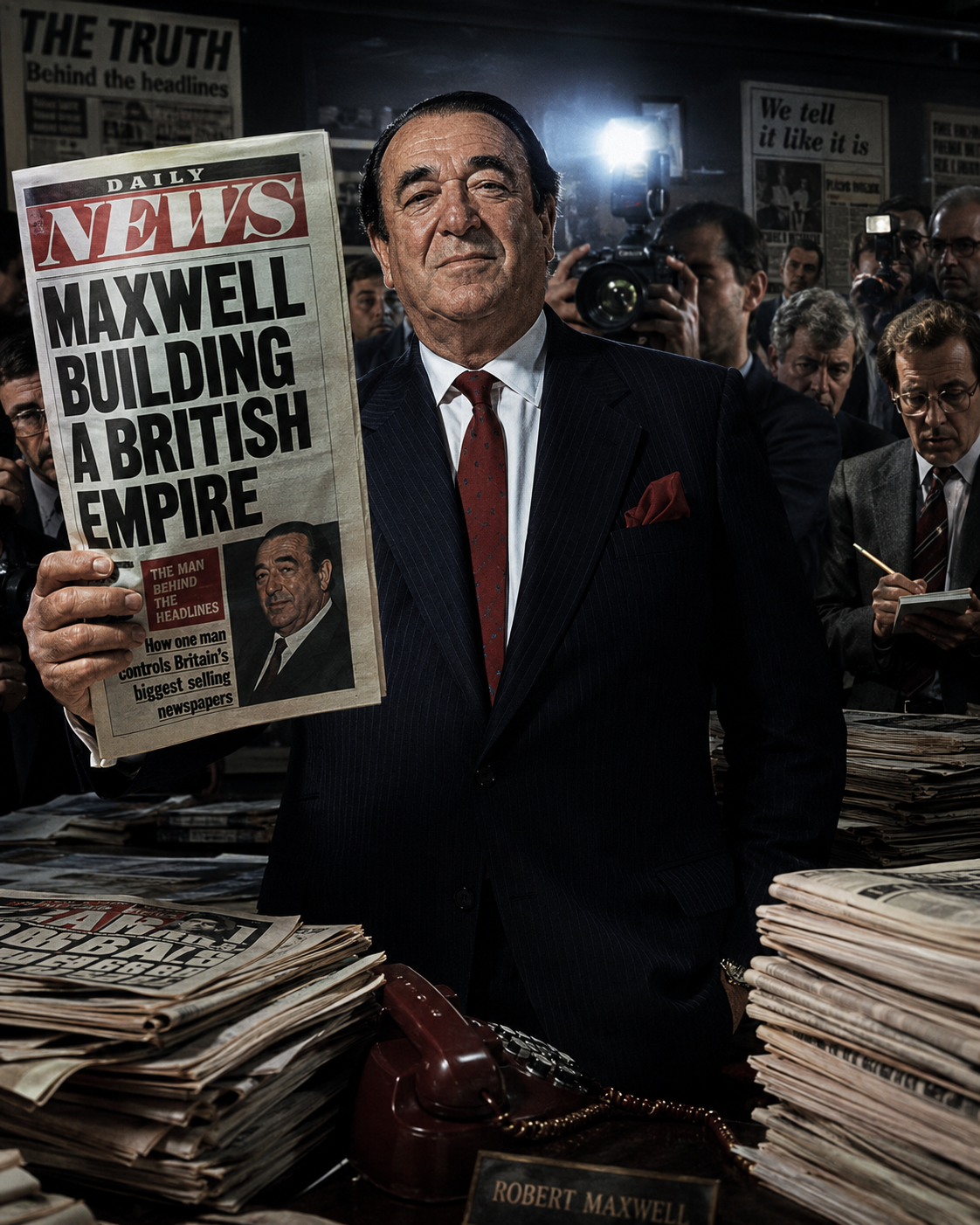
Robert Maxwell was not just a corrupt newspaper baron.
He was the final boss of old-world prestige capitalism:
war hero, MP, publishing tycoon, media emperor, yacht owner, political insider, bully, debtor, fraudster.
And when the empire started collapsing, he did what true scorched-earth capitalists do:
he reached for the money that was supposed to be untouchable.
The workers’ pensions.
This is the entire lesson.
The public saw a powerful media tycoon.
The banks saw collateral.
The politicians saw influence.
The employees saw a boss.
But Maxwell saw every balance sheet as one giant liquidity pool.
Company cash.
Public-company stock.
Private-company assets.
Pension funds.
Everything became fuel to keep the empire alive for one more day.
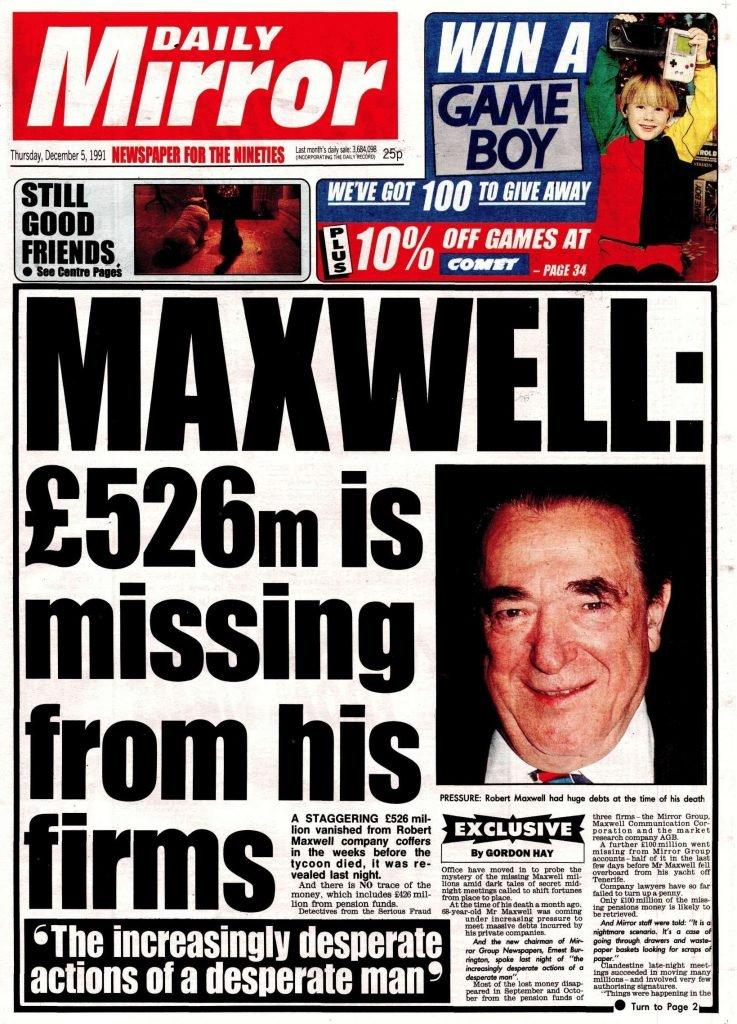
After his death in 1991, around £450m–£480m was found missing from pension schemes connected to his companies, putting more than 32,000 pension members at risk.
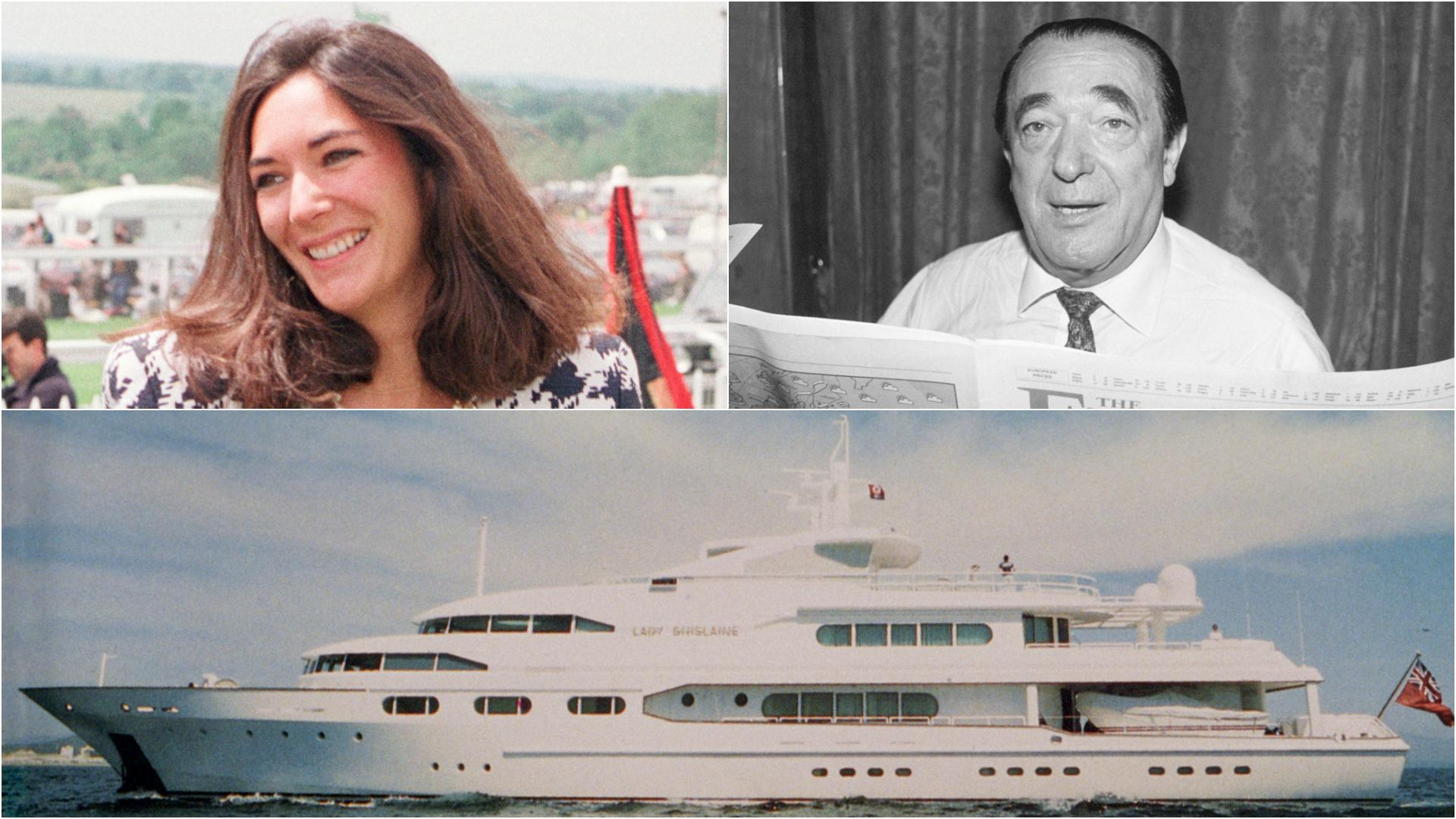
The end was cinematic because the structure was already rotten.
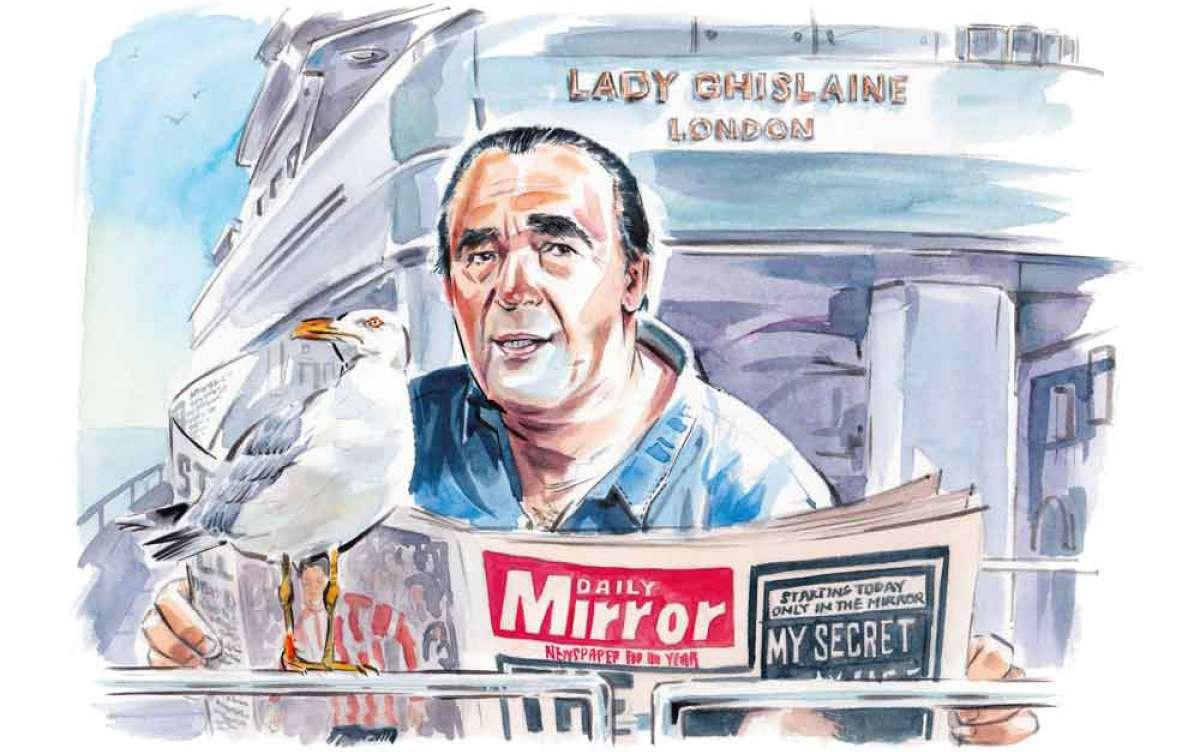
On 5 November 1991, Maxwell disappeared from his yacht, the Lady Ghislaine, near the Canary Islands. His body was later recovered from the Atlantic.
That is when the fiction broke.
Banks called loans.
Auditors started looking properly.
The empire started collapsing.
And the “wealth” turned out to be leverage, concealment, and stolen retirement money.
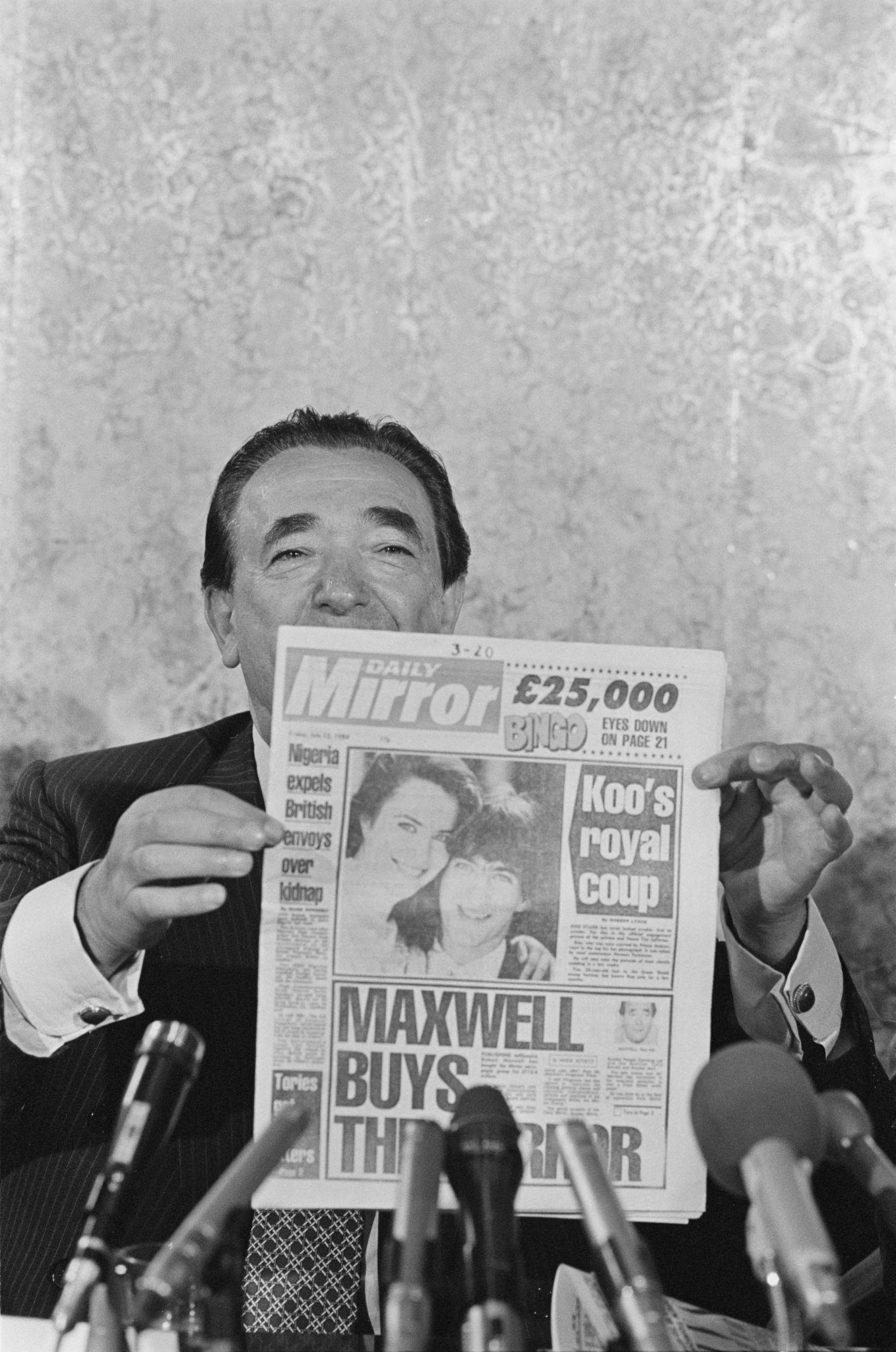
Maxwell’s genius was not building clean value.
It was controlling narrative.
He owned newspapers.
He understood headlines.
He understood status.
He understood that if you look powerful enough, lenders hesitate, politicians flatter you, employees obey, and institutions keep extending rope.
This is the dark art:
prestige as collateral.
Not cashflow.
Not solvency.
Not durable profits.
Prestige.
The mechanism was brutally simple.
As the empire weakened, pension-fund assets were used to support Maxwell-controlled companies, pledge shares as collateral, and prop up the group’s financial position. Pension assets were supposed to exist for employees’ retirement, but they became emergency financing for the owner’s collapsing structure.